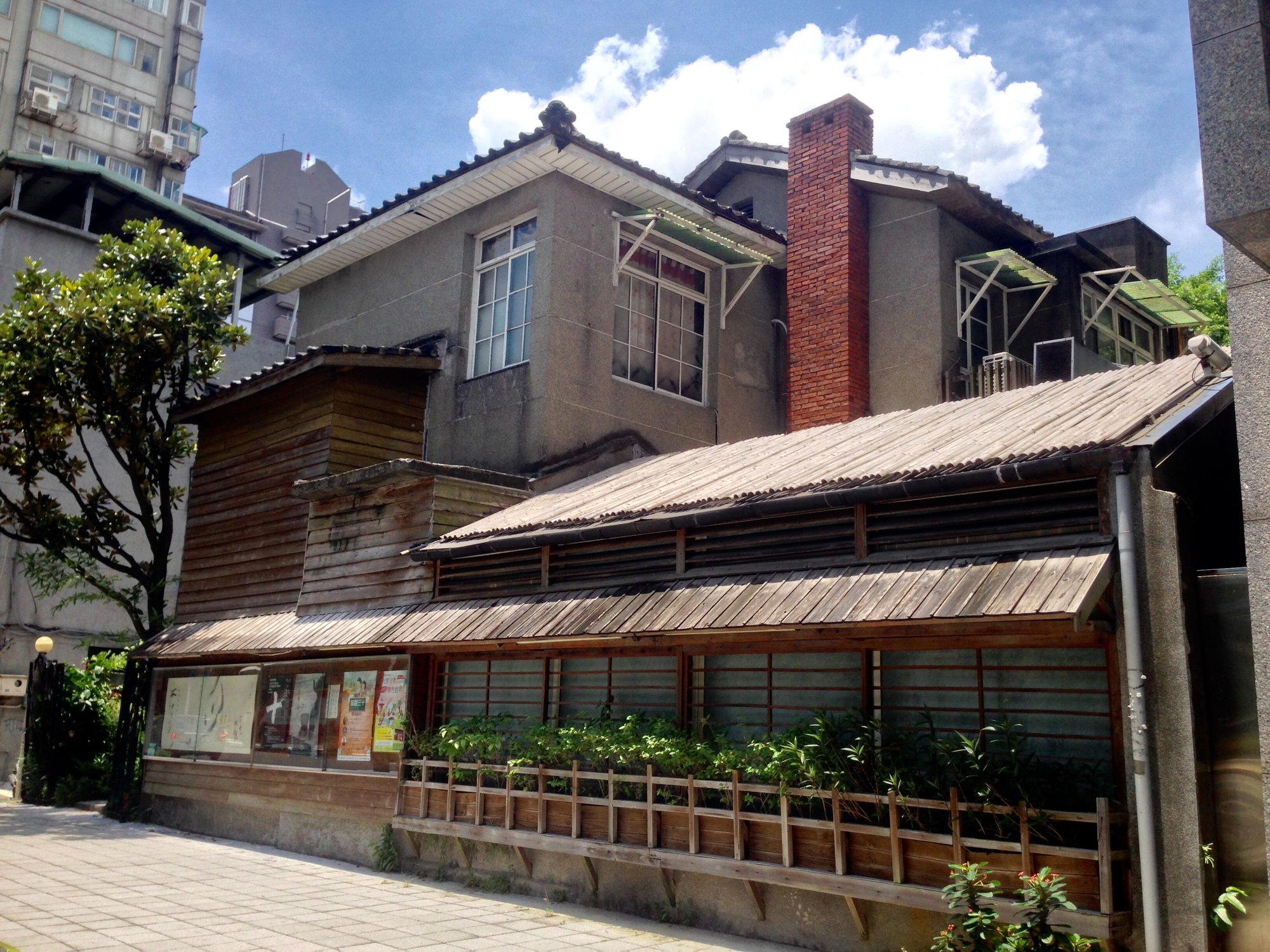
Wistaria Tea House occupies a Japanese-era wooden house on Xinsheng South Road in Taipei's Da'an District, where decades of literary and political gatherings have shaped it into one of the city's most atmospheric settings for traditional Taiwanese tea. The house format, period architecture, and quiet remove from the surrounding urban grid make it a natural choice for occasions that call for deliberate slowing down.
 Discover on Pearl
Pearl is the En Primeur Club membership app — saves, bookings, and concierge access live there. Same editors, same standards.
- Address
- No. 1號, Lane 16, Section 3, Xinsheng S Rd, Da’an District, Taipei City, Taiwan 106
- Phone
- +886223637375
- Website
- wistariateahouse.com
A Particular Kind of Occasion, in a Particular Kind of Room
Taipei has no shortage of places to mark a moment, from formal Cantonese banquets at Le Palais to contemporary Taiwanese tasting menus at Taïrroir. But there is a different register of occasion dining in Taipei, one that does not require a printed menu or a sommelier, and Wistaria Tea House has occupied that register for longer than most of the city's celebrated restaurants have existed. The house at No. 1, Lane 16, Section 3 of Xinsheng South Road is a Japanese colonial-era wooden structure, and the experience of arriving at it, the lane narrows, the pavement quiets, the building reads as residential before it reads as a destination, already signals that what follows will operate at a different tempo than the city around it.
That tempo is the point. Occasions that unfold here are measured in the succession of infusions drawn from a single pot of tea, not in courses or cocktail rounds. For a certain kind of anniversary dinner, farewell gathering, or deliberate afternoon set aside from ordinary routine, the format is better suited than any tasting menu. The distinction between celebration and contemplation collapses in a room like this.
What the Building Carries
Japanese colonial architecture of the interwar period appears across Taiwan in various states of repair and repurposing, but the category is not monolithic. Some examples have been converted into museum annexes; others house design studios or cafés that use the timber framing as aesthetic backdrop without much else. Wistaria is a different case. The house in Da'an District accumulated a specific social history through the latter decades of the twentieth century, when it served as a gathering space for writers, artists, and dissidents during a politically constrained era in Taiwan. That history forms part of the site's identity. It does not merely look like a place with a past; it has a traceable one.
This matters for occasion dining because context shapes what a meal means. The physical room, low ceilings, aged timber, the kind of natural light that shifts visibly across an hour, does more atmospheric work than most purpose-built restaurant interiors manage with considerably larger budgets. L'Atelier de Joël Robuchon Taipei and logy deliver precision and craft in meticulously designed contemporary rooms; Wistaria delivers something architecturally and historically unrepeatable.
The Tea Tradition at the Centre
Taiwanese gongfu tea culture operates through a specific set of conventions: small pots, usually Yixing clay or equivalent; short steep times; multiple infusions from the same leaves; and an attention to water temperature that the leading practitioners treat with the same seriousness a sommelier gives to serving temperature for wine. The practice slows a shared experience down to its component parts in a way that a meal, with its forward momentum from course to course, does not always allow. For two people marking something significant, or a small group wanting an afternoon that resists interruption, the structure of a gongfu tea session is arguably better designed for genuine conversation than a restaurant setting.
Taiwan produces some of the most closely watched high-mountain oolongs in the world, Ali Shan, Li Shan, Da Yu Ling, as well as the heavily oxidised Dong Ding style and the distinctive Oriental Beauty, whose partial insect damage during production yields a honey and stone-fruit character that has attracted serious attention from tea buyers globally. A house with Wistaria's character sits naturally within that tradition.
Placing It in Taipei's Occasion Dining Map
The city's premium dining tier has shifted considerably over the past decade. Molino de Urdániz brought Spanish contemporary technique to Taipei's formal dining options; L'Atelier de Joël Robuchon anchors the French fine-dining register. Taiwan's broader restaurant culture is represented beyond the capital too, with venues like JL Studio in Taichung, GEN in Kaohsiung, and A Xia in Tainan building a national fine-dining conversation that Taipei's scene exists within, not apart from.
None of those venues offer what the Wistaria building offers. The gap in the market that a Japanese colonial tea house fills is genuinely structural: the format, the architecture, and the historical weight are not reproducible by a new-build. That specificity is what makes it a serious option for occasions where the setting is expected to carry meaning, not as scenery, but as substance.
Planning a Visit
Da'an District is accessible via the MRT Red Line, with Daan station placing visitors within a short walk of the Xinsheng South Road address. The lane location means the house is not immediately visible from the main road; the approach on foot is part of the experience, and arriving by taxi or rideshare directly to the lane entrance is direct. Because the venue operates within a heritage structure with finite space, it draws a dedicated local following alongside visitors, and demand on weekend afternoons tends to outpace available seating. Contacting the venue in advance, particularly for larger groups or special occasion visits, is advisable; the format of a tea session lends itself to some advance arrangement around timing and tea selection. Current pricing and booking procedures should be confirmed directly with the venue.
For occasions that benefit from a longer Taipei day, the Da'an area sits close to a cluster of neighbourhood restaurants and the broader grid of the Xinyi and Zhongzheng districts. Those planning an itinerary that combines a Wistaria tea session with an evening dinner have a practical range of Taipei's leading contemporary restaurants within reach. The contrast between an afternoon in a century-old wooden house and an evening at a precision-focused counter like logy or Taïrroir makes for a day that covers a wide register of what Taipei's food and drink culture currently offers.
Cost Snapshot
Comparable venues nearby, for context on price, style, and recognition.
| Venue | Cuisine | Price | Awards | Notes |
|---|---|---|---|---|
| Wistaria Tea HouseThis venue — the venue you are viewing | Longpo, Traditional Taiwanese Tea House | $$ | , | |
| 香港波記茶餐廳 | 東區, Hong Kong-Style Cha Chaan Teng | $$ | , | |
| 藍玲四川牛肉麵 | $$ | , | Daan District, Sichuan-Style Beef Noodles | |
| Din Tai Fung Xinyi Branch | Fuzhu, Shanghainese Soup Dumplings | $$ | , | |
| 大æ©é ç±³ç³ | Longhe, Head Rice Noodles | , | , | |
| Zen Ho Uang | Heng'an, Authentic Yunnanese | $$ | , |
Continue exploring
More in Taipei
Restaurants in Taipei
Browse all →
Bars in Taipei
Browse all →
Hotels in Taipei
Browse all →
Wineries in Taipei
Browse all →
At a Glance
- Cozy
- Historic
- Intimate
- Serene
- Elegant
- Solo
- Casual Hangout
- Special Occasion
- Historic Building
- Garden
- Sake Program
- Garden
Light-filled, peaceful, and serene with lush courtyard views, traditional decor, and a tranquil atmosphere ideal for relaxation.