Taipei's Sichuan beef noodle shops occupy a distinct tier from the city's ubiquitous Taiwanese-style versions, and 藍玲四川牛肉麵 operates in that more specialized bracket. The kitchen focuses on the numbing heat and slow-braised depth that define Sichuan preparation, positioning it alongside a small group of shops where provenance and technique matter more than throughput. For visitors mapping Taipei's noodle scene, it represents a different register entirely.
Pearl is the En Primeur Club membership app — saves, bookings, and concierge access live there. Same editors, same standards.
- Address
- Taipei, Taiwan
- Directions
- Get directions
 Saves & bookings on Pearl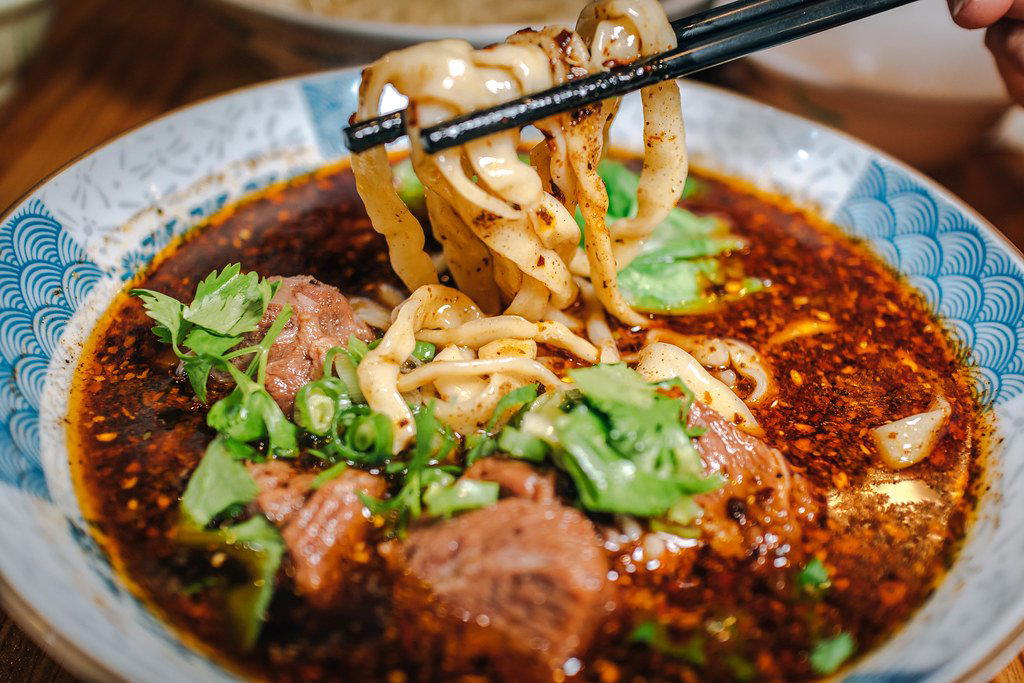
Sichuan Beef Noodle in Taipei: What You're Actually Ordering Into
Taipei's beef noodle culture is one of the city's most argued-over subjects, and the argument usually starts with a distinction that outsiders miss: the Taiwanese-style braised version and the Sichuan-influenced version are not the same dish, do not belong to the same lineage, and should not be evaluated by the same criteria. The Taiwanese iteration leans on a soy-heavy, mildly sweet broth with red-braised beef that has absorbed decades of local adaptation. The Sichuan approach, which 藍玲四川牛肉麵 operates within, pulls from a different technical tradition, one where doubanjiang, Sichuan peppercorn, and slow-rendered tallow drive a broth built on layered heat rather than sweetness. Understanding that distinction is the first step to setting accurate expectations.
In Taipei, the Sichuan-style shops occupy a smaller, more particular corner of the beef noodle scene. The city's most visible noodle institutions tend to cluster around the Taiwanese-style preparation, which means a shop holding to Sichuan technique is operating in a smaller lane. Regulars at these spots are often comparing across a narrow peer group rather than choosing between the broadest possible options. That specificity shapes everything about the experience, from the ordering logic to the pace of the room.
How Taipei's Beef Noodle Economy Works, and Where 藍玲四川牛肉麵 Sits
Taipei's noodle shops exist across a wide price and format spectrum. At the lower end, bowl prices can sit under NT$150 at canteen-style counters with high turnover and minimal customization. The mid-tier shops, where craft and consistency matter more, generally land between NT$180 and NT$280 per bowl, and these are the places where regulars develop genuine loyalty. The upper bracket tends to involve specialty beef cuts, house-made noodles, or extended braising times that justify both the price and the wait. 藍玲四川牛肉麵 operates within this broader noodle economy, and the Sichuan framing places it alongside shops where ingredient sourcing and technique credibility carry weight.
For comparison, the Taipei dining scene at the high end includes Michelin-recognized restaurants like Le Palais for Cantonese cuisine and Taïrroir for Taiwanese-French contemporary work, while the modernist tier runs through places like logy and Molino de Urdániz. These are different categories entirely, but they illustrate how Taipei's food scene runs from NT$100 noodle bowls to four-figure tasting menus, with strong editorial interest at every tier. A well-executed Sichuan beef noodle bowl belongs to its own tier of seriousness, one where the comparison is other noodle shops rather than fine dining rooms.
The Booking Experience: What to Know Before You Go
Taipei's leading noodle shops generally do not take reservations. This is not a quirk, it reflects how the format works. Queue systems, posted wait times, and early-opening rushes are the operational reality at shops that have built a following. The pattern holds broadly: arrive early, arrive at off-peak hours (mid-afternoon often works better than the lunch or dinner rush), or accept that a wait is part of the visit. The shops that generate the consistent word-of-mouth are precisely the ones where demand consistently outpaces seating, and this is as true in the noodle category as it is in any other format.
For visitors working through Taipei's broader dining map, the planning logic for a shop like 藍玲四川牛肉麵 differs from booking into a reservation-required fine dining room. The visit is walk-in, cash-aware (many smaller shops still prefer or require cash), and dependent on timing. If you are building a day around it, plan for flexibility. Mid-week visits during non-peak hours generally result in shorter waits at high-demand shops across the city.
It is also worth mapping adjacent options in the area before you go. Taipei's noodle culture has strong regional nodes, and understanding the neighborhood context helps when the primary destination has a longer-than-expected queue.
Sichuan Technique and What It Demands of the Kitchen
The Sichuan beef noodle tradition involves a set of technical commitments that are easy to shortcut and difficult to fake at volume. Doubanjiang, the fermented broad-bean chili paste that anchors the flavor profile, requires time to cook out properly; rushed versions taste raw and flat rather than deeply integrated. Sichuan peppercorn's distinctive mala character (the numbing-heat combination that separates it from direct chili heat) dissipates quickly when mishandled, which is why experienced cooks at specialist shops add it at specific stages rather than treating it as a background seasoning. The beef itself, whether shank, tendon, or a combination, needs long braising at controlled temperatures to reach the texture that regulars expect: yielding but not collapsing, carrying the broth flavor through to the center of the cut.
These are not abstract technical points. They are the practical difference between a Sichuan beef noodle bowl that delivers what the cuisine promises and one that delivers a rough approximation. Shops that hold to the technique over years, not reinventing it, not adapting it into something more broadly appealing, but maintaining its internal logic, tend to be the ones that build the kind of following that sustains a small operation in a competitive city. Taiwan's broader noodle culture has room for both mass-market versions and craft-level practitioners, and the distinction is usually clear within the first few bites.
None of these are beef noodle shops, but they reflect the same underlying principle: Taiwan's food culture rewards venues that commit to a specific tradition rather than hedging toward general appeal.
Know Before You Go
- Cuisine: Sichuan beef noodle
- Location: Taipei, Taiwan
A Lean Comparison
Comparable venues nearby, for context on price, style, and recognition.
| Venue | Cuisine | Price | Notes |
|---|---|---|---|
| 藍玲四川牛肉麵This venue — the venue you are viewing | Not listed | $$ | Not listed |
| ååé åº-é¢å®« | Jianming, Taiwanese Izakaya | Not listed | Not listed |
| Restaurant Pinecone | Fujin, Modern Taiwanese Bistro | $$ | Not listed |
| 半島牛肉麵 | Not listed | $$ | Xinyi District (信義區), Taiwanese Beef Noodle Soup |
| The Master Spicy Noodle (大師兄銷魂麵舖) | Not listed | $$ | Da'an District, Modern Taiwanese Spicy Noodles |
| 站食可以 stand & eat | Gongguan, Hainanese Chicken Rice | $ | Not listed |
Continue exploring
More in Taipei
Restaurants in Taipei
Browse all →
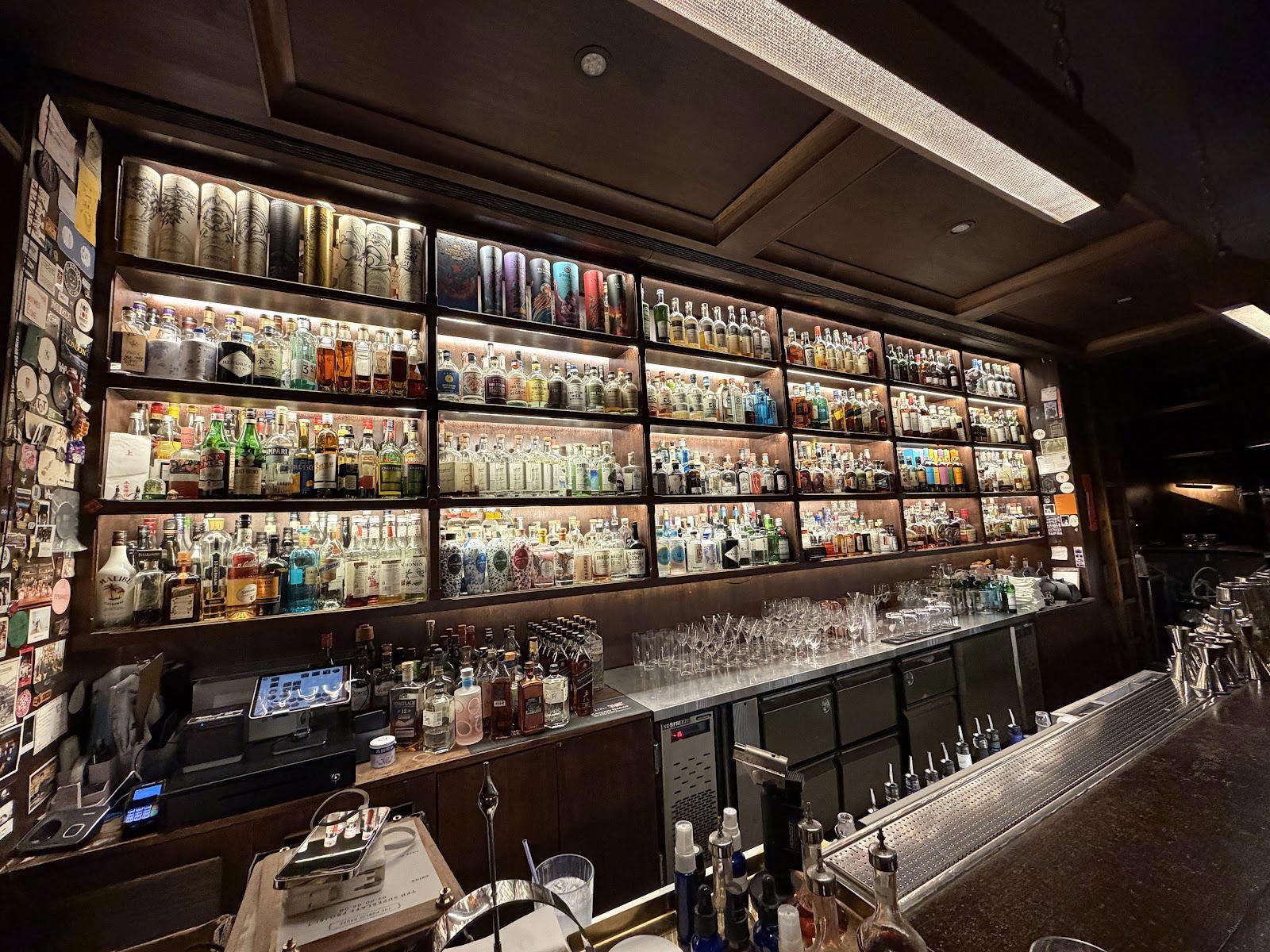
Bars in Taipei
Browse all →
Hotels in Taipei
Browse all →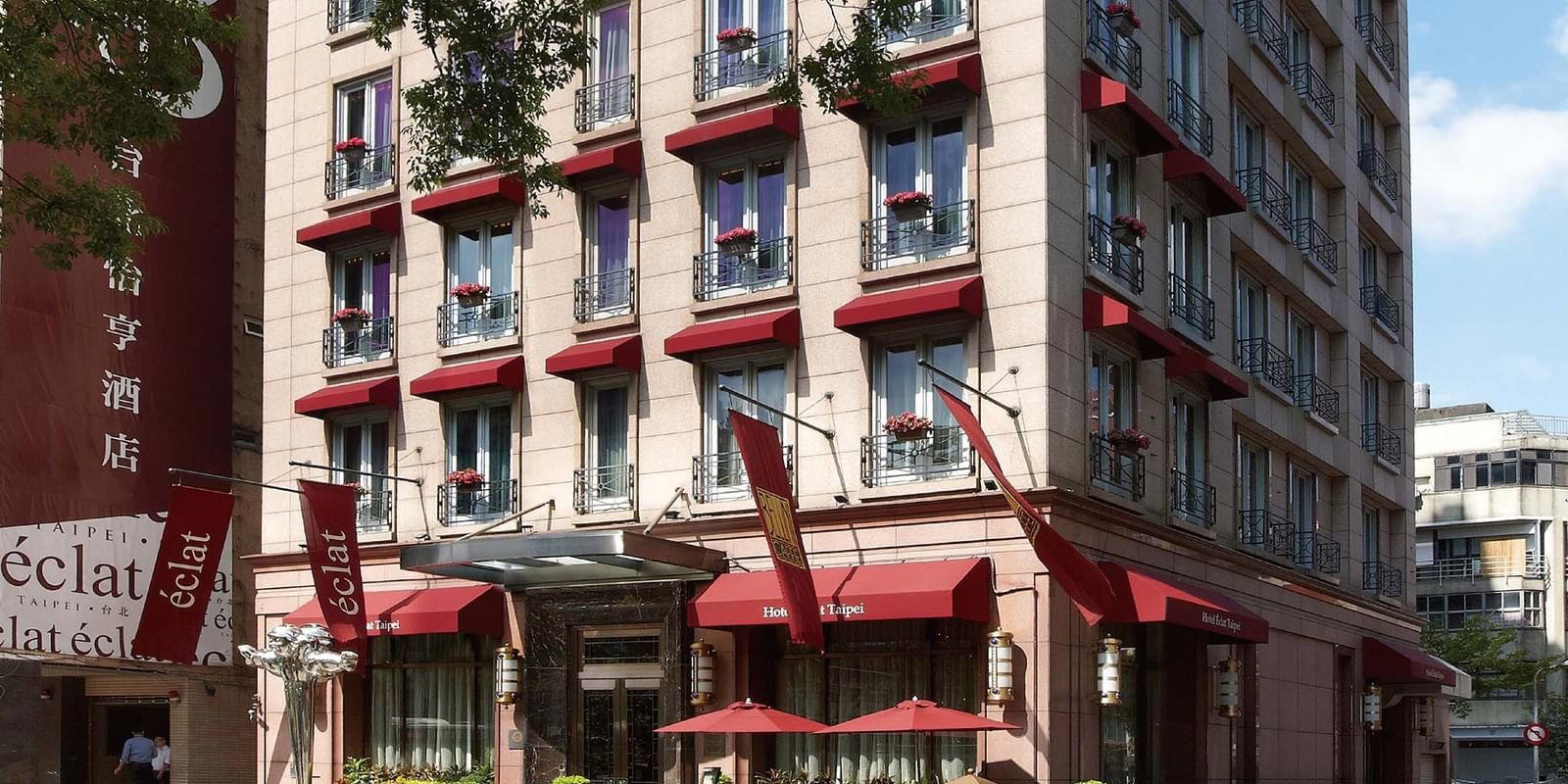

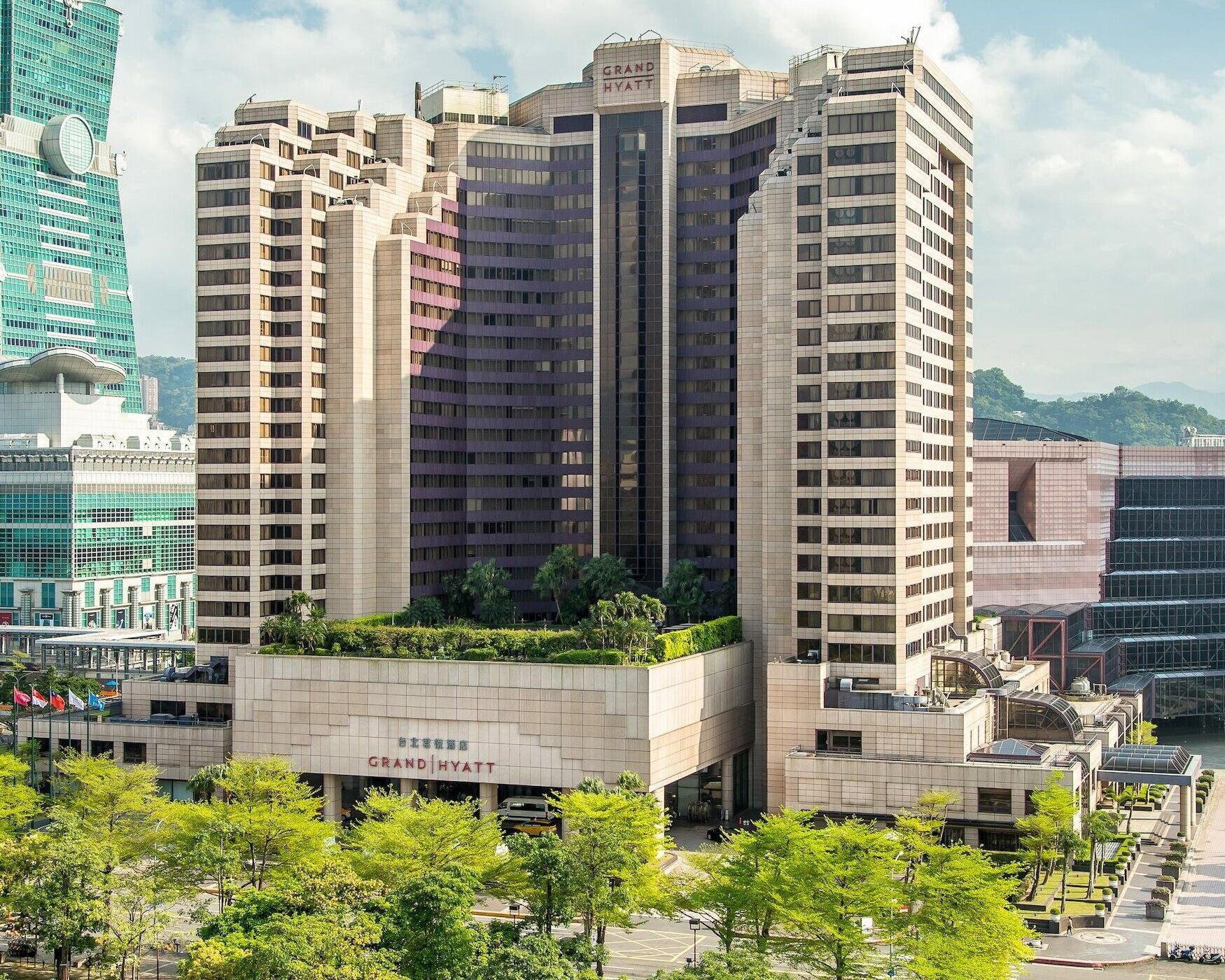
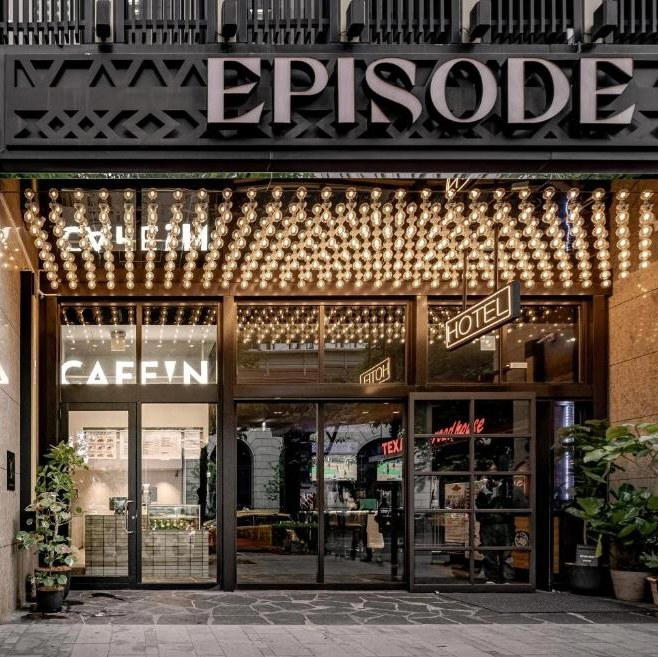
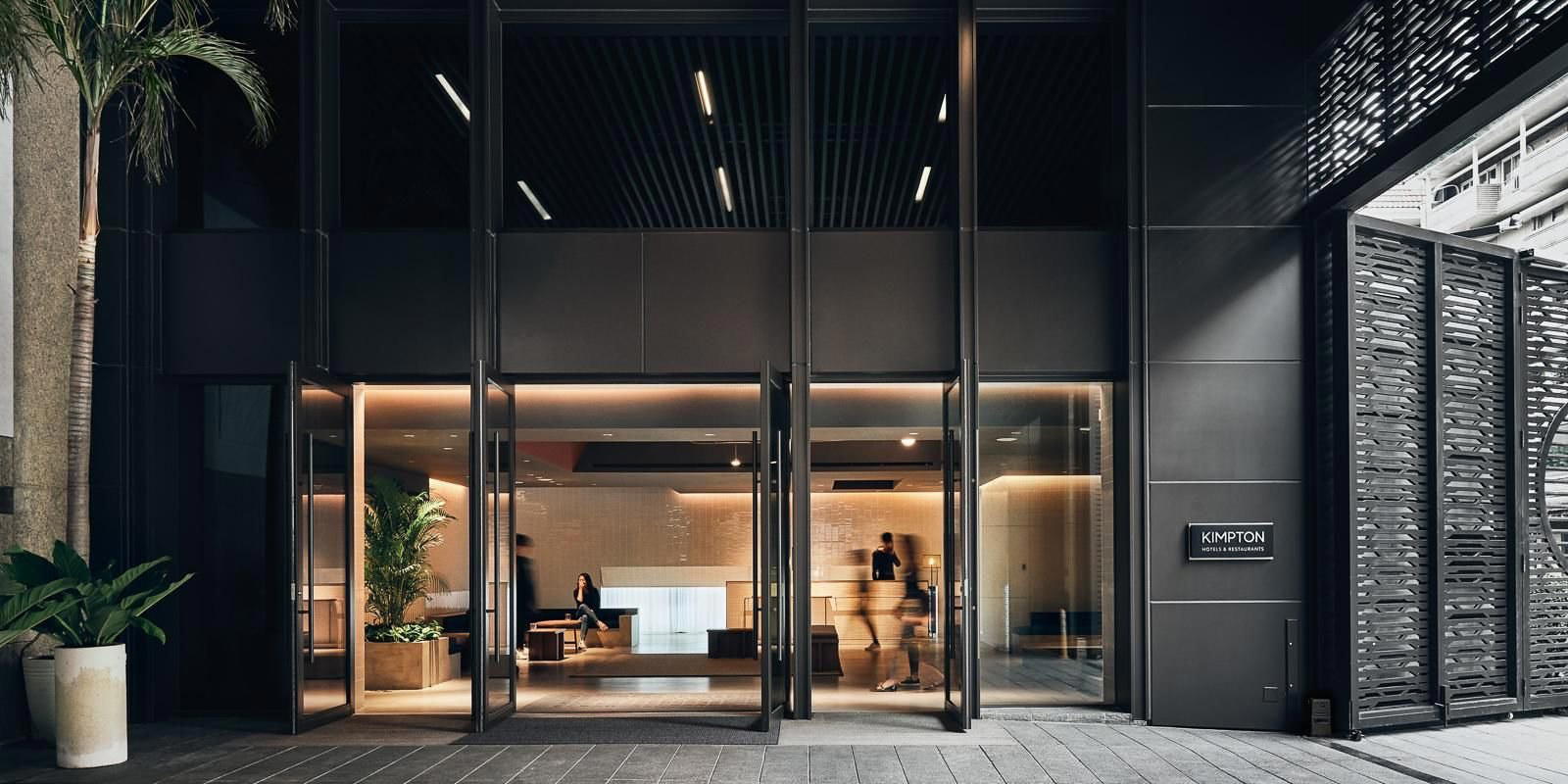
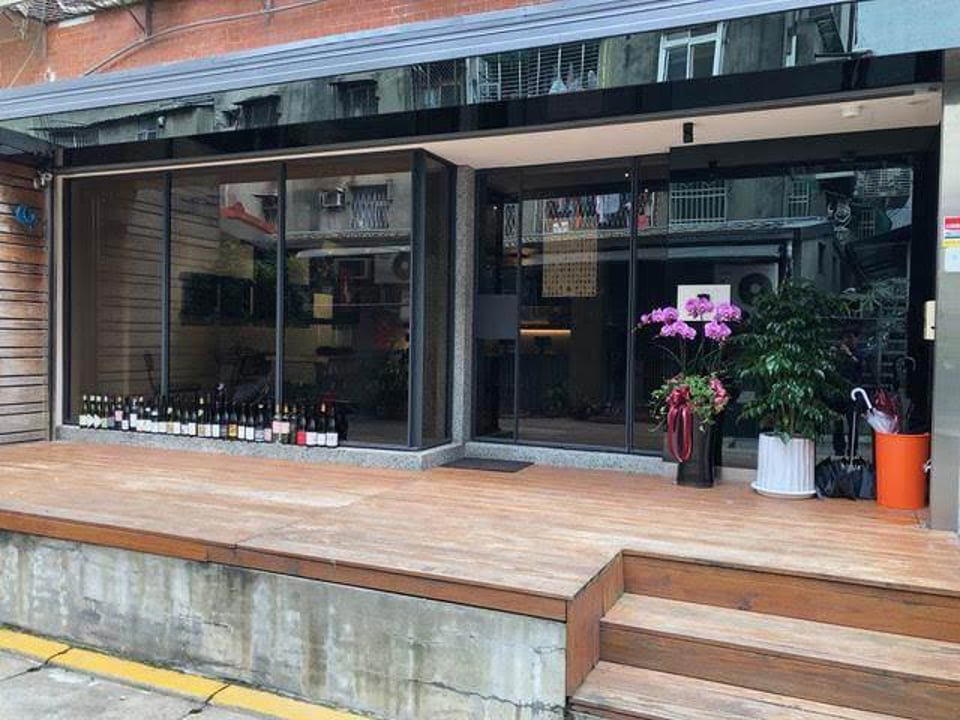
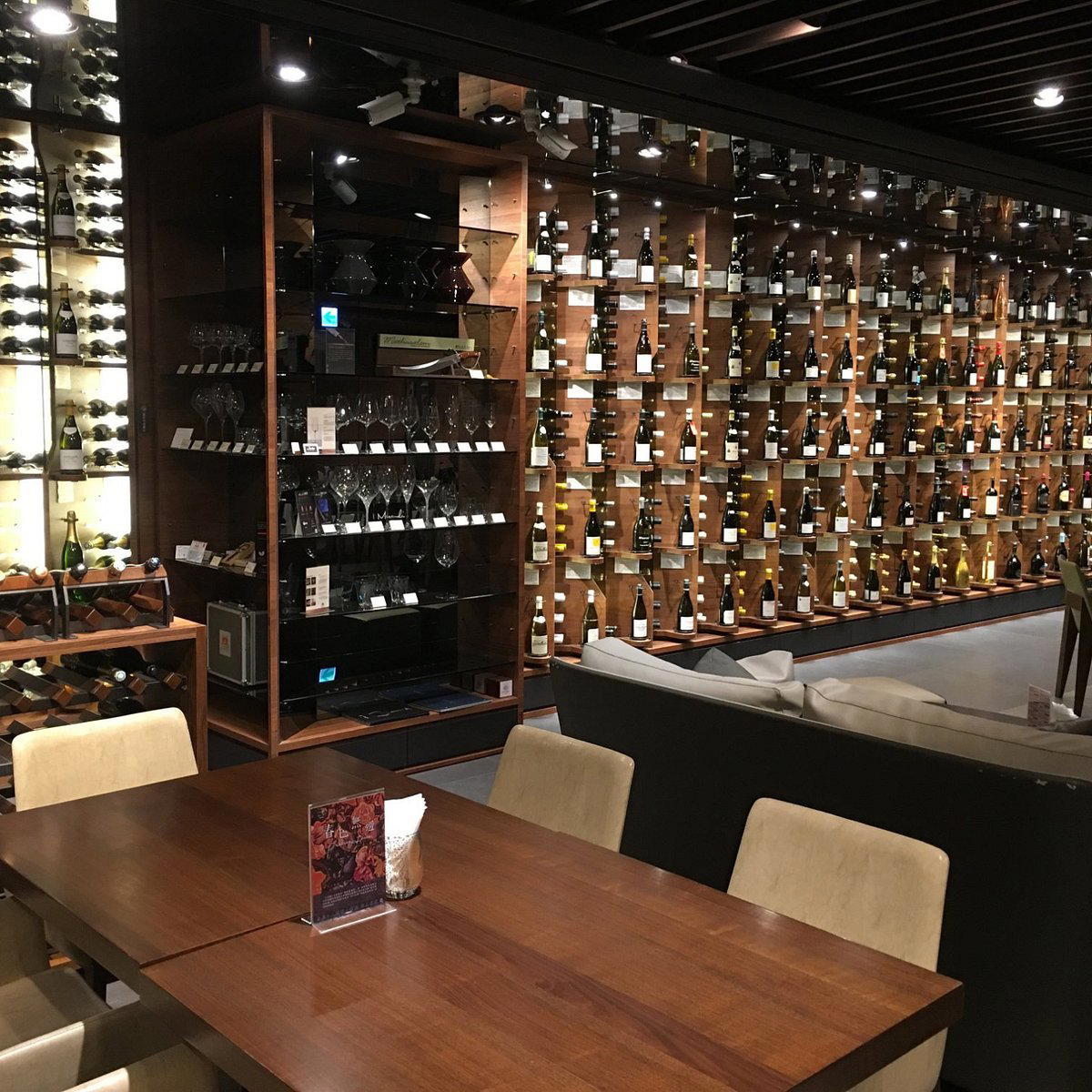
Wineries in Taipei
Browse all →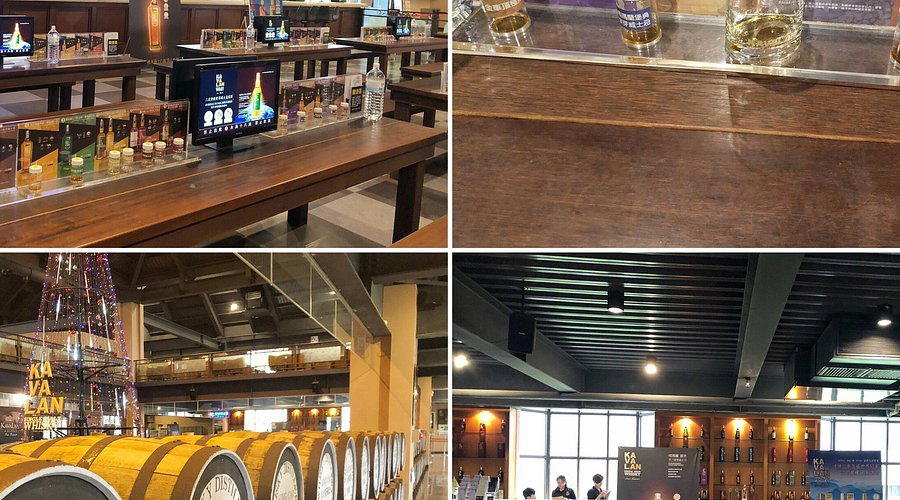
At a Glance
- Cozy
- Rustic
- Classic
- Casual Hangout
- Family
- Standalone
Simple, humble, and homey atmosphere reminiscent of traditional Taiwanese military village eateries.