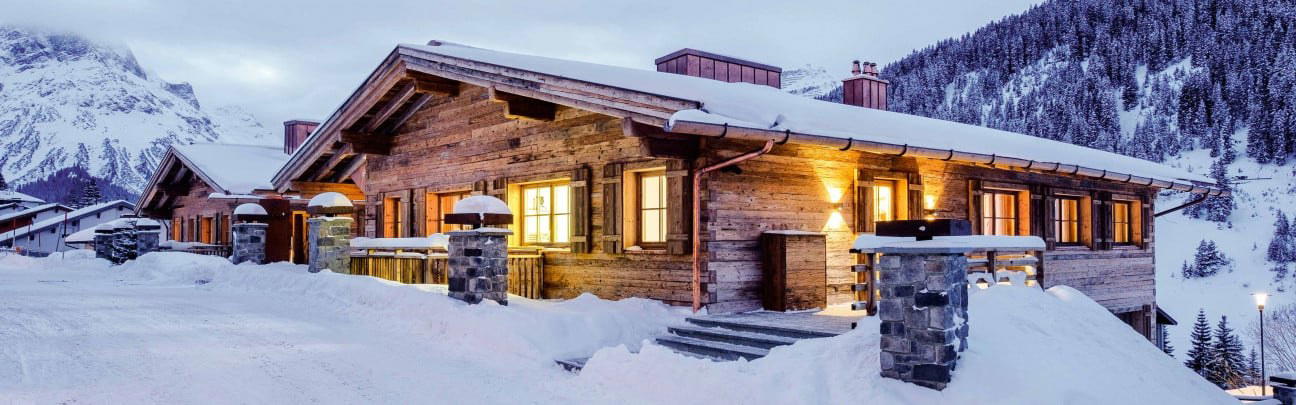
In the small Vorarlberg village of Klösterle, Wirtshaus*Restaurant Engel occupies the kind of address that Austria's alpine dining tradition built its reputation on: a Wirtshaus that takes its kitchen seriously without abandoning the social ease that defines the format. Set against the Arlberg's mountain backdrop, the Engel sits in a category of Austrian inn where regional sourcing and honest cooking carry more weight than tasting-menu theatrics. A reliable address for visitors to the Arlberg corridor.
Pearl is the En Primeur Club membership app — saves, bookings, and concierge access live there. Same editors, same standards.
- Address
- Klösterle 50, 6754 Klösterle, Austria
- Phone
- +43435582627
- Website
- engel-kloesterle.at
- Directions
- Get directions
 Saves & bookings on Pearl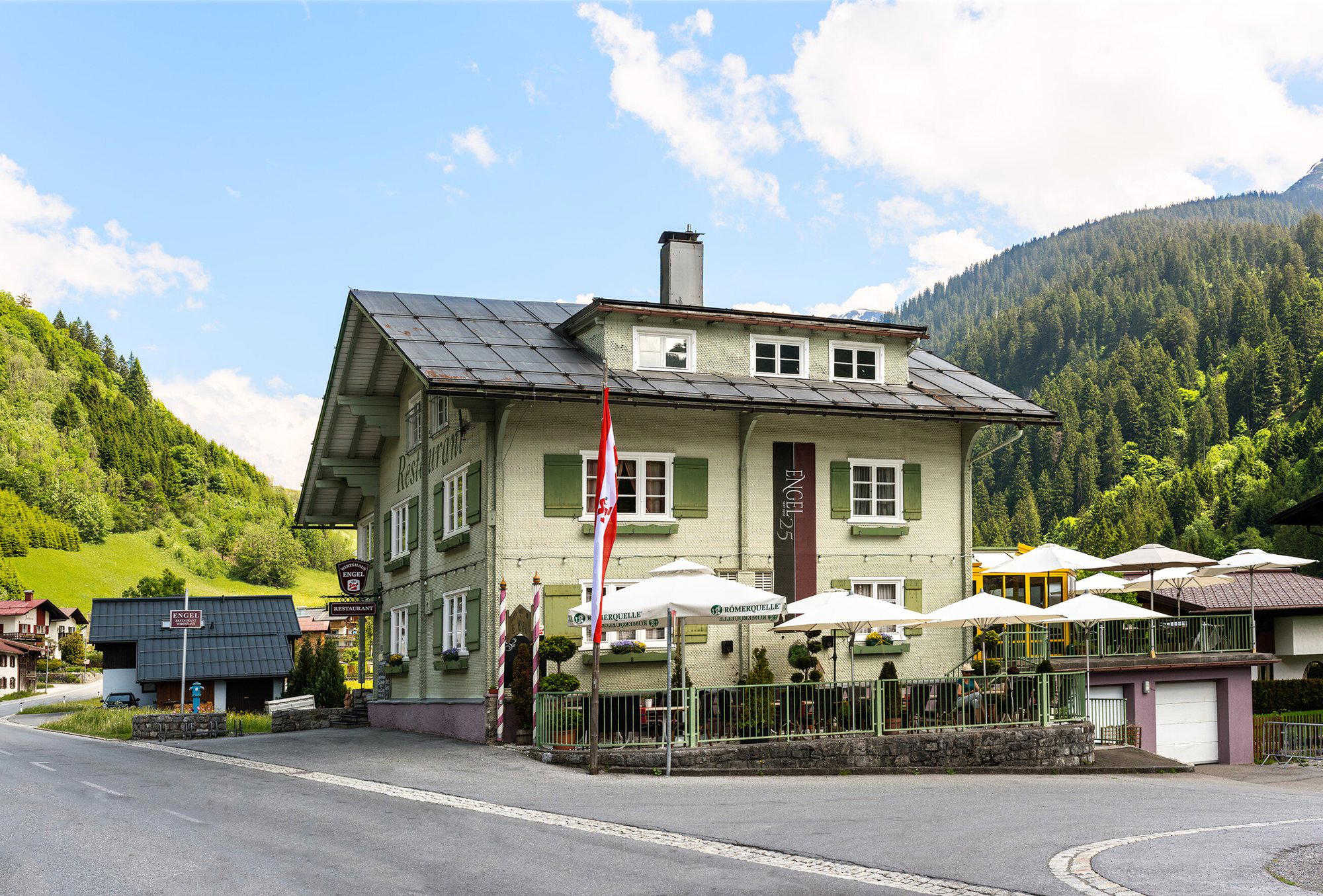
Where the Wirtshaus Tradition Still Has Weight
The Wirtshaus is one of Austria's most durable hospitality formats: part inn, part tavern, part community dining room. In the alpine west of the country, particularly along the Arlberg corridor that connects Vorarlberg to Tyrol, these establishments have long served as the social and culinary anchor of small mountain villages. Klösterle sits on that corridor, a compact settlement at roughly 1,000 metres that sees serious skiers in winter and hikers in summer without ever quite reaching the resort-town density of neighbours like Lech or Sankt Anton. Wirtshaus*Restaurant Engel, at Klösterle 50, holds the kind of address that carries meaning in this context: a central village position in a place where the dining options are few and the expectations of regulars run high.
The dual naming convention, Wirtshaus alongside Restaurant, signals something worth paying attention to in the Austrian alpine context. It suggests a house that operates across registers: the casual warmth of a traditional inn and the more considered cooking of a restaurant with genuine ambitions. That combination is increasingly rare. Across the broader Klösterle dining scene, the choice between simple Gasthof fare and more polished alpine cooking is limited, which places the Engel in a position of local significance that extends beyond its size.
Alpine Sourcing and What It Actually Means Here
Editorial conversation around alpine ingredient sourcing has matured considerably over the past decade. At the fine dining end of the Austrian spectrum, restaurants like Döllerer in Golling an der Salzach have built entire culinary identities around the concept of Alpine cuisine as a specific provenance-led discipline, with wild herbs, mountain dairy, and regional game positioned as seriously as terroir is in fine wine. Closer to the Arlberg, Gourmetrestaurant Tannenhof in Sankt Anton am Arlberg and Griggeler Stuba in Lech operate at the premium end of that same sourcing conversation, with price points and booking lead times to match.
Wirtshaus format operates differently. Here, the argument for local sourcing is less about prestige and more about proximity and practicality. Vorarlberg's agricultural identity, shaped by its valley-and-mountain geography, produces dairy of genuine quality, particularly cheeses from the Bregenzerwald tradition that have earned recognition well beyond Austria's borders. Mountain pasture lamb, river fish from the Inn and Rhine catchments, and foraged herbs from surrounding slopes all belong to the larder that Arlberg-area kitchens have drawn from for generations. For a Wirtshaus operating in this geography, those ingredients are not a marketing position; they are simply what is available and what the tradition demands.
This matters for how a dining room at the Engel's level should be read. The sourcing story at a place like Steirereck im Stadtpark in Vienna or Landhaus Bacher in Mautern an der Donau is expressed through technique, menu architecture, and wine list depth. At a village Wirtshaus in the Arlberg, it is expressed through what lands on the table without explanation, because the connection between kitchen and landscape has never been severed.
The Engel in the Arlberg Dining Tier
Understanding where the Engel sits requires mapping the broader tier structure of dining along the Arlberg. At the leading, places like Stüva in Ischgl and the Tannenhof operate as destination restaurants drawing guests from across Europe, with Michelin recognition and price points that position them against urban fine dining. Below that sits a middle tier of hotel dining rooms and established Gasthöfe that serve a mixed clientele of holidaymakers and locals with competent, seasonal cooking. The Wirtshaus format, at its leading, sits here with integrity rather than aspiration: cooking that reflects the place rather than reaching beyond it.
The Engel's Wirtshaus designation keeps it in that grounded middle tier. Comparable addresses in the region include Wirtschaft Traube in Klösterle itself and das guat, which together form a compact local dining circuit. For visitors accustomed to the reference points of Austrian fine dining, whether the creative precision of Ikarus in Salzburg, the herb-forward intelligence of Kräuterreich by Vitus Winkler, or the classicism of Obauer in Werfen, the Engel is not a competition. It is a different kind of address, one where the logic of the meal is legibility and generosity rather than technique and surprise.
For a sense of how far the category can travel in either direction, it is useful to consider how far removed this format is from urban fine dining at the international level. The austere precision of Le Bernardin in New York City or the fermentation-forward tasting experience at Atomix represent the opposite pole: cooking designed to operate outside any specific regional landscape. The Wirtshaus, by contrast, is the format most embedded in its place. That is its argument and, when executed well, its considerable strength.
Arriving in Klösterle and Planning the Visit
Klösterle sits on the western approach to the Arlberg Pass, accessible by the Arlberg railway line (the Klösterle station sits on the Bludenz-Innsbruck route) or by road via the S16 Arlberg Expressway. The village is compact enough that reaching the Engel on foot from most accommodation is direct. Seasonality matters in a mountain village of this scale: the winter ski season from December through April and the summer hiking season from June through September represent the primary active periods, with shoulder months quieter. Visitors planning a meal should note the opening pattern, with service on Monday, Friday, Saturday, and Sunday, and closures on Tuesday, Wednesday, and Thursday. Other addresses in the same village, including Wirtschaft Traube and das guat, follow similar seasonal patterns. Further afield, Schwarzer Adler in Hall in Tirol, Taubenkobel in Schützen am Gebirge, and Restaurant 141 by Joachim Jaud in Mieming represent the wider Austrian context for those building a longer itinerary. Ois in Neufelden rounds out the picture for those exploring Upper Austria.
At-a-Glance Comparison
Comparable venues nearby, for context on price, style, and recognition.
| Venue | Cuisine | Price | Awards | Notes |
|---|---|---|---|---|
| Wirtshaus*Restaurant EngelThis venue — the venue you are viewing | Traditional Austrian | $$ | Not listed | Not listed |
| das guat | Modern Austrian Regional | $$$ | Not listed | Klösterle |
| Wirtschaft Traube | Modern Austrian Regional | $$$ | Michelin Plate | Klösterle |
| Jedermann's | Austrian | $$ | Not listed | Innsbruck city center |
| Fischerstöbli | Traditional Austrian Grill & Trout | $$ | Not listed | Bartholomäberg |
| Gasthaus Löwen | Traditional Austrian Regional | $$ | Not listed | Au-Rehmen |
Continue exploring
More in Klösterle
Restaurants in Klösterle
Browse all →
Bars in Klösterle
Browse all →


Hotels in Klösterle
Browse all →

At a Glance
- Cozy
- Rustic
- Classic
- Family
- Casual Hangout
- Special Occasion
- Historic Building
- Beer Program
Current opening hours
- Monday
- 5–10 PM
- Tuesday
- Closed
- Wednesday
- Closed
- Thursday
- Closed
- Friday
- 5–10 PM
- Saturday
- 5–10 PM
- Sunday
- 11:30 AM–2:30 PM, 5–10 PM
Hours can change for holidays and private events. Last verified .
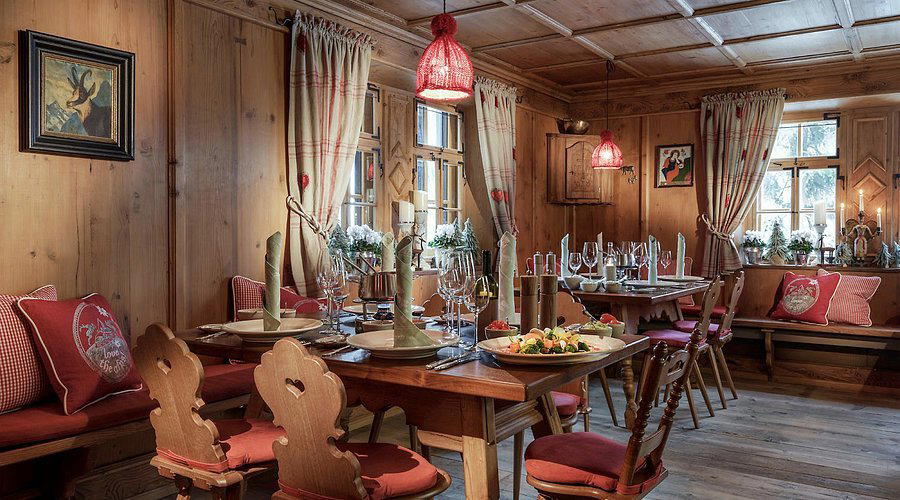
Warm and inviting with a cozy, authentic wirtshaus feel like dining in a best friend's house.