Fischerstöbli
In the Montafon valley above Bartholomäberg, Fischerstöbli occupies the kind of address that rewards the effort of getting there: a mountain Stüberl format rooted in the sourcing traditions of the Austrian Alps. The cooking draws on the surrounding landscape in a region where local produce and altitude-driven ingredients define the character of the table. For travellers moving through Vorarlberg's high country, it sits on the map between the Arlberg's destination restaurants and the valley-floor alternatives below.
Pearl is the En Primeur Club membership app — saves, bookings, and concierge access live there. Same editors, same standards.
- Address
- Plattaweg 50, 6781 Bartholomäberg, Austria
- Phone
- +436644915810
- Website
- fischerstoebli.at
- Directions
- Get directions
 Saves & bookings on Pearl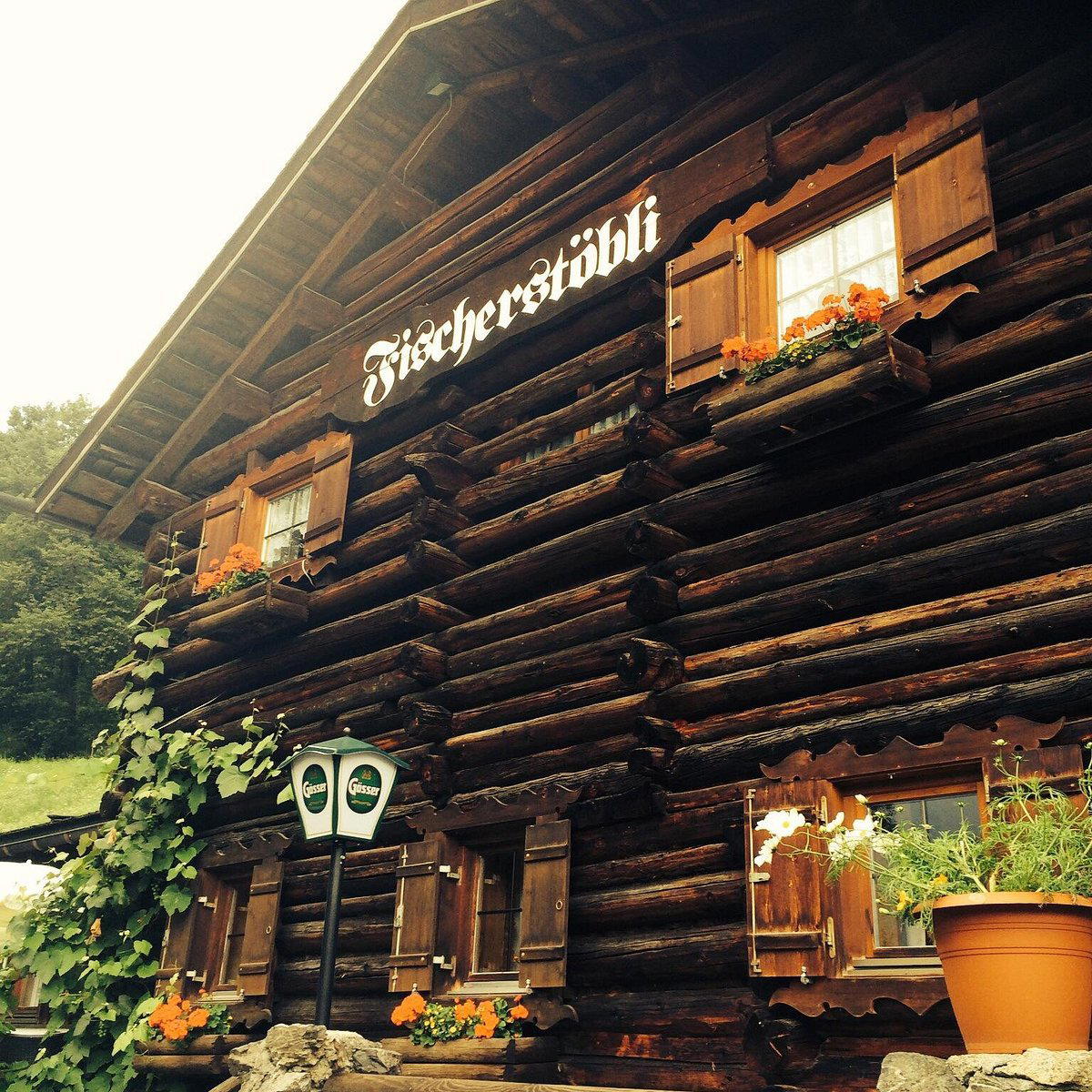
The Montafon Table: Altitude, Sourcing, and the Stüberl Tradition
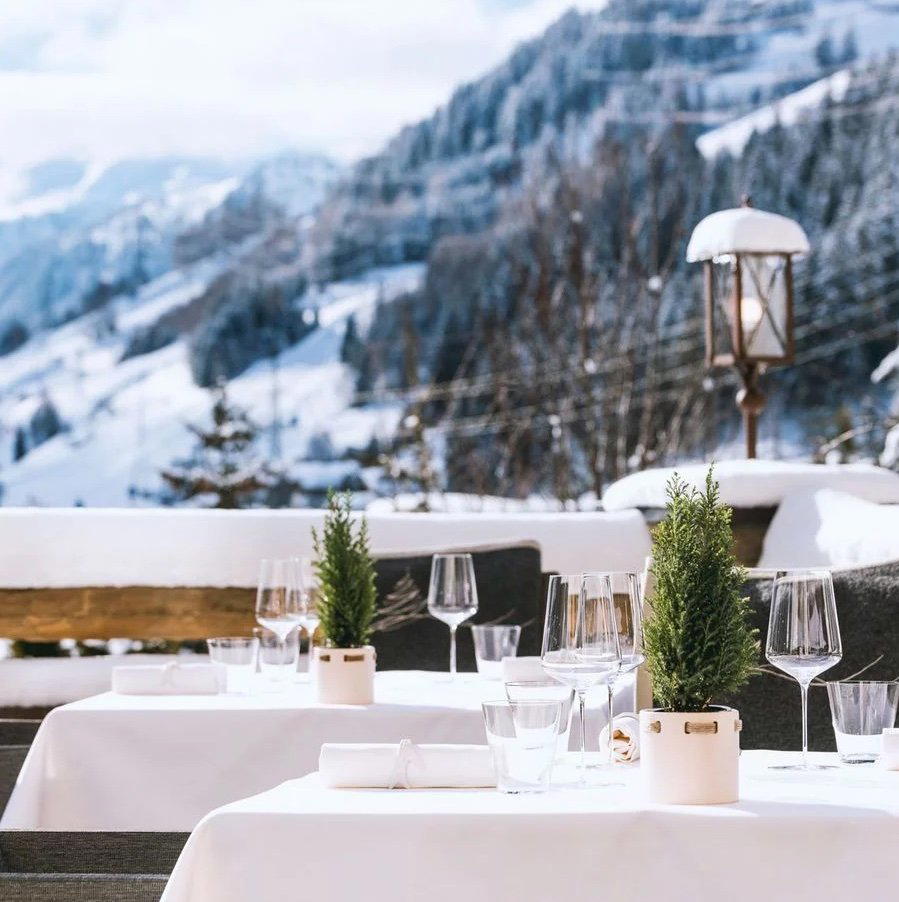
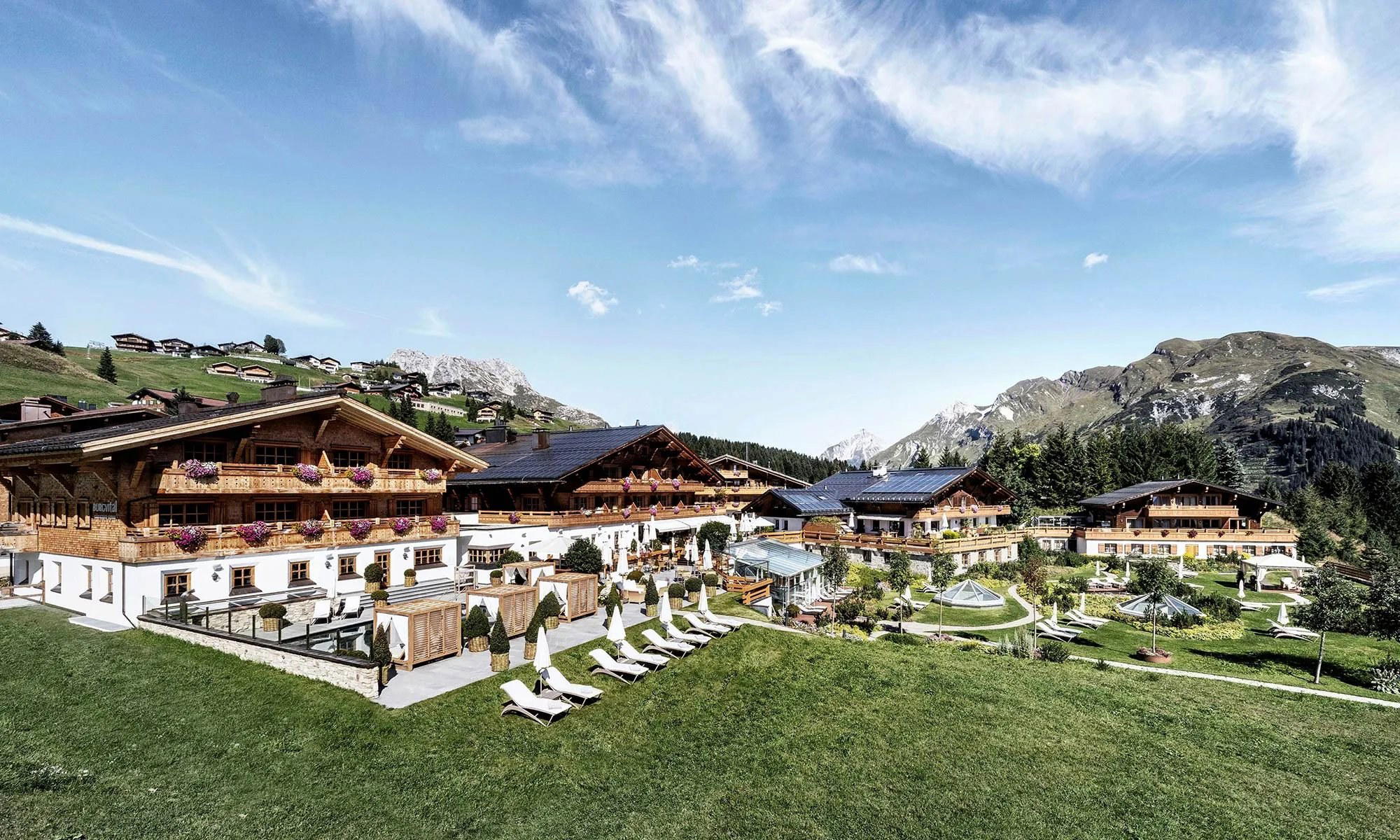
The upper Montafon valley in Vorarlberg operates on a different register to Austria's more publicised dining corridors. Where the Wachau or Salzburg's market towns have built recognisable gastronomic identities around wine, architecture, and tourist infrastructure, the mountain villages above the Rhine valley floor remain quieter propositions. Bartholomäberg sits above Schruns at around 1,100 metres, reached by a road that climbs past hay meadows still cut by hand in steeper sections. The physical context matters here, because in the Montafon, what grows and grazes at altitude is what reaches the table. Fischerstöbli, at Plattaweg 50, belongs to this geographic logic.
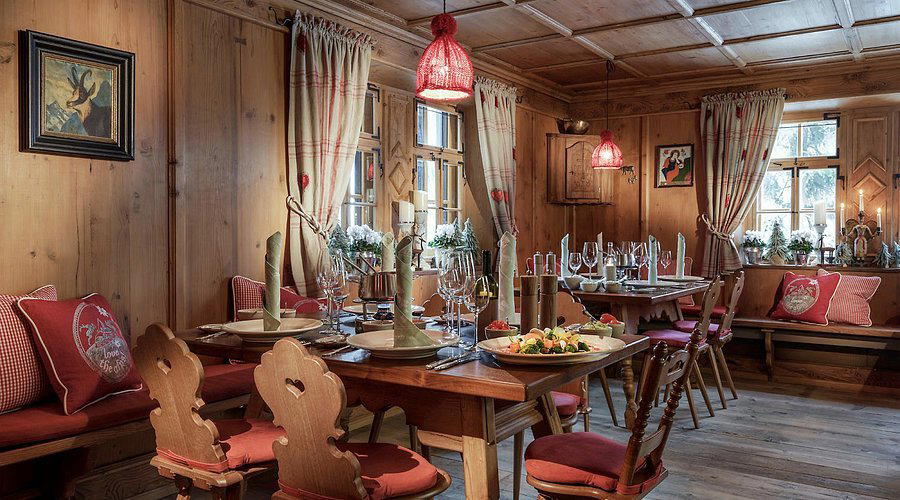
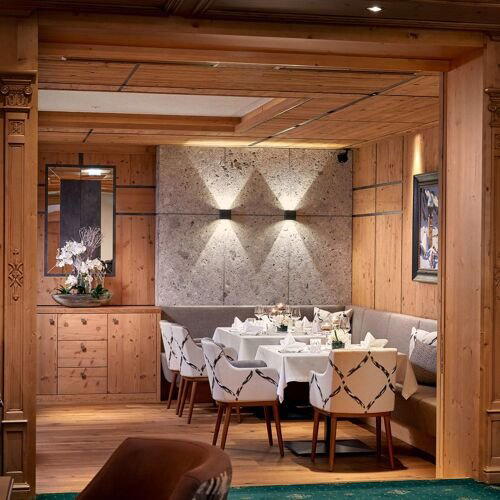
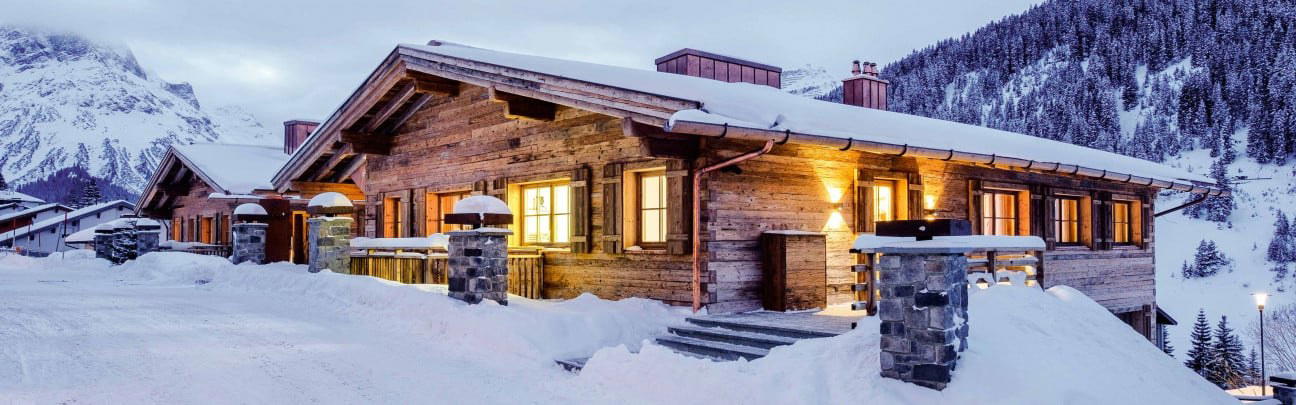
The Stüberl format, common across Austria's alpine villages, is one of the country's more honest dining traditions. It is not a restaurant in the metropolitan sense: low ceilings, panelled wood, and a hearth-oriented layout create a room designed for people coming in from cold air, not for theatre or spectacle. The format places comfort over presentation and assumes that the food itself, sourced nearby and prepared without elaborate artifice, carries sufficient weight. It is a tradition that places Döllerer in Golling an der Salzach and Obauer in Werfen in a different tier, venues that have taken alpine sourcing and reframed it through contemporary technique. Fischerstöbli operates without that ambition and, for many travellers, that is precisely the point.
Where the Ingredients Come From
Editorial angle that matters most in a village like Bartholomäberg is provenance. At this altitude and in this valley, ingredient sourcing is not a marketing frame, it is a practical reality shaped by the land. The Montafon is known within Austria for Montafoner Sura Kees, a distinctive soured-milk cheese made from the milk of the local Montafon cattle breed, a compact, strong animal suited to high pasture. This cheese has Protected Designation of Origin status and represents one of the more specific regional foodways in the country. A table in the Montafon that does not reference this dairy tradition is actively avoiding its own terroir.
Beyond cheese, the valley's sourcing profile includes alpine herbs gathered from meadows above the treeline, trout from mountain streams, and game from surrounding forests where chamois and deer are hunted through licensed seasons. These are not interchangeable commodities, they are ingredients with specific provenance, flavour profiles shaped by altitude and diet, and a connection to the valley's agricultural economy. In the Stüberl context, they tend to appear in formats that have not changed substantially in decades: fried, braised, or served with starch-forward accompaniments that reflect a working mountain kitchen rather than a competition plate.
Austrian alpine dining at this register differs sharply from what you find at Steirereck im Stadtpark in Vienna or Taubenkobel in Schützen am Gebirge, where classical sourcing meets multi-course format and wine programmes built for a metropolitan audience. The mountain Stüberl does not compete in that space. It competes with itself: whether the sourcing is genuine, whether the kitchen executes the format with discipline, and whether the room delivers what the setting promises.
Locating Fischerstöbli in the Arlberg Dining Circuit
Bartholomäberg's position places it within reach of the Arlberg's more prominent dining addresses. Gourmetrestaurant Tannenhof in Sankt Anton am Arlberg and Stüva in Ischgl represent the high-end tier in this mountain corridor, venues with formal tasting menus, curated wine lists, and price points that match Michelin-adjacent ambition. Griggeler Stuba in Lech sits in a comparable bracket, oriented toward the Lech-Zürs resort clientele. These are reference points, not competitors, for Fischerstöbli, which operates in a different price register and serves a different kind of occasion.
For the traveller who has already booked a night at a destination restaurant in the Arlberg region and wants to understand the full range of the area's table culture, the village Stüberl format is worth including. It anchors the contemporary alpine dining scene in its own history. What Ikarus in Salzburg or Kräuterreich by Vitus Winkler in Sankt Veit im Pongau do with regional ingredients at a high technical level is built on a sourcing culture that the Stüberl format has kept alive. Elsewhere in Austria, Landhaus Bacher in Mautern an der Donau and Schwarzer Adler in Hall in Tirol demonstrate how the classical Austrian table can hold its own against international formats; the Montafon Stüberl is the more stripped-back version of that same argument.
Planning a Visit to Bartholomäberg
Bartholomäberg is accessible by road from Schruns, roughly a 10-minute drive up the valley side. Public transport connections exist from Schruns, which is itself reachable by rail via the Montafonerbahn from Bludenz. The mountain setting means that seasonal timing shapes the experience: winter brings skiing traffic from the Silvretta Montafon area, while summer sees hikers using Bartholomäberg as a staging point for trails above the valley. Both seasons carry distinct menus in the Stüberl tradition, though
Further afield, the sourcing-led approach that defines mountain alpine cooking has international parallels at venues like Le Bernardin in New York City and Lazy Bear in San Francisco, where provenance and product are the editorial centre of a menu even within different national traditions.
- Rainbow Trout Müllerin
- Smoked Trout
- Zwiebelrostbraten
- Ribeye Steak
- Cordon Bleu
- Kardinalschnitte
Comparable Spots, Quickly
Comparable venues nearby, for context on price, style, and recognition.
| Venue | Cuisine | Price | Notes |
|---|---|---|---|
| FischerstöbliThis venue — the venue you are viewing | Traditional Austrian Grill & Trout | $$ | Not listed |
| Red House | Traditional Austrian | $$ | Marktplatz |
| Berghof Hohenems-Reute | Austrian Regional with Views | $$ | Emsreute |
| Sporthotel IGLS | Traditional Tyrolean & Austrian | $$ | Igls |
| Rotmoosalm | Traditional Tyrolean Alpine Cuisine | $$ | Gaistal, Leutasch |
| Siegerlandhütte | Traditional Austrian Alpine Hut Cuisine | $$ | Windachtal |
Continue exploring
More in Bartholomaberg
Restaurants in Bartholomaberg
Browse all →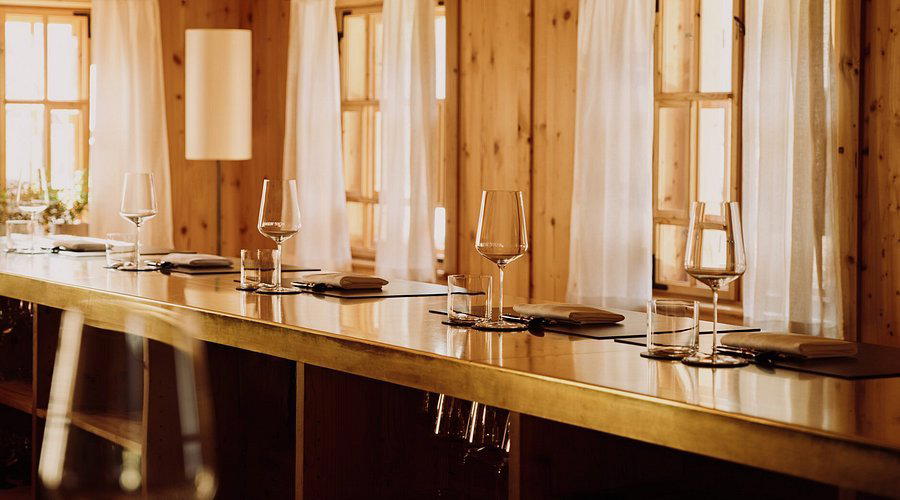
Bars in Bartholomaberg
Browse all →

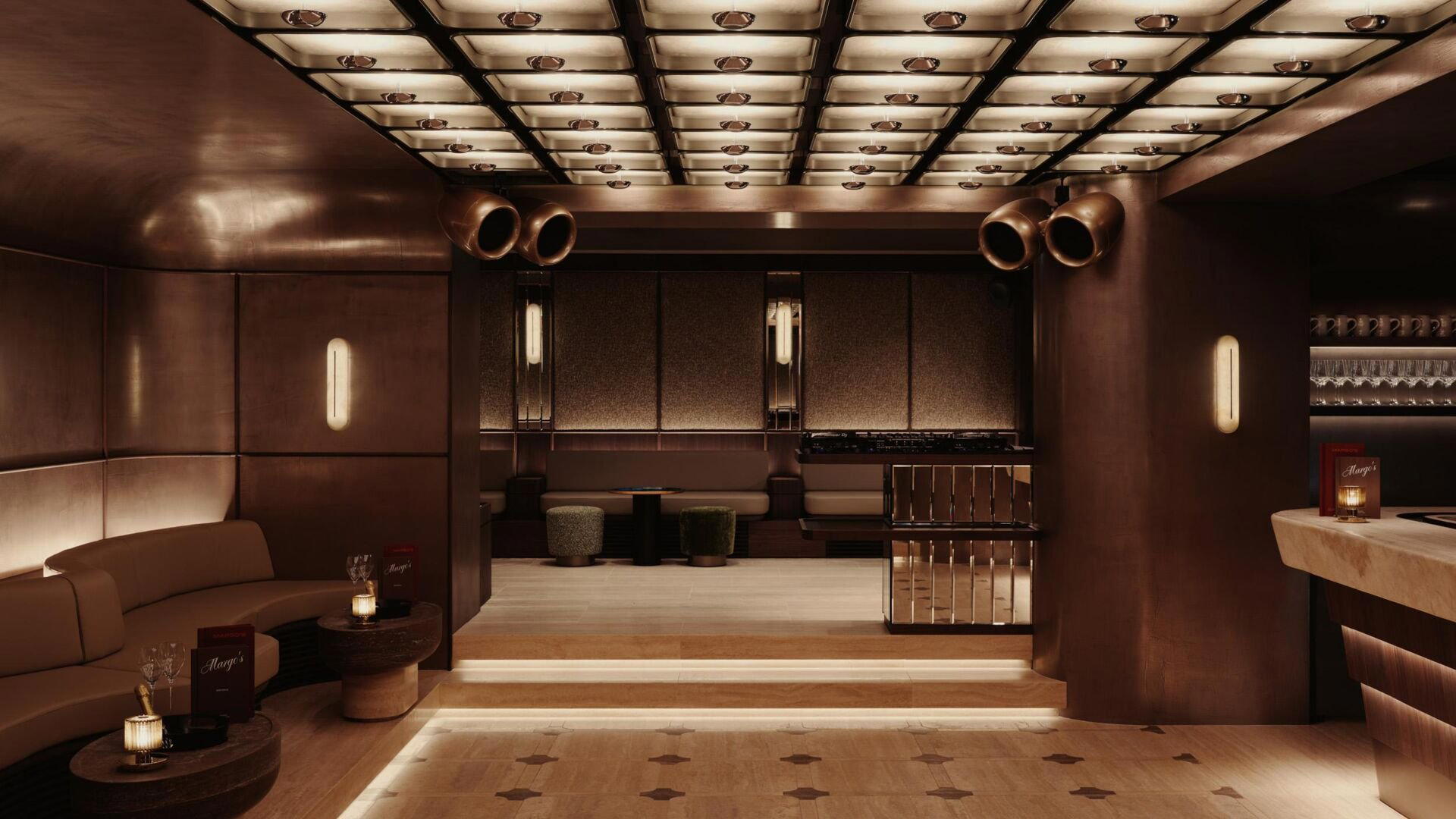

Hotels in Bartholomaberg
Browse all →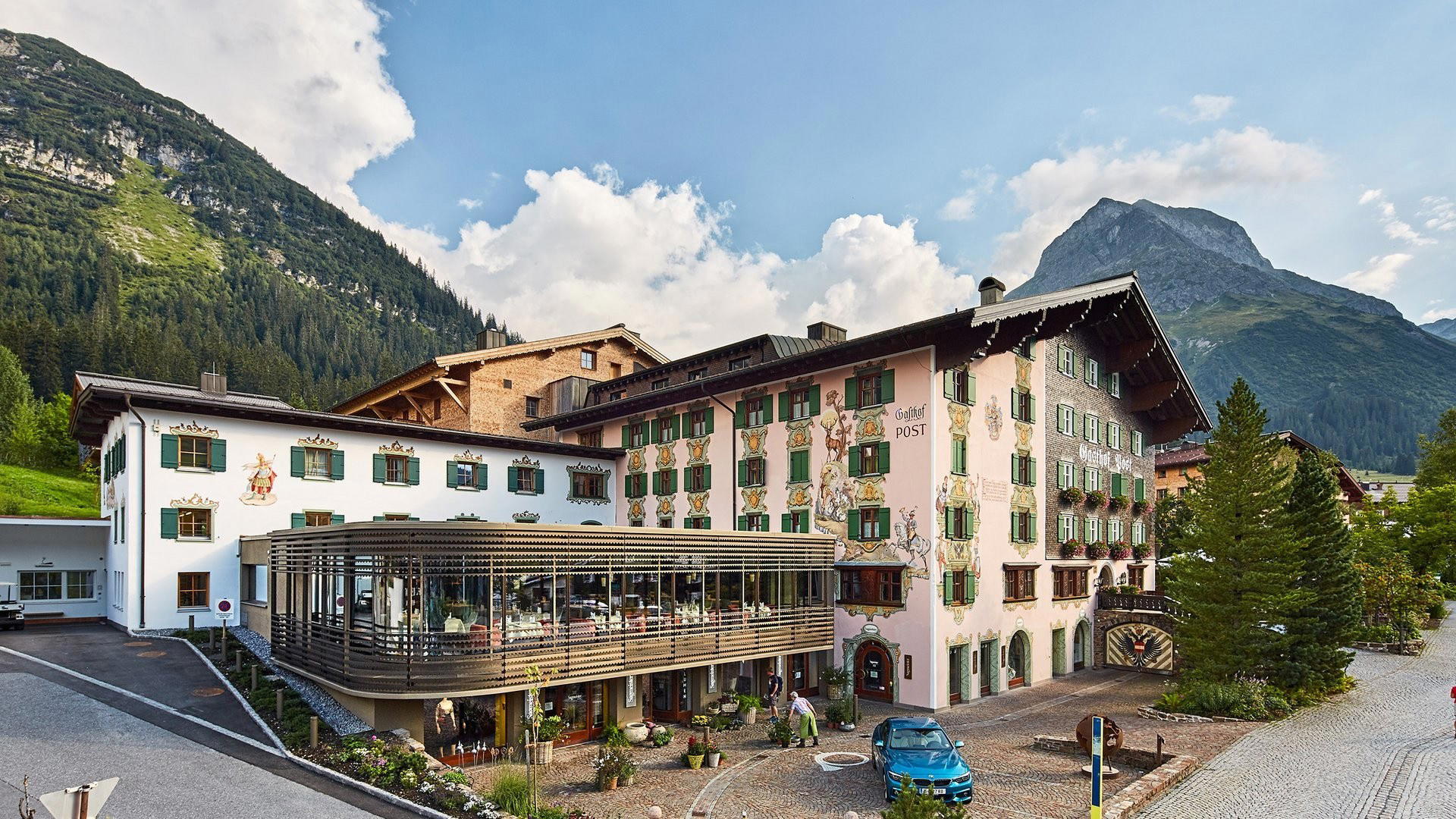
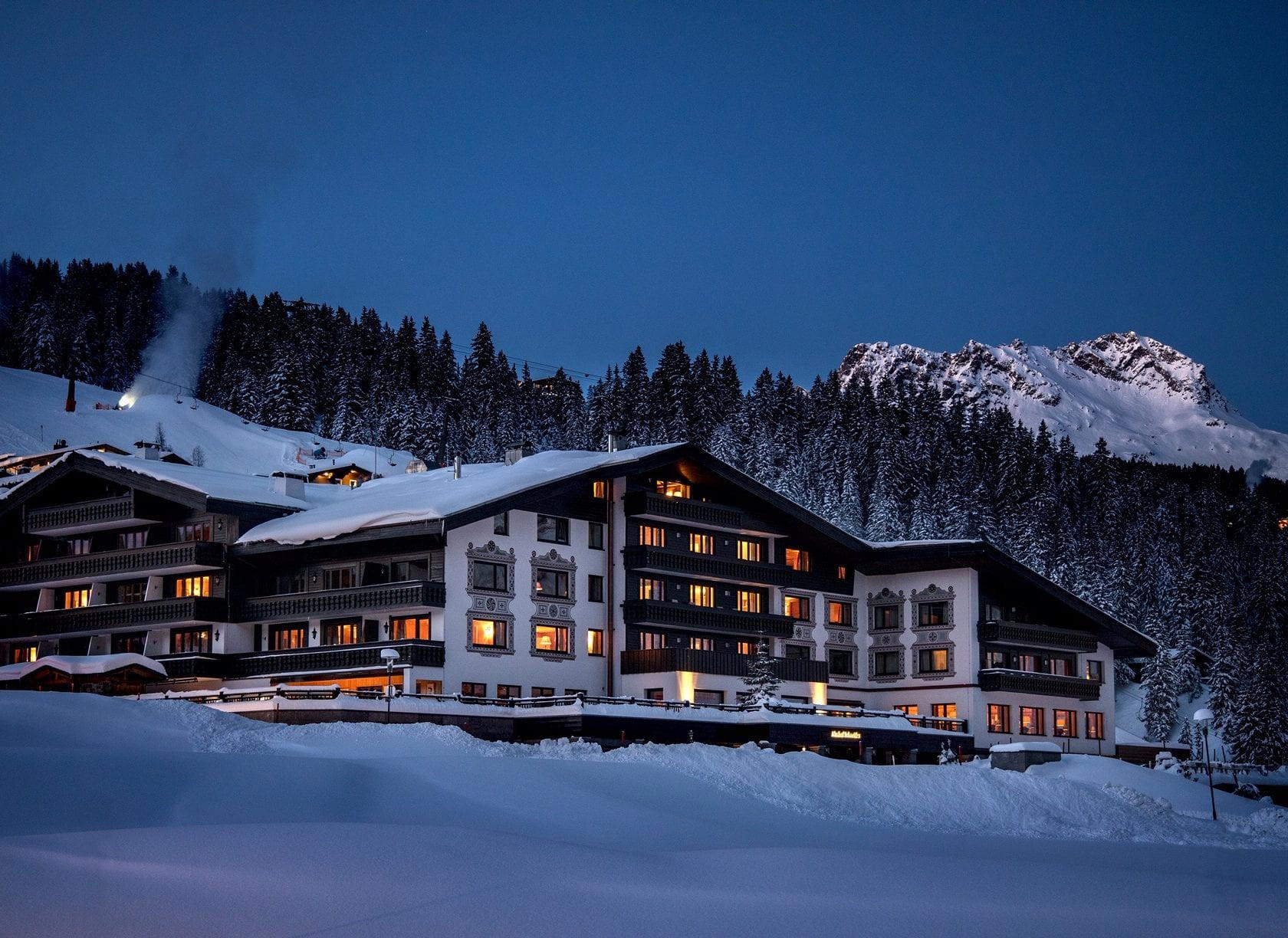
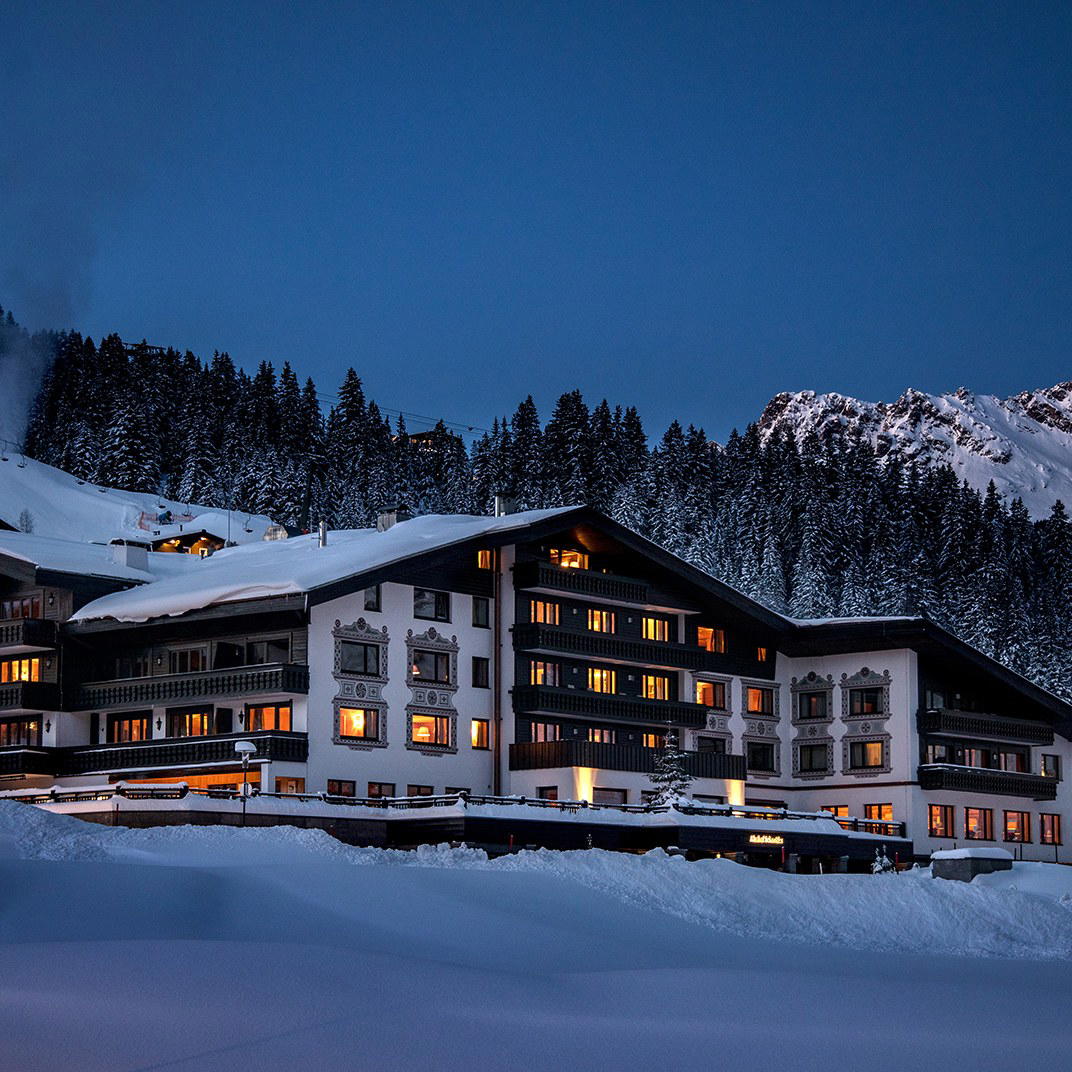

At a Glance
- Cozy
- Rustic
- Classic
- Casual Hangout
- Family
- Group Dining
- Standalone
- Local Sourcing
Warm and inviting with an open fireplace creating a cozy atmosphere, well-suited for cold weather dining with traditional Austrian charm.