Gasthaus Löwen sits in Rehmen, a quiet pocket of Au in Vorarlberg's Bregenzerwald, where the local gasthaus tradition runs deep and the sourcing story is written into the surrounding Alpine terrain. This is the format that defines rural Austrian dining at its most grounded: hearty, place-specific cooking shaped by what grows, grazes, and ages within the valley. For visitors moving through western Austria's dining circuit, it anchors one end of a spectrum that runs from village inn to mountain fine dining.
Pearl is the En Primeur Club membership app — saves, bookings, and concierge access live there. Same editors, same standards.
- Address
- Rehmen 87, 6883 Au, Austria
- Phone
- +43551525964
- Website
- bergbrennerei-loewen.at
- Directions
- Get directions
 Saves & bookings on Pearl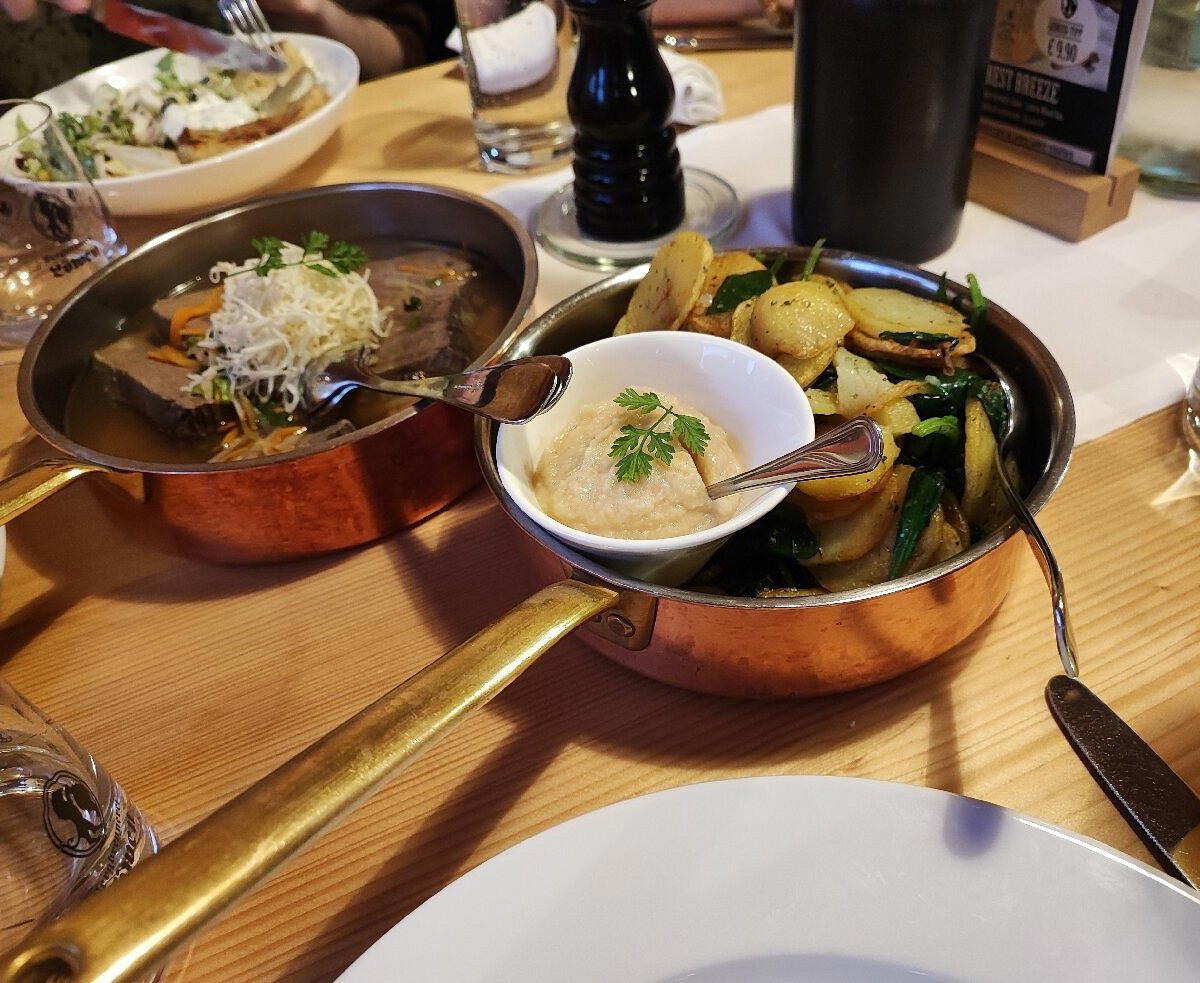
Where the Bregenzerwald Gasthaus Tradition Begins
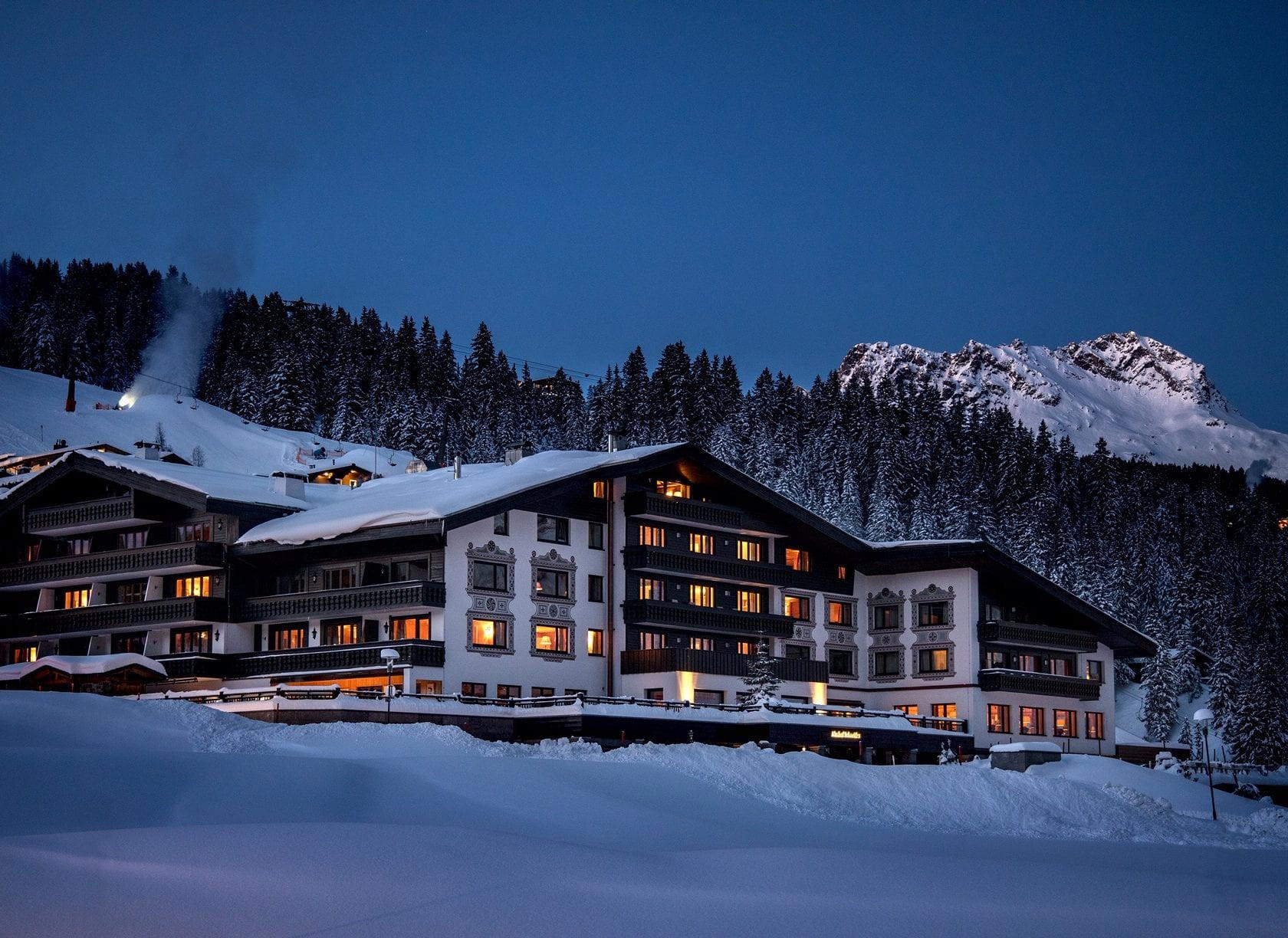
Approach Au from the valley road and the architecture tells you what to expect before you reach the door. The Bregenzerwald is one of Austria's most coherent regional cultures, where timber-framed farmhouses, narrow pastures, and a sustained tradition of alpine cheesemaking have shaped not just the landscape but the way people eat. The gasthaus here is not a nostalgic holdover. It is the primary format through which this region communicates its food identity, and Gasthaus Löwen at Rehmen 87 sits within that tradition as a working example of it.
In a region where Gourmetrestaurant Tannenhof in Sankt Anton am Arlberg and Griggeler Stuba in Lech occupy the high end of the Vorarlberg dining spectrum, the village gasthaus occupies a different position entirely: less about tasting menus and wine lists curated against international benchmarks, more about the kind of food that makes sense when the ingredients come from the same valley you are sitting in. That distinction matters when you are deciding what kind of meal you are actually looking for.
The Sourcing Logic of the Alpine Gasthaus
The Bregenzerwald's food culture has always been shaped by altitude and seasons. Dairy cattle graze summer pastures above 1,000 metres, descending in autumn in a ritual procession the region still marks publicly. The milk from those animals feeds a cheese tradition, Bergkäse, Räßkäse, fresh curd varieties, that supplies the kitchens of the valley directly, often with producers located within a few kilometres of the table. This is not a farm-to-table marketing position. It is simply how the supply chain has worked here for generations, because the distances between farm and kitchen were never long enough to require anything else.
That sourcing geography is what gives the alpine gasthaus its particular character. The cooking does not need to explain itself through lengthy menu annotations because the produce is specific enough to carry the argument on its own. Seasonal vegetables from kitchen gardens, venison from local hunters, freshwater fish from mountain streams, cured meats prepared to regional specifications: these are the building blocks of the format, and they are the reason that a well-run gasthaus in a village like Au can sit in a legitimate conversation with far more decorated establishments when the question is about provenance rather than presentation.
For context, consider how seriously the broader Austrian dining world takes this sourcing question. Steirereck im Stadtpark in Vienna has built much of its international reputation on exactly this obsession with Austrian-specific ingredients and producers. Döllerer in Golling an der Salzach has formalized the alpine sourcing concept into a contemporary tasting menu format. Landhaus Bacher in Mautern an der Donau and Obauer in Werfen both treat Austrian produce as their central argument. The gasthaus operates in the same philosophical territory, without the prix-fixe architecture around it.
Au's Position in the Western Austrian Dining Circuit
Au sits in the inner Bregenzerwald, accessible from Dornbirn or Bregenz via the valley road, but far enough from either city to feel genuinely remote. The village functions as a staging point for walkers in summer and skiers in winter, which means the local dining infrastructure exists to serve people who have spent time outdoors and want food that reflects that. The gasthaus format calibrates well to this audience: generous portions, reliable execution, and a menu that changes with what is available rather than what is fashionable.
Within Au specifically, the dining options worth noting for visitors include Hubertus and Restaurant Burg by Sascha Beilke, both of which operate at different registers. Burg by Sascha Beilke applies a more contemporary technical approach, which places it closer to the progressive alpine cooking found at Stüva in Ischgl or Kräuterreich by Vitus Winkler in Sankt Veit im Pongau. The gasthaus, by contrast, does not compete on that axis. It competes on consistency, locality, and the particular satisfaction of a meal that does not overclaim. See our full Au restaurants guide for a complete picture of the village's options across formats.
For comparison across western Austria more broadly, Schwarzer Adler in Hall in Tirol and Restaurant 141 by Joachim Jaud in Mieming show how the Tyrolean tradition handles the same tension between regional roots and contemporary aspiration. The Bregenzerwald gasthaus tradition remains more conservative in its approach, which is not a weakness. It is a deliberate position within a region that has never felt much need to modernize its relationship with its own produce.
How This Fits Into a Larger Austrian Trip
Visitors building a longer Austrian dining itinerary through the western provinces will find that the gasthaus format fills a specific gap between the destination restaurant and the hotel kitchen. It is where you eat on the days when you are not making a reservation at Taubenkobel in Schützen am Gebirge or Ikarus in Salzburg, and it is often where one direct expression of regional food culture lives. Places like Ois in Neufelden demonstrate that the boundary between rustic and refined is more permeable in Austria than the category names suggest.
The global fine dining circuit, represented here by references like Le Bernardin in New York City and Lazy Bear in San Francisco, operates on entirely different sourcing and format logic. The Bregenzerwald gasthaus is not in dialogue with that world. It is answering a different question: what does this valley produce, and how do you cook it without getting in the way?
Planning Your Visit
Gasthaus Löwen is located at Rehmen 87 in Au, Vorarlberg, Austria. As with most traditional gasthäuser in the region, visits are planned around the local seasonal calendar.
Comparison Snapshot
Comparable venues nearby, for context on price, style, and recognition.
| Venue | Cuisine | Price | Notes |
|---|---|---|---|
| Gasthaus LöwenThis venue — the venue you are viewing | Traditional Austrian Regional | $$ | Not listed |
| Hubertus | Traditional Austrian with Regional Game Focus | $$$ | Au |
| Red House | Traditional Austrian | $$ | Marktplatz |
| Gibler Alm | Traditional Tyrolean Alpine Cuisine | $$ | Elbigenalp, Lechtal |
| Waldgasthaus Triendlsäge | Traditional Tyrolean | $$ | Seefeld in Tirol |
| Tuftl Alm | Traditional Austrian Alm | $$ | Lermoos |
Continue exploring
More in Au
Restaurants in Au
Browse all →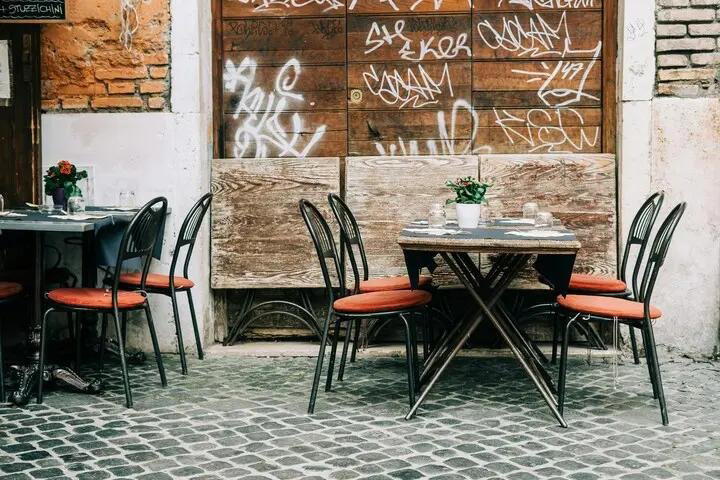
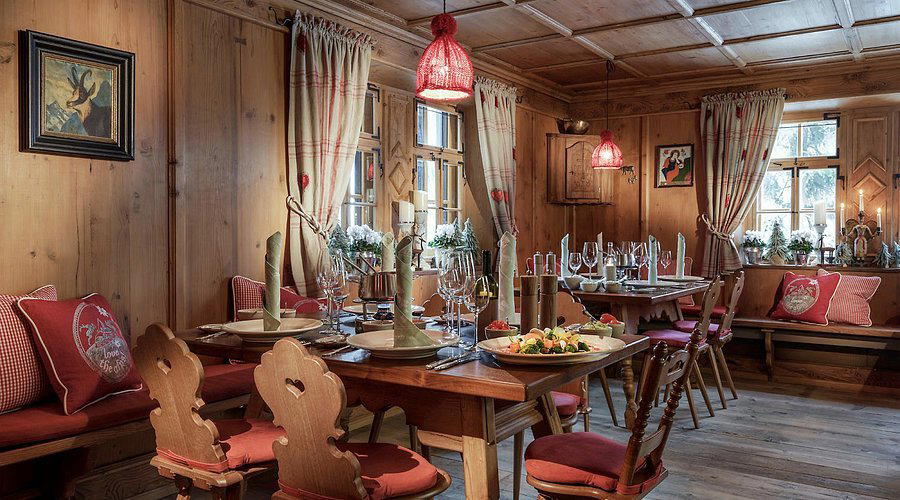
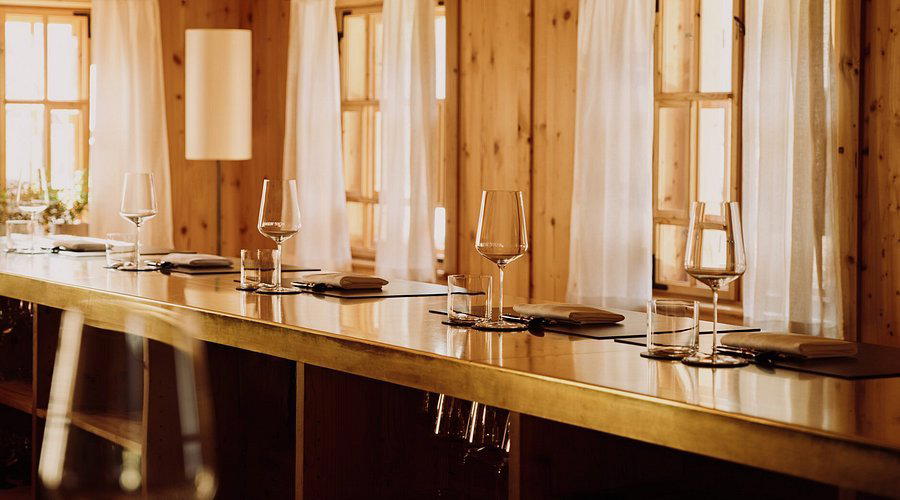
Bars in Au
Browse all →



Hotels in Au
Browse all →

At a Glance
- Rustic
- Cozy
- Classic
- Family
- Casual Hangout
- Historic Building
- Terrace
- Open Kitchen
- Beer Program
- Local Sourcing
- Mountain
- Garden
Current opening hours
- Monday
- Closed
- Tuesday
- Closed
- Wednesday
- 11 AM–9 PM
- Thursday
- 11 AM–9 PM
- Friday
- 11 AM–9 PM
- Saturday
- 11 AM–9 PM
- Sunday
- Closed
Hours can change for holidays and private events. Last verified .
Urige (rustic cozy) gaststube with warm traditional atmosphere and sunny terrace.