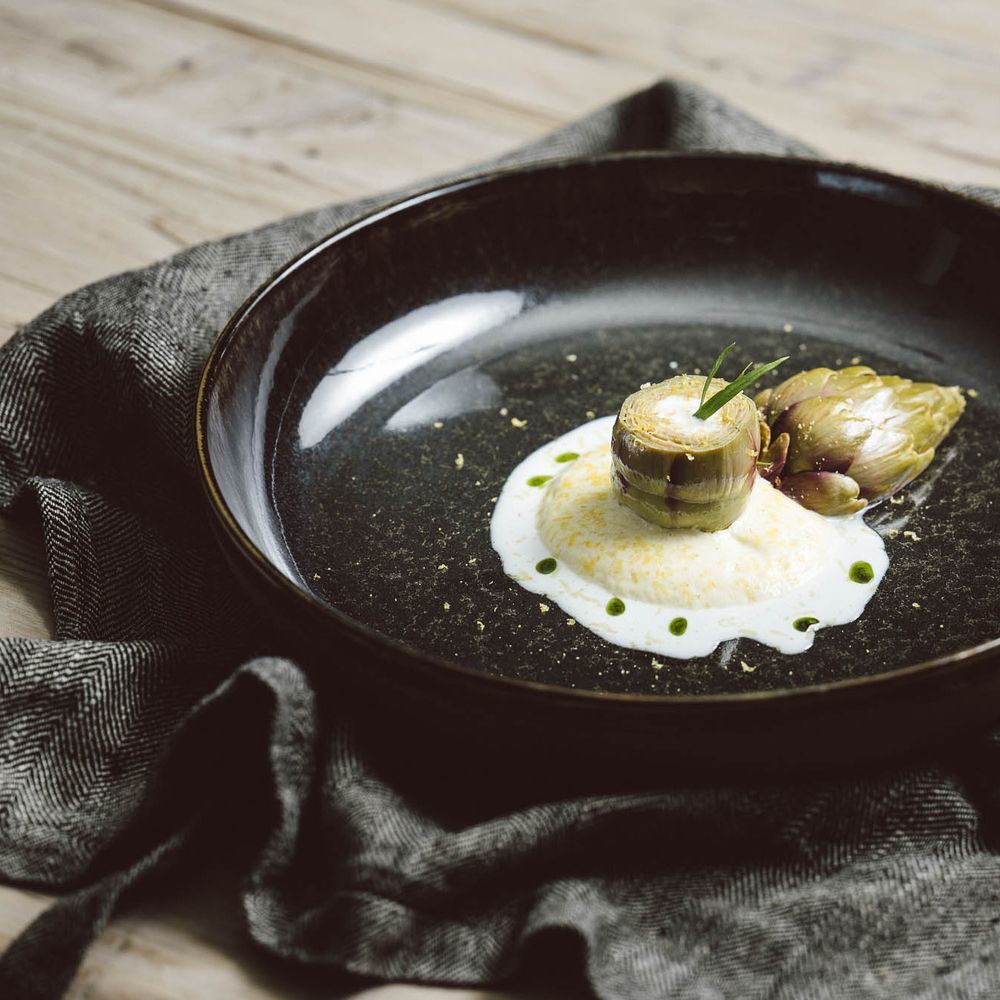
In the small Arlberg village of Klösterle, das guat occupies a position that raises the question of what alpine dining can look like when ingredient sourcing drives every decision. The kitchen's orientation toward regional produce connects it to a broader movement across western Austria, where mountain geography shapes the plate as directly as the chef's technique. A considered stop for anyone travelling the Arlberg corridor.
Pearl is the En Primeur Club membership app — saves, bookings, and concierge access live there. Same editors, same standards.
- Address
- Klösterle 82c, 6754 Klösterle, Austria
- Phone
- +434355825350
- Website
- derklostertalerhof.com
- Directions
- Get directions
 Saves & bookings on Pearl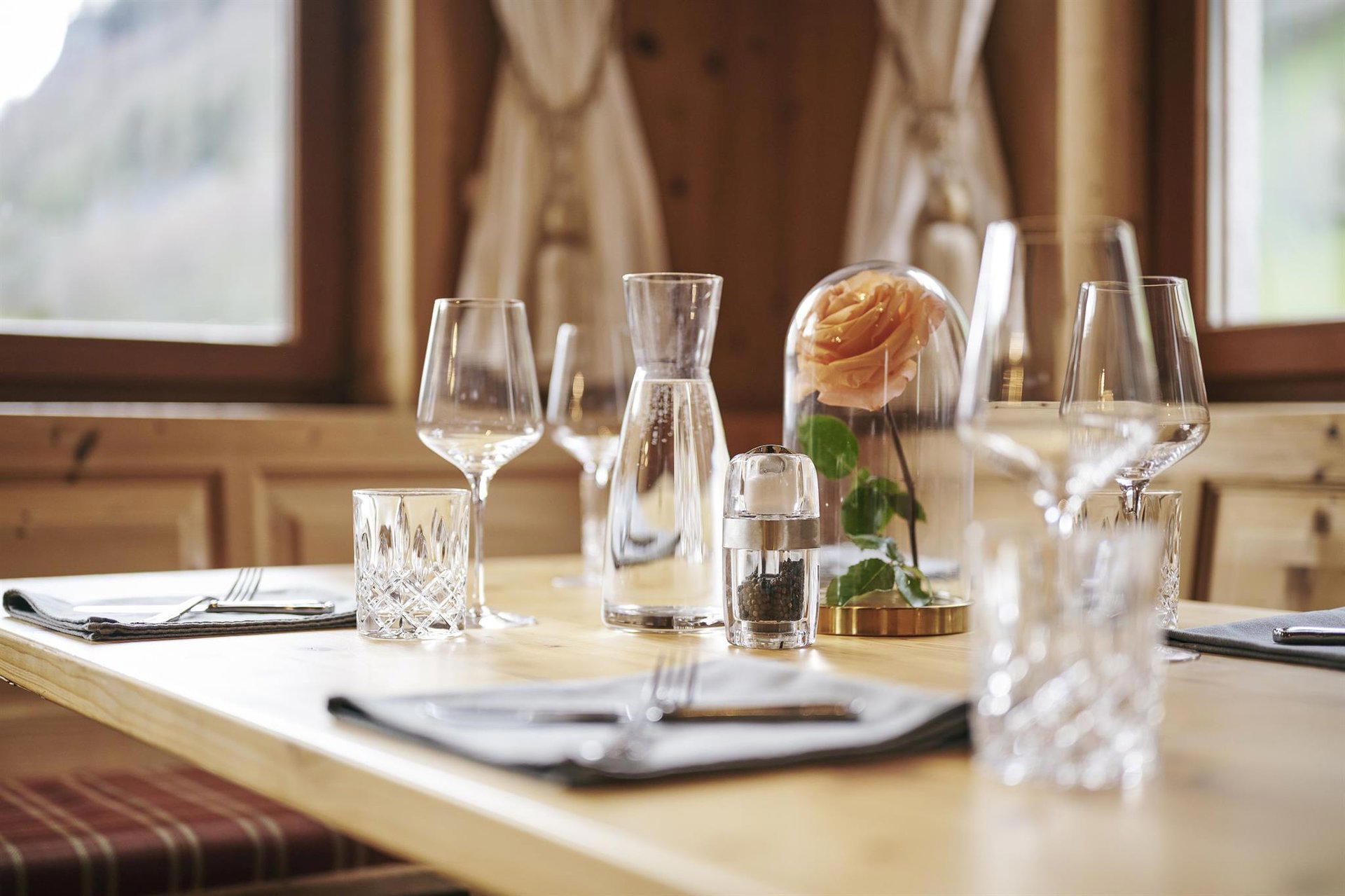
Where the Arlberg Shapes the Plate
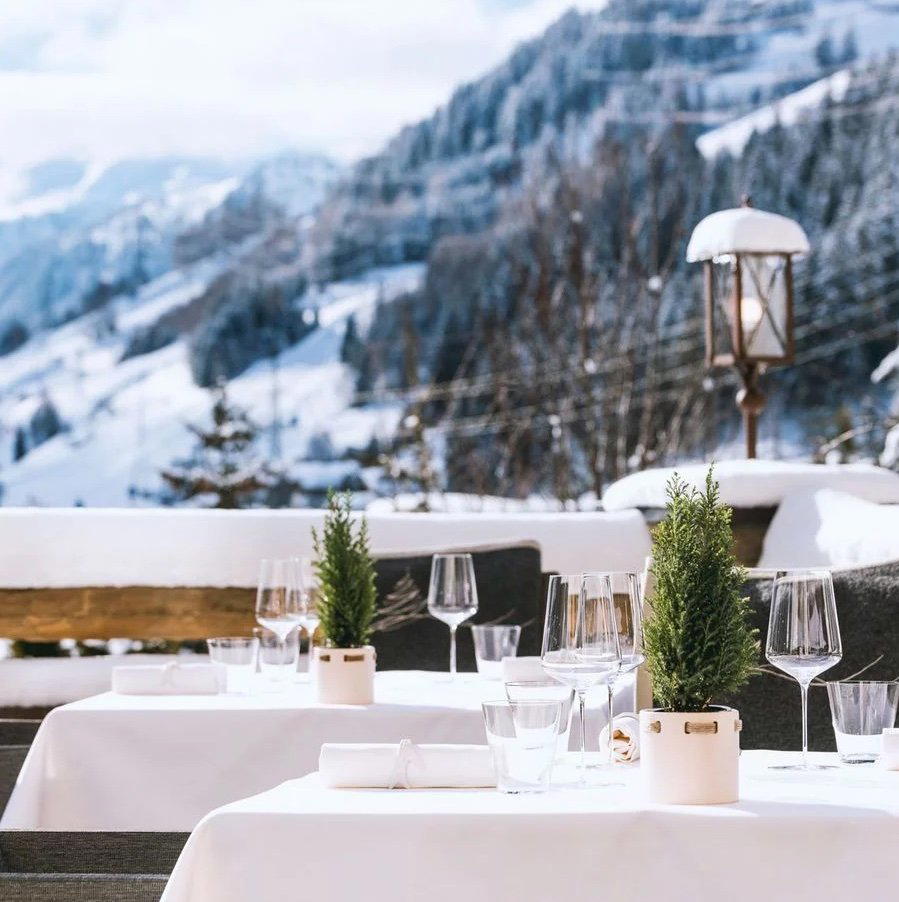
Klösterle sits at around 1,080 metres in the Arlberg pass corridor, a narrow valley where the road to Lech and St. Anton compresses traffic into a single route through particularly dramatic alpine terrain in Vorarlberg. Most travellers pass through without stopping. The village itself is small enough that a single serious restaurant changes its dining character entirely, and das guat, addressed at Klösterle 82c, is that restaurant. The physical setting matters here not as scenery but as supply chain: at this altitude and in this region, what arrives on the plate is determined as much by what grows, grazes, and is produced nearby as by any menu philosophy.
The broader context for understanding das guat is the movement that has reshaped serious Austrian dining over the past two decades. Restaurants like Steirereck im Stadtpark in Vienna and Döllerer in Golling an der Salzach built their reputations by treating Austrian terroir as a serious proposition rather than a rustic footnote. In the alpine west, that argument becomes even more direct: the Arlberg's dairy farms, mountain herbs, and cold-weather root vegetables are not a marketing angle but a practical reality. What can be sourced close, in season, at altitude, is what defines the kitchen's range.
Ingredient Sourcing as Editorial Position
The ingredient sourcing question in alpine Austrian cooking is more complicated than it looks from the outside. Western Austria's high-altitude growing season is short, which means kitchens that commit to regional sourcing must either work with preservation techniques across the winter months or be honest about the limits of what the season offers. This is not a weakness, it is the structural logic that produces particularly interesting alpine menus. Fermentation, curing, smoking, and cellaring are not retro flourishes in this context; they are the practical answer to geography.
This is where das guat connects to a wider network of serious mountain restaurants across the Arlberg and Tyrol. Gourmetrestaurant Tannenhof in Sankt Anton am Arlberg works within a similar altitude band and faces the same seasonal constraints. So does Griggeler Stuba in Lech, which has built a reputation for refined alpine cooking within a ski-season context. These restaurants are not competing for the same diner in the way that two Vienna fine-dining rooms might be: they serve geographically distinct catchment areas, but they share a common challenge, how to produce serious cooking when the supply chain is constrained by altitude and season.
Further into Tyrol, Schwarzer Adler in Hall in Tirol and Restaurant 141 by Joachim Jaud in Mieming represent the more formally structured end of regional Austrian cooking, where tasting menus impose a clear editorial framework on local produce. Das guat, in a much smaller village, operates at a different scale, which is precisely what makes it worth examining on its own terms rather than against a metropolitan benchmark.
The Klösterle Context
Klösterle is rarely the destination; it is almost always the route. Skiers heading to the Arlberg resorts drive through it. Cyclists on the Arlberg pass use it as a waypoint. That transit character shapes what a restaurant in the village needs to do: it must be good enough to make someone stop who had no intention of stopping, and it must serve the small permanent community with enough regularity to build a local base. These are different demands, and the restaurants that manage both tend to have a distinctly non-performative quality, the cooking is direct, the sourcing is local because logistics demand it, and the atmosphere reflects a village that does not perform for visitors.
For a broader picture of where the restaurant sits within the local dining scene, our full Klosterle restaurants guide maps the options across the village, including Wirtshaus Restaurant Engel, the other serious address in Klösterle. The two establishments together define the village's dining range: a traveller stopping for an evening has a genuine choice rather than a single option, which speaks well of a place this size.
Alpine Dining Beyond the Arlberg
To calibrate expectations for the restaurant against a wider Austrian frame, it helps to consider what the country's most credentialled alpine and regional kitchens have built. Obauer in Werfen and Landhaus Bacher in Mautern an der Donau represent decades-long commitments to Austrian produce at the highest technical level. Taubenkobel in Schützen am Gebirge has pushed that regional argument into a more contemporary register. Kräuterreich by Vitus Winkler in Sankt Veit im Pongau built an entire kitchen identity around alpine herb cultivation. Ois in Neufelden and Stüva in Ischgl extend that map into Upper Austria and the Paznaun valley respectively.
What this network of restaurants demonstrates is that serious regional cooking in Austria is not confined to Vienna or Salzburg. It has distributed itself across the country's geography in ways that track closely with where the leading primary produce originates. The Arlberg region, with its dairy heritage and mountain herb biodiversity, is a credible source of that produce, which means a kitchen in Klösterle has access to raw materials that a city kitchen would pay a premium to import.
For international reference points on ingredient-led cooking at the highest level, Le Bernardin in New York City and Lazy Bear in San Francisco show how sourcing transparency and seasonal discipline have become central to serious cooking far beyond Austria's borders. The principle that what you source and how you source it is as important as what you do with it in the kitchen is no longer a regional or national argument, it is the dominant logic of ambitious cooking across most serious culinary cities. The restaurant, operating in a village of a few hundred people at the foot of an alpine pass, applies that same logic at a different scale, and on a supply chain that is as local as it gets.
Planning a visit involves working around the village's geography and the seasonal rhythm of the Arlberg. The winter ski season brings higher traffic to the entire corridor, while summer draws cyclists and hikers. Both windows are viable for a stop, though the character of the village shifts considerably between them. Visitors travelling from Innsbruck or Bregenz should treat the restaurant as a destination stop rather than an afterthought on a longer journey. Ikarus in Salzburg and Atelier Fischer in Sankt Gilgen bookend the eastern end of an Austrian alpine dining itinerary for travellers building a wider route.
Planning Your Visit
The restaurant is a restaurant serving Modern Austrian Regional cuisine at Klösterle 82c, 6754 Klösterle, Austria. Given the village's size and the restaurant's position as one of only a handful of serious dining addresses in the area, booking ahead is advisable regardless of season. Visitors staying in the broader Arlberg area, St. Anton, Lech, or Stuben, should factor in a 15 to 25-minute drive along the pass road.
Comparable Spots, Quickly
Comparable venues nearby, for context on price, style, and recognition.
| Venue | Cuisine | Price | Awards | Notes |
|---|---|---|---|---|
| das guatThis venue — the venue you are viewing | Modern Austrian Regional | $$$ | Not listed | Not listed |
| Wirtschaft Traube | Modern Austrian Regional | $$$ | Michelin Plate | Klösterle |
| Wirtshaus*Restaurant Engel | Traditional Austrian | $$ | Not listed | Klösterle |
| Alpenrose | Regional Austrian Alpine Cuisine | $$$ | Not listed | Schruns |
| Genussrestaurant Sunna | Modern Tyrolean Austrian | $$$ | Not listed | centre |
| Sonne Mellau | Creative Vorarlberg and International Cuisine | $$$ | Not listed | Mellau |
Continue exploring
More in Klösterle
Restaurants in Klösterle
Browse all →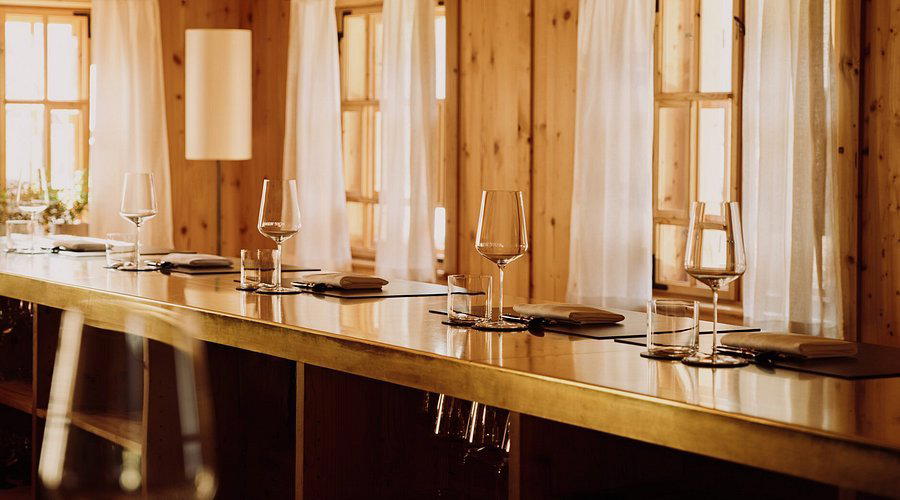
Bars in Klösterle
Browse all →


Hotels in Klösterle
Browse all →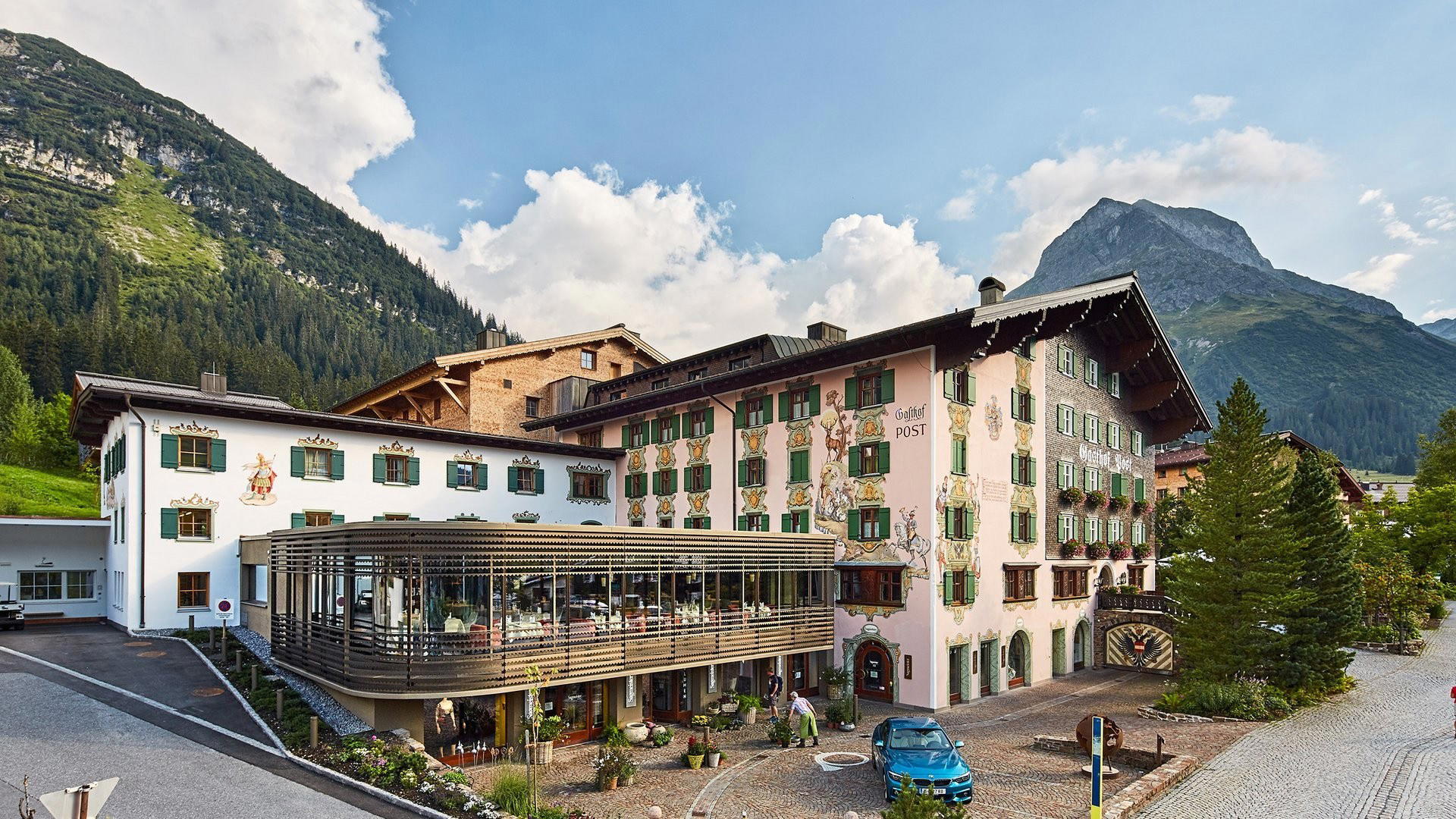

At a Glance
- Cozy
- Rustic
- Dinner
- Garden
- Local Sourcing
- Garden
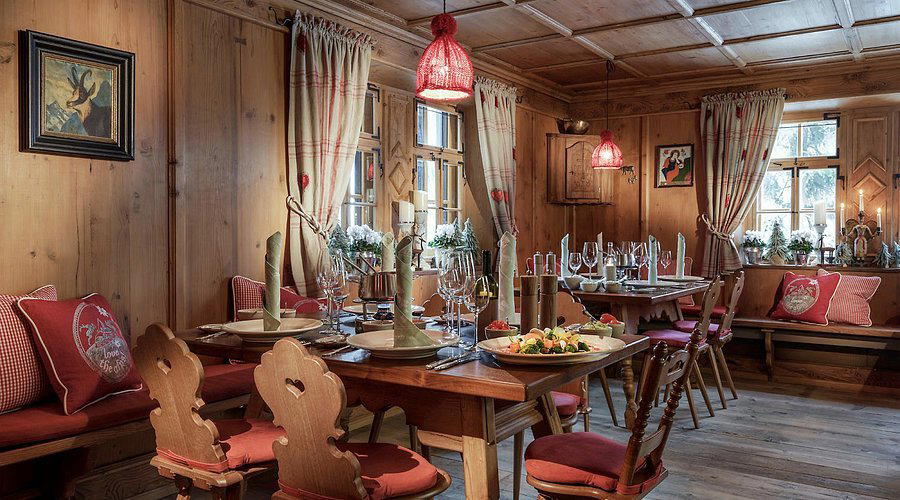
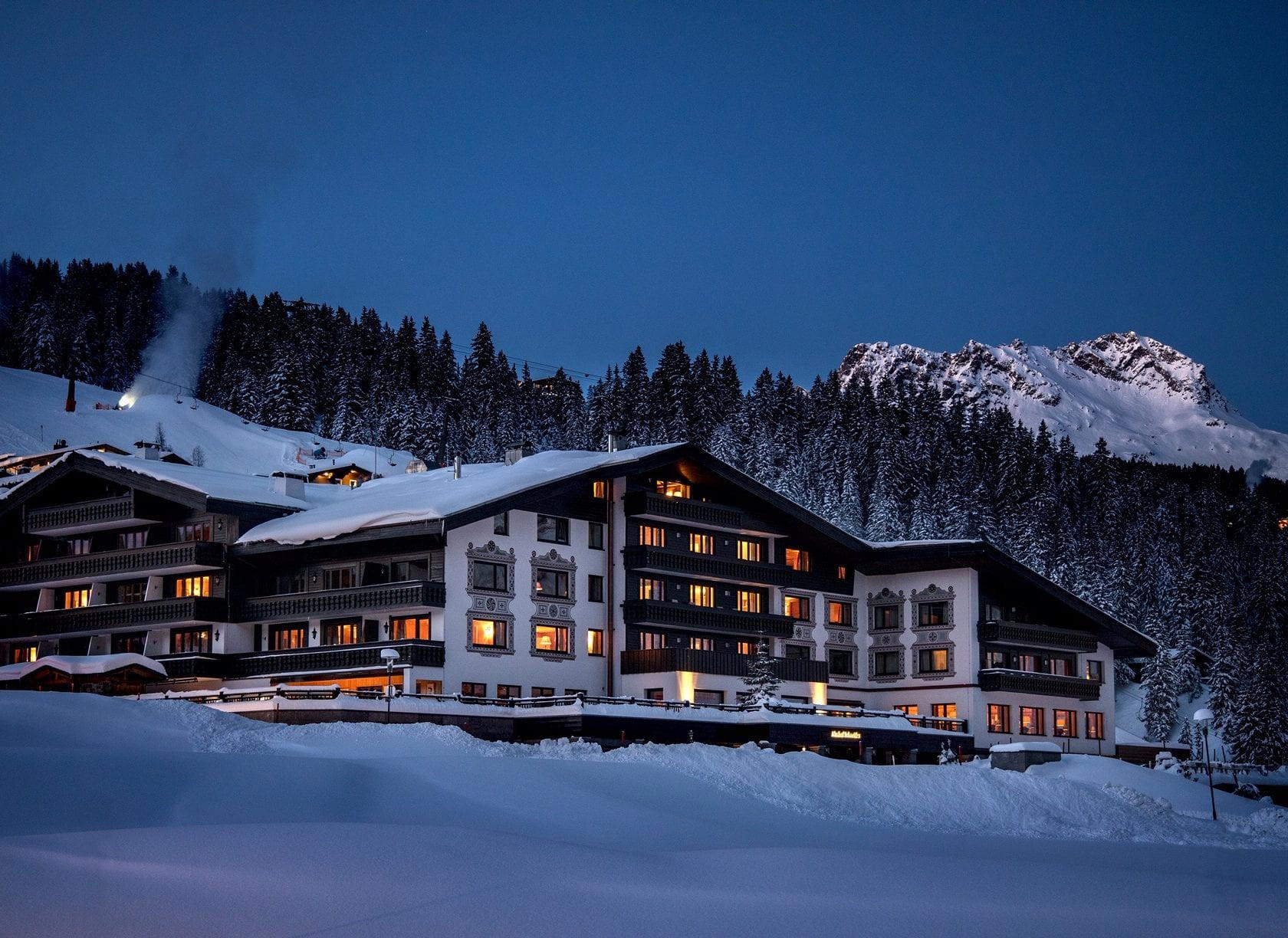
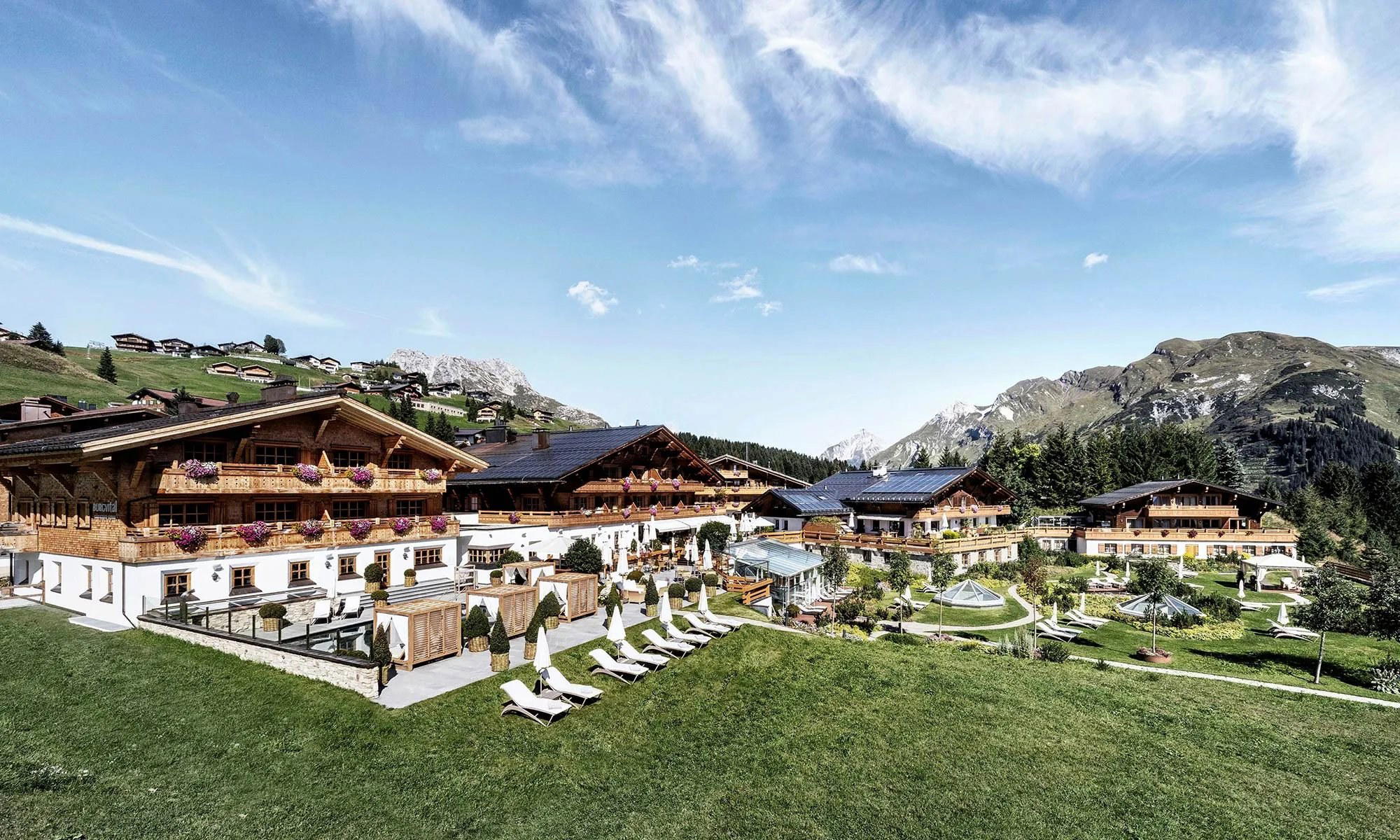
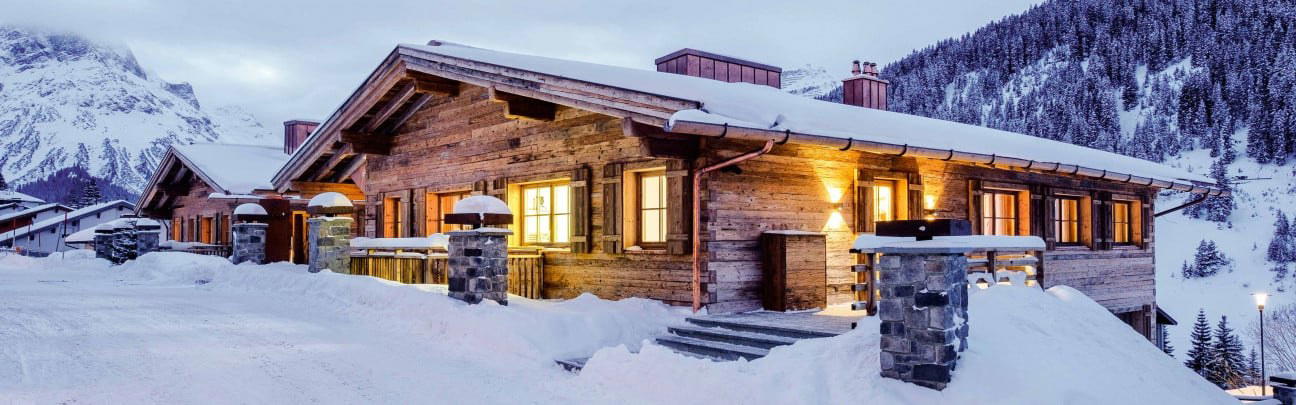
Gemütliche (cozy) atmosphere in a welcoming hotel setting.