
A Wyndham Street Chinese restaurant recognised by Opinionated About Dining's 2025 Asia rankings, The Sports Club occupies a fourth-floor address in Central that situates it within Hong Kong's dense corridor of serious Chinese dining. The kitchen draws on broad Chinese tradition, with tea service that integrates naturally into the meal rather than functioning as an afterthought. Rated 4.2 on Google across 26 reviews.
Pearl is the En Primeur Club membership app — saves, bookings, and concierge access live there. Same editors, same standards.
- Address
- 4/F, 1-3 Wyndham St, Central, Hong Kong
- Phone
- +852 2523 3872
- Website
- thesportsclub.com.hk
- Directions
- Get directions
 Saves & bookings on Pearl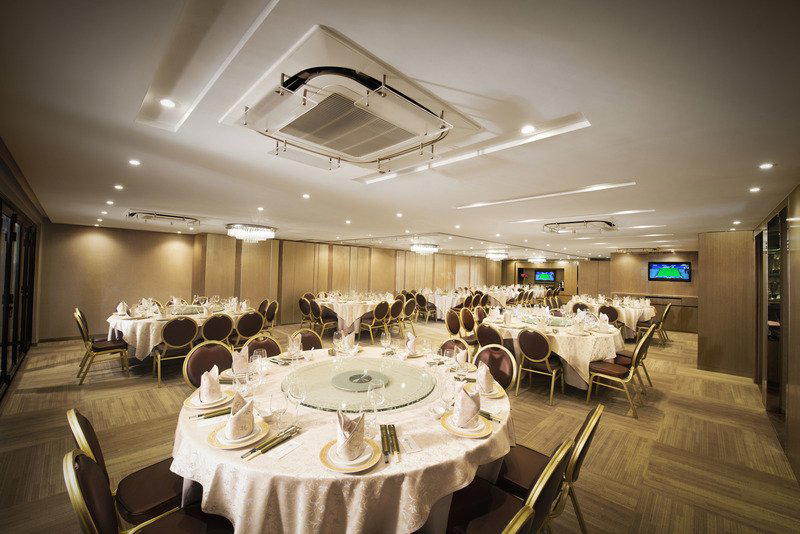
Fourth Floor, Central: Where Chinese Dining Meets Its Own Pace
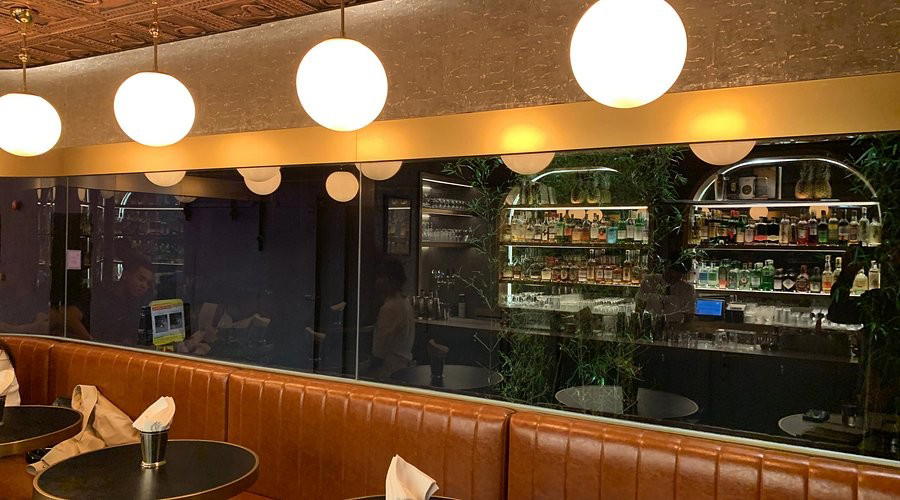
Wyndham Street in Central climbs steeply from the mid-levels toward Lan Kwai Fong, and the restaurants that line it occupy a curious middle ground: not the polished hotel dining rooms of Harbour Road, not the rooftop theatre of the harbour-view crowd, but a denser, more residential kind of seriousness. The fourth-floor address at 1 to 3 Wyndham St places The Sports Club above street level, slightly removed from the pace of Central.
That spatial logic matters in a city where Chinese dining has fractured into many registers. Hong Kong's Central and Sheung Wan corridors now carry everything from quick-serve roast meats to reference-level Cantonese tasting menus, and the restaurants that hold a position in between tend to define themselves through consistency and culinary breadth rather than through spectacle. The Sports Club sits in that middle register, recognised in the Opinionated About Dining 2025 Asia rankings at #230.
Tea as the Meal's Actual Architecture
In many Chinese restaurants outside Hong Kong, tea arrives in a pot and stays there, refilled occasionally, largely ignored. In Hong Kong's better dining rooms, tea operates differently. It marks the meal's rhythm: the pot that arrives before any food signals the kitchen's readiness; the shift between varietals across courses mirrors what a wine programme does in European rooms. At its most considered, the tea selection at a serious Chinese table in this city is not an amenity but a structural element of the meal.
Chinese tea culture is categorised by oxidation level, green, white, oolong, red (black outside China), and post-fermented pu-erh, and each category responds differently to food. Lighter green and white teas suit delicate steamed preparations; roasted oolongs, particularly the Wuyi cliff varieties, hold their character against richer braised dishes; aged pu-erh, with its deep fermented complexity, traditionally follows heavier courses the way a digestif does in Western tradition. A thoughtful tea programme at a Chinese restaurant in Hong Kong does not require a dedicated sommelier, but it does require that someone in the room knows which tea to pour, and when to switch.
The principle is not obscure. Tea pairing philosophy runs through Hong Kong's Chinese dining culture in ways that parallel the city's well-documented wine interest, Hong Kong removed import duty on wine in 2008. Tea arrived at that level of attention far earlier, rooted in the Cantonese tradition of yum cha, where choosing the tea is the first decision a table makes, before the menu, before anything else.
Chinese Dining in Central: The Competitive Set
The Opinionated About Dining placement puts The Sports Club in a ranking tier that includes some of Hong Kong's most consistent Chinese addresses. Nearby on the same Wyndham and Central corridor, China Tang operates at the formal Shanghainese-Cantonese end of the spectrum, while The Chinese Library takes a more contemporary approach to regional Chinese cooking. Further across Hong Kong Island, Hoi King Heen at the InterContinental and WING Restaurant represent the hotel-adjacent tier of Cantonese seriousness, while Peking Garden holds its position as a reference point for northern Chinese preparations in the city.
What distinguishes the Wyndham Street neighbourhood from the hotel-dining set is informality of access: no lobby to cross, no dress code enforced at a concierge desk, a booking process that tends toward the direct. This is consistent with how Hong Kong's non-hotel Chinese rooms operate.
It is worth placing this in the context of how serious Chinese cooking travels internationally. Restaurants like Mister Jiu's in San Francisco and Restaurant Tim Raue in Berlin demonstrate that Chinese culinary frameworks have established credibility in markets far from the source. Closer geographically, Chugoku Hanten Fureika and Chugoku Hanten Kohakukyu in Tokyo, Chi-Fu in Osaka, VELROSIER in Kyoto, Chugokusai Naramachi Kuko in Nara, and Haobin in Seoul all point to the same dynamic: Chinese cooking in Asia's dining capitals is increasingly treated on its own formal terms, not as a category requiring Western-format validation. Hong Kong, as the city that never needed that argument, remains the baseline.
What the Google Score Tells You
At this review volume, the score reflects a regular, likely local-adjacent audience rather than tourist aggregation, which in Hong Kong's context tends toward more exacting standards. The city's dining public compares Chinese restaurants against a reference pool that most cities cannot match: decades of Michelin-tracked Cantonese rooms, a culture of weekly dim sum that makes breakfast and lunch service a competitive arena, and a population for whom the difference between adequate and considered Chinese cooking is not abstract. A 4.2 in that environment carries different weight than the same score in a market where Chinese cuisine is less deeply embedded in the critical culture.
Planning Your Visit
The restaurant is located at 4/F, 1 to 3 Wyndham St, Central, Hong Kong, in the dense dining stretch that connects Central MTR to the Lan Kwai Fong area. The fourth-floor position is accessed by elevator. Reservations: members only. Dress: smart casual. Budget: price tier 3. Timing: Mon to Sat, 12:00 PM to 10:30 PM; Sunday closed.
Price Lens
Comparable venues nearby, for context on price, style, and recognition.
| Venue | Cuisine | Price | Notes |
|---|---|---|---|
| The Sports ClubThis venue — the venue you are viewing | Central, Private Club Chinese | $$$ | Not listed |
| Lei Garden Restaurant | Central, Traditional Cantonese Dim Sum | $$$ | Not listed |
| Happy Paradise | Central, Neo-Chinese | $$$ | Not listed |
| Lu Feng LF Peak Kitchen | Central, Cantonese Dim Sum | $$$ | Not listed |
| Moon Bay | Wan Chai, Traditional Cantonese Chinese | $$$ | Not listed |
| Cuisine Cuisine | Not listed | $$$ | Tsim Sha Tsui, Modern Cantonese fine dining with dim sum |
Recognition history
Dated appearances from independent guides and award organizations, with the underlying list record or original source where available.
Opinionated About Dining Top Restaurants in Asia Highly Recommended
Opinionated About Dining
Opinionated About Dining Top Restaurants in Asia Ranked #230
Opinionated About Dining
Continue exploring
More in Hong Kong
More from Chef Various
Browse all →
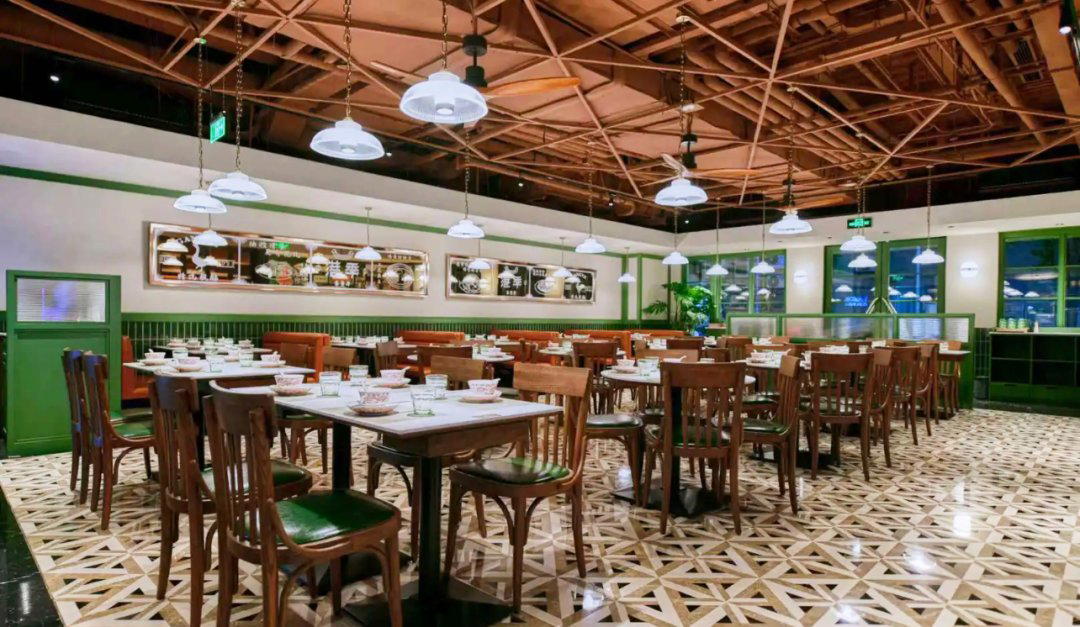
Restaurants in Hong Kong
Browse all →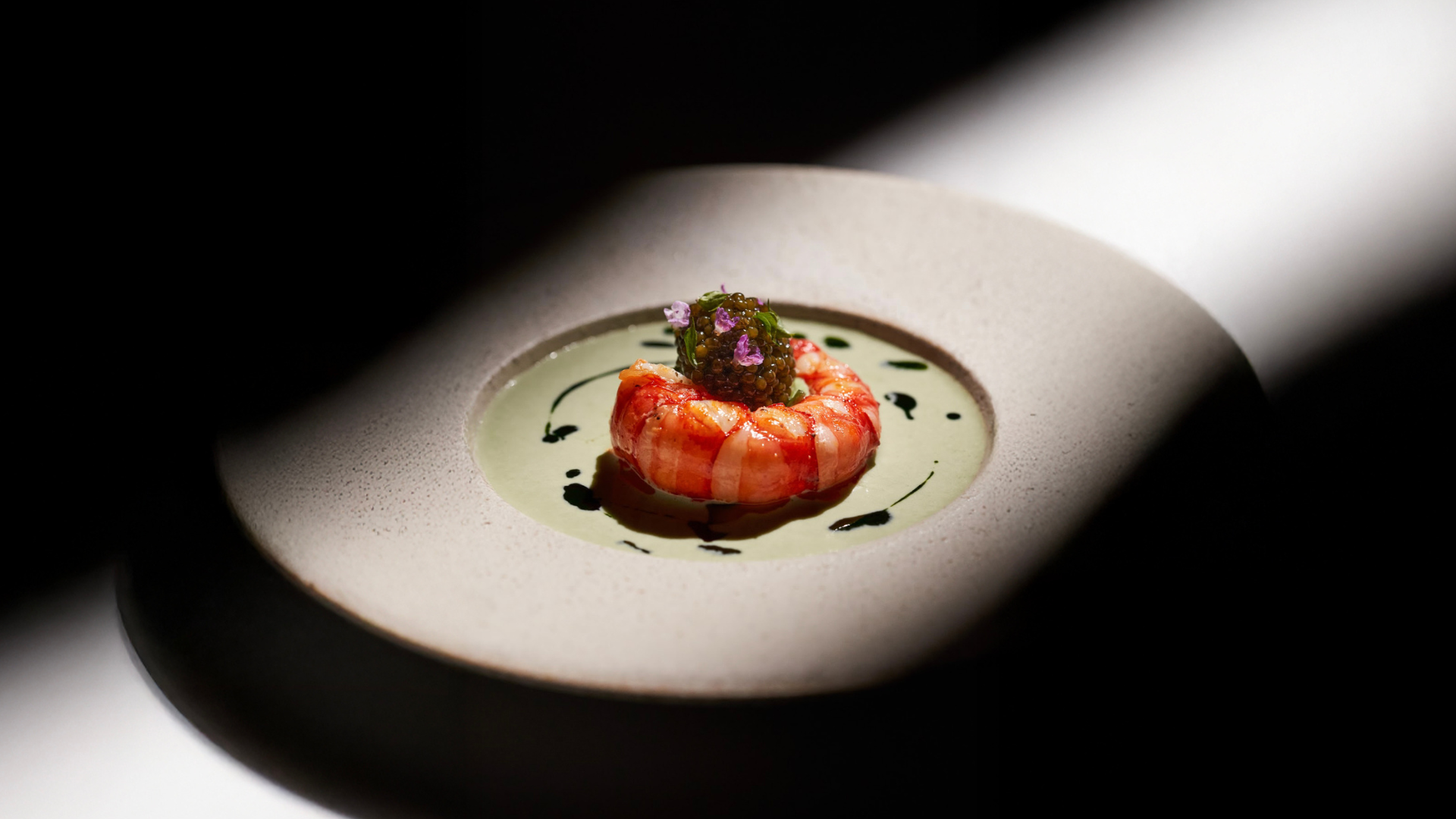
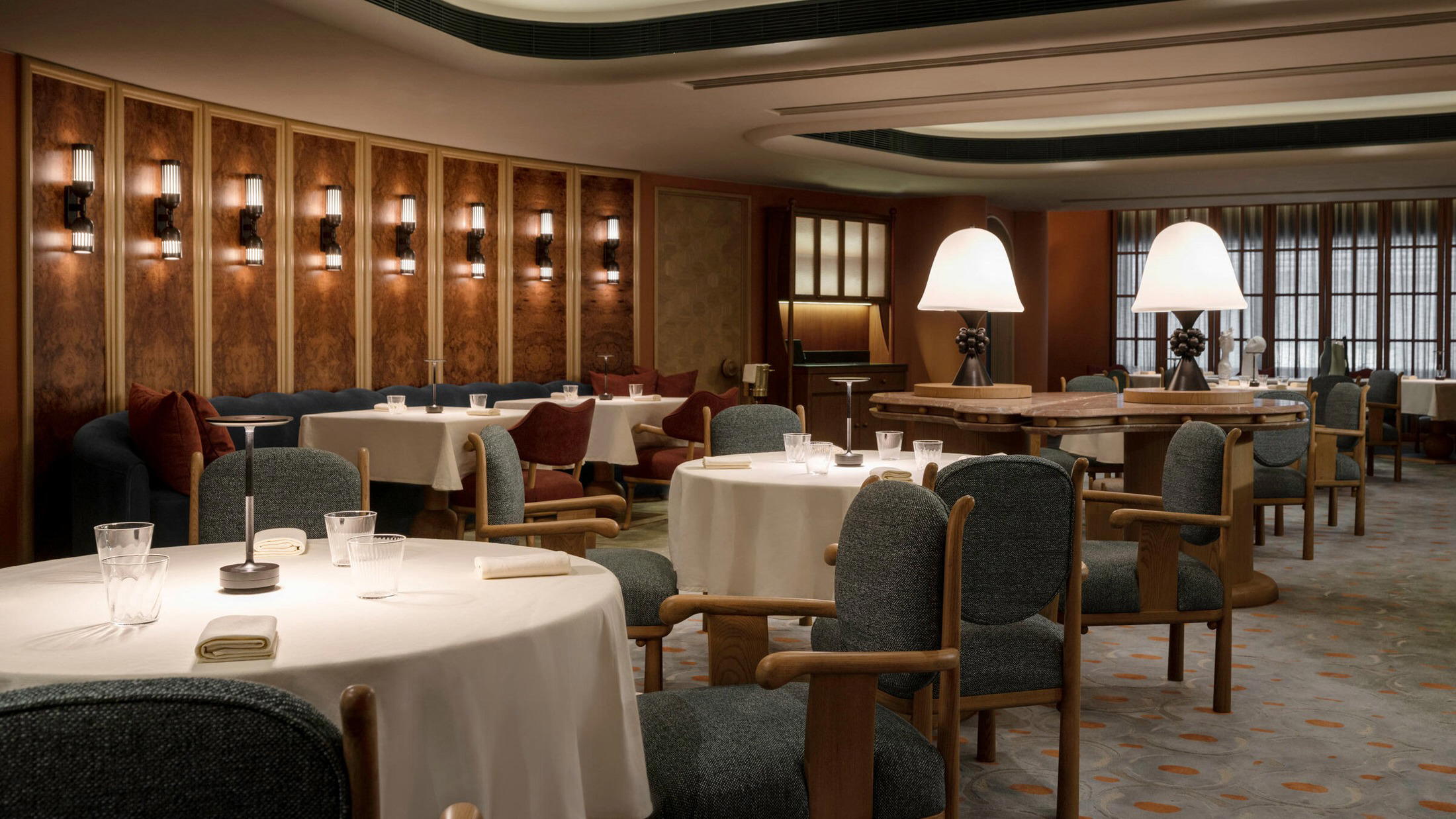
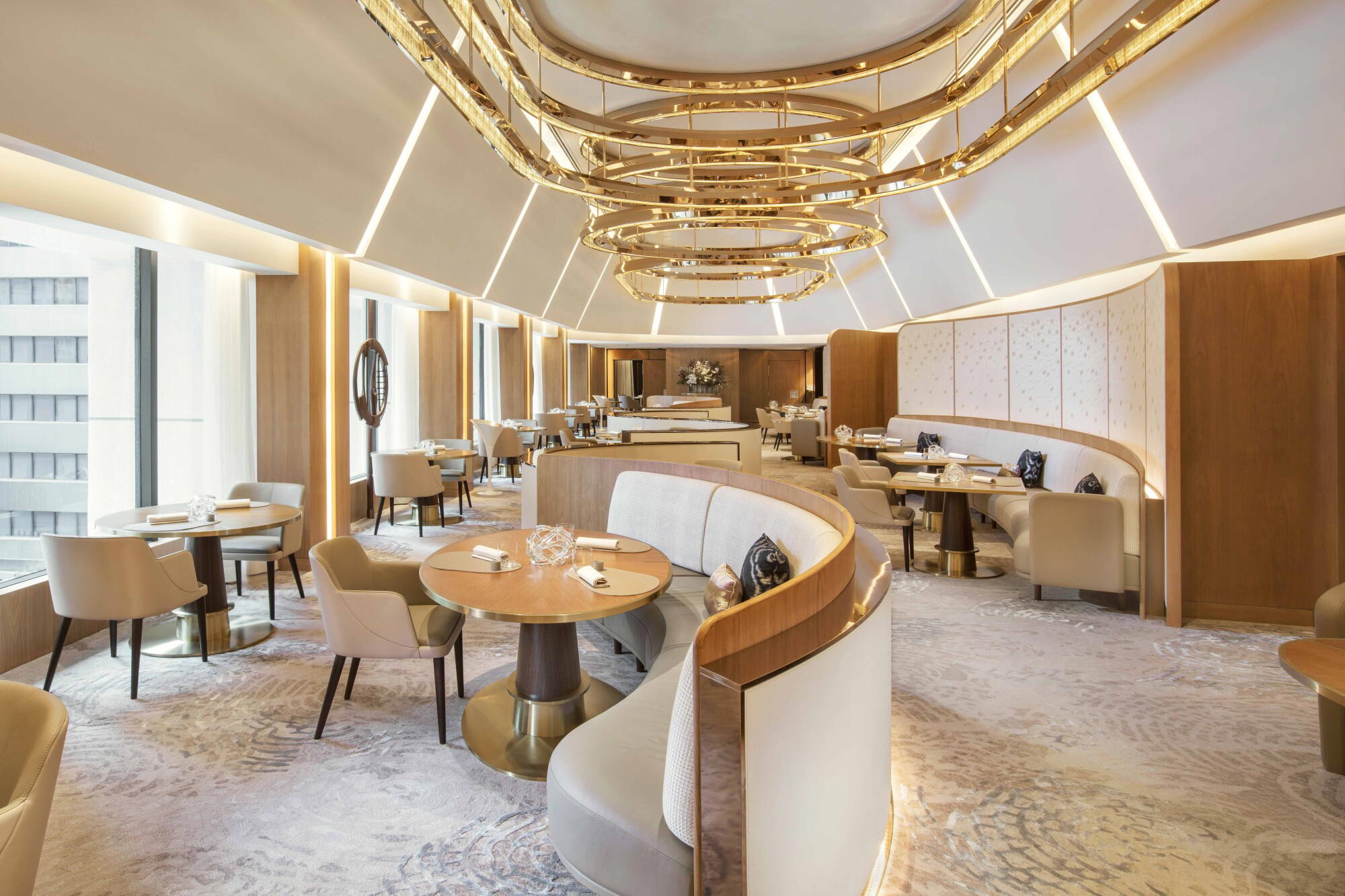
Bars in Hong Kong
Browse all →
At a Glance
- Elegant
- Sophisticated
- Business Dinner
- Private Event
- Private Dining
Current opening hours
- Monday
- 12–10:30 PM
- Tuesday
- 12–10:30 PM
- Wednesday
- 12–10:30 PM
- Thursday
- 12–10:30 PM
- Friday
- 12–10:30 PM
- Saturday
- 12–10:30 PM
- Sunday
- Closed
Hours can change for holidays and private events. Last verified .
Great ambiance with polished service.