
A Tsim Sha Tsui institution for Peking duck and Northern Chinese cooking, Peking Garden has held consecutive rankings in the Opinionated About Dining Top Restaurants in Asia list from 2023 through 2025, reaching #419 in 2024. The kitchen leans on roasted and braised techniques that define the Beijing canon, drawing a loyal local following to its Star House address above the harbour.
Pearl is the En Primeur Club membership app — saves, bookings, and concierge access live there. Same editors, same standards.
- Address
- Hong Kong, Tsim Sha Tsui, HK 九龍 尖沙咀 尖沙咀星光行3樓 3/F., Star House
- Phone
- +852 2735 8211
- Website
- pekinggarden.com.hk
- Directions
- Get directions
 Saves & bookings on Pearl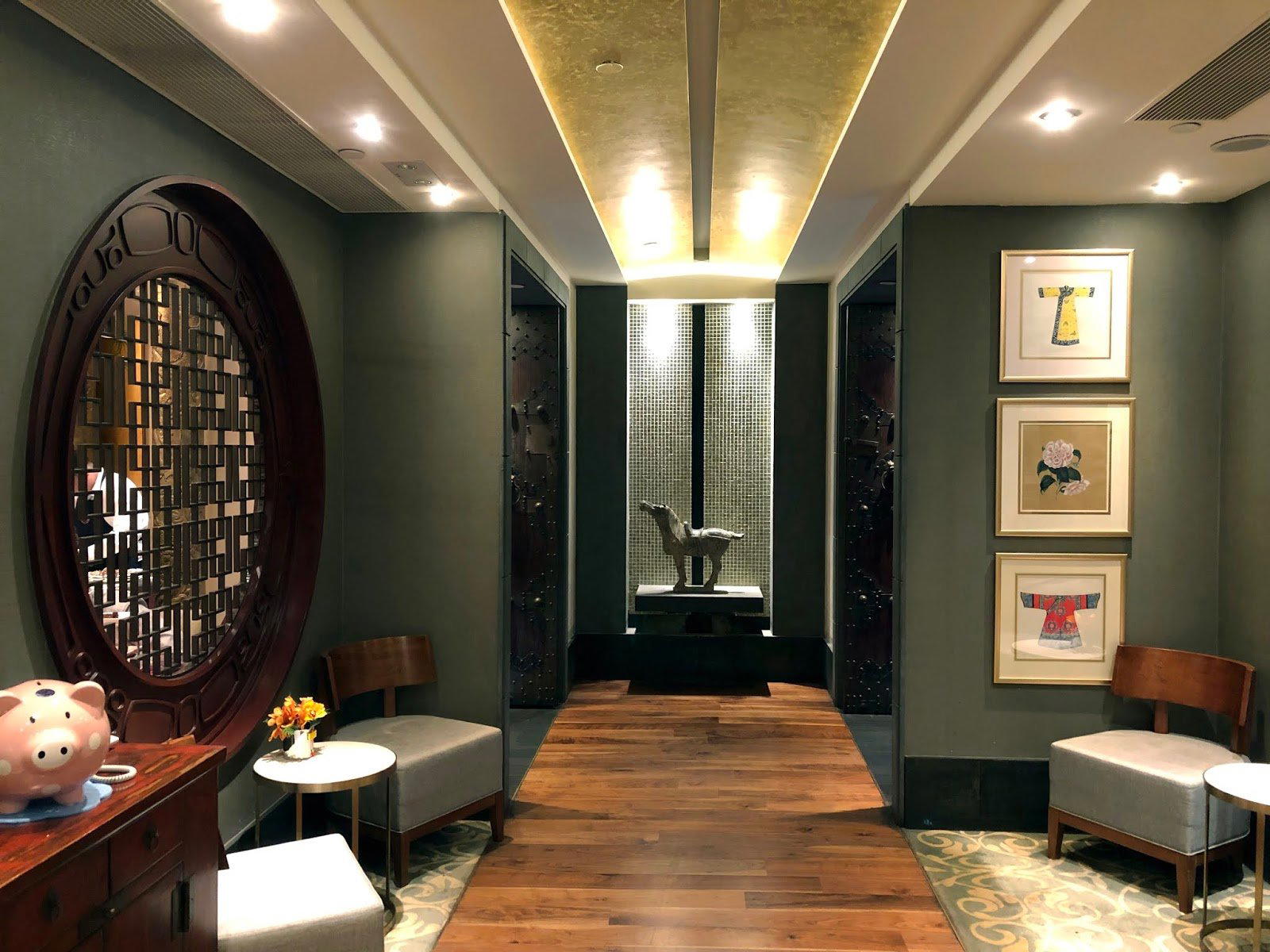
Northern Chinese Cooking in a City That Rarely Sits Still
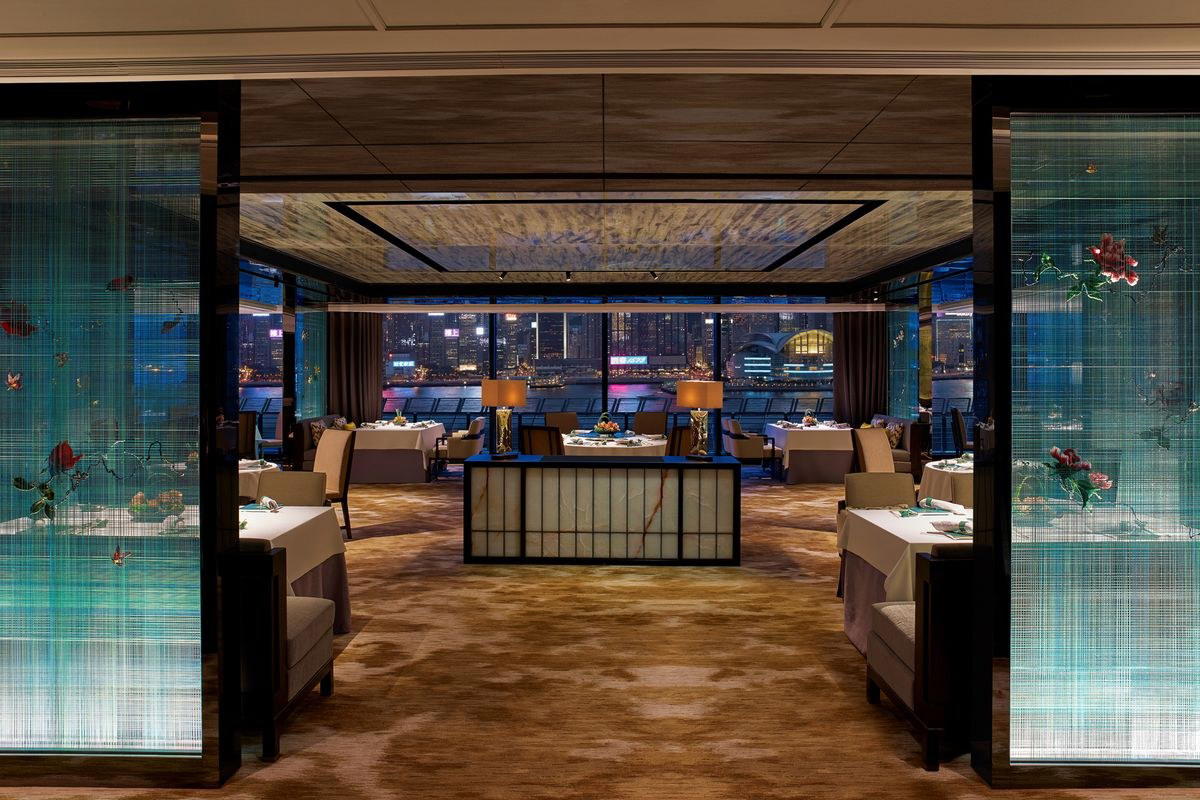
Star House sits at the Tsim Sha Tsui waterfront, a commercial block that has weathered Hong Kong's retail cycles without much ceremony. The third floor, where Peking Garden occupies a dining room with proportions suited to family banquets and long lunches, feels deliberately insulated from the harbour-view theatre happening one floor below. That insulation is part of the point. Northern Chinese restaurants in Hong Kong have historically operated on a different register from the Cantonese houses that dominate the city's dining press: less interested in delicacy and seasonal ingredient pageantry, more committed to the structural confidence of roasted meats, wheat-based staples, and braised preparations that take time rather than precision to execute.
That contrast matters when you are thinking about where Peking Garden sits in the city's wider Chinese dining scene. Alongside peers like Hoi King Heen and China Tang, it occupies a tier where the cooking tradition itself carries the credential, not the room design or the tasting menu format. The Chinese Library and WING Restaurant operate at the higher-investment end of Chinese dining in the city; Peking Garden's proposition is different, rooted in repetition and mastery of a narrower repertoire.
The Ma-La Question in a Beijing Kitchen
The editorial angle on Northern Chinese cooking in Hong Kong almost always returns to the same tension: how much of mainland China's heat-forward evolution has crossed the border, and how faithfully do the city's older-style Northern houses hold to their original register? Beijing cuisine, in its classical form, is not a ma-la tradition. The numbing Sichuan peppercorn and the layered dried-chilli heat that define dishes from Chengdu and Chongqing are largely absent from the Beijing canon, which draws instead on soy-braised depth, sesame paste richness, and the clean char of properly fired duck skin.
That distinction has become more complicated across the past decade. Hong Kong diners have grown fluent in Sichuan flavour, and many Northern Chinese kitchens in the city have accommodated that appetite, adding ma-la cold dishes, spiced offal preparations, or numbing-sauced noodles to menus that once held the line more strictly. The question worth asking of any Northern Chinese restaurant in Hong Kong is where it positions itself on that spectrum: does it anchor to the Beijing tradition and treat chilli heat as an occasional guest, or does it blend registers to match current demand? For a restaurant that has maintained consecutive recognition on the Opinionated About Dining Leading Restaurants in Asia ranking, listed as Recommended in 2023, climbing to #419 in 2024 and #456 in 2025, consistency is clearly central to the operation's identity.
What the OAD Recognition Signals
Opinionated About Dining is a survey-based ranking built from votes cast by dedicated food travellers rather than professional critics, which makes its signals somewhat different from Michelin or the 50 Best infrastructure. A restaurant appearing in three consecutive years, and holding a ranked position across two of them, tells you something specific: it is attracting repeat attention from an audience that crosses cities and benchmarks restaurants against each other at scale. At #419 in 2024 and #456 in 2025, the restaurant operates in a mid-tier of that ranking, well below the handful of Hong Kong addresses that cluster near stronger examples from the Asia list, but consistently present in a field that covers thousands of restaurants across the region.
For context, the restaurants that anchor Hong Kong's upper dining tier in Italian, French, and contemporary formats, including the four-symbol houses operating at the $$$ to $$$$ level, rarely share a competitive set with a Northern Chinese specialist at Tsim Sha Tsui prices. The restaurant's comparable set is not The Sports Club or the European-leaning rooms; it sits within Chinese dining specifically, where the credentialing logic runs through technique and tradition rather than wine lists and tasting menus.
Restaurant Tim Raue in Berlin and Mister Jiu's in San Francisco both engage Chinese technique through a heavily hybridised lens, while addresses like Chugoku Hanten Fureika and Chugoku Hanten Kohakukyu in Tokyo, VELROSIER in Kyoto, Chugokusai Naramachi Kuko in Nara, and Chi-Fu in Osaka represent how Japanese interpretations of Chinese cooking have developed their own credentialing systems. Haobin in Seoul offers another regional point of comparison for how Northern Chinese flavours translate across Northeast Asia. The restaurant's approach is closer to the source, a Northern Chinese restaurant in a Southern Chinese city, holding its position through proximity to the original rather than transformation of it.
Tsim Sha Tsui as a Dining Address
Tsim Sha Tsui's dining identity has always been more commercially mixed than Hong Kong Island's restaurant districts. The neighbourhood carries significant tourist volume alongside a substantial local professional lunch trade, and the better restaurants in the area have historically served both without compromising for either. Star House, on the harbour side near the old ferry pier approach, places the restaurant within walking distance of several hotel dining rooms and a dense concentration of mid-to-upper Chinese restaurants that give the area its Northern and regional Chinese depth. The dynamic rewards visitors willing to look beyond the harbour-facing hotel terraces to the floors above street level, where the city's more established Chinese houses tend to sit.
Planning Your Visit
| Factor | The restaurant | China Tang (Landmark, HK Island) | Hoi King Heen (Tsim Sha Tsui) |
|---|---|---|---|
| Cuisine focus | Northern Chinese, Peking duck | Cantonese, dim sum | Cantonese seafood |
| Location | 3/F Star House, Tsim Sha Tsui | The Landmark, Central | InterContinental, TST |
| OAD recognition | #419 (2024), #456 (2025) | Separate ranking | Separate ranking |
| Format | Full-service Chinese dining room | Heritage-styled Cantonese | Hotel dining, seafood focus |
| Booking approach | Walk-in or phone advised | Advance reservation | Advance reservation |
The Minimal Set
Comparable venues nearby, for context on price, style, and recognition.
| Venue | Cuisine | Price | Notes |
|---|---|---|---|
| Peking GardenThis venue — the venue you are viewing | Chinese | $$$ | Not listed |
| Grand Majestic Sichuan | Central, Modern Sichuan | $$$ | Not listed |
| Hau Tak | Wan Chai, Traditional Cantonese Dim Sum | $$$ | Not listed |
| Lei Garden Restaurant | Central, Traditional Cantonese Dim Sum | $$$ | Not listed |
| Jija | Not listed | $$$ | Yau Tsim Mong South, Modern Yunnan & Guizhou Bistro |
| Big JJ Seafood Hotpot | Not listed | $$$ | Central, Hong Kong-style seafood hotpot & wine bar |
Recognition history
Dated appearances from independent guides and award organizations, with the underlying list record or original source where available.
Opinionated About Dining Top Restaurants in Asia Recommended
Opinionated About Dining
Opinionated About Dining Top Restaurants in Asia Ranked #456
Opinionated About Dining
Opinionated About Dining Top Restaurants in Asia Ranked #419
Opinionated About Dining
Opinionated About Dining Top Restaurants in Asia Recommended
Opinionated About Dining
Continue exploring
More in Hong Kong
More from Chef Various
Browse all →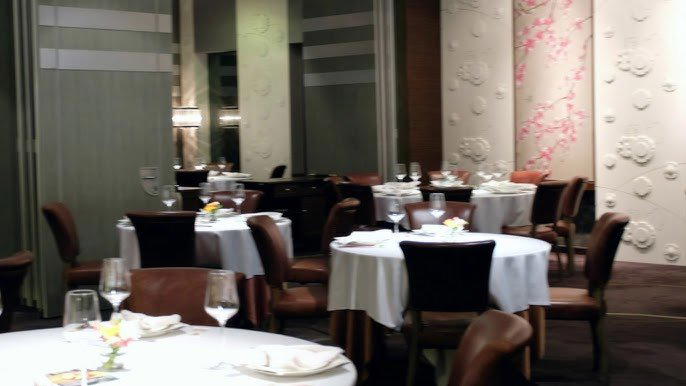
Restaurants in Hong Kong
Browse all →
Bars in Hong Kong
Browse all →
At a Glance
- Elegant
- Classic
- Sophisticated
- Group Dining
- Family
- Special Occasion
- Open Kitchen
Current opening hours
- Monday
- 11:30 AM–3 PM, 5:30–10:30 PM
- Tuesday
- 11:30 AM–3 PM, 5:30–10:30 PM
- Wednesday
- 11:30 AM–3 PM, 5:30–10:30 PM
- Thursday
- 11:30 AM–3 PM, 5:30–10:30 PM
- Friday
- 11:30 AM–3 PM, 5:30–10:30 PM
- Saturday
- 11:30 AM–3 PM, 5:30–10:30 PM
- Sunday
- 11:30 AM–3 PM, 5:30–10:30 PM
Hours can change for holidays and private events. Last verified .
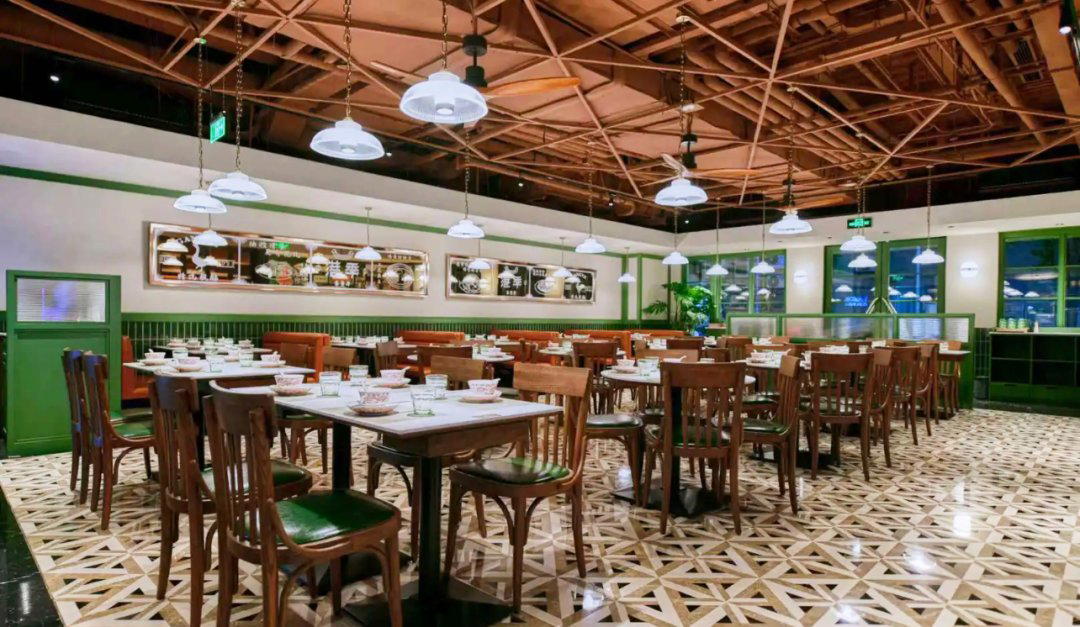
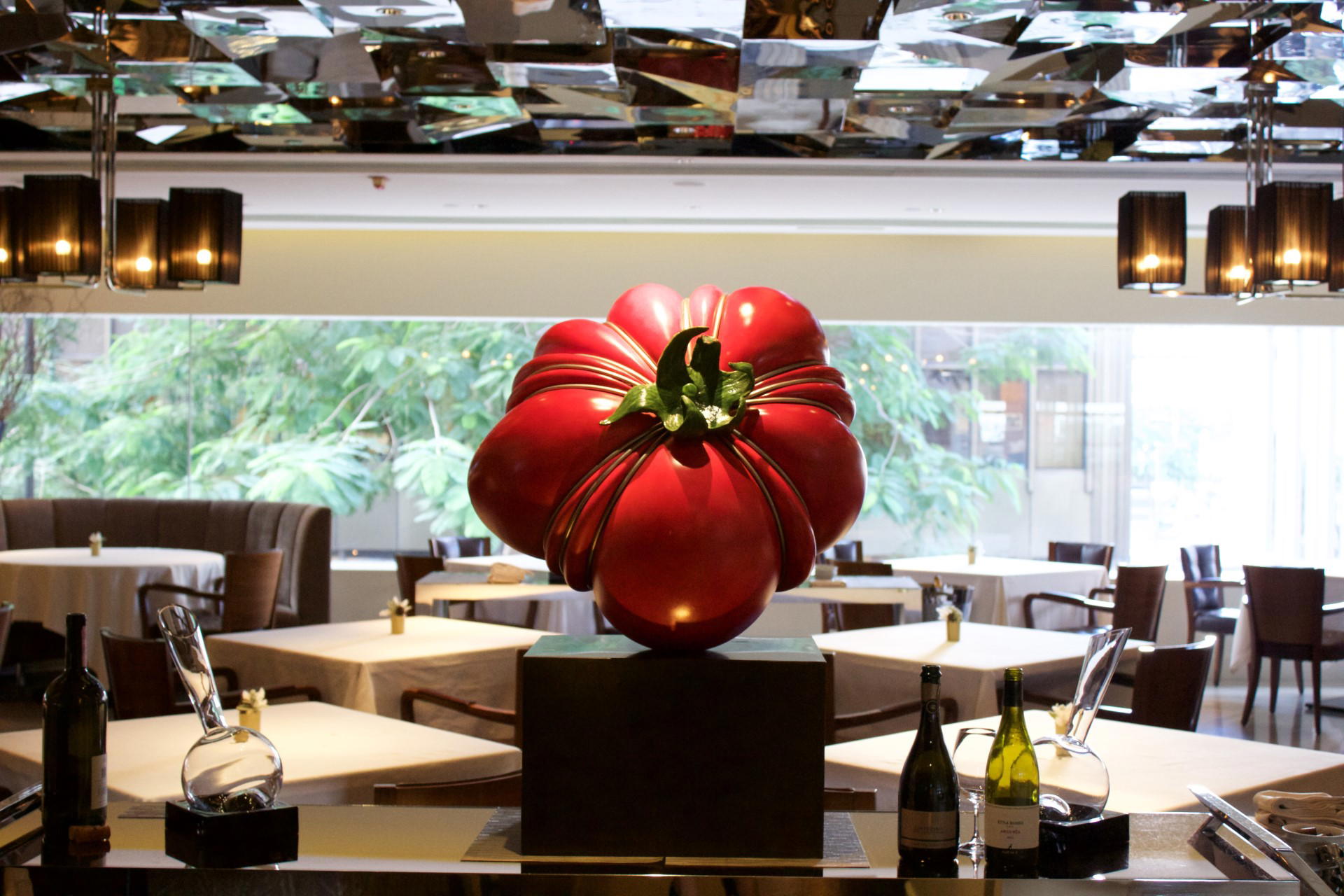
Chic and modern northern Chinese decor with attentive service in a busy, bustling atmosphere.