A wine bar on Place Charles Graux in the heart of Ixelles, Wine Fever occupies a corner of Brussels' most wine-literate neighbourhood. The address places it within walking distance of the commune's most talked-about dining rooms, making it a natural stop before or after a meal. Ixelles' bar scene has matured considerably, and Wine Fever sits inside that shift toward knowledgeable, lower-key wine drinking over cocktail theatre.
Pearl is the En Primeur Club membership app — saves, bookings, and concierge access live there. Same editors, same standards.
- Address
- Pl. Charles Graux 3, 1050 Ixelles, Belgium
- Phone
- +3224460230
- Website
- wine-fever.be
- Directions
- Get directions
 Saves & bookings on Pearl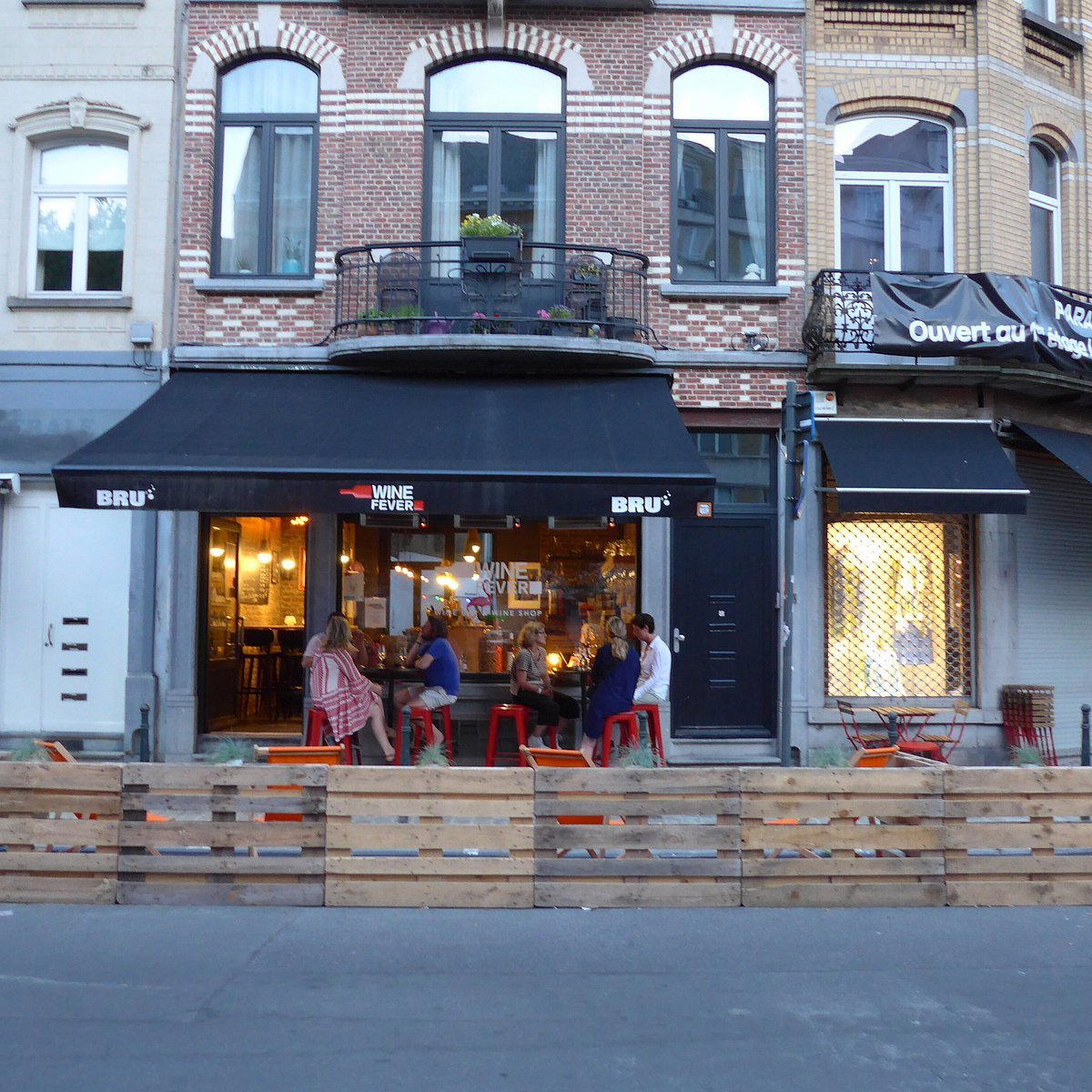
A Square, a Glass, and the Quiet Evolution of Ixelles Wine Culture
Place Charles Graux is not one of Brussels' grand ceremonial squares. It is a neighbourhood pivot point in Ixelles, the kind of address where residents cross on the way to somewhere else and end up staying. Wine bars that succeed in spaces like this do so not through destination marketing but through a particular kind of earned regularity. Wine Fever, at number 3 on that square, exists in that tradition: a room that draws from the commune rather than from the wider city's tourist circuit.
The broader story here is about how Ixelles has repositioned itself over the past decade as Brussels' most confident wine-drinking neighbourhood. The commune already anchors some of the capital's most serious dining rooms. Humus x Hortense operates at the creative edge of plant-forward fine dining, while Kamo brings Japanese precision to the commune's restaurant map. Amen pulls from farm-to-table sourcing at a price point that signals genuine commitment rather than trend-following. Against that backdrop, a wine bar on Place Charles Graux occupies a logical supporting role: somewhere to drink well before or after eating well.
How the Wine Bar Format Has Shifted in Brussels
A decade ago, the default wine bar in Brussels split broadly between the cave à manger model, heavy on charcuterie boards and classic French appellations, and the bottle-shop hybrid, where buying to take home subsidised the glassware programme. Both formats still exist, but a third approach has gained ground: the list-led bar where the editorial decisions behind the selection are the product. This is the shift that matters most to understanding where a place like Wine Fever fits in 2024.
Ixelles is well placed for that evolution. The commune's dining scene has pushed steadily toward specificity, rewarding places that commit to a point of view over those that try to please everyone. The same logic applies to wine. A room on a residential square, without the foot traffic of central Brussels, has to give regulars a reason to return that goes beyond convenience. In practical terms, that means the list has to teach the drinker something each visit, whether through rotating producers, a focus on lesser-known regions, or a by-the-glass programme that changes often enough to reward loyalty.
For comparison: across the broader Belgian dining scene, specificity of approach is what separates the names that accumulate long-term recognition from those that plateau. Hof van Cleve in Kruishoutem and Boury in Roeselare have both built sustained reputations by refusing to dilute their core proposition. The principle translates down the formality register: a wine bar with a defined perspective holds better than one without.
The Place Charles Graux Address
Location in Ixelles carries specific implications. The commune is dense with competing options at every price tier. Amore, Pasta e Gioia and Au Savoy represent the neighbourhood's capacity for both casual Italian and more traditional Belgian formats within a short radius. In that context, a wine-forward address on Place Charles Graux is competing less on cuisine and more on selection depth and atmosphere. The square itself provides a natural outdoor rhythm in warmer months, which in Brussels means late spring through early autumn, when the city's drinking culture shifts noticeably toward pavement tables and longer evening pacing.
Getting there is direct from central Brussels. The commune is served by multiple tram lines, and the square sits within the walkable core of upper Ixelles. Visitors arriving from the city centre for dinner at one of the area's more formal tables, including Bozar Restaurant in the broader Brussels orbit, would find Wine Fever a natural starting point for the evening.
Placing Wine Fever in the Belgian Wine Scene
Belgium does not produce wine at a scale that defines its hospitality identity. What Belgian wine bars do instead is curate, and the quality of that curation is what distinguishes the serious addresses from the decorative ones. The country's proximity to both Burgundy and the natural wine producers of the Loire, combined with a deeply embedded cafe culture, means that Brussels has developed an unusually literate drinking public for its size. That public knows the difference between a list assembled by a supplier's sales rep and one built by someone who actually drinks the bottles.
The broader European comparison is instructive. In Antwerp, Zilte has shown what serious wine commitment looks like inside a high-end restaurant format. On the coast, Bartholomeus in Heist and Willem Hiele in Oudenburg reflect how regionality and producer relationships can anchor a wine programme. At the bar-and-bistro level in Ixelles, the same question applies: what is the editorial stance behind the glass?
For visitors calibrating ambitions across a longer Belgian trip, the full picture of what the country's dining scene can offer is worth mapping. Our full Ixelles restaurants guide covers the commune in detail, with entries across price tiers and cuisine formats. Venues like Castor in Beveren, d'Eugénie à Emilie in Baudour, De Jonkman in Sint-Kruis, and L'air du temps in Liernu illustrate how seriously Belgium takes the table outside its capital as well. For international reference points that define what serious wine service looks like at the fine dining level, Le Bernardin in New York City and Atomix show how wine programmes function inside tasting-menu formats where the glass is integral to the sequence rather than incidental to it.
Planning a Visit
Wine Fever sits at Place Charles Graux 3 in Ixelles. The neighbourhood is accessible by tram and walkable from the upper Ixelles dining corridor. For evenings when Wine Fever is a stop on a longer circuit rather than the destination, pairing it with a booking at one of the commune's more formal tables gives the visit a natural shape. Current hours, pricing, and any booking requirements should be verified before travelling specifically for a visit.
How Wine Fever Ixelles compares with similar nearby venues.
| Venue | Cuisine | Price |
|---|---|---|
| Car Bon | Chinese | € |
| Kamo | Japanese | €€€ |
| Lune Siamoise | Thai | €€ |
Continue exploring
More in Ixelles
Restaurants in Ixelles
Browse all →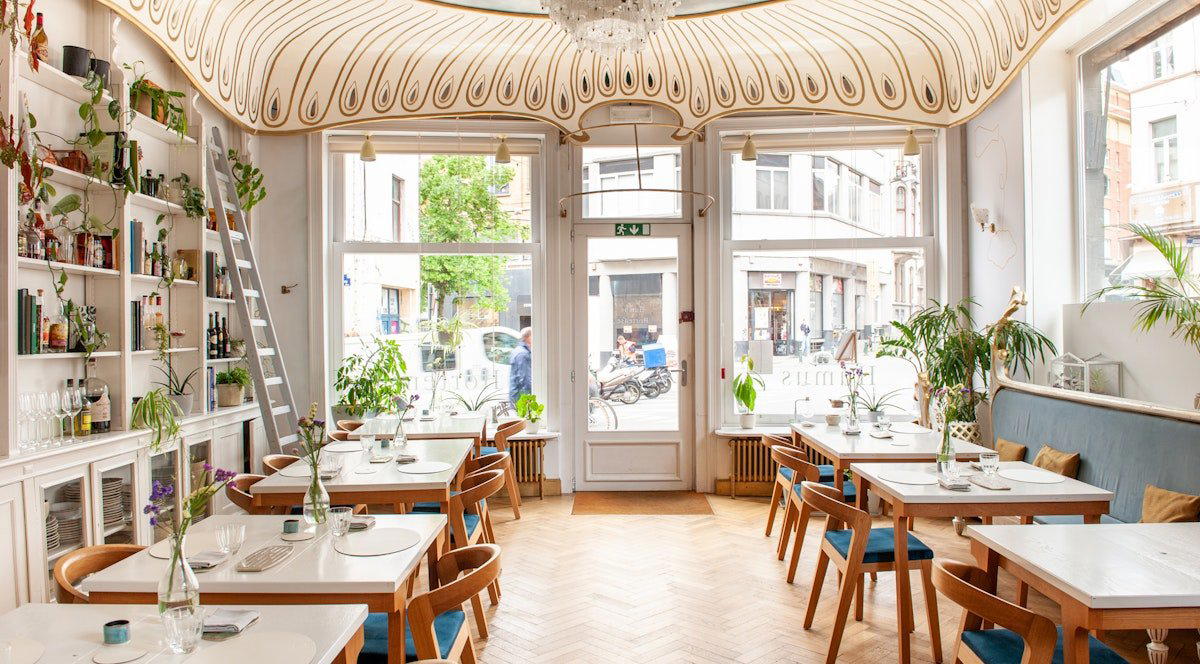
Bars in Ixelles
Browse all →
Hotels in Ixelles
Browse all →
Wineries in Ixelles
Browse all →
At a Glance
- Cozy
- Intimate
- Trendy
- Date Night
- Casual Hangout
- After Work
- Wine Cellar
- Natural Wine
- Sommelier Led
- Local Sourcing
- Organic
Current opening hours
- Monday
- Closed
- Tuesday
- Closed
- Wednesday
- 4–10 PM
- Thursday
- 4–10 PM
- Friday
- 4–10 PM
- Saturday
- 4–10 PM
- Sunday
- Closed
Hours can change for holidays and private events. Last verified .
Cozy and welcoming with warm lighting, creating a relaxed and friendly atmosphere ideal for wine tasting.
Know Before You Go
- Getting there
- Pl. Charles Graux 3, 1050 Ixelles, Belgium