
A family-run osteria on Rue de la Crêche in Ixelles where house-made pasta, beef carpaccio, and Angus tagliata anchor a menu built around direct Italian flavour rather than technical elaboration. Giuseppe, Karina, and Kevin run the room with the kind of low-key consistency that neighbourhood regulars depend on. In a neighbourhood of ambitious tasting menus and concept-driven kitchens, this is direct Italian done on its own terms.
Pearl is the En Primeur Club membership app — saves, bookings, and concierge access live there. Same editors, same standards.
- Address
- Rue de la Crêche 11
- Phone
- +32 2 785 00 45
- Website
- amore-pasta-gioia.be
- Directions
- Get directions
 Saves & bookings on Pearl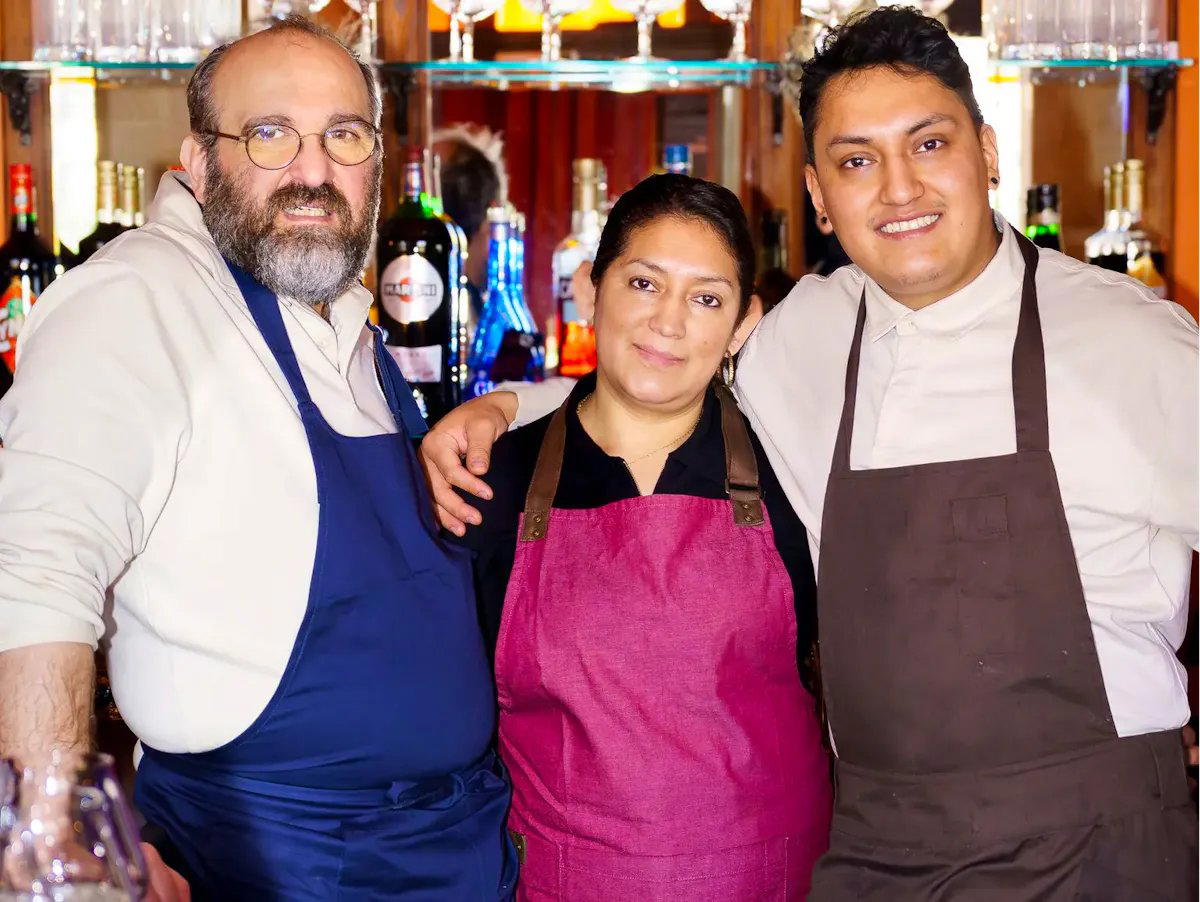
The Case for Unfussy Italian in a Neighbourhood of Concept Kitchens
Ixelles has become one of Brussels' most restless dining corridors. Within a short radius of Rue de la Crêche, you can find the plant-forward fermentation work at Humus x Hortense, the precise Japanese counter of Kamo, and the produce-led seasonal cooking at Amen. The neighbourhood rewards ambition. But ambition isn't the only currency in a good dining scene, and Amore, Pasta e Gioia makes the case that a kitchen anchored in tradition and executed with consistency holds its own against the concept-driven tier above it.
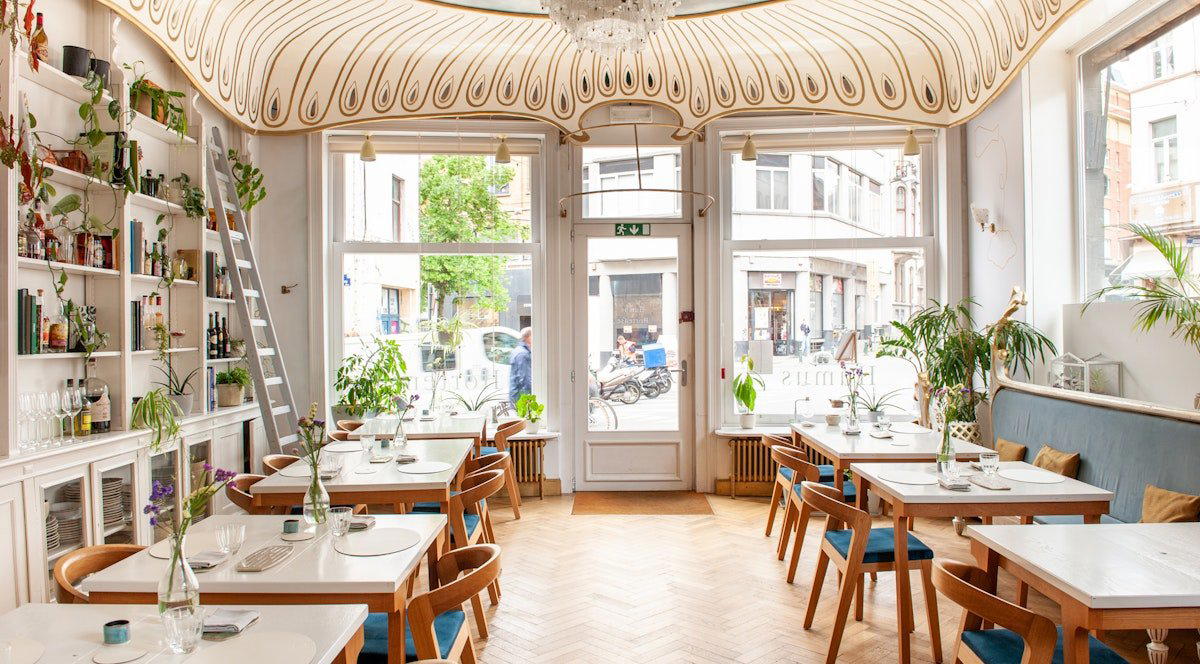
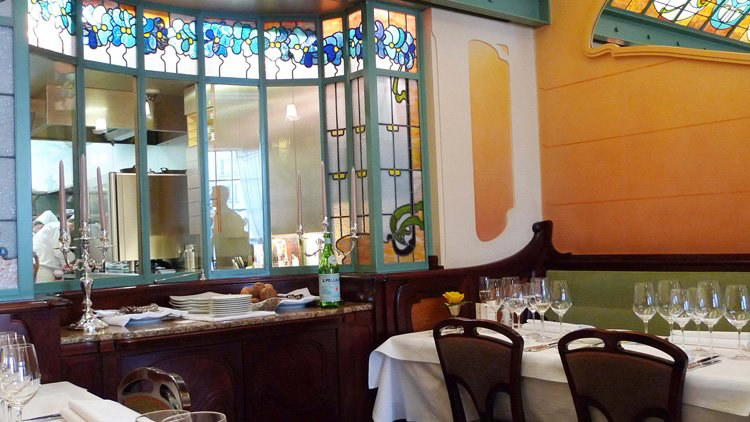
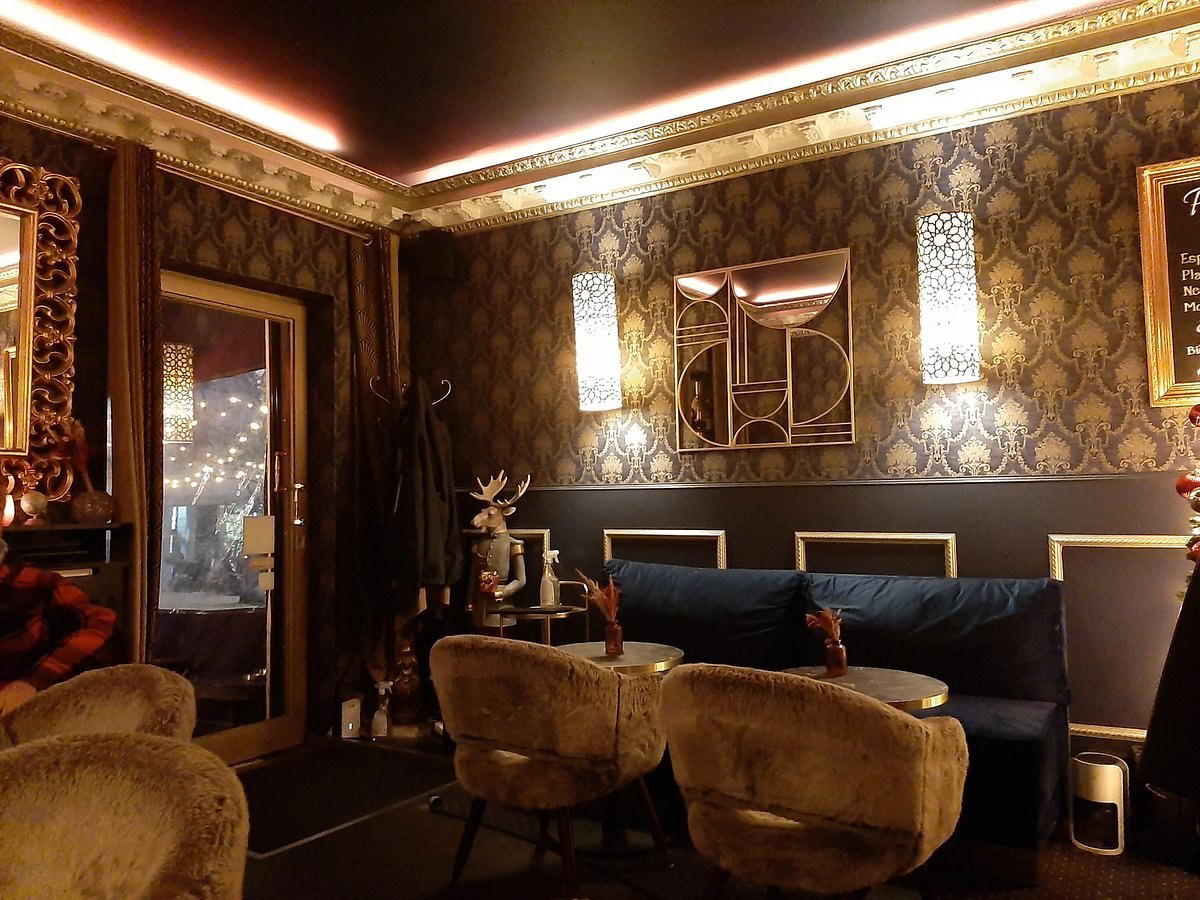
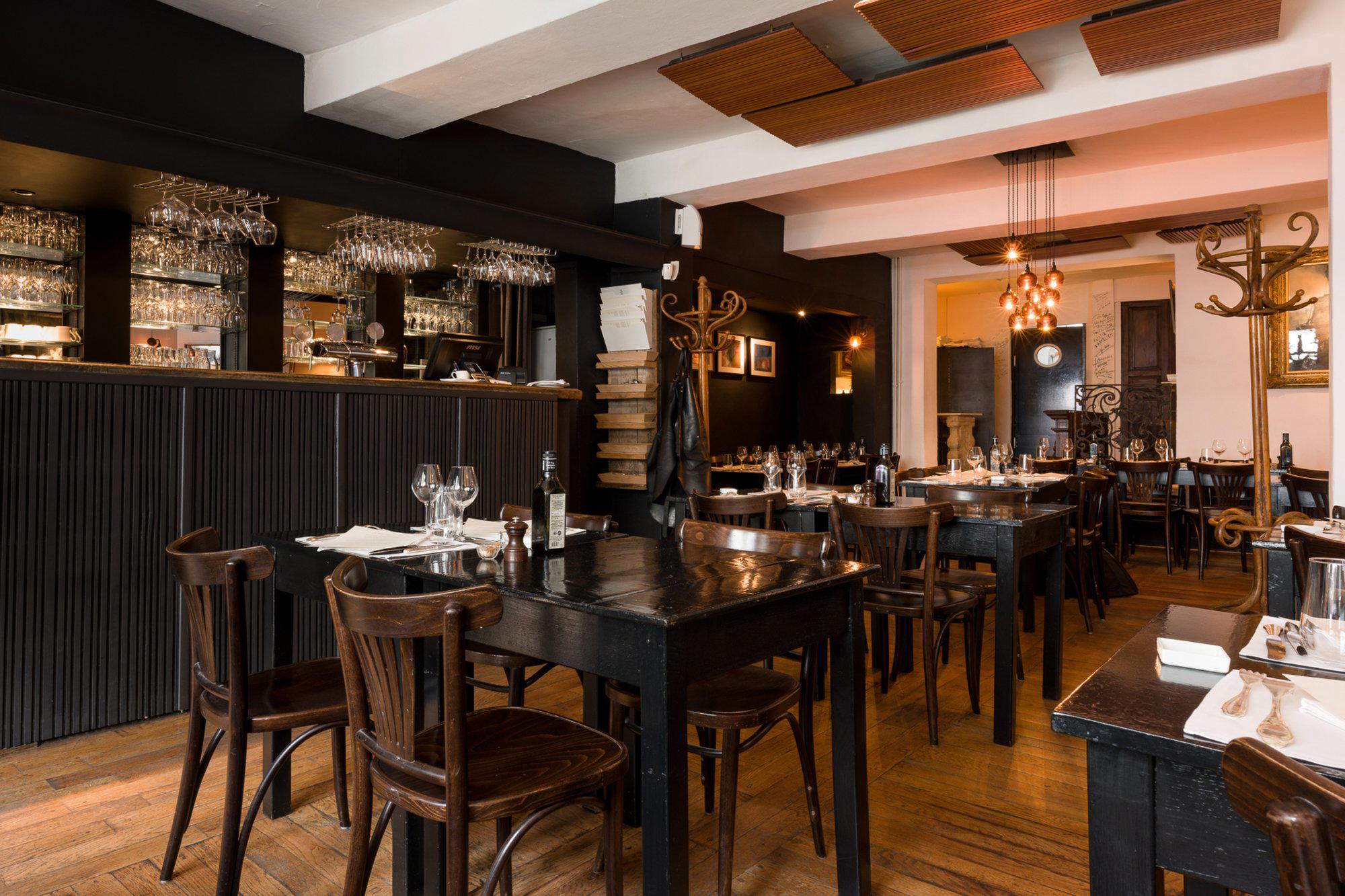
The name, love, pasta, and joy, is a programme rather than a feature. When you arrive on Rue de la Crêche 11, you find a family-run authentic Italian pasta osteria in Ixelles. The dining room telegraphs its intentions through domesticity: the kind of space where the welcome is immediate and the pacing feels calibrated to conversation rather than to the kitchen's ambitions. This is a neighbourhood osteria operating in the Italian sense of the word, which is to say a place where the food is the point and the atmosphere follows from that, not the other way around.
What the Kitchen Is Actually Doing
Italian regional cooking in northern Europe often gets flattened into a version of itself: pasta dishes built for broad appeal, sauces that split the difference between traditions, proteins that arrive without the specificity of their origin. The kitchens that resist this tend to do so through sourcing discipline and a refusal to hedge. At Amore, Pasta e Gioia, the editorial identity of the menu is legible from the first course. The beef carpaccio arrives with parmesan shavings and a dressing with genuine acidity, not a generic vinaigrette, but something with a tangy character that does actual work against the fat of the beef. That kind of proportion matters, and it signals a kitchen that understands the role each element plays.
The pasta is made in-house, which in Brussels' mid-range Italian tier is not universal. The tagliatelle comes al dente, a detail worth noting because pasta cookery is the easiest shortcut to take and the one most immediately detectable by anyone who has eaten well in Italy. The meat sauce described is gutsy rather than delicate, which places it closer to Emilian tradition than to the lighter Neapolitan or Roman alternatives: a sauce with depth, built from time and reduction rather than from brightness. This is not a kitchen trying to split categories; it knows what it is making and makes it accordingly.
For protein, the Angus rib steak alla tagliata continues the sourcing specificity. Tagliata, the Italian preparation where a rested steak is sliced against the grain and typically served over rocket with shaved parmesan, is a dish that exposes the quality of the beef directly. Using Angus here is a deliberate provenance signal, not a marketing term, Angus cattle have a fat distribution and muscular density that suits this preparation, and the dish's success depends almost entirely on that underlying material. Across its three courses, the menu at Amore, Pasta e Gioia holds a consistent logic: find the right primary ingredient, deploy classic technique against it, and resist the urge to add complexity for its own sake.
The Room and the People Running It
The floor at the restaurant is run by Kevin, with Giuseppe and Karina working the kitchen. A three-person family operation works from a different kind of authority. The consistency here comes not from a brigade trained in a single house philosophy, but from the accumulated shorthand of people who cook and serve together every service. That produces a particular kind of reliability: less architectural, more habitual. Regulars build trust in exactly this way.
Ixelles diners who want to range beyond Italian have options at every price point. Car Bon serves Chinese cooking at a more accessible price tier, while Chou offers farm-to-table cooking in the same mid-range bracket where Amore competes.
How It Stacks Up
Comparable venues nearby, for context on price, style, and recognition.
| Venue | Cuisine | Price | Awards | Notes |
|---|---|---|---|---|
| Amore, Pasta e GioiaThis venue — the venue you are viewing | Authentic Italian Pasta Osteria | $$$ | Michelin Plate | Not listed |
| Fico | Authentic Sicilian Italian | $$$ | Michelin Plate | Ixelles |
| Bogart-Foodies Corner | Modern Sicilian Italian | $$$ | Not listed | Ixelles |
| Racines | Authentic Italian with Natural Wines | $$$ | Michelin Plate | Ixelles |
| MOBI | Modern Italian | $$$ | Not listed | Ixelles |
| Maru | Authentic Korean | $$$ | Michelin Plate | Ixelles |
Recognition history
Dated appearances from independent guides and award organizations, with the underlying list record or original source where available.
Michelin Plate
Michelin
At a Glance
- Cozy
- Intimate
- Date Night
- Casual Hangout
- Open Kitchen
- Extensive Wine List
Current opening hours
- Monday
- Closed
- Tuesday
- 12–2 PM, 6:30–10 PM
- Wednesday
- 12–2 PM, 6:30–10 PM
- Thursday
- 12–2 PM, 6:30–10 PM
- Friday
- 12–2 PM, 6:30–10:30 PM
- Saturday
- 12–2 PM, 6:30–10:30 PM
- Sunday
- Closed
Hours can change for holidays and private events. Last verified .
Friendly and welcoming atmosphere ideal for sharing good times, with a cozy osteria feel.