Kamoun occupies a quiet address on Rue de la Levure in Ixelles, a neighbourhood where North African culinary traditions have found some of their most considered European expressions. The kitchen draws on the deep spice logic of Maghrebi cooking, placing it in a different register from the French-Belgian fine dining that dominates Brussels conversation. For visitors tracking the city's mid-tier dining scene, it represents a grounded alternative to the area's more theatrical options.
 Discover on Pearl
Pearl is the En Primeur Club membership app — saves, bookings, and concierge access live there. Same editors, same standards.
- Address
- Rue de la Levure 29, 1050 Ixelles, Belgium
- Phone
- +3223775310
- Website
- kamoun.be
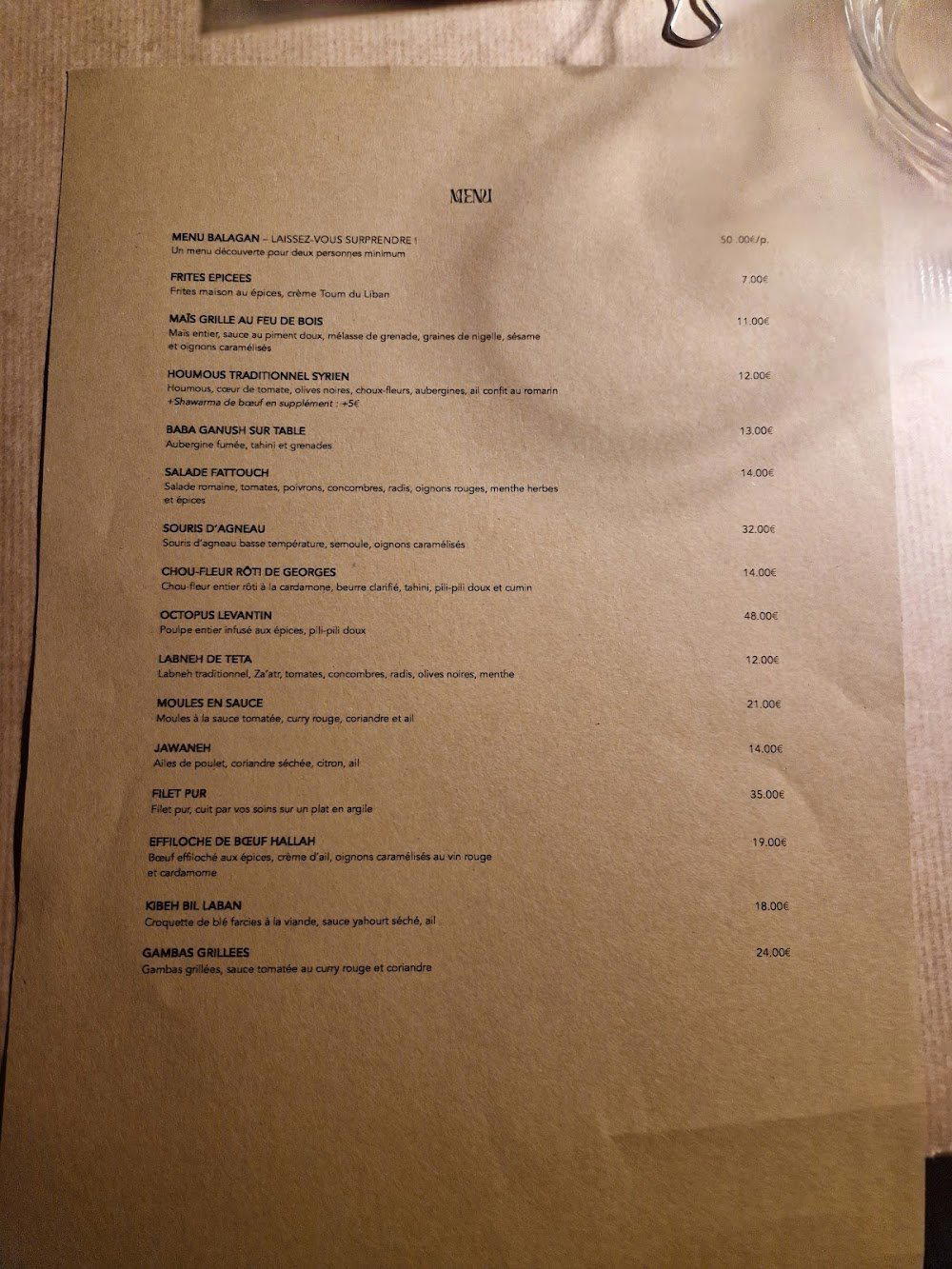
Ixelles and the North African Kitchen
Brussels has one of the largest Moroccan and Tunisian diaspora communities in Western Europe, and Ixelles, with its dense mix of student housing, embassies, and independent restaurants, has long been where that culinary inheritance plays out at street level. The arrondissement is not a single dining scene so much as a stack of overlapping ones: Flemish bistros, Japanese counters, farm-to-table wine bars, and tucked between them, a number of North African tables operating with varying degrees of ambition. Kamoun, at Rue de la Levure 29, sits in that stack without much fanfare. The address itself is residential in character, the kind of street where a restaurant has to earn its clientele from the neighbourhood rather than from passing foot traffic.
The name signals intent immediately. Kamoun is the Arabic and Maghrebi word for cumin, one of the backbone spices of Tunisian and broader North African cooking, used not as a garnish but as a structural element in braises, merguez, harissa pastes, and slow-cooked tagines. Naming a restaurant after a spice is a declaration about orientation: this kitchen is not attempting to approximate French technique with a few imported flavours, but to work within a tradition where heat, acid, and spice function as primary rather than supporting registers.
Where Kamoun Sits in Ixelles' Dining Map
The Ixelles restaurant scene has a notable spread across price and ambition. At the higher end, Humus x Hortense runs a creative vegetable-driven format at the €€€€ tier, while Kamo anchors the Japanese counter offer at €€€. Mid-range operations like Amen work a farm-to-table register, and pasta-focused rooms like Amore, Pasta e Gioia occupy the casual end. Kamoun operates closer to that accessible tier, which in practice means it competes not on luxury format but on the specificity and authenticity of what it serves. In a neighbourhood with this much variety, a North African kitchen survives on precision rather than novelty.
That context matters because Brussels' dining conversation still tilts heavily toward French-Belgian fine dining. The city's Michelin-starred cohort, from Bozar Restaurant in the centre to high-investment kitchens further afield like Hof van Cleve in Kruishoutem and Boury in Roeselare, defines what the Belgian restaurant press tends to amplify. Places like Kamoun operate outside that coverage band, which is partly why they accumulate local reputations rather than critical profiles. The absence of press noise around a Maghrebi restaurant in Brussels rarely means the food is less considered; more often it reflects where the critical infrastructure has historically pointed its attention.
The Culinary Logic of Maghrebi Cooking
North African cuisine in its Tunisian and Moroccan expressions is built on a different time logic than French cooking. Where classical French technique prizes reduction and precision in individual components, Maghrebi kitchens tend toward slow accumulation: spice pastes developed over time, braises that run for hours, dough left to prove at its own pace. Harissa, which appears across Tunisian tables in dozens of variations, is not a condiment added at the end but a flavour foundation laid at the start. Cumin, the venue's namesake spice, appears at multiple stages of the same dish in skilled North African cooking, not as a single note but as a thread running through the structure.
This culinary philosophy tends to produce food that doesn't photograph in the clean, architectural way that European fine dining does, which partly explains why it receives less social media traction despite genuine technical depth. A properly made mechouia salad or slow-braised lamb with preserved lemon and olives doesn't announce itself visually; it announces itself at the table, through smell and the kind of flavour that builds rather than hits once and fades.
Ixelles as Context, Not Backdrop
The choice of Ixelles for this kind of restaurant is not incidental. The neighbourhood has a higher concentration of residents with North African heritage than many Brussels districts, and the social infrastructure around that community, butchers, spice traders, bakeries, shapes what local restaurants can source and how consistently they can do it. A Maghrebi kitchen embedded in that supply chain has access to ingredients that a kitchen working from conventional wholesale channels simply cannot replicate at the same quality or cost point.
Rue de la Levure itself is a few minutes from the Place du Châtelain market, which runs on Wednesdays and brings together a wide range of producers and specialist vendors. The area around Flagey and the Ixelles ponds, a ten-minute walk in either direction, has long attracted the kind of resident who eats seriously without requiring a formal setting. That audience, comfortable with unfussy rooms and clear flavours, is exactly the one a North African table needs to sustain itself in a city that still sometimes treats cuisines from former colonies as peripheral rather than central.
Belgium's Wider Fine Dining Context
Situating Kamoun within Belgian dining more broadly means acknowledging that the country's restaurant culture has developed one of the highest per-capita concentrations of serious kitchens in Europe. Beyond Brussels, the Flemish coast produces restaurants like Bartholomeus in Heist and Willem Hiele in Oudenburg; the Antwerp scene runs through rooms like Zilte; and Wallonia offers its own dining register through places like L'air du temps in Liernu and d'Eugénie à Emilie in Baudour. Against that backdrop of technique-heavy European cooking, a Maghrebi table in Ixelles occupies a genuinely different position in the national dining conversation. It is not trying to join the starred cohort; it is serving a tradition that predates modern restaurant culture and doesn't require a tasting menu format to make its case. Comparisons with internationally recognised multi-course formats, whether Le Bernardin in New York or Atomix, are less useful here than understanding what this cuisine does on its own terms.
Other Ixelles options like Au Savoy and Castor occupy different registers entirely, which underlines that Ixelles functions as a genuinely plural dining district rather than a neighbourhood with a single dominant culinary identity. For a visitor working through Brussels with genuine curiosity about what the city eats rather than what it exports to critics, Rue de la Levure is worth the detour. Kamoun does not require much from the reader except a willingness to engage with a culinary tradition on its own terms rather than against an imported critical framework.
Pricing, Compared
Comparable venues nearby, for context on price, style, and recognition.
| Venue | Cuisine | Price | Awards |
|---|---|---|---|
| KamounThis venue — the venue you are viewing | Ixelles, Modern Levantine Syrian | $$ | , |
| Marcella | Ixelles, Neapolitan Pizza | $$ | , |
| Verigoud | Ixelles, Authentic Mexican | $$ | , |
| L'Improbable | Ixelles, Modern French Bistronomie | $$$ | , |
| SEINO | Ixelles, Franco-Japanese Fusion | $$$ | , |
| Le Longue Vie | Ixelles, Modern Creative Share Plates | $$$ | , |
At a Glance
- Modern
- Trendy
- Lively
- Date Night
- Group Dining
- Special Occasion
- Open Kitchen
- Natural Wine
- Craft Cocktails
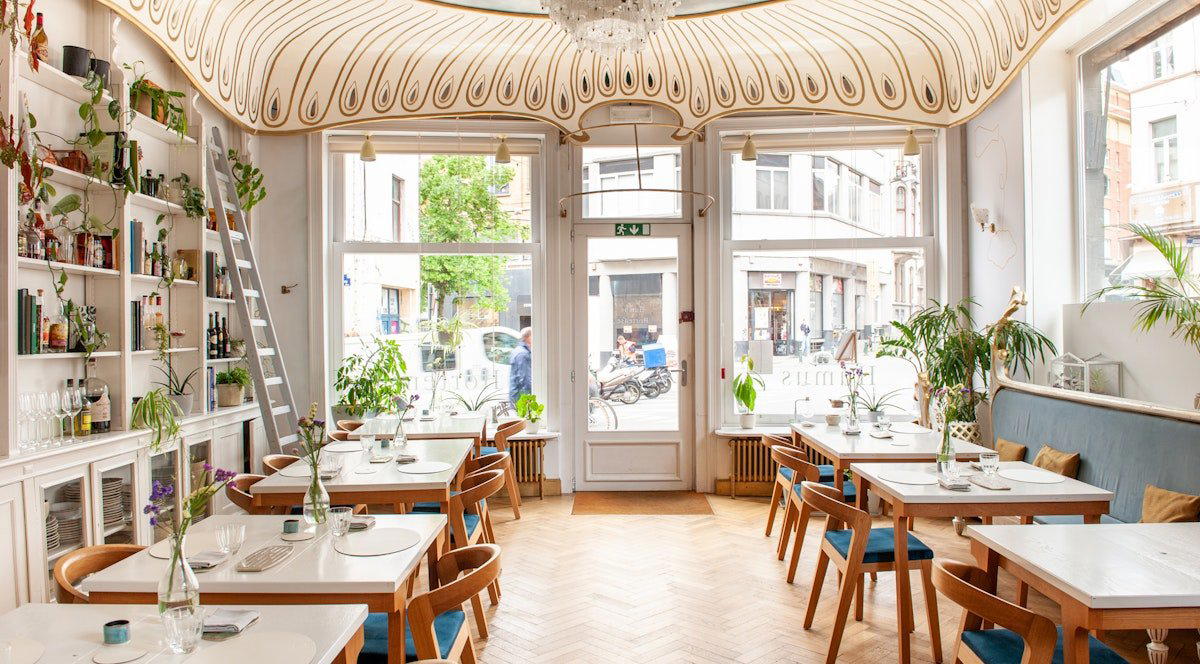
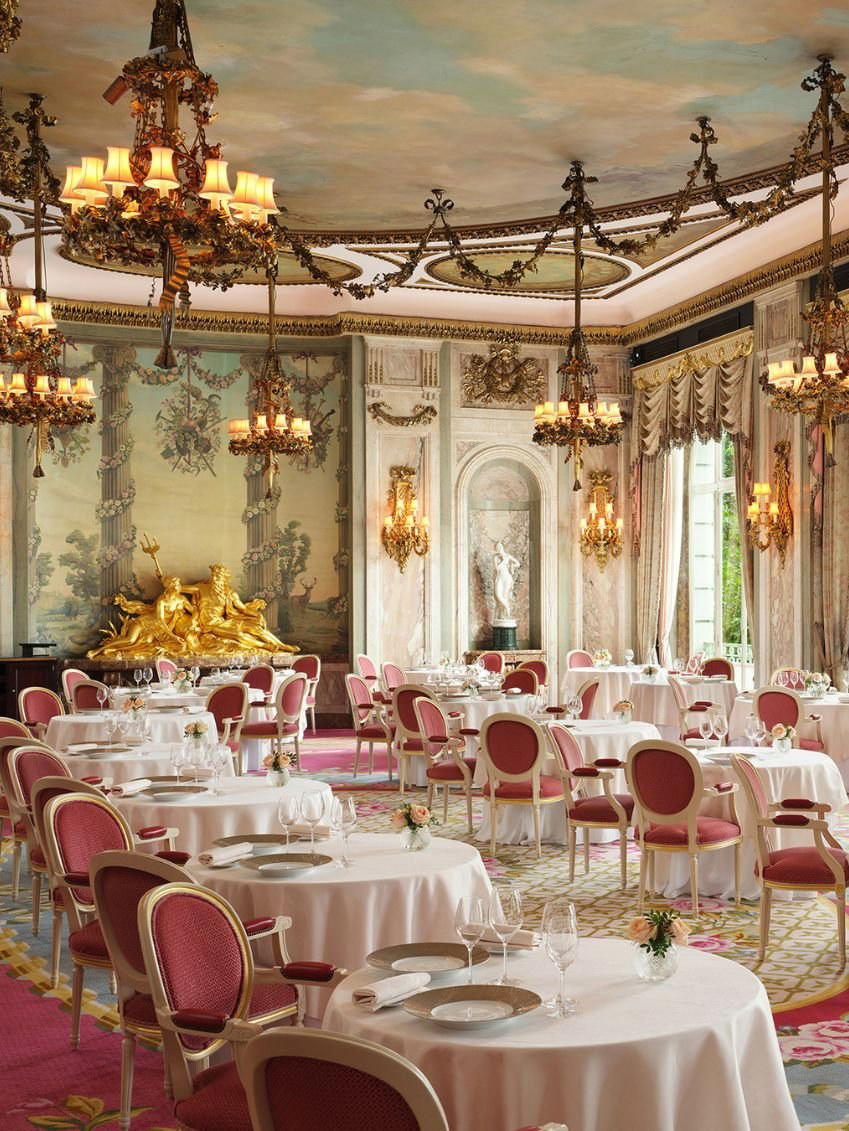
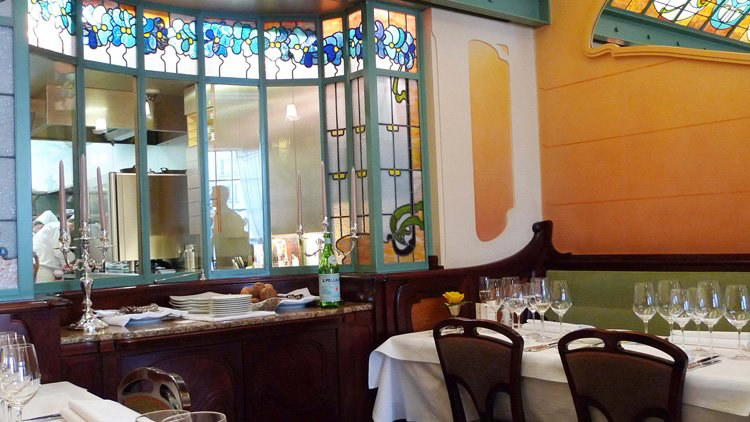
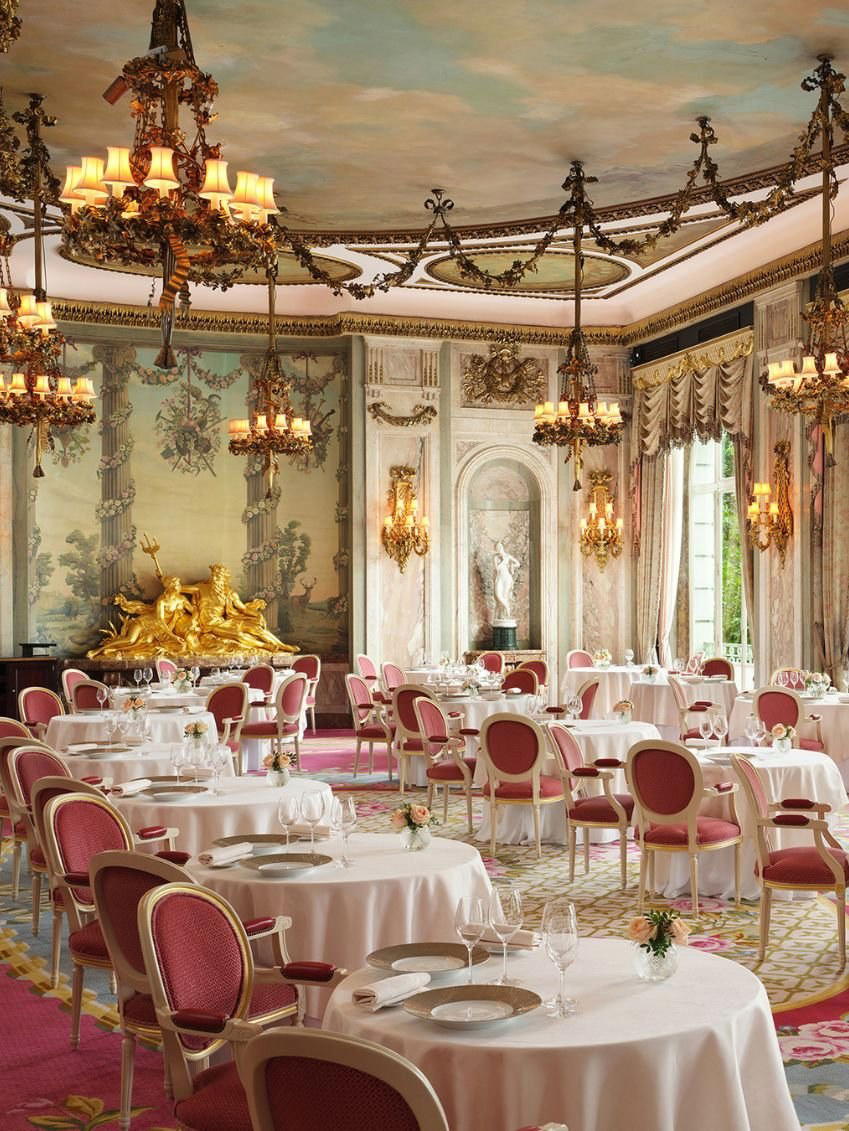
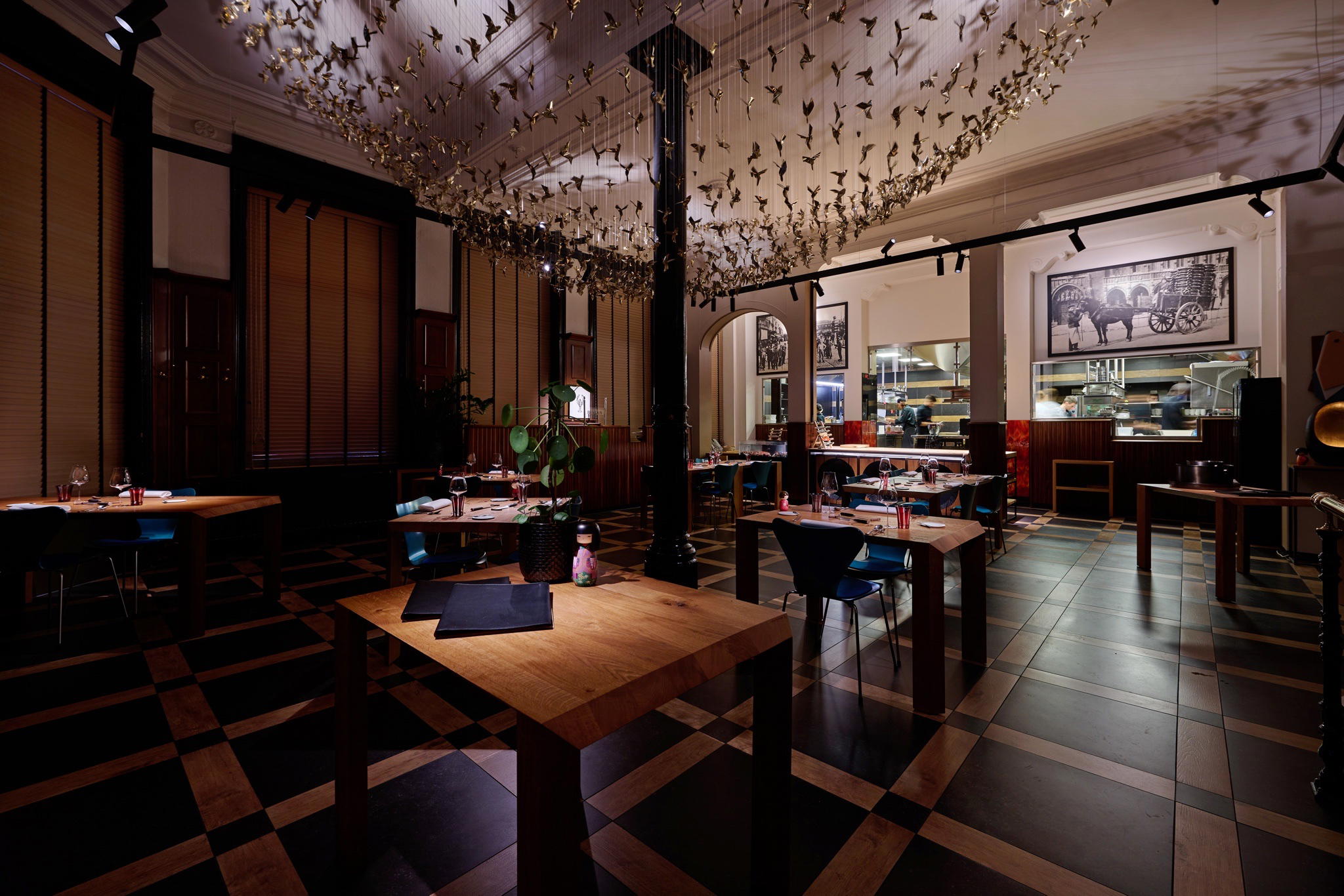
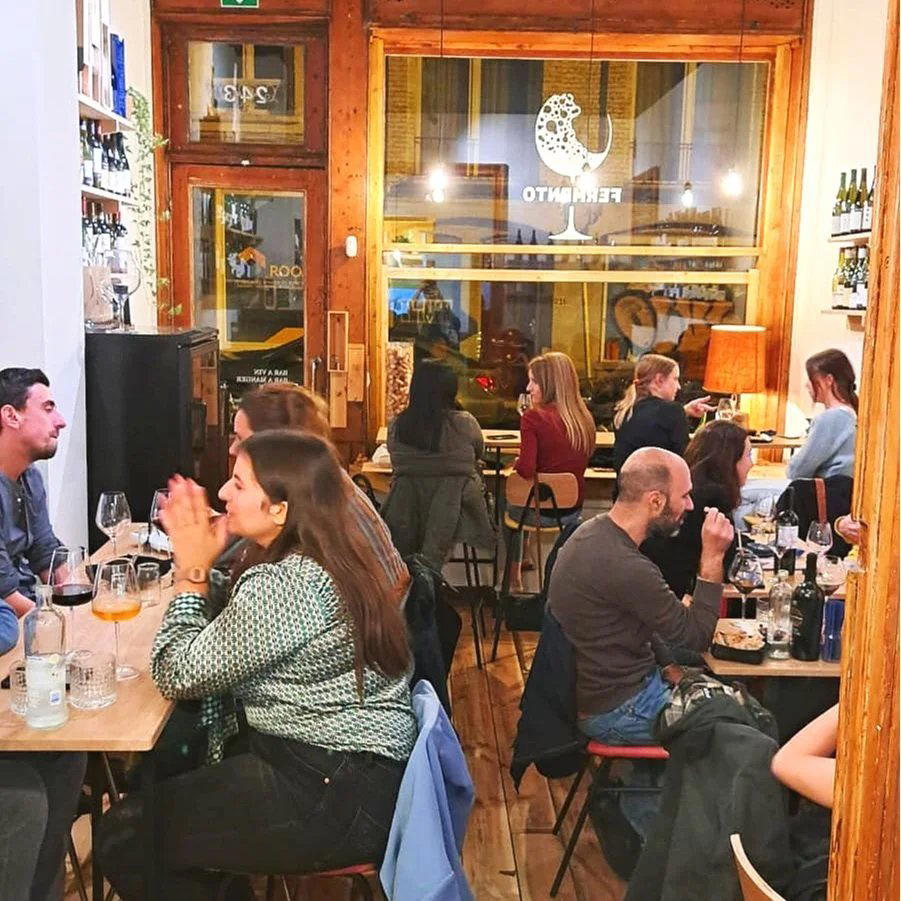
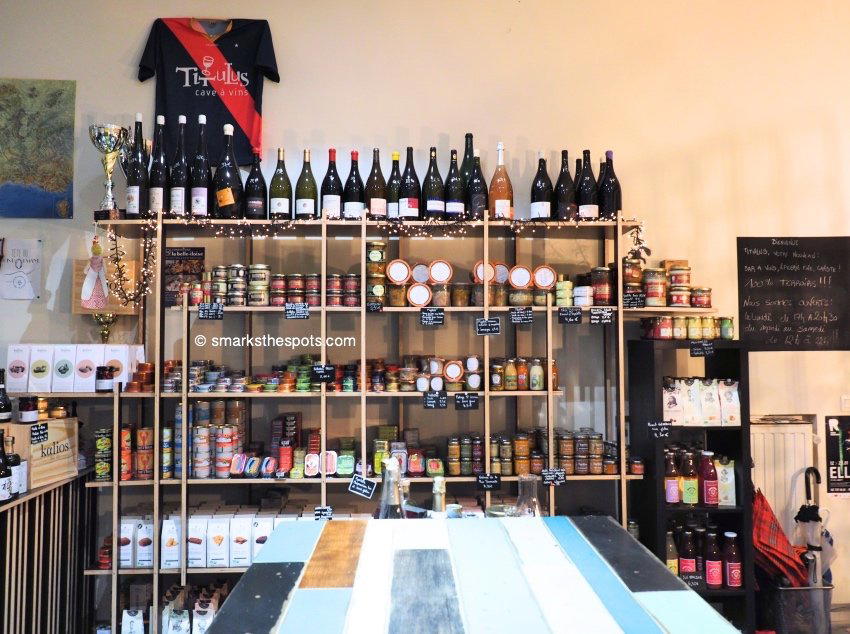
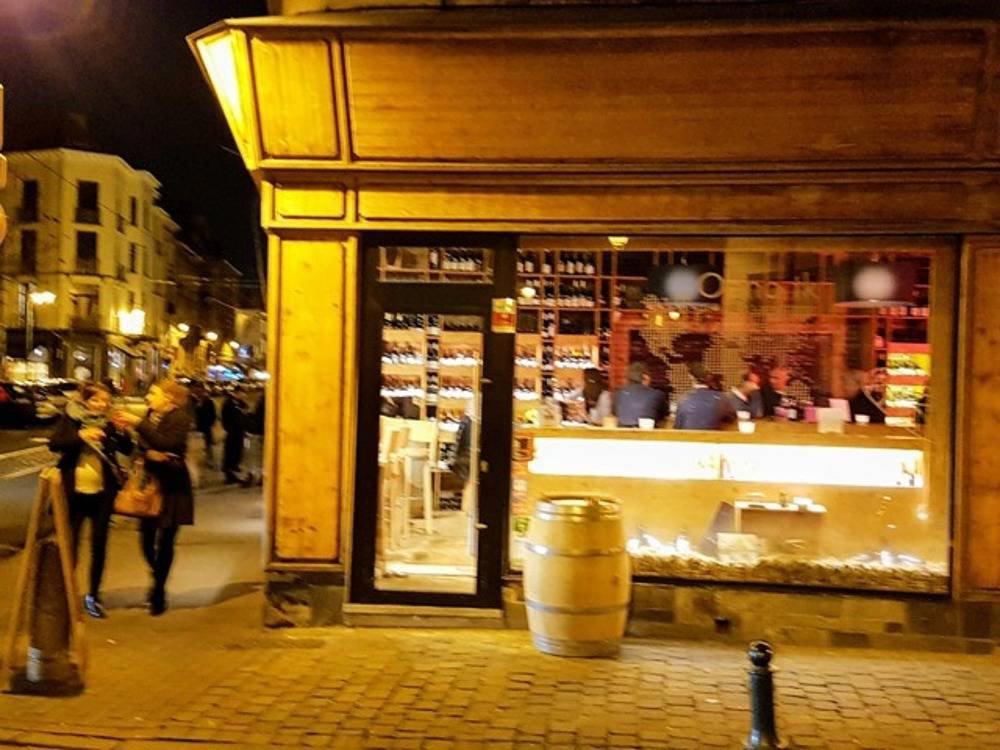
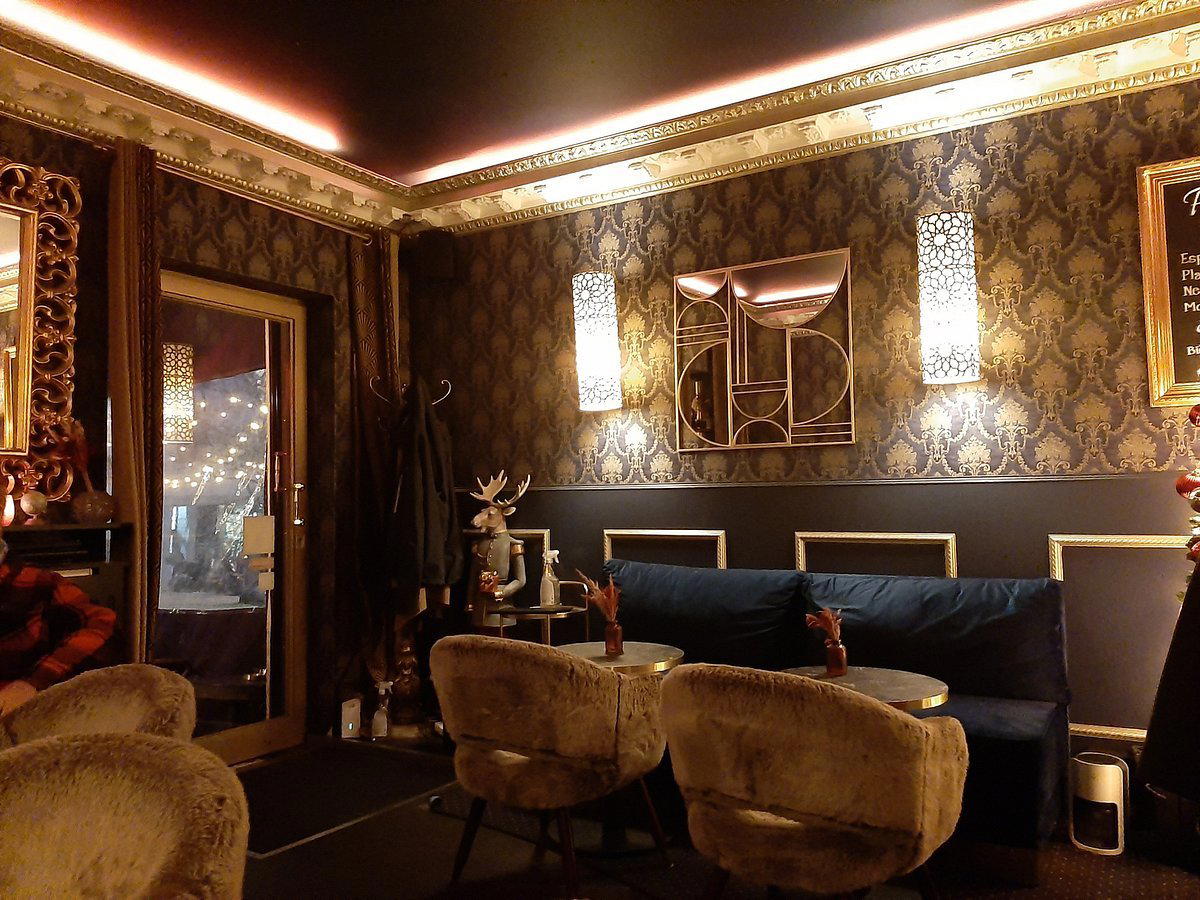
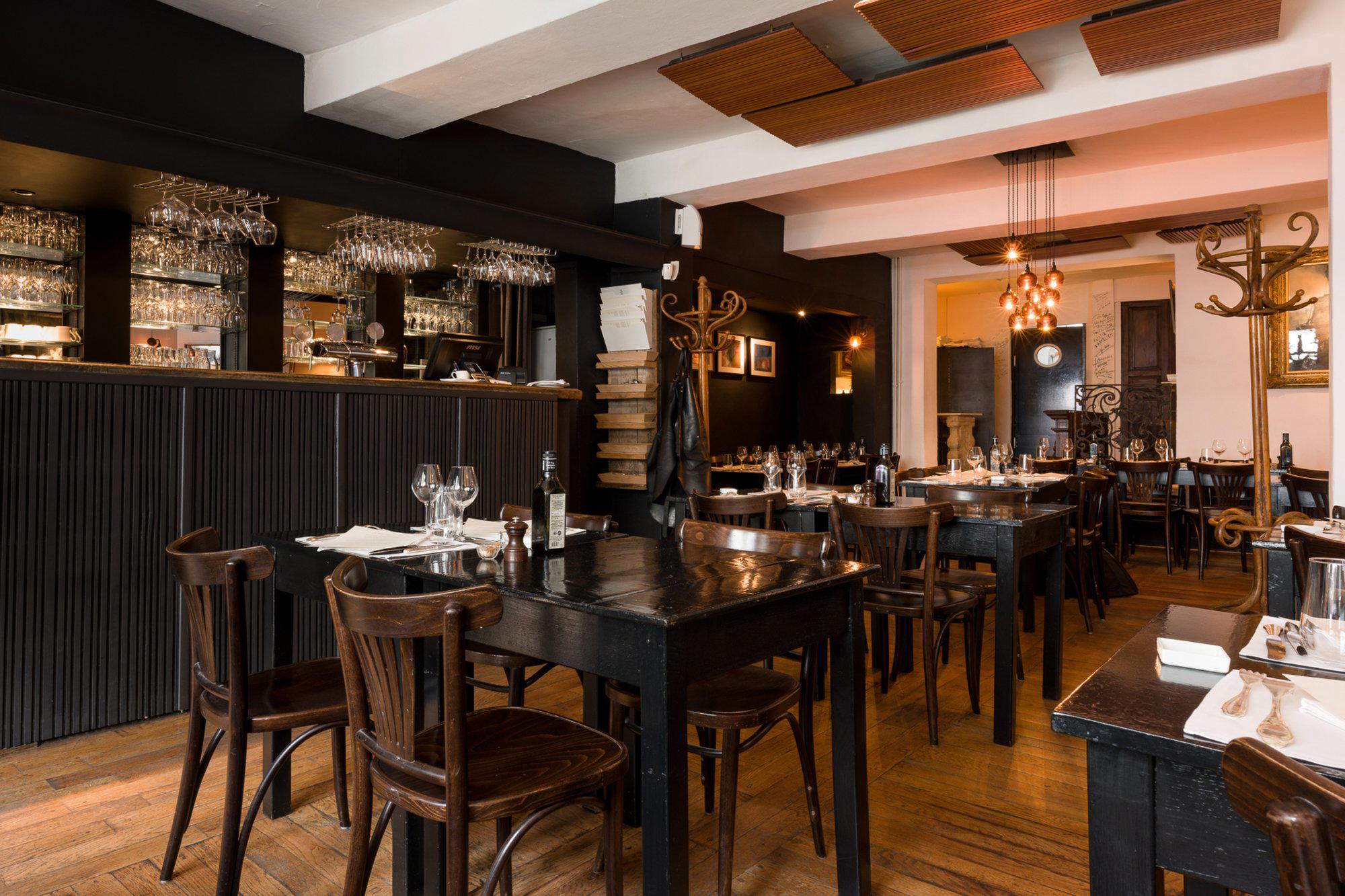
Exposed brick walls, smooth concrete benches, bird of paradise plants, loud music, and open kitchen creating a lively modern atmosphere.