WIN - Taste of Bali
WIN - Taste of Bali brings the flavors and drinking culture of the Indonesian archipelago to Atlanta's Peachtree Road corridor, positioning itself within a city increasingly open to Southeast Asian culinary traditions. Located at 2285 Peachtree Rd, it occupies a stretch of Buckhead where dining ambitions have grown considerably over the past decade. The wine and beverage program is the lens through which the experience is best read.
Pearl is the En Primeur Club membership app — saves, bookings, and concierge access live there. Same editors, same standards.
- Address
- 2285 Peachtree Rd UNIT 100, Atlanta, GA 30309
- Phone
- +14047092525
- Website
- wintasteofbali.com
- Directions
- Get directions
 Saves & bookings on Pearl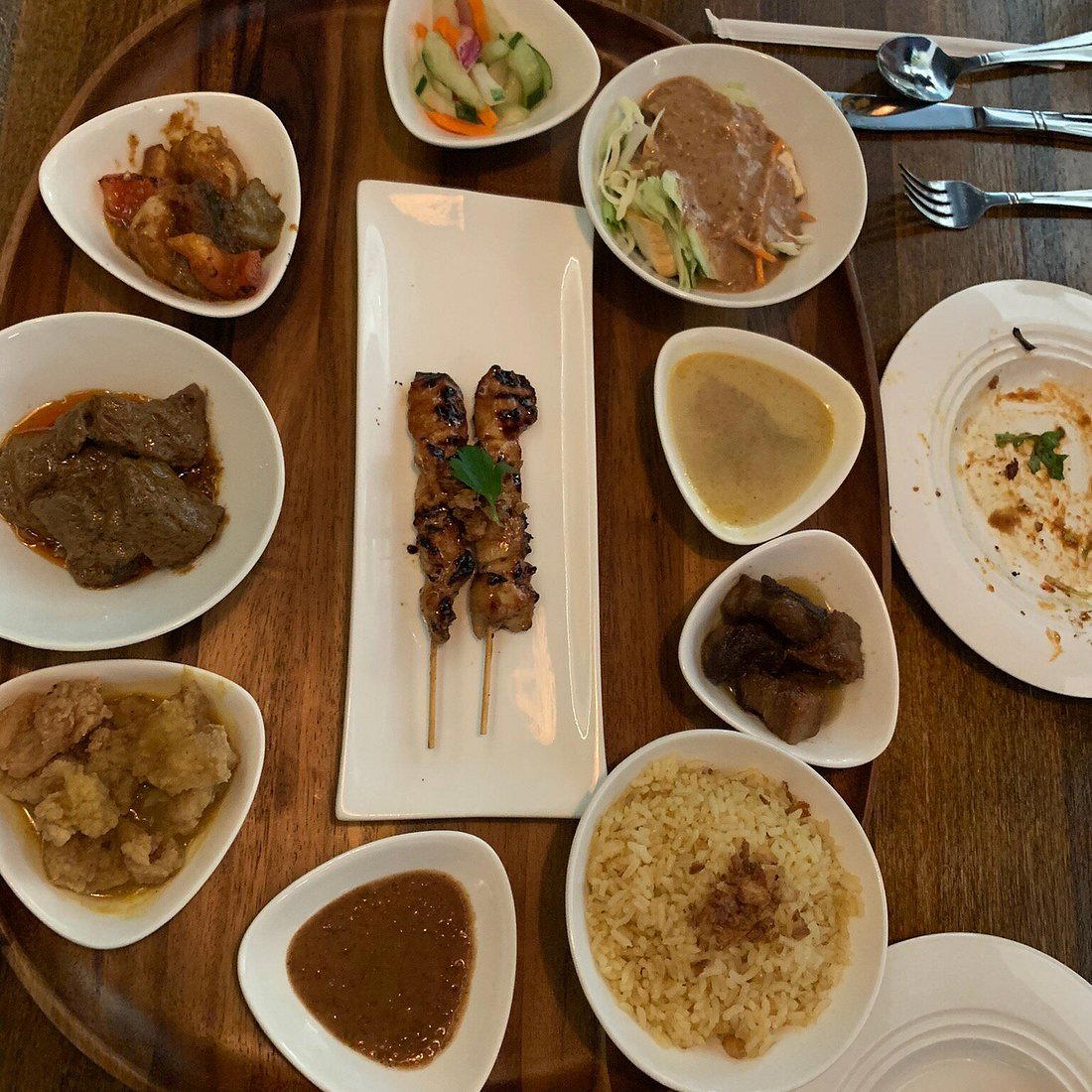
Where Atlanta's Indonesian Moment Meets the Bottle
Peachtree Road in Buckhead has spent the better part of a decade consolidating Atlanta's most serious dining addresses. The stretch running north from Midtown through Buckhead hosts the kind of restaurant that competes nationally, drawing comparisons to rooms like Bacchanalia and Atlas, both of which have set a high bar for what Atlanta expects from a considered dining room. Into this environment arrives WIN - Taste of Bali is a restaurant at 2285 Peachtree Rd UNIT 100 in Buckhead, Atlanta, serving Balinese & Dutch-Indonesian Tapas at a moderate price point.
That positioning matters. Southeast Asian cuisine in American fine dining has historically occupied a peripheral role, more likely to appear as an influence folded into a tasting menu than as a standalone identity. WIN operates in a different register, one where the Balinese tradition is the central subject rather than a supporting note. For Atlanta diners accustomed to the French-leaning formality of Atlas or the New American precision of Lazy Betty, WIN represents a genuine departure in culinary orientation.
The Beverage Program as Interpretive Frame
The beverage program at a restaurant rooted in Indonesian cuisine presents an interesting curatorial problem. Balinese food is built on heat, acidity, and layers of spice, sambal, galangal, lemongrass, tamarind, that do not resolve easily against the tannin-heavy reds that anchor most American fine dining lists. The lists that work well in this context tend to pull toward aromatic whites, skin-contact wines, and lower-alcohol reds with enough fruit tension to hold alongside complex spice profiles.
This is the kind of pairing challenge that has driven some of the more interesting wine curation decisions in American restaurants over the past decade. At Le Bernardin in New York City, the cellar built its reputation partly on sourcing wines that could hold alongside the delicate acidity of seafood. At Single Thread Farm in Healdsburg, Japanese-influenced cuisine prompted a list that drew heavily from both Burgundy and domestic natural producers. WIN's Balinese identity creates a similar editorial opportunity: the cellar, if it rises to the task, becomes as much a statement about culinary cross-cultural fluency as the kitchen itself.
In cities where Indonesian cooking has developed a meaningful dining presence, particularly credible programs have paired aromatic Alsatian varieties, dry Riesling, and Grüner Veltliner with spiced preparations. Orange wines from the Caucasus or Slovenia have also proven surprisingly compatible, their grip and phenolic structure offering a counterpoint to fat from coconut-based sauces. The culinary tradition creates the conditions for a carefully considered program.
Atlanta's Appetite for the Non-European Tradition
Atlanta has demonstrated, particularly since 2018, that its dining public is receptive to cuisines that sit outside the Euro-American mainstream. The sustained success of Hayakawa and Mujō in the Japanese omakase space showed that the city's diners would commit serious spend to traditions with deep cultural specificity, not just familiar fine dining formats in new packaging. Both of those restaurants require advance reservations and carry price points consistent with the city's upper-tier category.
WIN enters that same receptive moment, but with a cuisine that has considerably less infrastructure in the American market than Japanese cooking. Bali as a travel destination is well-known to affluent American travelers; Balinese cuisine as a restaurant category in the US is far less developed. That gap creates an opening. Diners who have spent time in Seminyak or Ubud, where the interplay of spice, sourness, and fresh herb is a daily experience, arrive with a reference point. Those without that context rely on the restaurant to function as educator as well as operator.
Nationally, the restaurants most effective at this kind of cultural translation have tended to invest heavily in front-of-house knowledge. At Atomix in New York City, the Korean fine dining format is supported by detailed written guides that travel with each course. At Alinea in Chicago, the service team functions as interpreters of a highly specific culinary language. The model is one where knowledge transfer is part of the experience, not an afterthought.
The Peachtree Road Address in Context
2285 Peachtree Road places WIN within a commercial corridor that has shifted steadily upmarket. The unit-100 ground-floor format typical of this stretch means the room is likely visible from the street, with direct pedestrian access rather than the tucked-away configurations that characterize some of Atlanta's more deliberate dining rooms. This kind of street presence changes the dynamic: walk-in traffic becomes possible, the bar may absorb casual visitors, and the wine program needs to work across multiple entry points, from a single glass at the bar to a full pairing menu at a reserved table.
For comparison, restaurants at a similar price tier and formality level in Atlanta, including Lazy Betty with its tasting-menu-only format, have made deliberate decisions about how many modes of access they offer. WIN's positioning on a high-traffic corridor suggests a more open format, which carries its own demands on the cellar: the by-the-glass selection needs to carry the same intelligence as the full list.
Diners traveling through Atlanta with broader American fine dining itineraries in mind might also reference Providence in Los Angeles or Blue Hill at Stone Barns in Tarrytown as examples of how a strong beverage program amplifies a kitchen's cultural argument. At the national level, The French Laundry in Napa, Addison in San Diego, and The Inn at Little Washington in Washington each demonstrate how wine depth becomes a trust signal in its own right, independent of cuisine type.
Planning Your Visit
WIN - Taste of Bali is located at 2285 Peachtree Rd UNIT 100, Atlanta, GA 30309, in the Buckhead stretch of Peachtree Road. Reservations are recommended before visiting. For dinner, arrive with time to explore the list and the pairing possibilities the menu creates. Ask the front-of-house team for pairing guidance. Those visiting Atlanta on a broader dining circuit may also find value in cross-referencing nearby rooms like Hayakawa and Mujō to understand how the city's non-European fine dining tier is developing across different culinary traditions. International travelers comparing WIN to Asian-influenced fine dining programs globally might use 8 1/2 Otto e Mezzo Bombana in Hong Kong as a reference point for how wine programs can be built around non-European culinary foundations with real depth and credibility. For New Orleans comparisons on how regional American cities have absorbed international culinary influence into their dining fabric, Emeril's in New Orleans provides a useful historical frame. And for the farm-to-table pairing model that has become a benchmark, Lazy Bear in San Francisco shows how a curated, knowledge-forward beverage program amplifies a kitchen's identity.
Peers Worth Knowing
Comparable venues nearby, for context on price, style, and recognition.
| Venue | Cuisine | Price | Notes |
|---|---|---|---|
| WIN - Taste of BaliThis venue — the venue you are viewing | Balinese & Dutch-Indonesian Tapas | $$ | Not listed |
| Poor Calvin's | Asian Fusion with Southern Influences | $$$ | Midtown Atlanta |
| Gusto | Global Fusion Bowls & Wraps | $$ | Poncey-Highland |
| Sufi's Kitchen | Authentic Persian | $$ | Brookwood |
| Emilio's Tacos & Tequila | Authentic Acapulco-Style Mexican Tacos & Tequila | $$ | Midtown |
| Rreal Tacos - Buckhead | Authentic Mexican Street Tacos | $$ | Buckhead |

At a Glance
- Romantic
- Elegant
- Cozy
- Sophisticated
- Date Night
- Group Dining
- Celebration
- Special Occasion
- Brunch
- Terrace
- Open Kitchen
- Standalone
- Craft Cocktails
- Beer Program
- Zero Proof
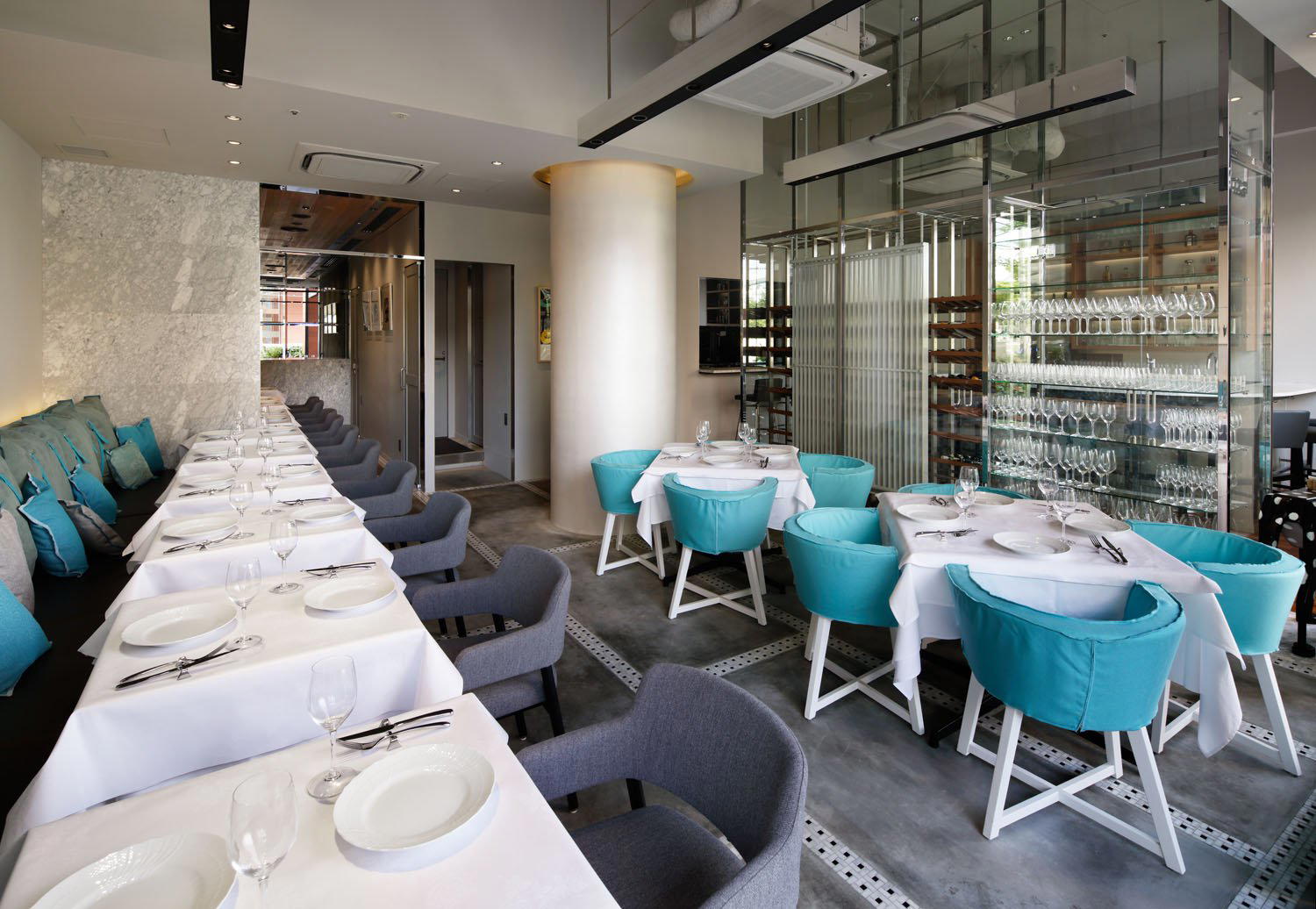
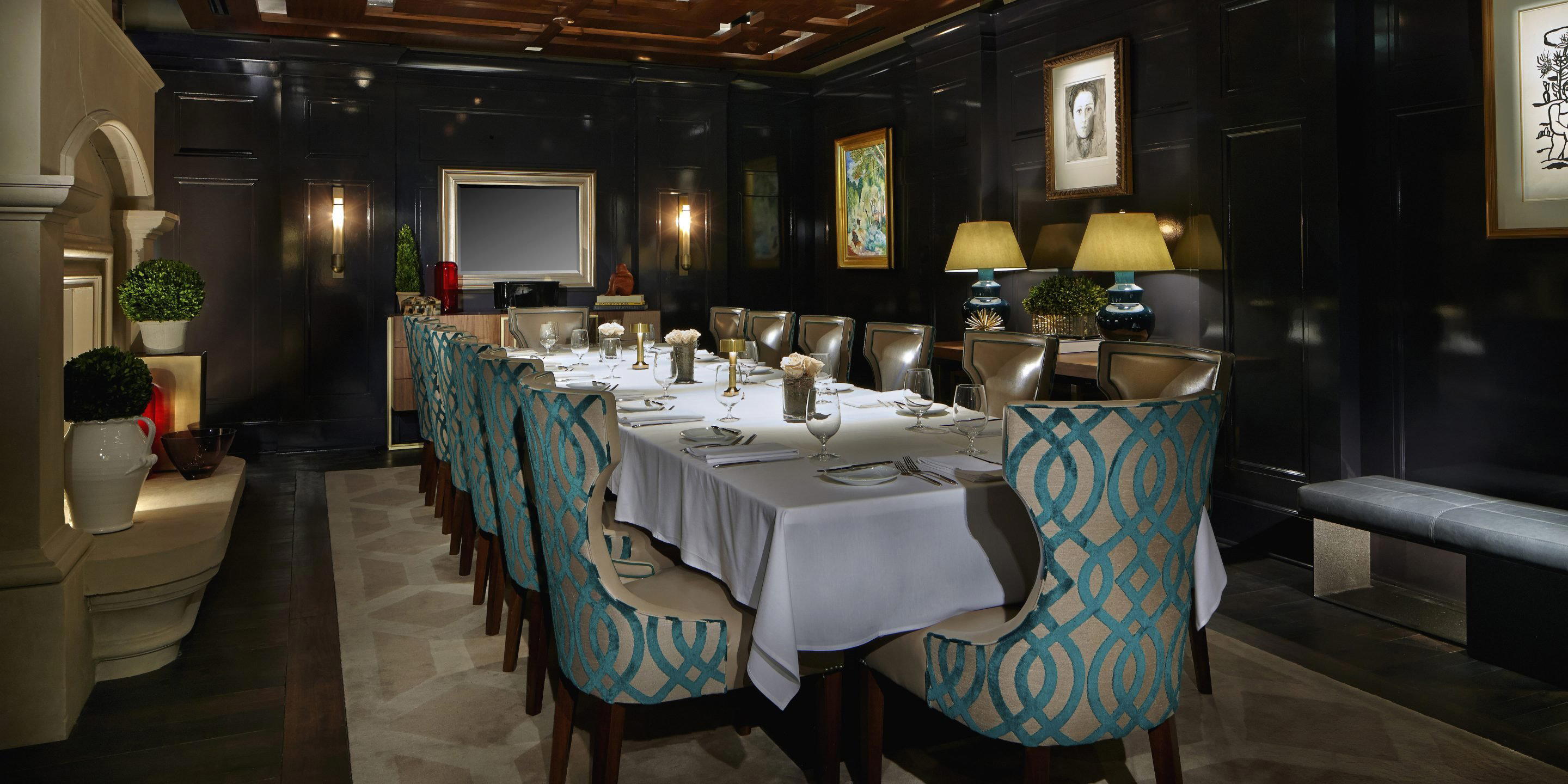
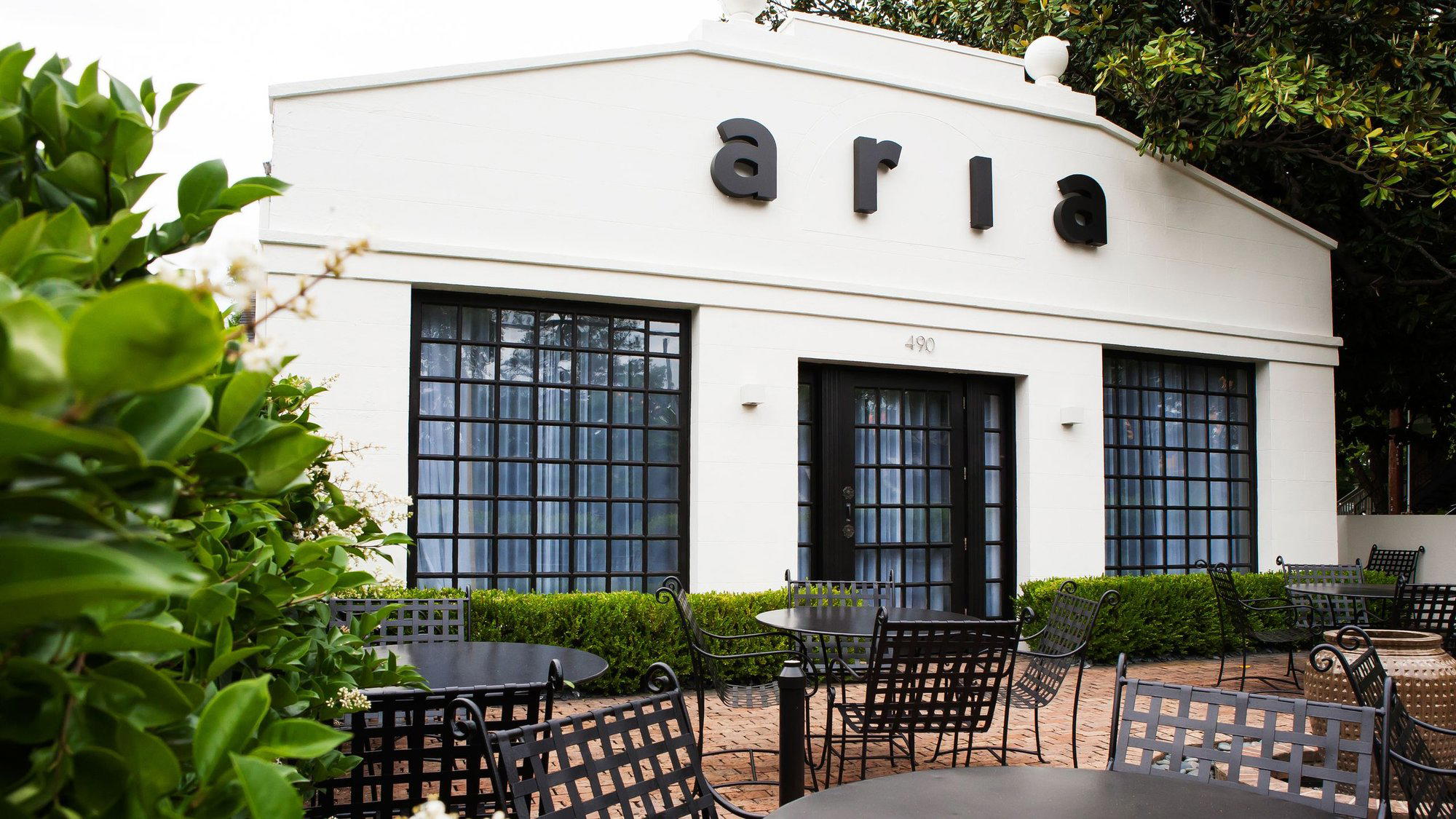
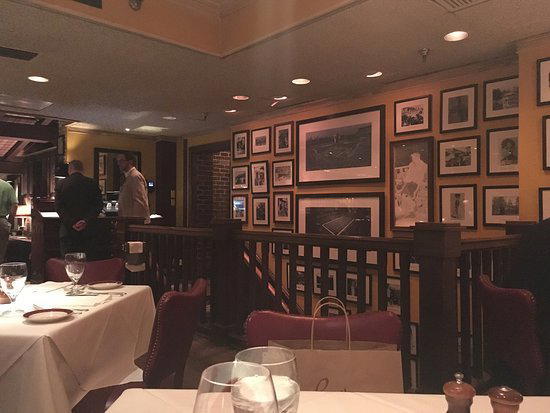
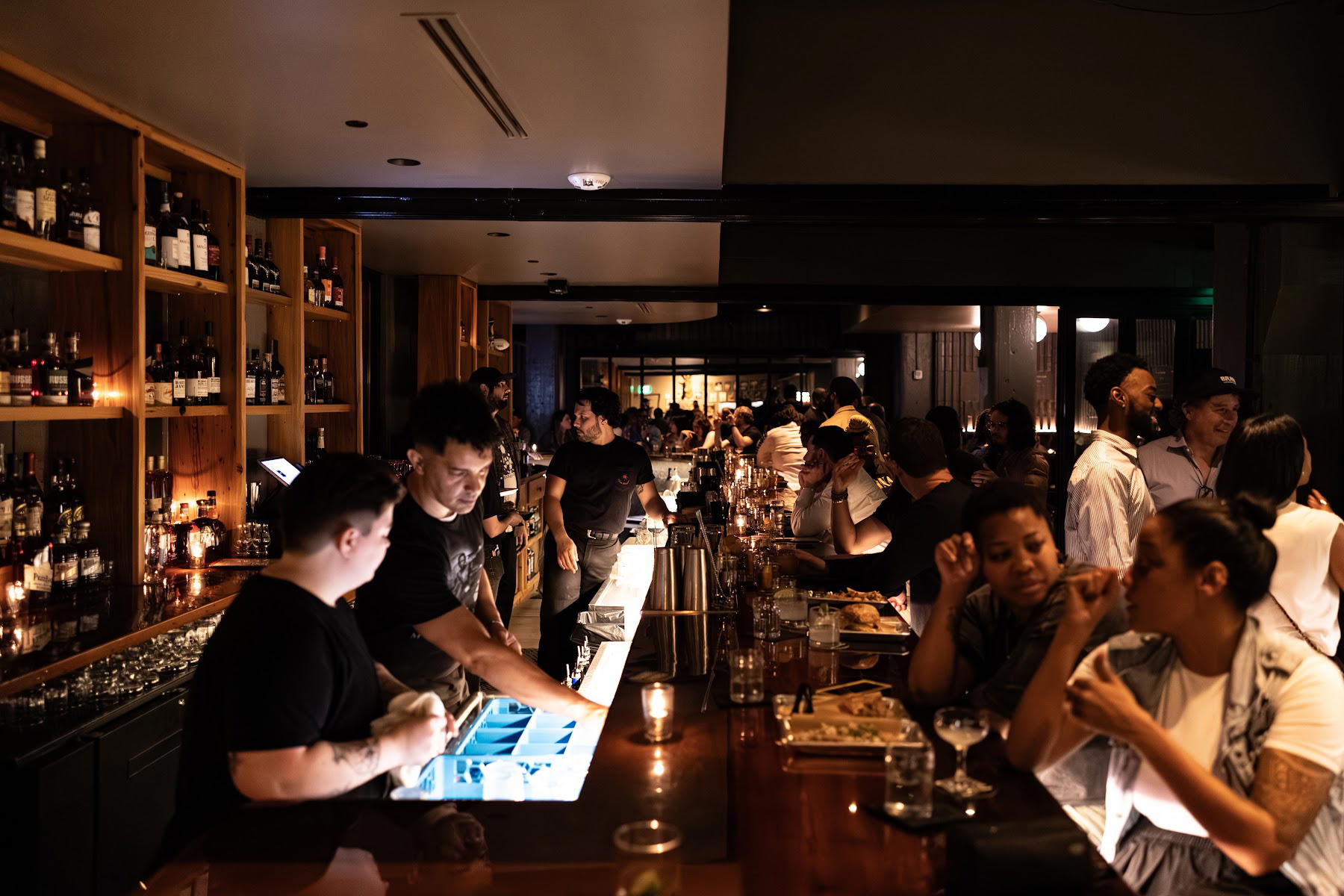
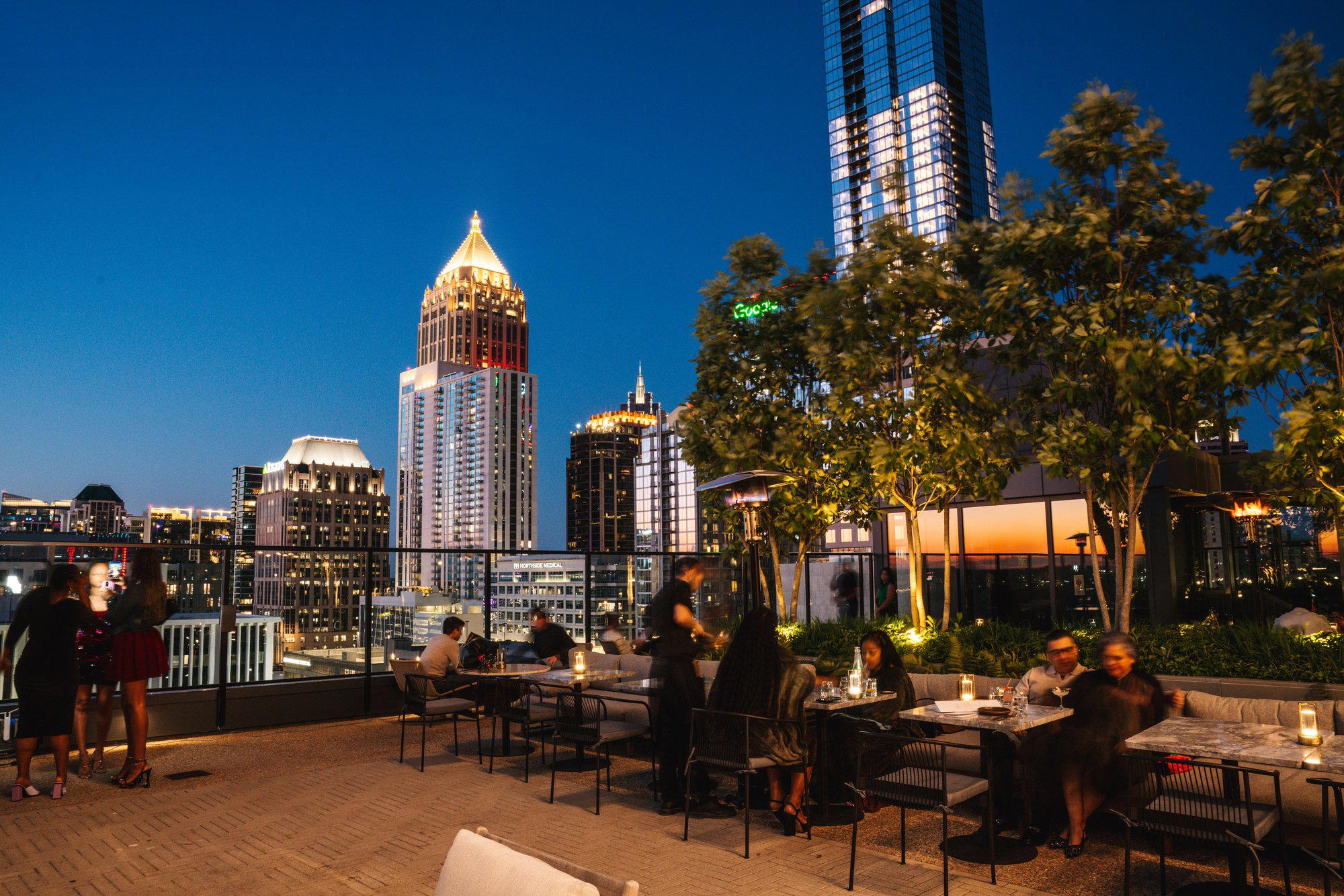
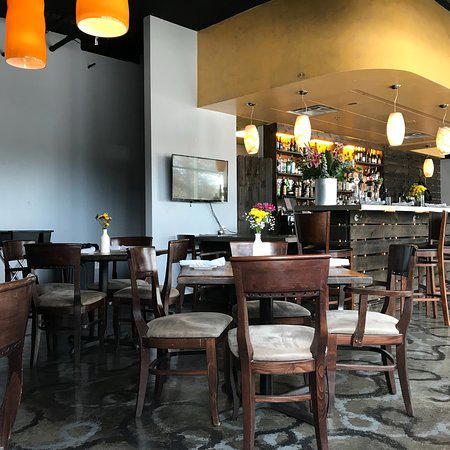
Warm, inviting atmosphere with floor-to-wall decor celebrating Indonesian culture and spice route history; intimate gastrobar setting with handcrafted details and patio seating that evokes a Balinese escape.