Barrel Proof
Barrel Proof is an Atlanta bar page with sparse published venue data, so the useful read is contextual: how a spirits-led room fits into the city’s broader drinking culture. Treat it as a bar to assess through back-bar depth, pacing, and intent rather than chef pedigree, published awards, or a listed price tier.
Pearl is the En Primeur Club membership app — saves, bookings, and concierge access live there. Same editors, same standards.
- Address
- 1170 Howell Ml Rd Suite P10C, Atlanta, GA 30318
- Website
- barrelproofatl.com
- Directions
- Get directions
 Saves & bookings on Pearl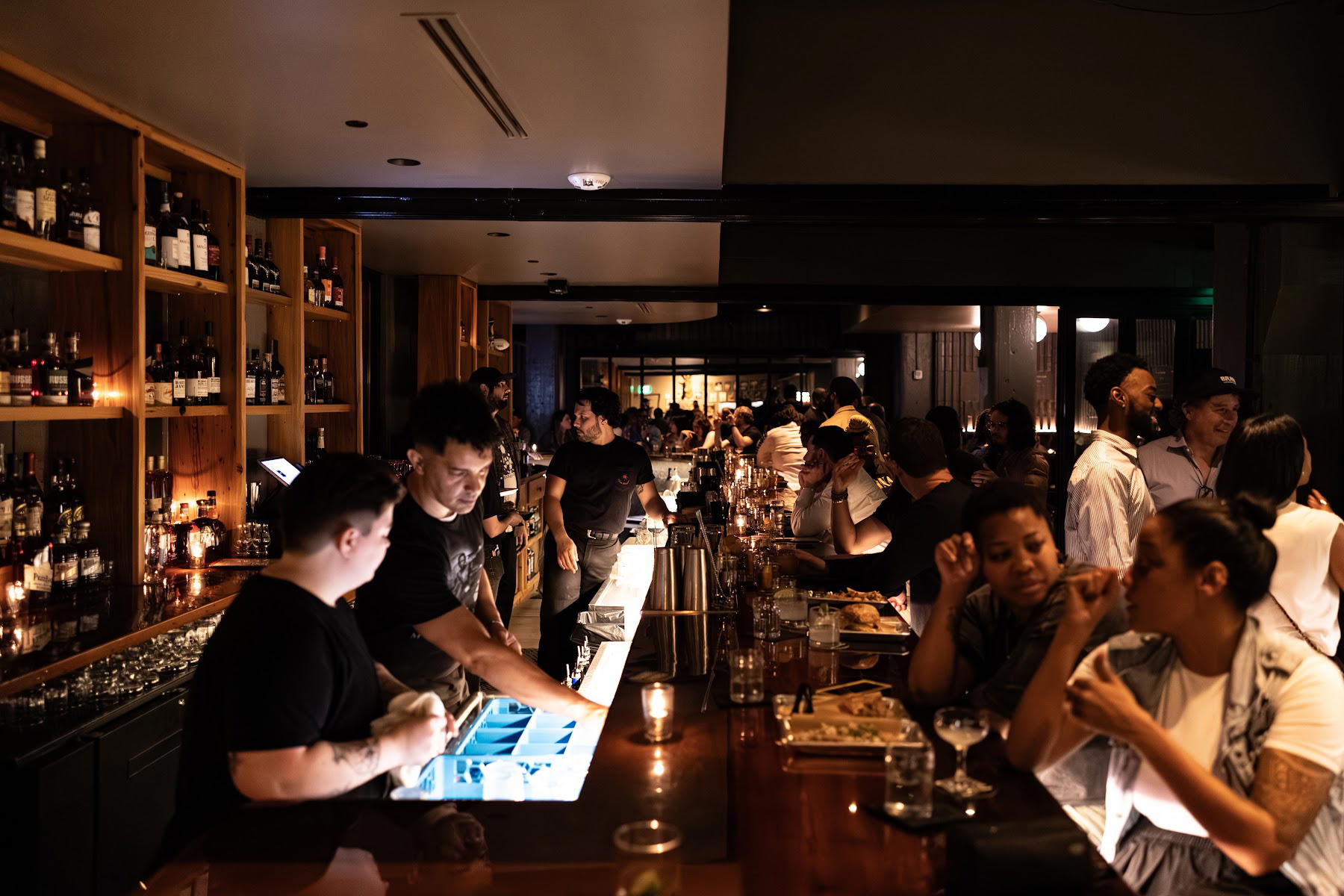
Atlanta's spirits bars are judged from the back bar outward
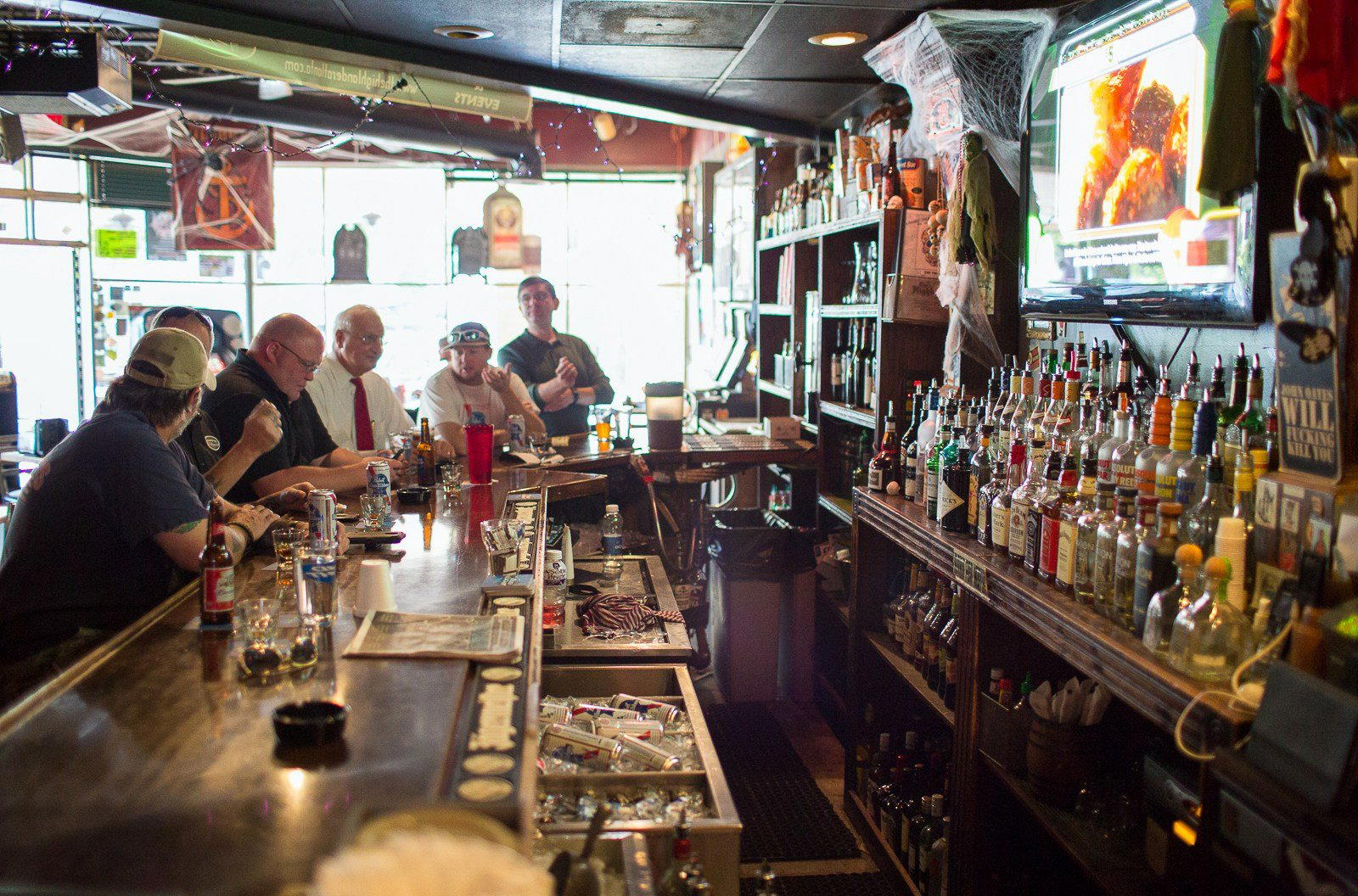
A serious bottle room does not need much theatre at the door. The first read is usually the shelving: labels packed by region, proof, age statement, producer, or house preference; the second is the pace at which the room moves. In Atlanta, where drinking culture stretches from rooftop patios to oyster counters, hotel bars, neighbourhood pubs, and late-night cocktail rooms, a spirits-led bar occupies a narrower lane. Barrel Proof belongs in that conversation by name and category, not through a published chef story, tasting menu, or award circuit. The relevant question is how the bar fits within a city that has become increasingly fluent in whiskey, agave, amaro, rum, and stirred drinks without abandoning its casual Southern sociability.
That matters because Atlanta does not have a single bar identity. The city’s drinking map is spread across neighbourhoods with different expectations: some rooms trade on skyline views, some on food-driven counter culture, some on cocktail technique, and some on the depth of the bottles behind the bartender. A back-bar-driven place is a different proposition from a high-volume party room. It rewards attention to categories, house selections, vintage or limited releases when available, and the bartender’s ability to translate a wall of bottles into a glass that makes sense for the person sitting in front of it.
That absence shapes the editorial read. There is no responsible way to claim a specific bottle count, reservation policy, signature cocktail, or late-night rhythm without verified data. Instead, the useful assessment is comparative: in Atlanta, a bar with a spirits-first identity should be measured less against restaurants with cocktail lists and more against rooms where curation itself is the point.
The collection-led bar, and why it plays differently from cocktail theatre
American cocktail culture spent much of the 2000s and 2010s building around technique: clarified citrus, house syrups, obscure bitters, Japanese mixing glasses, and menus that read like lab notes. The collection-led bar runs on a slightly different logic. Technique still matters, but the real value sits in procurement, storage, staff literacy, and the confidence to pour neat, over ice, in a highball, or in a restrained classic rather than hiding the base spirit under a long ingredient list. A bar named Barrel Proof signals that conversation immediately, even when the public record does not provide a verified inventory.
Atlanta is fertile ground for that format because the city’s drinkers are not locked into a single canon. Bourbon and rye have deep regional pull across the American South, but the contemporary bar guest is just as likely to ask about mezcal, agricole rum, Japanese whisky, sotol, brandy, or fortified wine. That shift has made the back bar a form of editorial selection. What a room chooses to carry, how it organizes those bottles, and how it prices pours all tell the regulars what kind of drinking education is being offered.
Barrel Proof should be understood through that lens. The trust signal here is category placement and city context: it sits within Atlanta’s bar scene rather than the restaurant guide, and it is framed by a spirits-collection angle rather than a kitchen-led concept. For readers comparing options, that distinction is useful. A collection-led bar is less about chasing the prettiest garnish and more about whether the staff can guide a drinker from familiar territory into a pour with a clear reason behind it.
How Barrel Proof compares with Atlanta's broader bar map
The range of Atlanta drinking rooms makes comparison more helpful than ranking. A skyline-focused venue such as 9 Mile Station answers a different brief: altitude, view, and a sense of occasion shape the decision before the first drink is considered. Seafood-adjacent drinking, represented in the EP Club bar index by Alici Oyster Bar, tends to pull the conversation toward aperitifs, coastal whites, spritzes, Martinis, and the tempo of food. A neighbourhood bar such as Ashland Bar suggests another mode again, where repeat visits and local rhythm matter more than spectacle.
That spread is why a spirits collection deserves its own category. It is not competing only on design, skyline, chef pedigree, or a kitchen’s range. A guest choosing Barrel Proof should be thinking in those terms: arrive prepared to talk about preferences, proof tolerance, base spirit, sweetness, smoke, oak, and whether the night calls for a neat pour, a classic build, or something mixed with restraint.
Atlanta’s wellness, plant-based, and alternative social formats add yet another contrast. Bakaris Pizza & Kava Lounge - Halal, Plant-Based & Wellness sits in a different social lane from a bottle-led bar, foregrounding a nontraditional lounge proposition rather than the alcohol canon. Placing these rooms side by side clarifies the city’s range. Atlanta drinkers can choose between alcohol-free or low-alcohol social formats, restaurant bars, view bars, and spirits-focused rooms. Barrel Proof’s editorial relevance comes from occupying the latter space.
What to look for when the bottle list is the story
In a spirits-led room, the menu is only one part of the evidence. The stronger signals are how the bar handles categories that can overwhelm casual drinkers. Bourbon and rye lists often become status displays if they are arranged only by rarity or price. Better curation makes distinctions visible: wheated bourbon versus high-rye mash bills, younger rye with grain snap versus older whiskey shaped by barrel influence, peated versus unpeated Scotch, blanco tequila versus highland or lowland expressions, molasses-based rum versus cane-juice distillates. These are general markers, not claims about Barrel Proof’s actual stock, but they are the right criteria to bring to a bar built around spirits.
In the absence of a verified bracket, guests should treat the room as one where costs may vary significantly by pour. Spirits collections often span accessible house selections and scarce bottles whose pricing reflects allocation and wholesale pressure. That is not a warning; it is planning intelligence. Ask for a range before committing to a pour if the list is extensive or if a bottle appears rare. A good spirits bar should be comfortable discussing price without ceremony.
The same applies to cocktails. A spirits-first room does not need to reject mixed drinks, but the better versions avoid burying the base spirit. Classics such as an Old Fashioned, Manhattan, Martini, Daiquiri, Sazerac, highball, or Boulevardier can reveal whether the bar values balance over decoration. Without a verified Barrel Proof menu, no specific order should be prescribed. The safer recommendation is a method: name a spirit family, give a price comfort zone, and ask for either a neat comparison or a classic that lets the base show clearly.
Planning the night without over-reading the public record
There is no listed phone number, website, address, hours, booking method, dress code, or seat count. That means planning should be conservative. Confirm current operating details through a live source before arranging a night around it, especially if the visit depends on a specific time, group size, or bottle request. For a spirits-focused bar, smaller groups usually make more sense than large parties because the experience depends on conversation with the bar team and the ability to compare pours without turning the room into a private event.
Timing also affects the kind of night a guest will have. Early evening tends to suit category exploration: the bar is more likely to have time for questions, comparisons, and pacing. Later hours can be better for social energy but less suited to a detailed conversation about producers, proofs, or side-by-side pours. That is general bar logic rather than a venue-specific claim, but it is useful in a city where dinner, sports, concerts, and late-night traffic can change the rhythm of a room quickly.
A spirits-led bar rarely requires formal dress, but arriving as if the bar is part of a considered evening tends to fit the format. For readers building a broader itinerary, EP Club’s city coverage can help separate categories: Our full Atlanta bars guide for drinking rooms, Our full Atlanta restaurants guide for dining, Our full Atlanta hotels guide for stays, Our full Atlanta wineries guide for wine-led addresses, and Our full Atlanta experiences guide for cultural planning beyond the table.
Looking outside the city helps clarify what a modern bar can be without flattening every room into the same cocktail template. Café La Trova in Miami represents a music-and-cocktail model where cultural performance and Cuban bartending traditions shape the room. Happy Accidents in Albuquerque sits closer to contemporary cocktail authorship, where menu development and bar personality carry the night. Roquette in Seattle points toward the intimate, technique-aware urban bar, the kind of place where scale and precision can define the experience.
Barrel Proof should not be forced into any of those templates. Atlanta has its own social code: less stiff than the old hotel bar model, more geographically spread than New York or San Francisco, and comfortable mixing serious drinking with an unforced neighbourhood feel. A spirits-collection room in this city works when it avoids two traps. The first is collector snobbery, where the back bar becomes a museum. The second is generic cocktail-bar sameness, where rare bottles exist only as decoration behind drinks that is served anywhere. The stronger middle ground is informed hospitality: a bar that can pour something familiar with care, then explain why the next glass should move one step sideways.
Editorial verdict
Barrel Proof is a case where restraint is the honest editorial position. That rules out inflated claims. What remains is still useful: in Atlanta, a spirits-led bar is a distinct choice within a city of rooftop venues, restaurant bars, wellness lounges, and neighbourhood drinking rooms. The reason to consider Barrel Proof is not a chef narrative or a published trophy list; it is the promise implied by a collection-first identity.
For a first visit, treat the bar as a place to have a focused spirits conversation rather than as a passive stop on a crawl. Arrive with a category in mind, ask about price before rare pours, and let the bartender steer within clear boundaries. If the room delivers on the back-bar premise, the value is not only in what lands in the glass. It is in leaving with a sharper understanding of a spirit category, a producer, or a style that did not previously have a place in the personal drinking vocabulary.
How It Compares
Comparable venues nearby, for context on price, style, and recognition.
| Venue | Cuisine | Price | Notes |
|---|---|---|---|
| Barrel ProofThis venue — the venue you are viewing | cocktail_bar | $$$ | Not listed |
| Nakato Japanese Restaurant | lounge | $$$ | Cheshire Bridge |
| Oreatha's At The Point | lounge | $$$ | Cascade Road |
| New Realm Brewing Co. | beer_bar | $$ | Old Fourth Ward |
| Taproom Coffee | beer_bar | $$ | Kirkwood |
| Highland Tap | lounge | $$$ | Virginia-Highland |
At a Glance
- Lively
- Energetic
- Cozy
- Elegant
- Trendy
- Classic
- After Work
- Late Night
- Group Outing
- Date Night
- Casual Hangout
- Solo
- Standalone
- Design Destination
- Seated Bar
- Lounge Seating
- Communal Tables
- Whiskey
- Classic Cocktails
- Craft Cocktails
- Gin
- Rum
- Tequila
- Street Scene
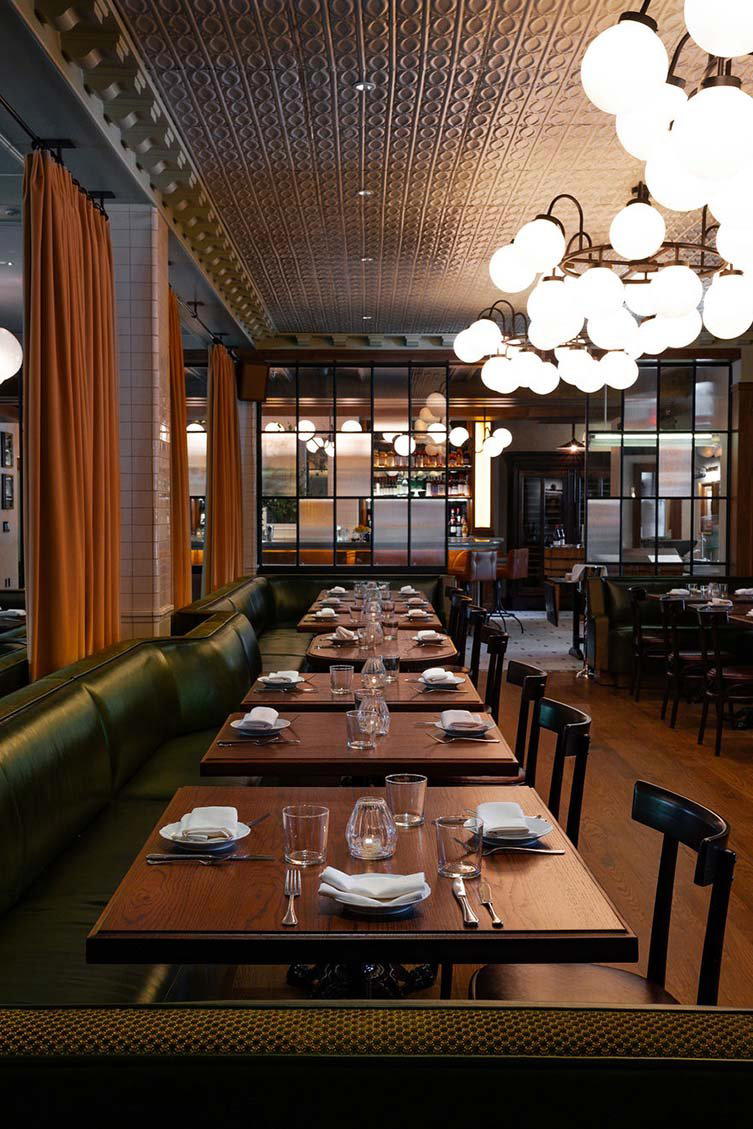
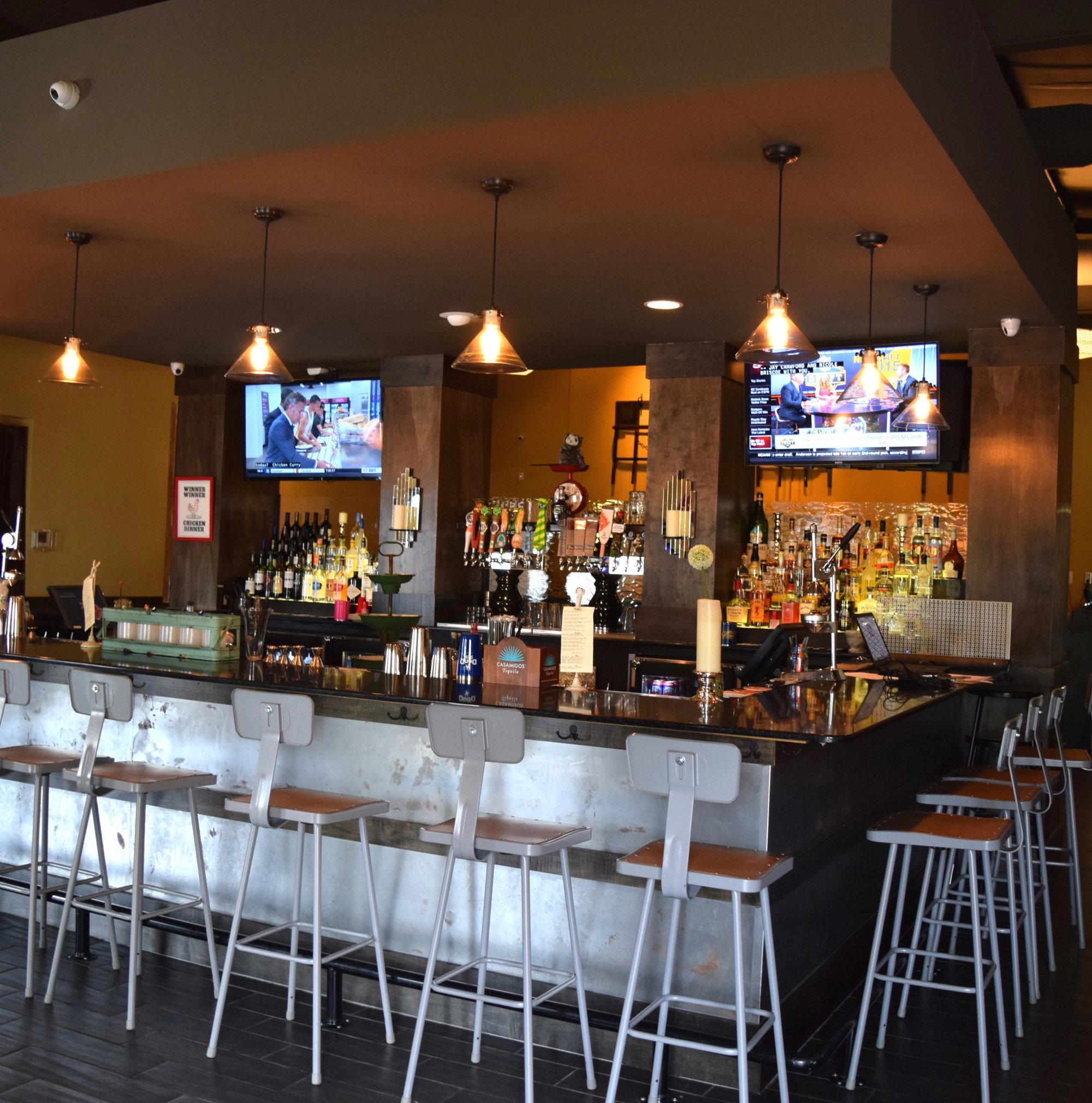
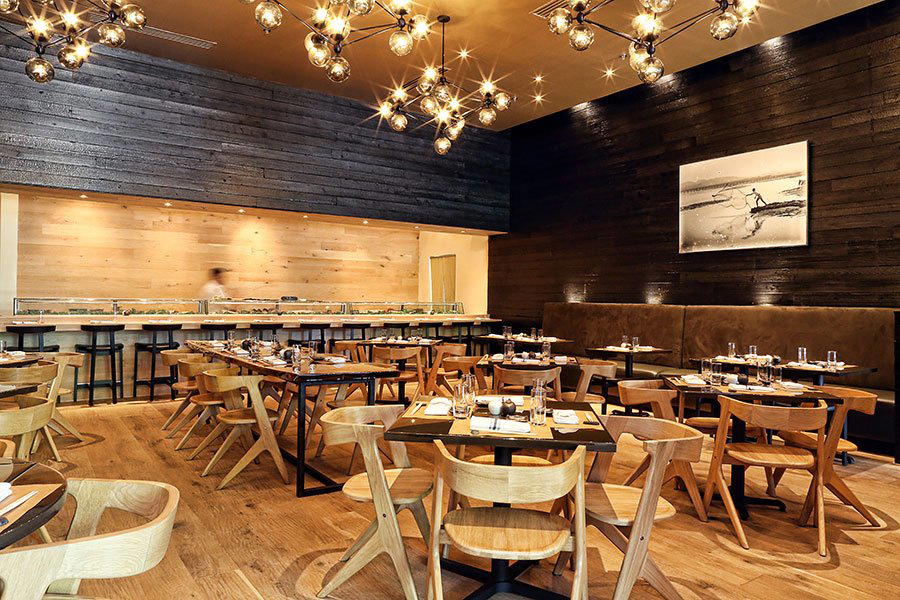
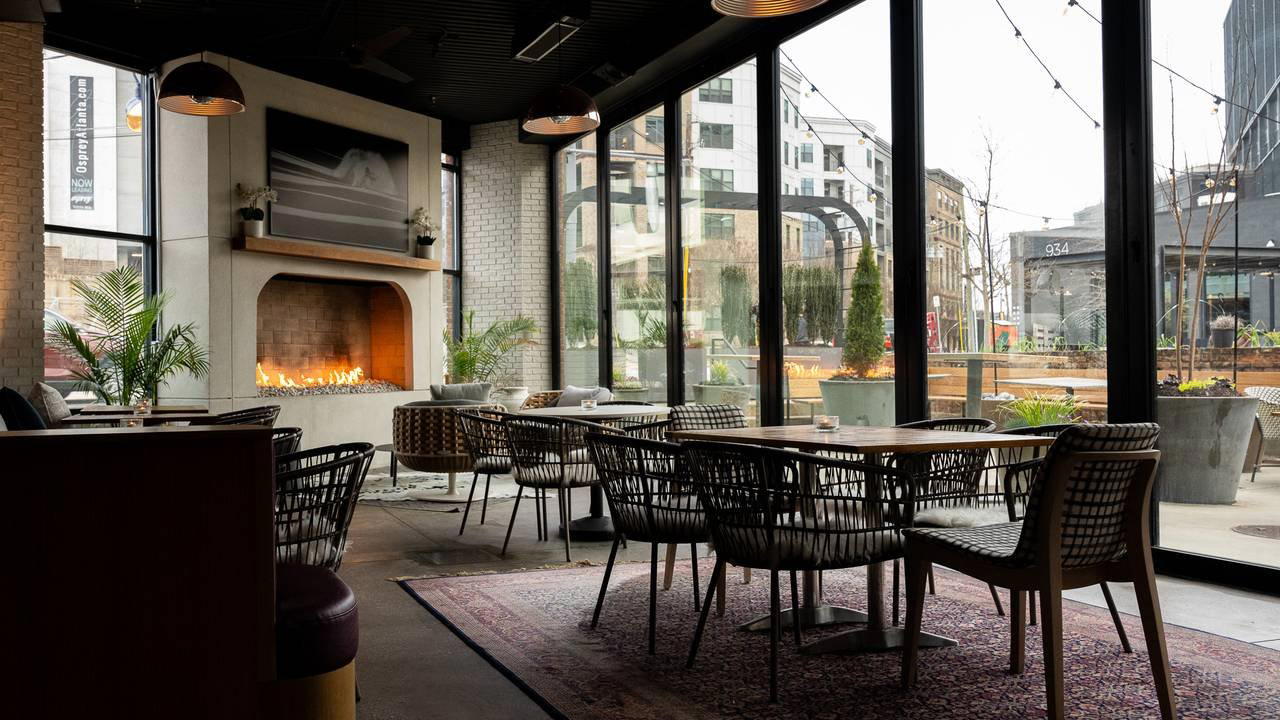
An upscale yet relaxed neighborhood cocktail bar with an energetic, community‑oriented vibe, warm and engaging bartenders, and a design meant to encourage connection and conversation.
Know Before You Go
- Getting there
- 1170 Howell Ml Rd Suite P10C, Atlanta, GA 30318