Hotel Granada


Hotel Granada occupies a Spanish Colonial building on West Peachtree Street in Midtown Atlanta, a deliberate architectural counterpoint to the glass towers that define the surrounding neighbourhood. The property sits at a remove from Atlanta's larger hotel chains, positioning itself as a small, historically rooted alternative in one of the city's most active corridors. For travellers who read architecture as context, the address alone signals a different kind of stay.
Pearl is the En Primeur Club membership app — saves, bookings, and concierge access live there. Same editors, same standards.
- Address
- 1302 W Peachtree St NW, Atlanta GA 30309, USA
- Phone
- +1 404-737-3030
- Website
- marriott.com
- Directions
- Get directions
 Saves & bookings on Pearl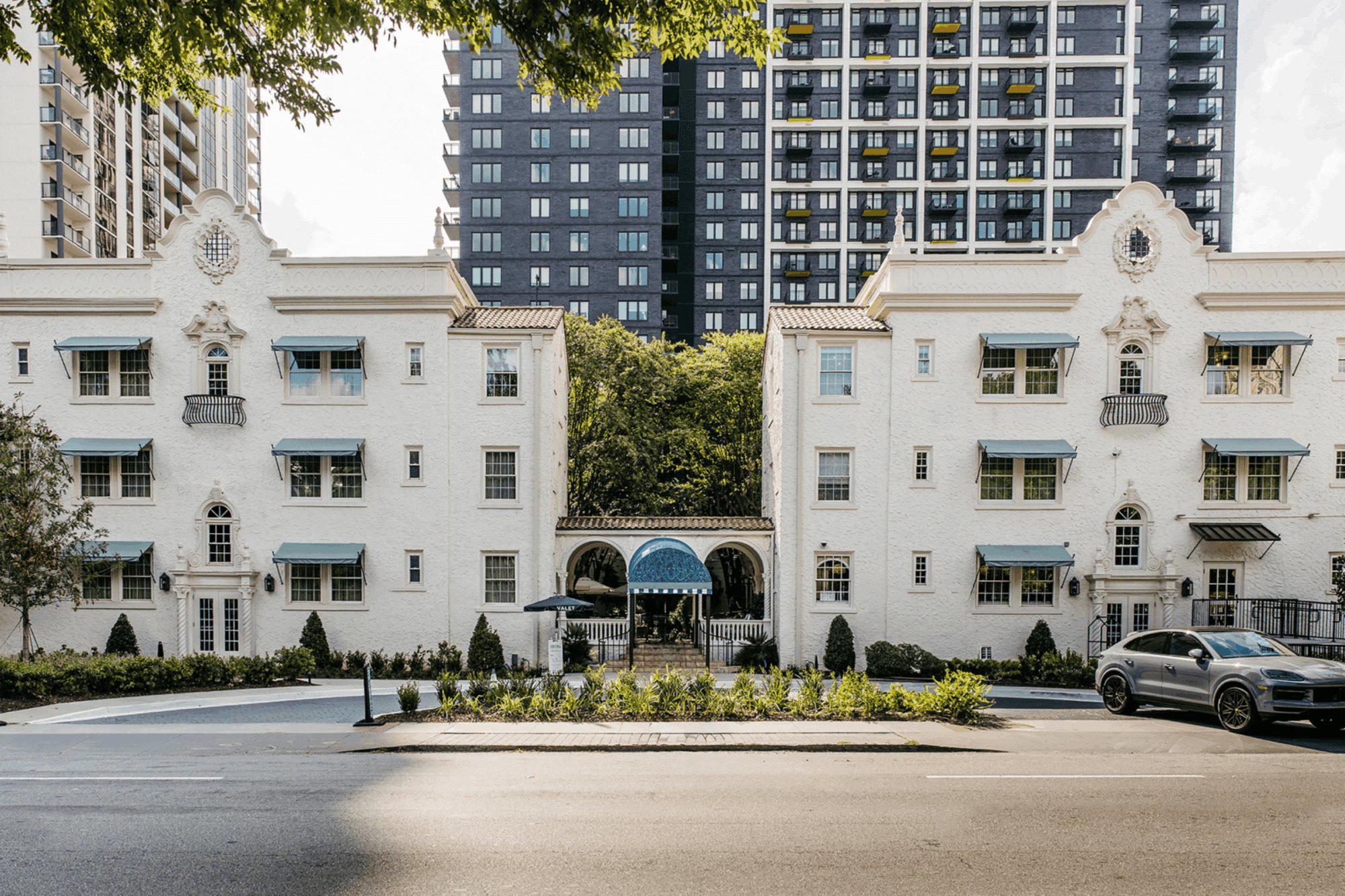
Spanish Colonial in the Shadow of the Glass Tower
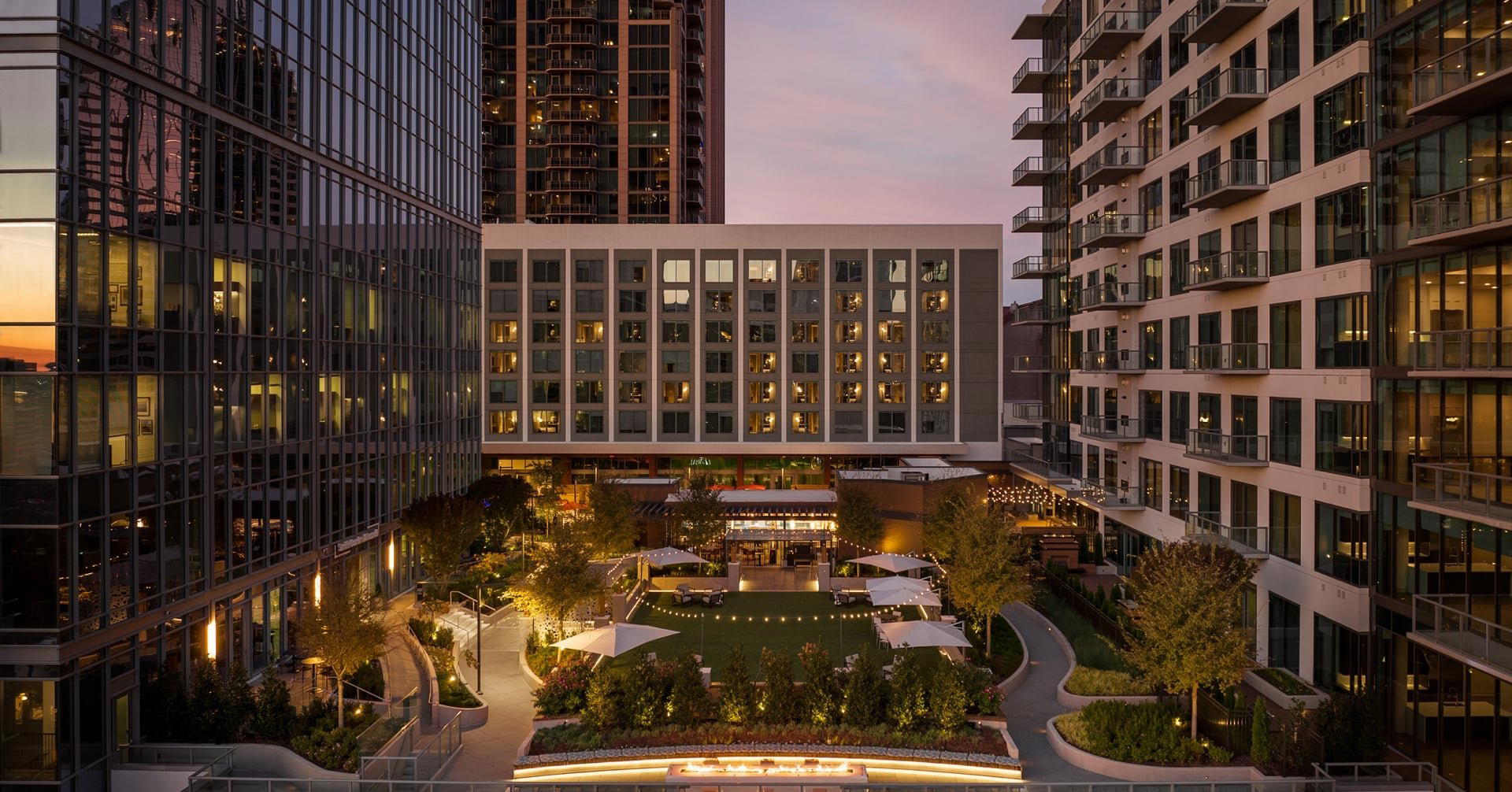
Midtown Atlanta's West Peachtree Street corridor is defined, almost entirely, by vertical glass. Corporate towers, residential high-rises, and mixed-use developments have reshaped the neighbourhood across several decades of growth, producing a streetscape that reads as prosperous but architecturally uniform. Hotel Granada at 1302 W Peachtree St NW sits inside that corridor as a deliberate interruption: a Spanish Colonial structure whose massing, materials, and ornamentation belong to a different century and a different architectural tradition. The contrast is not incidental. It is the property's primary editorial statement.
In American cities that developed rapidly through the mid-twentieth century, Spanish Colonial Revival buildings carry a specific cultural weight. The style arrived in the South through a combination of resort-era romanticism and Beaux-Arts academic influence, and where it survives in urban cores, it tends to survive because someone made a sustained effort to preserve it. A building of this type on a block otherwise dominated by curtain-wall construction is not an accident of real estate; it is the result of deliberate choices about what a property should be and what neighbourhood it positions itself against. Hotel Granada's location and form place it in a comparable set that includes historically rooted boutique properties across the American South, closer in spirit to a converted manor or a preserved civic building than to a branded hotel tower.
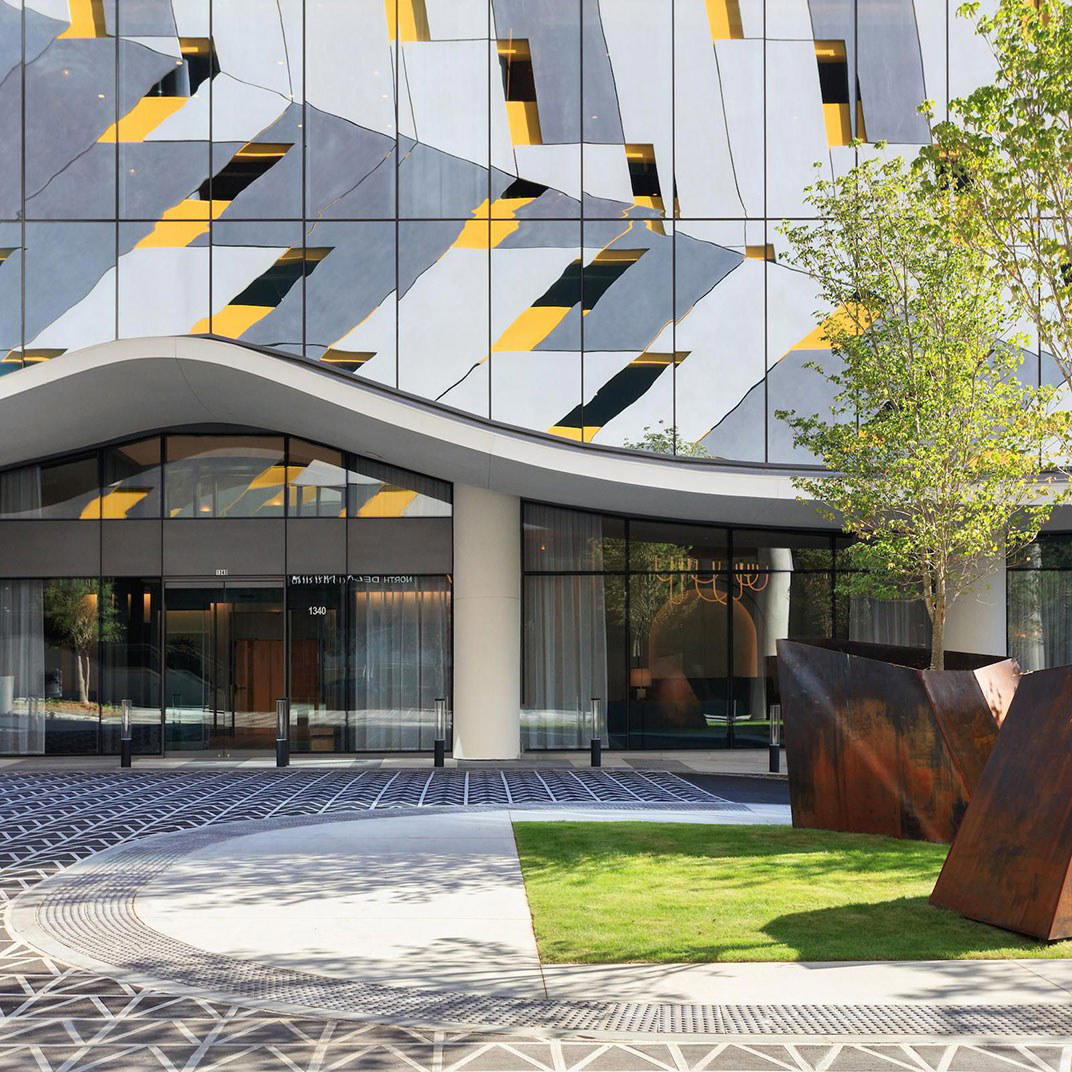
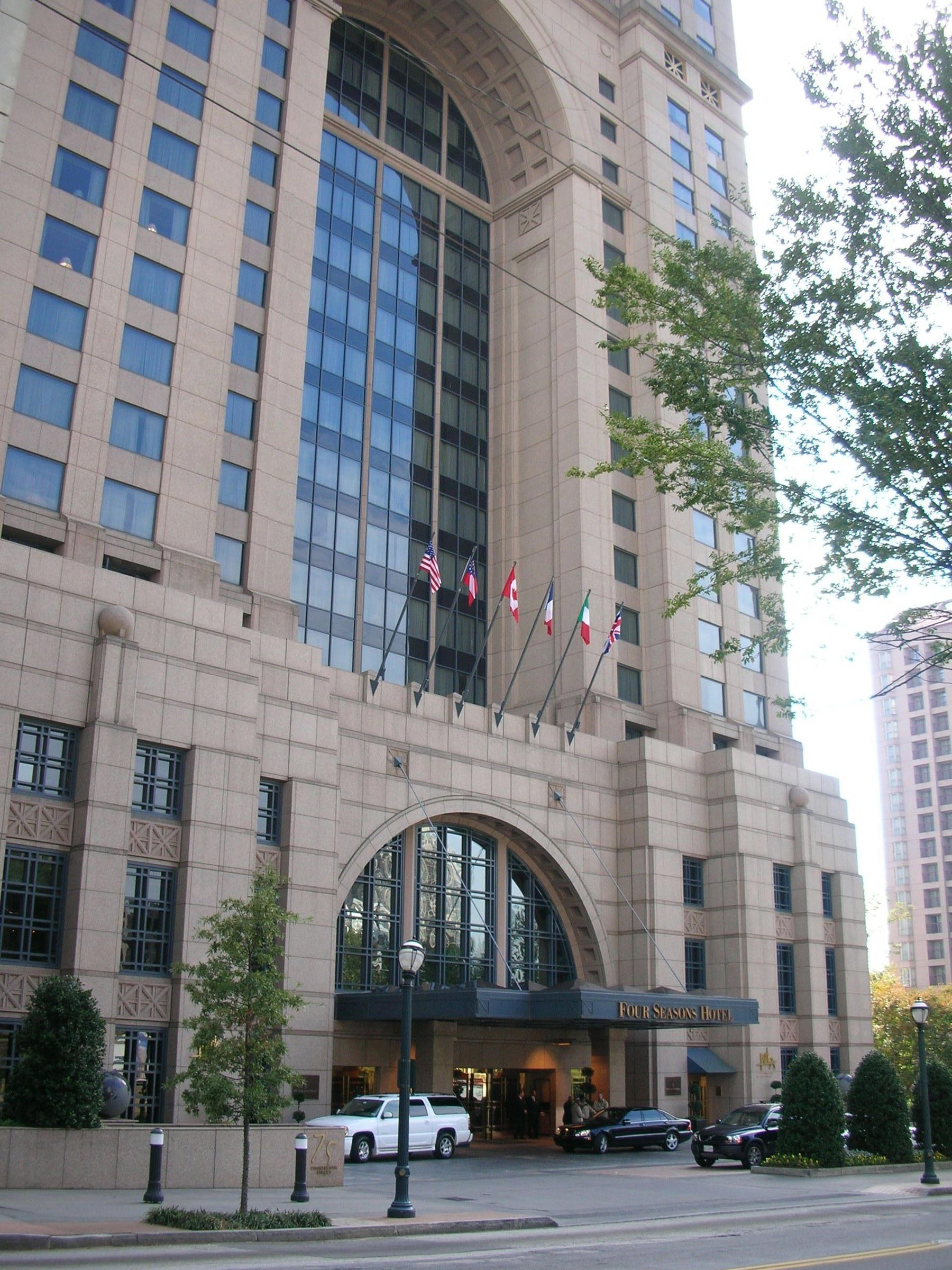
For travellers arriving from properties like Four Seasons Hotel Atlanta or the InterContinental Buckhead Atlanta, Hotel Granada represents a different logic entirely. Those properties compete on scale, amenity breadth, and institutional recognition. Hotel Granada competes on specificity of place and the intimacy that comes with a smaller footprint.
How a Stay Here Unfolds
The ritual of staying at a small, architecturally distinctive property differs structurally from the rhythm of a large hotel. Check-in at a property of this type is typically handled by a small team with direct knowledge of the building and neighbourhood rather than routed through a multi-department system. The scale of the guest-to-staff ratio at intimate properties tends to produce a different pace: arrivals feel less transactional, questions get answered with specificity, and the physical experience of moving through the building, from entrance to corridor to room, carries more individual character than a standardised tower floor plan allows.
This is the kind of property where the architecture itself structures the day. A Spanish Colonial building typically organises space around courtyards, covered loggias, arched passageways, and decorative tile work, and where those elements survive, they shape how guests move and where they pause. The approach to the entrance, the transition from street-level noise to interior quiet, and the material texture of the common spaces all function as experiential markers that larger hotels in the same city cannot replicate. Compared to properties like The Candler Hotel Atlanta, which layers historic character over a grand-hotel scale, the hotel operates at a register that is more compressed and more personal.
Travellers who have stayed at comparable small, design-specific properties in other American cities, such as Troutbeck in Amenia or Hotel Bel-Air in Los Angeles, will recognise the grammar: the building does significant narrative work, and the guest experience is partly a function of being attentive to it.
Midtown Atlanta as Context
Midtown has evolved into Atlanta's most walkable mixed-use district, with the Beltline's Eastside Trail, Piedmont Park, the High Museum of Art, and a concentration of independent restaurants and bars all within reach of the West Peachtree corridor. For a property at this address, the neighbourhood is an asset: guests can engage with the city on foot in a way that properties further north in Buckhead or east toward Decatur require a car to replicate.
Atlanta's hotel market has grown substantially in recent years, with new inventory skewing toward large convention-adjacent properties and branded luxury towers. The city's boutique and historic tier, which includes Hotel Clermont, Stonehurst Place Atlanta, and FORTH Hotel Atlanta, remains comparatively small. The hotel's Spanish Colonial architecture gives it a specific position within that tier: it is not a converted warehouse, a reimagined motor inn, or a restored Victorian mansion, but a building that carries a specific regional and stylistic heritage. For travellers who are choosing Atlanta accommodation partly on the basis of architectural character, that specificity narrows the comparable set considerably.
Properties like Epicurean Atlanta and Glenn Hotel, Autograph Collection draw guests through food and beverage programming or downtown positioning respectively. The hotel's draw is primarily the building itself and what it implies about the guest experience: smaller scale, specific character, and a physical environment shaped by a tradition that has largely disappeared from American urban development.
Placing Hotel Granada in a Wider Frame
The appetite for architecturally specific, small-footprint hotels has grown considerably among American travellers who have exhausted the larger branded options. Properties like SingleThread Farm Inn in Healdsburg, Post Ranch Inn in Big Sur, and Raffles Boston each occupy a different niche within this broader shift toward place-specific accommodation, and the hotel's Spanish Colonial character places it in that conversation at a Southern urban scale. It is a different category from resort isolation or coastal scenery; what it offers is architectural specificity in a city centre, which is its own increasingly scarce proposition.
For those who calibrate accommodation choices against design properties internationally, references like Aman Venice or Badrutt's Palace Hotel in St. Moritz represent the outer range of building-as-destination logic. The hotel operates at a more accessible register, but the underlying principle is the same: the architecture is not backdrop but content.
Planning Your Visit
The hotel is located at 1302 W Peachtree St NW in Midtown Atlanta, Georgia 30309, placing it within walking distance of Piedmont Park and the primary cultural institutions along Peachtree Street. Prospective guests should check current availability and pricing before travel. Midtown Atlanta operates on a variable demand calendar, with peak periods tied to major events at nearby venues and the convention schedule at the Georgia World Congress Center, so advance planning is worth building into any trip. For comparable boutique properties in other American cities, The Fifth Avenue Hotel in New York City and Amangiri in Canyon Point offer reference points at different scales and price tiers.
Recognition, Side-by-Side
Comparable venues nearby, for context on price, style, and recognition.
| Venue | Cuisine | Price | Awards | Notes |
|---|---|---|---|---|
| Hotel GranadaThis venue — the venue you are viewing | Spanish Colonial Revival with contemporary Southern charm | $$$ | 4-Star | Not listed |
| Glenn Hotel, Autograph Collection | Historic boutique hotel blending 1920s architectural charm with modern Southern hospitality. | $$$ | 4-Star | Downtown Atlanta |
| Kimpton The Shane | Modern boutique hotel designed as an extension of the Midtown Arts District with art-gallery-inspired interiors and creative cultural references. | $$$ | 4-Star | Midtown |
| The Georgian Terrace | Historic luxury hotel blending 1911 Beaux-Arts architecture with contemporary Southern elegance and modern amenities. | $$$$ | 4-Star | Midtown |
| Epicurean Atlanta | Culinary-inspired luxury boutique | $$$$ | 4-Star | Midtown |
| Hotel Colee, Atlanta Buckhead, Autograph Collection | Stylish boutique lifestyle hotel with lively, confident energy in Buckhead. | $$$$ | 4-Star | Buckhead |
Recognition history
Dated appearances from independent guides and award organizations, with the underlying list record or original source where available.
Design Hotels Member
Design Hotels
Michelin Selected
Michelin
At a Glance
- Cozy
- Elegant
- Historic
- Intimate
- Romantic Getaway
- Weekend Escape
- Anniversary
- Historic Building
- Terrace
- Garden
- Wi Fi
- Fitness Center
- Room Service
- Concierge
- Restaurant
- Garden
- Wi Fi
- Fitness Center
- Room Service
- Concierge
- Restaurant
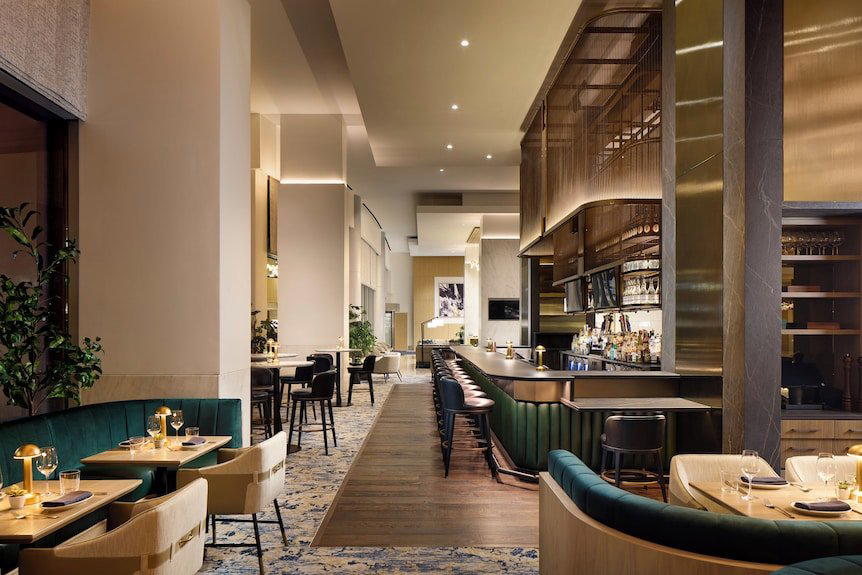
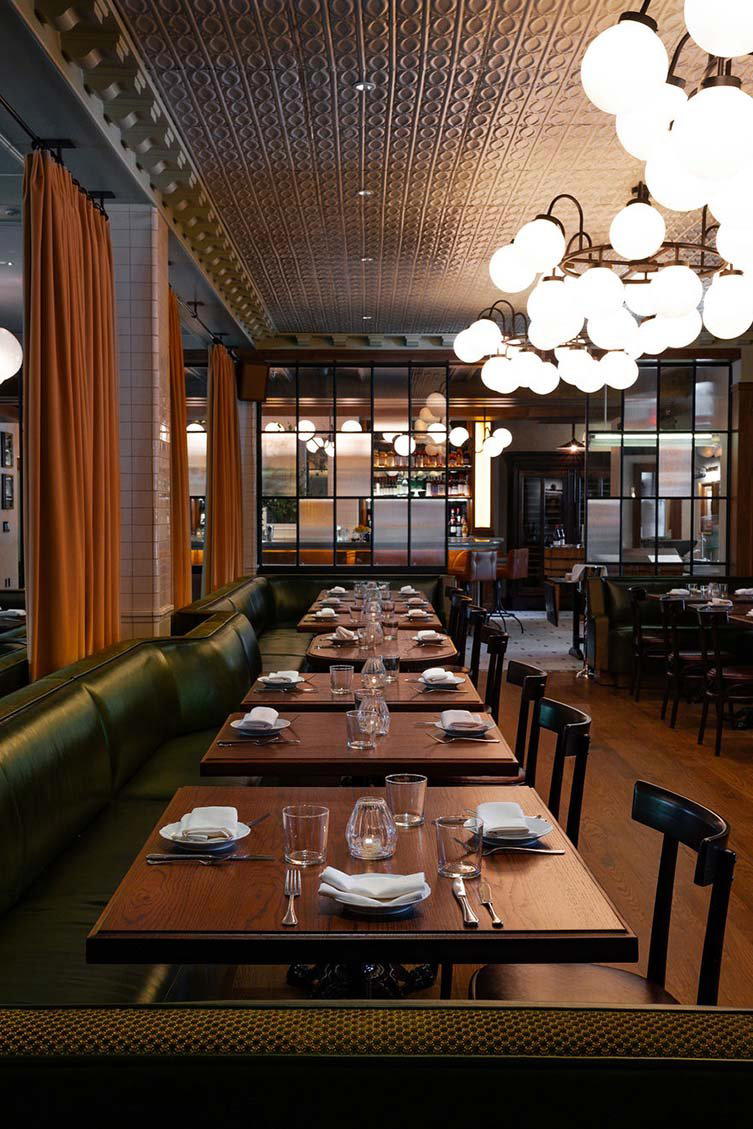
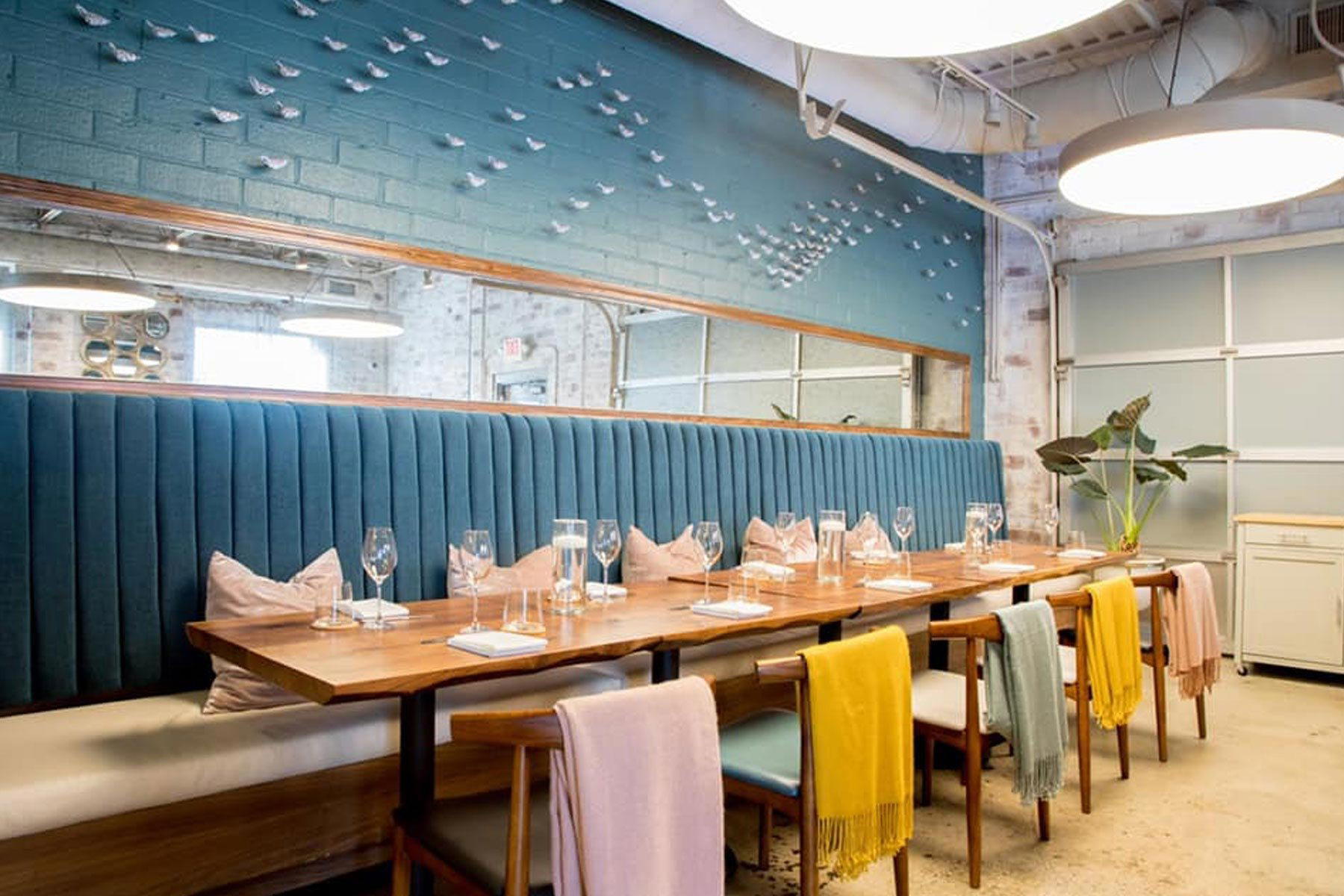
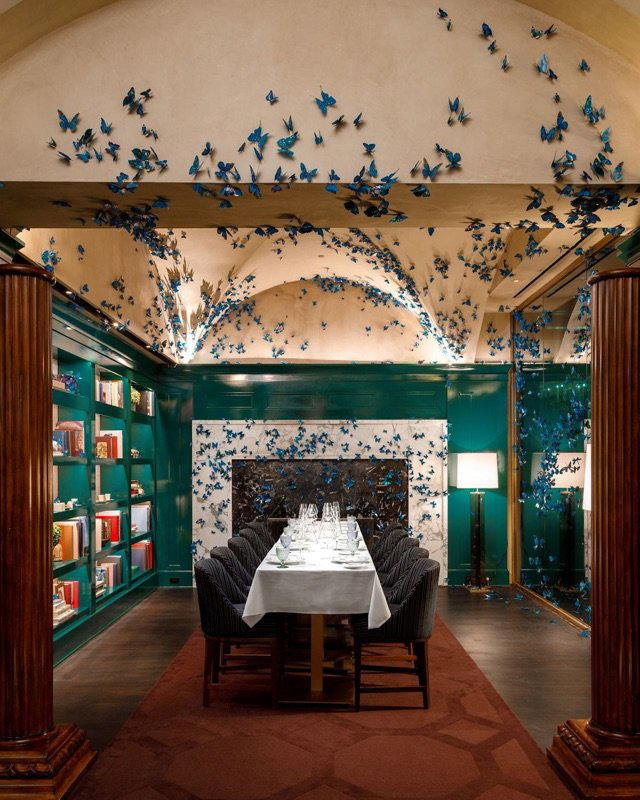
Inviting palette of greens, blues, and terra-cotta hues with bespoke wooden furniture; lush courtyard with fountain drowns out city noise for a charming, timeless escape.