Gusto
Gusto sits along Ponce De Leon Avenue in Atlanta's dense restaurant corridor, where the city's mid-tier and upper-tier dining options run in close proximity. The address places it within reach of the Ponce City Market crowd and the Virginia-Highland dining circuit, two of Atlanta's more active dining zones. Booking logistics and neighborhood positioning make it a practical choice for visitors working through Atlanta's broader restaurant scene.
Pearl is the En Primeur Club membership app — saves, bookings, and concierge access live there. Same editors, same standards.
- Address
- 782 Ponce De Leon Ave NE, Atlanta, GA 30306
- Phone
- +14043308114
- Website
- whatsyourgusto.com
- Directions
- Get directions
 Saves & bookings on Pearl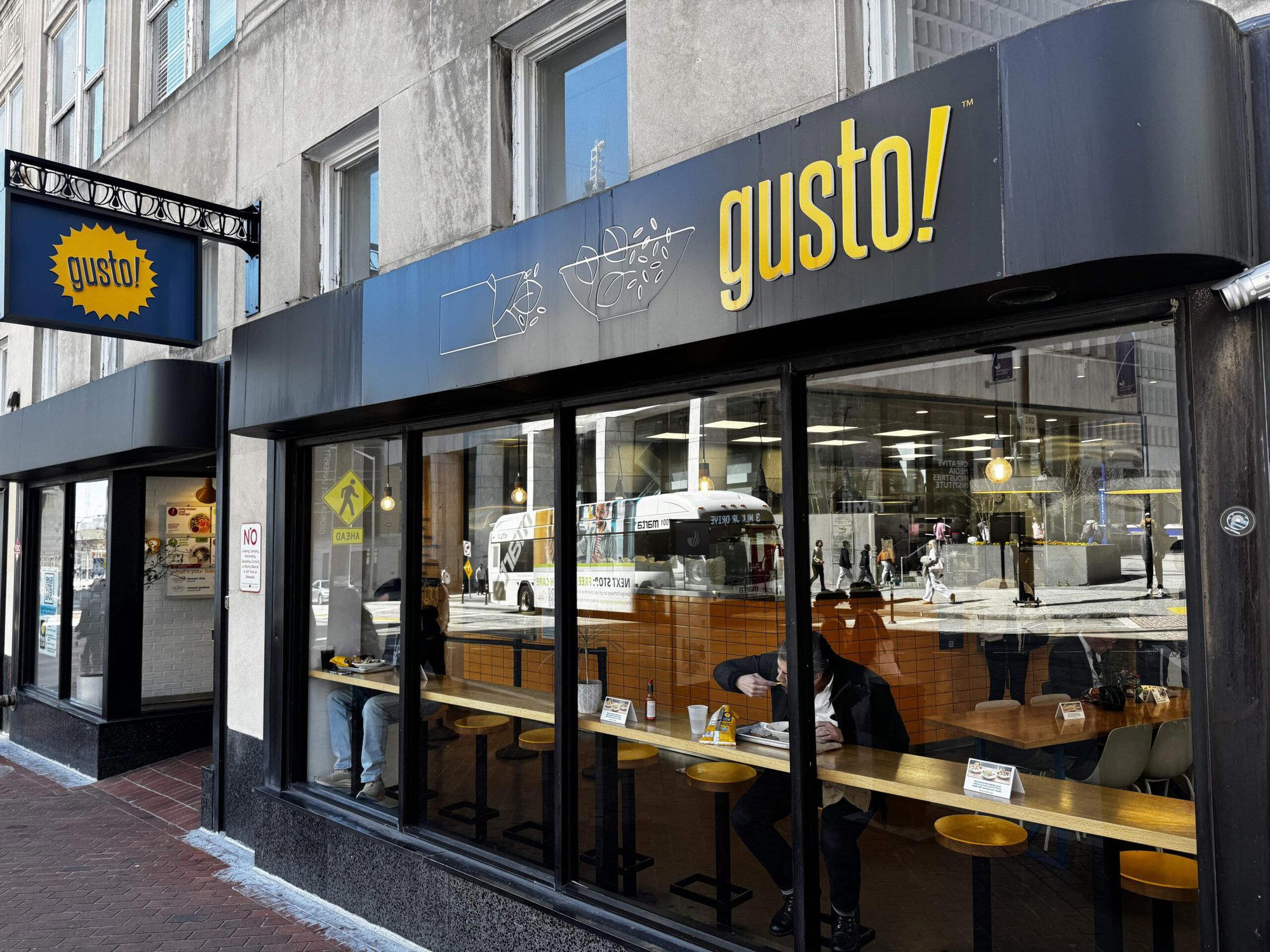
Along Ponce De Leon: Atlanta's Most Contested Dining Corridor
Ponce De Leon Avenue carries more restaurant density per block than almost any other stretch in Atlanta. The address at 782 Ponce De Leon Ave NE puts Gusto in a zone that draws from multiple neighborhoods simultaneously: Ponce City Market foot traffic to the west, Virginia-Highland's established dining culture to the east, and the Old Fourth Ward's newer, more experimental openings filling the gaps. That geography matters when you're deciding where a restaurant sits in the city's broader dining hierarchy.
Atlanta's fine dining tier has consolidated over the past decade around a handful of corridors and a small number of independently operated rooms. Bacchanalia and Atlas anchor the upper end of that market, both priced at the $$$$ bracket and operating with the kind of institutional credibility that comes from years of critical recognition. Lazy Betty and Mujō have carved out more specialist positions, the former in tasting-menu contemporary, the latter in Japanese omakase. Gusto occupies the Ponce corridor in a market where the competition for the informed dining dollar is genuinely active.
The Booking Problem in Atlanta Right Now
Atlanta's restaurant market has grown considerably more competitive on the reservations front over the last several years. The city's population growth and the corresponding expansion of a dining-literate local audience have tightened availability at mid-range and upper-range rooms in a way that would have seemed unlikely even five years ago. Restaurants in the Ponce corridor specifically tend to fill Thursday through Sunday with meaningful lead time required, particularly for tables of four or more.
For visitors approaching Atlanta's dining options the way they might approach a city like New York or San Francisco, the operational lesson is the same: plan further ahead than the city's second-tier reputation might suggest. The diners who treat Atlanta like an afterthought and expect walk-in availability at better rooms are consistently the ones left eating at chains near their hotel. The city's leading independent restaurants, from Hayakawa on the Japanese side to the contemporary American rooms, are operating at capacity on peak nights.
This dynamic mirrors what has happened in other American cities where restaurant culture matured quickly. Lazy Bear in San Francisco and Alinea in Chicago both moved to prepaid ticketing models as demand outpaced traditional reservation systems. Atomix in New York City runs a waitlist that requires strategic timing to access. Atlanta hasn't quite reached that tier of booking difficulty across the board, but the better rooms in the Ponce corridor are no longer casual decisions.
What the Neighborhood Tells You About the Room
The character of a restaurant's surrounding blocks shapes the kind of experience it can deliver and the kind of clientele it attracts. The Ponce De Leon stretch has moved considerably upmarket since the Ponce City Market redevelopment drew national retail and food hall tenants into what had been an underused industrial building. That influx raised the baseline expectation for the corridor, and restaurants that have survived or opened in the years since have generally had to meet a more sophisticated standard.
Virginia-Highland, immediately adjacent, has its own longer-established dining culture. It has historically skewed toward neighborhood bistro formats rather than destination dining, with a price point that reflects a local resident base rather than a hotel-driven visitor economy. The restaurants that succeed at the junction of these two zones tend to find a format that works for both: approachable enough that regulars return, considered enough that visitors from outside the neighborhood make the trip specifically.
That dual-audience pressure is something Atlanta shares with cities like New Orleans, where places like Emeril's built reputations that served both local dining culture and visitor expectations simultaneously. The geography of Atlanta's better restaurant neighborhoods requires a similar balancing act.
What the Ponce De Leon address and the Atlanta market context establish is that any restaurant operating at this address is working in proximity to some of the city's most active dining competition. The specialist rooms with strong critical profiles, like Mujō for omakase, operate in a narrower lane with their own booking dynamics.
Atlanta's dining scene is increasingly being measured against larger American restaurant cities. The French Laundry in Napa, Providence in Los Angeles, and Blue Hill at Stone Barns in Tarrytown represent the benchmark tier that Atlanta's most ambitious rooms are now being discussed alongside. Addison in San Diego, Single Thread Farm in Healdsburg, and The Inn at Little Washington each demonstrate how regional American dining rooms can build national reputations. Atlanta's upper tier is part of that national conversation in a way it wasn't a decade ago. For an international frame of reference, 8 1/2 Otto e Mezzo Bombana in Hong Kong and Le Bernardin in New York City illustrate the depth of competition that the city's most serious rooms are ultimately benchmarked against when critics assess the American fine dining map.
For the full picture of where Gusto fits within Atlanta's broader restaurant options, see our full Atlanta restaurants guide.
Know Before You Go
- Address: 782 Ponce De Leon Ave NE, Atlanta, GA 30306
- Neighborhood: Ponce De Leon corridor, between Old Fourth Ward and Virginia-Highland
- Phone: Not publicly listed — check directly via search or booking platform
- Reservations: Recommended for all visits, particularly Thursday to Sunday
- Pricing: Confirm current pricing directly; the Ponce corridor ranges from mid-range to $$$$
- Parking: Street parking available along Ponce De Leon; Ponce City Market garage is accessible nearby
How Gusto Atlanta compares with similar nearby venues.
| Venue | Cuisine | Price |
|---|---|---|
| Tiny Lou's | French | $$$ |
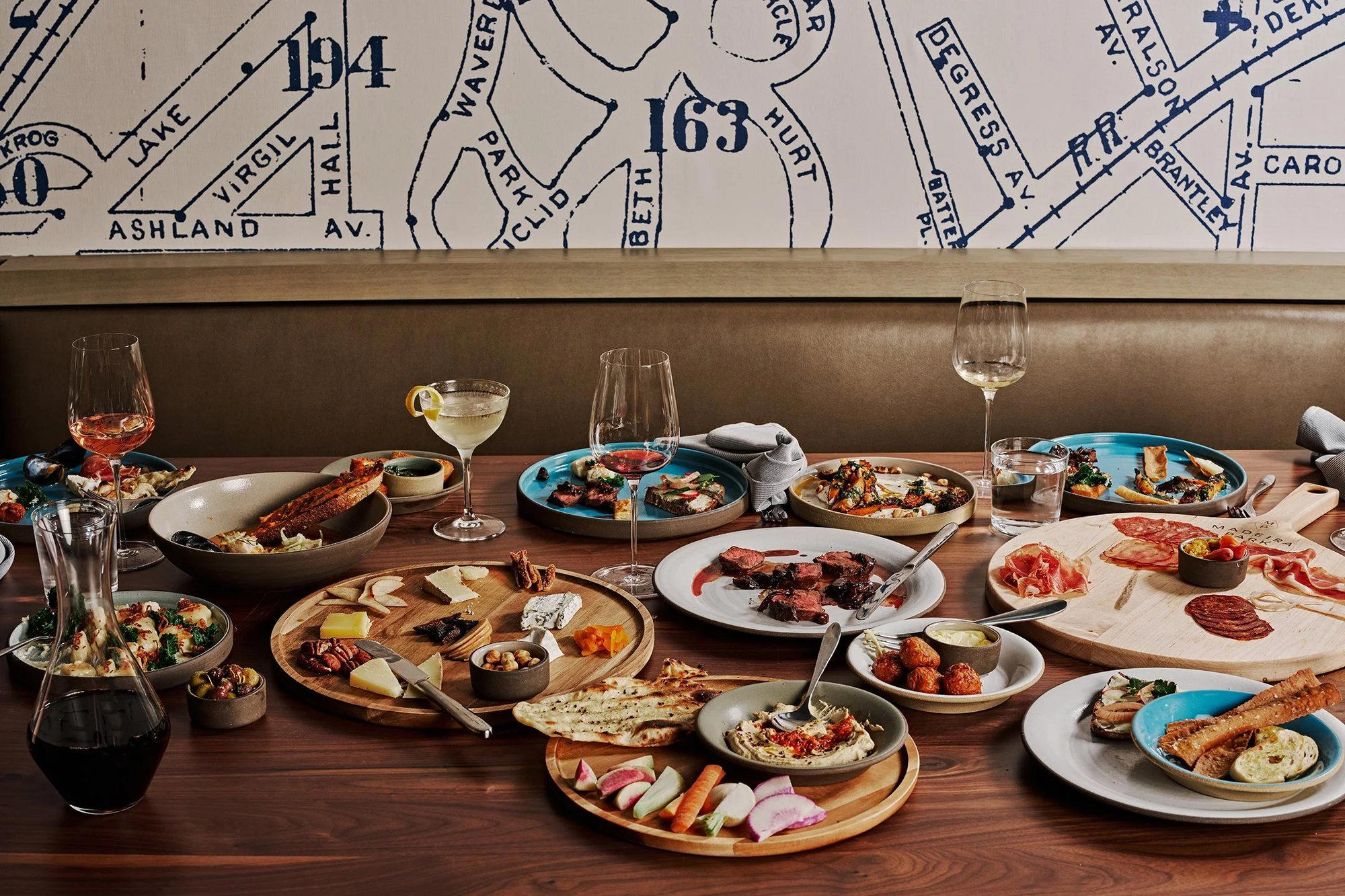
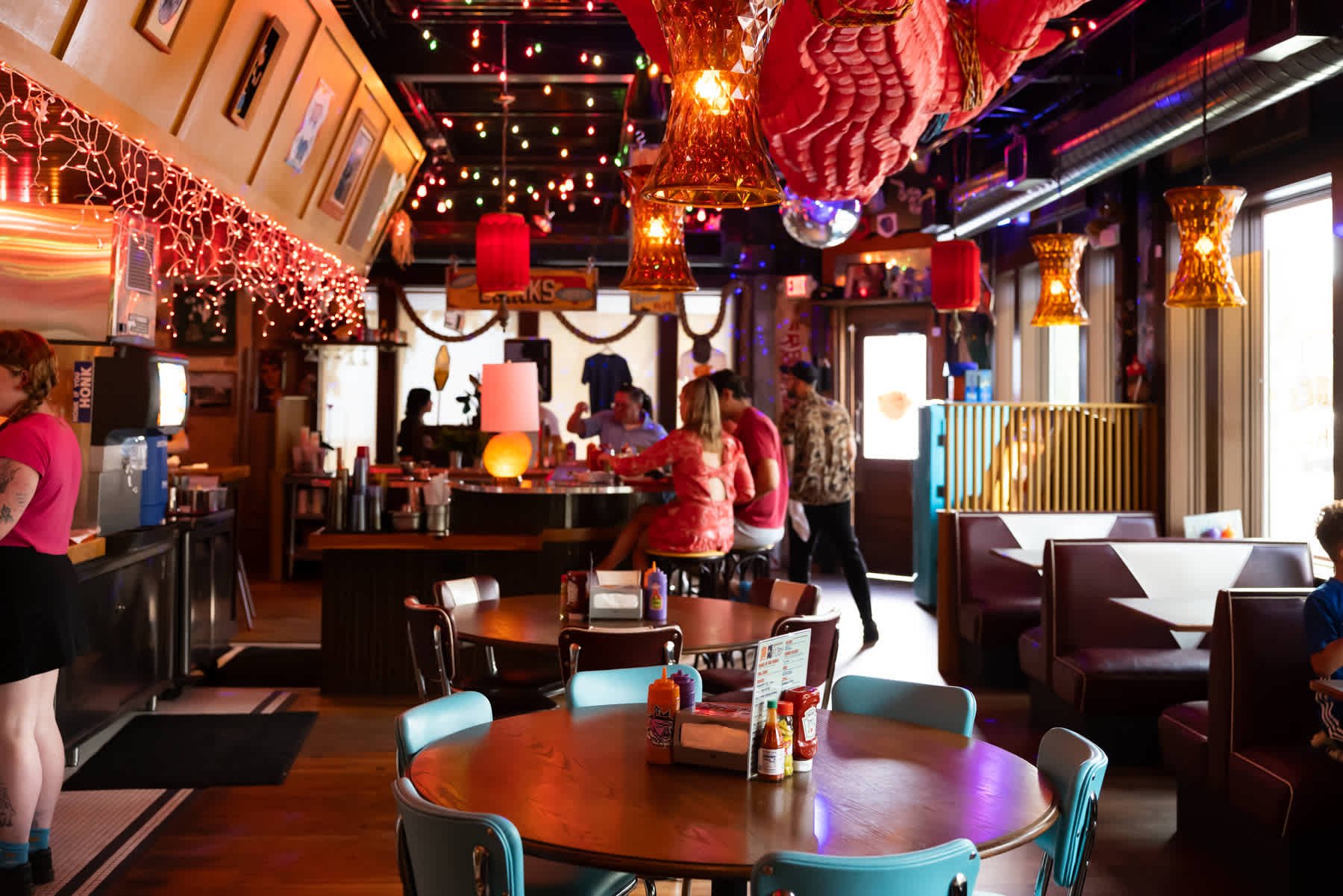
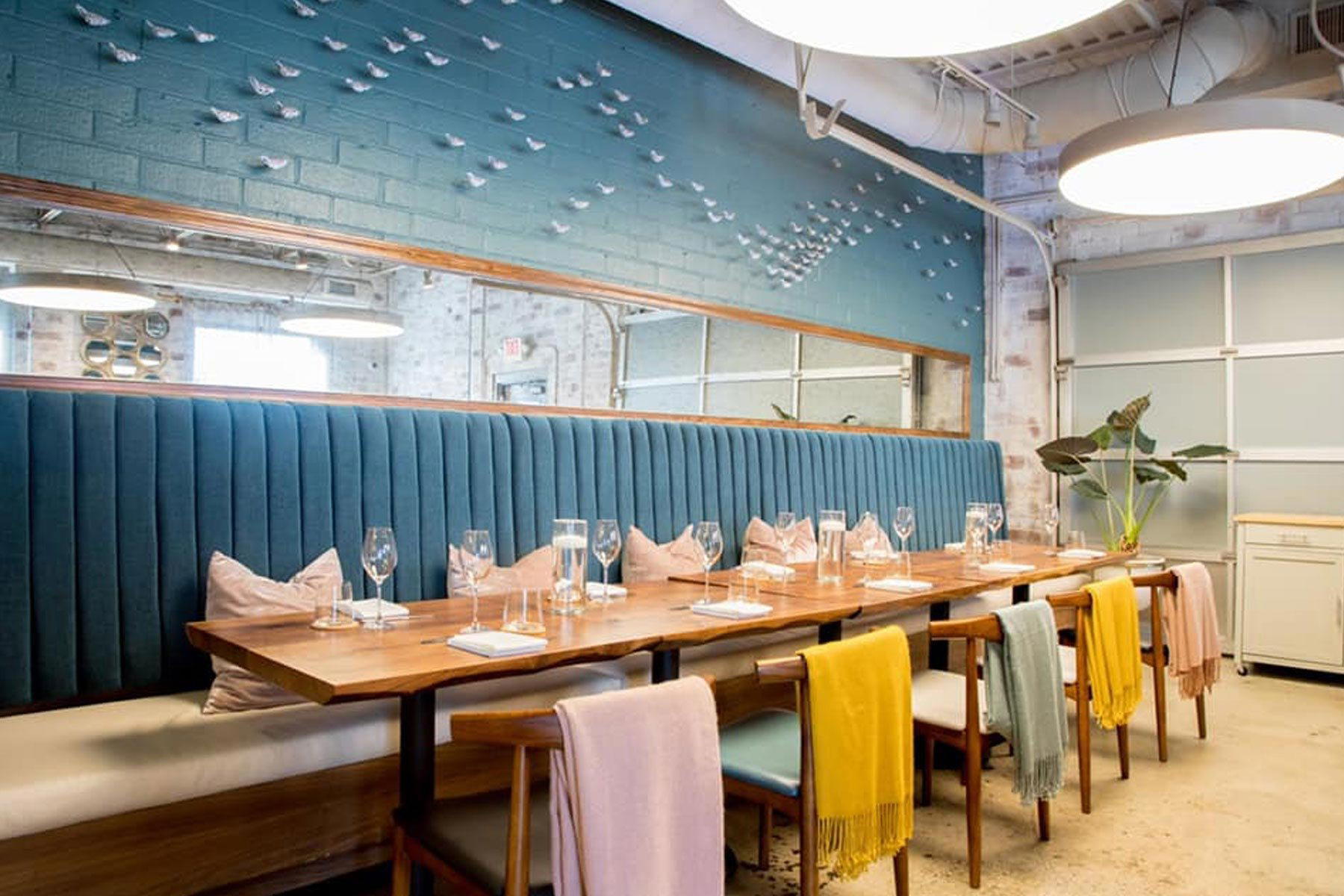
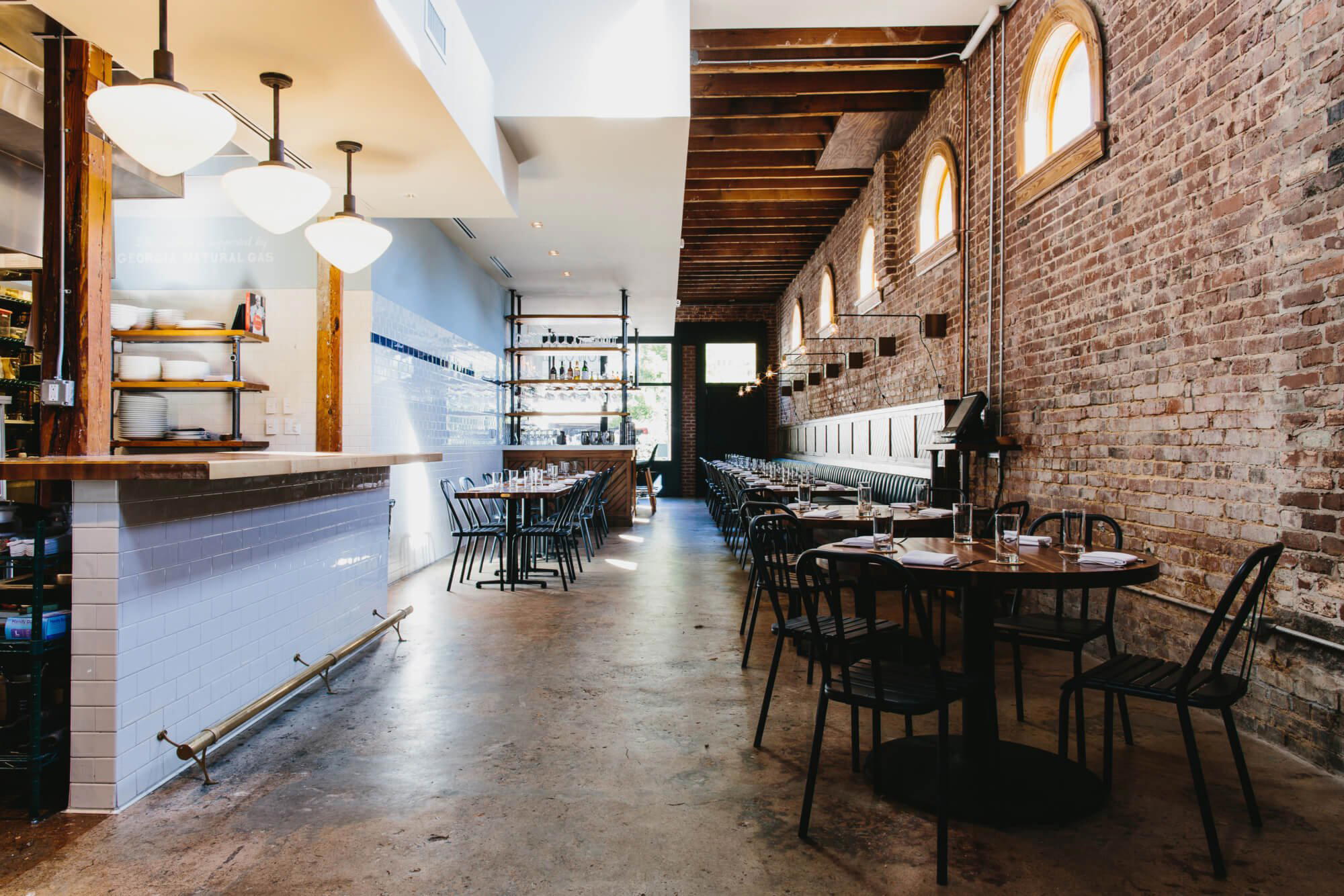
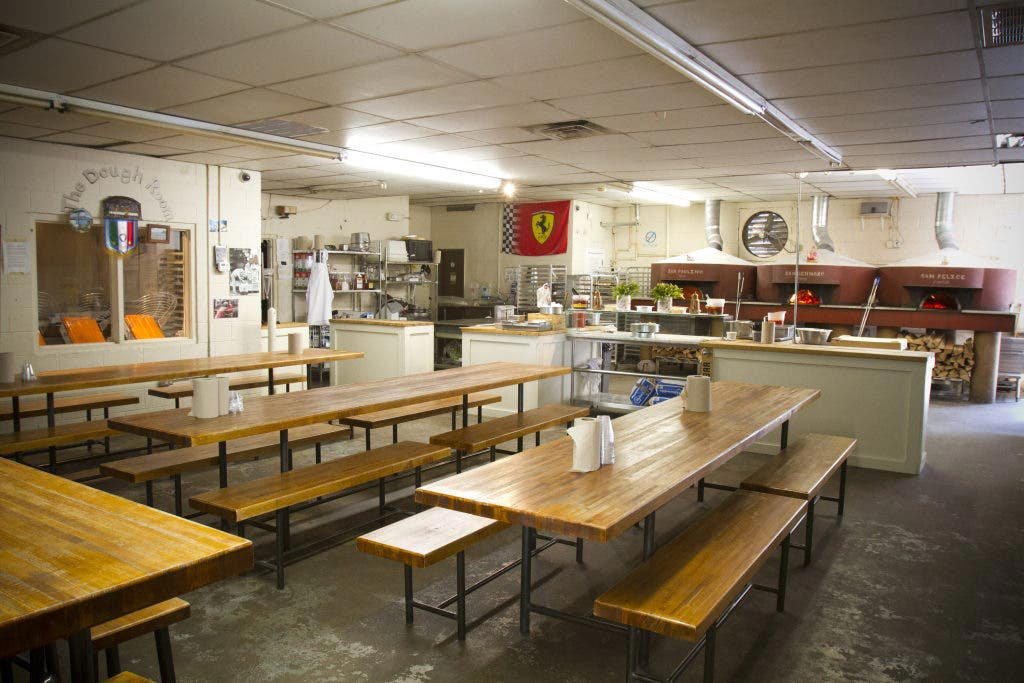
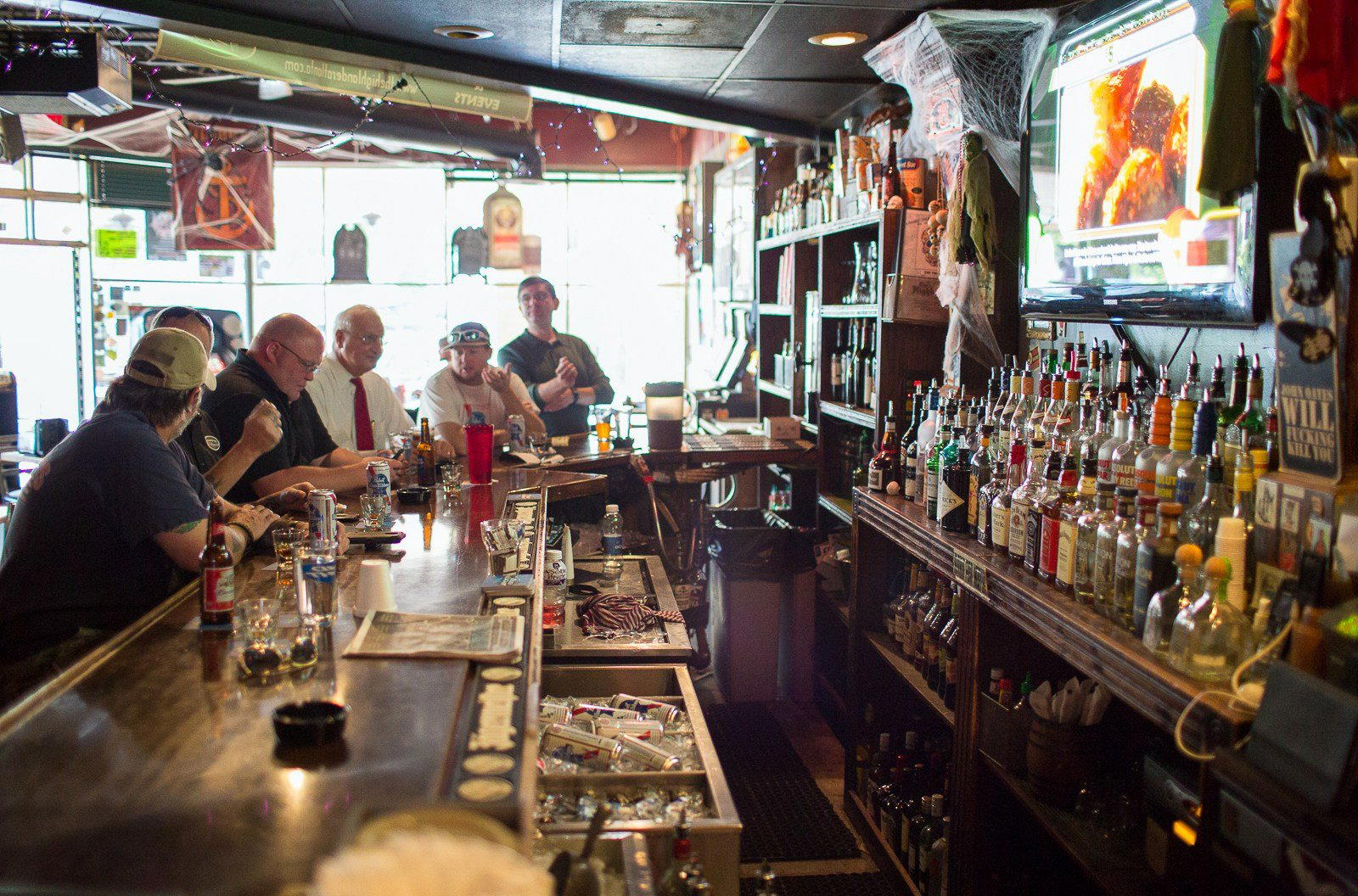
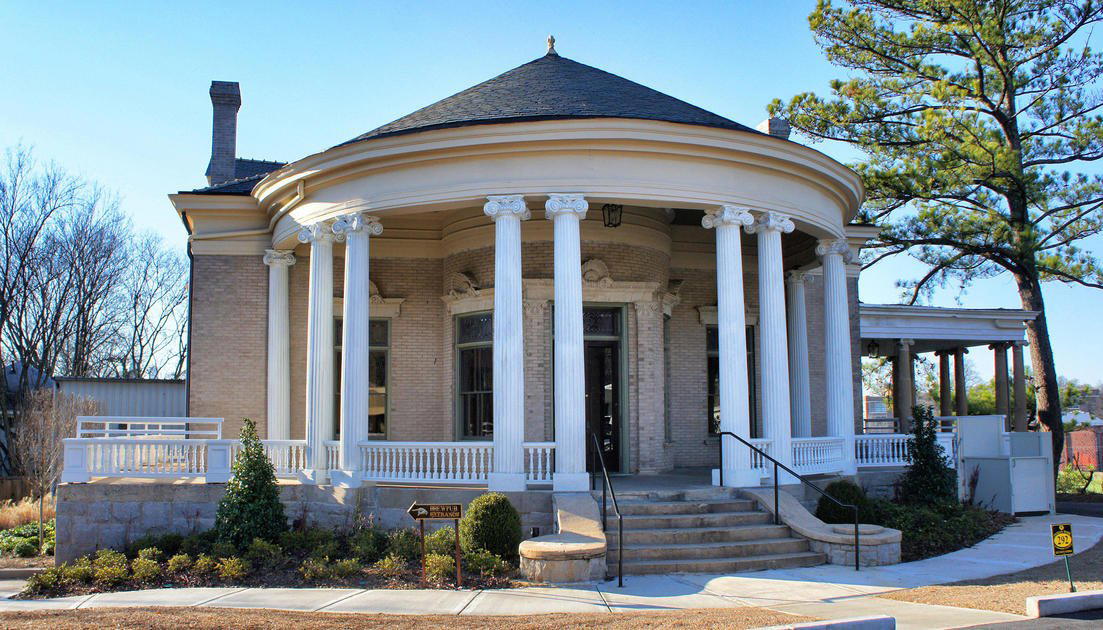
At a Glance
- Lively
- Modern
- Trendy
- Casual Hangout
- After Work
- Open Kitchen
- Local Sourcing
Current opening hours
- Monday
- 10:30 AM–10 PM
- Tuesday
- 10:30 AM–10 PM
- Wednesday
- 10:30 AM–10 PM
- Thursday
- 10:30 AM–10 PM
- Friday
- 10:30 AM–10 PM
- Saturday
- 10:30 AM–10 PM
- Sunday
- 10:30 AM–10 PM
Hours can change for holidays and private events. Last verified .
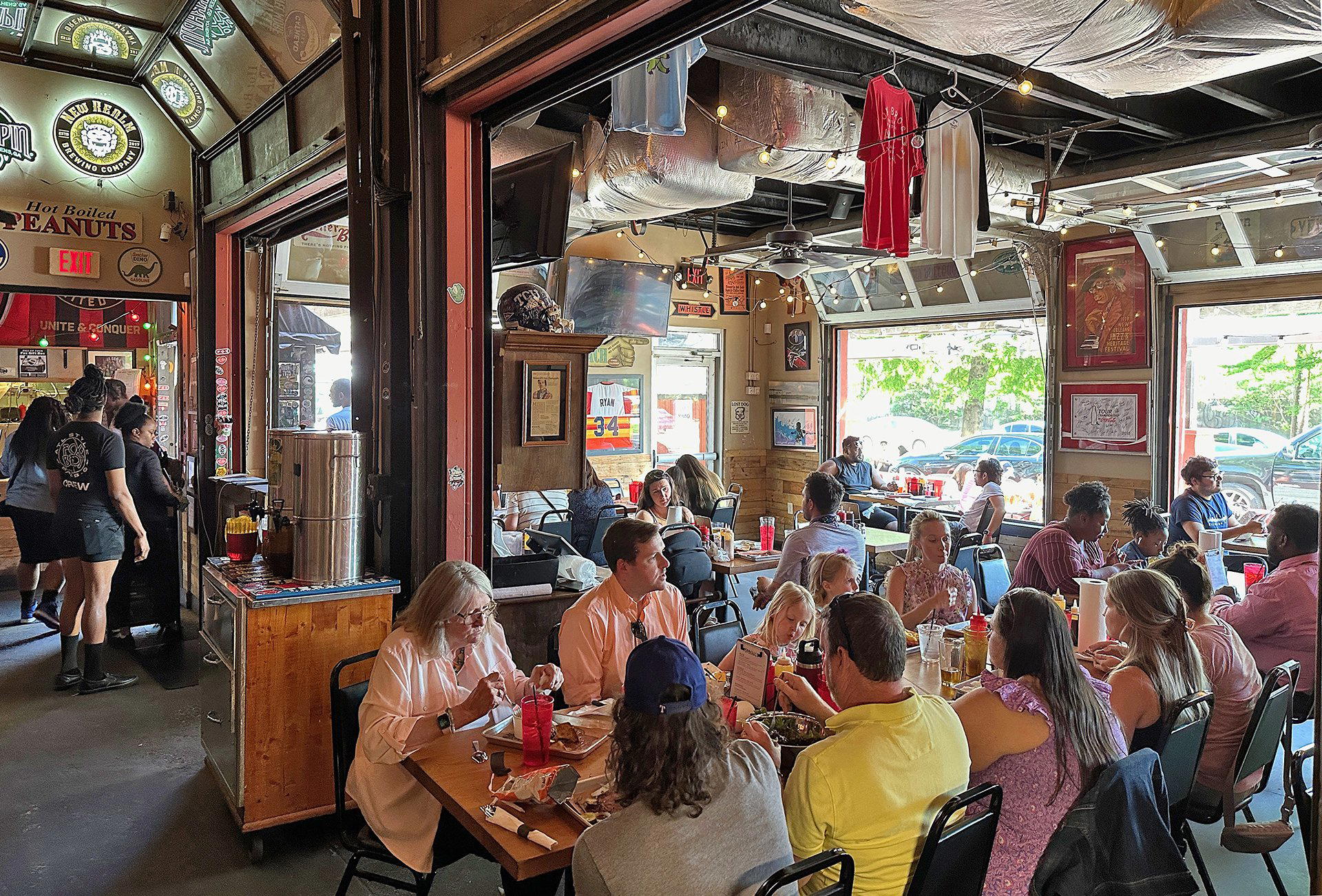
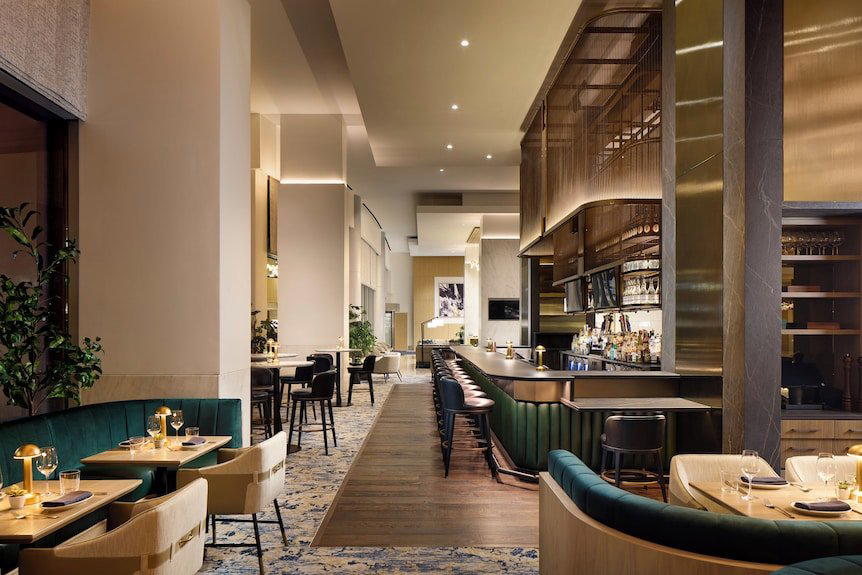
Bright and energetic fast-casual atmosphere focused on fresh, healthy meals with international flair.
Know Before You Go
- Getting there
- 782 Ponce De Leon Ave NE, Atlanta, GA 30306