Omakase Table

Two consecutive Michelin stars (2024 and 2025) position Omakase Table among Atlanta's most decorated Japanese restaurants, operating Wednesday through Sunday from its Buckhead address on Piedmont Road. The counter-format service, $$$$ price tier.
Pearl is the En Primeur Club membership app — saves, bookings, and concierge access live there. Same editors, same standards.
- Address
- 3330 Piedmont Rd NE #22A, Atlanta, GA 30305
- Phone
- (470) 404-5245
- Website
- omakasetableatl.com
- Directions
- Get directions
 Saves & bookings on Pearl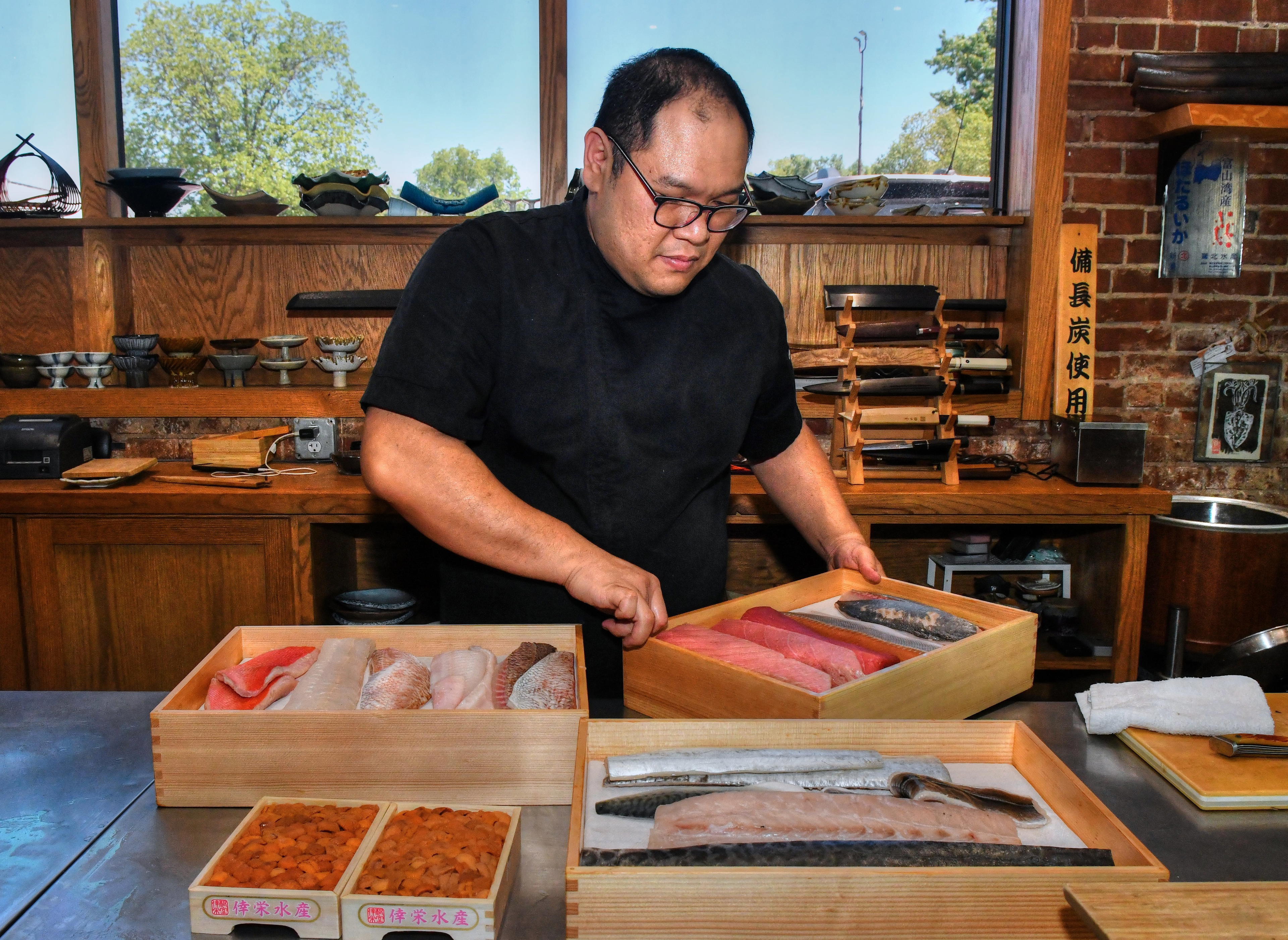
Atlanta's Omakase Tier Has a Benchmark
Atlanta's fine-dining scene has spent the past decade closing the gap with coastal cities, and nowhere is that convergence more visible than in Japanese counter dining. The city now supports a small but serious cohort of omakase restaurants operating at the $$$$ price tier, each making a case that the South can sustain the format on its own terms, without relying on imported credibility. Omakase Table, located at 3330 Piedmont Rd NE in Buckhead, sits at the upper end of that cohort. Michelin awarded it a star in both 2024 and 2025, consecutive recognition that signals consistent execution rather than a single strong year..
Buckhead's dining corridor has long anchored Atlanta's highest-spend restaurant category, hosting properties like Atlas and forming the geographic backbone of the city's $$$$ tier. Omakase Table occupies suite 22A of a Piedmont Road address that places it inside that concentration without being its most visible entry point. The format, omakase, meaning the kitchen sets the sequence and the guest follows, filters its audience before anyone arrives at the door. You are not choosing from a menu. You are committing to a progression, and the dining room is built around that compact.
The Booking Problem (And Why It Matters)
Omakase counter formats across American cities share a structural reality: seats are few, sittings are fixed, and demand at the Michelin-starred tier consistently outpaces availability. That equation applies directly here. A two-star run across consecutive Michelin cycles, 2024 and 2025, has cemented Omakase Table's position in Atlanta's most-booked tier, a bracket that also includes Hayakawa, which holds two Michelin stars and represents the city's highest-decorated Japanese counter. At this level, reservations in Atlanta function less like bookings and more like allocations.
The practical implications are worth treating seriously before you begin planning. The restaurant operates Wednesday through Friday from 6:00 PM to 10:30 PM, Saturday from 5:30 PM to 10:30 PM, and Sunday from 5:00 PM to 10:30 PM. Monday and Tuesday are closed. That five-day operating window, combined with the physical constraints of counter dining, means the total weekly seat count is smaller than it appears. For visitors planning around Atlanta travel, building the reservation before locking hotel dates is the more reliable sequence. For residents, monitoring release windows and acting quickly on Sundays, which carry slightly longer service, can expand options. Compared to the broader Atlanta $$$$ dining tier, Bacchanalia, Atlas, and contemporaries in the New American space, the omakase format's fixed-progression structure means there is no walk-in equivalent and no bar seating as a fallback.
Where This Format Sits in the Broader Japanese Counter Tradition
Omakase as a dining structure carries specific obligations on both sides of the counter. The kitchen commits to sourcing, sequencing, and pacing without knowing exactly who will occupy the seats that evening. The guest commits to time, cost, and the absence of choice. That mutual commitment is the defining feature of the format, and it explains why Michelin's inspectors treat omakase counters differently from à la carte restaurants. The evaluation lens shifts toward coherence, progression, and the relationship between courses rather than individual dish execution in isolation.
Tokyo's counter dining scene, where the format originated, has produced its own stratification: multi-generation houses at the apex, mid-tier counters with strong regional reputations, and entry-level omakase operating at accessible price points. Myojaku and Azabu Kadowaki in Tokyo illustrate how the format scales across different peer tiers in its home city. American cities have developed their own layered structures. In the broader national context, Omakase Table occupies a position analogous to the Michelin-starred Japanese counter format found in cities like San Francisco, where Lazy Bear demonstrates how fixed-progression dining can hold sustained critical recognition, or New York, where Le Bernardin has long anchored a different but structurally adjacent tier of precision-focused dining. That restaurant holds its star in Atlanta, a city without the Japanese immigrant dining infrastructure of a coastal metropolis, is itself a data point about the kitchen's self-sufficiency.
Within Atlanta specifically, the Japanese fine dining cohort divides between the sushi-forward counter format and broader Japanese tasting menus. O by Brush and Ryokou represent adjacent entries in the city's Japanese dining tier, and their presence indicates that Atlanta can now support multiple serious Japanese restaurants simultaneously rather than treating the category as a single-operator market.
What the Awards Signal About the Experience
A Michelin star is an evaluation of consistency, not a single notable meal. The 2025 renewal, following the 2024 award, is the relevant signal here: the inspectors returned, found the same standard, and reconfirmed. That pattern is more instructive than the initial star. It rules out the scenarios that often accompany a first-year award, a kitchen performing at peak capacity in response to scrutiny, a menu constructed specifically for the inspection window, and suggests the execution is structural rather than occasional.
Michelin evaluates craft. Civilian reviewers evaluate the full experience: the pacing of the counter, how the kitchen communicates the sequence, how staff handle the transition between courses. A near-well-suited rating across that sample size indicates the front-of-house operation matches the kitchen's ambitions. For a format where the experiential arc is the product, the meal unfolds as a performance in real time, that alignment matters as much as the food itself.
In the national tier of Michelin-starred tasting experiences, the combination of fixed progression, starred recognition, and high civilian scores places the restaurant in a peer group that includes properties like Alinea in Chicago, The French Laundry in Napa, Single Thread Farm in Healdsburg, and Emeril's in New Orleans, different cuisines and formats, but the same tier of deliberate, reservation-dependent dining where the commitment required of the guest is part of the offer.
Planning Your Visit
Operating from Wednesday to Sunday, with the kitchen closed Monday and Tuesday, the restaurant runs a tighter weekly calendar than most of Atlanta's $$$$ restaurants. The Buckhead address on Piedmont Road is accessible from central Atlanta, and the surrounding area carries the city's densest concentration of high-end dining and hotel options. For guests arriving from outside Atlanta, pairing the reservation with a Buckhead or Midtown hotel keeps logistics uncomplicated. The city's broader dining and hospitality options are mapped across our full Atlanta restaurants guide, our Atlanta hotels guide, our Atlanta bars guide, our Atlanta wineries guide, and our Atlanta experiences guide for pre- or post-dinner programming.
The $$$$ price designation places the restaurant at the ceiling of Atlanta's restaurant market. At that spend level, the format asks you to give over the evening's narrative to the kitchen. Whether that trade is worth making depends on your appetite for the counter experience itself. For guests whose interest is specifically in omakase as a structure, the Michelin star and 4.9 civilian rating represent a strong signal of consistency.
Similar Picks
Comparable venues nearby, for context on price, style, and recognition.
| Venue | Cuisine | Price | Notes |
|---|---|---|---|
| Omakase TableThis venue — the venue you are viewing | Japanese Omakase | $$$$ | Not listed |
| O by Brush | Modern Japanese Omakase | $$$$ | Buckhead |
| Hayakawa | Modern Japanese Omakase | $$$$ | West Midtown |
| Tomo | Modern Japanese Omakase & Sushi | $$$$ | Buckhead |
| Lazy Betty | Modern Inventive Tasting Menu | $$$$ | Midtown |
| Mujō | Modern Edomae Omakase | $$$$ | West Midtown |
Recognition history
Dated appearances from independent guides and award organizations, with the underlying list record or original source where available.
Michelin 1 Star
Michelin
Michelin 1 Star
Michelin
At a Glance
- Intimate
- Elegant
- Sophisticated
- Modern
- Date Night
- Special Occasion
- Celebration
- Chefs Counter
- Open Kitchen
- Sake Program
- Craft Cocktails
- Sustainable Seafood
Current opening hours
- Monday
- Closed
- Tuesday
- Closed
- Wednesday
- 6–10:30 PM
- Thursday
- 6–10:30 PM
- Friday
- 6–10:30 PM
- Saturday
- 5:30–10:30 PM
- Sunday
- 5–10:30 PM
Hours can change for holidays and private events. Last verified .
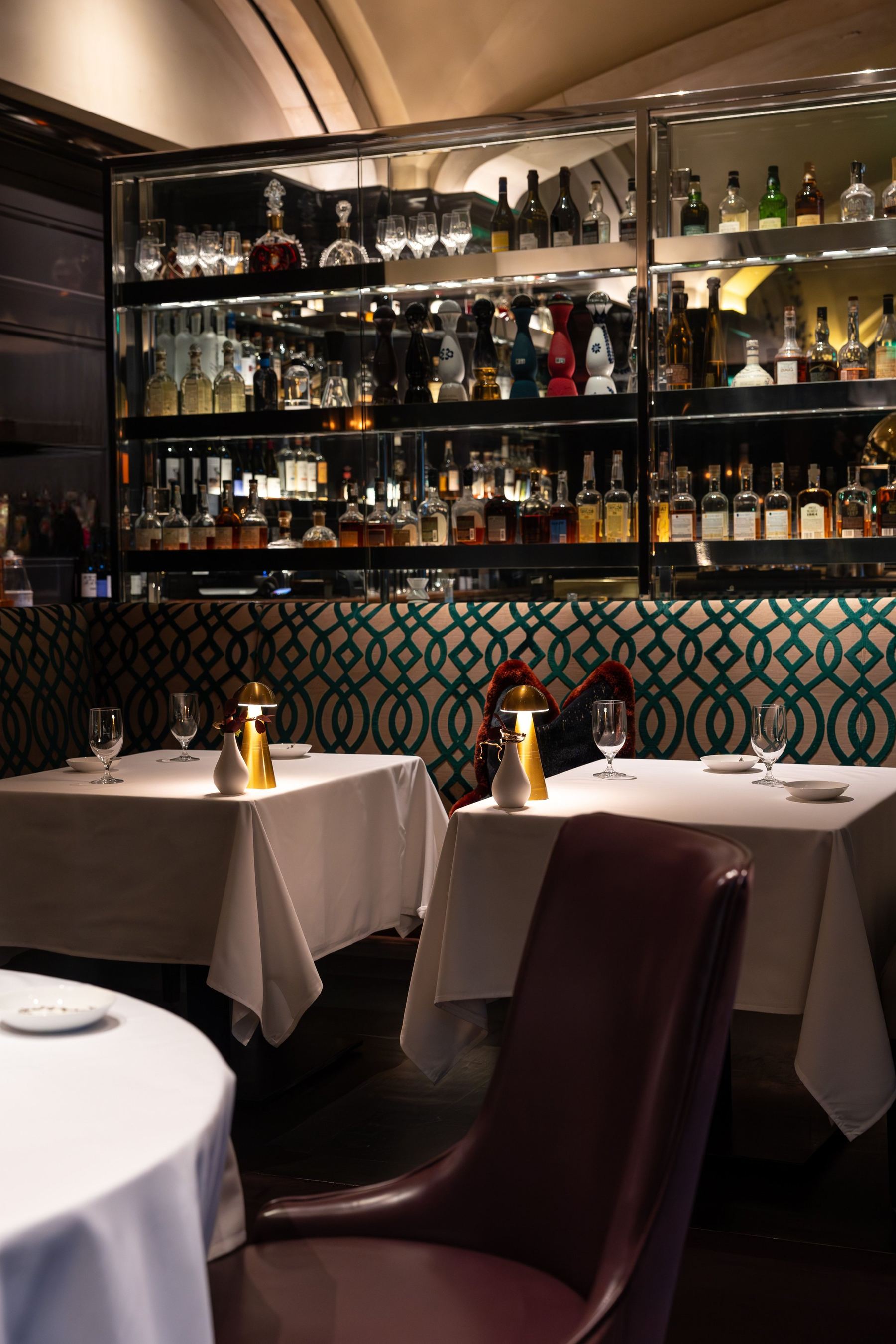
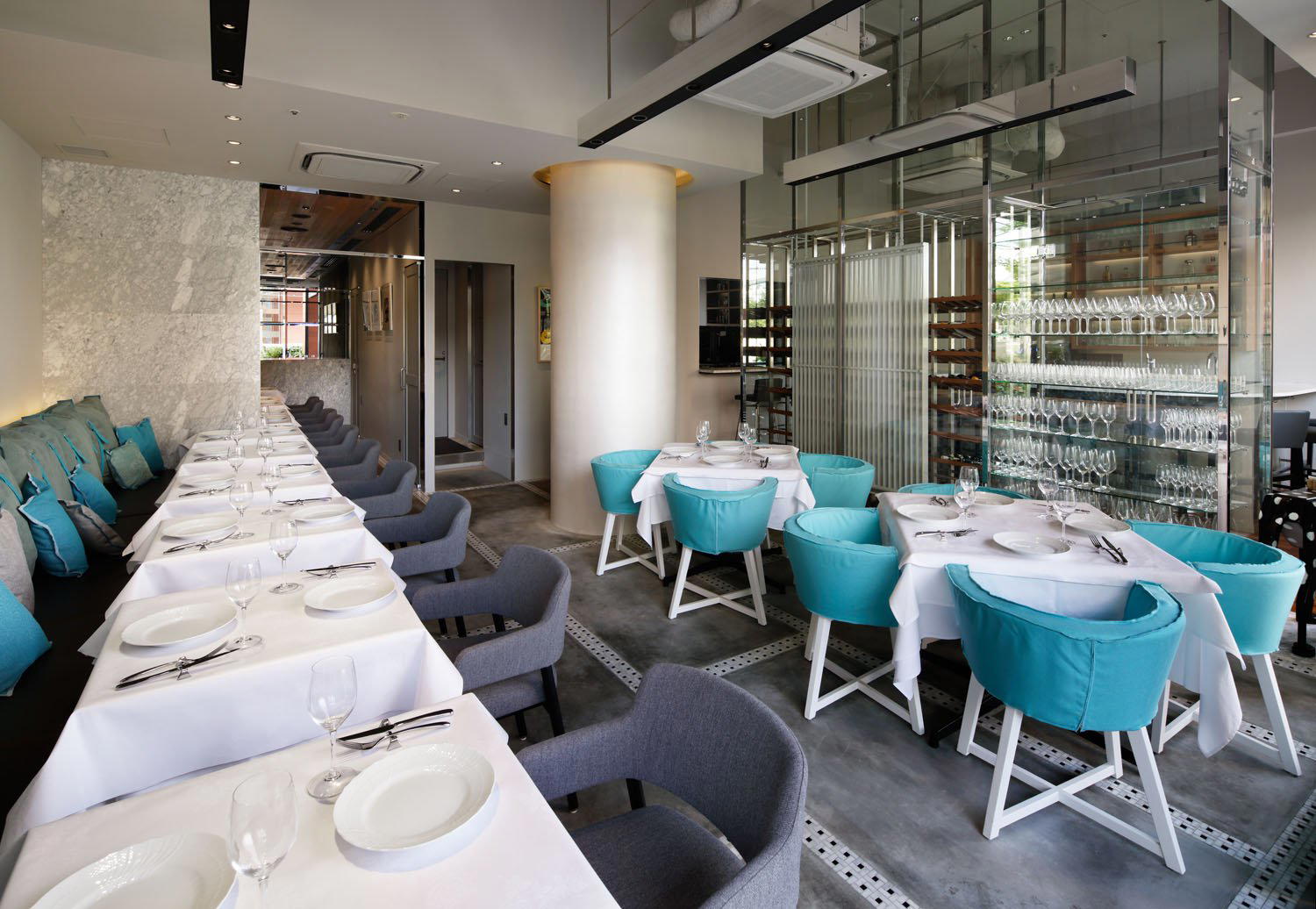
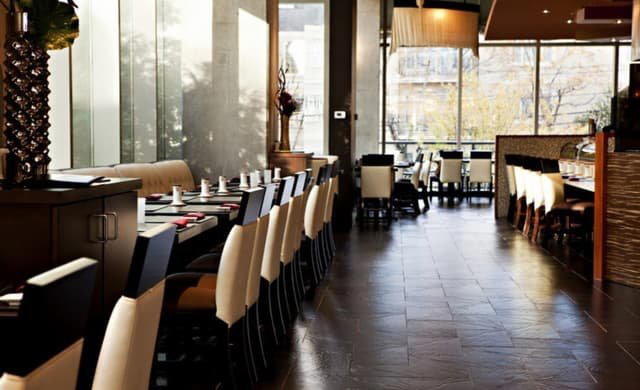
Intimate 12-seat counter with precise lighting, dramatic Japanese ceramics, and an expert sushi chef showcasing techniques behind the counter.