Sufi's Kitchen
On Peachtree Road in Atlanta's Buckhead corridor, Sufi's Kitchen occupies a position in the city's growing conversation around ethical sourcing and environmental consciousness. The restaurant draws attention not through awards or critical fanfare but through a consistent commitment to cooking that takes its supply chain seriously, a posture that sets it apart from the city's more conventionally ambitious fine-dining circuit.
Pearl is the En Primeur Club membership app — saves, bookings, and concierge access live there. Same editors, same standards.
- Address
- 1814 Peachtree Rd NE, Atlanta, GA 30309
- Phone
- +14048889699
- Website
- sufisatlanta.com
- Directions
- Get directions
 Saves & bookings on Pearl
Where Peachtree Road Meets a Quieter Kind of Ambition
Atlanta's dining scene tends to announce itself loudly. The city's most-discussed restaurants, from the long-running New American rigour of Bacchanalia to the architectural precision of Atlas inside the St. Regis, operate at a volume that matches the city's appetite for prestige. Sufi's Kitchen is an Authentic Persian restaurant in Atlanta at 1814 Peachtree Rd NE. The address places it in a transitional stretch of Peachtree between Midtown and Buckhead, a corridor that has quietly absorbed more neighbourhood-scaled restaurants than the development headlines suggest. The physical approach, a low-key street-facing presence without the valet theatre of its fine-dining neighbours, signals immediately that the priorities here run differently.
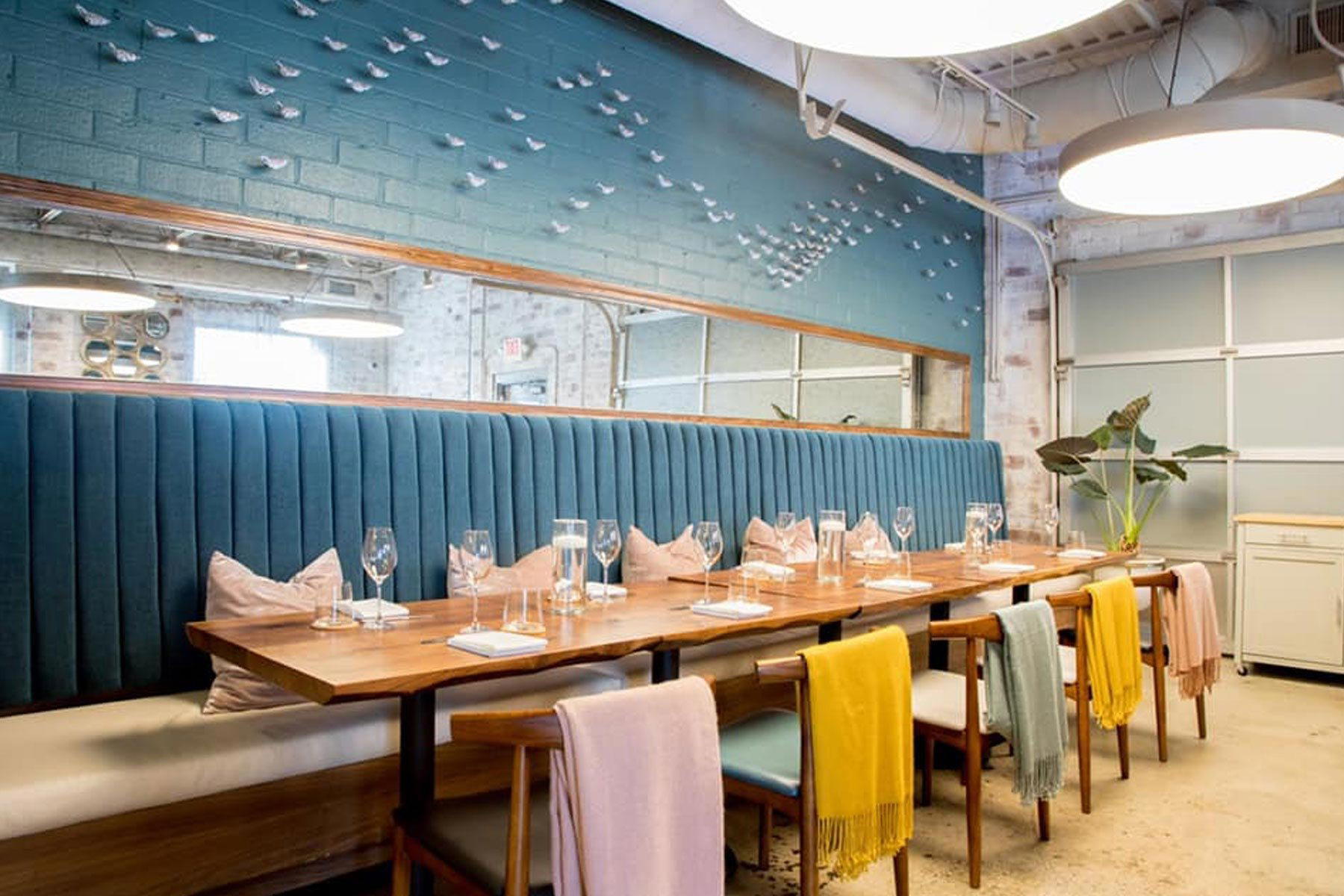
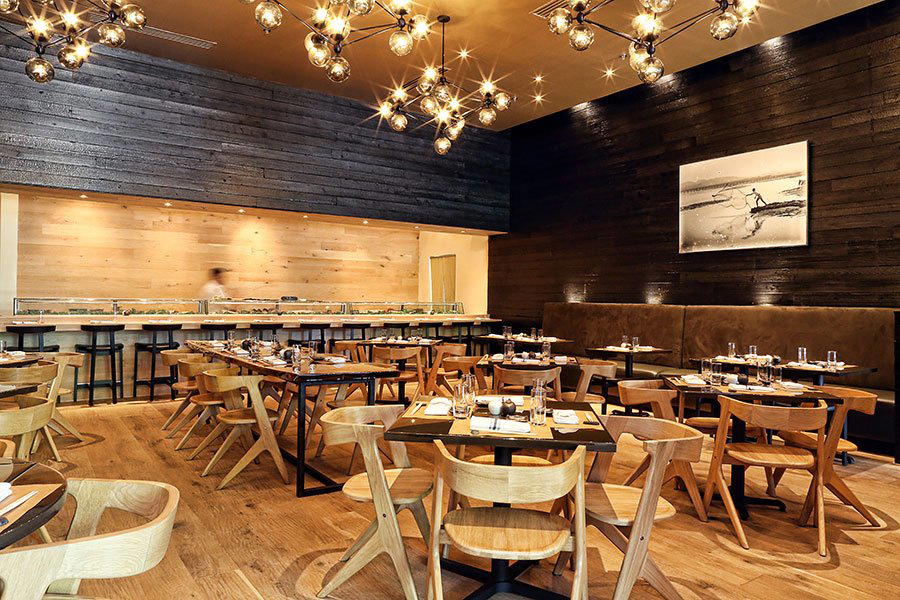
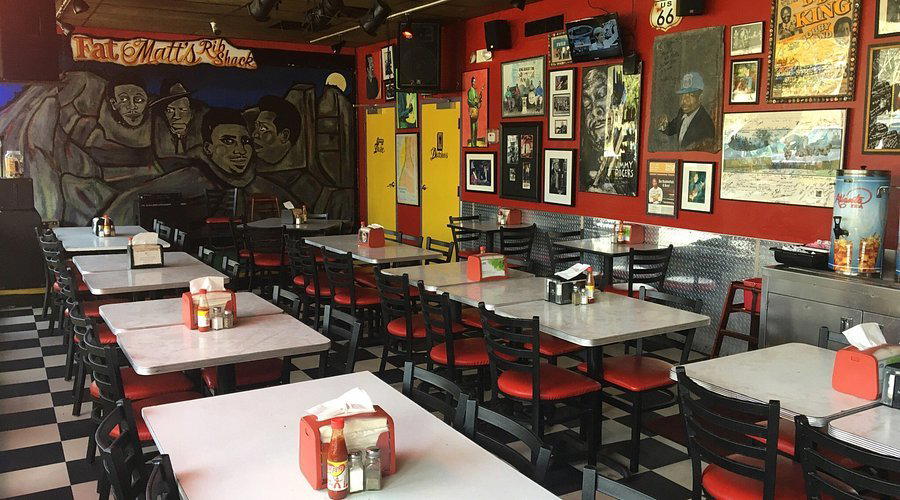
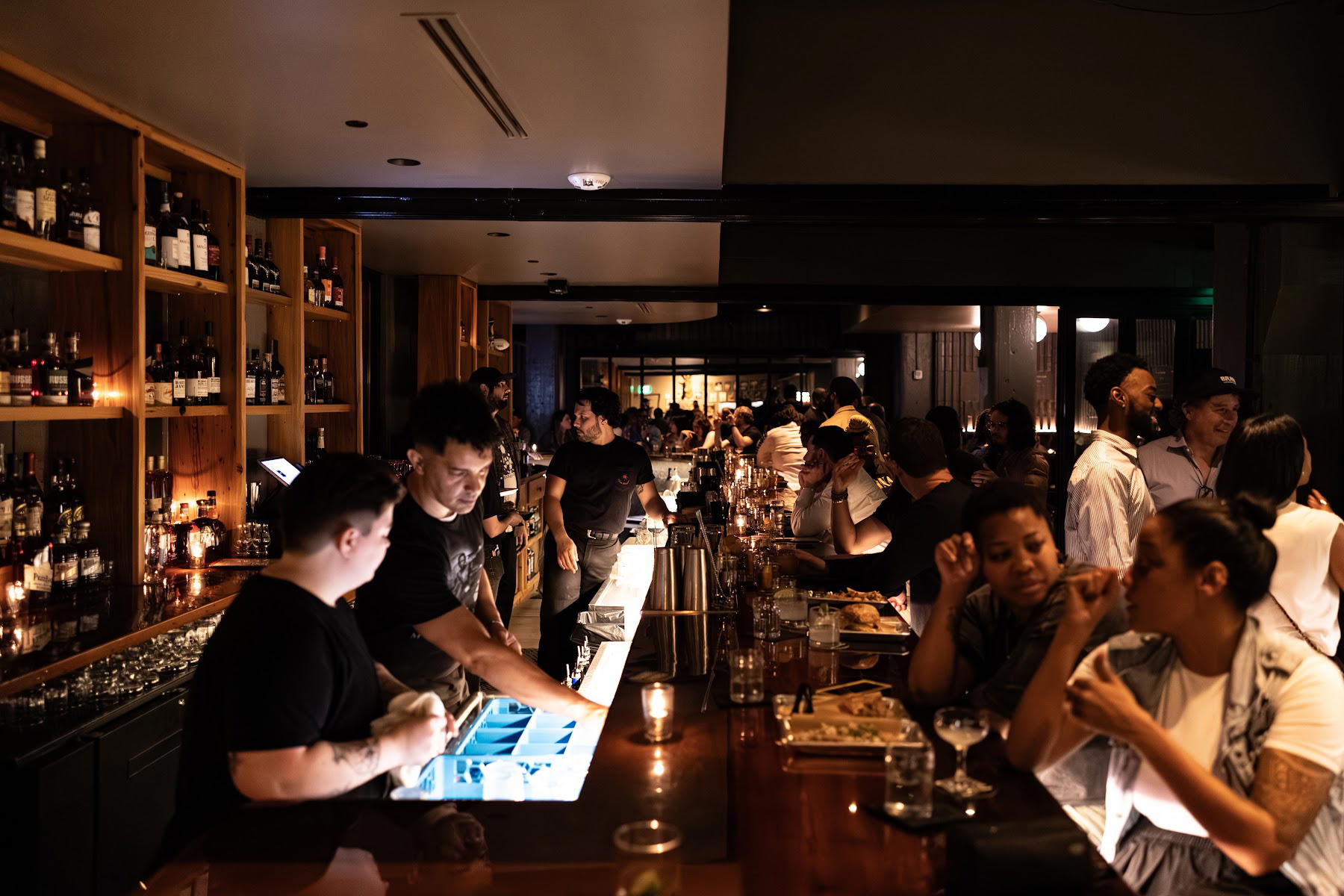
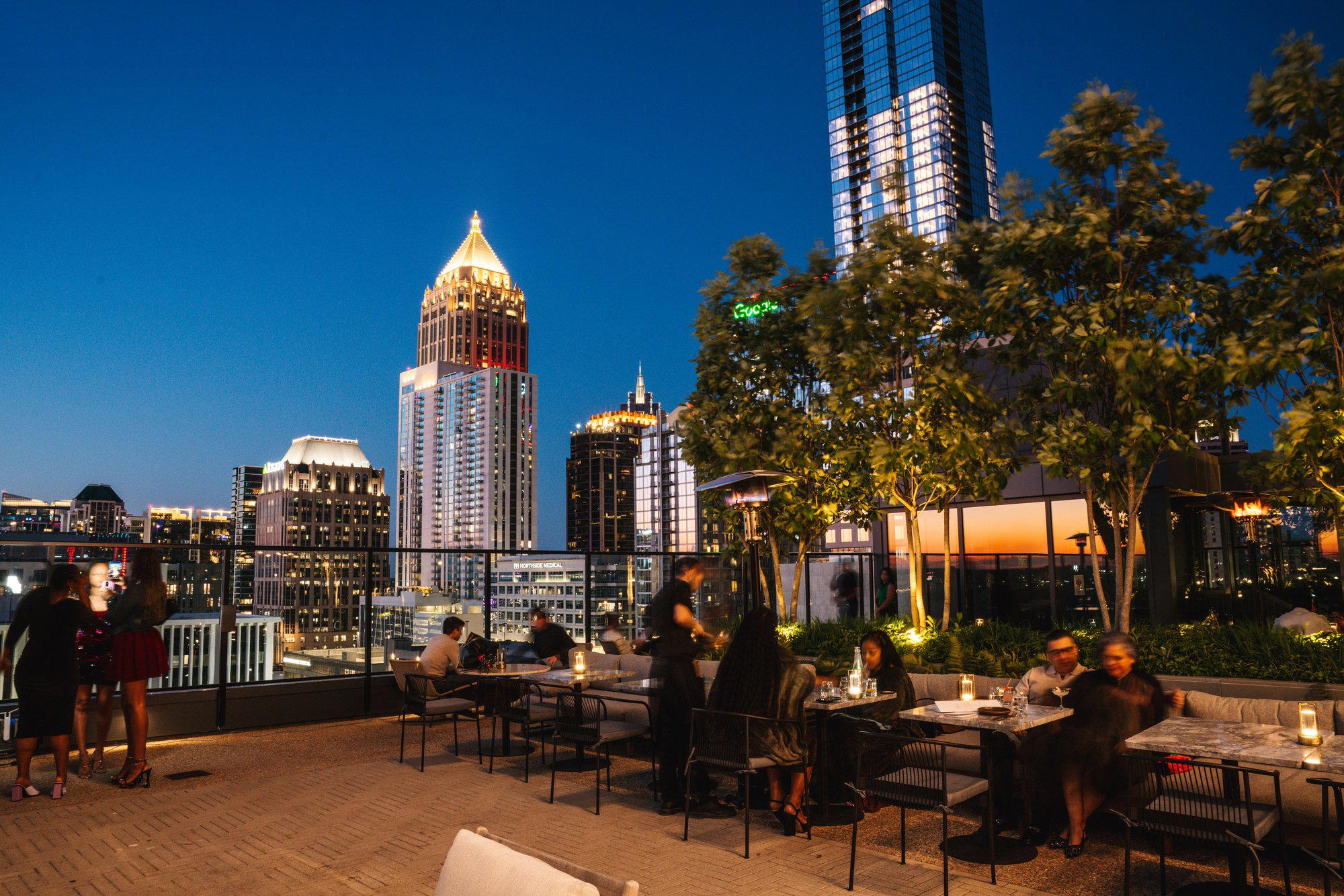
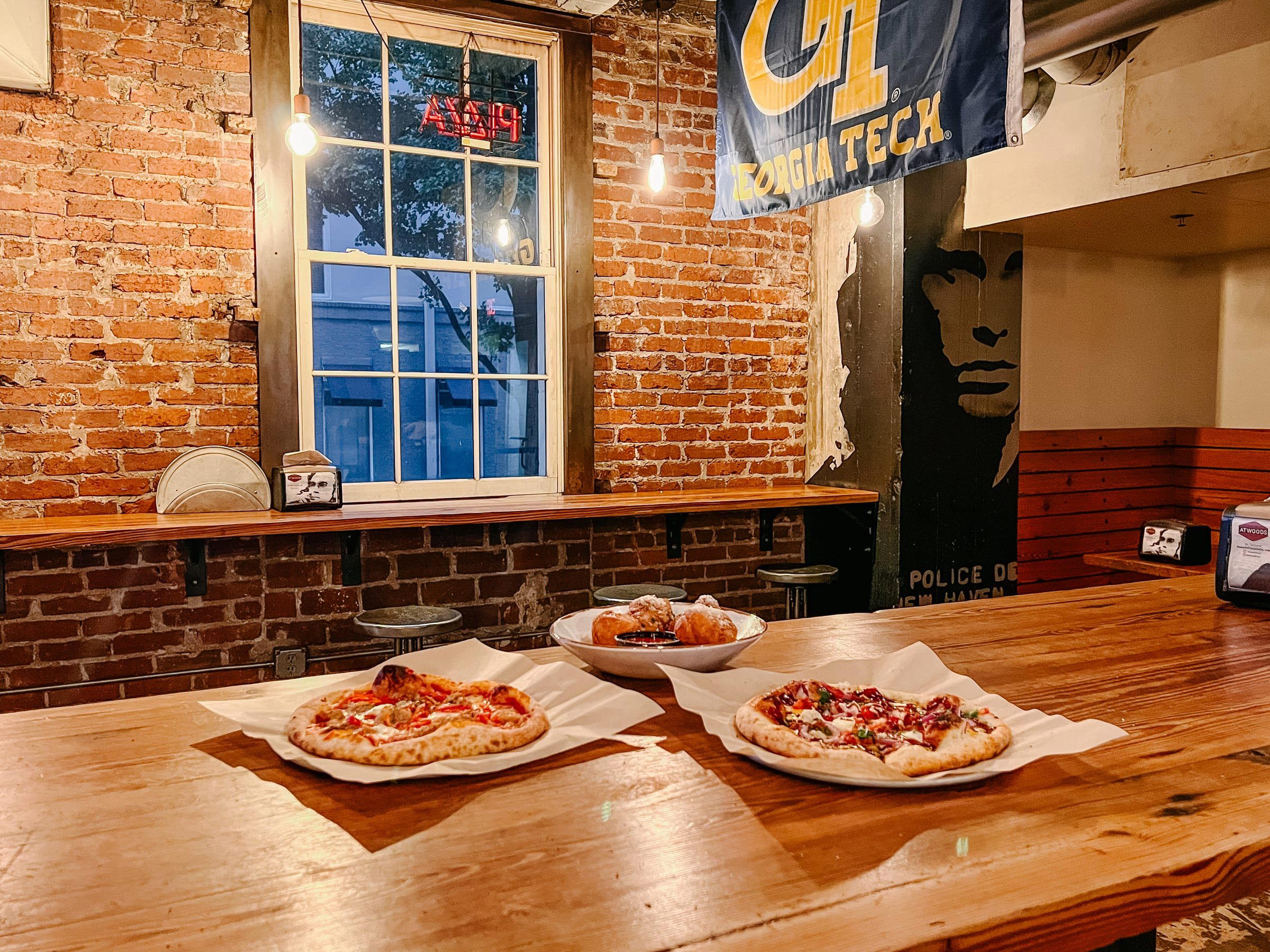
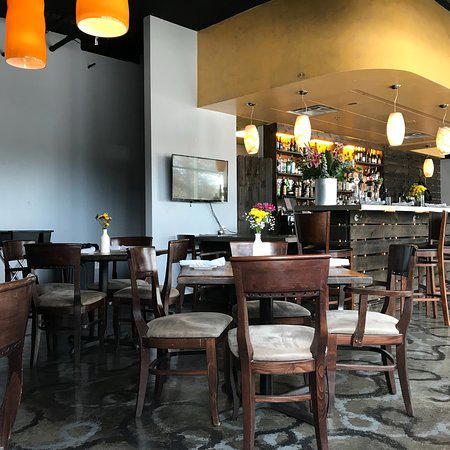
Inside, the atmosphere aligns with that restraint. This is a room that does not perform luxury in the conventional Atlanta register. Where the city's upper-tier rooms tend toward cultivated grandeur, Sufi's Kitchen operates in a register closer to considered informality: a space that communicates intention without asserting status. For a city that has spent the better part of two decades building a fine-dining identity around spectacle and credential, that posture is its own kind of statement.
The Sustainability Frame: How Atlanta's Restaurants Are Rethinking Their Supply Chains
The Middle Eastern culinary tradition the restaurant draws from is, in ways that often go unacknowledged, already structurally sympathetic to low-waste cooking. Grain-forward preparations, legume-based dishes, preserved vegetables, and nose-to-tail use of proteins are not innovations grafted onto a Persian or Levantine kitchen, they are the tradition itself. A restaurant working seriously within that tradition is, almost by definition, working with a lower-waste framework than a comparable Western kitchen trying to retrofit sustainability onto a protein-centred menu.
That context matters when assessing what Sufi's Kitchen represents in Atlanta's dining ecosystem. The city has several restaurants making explicit sustainability claims, Lazy Betty's tasting menu format allows for tight ingredient control, and the broader New American cohort that includes Bacchanalia has long emphasised regional sourcing. But a Middle Eastern kitchen operating with genuine fidelity to its culinary roots occupies a different position: the sustainability is structural rather than supplemental.
Middle Eastern Cooking in the American South: A Useful Friction
The placement of a Middle Eastern restaurant in Atlanta is not incidental context. The American South has its own deeply embedded food culture, and particularly interesting restaurants in cities like Atlanta, New Orleans, and Charleston are often those that negotiate between imported culinary traditions and local ingredient realities. The Georgia agricultural calendar, stone fruits, field peas, sweet onions, heritage pork, does not map neatly onto a Levantine or Persian pantry, and the kitchens that handle that friction thoughtfully tend to produce cooking that neither tradition could generate alone.
Nationally, this kind of culinary negotiation is increasingly where the more compelling work is happening. Compare the farm-integration model at Single Thread Farm in Healdsburg or the hyper-local sourcing architecture at Blue Hill at Stone Barns in Tarrytown with what a restaurant like Sufi's Kitchen must negotiate: a cuisine with specific spice and pantry requirements that do not simply materialise from local farms, alongside an opportunity to source proteins, produce, and dairy from Georgia growers operating at a quality level the state's agricultural reputation increasingly supports.
How a kitchen resolves that tension, whether it compromises the cuisine to chase local sourcing, or compromises the sourcing to protect culinary authenticity, or finds a third path that honours both, is one of the more revealing tests of its actual commitments. The restaurants that pass that test tend to be less talked about nationally than the Michelin-starred rooms at Alinea in Chicago or the precision tasting formats at Atomix in New York City, but they often do more interesting work in their specific context.
Sufi's Kitchen in Atlanta's Competitive Set
Atlanta's fine-dining tier is anchored by a cluster of Michelin-recognised or nationally discussed rooms: the contemporary rigour of Lazy Betty, the Japanese counter precision of Hayakawa and Mujō, and the established New American anchor of Bacchanalia. The restaurant does not compete directly with any of them on format, price signalling, or critical positioning. Its comparable set is smaller and less visible: restaurants where the cuisine's internal logic, rather than an imposed fine-dining framework, drives the decisions.
That positioning has both advantages and limits. The advantage is authenticity of purpose: a kitchen not straining toward a fine-dining register it was not designed for tends to cook with more coherence. The limit is discoverability, restaurants that do not play the awards game or court critics actively tend to build their audience slowly, through word of mouth and the kind of loyalty that follows from consistent, honest cooking rather than a marquee opening.
Know Before You Go
- Address: 1814 Peachtree Rd NE, Atlanta, GA 30309
- Neighbourhood: Peachtree corridor between Midtown and Buckhead
- Cuisine: Middle Eastern
- Booking: Recommended
- Price: About $25 per person
- Hours: Mon to Thu 11 AM to 10 PM; Fri to Sat 11 AM to 11 PM; Sun 11 AM to 10 PM
Reputation Context
Comparable venues nearby, for context on price, style, and recognition.
| Venue | Cuisine | Price | Notes |
|---|---|---|---|
| Sufi's KitchenThis venue — the venue you are viewing | Authentic Persian | $$ | Not listed |
| Spice House Midtown | Caribbean | $$ | Midtown |
| The Colonnade | Southern Comfort Food | $$ | Morningside - Lenox Park |
| Flip Burger Boutique Corporate Office | Gourmet Burgers | $$ | West Midtown |
| NM Cafe | American Cafe | $$ | Buckhead |
| Srithai | Thai & Sushi Fusion | $$ | Atlantic Station |
At a Glance
- Cozy
- Classic
- Family
- Group Dining
- Casual Hangout
Current opening hours
- Monday
- 11 AM–10 PM
- Tuesday
- 11 AM–10 PM
- Wednesday
- 11 AM–10 PM
- Thursday
- 11 AM–10 PM
- Friday
- 11 AM–11 PM
- Saturday
- 11 AM–11 PM
- Sunday
- 11 AM–10 PM
Hours can change for holidays and private events. Last verified .
Generically handsome interior with wood tables, burgundy and brown walls, deep red brocade, creating a warm and hospitable atmosphere.