
Michelin Plate
Our verdict
Wilder Mann holds a Michelin Plate (2025), placing it among the more consistent traditional dining addresses in the Tyrolean villages outside Innsbruck. The kitchen works in the idiom of Austrian regional cuisine, with Lans's alpine proximity shaping what ends up on the plate. At the €€€ price point, it sits below the region's starred fine-dining tier while outperforming most casual mountain restaurants on both ambition and execution.

Pearl is the En Primeur Club membership app, where members save venues, book tables and use the concierge.
Where Lans Eats Seriously
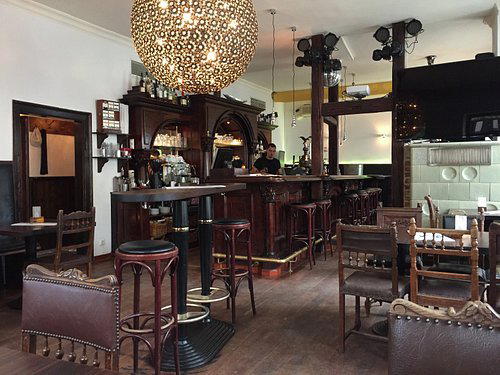
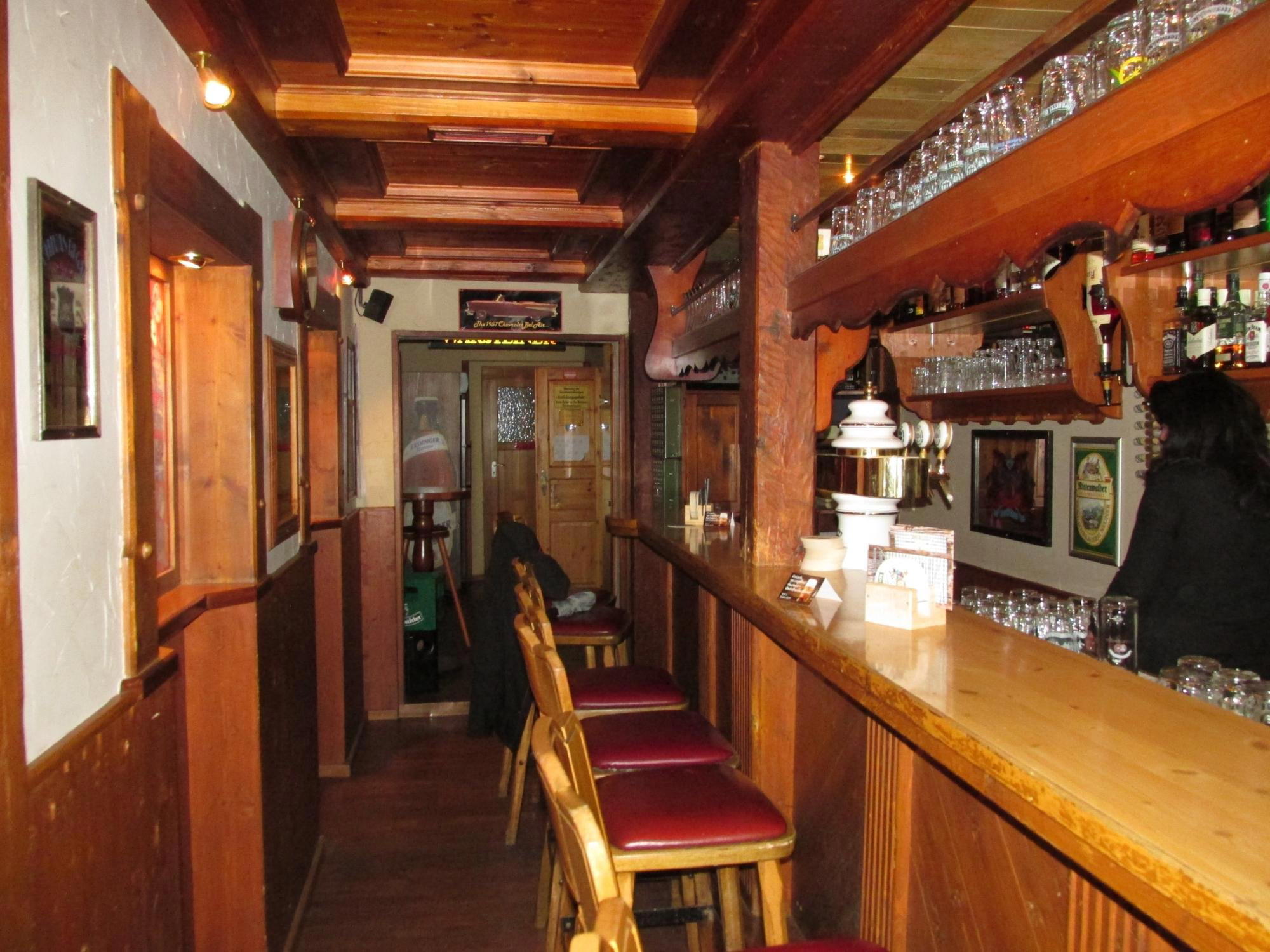
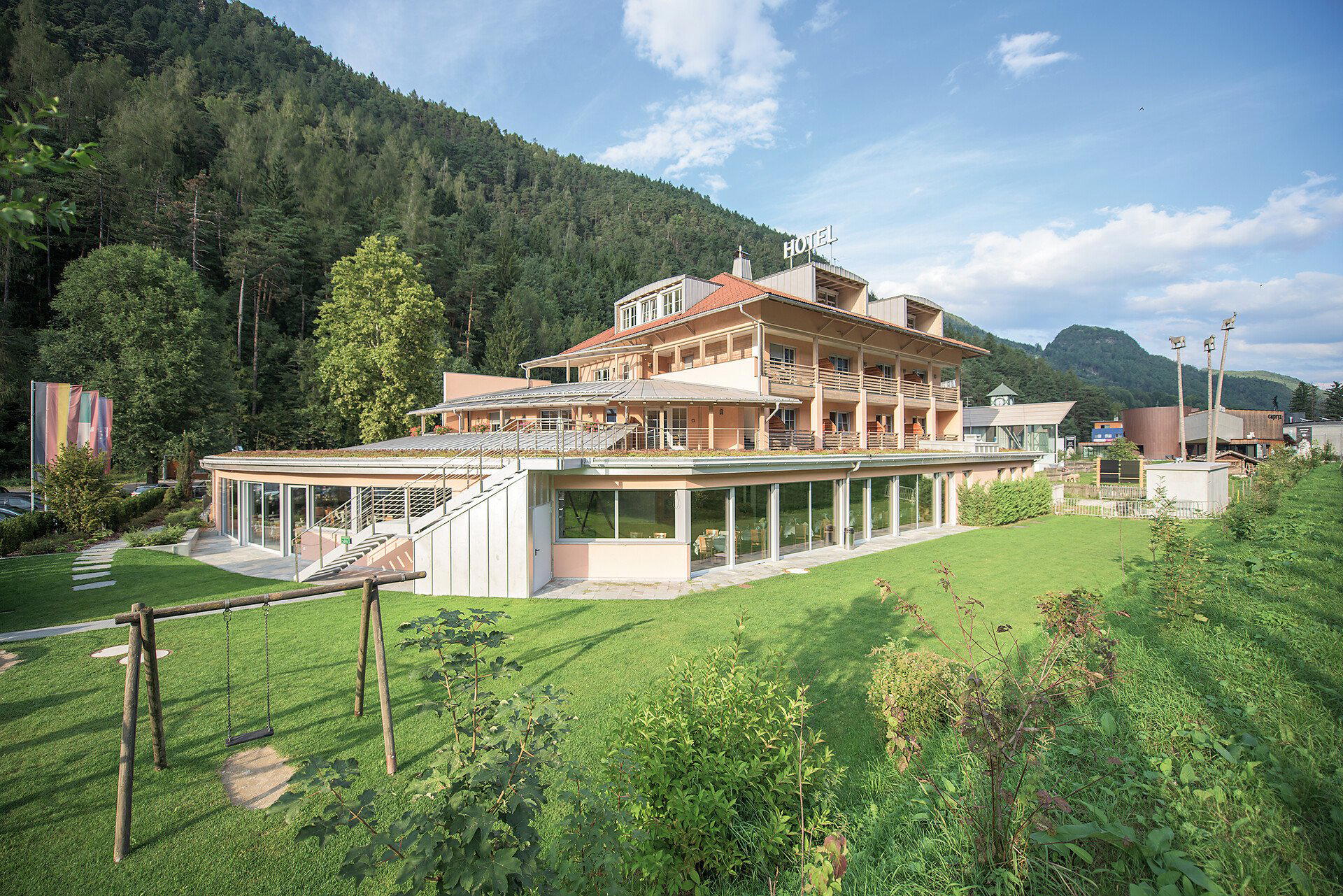
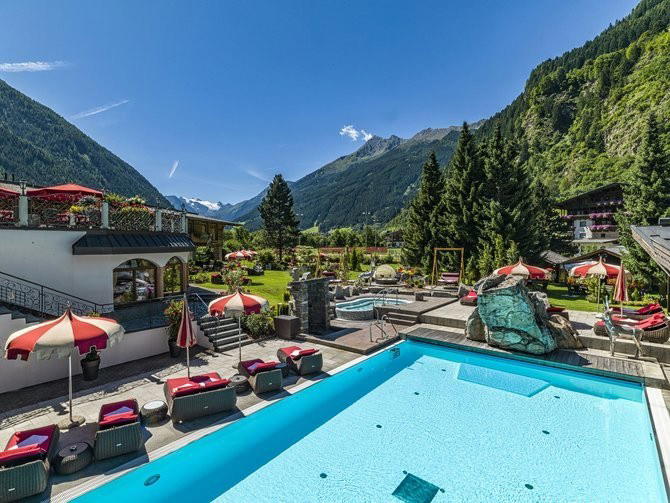
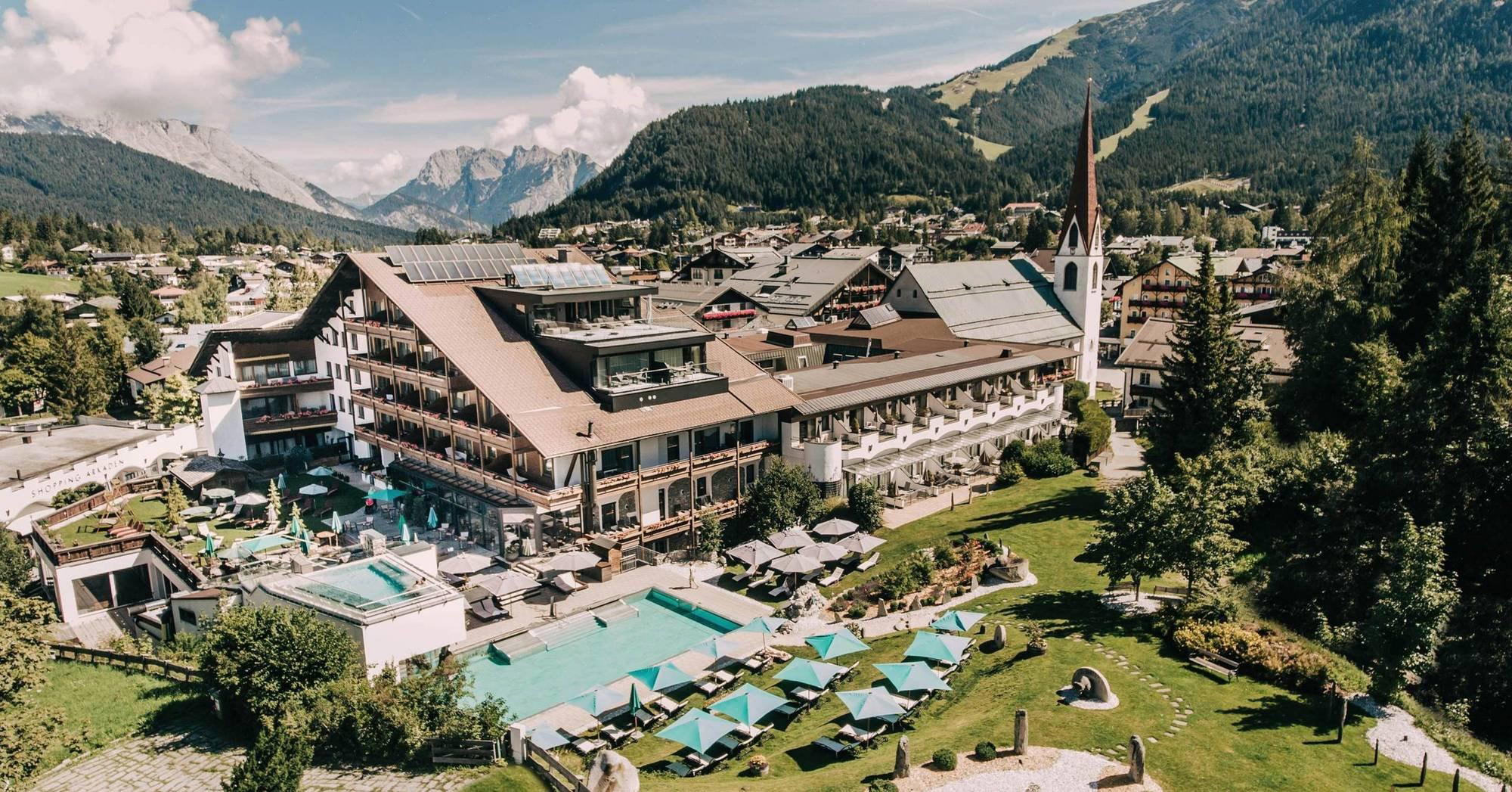
The village of Lans sits a few hundred metres above Innsbruck on the Patscherkofel plateau, close enough to the city to draw day visitors and far enough to retain the unhurried character of a working Tyrolean community. Römerstraße, the address of Wilder Mann, is not a tourist artery. It is the kind of street where the building has probably fed the same families across multiple generations, and the dining room reflects that continuity: a space shaped by use rather than by a design brief. Approaching it, you register the stone and timber grammar common to this altitude, the scale that signals a local institution rather than a resort-facing showroom.
That physical register matters, because it sets accurate expectations. Wilder Mann is not competing with Innsbruck's urban fine-dining rooms or with the destination ski-resort restaurants of western Tyrol. It is operating in a different and, in some respects, more demanding tradition: the serious village restaurant, where the room is unpretentious but the sourcing and technique are not.
Traditional Cuisine in an Alpine Context
Austrian traditional cuisine occupies a specific niche in the broader European regional cooking conversation. Unlike the creative-contemporary direction pursued by houses such as Döllerer in Golling an der Salzach or the overtly modern approaches at Ikarus in Salzburg, traditional Austrian cooking keeps its reference points close to the historical repertoire: broth-based soups, lake and river fish, game from the surrounding forests, dairy from alpine pastures, and the slow-braised cuts that characterise central European winter eating. The discipline is not simplicity for its own sake but fidelity to ingredients that perform leading when the kitchen gets out of their way.
In Tyrol, the sourcing story is embedded in the geography. The plateau villages around Innsbruck have immediate access to upland pasture, managed forest, and the agricultural lowlands of the Inn valley below. What the region produces year-round includes milk with a fat profile shaped by altitude grazing, game from organised hunts in the surrounding Tirolean hunting districts, and root vegetables and brassicas that develop concentrated flavour in the short growing season. A kitchen working in the traditional mode, at this location, is drawing from a supply chain that requires less distance and less compromise than its urban equivalents. That proximity is the editorial argument for taking a place like Wilder Mann seriously, regardless of its village scale.
For broader context on how ingredient-led traditional cooking operates at the highest level in the Austrian alpine corridor, the work at Obauer in Werfen and Kräuterreich by Vitus Winkler in Sankt Veit im Pongau demonstrates what the tradition looks like under Michelin-starred scrutiny. Wilder Mann operates one tier below that in formal recognition terms, but the Michelin Plate awarded in 2025 signals that inspectors consider the kitchen worth the detour.
What the Michelin Plate Means Here
A Michelin Plate is the Guide's marker for a restaurant serving food of good quality: not a starred address, but one that cleared the threshold for inclusion and was judged to be cooking well. In a village of Lans's scale, that designation carries more weight than it would in a dense city dining scene. The inspectors are not working through hundreds of candidates; they are selecting the addresses that justify the entry. The 2025 award places Wilder Mann in the category of Tyrolean restaurants that are cooking at a level above the regional baseline, even if they are not in the same formal tier as Gourmetrestaurant Tannenhof in Sankt Anton am Arlberg or Griggeler Stuba in Lech.
A score of that calibre, across that many data points, is statistically harder to sustain than a high score across fifty reviews. It suggests that the kitchen is performing consistently for a mixed audience of locals, regional visitors, and international travellers, which is a harder brief than performing for a self-selected fine-dining clientele alone.
The Price Point and Who It Suits
At the €€€ tier, Wilder Mann sits below the €€€€ pricing of starred regional comparators like Steirereck im Stadtpark in Vienna or the western Tyrolean destination restaurants, and above the casual Gasthof tier that dominates most Tyrolean village eating. This is the price band where serious cooking meets practical accessibility: a full meal will cost more than a neighbourhood Wirtshaus but will not require the forward planning or the occasion justification of a starred booking.
For travellers based in Innsbruck, the drive up to Lans is short, making Wilder Mann a viable weeknight or Sunday lunch choice rather than a dedicated expedition. The plateau road from Innsbruck to Lans is well-maintained and the journey takes under twenty minutes in normal conditions. The restaurant sits on Römerstraße 12, findable without difficulty once you are in the village.
Traditional cuisine at this price in this setting draws a specific crowd: Austrian families eating Sunday lunch at serious standards, travellers who have done enough research to look beyond the resort restaurant circuit, and Innsbruck residents who know the plateau restaurants and return to reliable ones. It is not a scene for the table-for-two anniversary crowd chasing architectural plating. It is a room for people who want to eat well in a place that has been feeding its community for a long time.
Tyrol's Traditional Dining Context
The village restaurant tradition in Tyrol sits in a different competitive frame from the ski-resort dining circuit. Addresses like Stüva in Ischgl or Schwarzer Adler in Hall in Tirol operate in contexts defined partly by high visitor spend and seasonal peaks. Lans, without a resort infrastructure, sustains its restaurants through local loyalty and the Innsbruck day-trip market. That commercial structure tends to produce more honest cooking: the kitchen cannot rely on a captive audience willing to overlook inconsistency, so the sourcing and execution have to justify repeat visits from people who have other options.
For comparison elsewhere in the traditional cuisine category across Europe, the same sourcing-led, region-anchored approach appears at Auberge Grand'Maison in Mûr-de-Bretagne and Auga in Gijón, both of which demonstrate how traditional cuisine can carry Michelin recognition without reaching for the creative-contemporary idiom. Wilder Mann sits in that same current.
For anyone planning time in the Innsbruck area, a review of our full Lans restaurants guide will show where Wilder Mann fits against the other dining options in the village. If your trip extends further, our Lans hotels guide, bars guide, wineries guide, and experiences guide cover the rest of the plateau's offer. For Tyrolean and wider Austrian traditional dining in the same vein, Ois in Neufelden and Restaurant 141 by Joachim Jaud in Mieming offer useful reference points across the region.
Frequently asked questions
Would Wilder Mann be comfortable with kids?
The €€€ price point and Michelin Plate standing place Wilder Mann above a casual Gasthof, so expect a room that takes its food seriously. That said, a traditional Austrian village restaurant in Lans is not structured around the kind of formal theatre found at starred city addresses. Families who are comfortable at a grown-up dinner pace should find it manageable; those with young children who need speed and flexibility may find the setting a stretch.
What's the overall feel of Wilder Mann?
Wilder Mann sits on Römerstraße in Lans, a village a few hundred metres above Innsbruck, and the setting reflects that: a traditional Austrian room rather than a resort dining room or a city design statement. The 2025 Michelin Plate signals food that cleared the Guide's quality threshold, so this is a place people come to eat rather than to be seen. The tone is grounded in the village rather than pitched at the Innsbruck tourist circuit.
Does Wilder Mann have a Michelin star or similar recognition?
Wilder Mann has received recognition including: Michelin Plate (2025).
What's the best thing to order at Wilder Mann?
The Michelin Plate recognition at Wilder Mann is grounded in traditional Austrian cuisine, so the regional dishes are where the kitchen earns its credibility. Order from that end of the menu rather than any contemporary or international sections. In Tyrol, that means the classic repertoire of the region, and at the €€€ tier you should expect produce and preparation that justify the step up from a standard Gasthof.
Is Wilder Mann expensive?
Pricing at Wilder Mann is listed as €€€.
How It Stacks Up
Comparable venues nearby, for context on price, style, and recognition.
| Venue | Cuisine | Price | Awards | Notes |
|---|---|---|---|---|
| Wilder MannThis venue (the venue you are viewing) | Austrian / Tyrolean Cuisine | Not listed | Michelin Plate | Not listed |
| lichtblick | Contemporary International with Regional Influences | $50–100 | Michelin Plate | Innenstadt |
| Gasthof Rössle | Traditional Austrian Gastropub | Not listed | Michelin Plate | Innerbraz |
| Taxenbacherhof | Modern Austrian Alpine Cuisine | $50–100 | Michelin Plate | Taxenbach, Pinzgau |
| Zum Tischlerwirt | Modern Tyrolean Austrian | $50–100 | Michelin Plate | Reith bei Kitzbühel |
| Pfeffermühle | Modern Austrian Alpine Fine Dining | Not listed | Michelin Plate | Lech am Arlberg |
Recognition history
Dated appearances from independent guides and award organizations, with the underlying list record or original source where available.
Michelin Plate
Michelin
Full recognition history (2 entries)
Michelin Plate
Michelin
Continue exploring
More in Lans
Restaurants in Lans
All restaurants in Lans →
Bars in Lans
Browse all →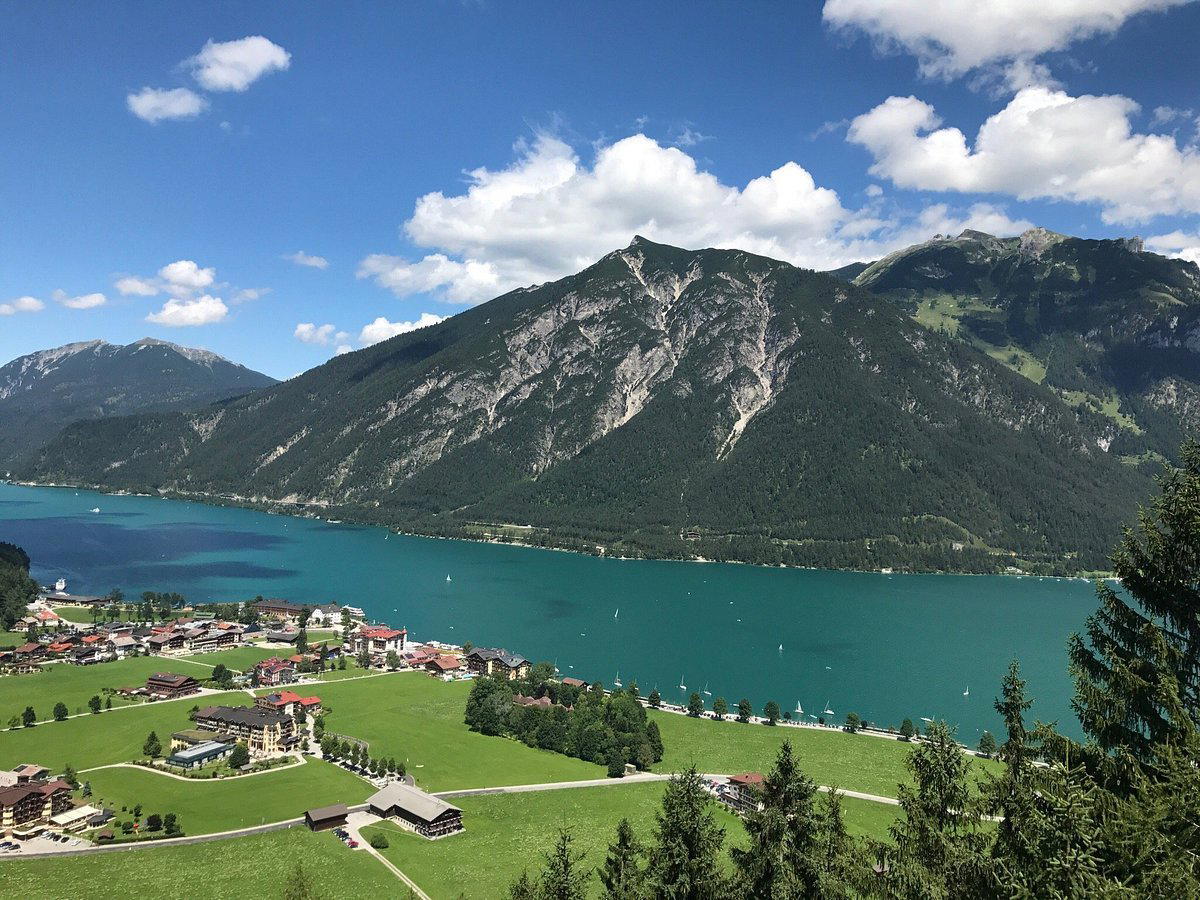

Details
- Rustic
- Classic
- Cozy
- Sophisticated
- Historic
- Date Night
- Business Dinner
- Group Dining
- Celebration
- Private Event
- Terrace
- Historic Building
- Standalone
- Local Sourcing
- Mountain
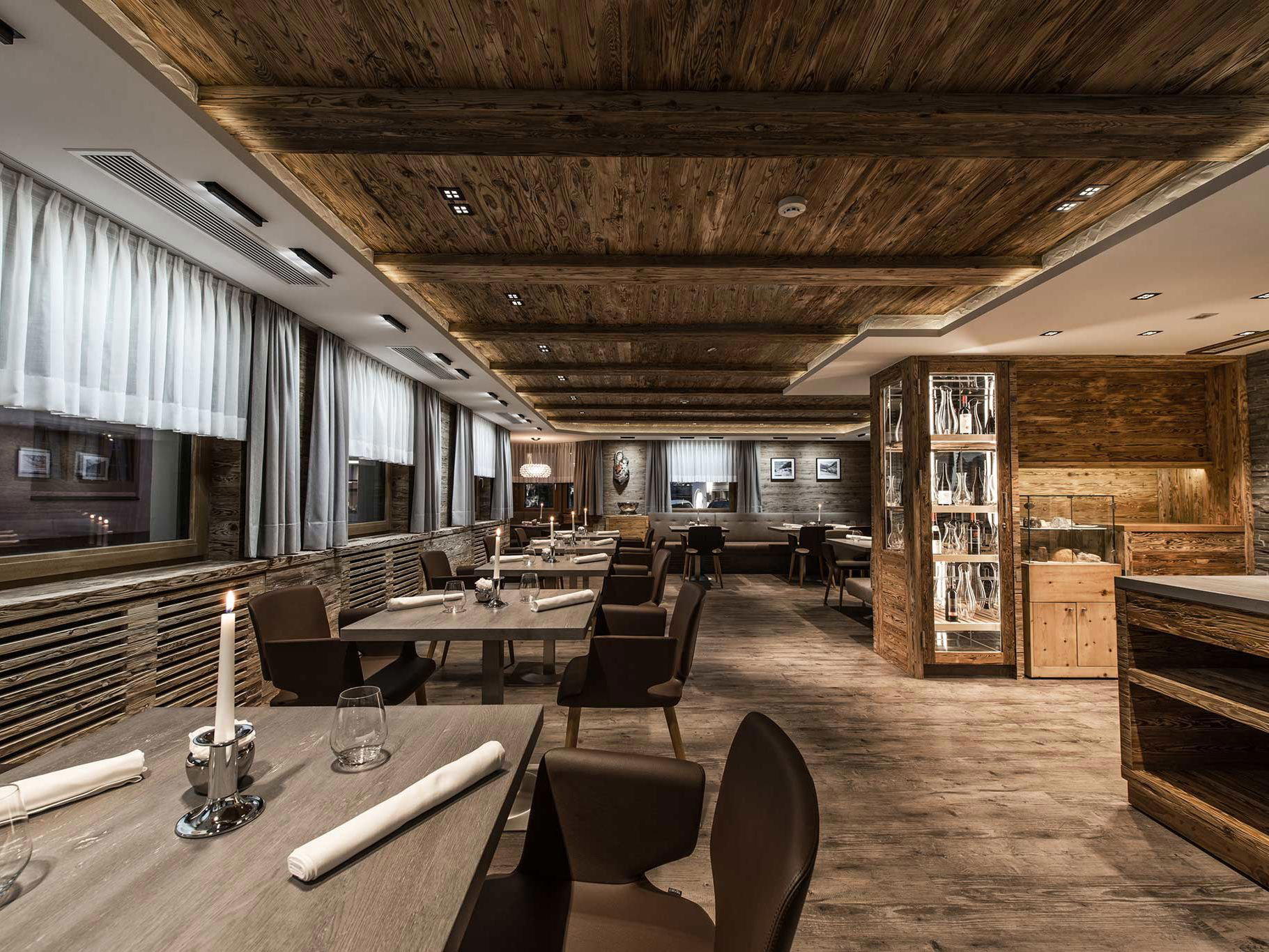
Warm, traditional and quietly refined, with historic dining rooms and a welcoming country-inn atmosphere.