Weingut Hütter
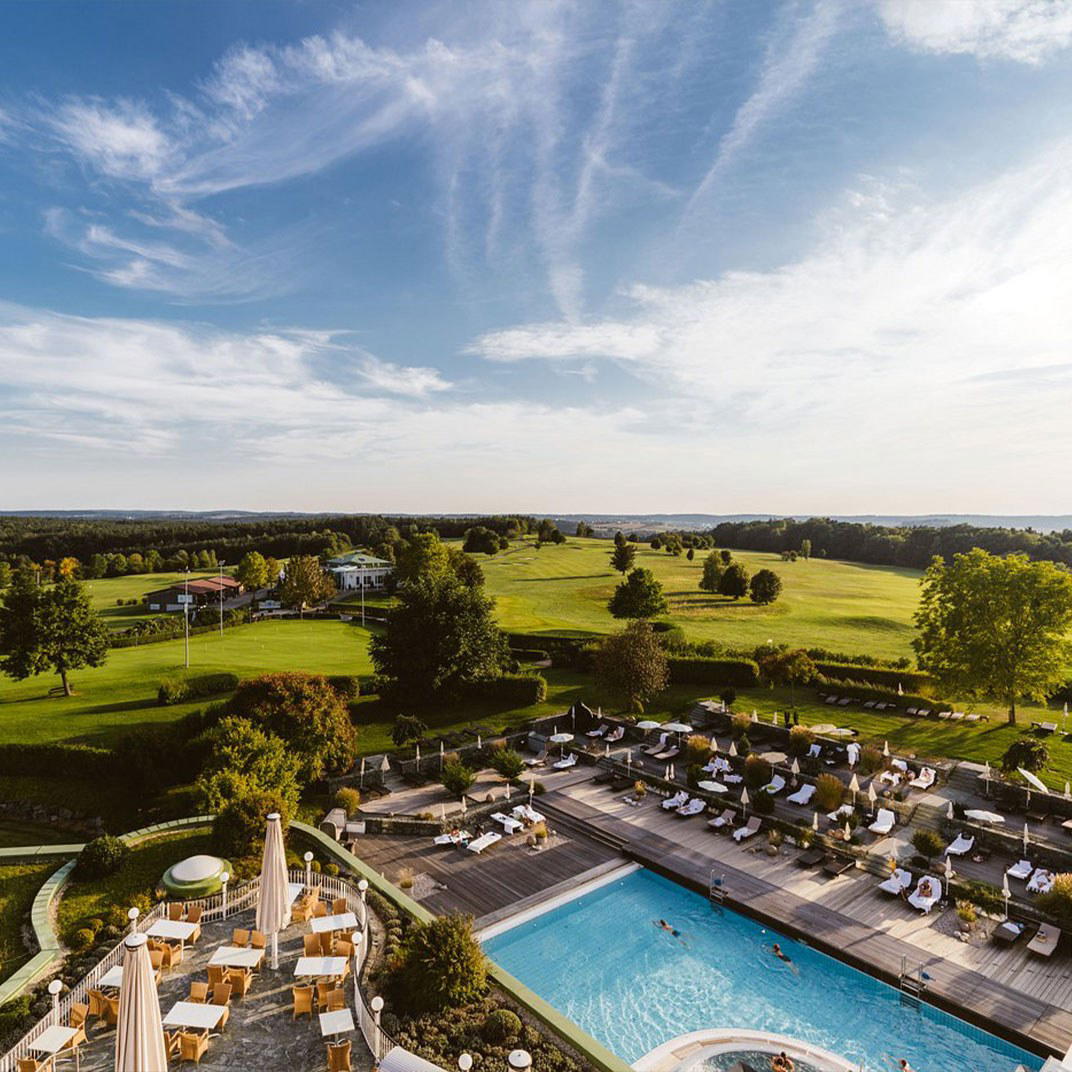
Weingut Hütter operates in the southern Styrian wine corridor of Sankt Anna am Aigen, one of Austria's most geographically specific Sauvignon Blanc-producing zones. Set among vine-covered slopes close to the Slovenian border, the estate reflects a regional tradition of small-parcel viticulture and direct producer engagement. Visitors to this quietly agricultural commune come for access to wines shaped by specific terrain rather than scaled for broad distribution.
 Discover on Pearl
Pearl is the En Primeur Club membership app — saves, bookings, and concierge access live there. Same editors, same standards.
- Address
- Waltra 27, 8354 St. Anna am Aigen, Austria
- Phone
- +4331582262
- Website
- huetter.co
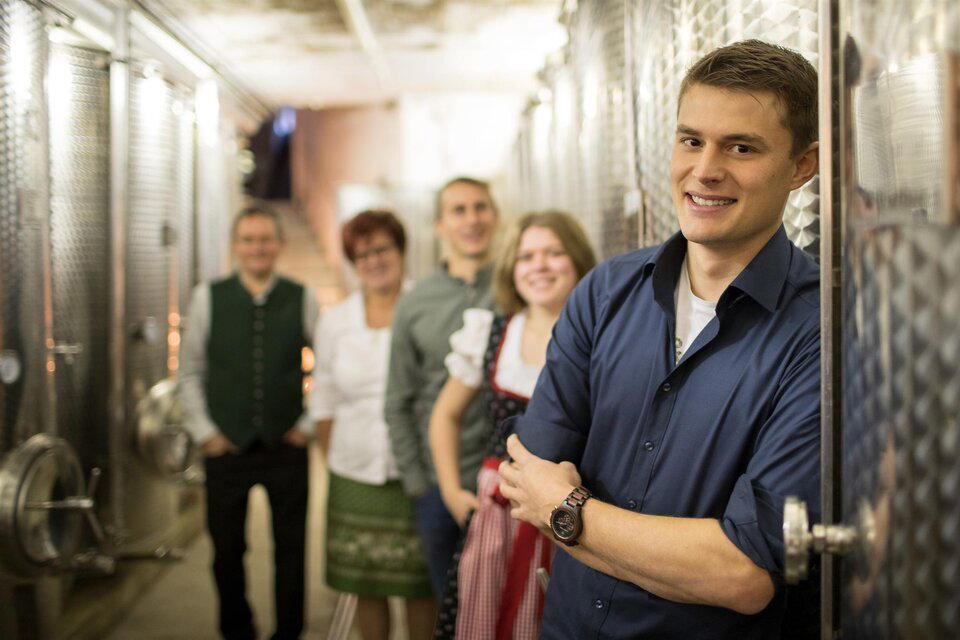
Where Southern Styria Meets the Vine
The road into Sankt Anna am Aigen moves through a sequence of vine-covered slopes that define the southern Styrian wine corridor, one of Austria's most geographically coherent growing regions. At this latitude, just north of the Slovenian border, the Sauvignon Blanc grape has found conditions that Austrian winemakers have argued, with some persuasion, rival its French benchmarks. The hills here are not decorative backdrop; they are the working environment, and producers in this area draw a direct line between the specific gradients, soil composition, and diurnal temperature shifts of individual parcels and what ends up in the glass. Weingut Hütter, located at Waltra 27 in Sankt Anna am Aigen, sits inside that argument. It is a winery operating in a region where origin traceability is a structural commitment shared across the area.
For those approaching from Graz, the drive southeast takes roughly forty-five minutes through increasingly rural terrain. The sense of remove is real: this is agricultural Styria, where the language of sourcing is embedded in how producers talk about their work, which vineyards they name first, which parcels they consider distinct enough to bottle separately. That regional culture of specificity gives context to what Weingut Hütter does and where it positions itself,
Southern Styrian Wine Country: The Regional Frame
Southern Styria's wine identity has been shaped by a generation of producers who chose varietal clarity over volume. Sauvignon Blanc here carries more textural weight than Loire expressions and typically more restraint than Marlborough; the regional style lands somewhere that rewards comparison rather than simple category assignment. Grüner Veltliner and Welschriesling also appear across the corridor, but it is Sauvignon that has driven international interest, pulling sommeliers and importers into these hills with growing frequency over the past decade.
The region's producers tend to work small parcels and resist easy scaling. That structural decision, which reflects the terrain as much as any philosophy, keeps production volumes modest and distribution selective. Visitors who engage with producers directly, on-site at the winery, often access wines that do not circulate widely in export markets. That dynamic applies broadly across southern Styria and makes winery visits in this corridor function differently from large appellation tastings elsewhere in Europe. The experience is less theatrical and more agricultural, which is precisely what draws the particular kind of wine traveller this region attracts.
Austria's broader fine dining scene offers useful orientation for understanding how regional producers like those in southern Styria connect to the country's wider food and wine culture. Steirereck im Stadtpark in Vienna represents the country's most visible expression of Austrian regional produce translated into high-level cooking. Further afield, Döllerer in Golling an der Salzach works a similar sourcing logic in the Salzburg Alps. Both demonstrate how seriously Austrian gastronomy takes the line from field and vine to plate and glass.
The Styrian Wine Estate as a Format
The Weingut model in Styria, as opposed to the larger cellar-door operations of Burgenland or the Wachau, tends toward family scale and direct engagement. Producers at this level typically oversee the full cycle from vine management through bottling, which keeps the connection between growing decisions and final wine unusually short. When a vintage presents challenges, whether through late spring frost or irregular summer rainfall, those decisions show in the wine rather than being corrected at a blending stage. That transparency is a feature rather than a liability for the producers who operate this way, and it is what makes the wines traceable in a meaningful sense.
Visitors to wineries in this part of Styria generally find that appointments function better than walk-ins, particularly for smaller estates where the person pouring the wine and the person who made it are often the same. Planning ahead, ideally with some lead time during the harvest period in September and October, tends to produce more substantive visits than arriving without notice. For comparison, Austrian wineries operating at a regional prestige level often share infrastructure and distribution channels with the country's better-known restaurant wine lists; Landhaus Bacher in Mautern an der Donau is one such example where the wine list draws explicitly from small Styrian estates alongside Wachau Grüner.
How Sourcing Logic Works in This Region
The editorial angle that matters most in southern Styria is not the winery's output in isolation but what that output says about the territory. Parcels in Sankt Anna am Aigen and the surrounding communes carry distinct characteristics: chalk and clay substrates in different proportions, aspect angles that determine how afternoon sun hits the canopy, elevation that modulates ripening speed. Producers who have worked the same parcels across multiple decades develop a granular reading of those variables that does not translate easily into written descriptions but does translate into bottle-to-bottle consistency within a house style.
That knowledge base is regional common property to a degree: producers here talk to each other, share observations about seasonal variation, and calibrate their decisions partly against what neighbours are seeing in comparable parcels. The result is a wine corridor where individual estates are distinct but not isolated, and where quality markers tend to cluster rather than being distributed randomly across the map. International visitors who know, for comparison, the precision-sourcing conversations happening at places like Ikarus in Salzburg or the herb-focused sourcing at Kräuterreich by Vitus Winkler in Sankt Veit im Pongau will recognise the same underlying logic applied to viticulture rather than the kitchen garden.
Other Austrian destinations worth cross-referencing include Obauer in Werfen, Taubenkobel in Schützen am Gebirge, and Artis in Graz, all of which demonstrate how seriously regional identity is taken across the country's hospitality and wine sectors. For context outside Austria, the sourcing rigour visible in southern Styria finds loose parallels in what Le Bernardin in New York City applies to seafood provenance and what Atomix in New York City applies to Korean ingredient traceability, though the scales and cultural registers differ substantially.
Additional Austrian references for visitors building a broader itinerary: Gourmetrestaurant Tannenhof in Sankt Anton am Arlberg, Griggeler Stuba in Lech, Ois in Neufelden, Restaurant 141 by Joachim Jaud in Mieming, Schwarzer Adler in Hall in Tirol, Stüva in Ischgl, and Atelier Fischer in Sankt Gilgen.
Planning a Visit to Weingut Hütter
Weingut Hütter is located at Waltra 27, 8354 St. Anna am Aigen, Austria. As with most family-scale Styrian estates, contacting the winery in advance before visiting is advisable; advance contact before visiting is advisable.
Quick Comparison
Comparable venues nearby, for context on price, style, and recognition.
| Venue | Cuisine | Price | Awards | Notes |
|---|---|---|---|---|
| Weingut HütterThis venue — the venue you are viewing | Austrian Regional Cuisine | $$$ | , | |
| Hotel Restaurant Bistro Raffel | Austrian-Pannonian Regional | $$$ | , | Hauptplatz |
| GenussReich | Austrian Steakhouse | $$$ | , | Bad Blumau |
| DER WEBER | Regional Austrian Natural Cuisine | $$$ | , | Bad Schönau |
| Joseph II. Schloss-Restaurant Schönbrunn | Authentic Viennese | $$$ | , | Schonbrunn |
| G'Schlössl Murtal | Regional Styrian Austrian | $$$ | , | Lobmingtal |
Continue exploring
More in Sankt Anna Am Aigen
Restaurants in Sankt Anna Am Aigen
Browse all →
Bars in Sankt Anna Am Aigen
Browse all →
Hotels in Sankt Anna Am Aigen
Browse all →

At a Glance
- Rustic
- Scenic
- Romantic
- Cozy
- Date Night
- Group Dining
- Special Occasion
- Garden
- Standalone
- Extensive Wine List
- Local Sourcing
- Farm To Table
- Vineyard
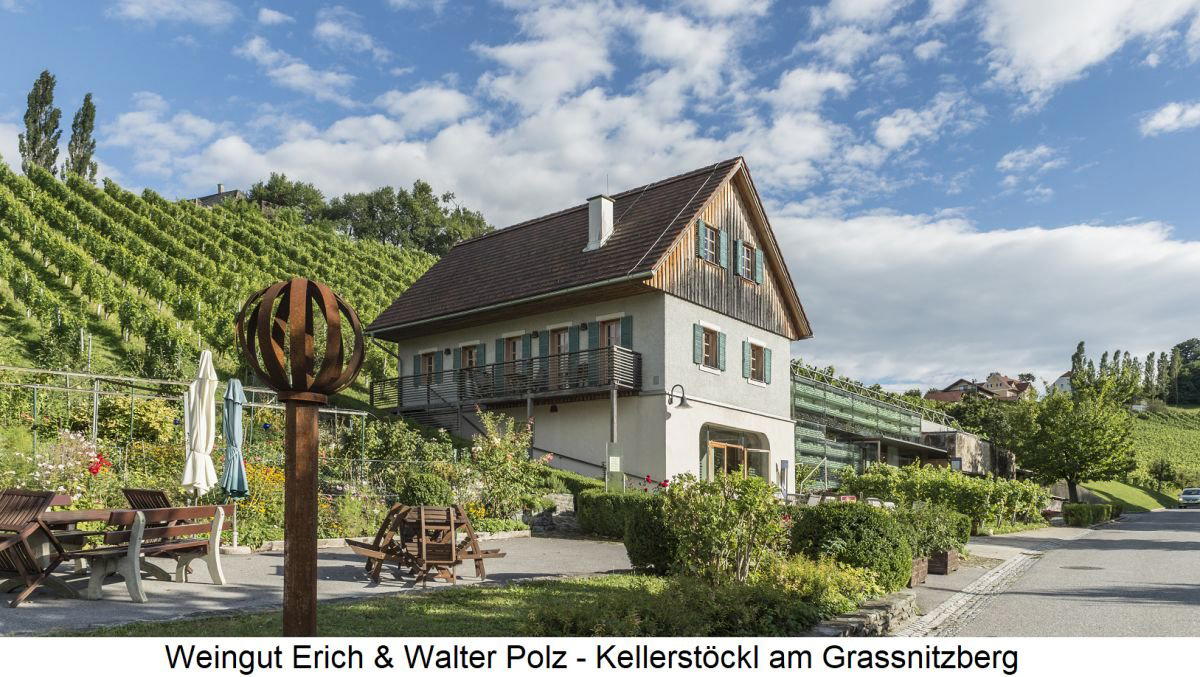
Classic Austrian wine tavern atmosphere with vineyard views, warm hospitality, and traditional regional charm.