Zeltinger Hof

Star Wine List
Our verdict
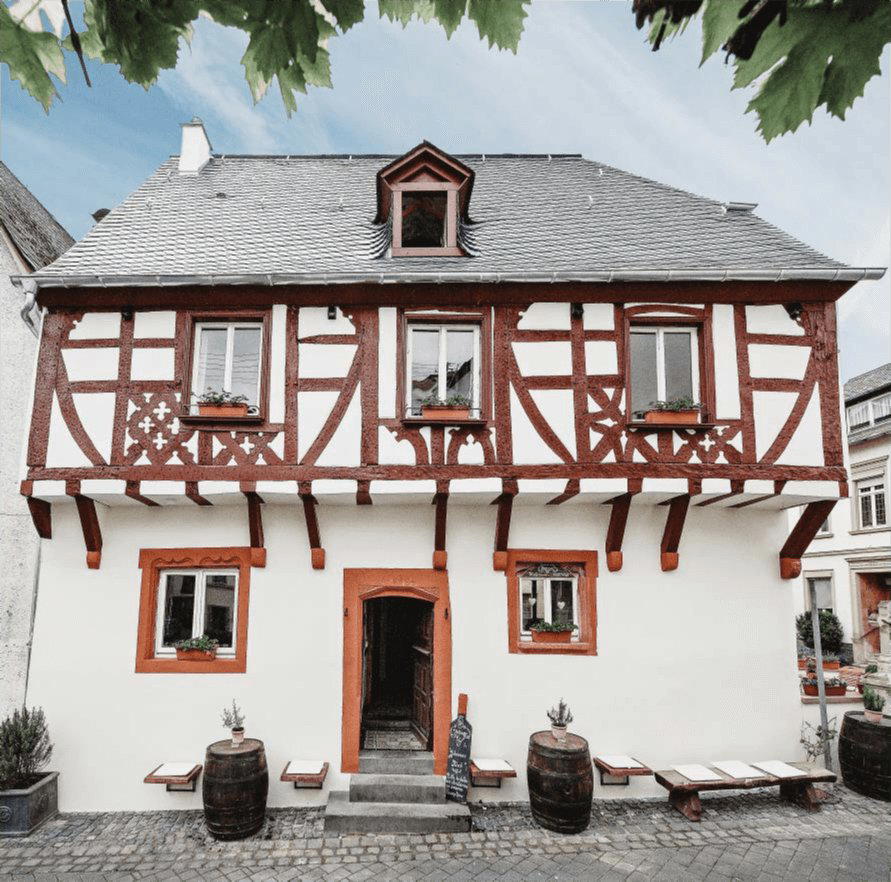
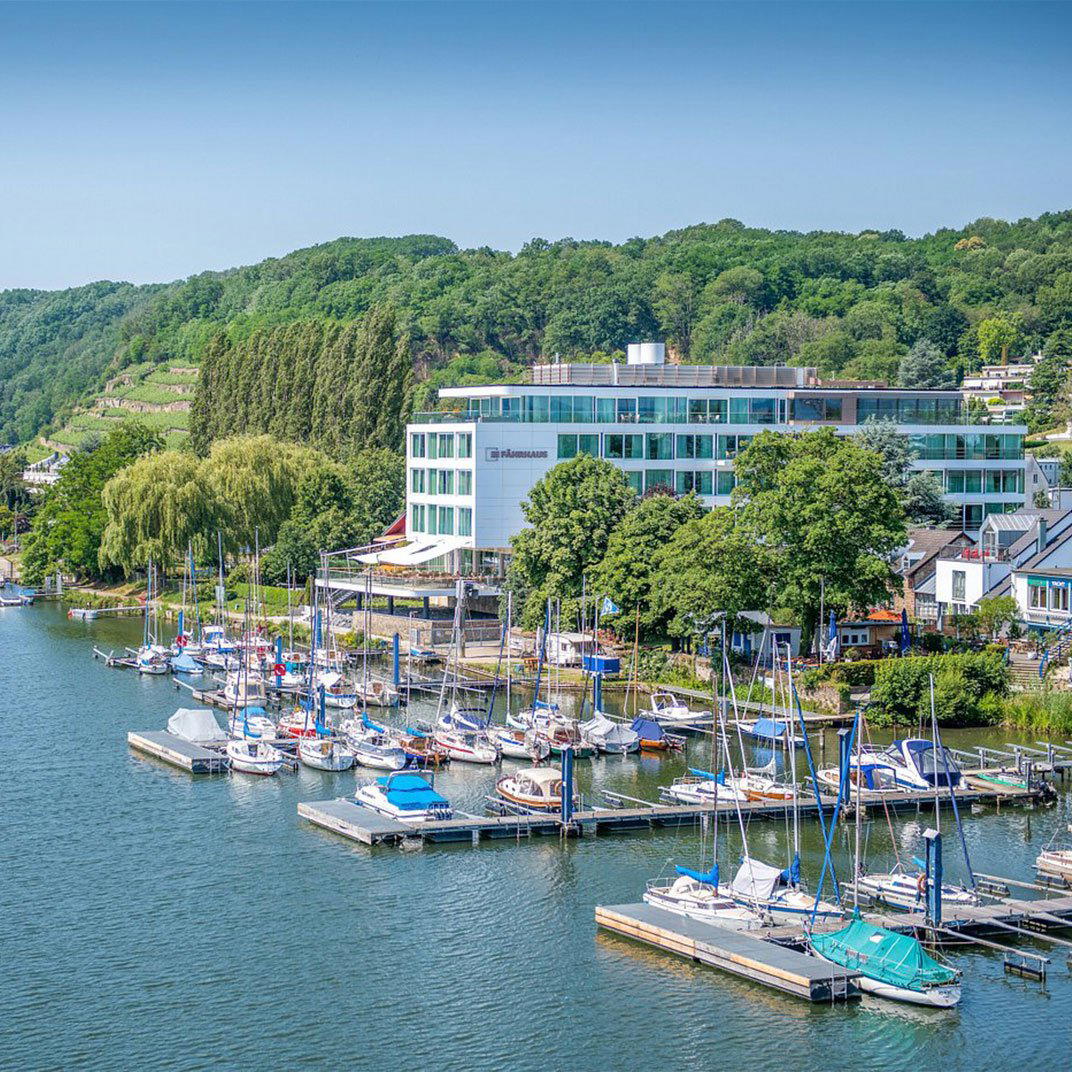
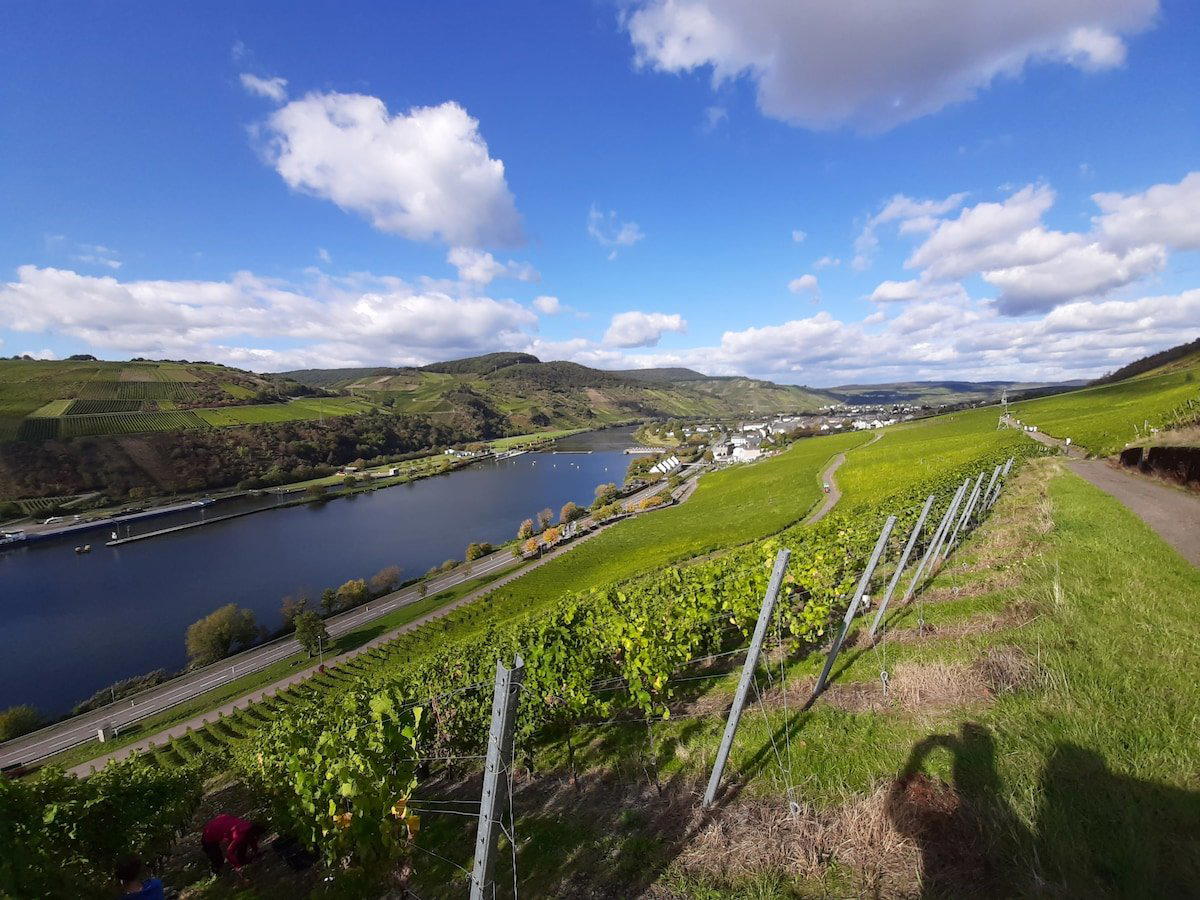
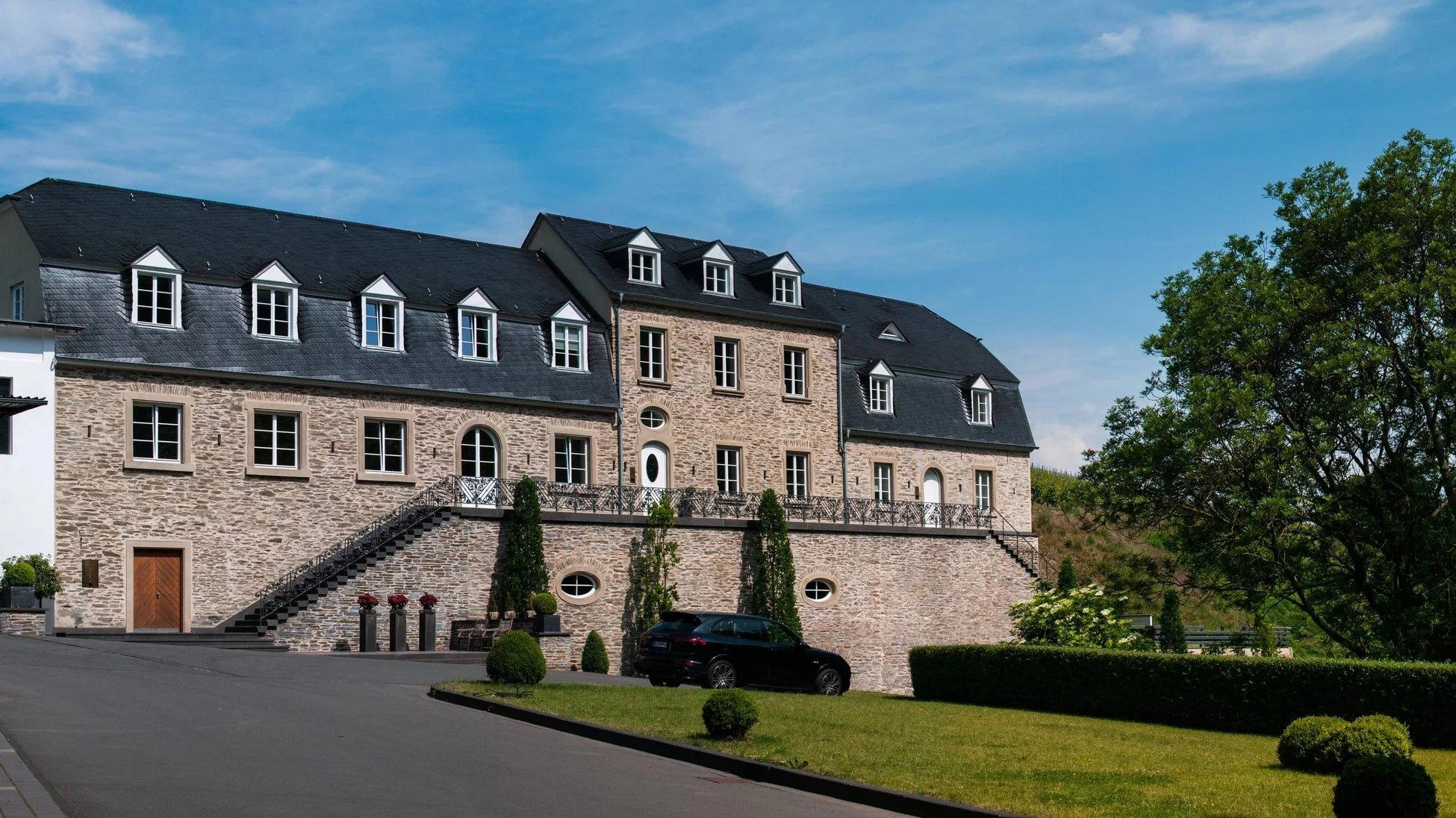
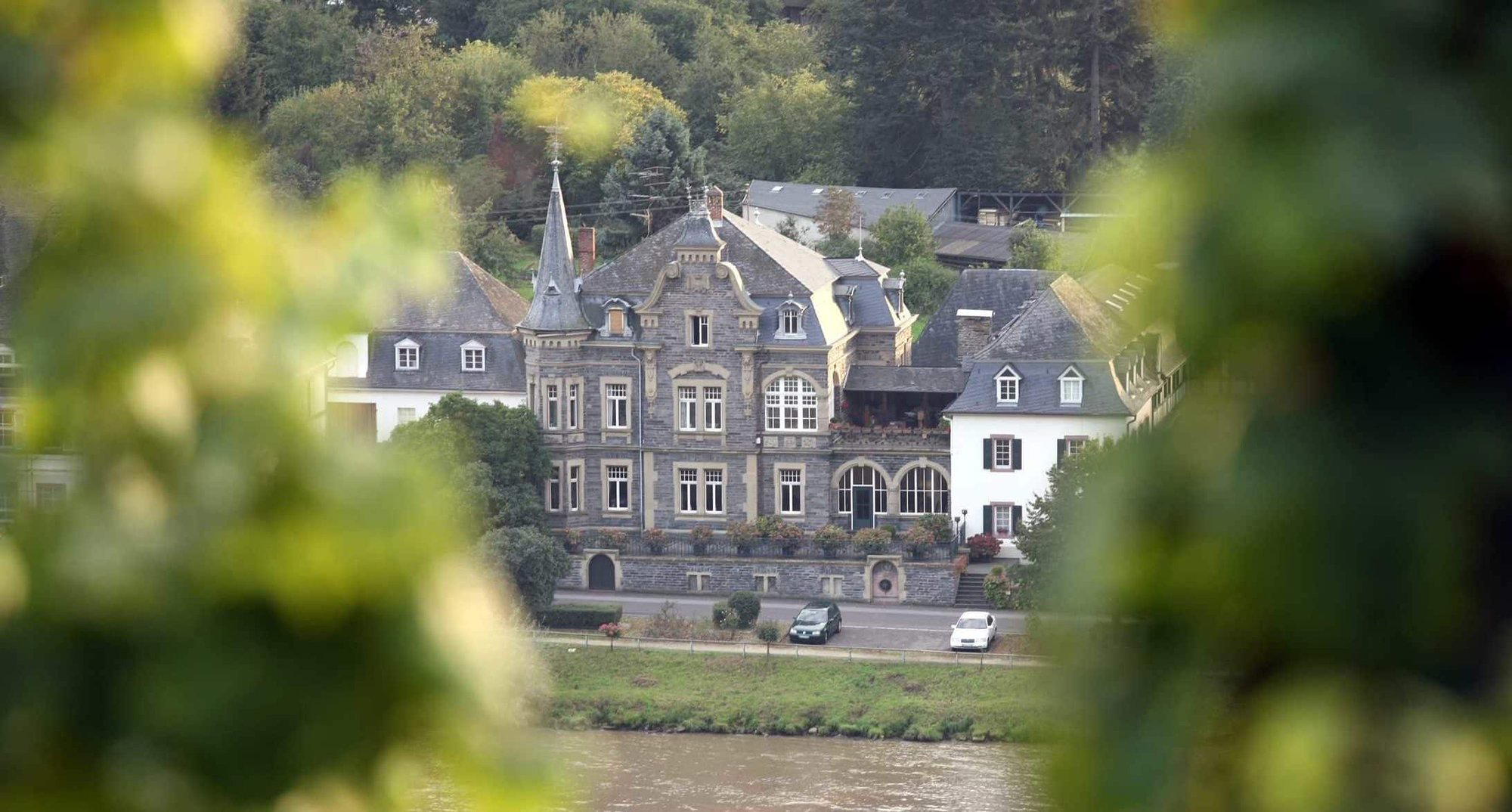
On the banks of the Mosel in Zeltingen-Rachtig, Zeltinger Hof sits at the centre of one of Germany's most concentrated wine villages, surrounded by classified Riesling vineyards on all sides. Recognised by Star Wine List as the number-one wine destination in 2021, it operates as a natural convergence point for serious wine travellers moving through the Mosel Valley. The kitchen and cellar draw directly from the terroir that frames the building itself.

Pearl is the En Primeur Club membership app, where members save venues, book tables and use the concierge.
The menu
What to order
- Duroc pork chop
- Pork schnitzel
- Onion cake
- Boar filet
Vineyards as Context, Not Backdrop
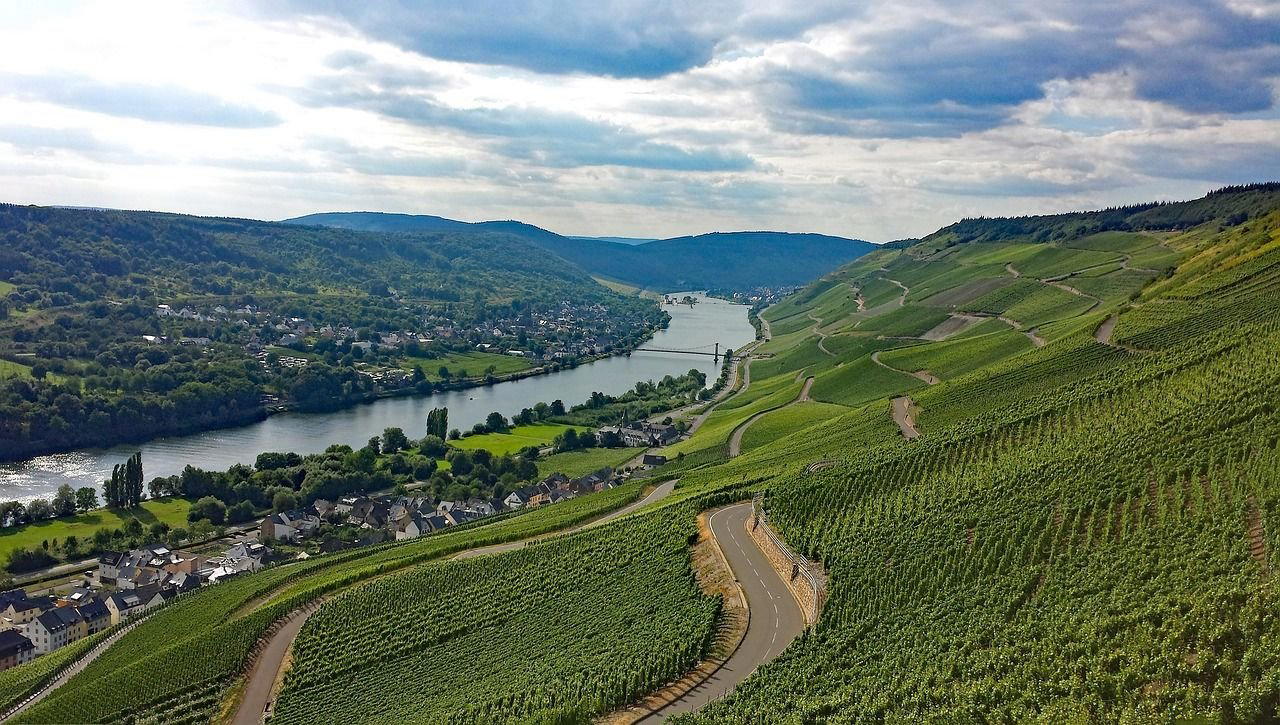
The Mosel Valley does not ease you into its seriousness. By the time you reach Zeltingen-Rachtig, a village of fewer than two thousand people strung along a tight river bend between Bernkastel-Kues and Traben-Trarbach, the slate-heavy Riesling slopes have already made their argument. The Zeltinger Sonnenuhr and Zeltinger Schlossberg vineyards bank directly against the settlement, and for a dining destination to sit inside that frame rather than at a remove from it changes what the experience means. Our full Zeltingen-Rachtig restaurants guide covers the wider picture, but Zeltinger Hof is the address that most squarely places itself within the agricultural logic of the village.
This is a relevant distinction in Germany's fine-dining geography. Michelin-decorated restaurants in the country's western wine regions tend to cluster in larger towns or resort hotels. Schanz in Piesport and Waldhotel Sonnora in Dreis both operate within a similar Mosel-adjacent tradition, where produce provenance and cellar depth carry as much editorial weight as kitchen technique. Zeltinger Hof sits in that same regional conversation, though its 2021 Star Wine List number-one ranking positions it specifically as a wine destination first, a fact that shapes every assumption a visitor should bring to the booking.
Where the Wine Comes From
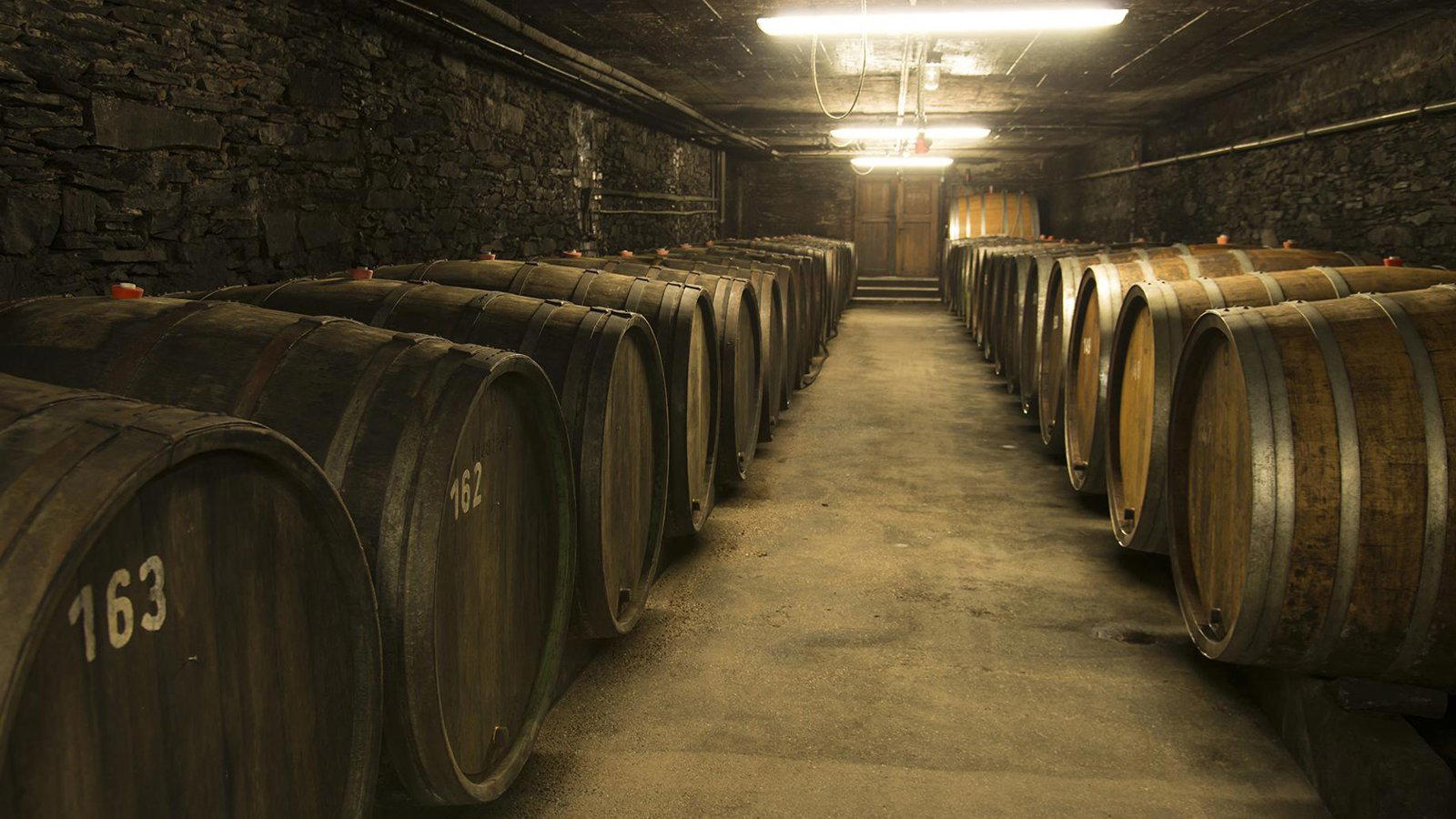
The Star Wine List recognition from 2021 is not incidental, it reflects a cellar and wine programme built around proximity. The Mosel is among the steepest and most labour-intensive wine regions in the world, with classified sites requiring hand-harvest on gradients that make mechanisation impossible. Riesling from the Zeltingen-Rachtig commune, particularly from the Sonnenuhr site, is routinely discussed in the same breath as the Mosel's most demanding terroirs: mineral, age-worthy, and calibrated to a precision that table wine from flatter regions cannot replicate. A wine programme anchored here has source material that speaks for itself, and the geographic immediacy of the vines to the dining room matters in a way it does not when a restaurant curates from a distance. For readers exploring the wider scene, our Zeltingen-Rachtig wineries guide maps the key estates.
The sourcing argument extends logically to food. Villages of this scale along the Mosel operate within a web of local producers: river fish from the Mosel itself, regional game from the Eifel and Hunsrück, and market vegetables from the agricultural corridor that runs parallel to the river. A kitchen in this setting that ignores those supply lines would be making a deliberate choice to disconnect from the environment that draws visitors in the first place. The editorial interest of Zeltinger Hof lies partly in that alignment: the sourcing story and the wine story point to the same geography.
The Regional Fine-Dining Tier
Germany's premium restaurant tier has become more geographically distributed over the past decade. The concentration of decorated addresses in cities like Munich (where JAN operates at the top of the contemporary German canon) or Berlin (home to CODA Dessert Dining and its format-defining dessert programme) still draws the majority of international attention. But rural addresses anchored to wine regions have carved a distinct niche: Schwarzwaldstube in Baiersbronn and Vendôme in Bergisch Gladbach both demonstrate that kitchen ambition does not require an urban address to find its audience. Victor's Fine Dining by Christian Bau in Perl extends this further into the Moselle border region.
Zeltinger Hof operates in a tier where the wine programme functions as the primary draw and the kitchen as supporting architecture. This is not a diminishment, it is a specialisation. Restaurant Haerlin in Hamburg or Aqua in Wolfsburg serve a traveller whose primary motivation is kitchen craft; Zeltinger Hof serves a traveller whose itinerary is organised around Mosel Riesling and who wants the dining experience to reflect that priority. Those are related but distinct audiences.
Arriving and Planning Your Visit
Zeltingen-Rachtig sits on the B53, the riverside road that links Bernkastel-Kues to Traben-Trarbach along the Mosel's left bank. The village is reachable by car in under an hour from Trier, where Bagatelle offers a contrasting urban reference point for the region's dining range. Train access requires a connection via Bullay or Wittlich and a short taxi or bus transfer; the road approach is the more practical option for most visitors. The address, Kurfürstenstraße 76, places the property in the village centre, close to the Mosel bank and within walking distance of the vineyard paths.
For those building a multi-day itinerary around the valley, the Zeltingen-Rachtig hotels guide, bars guide, and experiences guide provide the surrounding context. Harvest season, running roughly from late September through October depending on the vintage, brings the highest concentration of wine activity to the village and the most competitive accommodation situation, visitors planning around that window should book well in advance. The quieter shoulder months of May and June offer the vineyards in flower and fewer competing visitors. International comparison points exist for river-and-vineyard dining formats; the intimacy of the Mosel's village scale distinguishes it from broader wine tourism corridors in the way that a focused address like Le Bernardin in New York or Emeril's in New Orleans differs from a general restaurant district.
Questions and Planning Notes
- Is Zeltinger Hof suitable for children?
- The wine-destination format and village setting suggest an adult-focused experience; families with young children would find the programming less relevant than its core audience.
- What is the atmosphere like at Zeltinger Hof?
- Zeltingen-Rachtig is a working wine village rather than a tourist town, and the atmosphere at Zeltinger Hof reflects that: it is anchored in local terroir rather than constructed for visitors. The Star Wine List number-one recognition in 2021 confirms its standing among serious wine travellers, and the setting close to the Mosel river gives it a calm, agricultural character quite different from urban fine-dining addresses.
- What's the must-try dish at Zeltinger Hof?
- The wine programme, recognised by Star Wine List, is the non-negotiable centrepiece.
- Do they take walk-ins at Zeltinger Hof?
- If the Star Wine List recognition has translated into consistent demand, walk-in availability is likely limited during peak harvest season (late September through October) and on weekends. Booking ahead is the sensible approach for a destination of this standing in a village of this size.
- What do critics highlight about Zeltinger Hof?
- The Star Wine List number-one ranking in 2021 is the most documented critical signal: it positions the wine programme as the primary editorial credential, placing Zeltinger Hof within a regional tradition where cellar depth and terroir proximity carry as much weight as kitchen output.
Frequently asked questions
Is Zeltinger Hof suitable for children?
Zeltingen-Rachtig is a quiet village of fewer than two thousand residents, and Zeltinger Hof sits in the centre of that community rather than in a metropolitan dining quarter. The venue's Star Wine List #1 recognition in 2021 suggests a programme oriented toward serious wine guests, though the rural setting and unhurried pace of the Mosel tend to suit families more readily than city fine-dining rooms do. check the venue's official channels to confirm specific arrangements.
What is the atmosphere like at Zeltinger Hof?
The property sits on Kurfürstenstraße in the middle of Zeltingen-Rachtig, close to the Mosel River and surrounded by vineyards. That geography sets the tone: this is wine-country dining in a village setting, closer in register to a serious regional Weinstube than an urban restaurant. The Star Wine List #1 ranking from 2021 points to a room where the cellar is the centrepiece of the experience.
What kind of recognition has Zeltinger Hof received?
Zeltinger Hof has received recognition including: Zeltinger Hof is located in the middle of Zeltingen-Rachtig, close to the Mosel River and surrounded by vineyards. The area is known as a playground for wine lovers. The restaurant Zeltinger Hof is...; Star Wine List #1 (2021).
What's the must-try dish at Zeltinger Hof?
What is documented is the wine programme, recognised as number one by Star Wine List in 2021, which means the pairing between food and Mosel Riesling is likely where the kitchen earns its reputation. Checking the current menu directly will give you the clearest picture before you arrive.
Where is Zeltinger Hof in Zeltingen-Rachtig?
Zeltinger Hof is located at Kurfürstenstraße 76, 54492 Zeltingen-Rachtig, Germany, Zeltingen-Rachtig.
Do they take walk-ins at Zeltinger Hof?
In the Mosel Valley, restaurants at this recognition level, Star Wine List #1 in 2021, typically fill tables through advance reservations, particularly during harvest season when the region draws significant visitor numbers. Arriving without a reservation, especially on weekends between September and October, carries real risk.
What do critics highlight about Zeltinger Hof?
The most documented recognition is the Star Wine List #1 ranking from 2021, which points squarely to the wine programme rather than kitchen ambition alone. For a restaurant in a village of fewer than two thousand people on the Mosel's left bank, that ranking positions Zeltinger Hof within the serious wine-destination tier, a category that pulls guests from well outside the immediate region.
| Venue | Cuisine | Price | Awards | Notes |
|---|---|---|---|---|
| Zeltinger HofThis venue (the venue you are viewing) | Modern Mosel Regional German | $30–50 | Star Wine List | Not listed |
| Aqua | Contemporary German, Italian/Japanese, Creative | Not listed | Michelin 3 Star | Not listed |
| Schwarzwaldstube | Modern French Fine Dining | $150–200 | 3 Michelin Stars · World's 50 Best #47 | French, Classic French |
| CODA Dessert Dining | Dessert-Inspired Fine Dining | $200–300 | 2 Michelin Stars · World's 50 Best #79 | Creative |
| Vendôme | Modern German Haute Cuisine | $200–300 | 2 Michelin Stars · World's 50 Best #47 | Modern European, Creative |
| Tantris | Modern French, French Contemporary | Not listed | Michelin 2 Star | Not listed |
Recognition history
Dated appearances from independent guides and award organizations, with the underlying list record or original source where available.
Star Wine List
Star Wine List
Full recognition history (2 entries)
Star Wine List
Star Wine List
Continue exploring
More in Zeltingen-Rachtig
Restaurants in Zeltingen-Rachtig
All restaurants in Zeltingen-Rachtig →
Bars in Zeltingen-Rachtig
Browse all →
Hotels in Zeltingen-Rachtig
Browse all →
Zeltinger Hof
The wine
- Wine program
- Deep wine list
- Extensive wine list
- Sommelier-led
Details
- Rustic
- Cozy
- Classic
- Date Night
- Family
- Celebration
- Terrace
- Hotel Restaurant
- Wine Cellar
- Extensive Wine List
- Sommelier Led
- Local Sourcing
- Farm To Table
- Sustainable Seafood
- Vineyard
- Street Scene
- A La Carte
- Tasting Menu
- Wine
- Vegetarian Friendly
- Vegan Options
- Gluten Free Options
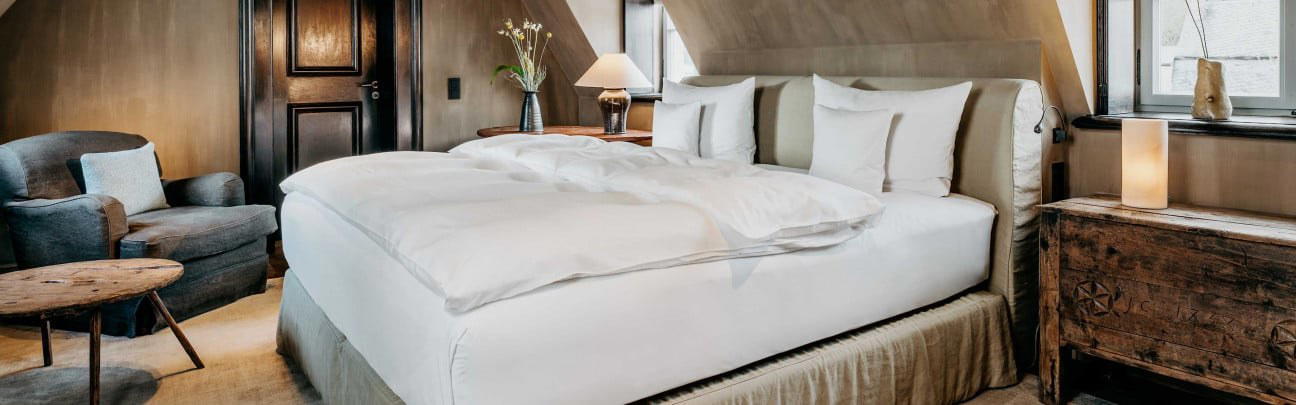
Rustic country-style with cozy, traditional Mosel atmosphere, terrace seating, and warm, attentive service in a family-run setting.