
Michelin Plate
Our verdict
Weibel's Wirtshaus sits inside Vienna's First District, where the Beisl tradition runs deep and the competition for Michelin recognition at the budget end of the spectrum is quietly fierce. Holding a Michelin Plate in both 2024 and 2025, it occupies the lower price tier of the city's recognised Austrian kitchens, making it a practical entry point into the classic Viennese dining canon without the four-course commitment of the grander rooms nearby.

Pearl is the En Primeur Club membership app, where members save venues, book tables and use the concierge.
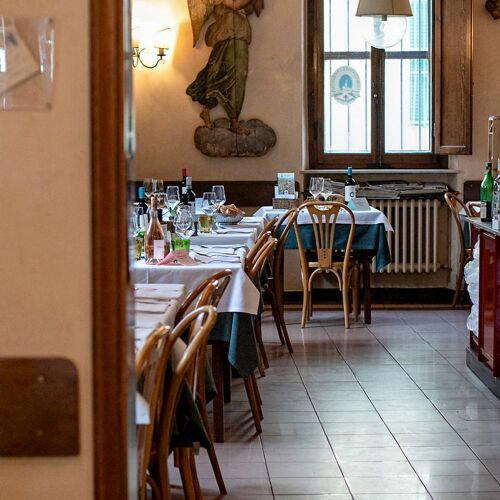
The Room Before the Food
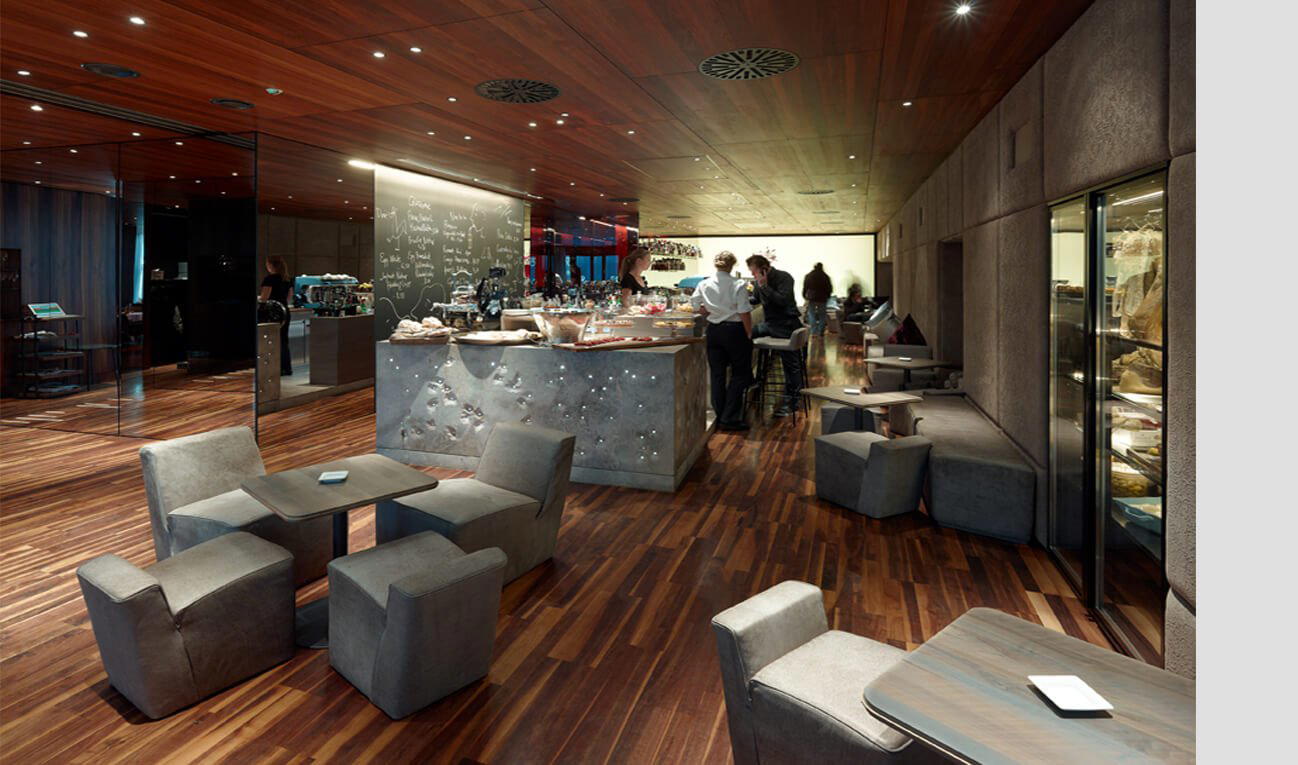
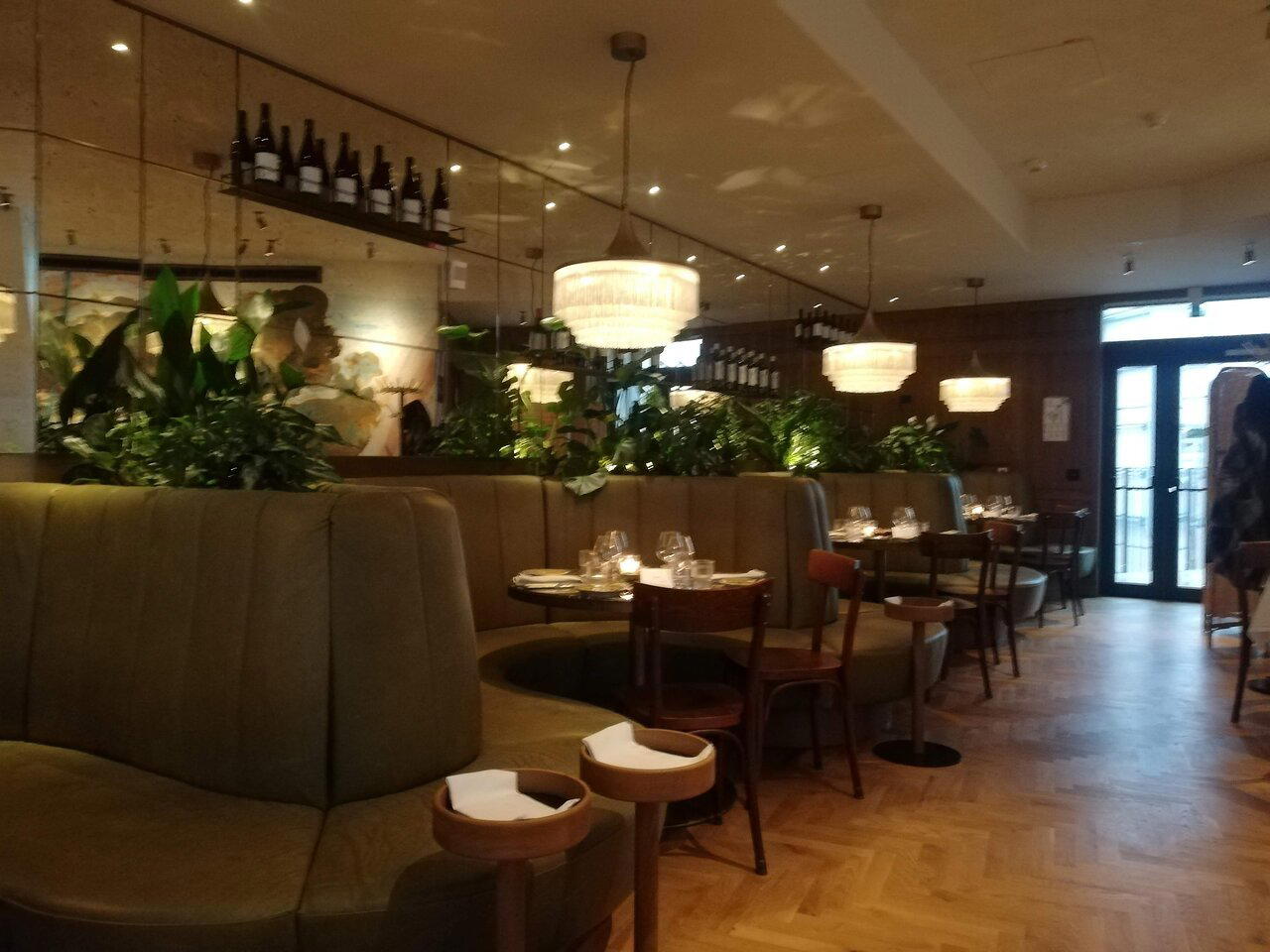
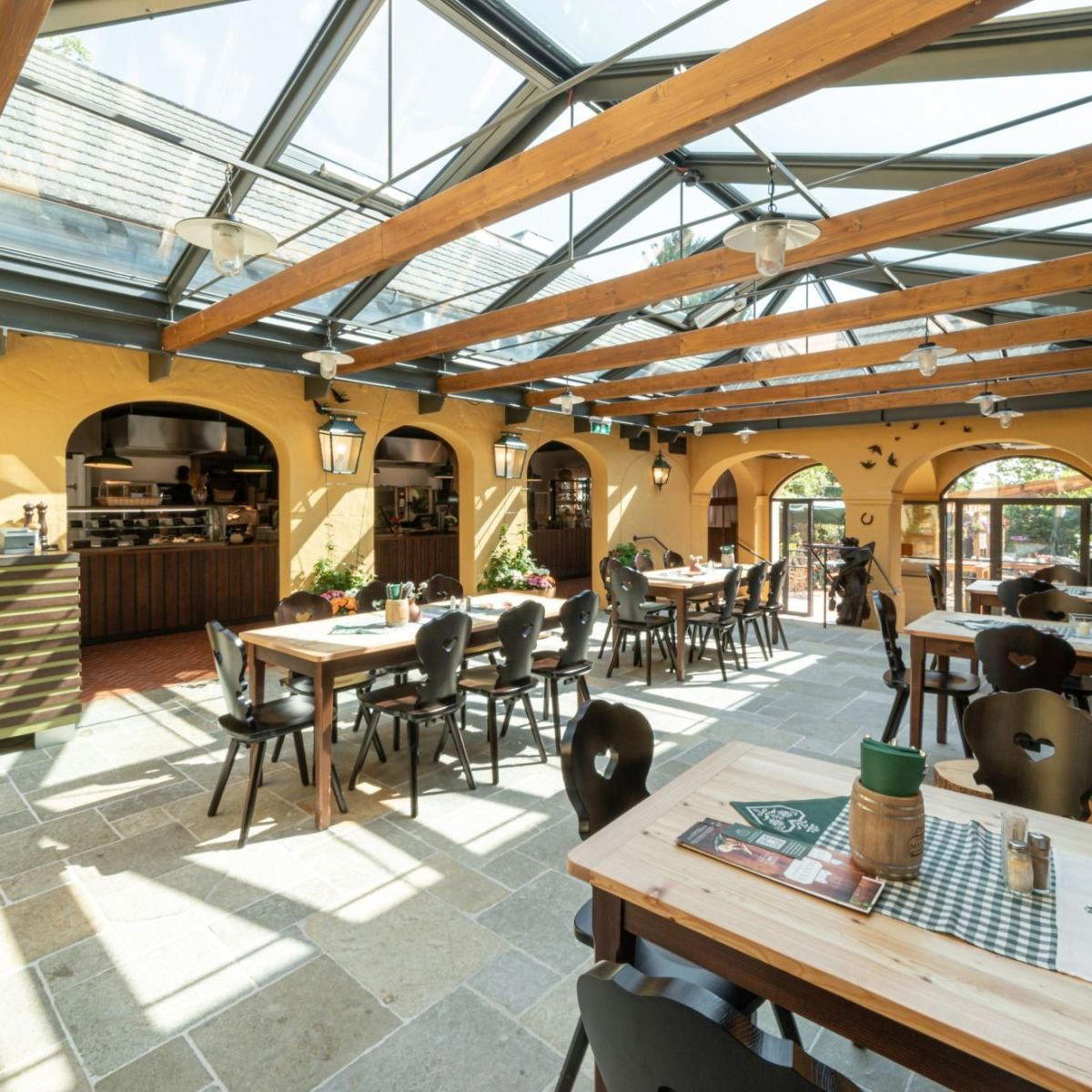
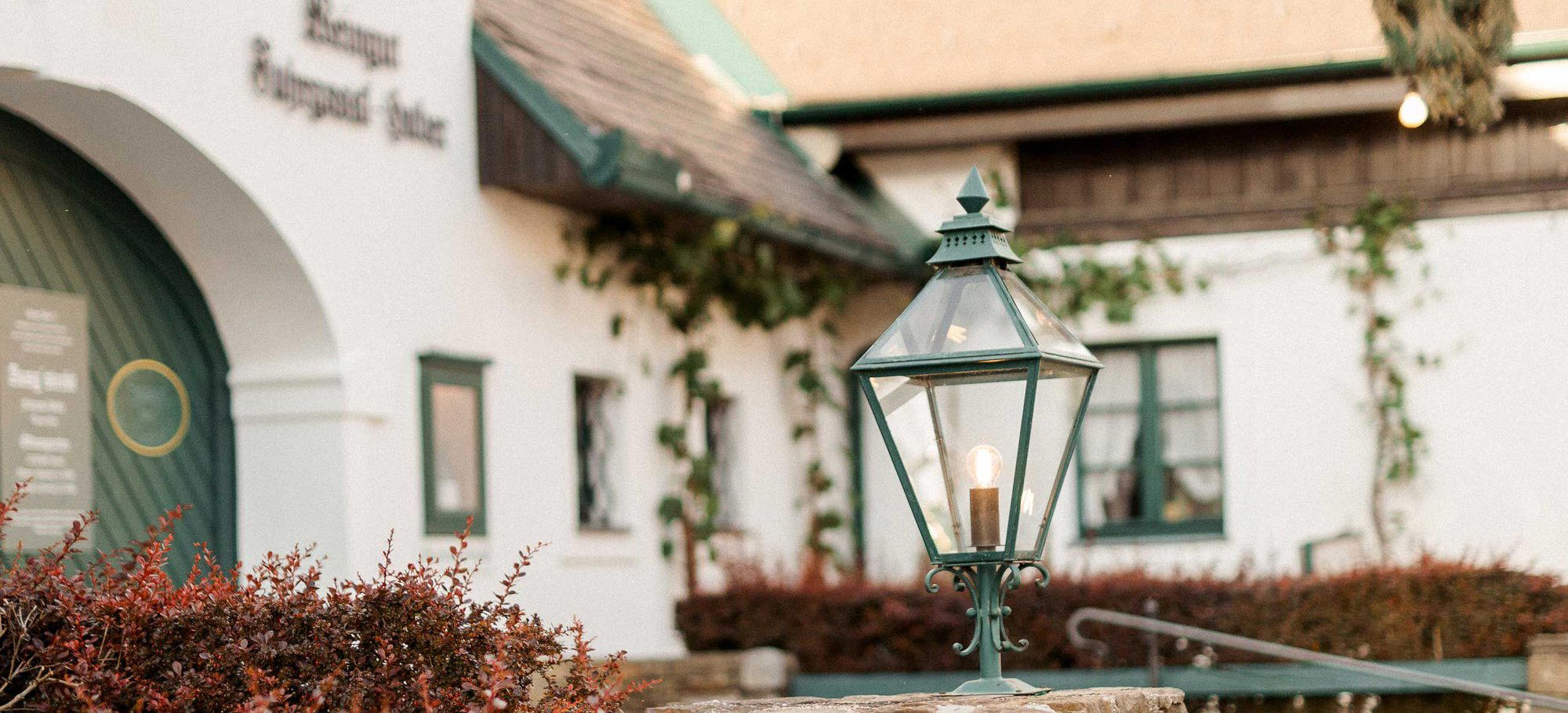
Kumpfgasse is a short, cobbled lane tucked behind the Fleischmarkt in Vienna's First District, the kind of street that appears on no tourist map and rewards those who follow it anyway. The Wirtshaus format, a category somewhere between neighbourhood pub, dining room, and civic institution, is one of Vienna's most durable contributions to European restaurant culture, and the physical grammar of these rooms has barely changed in a century. Dark wood, close-set tables, the low murmur of German conversation, a chalkboard or printed card that changes with the season and the market. At Weibel's, this grammar is present and legible from the doorway.
The Beisl and the Wirtshaus occupy different registers of the same tradition. The Beisl leans casual and beer-forward; the Wirtshaus tilts slightly more formal, though both share an ethic of directness, a rejection of ceremony that is itself a form of refinement. For visitors arriving from the more architecturally theatrical rooms of the First District, Weibel's Wirtshaus reads as a deliberate counterpoint: the point is the cooking and the room, not the staging around them.
Where It Sits in Vienna's Austrian Cooking Spectrum
Vienna's restaurant scene operates across a wide price distribution within the Austrian cuisine category. At the leading, kitchens like Steirereck im Stadtpark and Konstantin Filippou apply modern creative technique to Austrian ingredients at €€€€ price points. Further down the range, recognised Wirtshaus operations fill a different function: producing honest, technically competent versions of the classical repertoire at prices that reflect their neighbourhood-institution positioning rather than their ambition.
Weibel's Wirtshaus holds a Michelin Plate for 2024 and 2025, a designation that signals the inspectors found the cooking worth tracking without yet awarding a star. In Vienna's dense First District, that distinction is meaningful. The First District has a higher concentration of recognised restaurants per square kilometre than almost anywhere else in Austria, and a Michelin Plate here places Weibel's alongside other operations that take the cooking seriously without packaging it in fine-dining ritual. For comparison, Plachutta has long anchored the institutional end of classical Viennese cooking, while Meissl & Schadn and Meierei im Stadtpark demonstrate how the Austrian format adapts across different neighbourhood contexts and price positions.
At a single-euro price indicator, Weibel's occupies the accessible end of the recognised Austrian kitchen tier in Vienna. That is not a consolation prize, it represents a specific and defensible market position.
The Sensory Architecture of a Viennese Wirtshaus
The Wirtshaus register communicates through restraint and familiarity rather than spectacle. The smell profile is characteristic: schmaltz and caraway, braised meat, a trace of warm bread. These are not subtle or composed aromas, they are assertive, immediate, and deliberate, the olfactory shorthand for a category of cooking that prizes substance over delicacy.
Lighting in rooms like this tends toward warmth rather than drama. There is no designer lighting program to manipulate mood; instead, the warmth comes from incandescent sources and the accumulated patina of a room that has been in continuous use. Sound carries differently in wood-panelled dining rooms, there is absorption without deadening, so the room feels lived-in rather than hushed. These are not conditions engineered by a hospitality design firm. They are the result of a building type and a social function that evolved together over generations.
The Austrian kitchen at this level operates with a different standard of success than a starred creative room. A Wiener Schnitzel is not a canvas for innovation; it is a test of precision, veal thickness, breadcrumb adhesion, fat temperature, the exact moment the crust separates from the meat to create the characteristic soufflé effect. A Tafelspitz must read clearly across the bowl: the broth transparent and well-seasoned, the boiled beef properly rested, the horseradish accompaniments calibrated to cut the fat without overwhelming the meat. When these classics are done with care and repetition, they carry more cumulative weight than many more fashionable formats.
The Broader Austrian Context
For visitors using Vienna as a base for broader Austrian dining exploration, the Wirtshaus tradition in the capital city connects to a network of serious regional cooking happening outside the city. Döllerer in Golling an der Salzach represents the alpine strand of Austrian cuisine at full tilt, while Obauer in Werfen has spent decades defining what serious Austrian cooking looks like at the regional level. In Salzburg, Ikarus and Senns operate in a more contemporary register. The alpine resort tier adds another dimension, with Griggeler Stuba in Lech, Gourmetrestaurant Tannenhof in Sankt Anton am Arlberg, and Kräuterreich by Vitus Winkler in Sankt Veit im Pongau representing the high-end mountain cooking format. The lakeside tradition finds expression at 1er Beisl im Lexenhof in Nußdorf am Attersee.
Within Vienna itself, the First District Austrian kitchen cohort also includes Fuhrmann and the more theatrical setting of the Rote Bar, each operating with different price signals and room personalities. The common thread is a cooking tradition that takes classical Austrian technique as its reference point and resists the pressure to modernise purely for the sake of differentiation.
For those planning a wider Vienna stay, the full Vienna restaurants guide, Vienna hotels guide, Vienna bars guide, Vienna wineries guide, and Vienna experiences guide cover the city's full hospitality range.
Know Before You Go
- Address: Kumpfgasse 2, 1010 Wien, Austria
- Cuisine: Austrian (Wirtshaus format)
- Price range: € (single indicator, accessible end of recognised Vienna kitchens)
- Recognition: Michelin Plate 2024 and 2025
- District: First District (Innere Stadt), central Vienna
- Booking: Contact details not currently listed, check direct via Google or walk-in availability at off-peak hours
- Hours: Not confirmed, verify before visiting
Frequently asked questions
Can I walk in to Weibel's Wirtshaus?
Weibel's sits on Kumpfgasse 2 in Vienna's First District, a short lane behind the Fleischmarkt. At this price point, single-€ range, walk-ins are more common than at higher-tariff neighbours, but a Michelin Plate in consecutive years draws regulars. Arriving early or at off-peak lunch hours improves your odds.
What's the signature at Weibel's Wirtshaus?
The defining characteristic here is format, not a single dish: a neighbourhood Wirtshaus operating in central Vienna's First District at genuinely modest prices while earning back-to-back Michelin Plate recognition in 2024 and 2025. That combination, address, price, and consistent quality acknowledgement, is the signature. The kitchen runs an Austrian programme without the premium pricing that typically accompanies First District real estate.
The Essentials
Comparable options at a glance, pulled from our tracked venues.
| Venue | Cuisine | Price | Awards | Notes |
|---|---|---|---|---|
| Weibel's WirtshausThis venue (the venue you are viewing) | Traditional Austrian Wirtshaus | Not listed | Michelin Plate | Not listed |
| Steirereck im Stadtpark | Modern Austrian Fine Dining | $200–300 | 3 Michelin Stars · World's 50 Best #33 | Creative |
| Mraz & Sohn | Contemporary Austrian Fusion | $150–200 | 2 Michelin Stars · La Liste Top Restaurants | Modern Austrian, Creative |
| Silvio Nickol Gourmet Restaurant | Modern Austrian Fine Dining | $300–500 | 2 Michelin Stars · La Liste Top Restaurants | Modern Cuisine |
| Konstantin Filippou | Modern Fish-Led Fine Dining | $200–300 | 2 Michelin Stars · La Liste Top Restaurants | Modern European, Modern Cuisine |
| APRON | Modern Austrian Fine Dining | $150–200 | 1 Michelin Star · Falstaff Restaurant - 95 Falstaff Points | Austrian, Creative |
Recognition history
Dated appearances from independent guides and award organizations, with the underlying list record or original source where available.
Michelin Plate
Michelin
Full recognition history (3 entries)
Michelin Plate
Michelin
Michelin Plate
Michelin
Continue exploring
More in Vienna
Restaurants in Vienna
All restaurants in Vienna →
Bars in Vienna
All bars in Vienna →
Details
- Classic
- Cozy
- Rustic
- Charming
- Solo
- Casual Hangout
- Date Night
- Historic Building
- Standalone
- A La Carte
Current opening hours
- Monday
- 11:30 AM–11 PM
- Tuesday
- 11:30 AM–11 PM
- Wednesday
- 11:30 AM–11 PM
- Thursday
- 11:30 AM–11 PM
- Friday
- 11:30 AM–11 PM
- Saturday
- 11:30 AM–11 PM
- Sunday
- 11:30 AM–11 PM
Hours can change for holidays and private events. Hours as of .
Warm, friendly, rustic and snug, with a simply charming traditional Viennese restaurant atmosphere.