Where Rote Bar Sits in Vienna's Classical Dining Tier
Vienna's restaurant scene divides broadly into three groups when it comes to Austrian cuisine: the creative, technically ambitious restaurants operating at the €€€€ price point (Steirereck im Stadtpark, Mraz & Sohn, Konstantin Filippou), the mid-tier brasserie and Beisl format serving everyday Viennese cooking, and a smaller cohort of classical rooms that maintain formal service and traditional preparation at the €€€ level. Rote Bar occupies this third category, which is a less populated space than it might appear. Classical Austrian at this standard, inside a landmark hotel, with sustained Michelin recognition, describes a fairly short list.
That sustained recognition matters. Rote Bar holds a Michelin Plate for both 2024 and 2025, a signal of consistent kitchen quality without the star-chasing ambition that defines the city's more experimental rooms. Michelin's Plate designation indicates cooking that meets the guide's quality threshold without yet reaching the single-star tier, and consecutive years of recognition suggest a kitchen running at a stable, reliable level. For a room whose identity is built on continuity rather than reinvention, that consistency is arguably more appropriate than a single star earned through a more experimental program.
The 2025 Opinionated About Dining ranking places Rote Bar at number 193 in the European Classical category, a list that specifically tracks traditional and classically oriented restaurants rather than folding them into a broader European fine dining pool. That distinction is worth noting: OAD's Classical list tends to reward restaurants where the cuisine itself is the point, not the chef's personal creative voice. Comparable classical Austrian rooms operating at this standard can be found across Austria, including Döllerer in Golling an der Salzach, Obauer in Werfen, and 1er Beisl im Lexenhof in Nußdorf am Attersee, though none share the grand-hotel context that defines Rote Bar's particular atmosphere.
Anton Pozeg and the Kitchen's Orientation
Classical Austrian cooking at this level involves a distinct set of technical demands: the management of rich, reduction-based sauces, the precision required for proper Viennese preparations, and the discipline to work within a culinary tradition where deviation is the exception rather than the rule. Chef Anton Pozeg leads the kitchen at Rote Bar. In Vienna's classical tier, that restraint reads as a strength.
For context within Austria's broader culinary programme, kitchens pursuing more experimental directions within an Austrian or Alpine framework include Ikarus in Salzburg, Griggeler Stuba in Lech, Senns in Salzburg, Kräuterreich by Vitus Winkler in Sankt Veit im Pongau, and Gourmetrestaurant Tannenhof in Sankt Anton am Arlberg. Rote Bar's positioning is deliberately elsewhere.
The Guest Experience and Its Competitors in Vienna
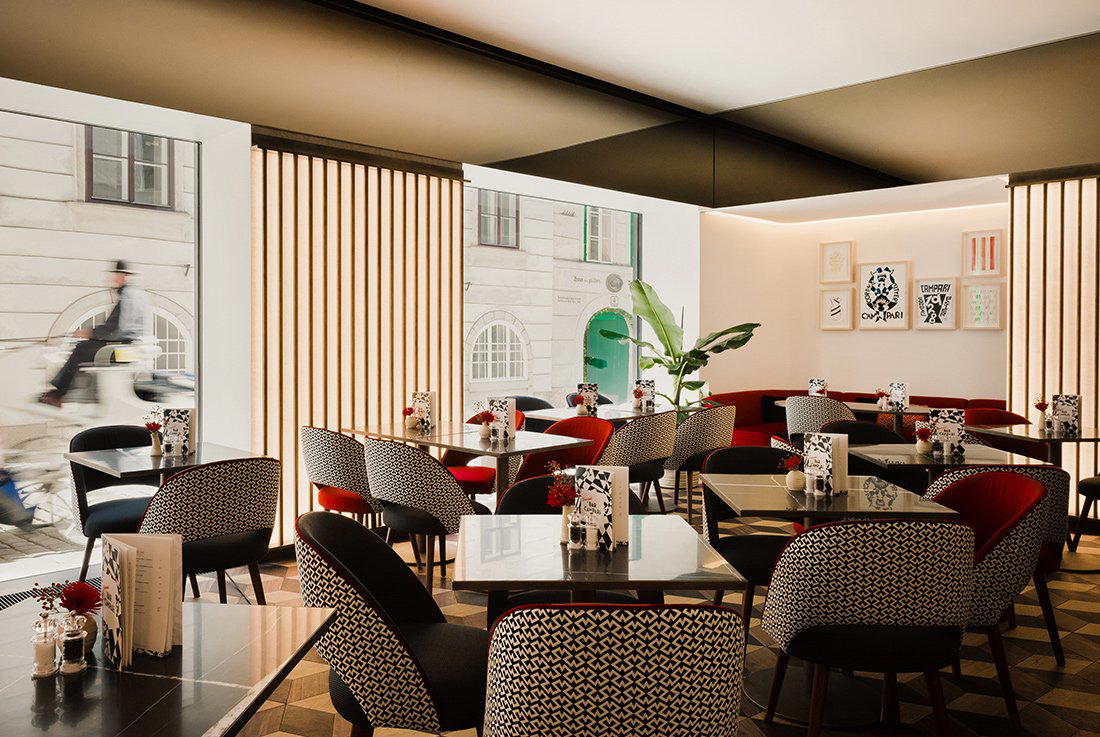
Meierei im Stadtpark and Meissl & Schadn operate in a comparable register, as does Plachutta, Vienna's most recognised address for Tafelspitz and traditional Viennese beef cookery. Skopik & Lohn occupies an adjacent space with its own strong design identity. Fuhrmann rounds out a group of Vienna rooms where the dining experience is inseparable from the setting.
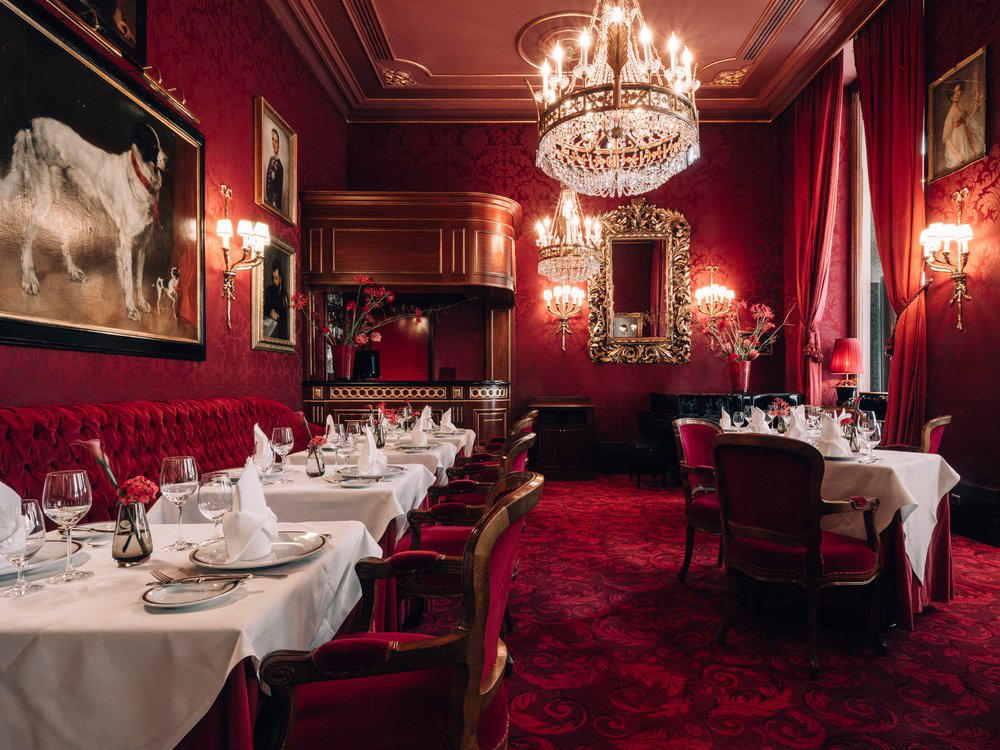
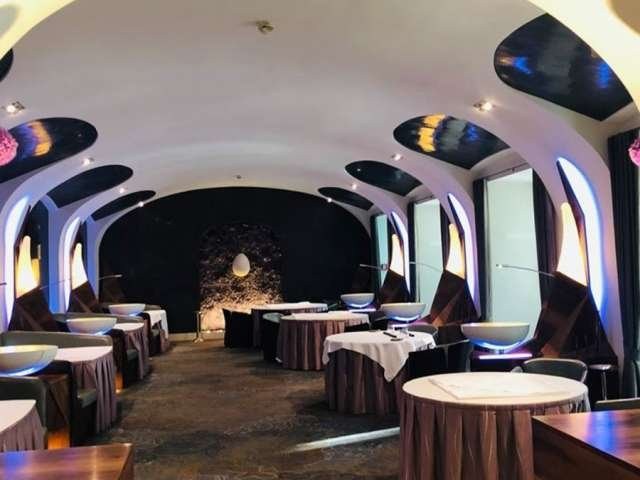
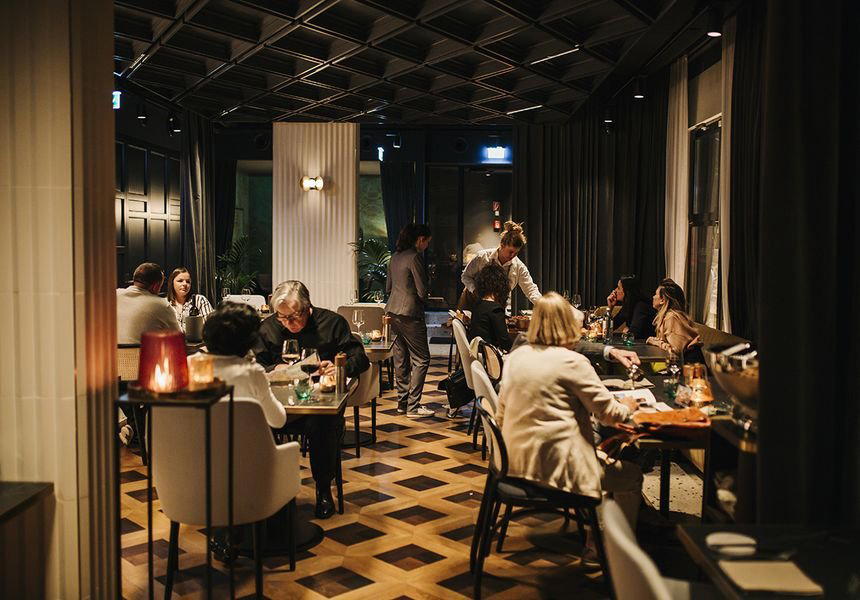
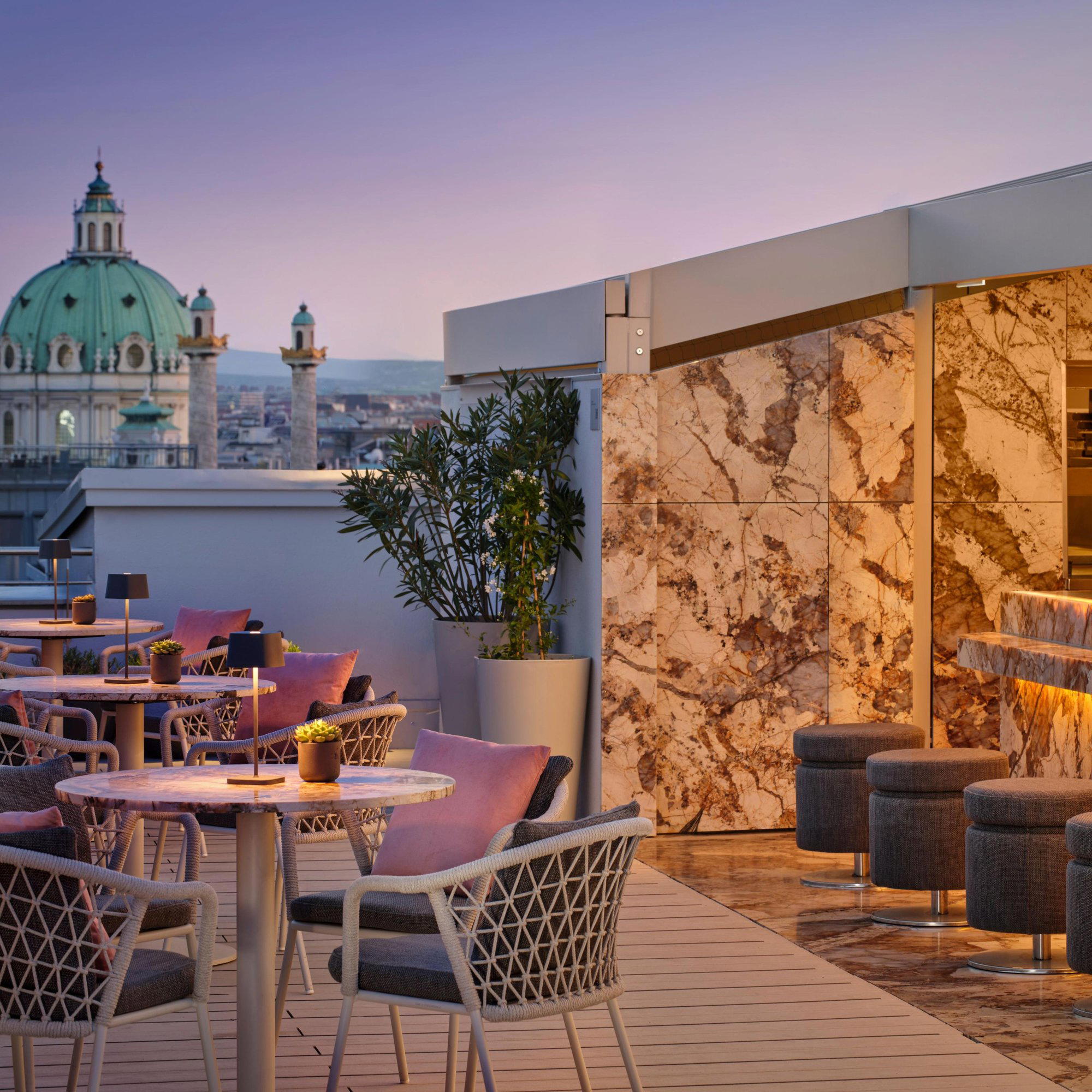
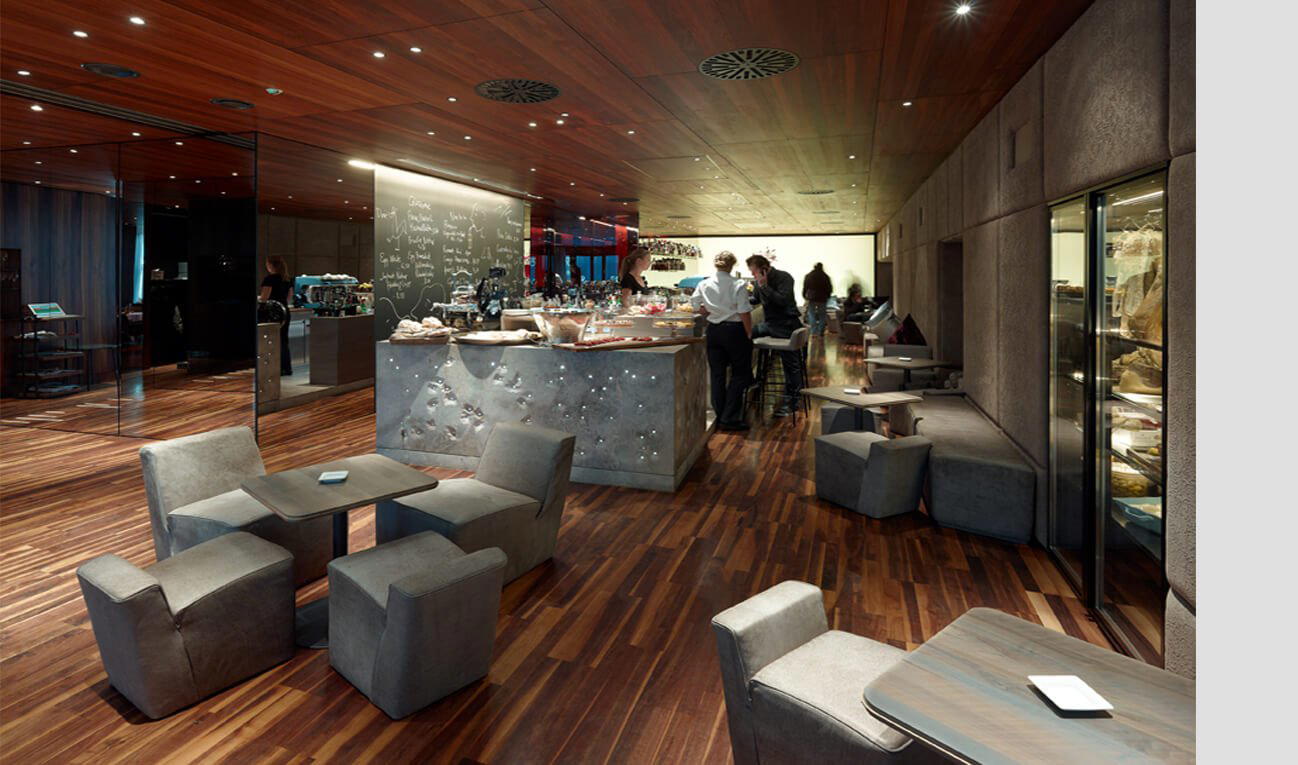
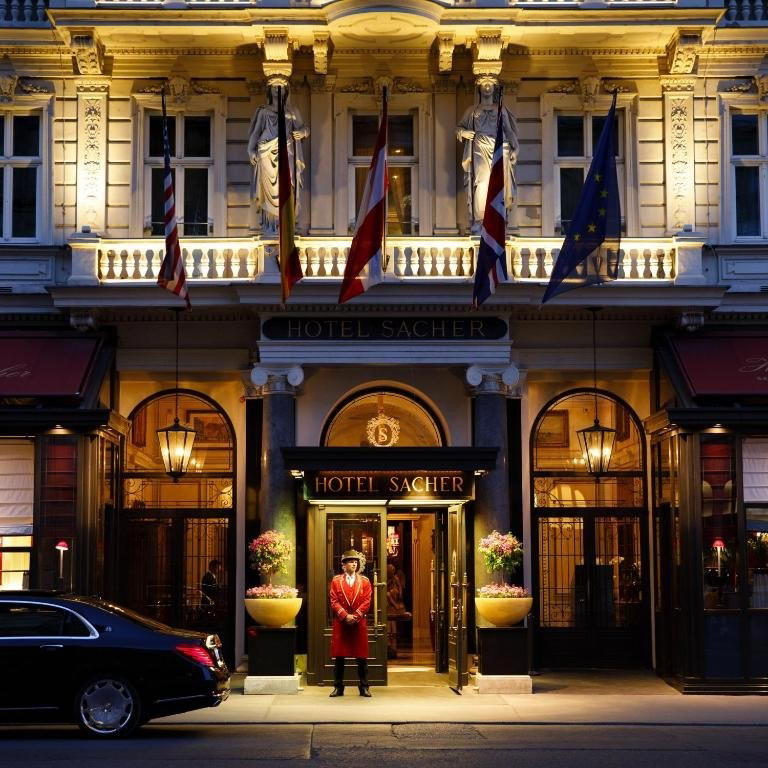
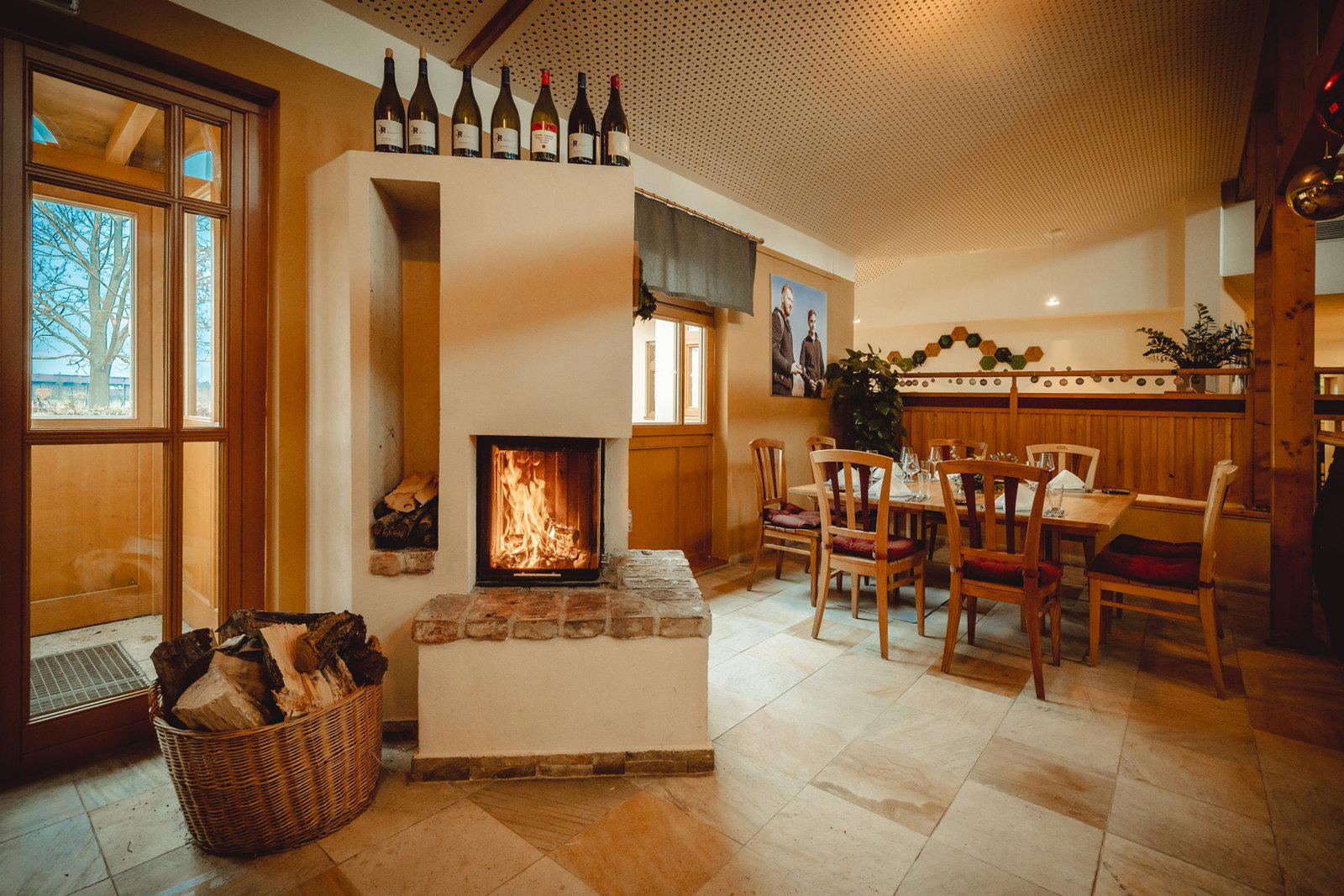
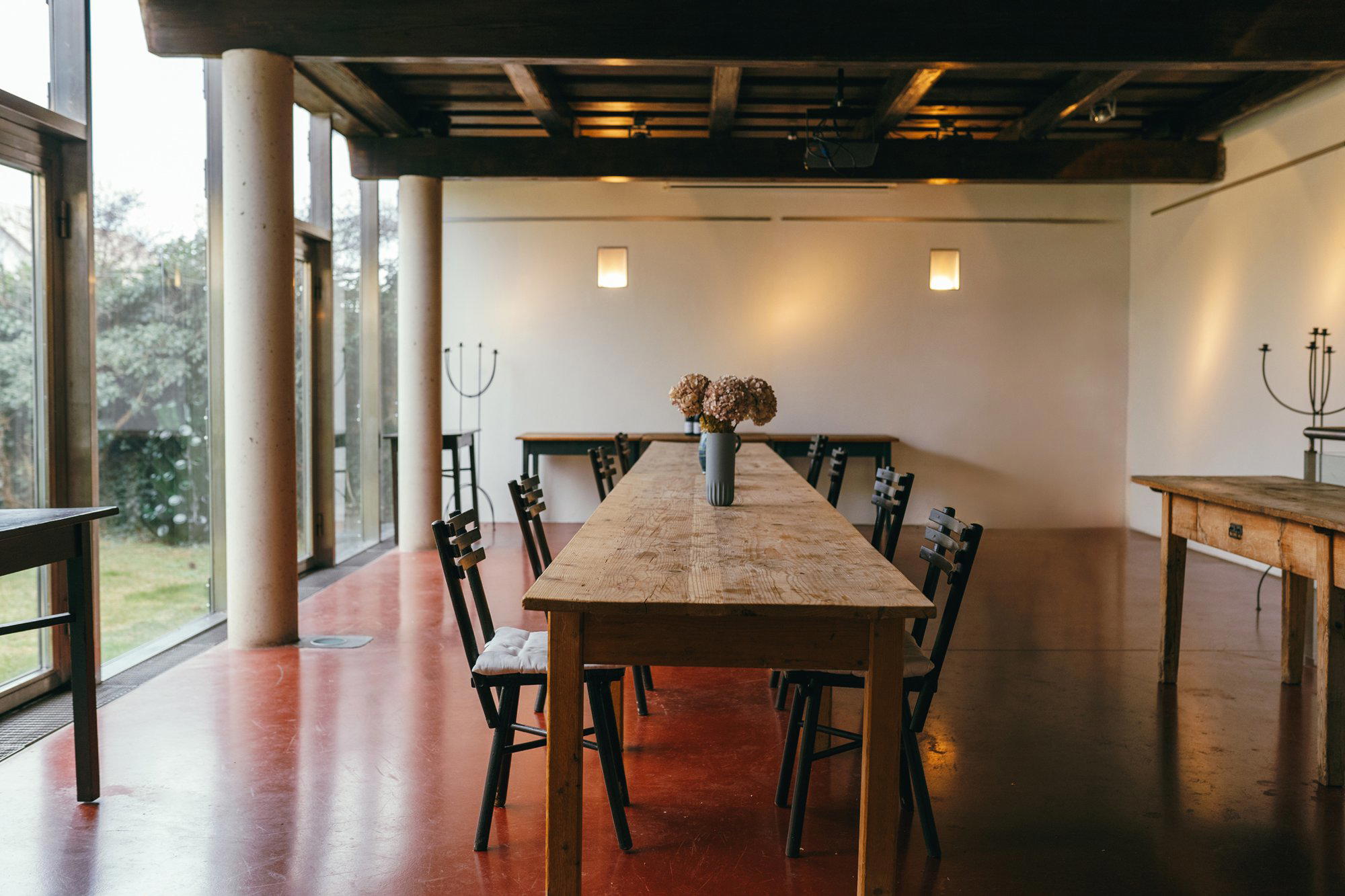
What separates Rote Bar from most of these addresses is the Hotel Sacher context. A grand Viennese hotel dining room carries a particular atmospheric register that a standalone restaurant, however well-appointed, cannot replicate. The sense of occasion, the weight of the building's history, the clientele that skews toward opera-goers, international visitors, and Viennese celebrating something: all of this shapes the room's atmosphere in ways that translate directly into the guest experience.
Practical Notes for Planning a Visit
Rote Bar is priced at the €€€ level, which places it above the everyday Beisl format but below Vienna's most ambitious tasting-menu restaurants. For the Philharmoniker Strasse address and the Sacher setting, that price point represents reasonable value within the category. The proximity to the Staatsoper makes an evening visit before or after a performance a logical combination; Vienna's opera calendar runs from September through June, with the summer season offering a quieter, less formal version of the city's cultural programme. Hotel Sacher is accessible directly from the Karlsplatz U-Bahn station, a short walk through the Burggarten. For a broader view of the city's dining options, see our full Vienna restaurants guide, and for accommodation context, our full Vienna hotels guide. Those planning a wider Vienna visit will also find value in our full Vienna bars guide, our full Vienna wineries guide, and our full Vienna experiences guide.