Wasabi Zen
Wasabi Zen occupies a strip-mall address on Georgia Avenue in Olney, Maryland, where the suburban format belies what the kitchen is doing with Japanese-inflected cooking. In a town whose dining scene skews toward familiar comfort, it represents a quieter argument for ingredient-led precision. Readers planning a night out in Olney should compare it against Salt & Vine and Sol Azteca Restaurant before committing.
Pearl is the En Primeur Club membership app — saves, bookings, and concierge access live there. Same editors, same standards.
- Address
- 18066 Georgia Ave, Olney, MD 20832
- Phone
- +13015702000
- Website
- wasabizenjapanese.com
- Directions
- Get directions
 Saves & bookings on Pearl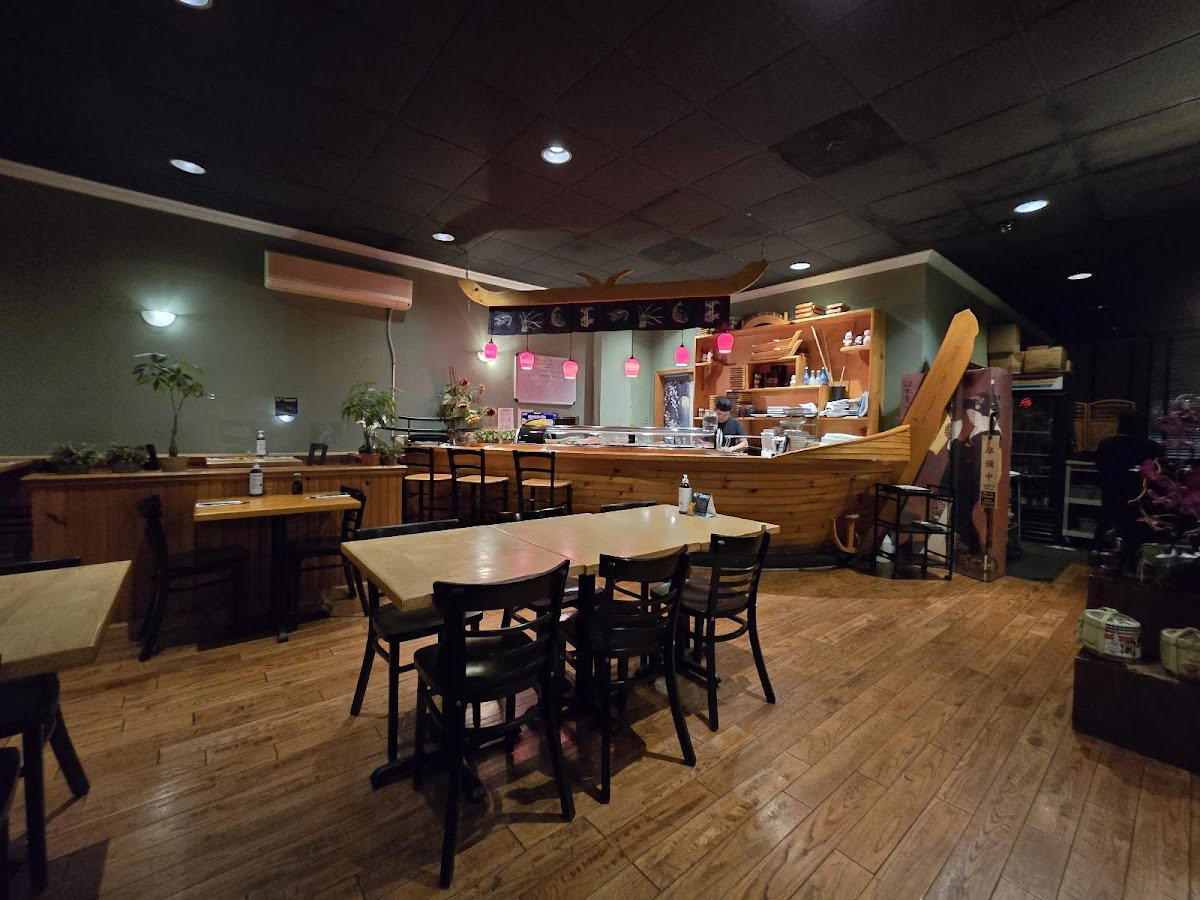
Where Georgia Avenue Meets the Grain of Japanese Cooking
Wasabi Zen is a casual Japanese sushi restaurant at 18066 Georgia Ave in Olney, Maryland. The strip-mall corridors of Olney, Maryland do not announce themselves as serious dining territory. Georgia Avenue at this latitude is a sequence of parking lots and chain anchors, and the built environment offers little reason to slow down. That context matters for understanding what Wasabi Zen is doing at 18066 Georgia Avenue, because the gap between exterior and interior ambition is precisely where this kind of suburban Japanese restaurant earns or loses its case. In towns like Olney, where the dominant dining register runs toward settled American comfort, a kitchen committed to ingredient sourcing and technique has to work against geography rather than with it. Nearby, Mannequin Pis, Salt & Vine, and Sol Azteca Restaurant each represent a different answer to the question of what a neighborhood restaurant owes its community. Wasabi Zen's answer involves Japanese culinary grammar applied to Mid-Atlantic circumstances, which is either a productive tension or a mismatch, depending on execution.
The Ingredient Question in Suburban Japanese Cooking
Japanese cuisine, at its most demanding, is a sourcing argument. The philosophy that animate counters in Tokyo's Ginza district or the omakase rooms that have proliferated across American coastal cities places raw material above technique, or more precisely, treats sourcing as the primary technique. That logic does not disappear when it migrates to a Maryland suburb, but it does encounter friction. Supply chains that feed the high-end Japanese restaurants of Washington, D.C. roughly thirty miles south, reach Olney with more variable results. What separates the better suburban Japanese kitchens from the mediocre ones is whether they build their menus around what they can actually source with integrity, rather than attempting a full vocabulary of Japanese ingredients they cannot reliably obtain at specification.
This is the editorial question worth asking about any Japanese restaurant operating outside a major metropolitan sourcing hub: does the kitchen edit its ambitions to match its supply, or does it overreach? Restaurants like Atomix in New York City sit at the summit of the Korean-Japanese fine dining tier in part because their sourcing infrastructure matches their technique. At the other end of the scale, neighborhood spots in suburbs like Olney are making a different kind of case, one rooted in accessibility and consistency rather than rarity. Strong examples among them know which ingredients to prioritize and which to leave off the menu entirely.
Japanese Cuisine in the Mid-Atlantic: A Regional Reading
Maryland's position in the Mid-Atlantic gives its Japanese restaurants a specific set of opportunities and constraints. The Chesapeake Bay produces seafood that, when treated with Japanese technique, can be genuinely compelling. Blue crab, oysters from the Virginia side of the bay, and seasonal rockfish are ingredients that speak to both local identity and the Japanese kitchen's appetite for pristine, simply handled protein. The question for a restaurant in Olney is whether it taps that regional logic or defaults to imported protein that arrives frozen and loses the argument before the plate is set down.
American fine dining has been moving toward hyper-regional sourcing for two decades. Blue Hill at Stone Barns in Tarrytown made the farm-to-counter argument at the highest level; Single Thread Farm in Healdsburg applied similar logic to Japanese kaiseki structure. Closer to Olney, The Inn at Little Washington has spent decades building supplier relationships that made regional Virginia produce a point of prestige rather than compromise. These restaurants demonstrate that geography can function as an ingredient rather than a limitation, a lesson that translates directly to any Japanese kitchen willing to think in local terms.
The Format Question: What Suburban Omakase Can and Cannot Be
Japanese dining formats have stratified significantly over the past decade. The omakase counter has moved upmarket, with seat counts shrinking and price points rising. Restaurants like Le Bernardin in New York City and Providence in Los Angeles operate in the upper tier of seafood-focused fine dining, where per-person spend and sourcing budgets are aligned. The French Laundry in Napa and Alinea in Chicago represent the category where format itself becomes the statement. At the other end of the American spectrum, neighborhood Japanese restaurants in suburbs like Olney are operating in a register that is friendlier in price and format but carries its own expectations: reliable sushi, competent cooked dishes, consistency across visits. Addison in San Diego, Bacchanalia in Atlanta, and Brutø in Denver have each found ways to operate serious kitchens outside the major coastal fine dining hubs. The lesson is that ambition does not require a Manhattan zip code, but it does require a clear-eyed sense of what the local market will support in terms of both pricing and sourcing investment.
For a restaurant at Wasabi Zen's address, the accessible format is the right one. The Georgia Avenue corridor does not support the omakase counter model without an established dining culture and a customer base willing to commit well in advance. What it does support is a menu with enough range to satisfy the neighborhood while being selective enough to reflect a genuine point of view about Japanese food.
Planning a Visit: Practical Context
The restaurant sits at 18066 Georgia Avenue in Olney, MD 20832, accessible by car from both Rockville and the northern reaches of the D.C. suburbs. Readers planning a broader evening in Olney should consult our full Olney restaurants guide for neighborhood context, as the town's dining options cluster along a relatively contained stretch of Georgia Avenue and its immediate side streets. For those weighing their options, Salt & Vine offers a European-inflected alternative a short distance away. Current hours, booking policy, and contact details are not included here.
How Wasabi Zen Reads Against Its Context
Restaurants like Emeril's in New Orleans or Lazy Bear in San Francisco built their reputations in cities where the dining culture was already dense enough to reward risk. 8 1/2 Otto e Mezzo Bombana in Hong Kong operates in a market where fine dining ambition and sourcing infrastructure are both at the highest level. The restaurant is working in a different register entirely, and the fair question is not whether it measures against those reference points but whether it is one considered Japanese option available in its immediate geography. In a town where the dining scene is still finding its shape, a kitchen that takes sourcing seriously and edits its menu to reflect what it can execute with integrity earns a different kind of respect than one that imports the full vocabulary of Japanese dining without the supply chain to back it up.
Fast Comparison
Comparable venues nearby, for context on price, style, and recognition.
| Venue | Cuisine | Price | Notes |
|---|---|---|---|
| Wasabi ZenThis venue — the venue you are viewing | Japanese Sushi | $$ | Not listed |
| Sol Azteca Restaurant | Authentic Mexican and Latin | $$ | Olney |
| Mannequin Pis | Belgian Bistro | $$ | Olney |
| Salt & Vine | Upscale Italian Trattoria | $$$ | Olney |
| Raku | Japanese Sushi and Noodles | $$ | Bethesda Row |
| Asia Cafe | Chinese Takeout | $$ | Downtown Rockville |
Continue exploring
More in Olney
Restaurants in Olney
Browse all →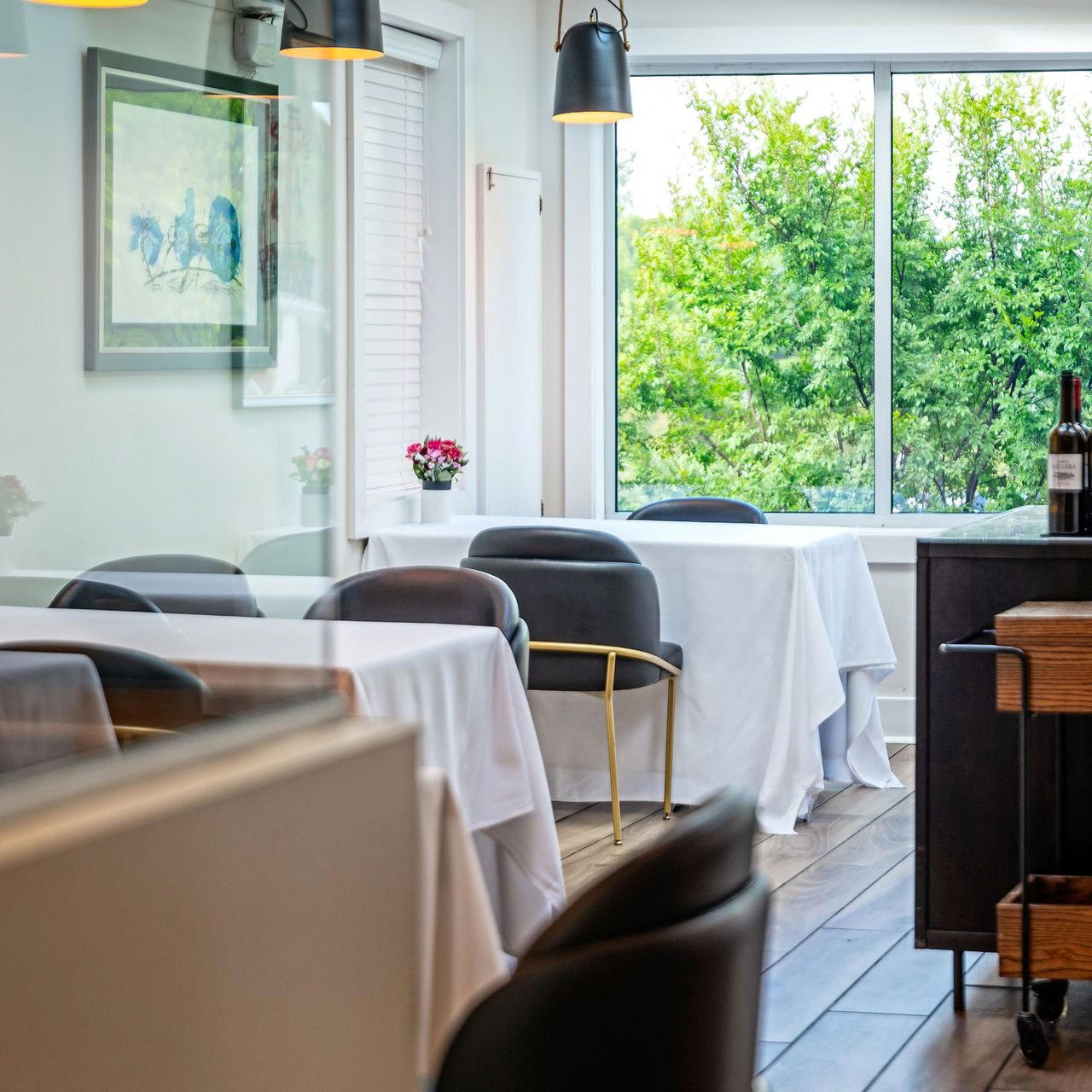
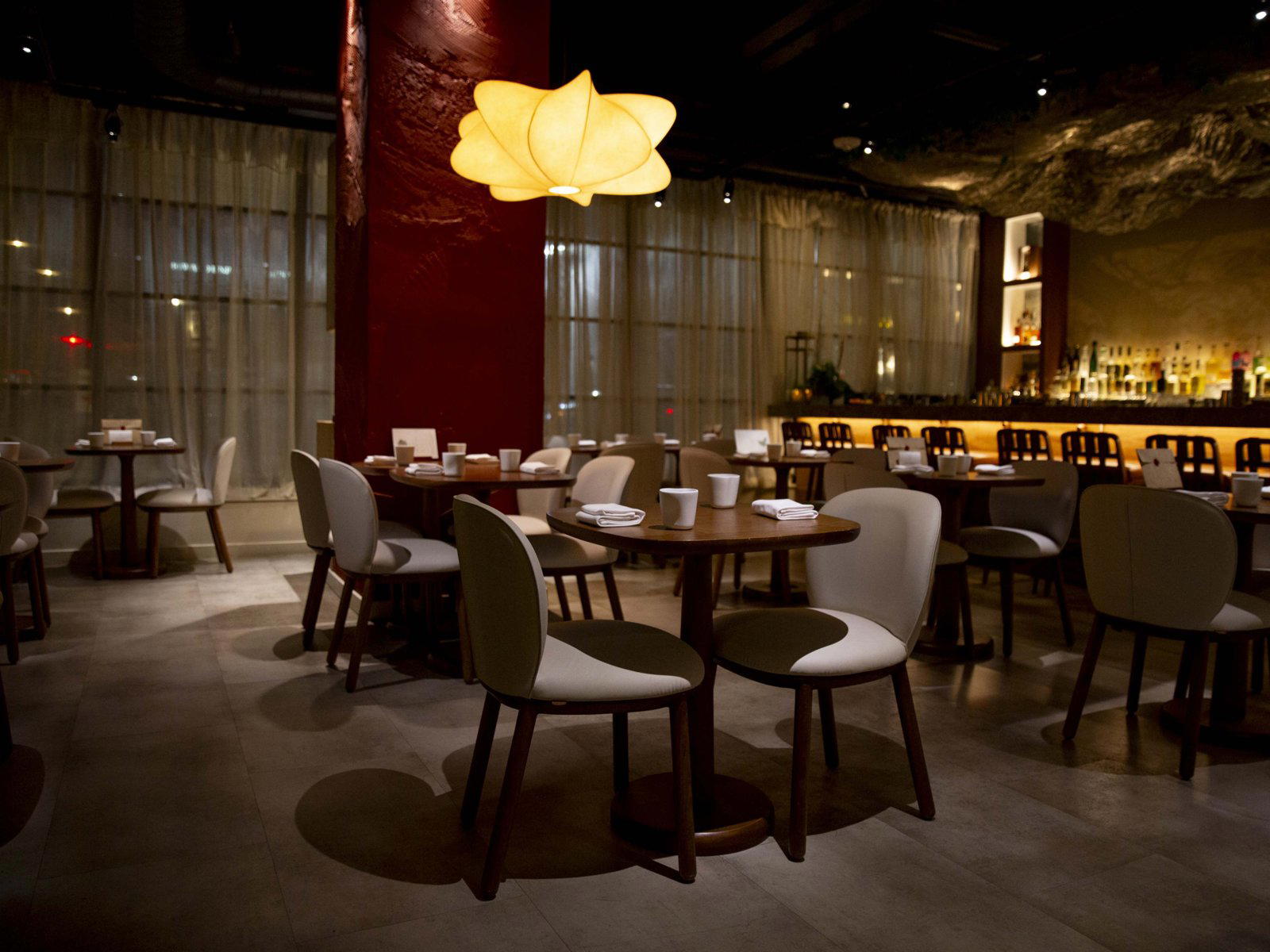
Bars in Olney
Browse all →
Hotels in Olney
Browse all →

At a Glance
- Casual
- Cozy
- Casual Hangout
- Open Kitchen
Current opening hours
- Monday
- 11:30 AM–2:30 PM, 5–10 PM
- Tuesday
- 11:30 AM–2:30 PM, 5–10 PM
- Wednesday
- 11:30 AM–2:30 PM, 5–10 PM
- Thursday
- 11:30 AM–2:30 PM, 5–10 PM
- Friday
- 11:30 AM–2:30 PM, 5–10 PM
- Saturday
- 4–10 PM
- Sunday
- 4–9:30 PM
Hours can change for holidays and private events. Last verified .
Down-to-earth, nicely laid out small space with a casual atmosphere.