Our verdict
Wannes Raps occupies a quiet address on Schaffensestraat in Diest, a Flemish Brabant town that rarely appears on Belgium's fine dining circuit. With Belgian destination cooking increasingly defined by its relationship to local producers and seasonal supply chains, this address rewards the kind of deliberate detour that reveals how regional ingredient culture operates outside the major cities. Visitors planning a trip should consult our full Diest restaurants guide for broader context.

Pearl is the En Primeur Club membership app, where members save venues, book tables and use the concierge.
Diest and the Quiet Ambition of Flemish Brabant Dining
Belgium's most-discussed restaurant tables tend to cluster in Ghent, Antwerp, and the Flemish coastal strip, with a secondary tier anchored in Brussels. Flemish Brabant sits between those poles, and towns like Diest rarely enter the conversation despite sitting within comfortable reach of the capital. That geographic positioning has a culinary consequence: restaurants here are less likely to be performing for a metropolitan audience and more likely to be cooking for a local one, which, in Belgium's tightly networked food culture, often means a closer relationship to regional producers, farm suppliers, and seasonal availability than you find in city-centre rooms built for destination traffic.
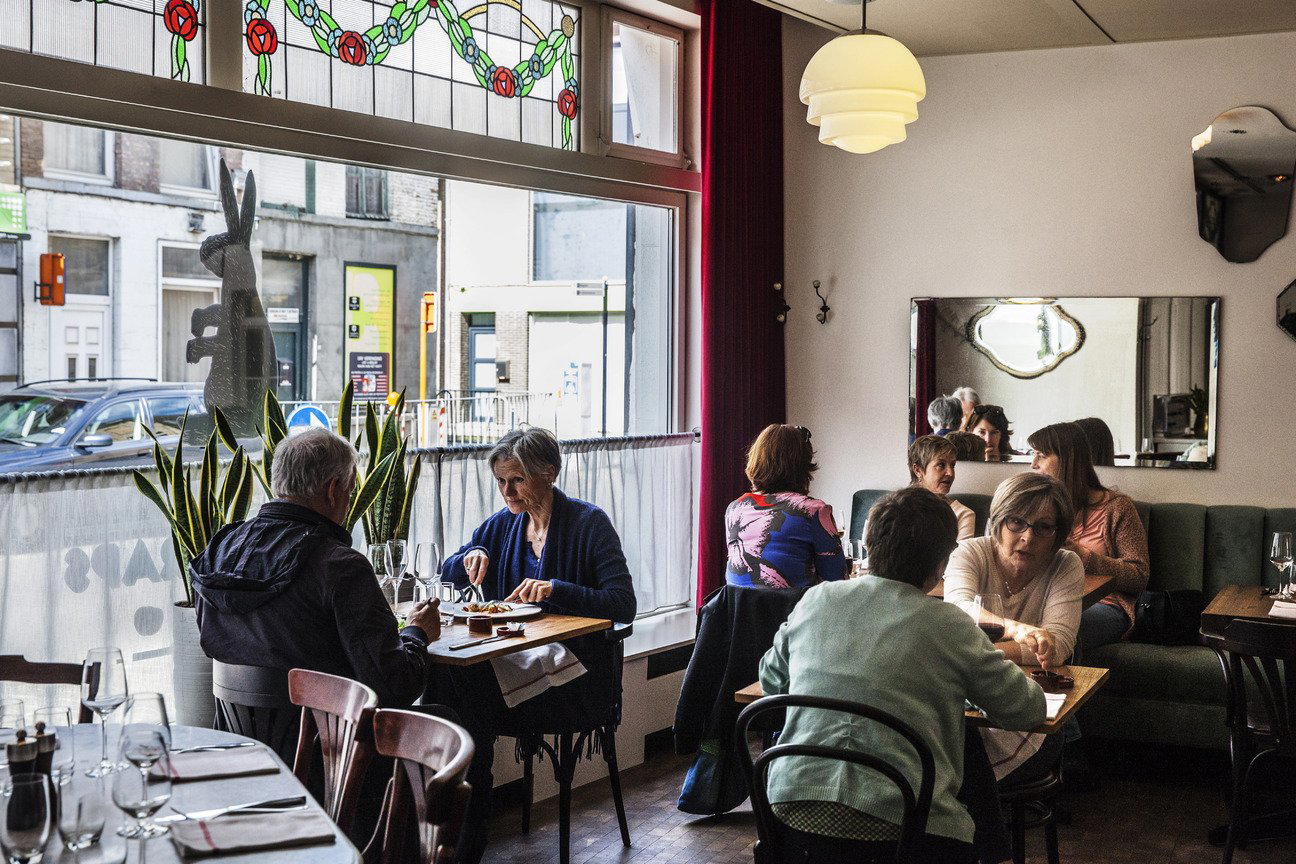
Wannes Raps, at Schaffensestraat 17 in Diest, operates inside that context. The address is not a landmark building or a converted industrial space of the kind that photographs well for travel coverage. It is the kind of room that asks you to pay attention to what arrives at the table rather than to the architecture holding it together, which is consistent with how Belgian ingredient-led cooking has evolved over the past decade across the country's mid-tier restaurant stock.
Ingredient Culture and the Regional Supply Argument
The broader story of Belgian fine and upper-casual dining over the last fifteen years is partly a story about sourcing. Kitchens at the level of Hof van Cleve in Kruishoutem, Boury in Roeselare, and Willem Hiele in Oudenburg have made their producer relationships a visible part of the dining proposition, signalling them on menus, in press, and in how they explain dishes at the table. That transparency has filtered down through Belgian restaurant culture so that even rooms without Michelin recognition or media profiles participate in the same conversation about local vegetables, artisan cheesemakers, and small-scale meat suppliers.
Flemish Brabant's agricultural belt gives restaurants in Diest and the surrounding area a plausible claim on genuinely local supply. The region produces vegetables, grain, and livestock within distances that make seasonal cooking a practical reality rather than a marketing aspiration. For a kitchen working at the scale likely implied by a Diest address, the short supply chain is less a philosophy statement and more a structural fact: the closest good supplier is often a regional one. That proximity tends to produce cooking where the quality of a single ingredient does more work than technical elaboration, a pattern visible across Belgium's most respected tables from Castor in Beveren to De Jonkman in Sint-Kruis.
Diest as a Dining Destination
Diest is a walled medieval town with a coherent historic centre, a Grote Markt ringed by guild architecture, and a surrounding green belt that includes the Webbekomsbroek nature reserve. It is the kind of place that Belgian domestic travellers visit for a weekend without needing a restaurant as the primary draw, which means that restaurants here compete on value and consistency rather than on spectacle. The town sits roughly 50 kilometres east of Brussels, accessible by regional rail from Leuven or by road from the E314 motorway, making it a realistic lunch or dinner detour rather than a significant logistical undertaking.
Within Diest's restaurant stock, Wannes Raps sits alongside Jerome, the French-focused address that represents the town's more formal dining option. Together they suggest a local scene with more range than the town's size might imply, though neither carries the national recognition of Belgium's decorated tables. For a broader picture of what the town offers, our full Diest restaurants guide covers the range of options in more detail.
How Wannes Raps Sits in the Belgian Restaurant Conversation
Belgian restaurant culture has a well-established tradition of serious cooking outside the major cities. The country's Michelin geography has historically rewarded rural and small-town addresses, producing decorated tables in towns that international visitors would not otherwise find on a standard itinerary. Places like L'air du Temps in Liernu, La Table de Maxime in Our, and Le Chalet de la Forêt in Uccle have built reputations that pull diners well beyond their immediate catchment areas.
That positioning is not a criticism. Belgium has a dense lower tier of serious cooking that never accumulates awards but contributes to the country's overall culinary texture. The comparison set for a room like this is not Zilte in Antwerp or Bozar in Brussels, but rather the cluster of well-run provincial rooms that make Belgium's restaurant culture more geographically even than France or the UK. For context on what that category looks like at its most accomplished, addresses like Maison Colette in Tongerlo, La Durée in Izegem, and Bartholomeus in Heist represent the standard that provincial Belgian cooking can reach. Internationally, the template of serious ingredient-led cooking in modest formats has parallels in rooms as different as Le Bernardin in New York and Atomix, though the Belgian version operates without that level of institutional recognition or price architecture.
Planning a Visit
Schaffensestraat 17 is within walking distance of Diest's town centre, making it accessible on foot from the Grote Markt without navigating the town's peripheral roads. Diest is leading approached by car if arriving from outside the region; rail travellers can reach the town via Hasselt or Leuven with onward connections, though the frequency of those services rewards checking current timetables in advance. A visit pairs naturally with the town's historic centre, which takes two to three hours to walk without rushing.
Visitors considering the broader Flemish Brabant circuit might also cross-reference d'Eugénie à Emilie in Baudour for a sense of how Belgian regional cooking operates at the western edge of the country's French-speaking belt, providing useful contrast to the Flemish register that defines cooking in Diest.
Frequently asked questions
Is Wannes Raps good for families?
Diest is a compact, walkable town and Schaffensestraat 17 sits within easy reach of the historic centre, which makes logistics manageable for families.
Is Wannes Raps formal or casual?
The restaurant's address in Diest rather than Antwerp or Brussels already signals something about its register: serious cooking without the performance of a major-city flagship.
Is Wannes Raps worth visiting from outside Diest?
Belgian restaurant culture has a documented pattern of serious cooking establishing itself in smaller historic towns beyond the Antwerp-Ghent axis, and Diest fits that geography. Schaffensestraat 17 is walkable from Diest's Grote Markt, making a day trip from Brussels or Leuven logistically straightforward.
What do people recommend at Wannes Raps?
Belgian kitchens operating at this tier in Flemish Brabant typically work with regional supply and seasonal produce, so what is worth ordering shifts with the time of year. Checking current offerings before your visit gives the clearest picture.
What part of town is Wannes Raps in?
Wannes Raps is located at Schaffensestraat 17, 3290 Diest, Belgium, Diest.
At-a-Glance Comparison
Comparable venues nearby, for context on price, style, and recognition.
| Venue | Cuisine | Price | Awards | Notes |
|---|---|---|---|---|
| Wannes RapsThis venue (the venue you are viewing) | French-Belgian Bistro | Not listed | Not listed | Not listed |
| Jerome | Classical Franco-Belgian Bistro | $50–100 | Michelin Plate | Diest |
| Rallye des Autos | Belgian Brasserie & French Classics | $30–50 | Not listed | Uccle |
| L'Ôthentique | French Country Cooking with Local Ardennes Products | $50–100 | Michelin Bib Gourmand | Han-sur-Lesse |
| Un Air de Famille | French Family Bistro | $30–50 | Not listed | Theux |
| L'Arcadi | Traditional Belgian & French Brasserie | $20–30 | Not listed | Royal Gallery of Saint Hubert |
Continue exploring
More in Diest
Restaurants in Diest
All restaurants in Diest →
Hotels in Diest
Browse all →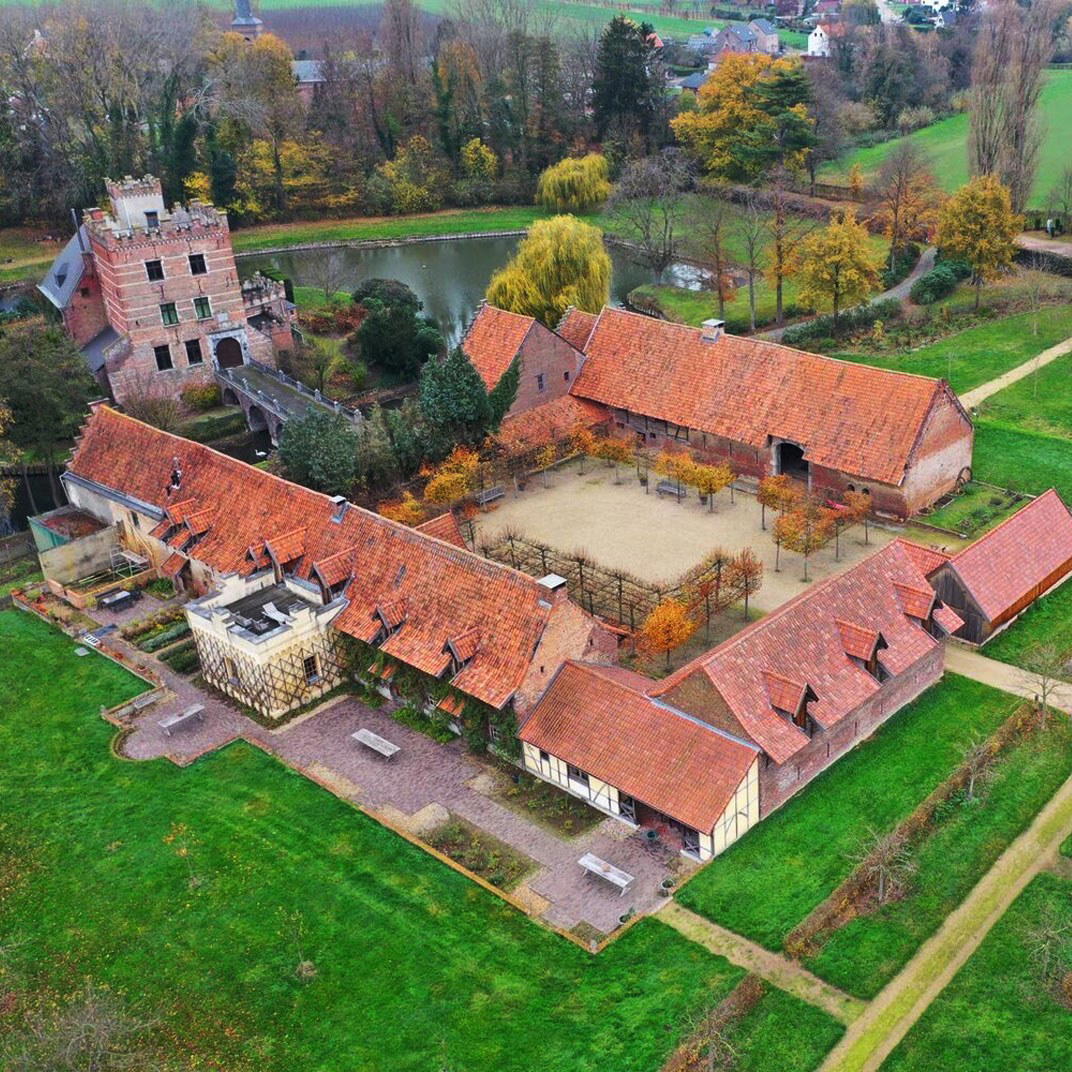
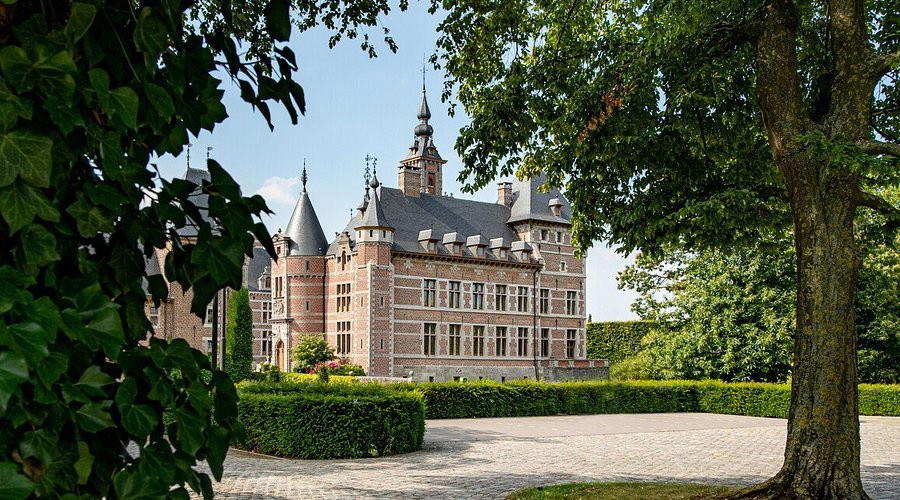
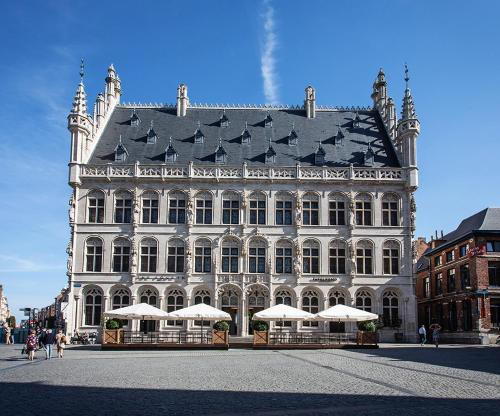
Wineries in Diest
Browse all →
Details
- Cozy
- Intimate
- Date Night
- Casual Hangout
- Open Kitchen
- Natural Wine
- A La Carte
- Vegetarian Friendly
- Vegan Options
- Gluten Free Options
Current opening hours
- Monday
- Closed
- Tuesday
- 6–11 PM
- Wednesday
- 12–3 PM, 6–11 PM
- Thursday
- 12–3 PM, 6–11 PM
- Friday
- 12–3 PM, 6–11 PM
- Saturday
- Closed
- Sunday
- Closed
Hours can change for holidays and private events. Hours as of .
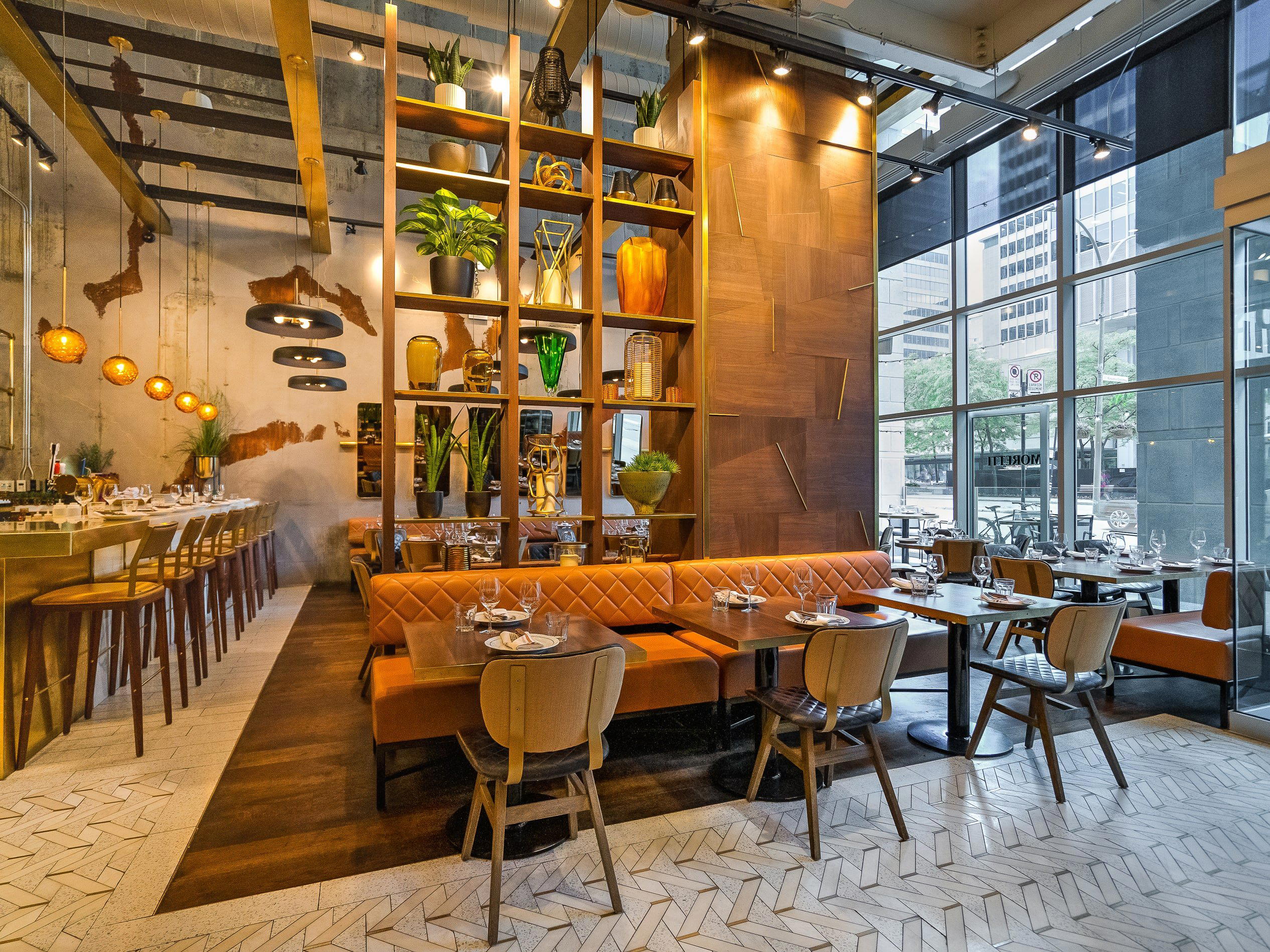
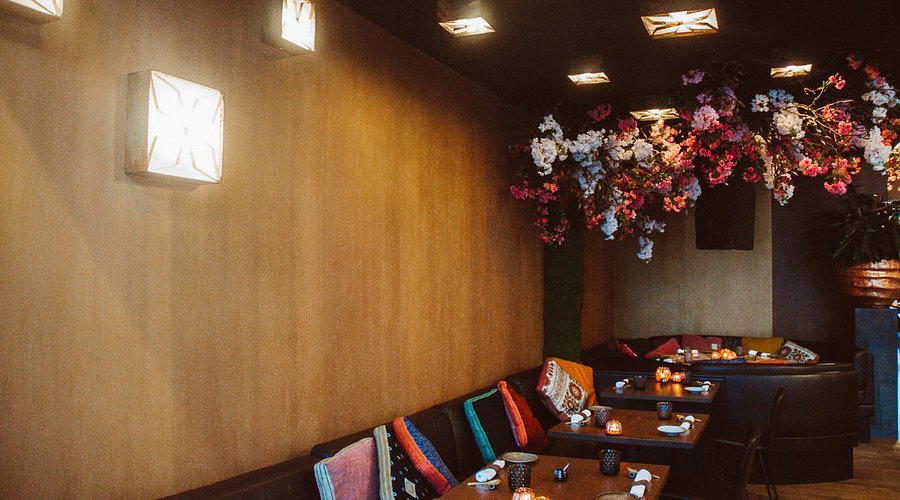
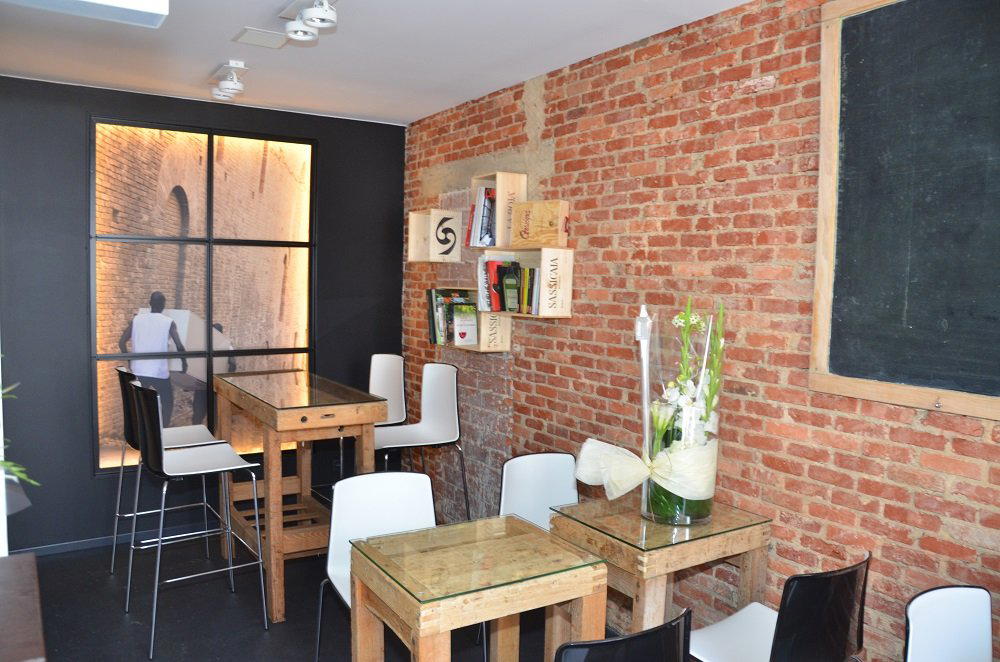
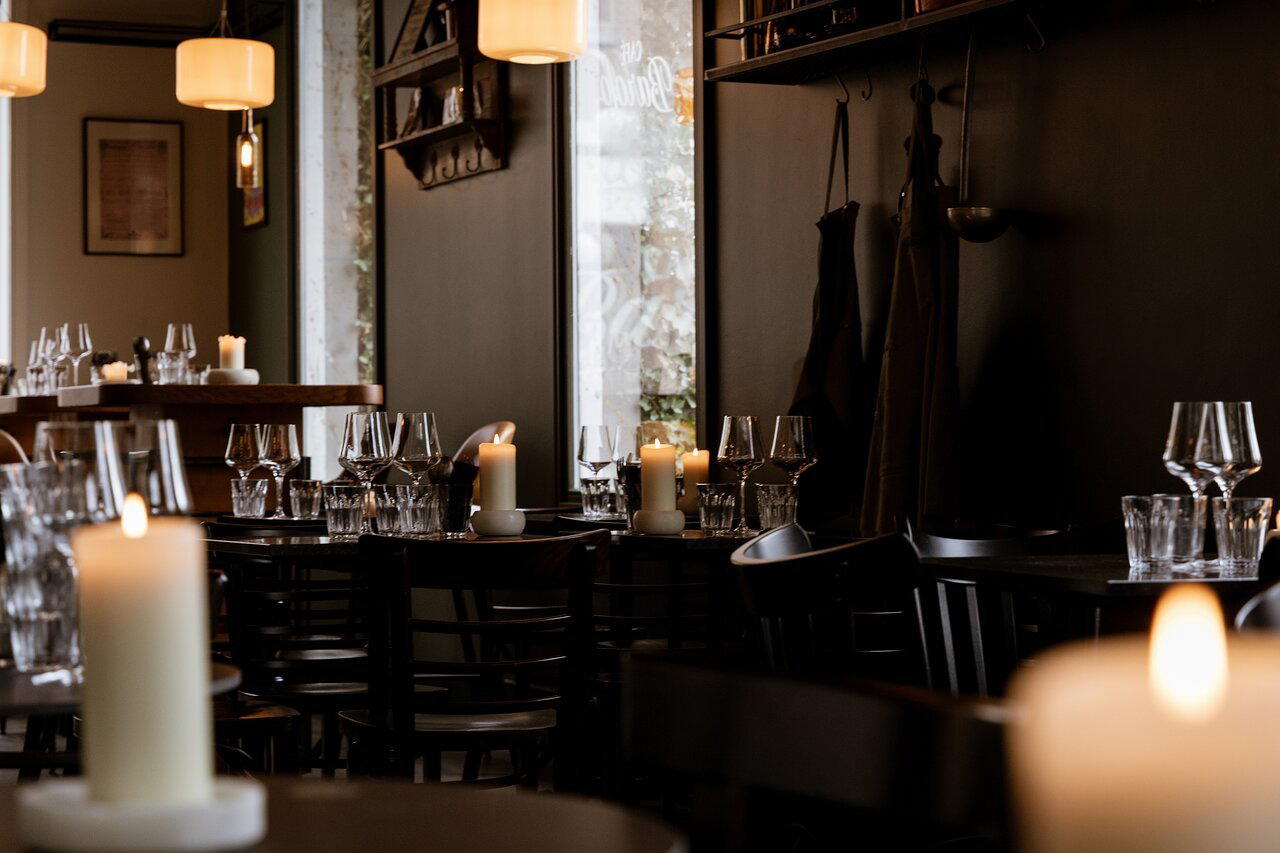
Cozy and gemoedelijk decor with a quiet, natural atmosphere.