Our verdict
Habaja Viinavabriku occupies a former distillery on the edge of a small Estonian village, placing it within a broader regional pattern of rural producers converting industrial heritage into food and drink destinations. The address alone, Kose mnt 2, Habaja, signals a deliberate departure from Tallinn's restaurant circuit, positioning the venue for visitors willing to travel for provenance over convenience.

Pearl is the En Primeur Club membership app, where members save venues, book tables and use the concierge.
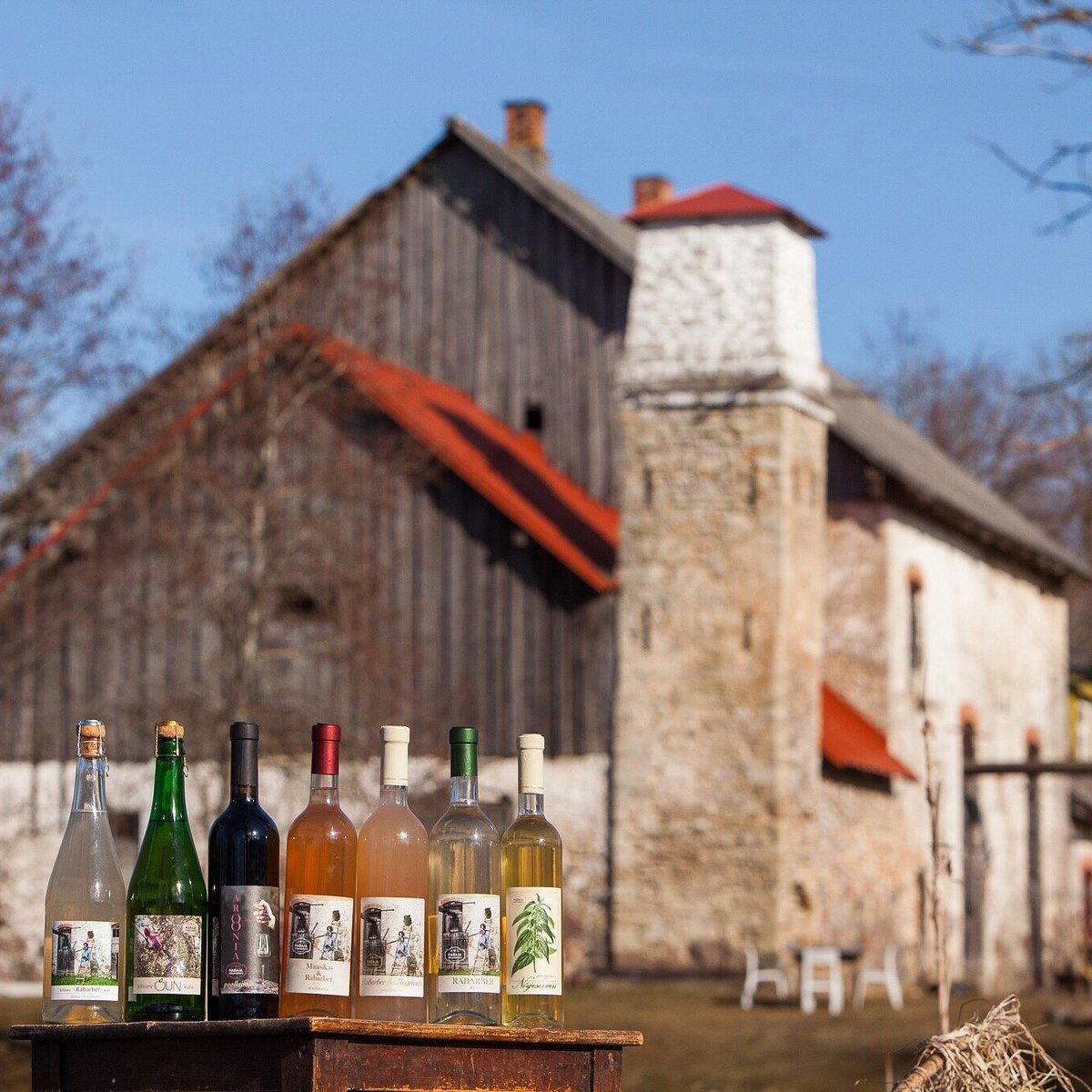
A Distillery Address in the Estonian Countryside
The road out of Tallinn toward Habaja passes through the kind of flat, forested terrain that defines Harju County: pine stands, occasional farms, small settlements that register as a name on a sign rather than a place you'd stop. Habaja itself sits roughly 30 kilometres southeast of the capital, close enough for a half-day trip, far enough to feel genuinely removed from the city's dining circuit. Arriving at Kose mnt 2, the distillery building signals its industrial past before it signals anything else, this is the kind of address that exists because something was made here first, long before anyone considered serving food.
That provenance matters. Across Estonia and the wider Baltic region, a pattern has taken shape over the past decade: defunct rural production facilities, creameries, granaries, distilleries, are being converted into hospitality spaces that lead with the heritage of the site rather than concealing it. Habaja Viinavabriku sits inside that movement. The name itself (viinavabriku translates roughly to distillery or spirit factory) makes no attempt to soften the industrial origins. This is a venue that uses its history as its primary credential.
Ingredient Sourcing and the Logic of Rural Production Sites
The conversion of production sites into dining destinations is rarely arbitrary. In most cases, the buildings carry the physical logic of their original use: proximity to raw materials, access to water, space for fermentation or curing. Rural Estonian producers have historically operated close to the land, rye, barley, root vegetables, preserved fish, dairy, and venues that emerge from those sites inherit an implicit sourcing philosophy whether they articulate it or not.
This matters for understanding what Habaja Viinavabriku represents in the Estonian food context. Estonia's most discussed dining addresses, 180° by Matthias Diether in Tallinn at the top of the price bracket, or more accessible spots like Kohvik in Viljandi, operate within urban or semi-urban environments where sourcing is a stated policy. At a rural production-site venue, sourcing is a structural condition: the surrounding land determines what is available, and that constraint typically shapes the menu more directly than any written philosophy could.
The broader Estonian food culture has leaned into this. Foraging, preservation, fermentation, and the use of local grains sit at the centre of the country's culinary identity in a way that pre-dates the Scandinavian New Nordic wave, even if that movement gave the language to describe it internationally. A distillery site in Harju County is not a neutral backdrop, it is a specific environment with specific agricultural relationships, and the most coherent versions of this venue type make those relationships legible on the plate.
Situating Habaja Within the Estonian Dining Map
Estonia's dining geography has historically concentrated in Tallinn's Old Town and Kalamaja district, with secondary clusters in Tartu and Pärnu. Rural addresses represent a smaller, more deliberate category: venues that require a specific journey and therefore carry a different set of expectations. Guests do not arrive at Habaja by accident.
For context on the wider Estonian scene, Valgeranna Veinitall in Audru offers a comparable rural-production-site reference point, combining wine and food in a setting that similarly foregrounds agricultural heritage. Further afield, Ilmaveere in Obinitsa represents the deep-rural end of this spectrum, where locality is the primary proposition. Habaja occupies a middle position: close enough to Tallinn to function as a day-trip destination, distinct enough from the capital to justify the drive on its own terms.
The comparison set for Habaja Viinavabriku is not the urban fine-dining tier. Venues like NOA Chef's Hall or the formal tasting-menu restaurants of central Tallinn operate on different terms, longer reservations, higher price points, a performance of technique rather than a grounding in place. The rural distillery model sits closer to the tradition of the Estonian kõrts (inn), updated for contemporary expectations around sourcing transparency and culinary quality. See Our full Habaja restaurants guide for further context on the local area.
Planning a Visit
Habaja is most practically reached by car from Tallinn, the drive runs south along Route 11 through Kose, with Habaja a short distance beyond. Public transport connections to this part of Harju County are limited, and the venue's rural character means that a car is the realistic option for most visitors. The address at Kose mnt 2 is specific enough to locate reliably by GPS. Given the venue's production-site setting, visiting outside peak summer months is worth considering: the countryside around Habaja reads differently in autumn, when the harvest context is legible in the fields, and the interior of a former distillery building holds its character across seasons in a way that a terrace-dependent venue does not.
Contacting the venue directly before making the journey is the sensible approach, particularly for group visits or if travelling outside the main tourist season.
For a broader picture of Estonian dining across the country's varied geography, the EP Club covers venues from Eva Sushi in Tartu and Kolm. Restoran in Voru in the south to KABE Beach in Kaberneeme and Wana Kala Kõrts in Neeme along the northern coast. The range reflects how Estonia's food culture has distributed itself across the country rather than concentrating exclusively in the capital, a pattern that makes venues like Habaja Viinavabriku legible as part of a larger movement, not as an outlier.
Further afield, Kuur in Vihtra and Kalana ÄÄR in Kalana offer additional reference points for rural Estonian dining with a strong sense of place. For those combining an Estonian trip with travel to neighbouring cities, Franzia in Narva Joesuu and Kohvik Kaar in Narva round out the eastern end of the country's dining map.
Frequently asked questions
Can I bring kids to Habaja Viinavabriku?
Habaja Viinavabriku sits at Kose mnt 2 in a rural Estonian setting rather than an urban dining room, which typically suits a more relaxed visit. Contacting the venue directly before travelling from Tallinn is advisable given the rural location.
What's the overall feel of Habaja Viinavabriku?
The address, Kose mnt 2, outside Habaja in Harju County, places this firmly in Estonia's flat, forested countryside rather than a city dining district. The building's industrial origin as a distillery shapes the physical character: expect production-scale proportions and materials rather than a conventional restaurant interior. It sits outside Tallinn's Old Town and Kalamaja dining clusters, which gives it a distinctly rural register.
Is Habaja Viinavabriku worth the drive from Tallinn for a day trip?
Habaja lies south of Tallinn along Route 11 through Kose in Harju maakond, making it a practical car-based excursion rather than a public-transport trip. The distillery setting at Kose mnt 2 offers a context that Estonia's city-centre venues, concentrated in Tallinn's Old Town and Kalamaja, cannot replicate. Visitors specifically interested in production-heritage sites within the Estonian countryside will find the location coherent with that purpose.
What dish is Habaja Viinavabriku famous for?
The venue's identity is more closely tied to its distillery provenance and rural Harju County location than to a single menu centrepiece.
Fast Comparison
Comparable venues nearby, for context on price, style, and recognition.
| Venue | Cuisine | Price | Awards | Notes |
|---|---|---|---|---|
| Habaja ViinavabrikuThis venue (the venue you are viewing) | Pizza and Local Fruit Wines | $20–30 | Not listed | Not listed |
| Vidrike Külamaja | Italian Pizza with Local Flavors | Not listed | Not listed | Vidrike |
| La Casa Nostra | Neapolitan Pizzeria | Not listed | Not listed | Kaberneeme |
| Cannella | Authentic Neapolitan Pizza | $20–30 | Not listed | Viimsi |
| Margherita Pizzeria & Trattoria | Authentic Neapolitan Pizza & Italian Trattoria | $20–30 | 50 Top Pizza Europe #45 | Old Town |
| Kajakas | Neapolitan Pizza | $20–30 | Not listed | Kadriorg |
Continue exploring
More in Habaja
Restaurants in Habaja
All restaurants in Habaja →
Bars in Habaja
Browse all →
Details
- Rustic
- Cozy
- Scenic
- Casual Hangout
- Special Occasion
- Courtyard
- Historic Building
- Natural Wine
- Local Sourcing
- Garden
- A La Carte
- Fruit Wine
- Sparkling Wine
Current opening hours
- Monday
- Closed
- Tuesday
- Closed
- Wednesday
- Closed
- Thursday
- Closed
- Friday
- Closed
- Saturday
- 1–7 PM
- Sunday
- 1–6 PM
Hours can change for holidays and private events. Hours as of .
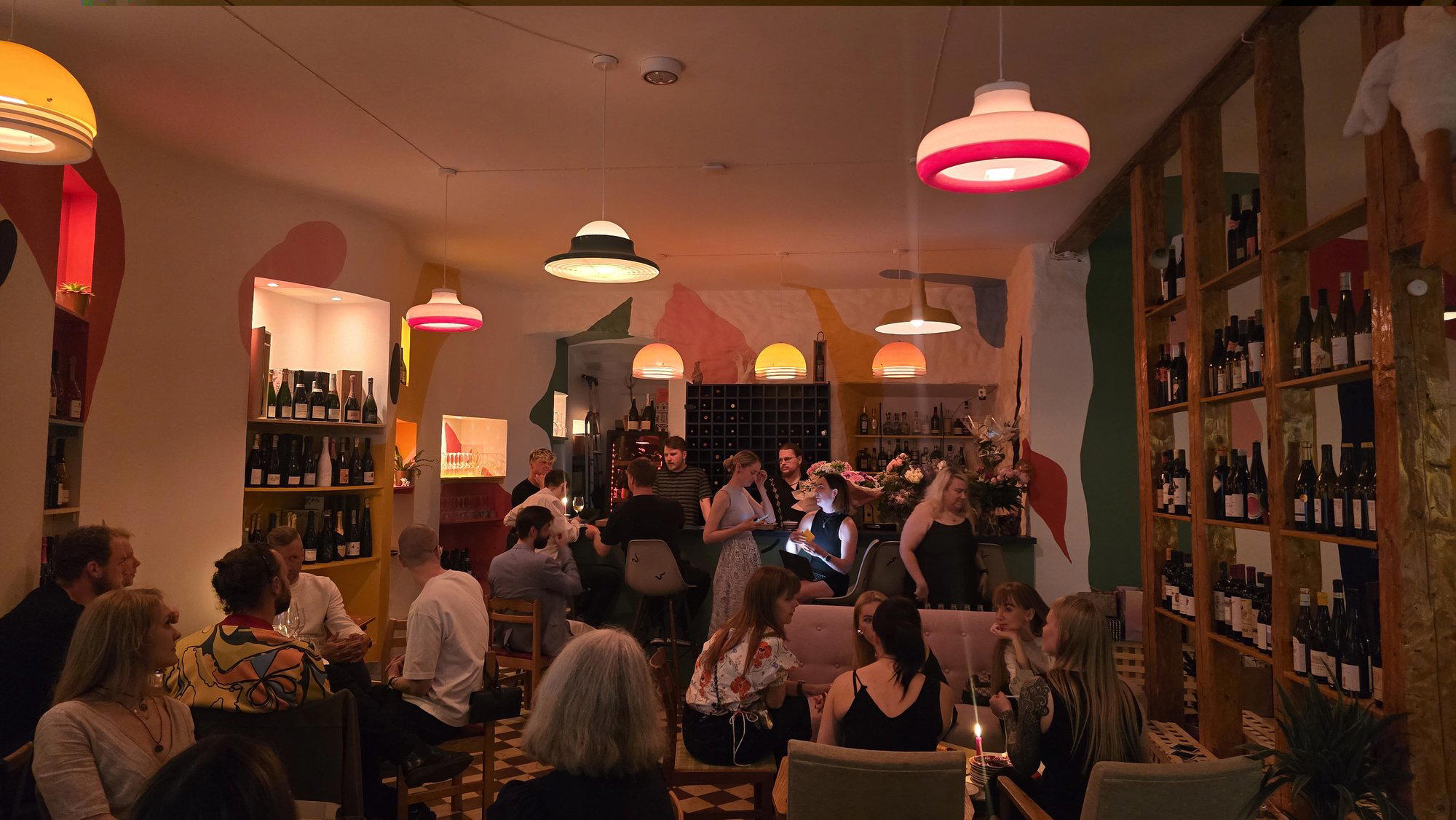
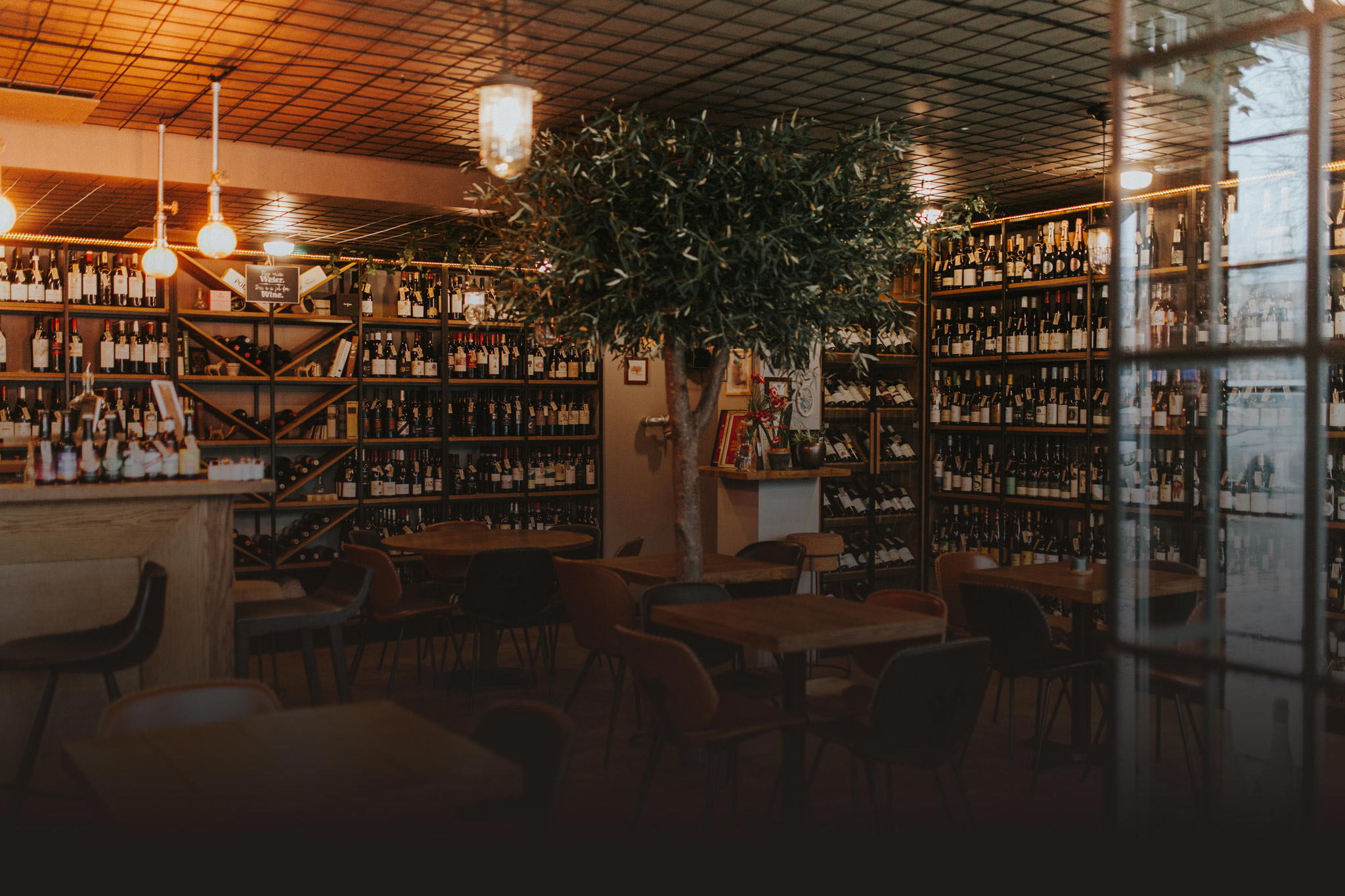
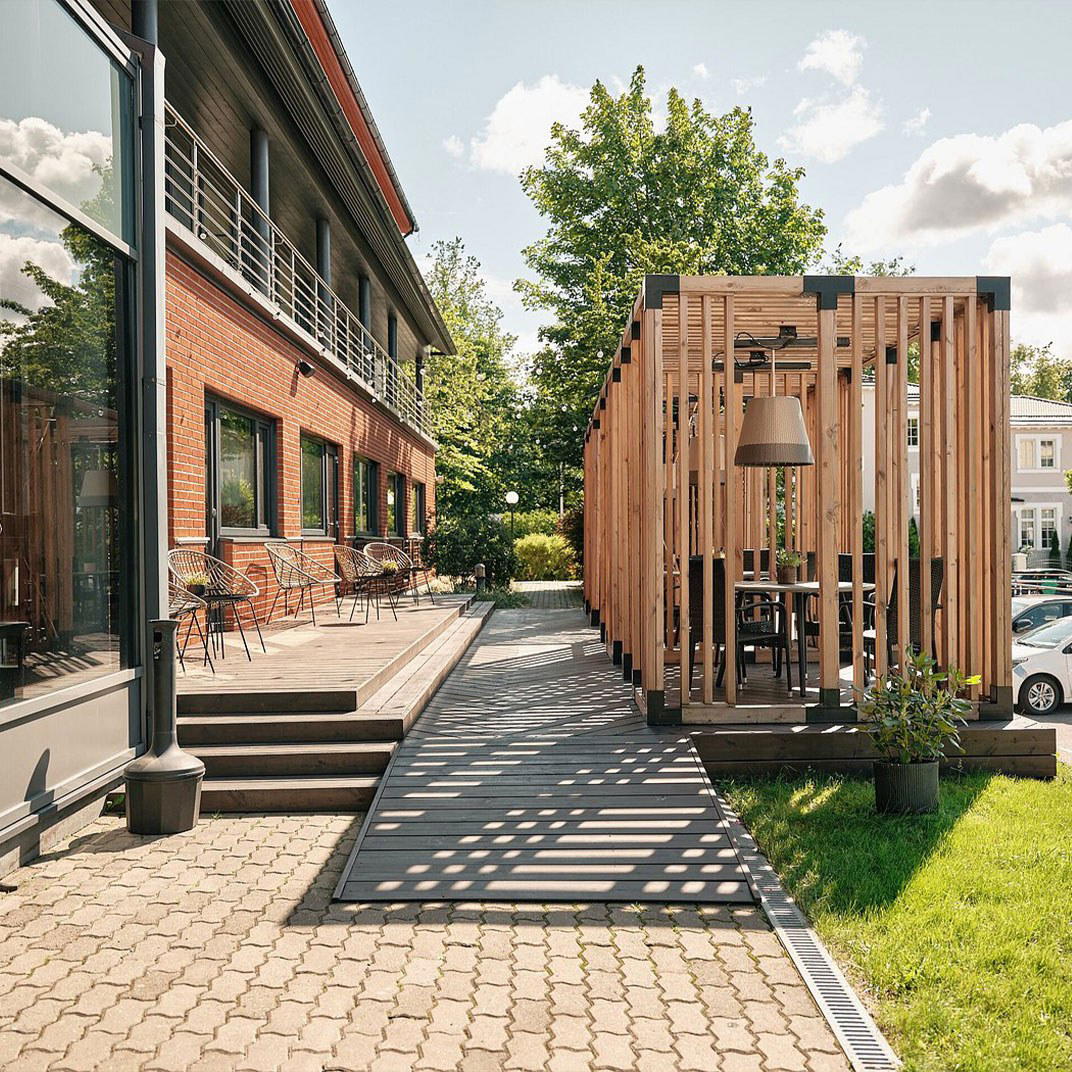
Charming courtyard café atmosphere in a restored historic distillery building with rustic, cozy vibes.