.png)
Hiis occupies a rare position in Estonia's fine-dining map: a Michelin Plate-recognised modern cuisine restaurant set in Manniva, a rural Harju County address that makes sourcing from the surrounding land not just possible but structurally central to the cooking. At the €€€€ price tier, it positions itself within Estonia's small cluster of destination restaurants outside Tallinn, where provenance and setting do most of the editorial work.
 Discover on Pearl
Pearl is the En Primeur Club membership app — saves, bookings, and concierge access live there. Same editors, same standards.
- Address
- Tammenõlva 2, Manniva, 74217 Harju maakond, Estonia
- Phone
- +372 5886 6858
- Website
- hiisrestaurant.com
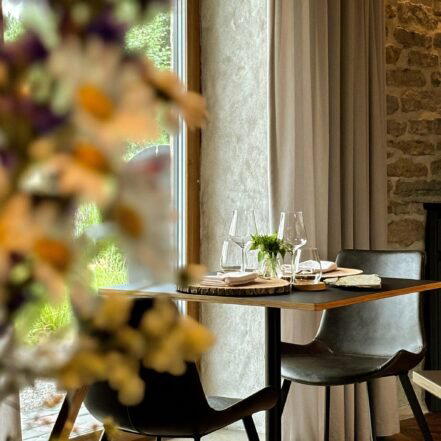
Rural Harju County and the Logic of Eating Here
Estonia's serious restaurant culture has always concentrated in Tallinn, but the past decade has produced a small and credible countermovement: destination kitchens set at a deliberate remove from the capital, where the address itself becomes an argument for a particular kind of cooking. Manniva, a village in Harju County roughly an hour's drive from Tallinn, is the kind of place that only makes sense as a restaurant location if the surrounding terrain is doing meaningful work on the plate. Hiis, a modern Nordic Farm-to-Table Tasting restaurant in Manniva priced at €€€€, operates on exactly that premise.
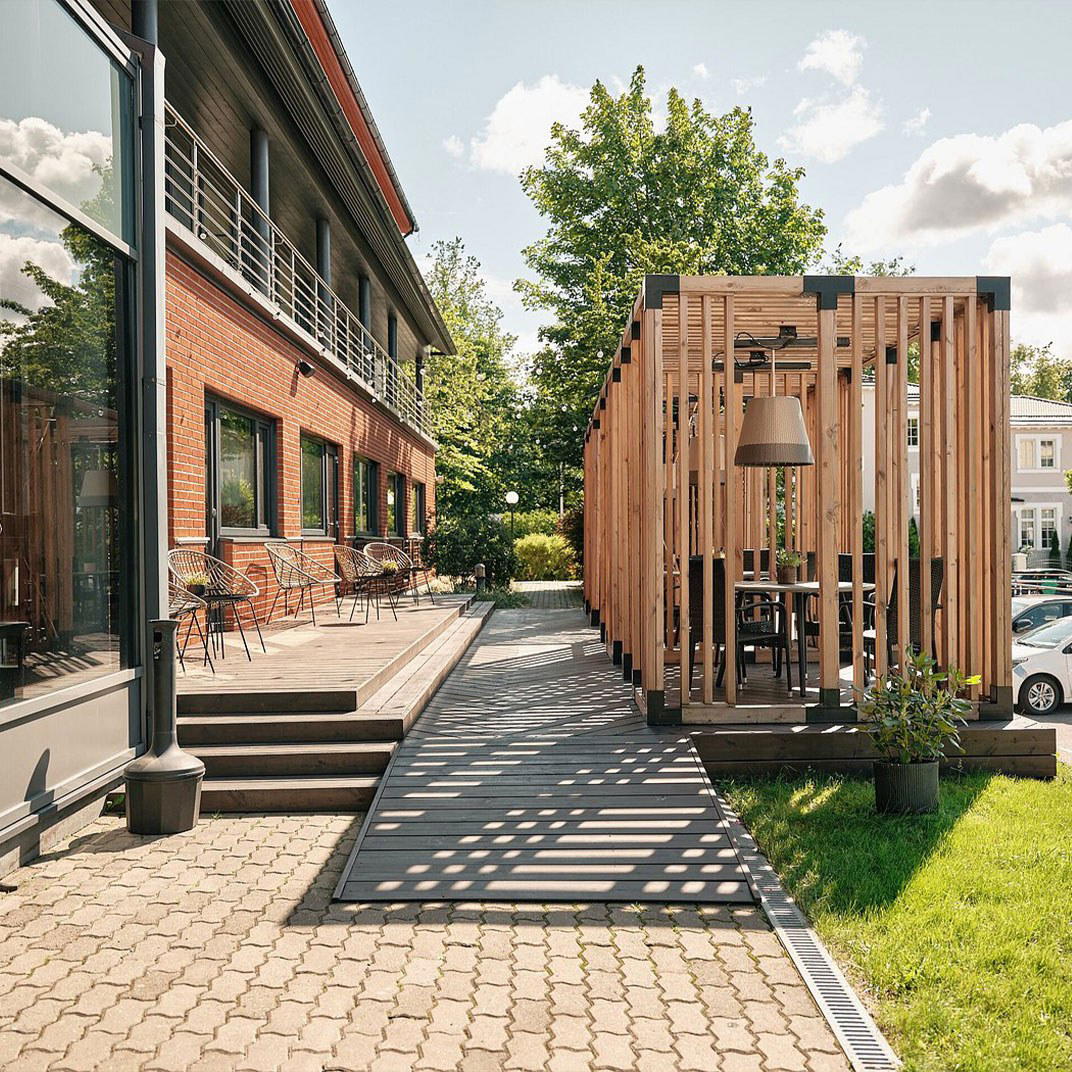
The address at Tammenõlva 2 places the restaurant in a low-density, forested part of Harju maakond, the county that rings the Estonian capital. Arriving by road, the transition from urban motorway to tree-lined rural lane is the first signal that the kitchen's relationship with its environment is spatial as much as philosophical. The physical setting is not incidental context; it is, in the logic of this kind of modern Nordic-influenced cooking, the whole point.
Ingredient Sourcing as the Central Argument
Modern cuisine in Estonia has converged on a broadly shared set of principles: short supply chains, seasonal constraint, and a preference for wild or minimally cultivated ingredients over imported alternatives. What varies between restaurants at this level is the specificity and honesty of the commitment. At the €€€€ price tier, the expectation is not simply that local produce appears on the menu, but that its provenance shapes the menu's structure and timing.
Harju County's larder is substantial by northern European standards. The forests around Manniva yield mushrooms and berries across a long autumn harvest window. The county's coastline and river systems supply freshwater and brackish species that rarely appear on urban menus. Farms in this part of Estonia have been reclaiming traditional breeds and grain varieties since the early 2000s, a shift that has given cooks with serious sourcing intent genuine raw material to work with rather than marketing language to borrow.
A Michelin Plate signals that inspectors found the cooking technically sound and worth the detour, even if a star was not yet awarded. In the context of Estonian fine dining, where the Michelin guide only began covering the country as part of its Nordic expansion, a Plate in a non-capital location is a meaningful credential. It places Hiis inside a small national peer group that includes Alexander in Pädaste, SOO in Maidla, and Wicca in Laulasmaa, all restaurants operating outside urban centres, all making the rural address central to their identity.
Where Hiis Sits in the Estonian Fine-Dining Tier
Estonia's recognised fine-dining table is small enough that individual positioning matters. At the leading sits 180° by Matthias Diether in Tallinn, currently holding two Michelin stars and working in Estonian Fusion at the same €€€€ price point. Below that, NOA Chef's Hall holds one star in the Creative category, also at €€€€. Hiis, at the same price tier with a Plate rather than a star, is not a budget compromise within this set; it is a different kind of wager, one that prioritises geography and sourcing specificity over the concentrated technical theatre that Tallinn's leading tables offer.
The comparison to Kolm Sõsarat in Lüllemäe, Lahepere Villa in Kloogaranna, or Mere 38 in Võsu is instructive: Estonia has developed a genuine archipelago of serious rural tables, each staking a claim on a specific territory. Hiis in Manniva occupies the Harju hinterland, which is arguably the most charged location of the group given its proximity to Tallinn's dining infrastructure while remaining emphatically outside it.
Internationally, the model finds analogues in destinations that use rural remove as a premium signal. Maison Lameloise in Chagny and, at the most intensely scrutinised end of the Nordic tradition, Frantzén in Stockholm, both illustrate how place-specific cooking at a serious technical level attracts diners willing to travel. FZN by Björn Frantzén in Dubai demonstrates the export version of the same idea. Hiis operates far below that visibility tier, but the underlying logic connects.
The Practical Case for Manniva
Reaching Manniva from Tallinn involves around an hour by car; there is no practical public transport option for this address. That logistical reality shapes the audience: Hiis draws a mix of Tallinn residents treating the drive as part of the occasion, international visitors extending a stay in Estonia beyond the capital's circuit, and the growing cohort of travellers who specifically seek out restaurants that require this kind of deliberate effort to reach. For those in the latter group, the journey through Harju County's forested roads is genuinely part of the experience.
At €€€€ pricing, a meal here is a commitment comparable in cost to Tallinn's leading tables, including Hõlm in Tartu or Rado Haapsalu in Haapsalu at their respective regional peaks. For those planning a wider Estonian itinerary, our full Manniva restaurants guide covers the broader local picture, alongside guides to hotels, bars, wineries, and experiences in the area. See also Fellin in Viljandi for a contrasting regional approach at the €€ tier.
A Quick Peer Check
Comparable venues nearby, for context on price, style, and recognition.
| Venue | Cuisine | Price | Awards | Notes |
|---|---|---|---|---|
| HiisThis venue — the venue you are viewing | Modern Nordic Farm-to-Table Tasting | $$$$ | Michelin Plate | |
| Lahepere Villa | Modern Estonian Fine Dining | $$$$ | Michelin Plate | Kloogaranna |
| Puri | Modern Seafood | $$$ | Michelin Plate | Haabersti linnaosa |
| Tchaikovsky | Modern Russian Fine Dining | $$$ | Michelin Plate | Old Town |
| Moon | Modern Russian/Slavic | $$$ | Michelin Plate | Kalamaja |
| Art Priori | Modern Nordic Fine Dining | $$$ | Michelin Plate | Old Town |
At a Glance
- Intimate
- Romantic
- Elegant
- Rustic
- Scenic
- Hidden Gem
- Date Night
- Celebration
- Special Occasion
- Group Dining
- Garden
- Standalone
- Historic Building
- Design Destination
- Natural Wine
- Sommelier Led
- Farm To Table
- Organic
- Natural Wine
- Local Sourcing
- Zero Waste
- Biodynamic
- Garden
- Waterfront
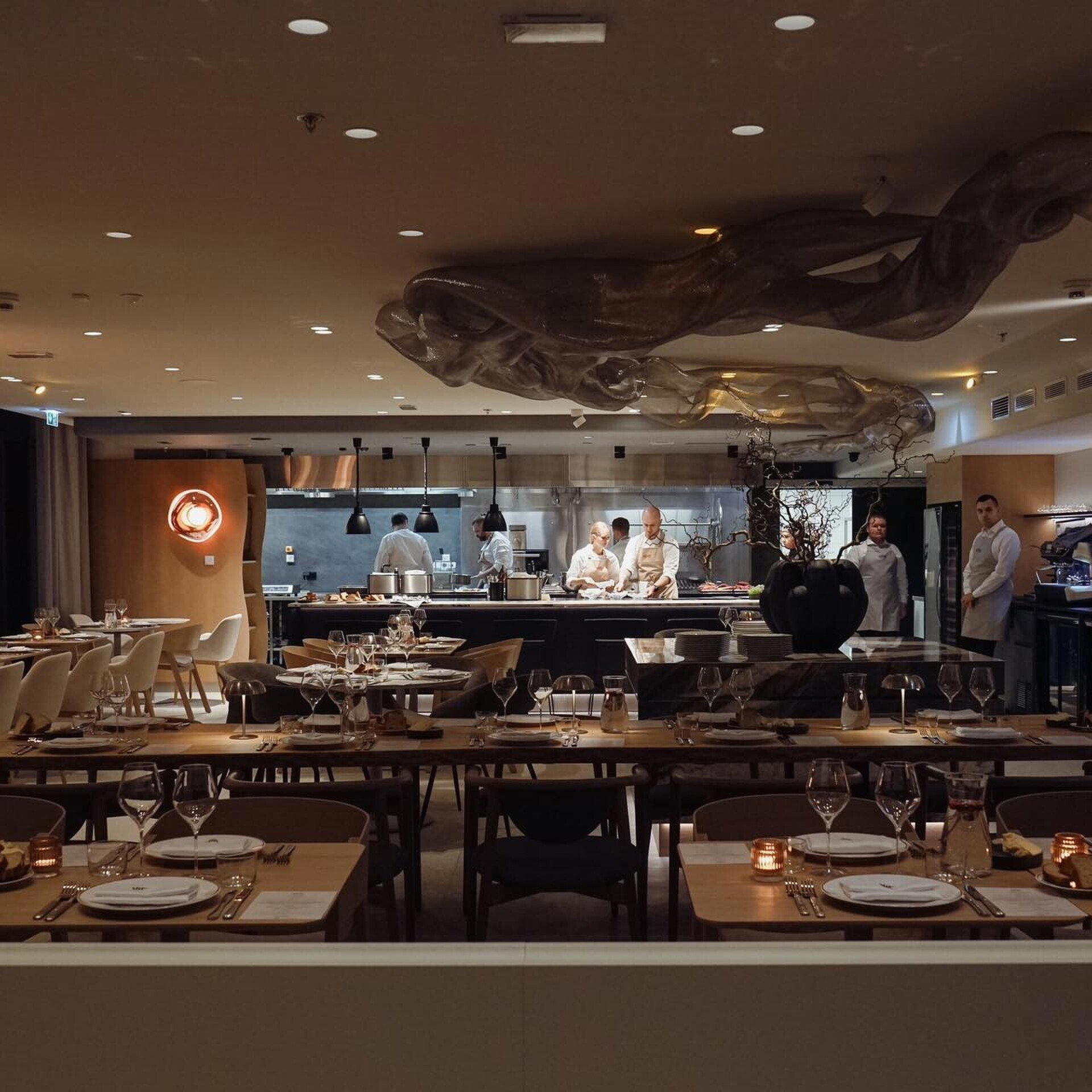
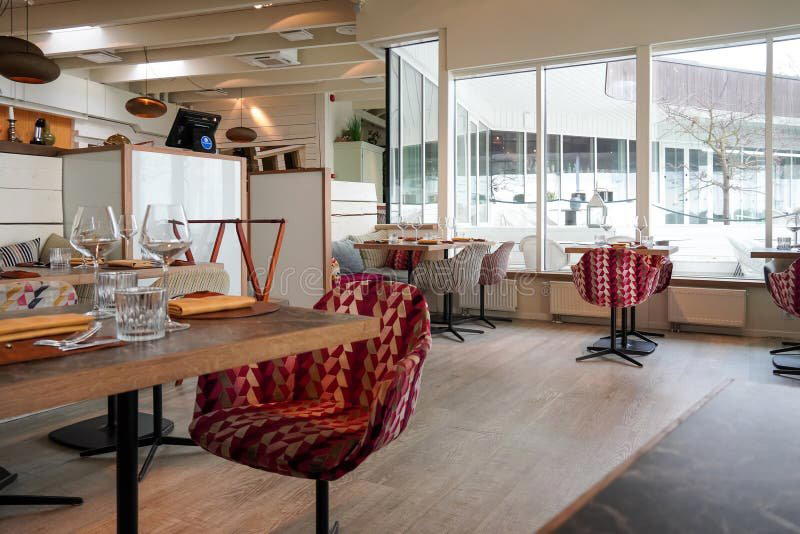
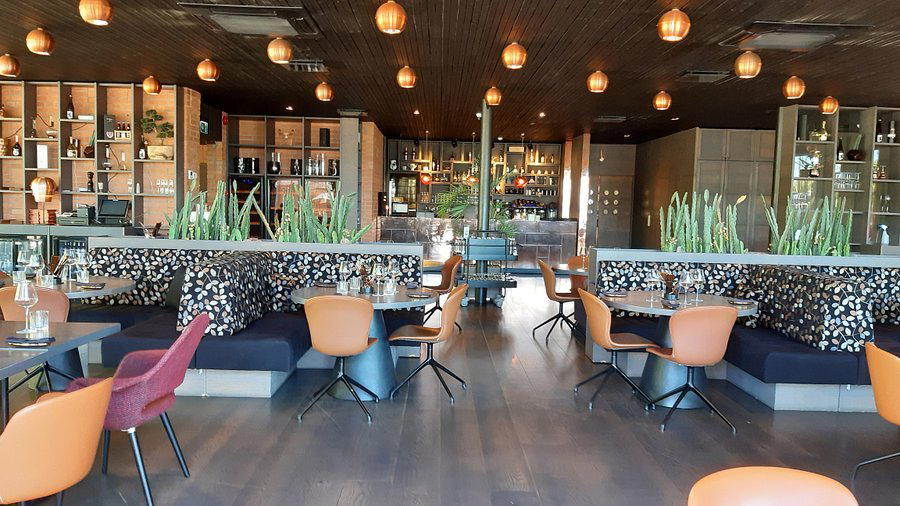
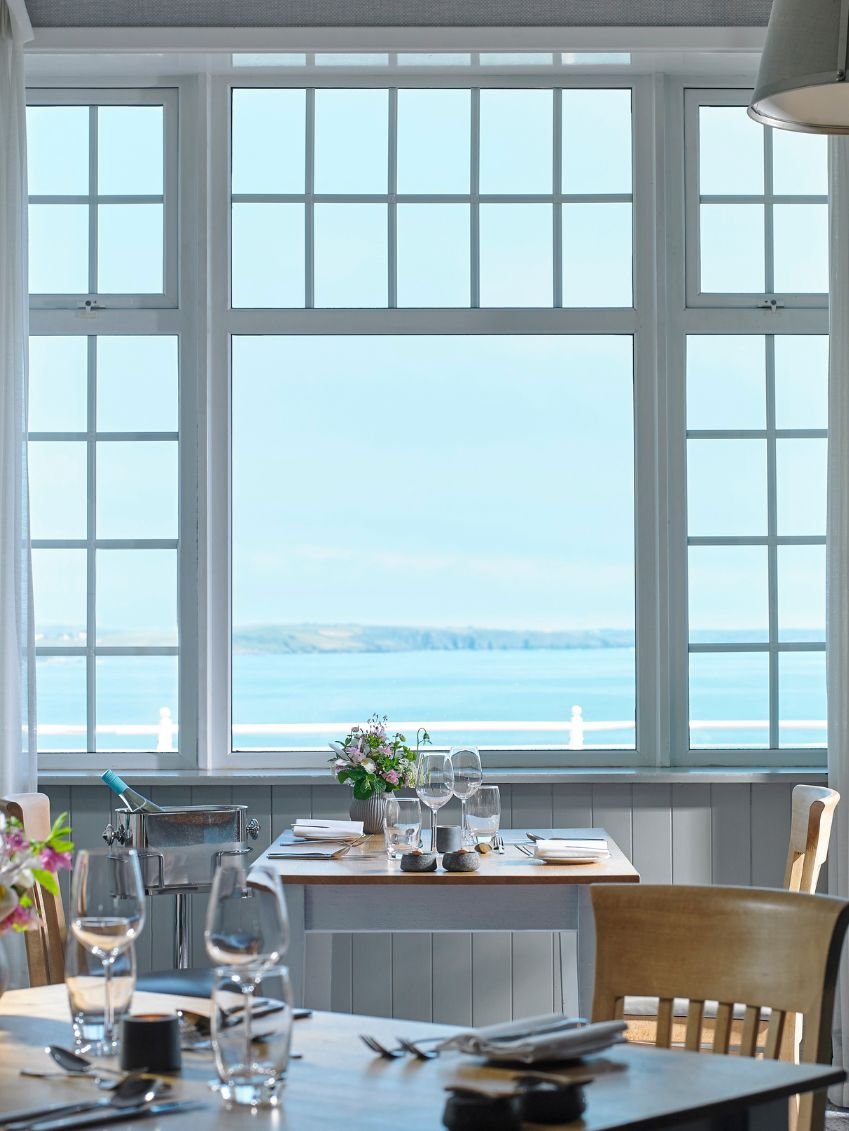
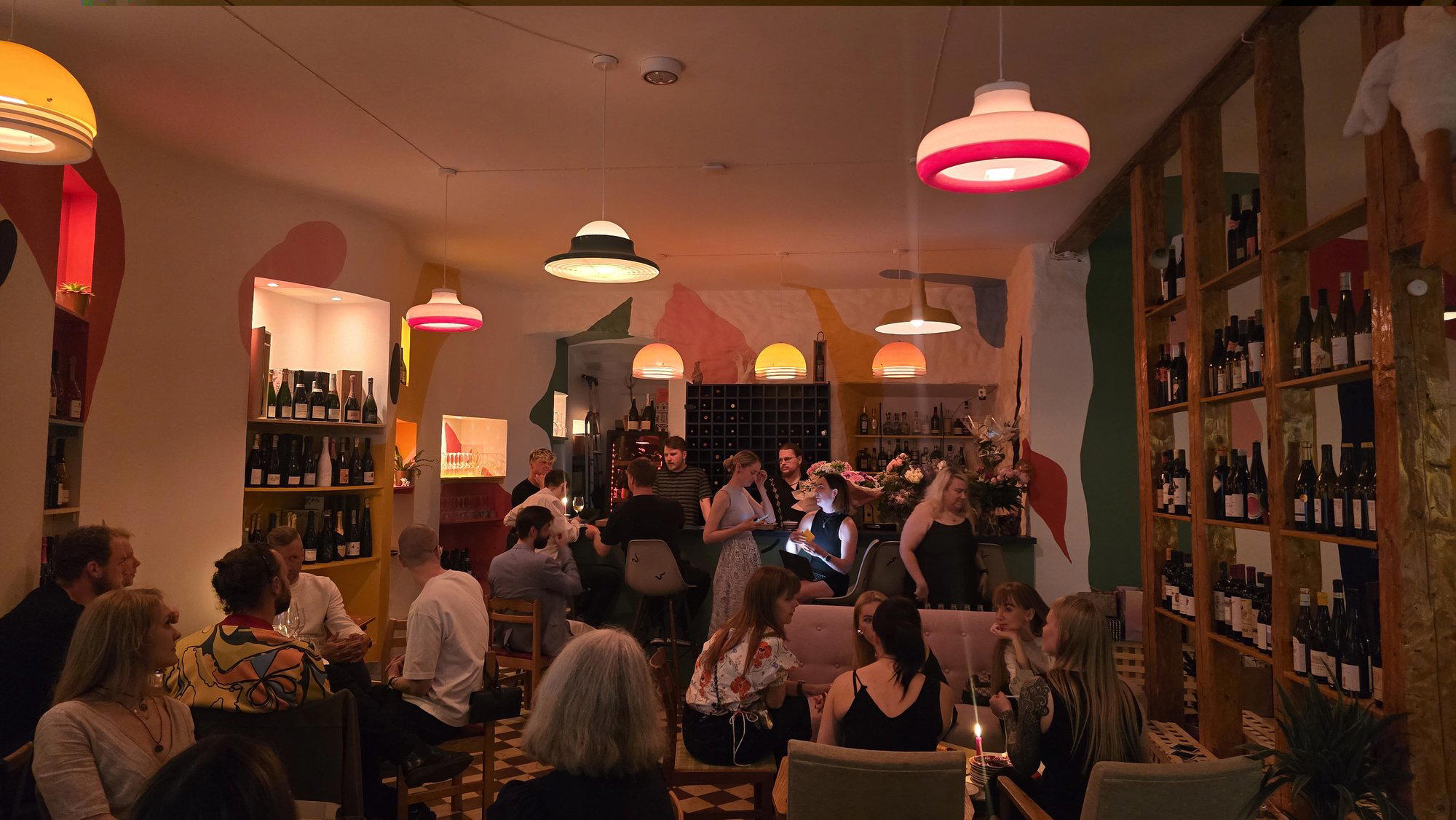
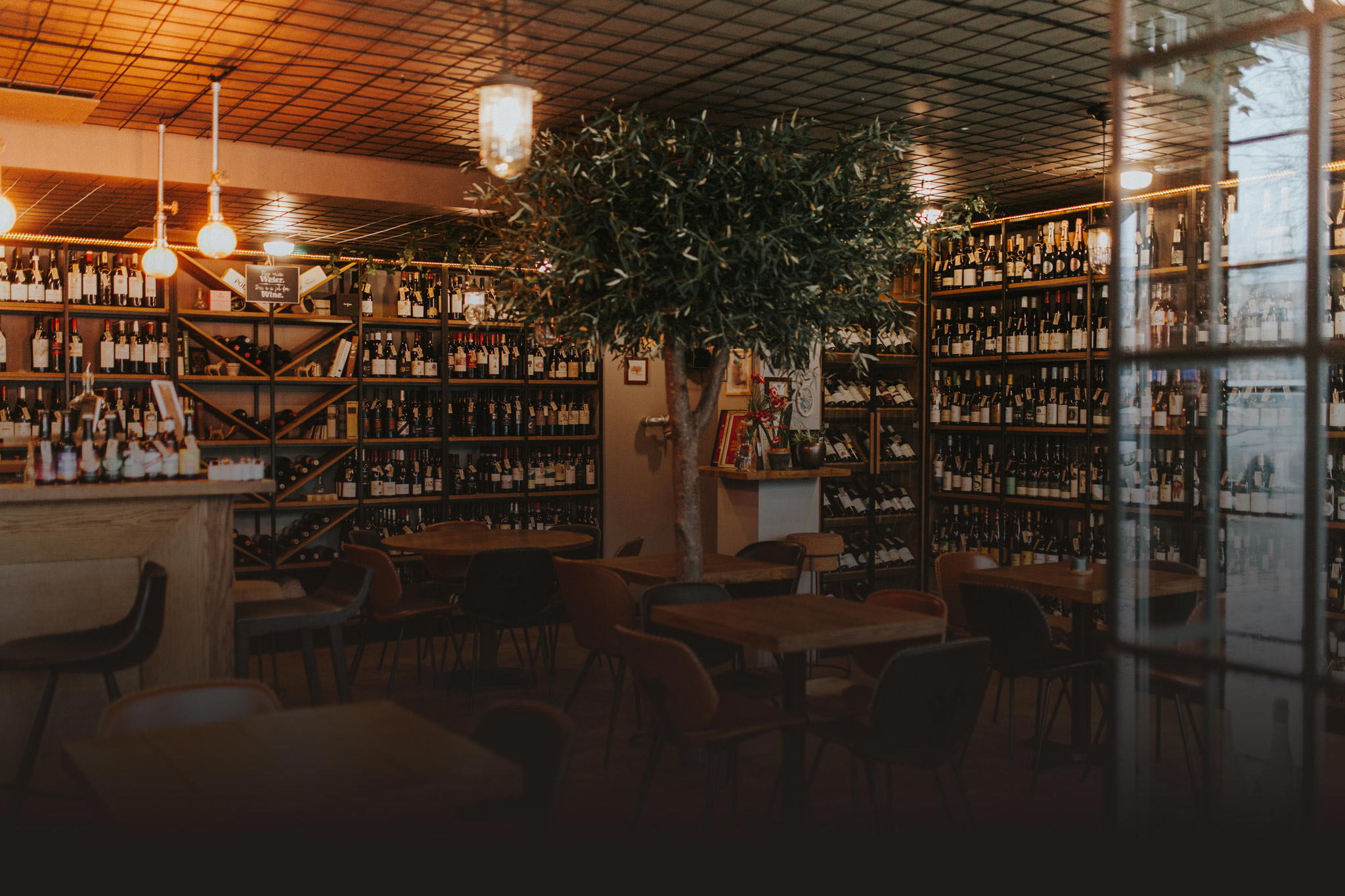
Tenderly understated with natural textures, hushed conversation, and gentle evening light filtering through timbered frames; a cultivated calm that heightens the senses.