
Oru Hub Hotel Tallinn, part of the Handwritten Collection and recognised by the Michelin hotel guide 2025, sits on Narva maantee in the Kadriorg corridor, a stretch that connects the medieval Old Town to the modernist east of the city. The property positions itself in Tallinn's mid-to-upper tier of design-conscious hotels, where architectural identity and neighbourhood context matter as much as room count.
Pearl is the En Primeur Club membership app — saves, bookings, and concierge access live there. Same editors, same standards.
- Address
- Narva mnt 120, 10127 Tallinn, Estonia
- Phone
- +372 603 3300
- Website
- all.accor.com
- Directions
- Get directions
 Saves & bookings on Pearl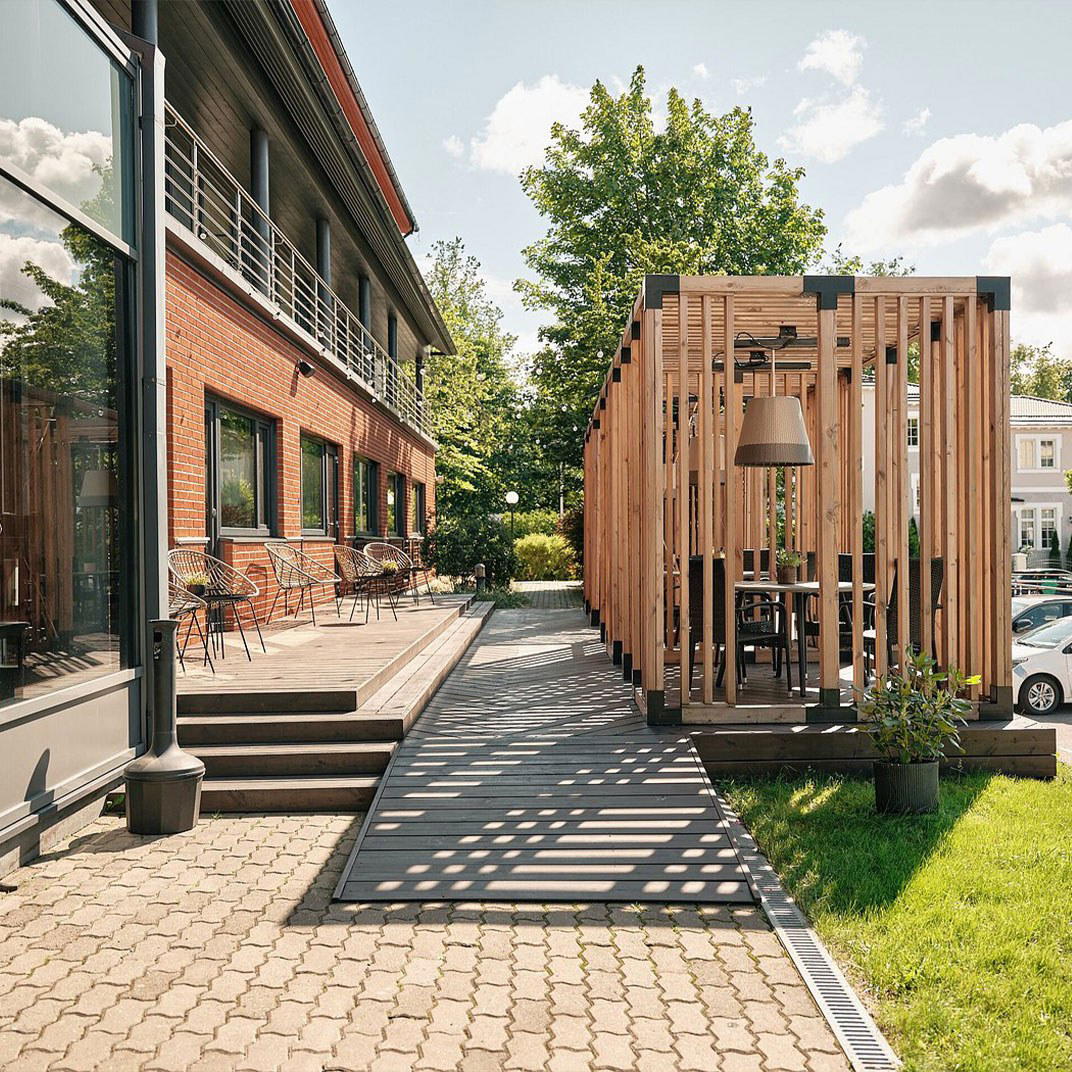
Tallinn's Eastern Axis and the Hotels That Have Claimed It
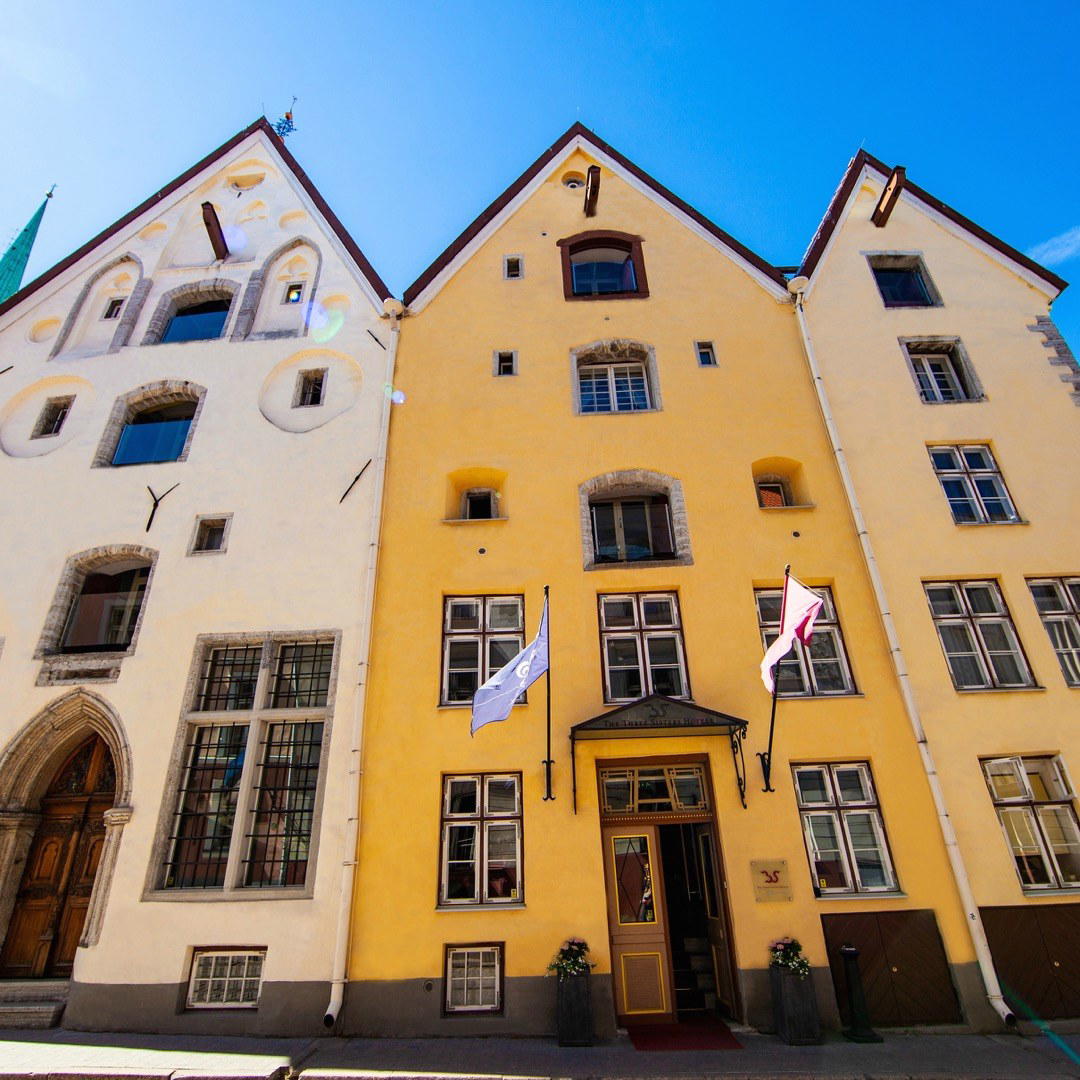
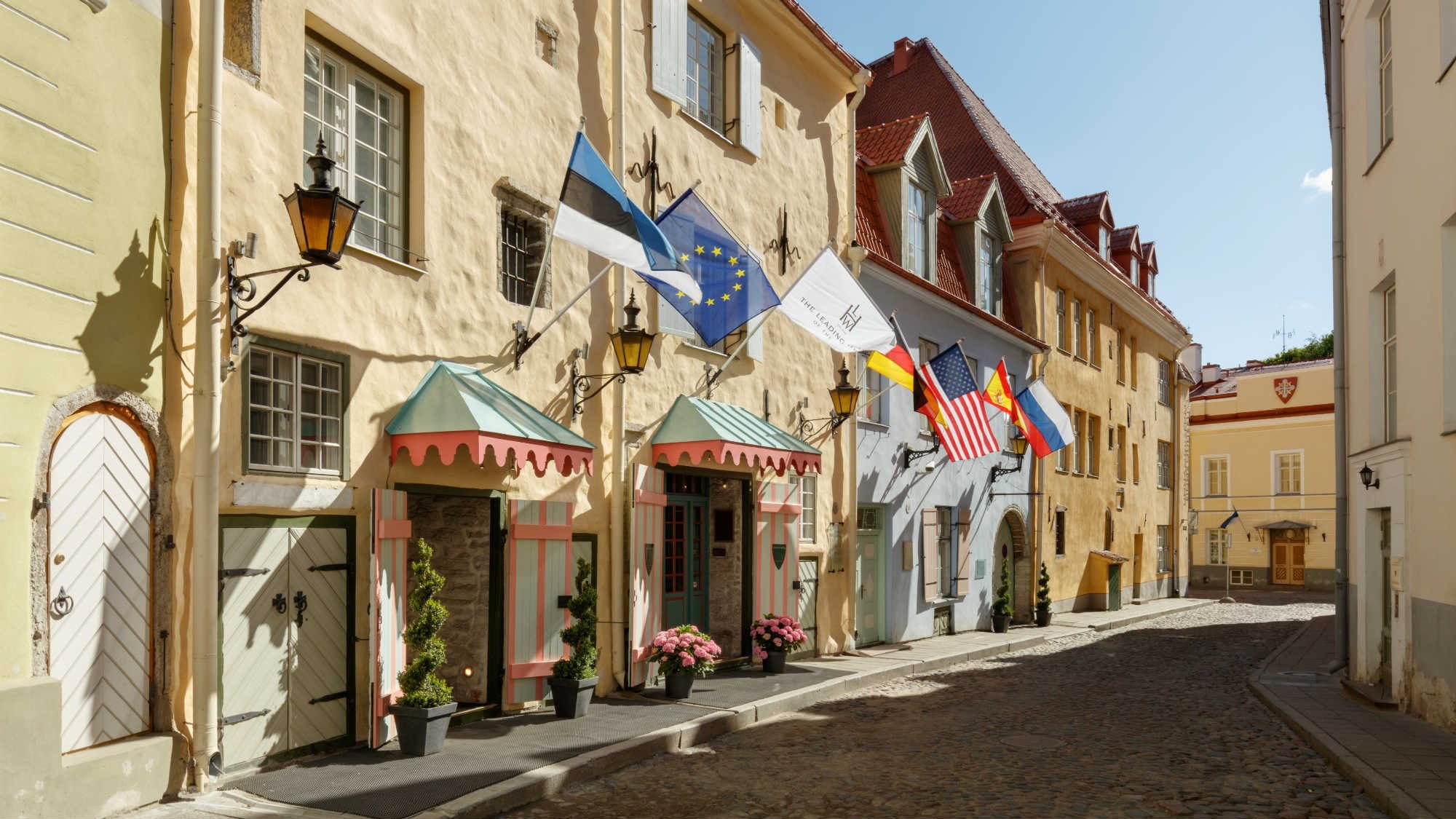
The hotel conversation in Tallinn has traditionally been anchored in the Old Town, where centuries-old merchant houses and limestone facades give places like Schlössle Hotel and The Three Sisters Hotel their particular atmosphere of compressed history. But a quieter shift has been happening further east along Narva maantee, the arterial road that runs from the edge of the Old Town through Kadriorg and onward toward the city's more open, Soviet-era districts. Oru Hub Hotel Tallinn, part of the Handwritten Collection, is a 4-star hotel at Narva mnt 120 in Tallinn's Kadriorg district.
Narva maantee 120 places the hotel well into the Kadriorg zone, a neighbourhood defined by the early 18th-century Kadriorg Palace and its surrounding parkland, the contemporary KUMU art museum, and a residential character that feels distinct from the tourist-facing density of the Old Town. Hotels that position themselves here are, by definition, making an argument about what kind of Tallinn experience they want to provide: less medieval theatre, more architecturally coherent city-living.
The Handwritten Collection Framework and What It Signals
The Handwritten Collection is IHG's design-led soft brand, conceived to group independently spirited properties that don't fit the standardised formats of the group's more mainstream flags. Within that framework, each property is expected to carry a distinct local character rather than a globally replicated aesthetic. This matters for how Oru Hub Tallinn should be read: it operates under the logic of place-specificity that has become the competitive advantage of smaller, design-conscious properties across European city markets.
That positioning puts it in a different conversation from Hilton Tallinn Park and Mövenpick Hotel Tallinn, which operate within more conventional international-brand frameworks. It also separates it from the heritage-boutique tier represented by Hotel Telegraaf and The Burman Hotel. The Handwritten Collection slot is: contemporary design sensibility, local integration, and scale that keeps the property manageable without tipping into the micro-boutique category.
Michelin Recognition and What It Means in a Hotel Context
The hotel's most verifiable external credential is a 2025 Michelin Selected designation. Michelin's hotel selection process evaluates comfort, design consistency, service standard, and overall character. A Selected designation does not carry the starred hierarchy of the restaurant programme, but it does represent inclusion in a curated shortlist rather than a simple directory listing. For Tallinn, a city with a relatively compact pool of internationally recognised hotel properties, that placement carries weight in positioning the hotel against regional peers.
For context across geographies: properties carrying equivalent Michelin hotel recognition in other markets include names like Le Bristol Paris, Hotel Sacher Wien, and Cheval Blanc Paris at the upper end of the programme, alongside a much wider range of mid-scale design properties across European cities. Oru Hub Tallinn occupies the latter tier, recognised for design and character, not positioned against palatial luxury properties like Badrutt's Palace Hotel in St. Moritz or Hôtel de Paris Monte-Carlo.
Architecture and the Kadriorg Design Register
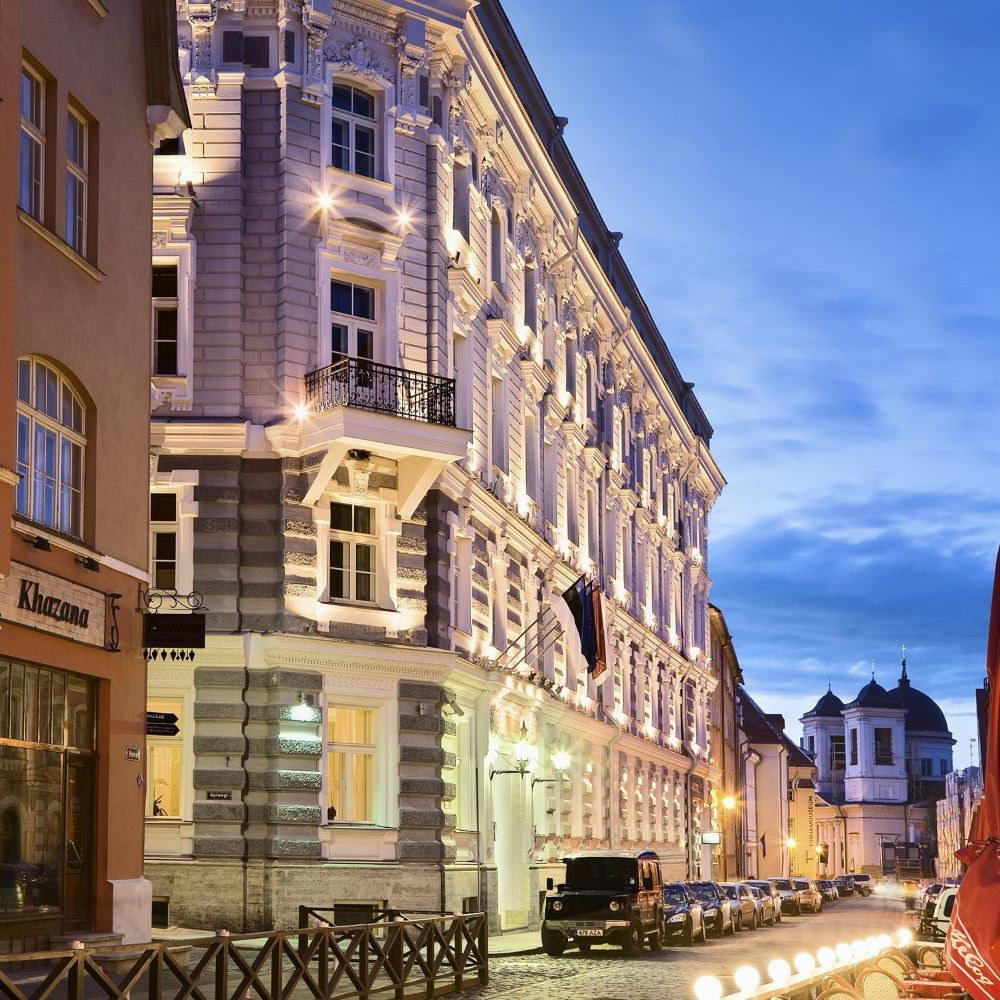
Kadriorg carries an architectural coherence that most of Tallinn's other districts don't. The neighbourhood was built outward from the Baroque palace Peter the Great commissioned in the early 1700s, and subsequent development absorbed Swedish Baroque influences, early-20th-century residential architecture, and the clean functionalist lines that characterise Estonian design thinking from the interwar period onward. The surrounding streetscape of Narva maantee integrates that layered visual register, and hotels that take their design cues from the area tend to read better in context than those importing a generic European hotel aesthetic.
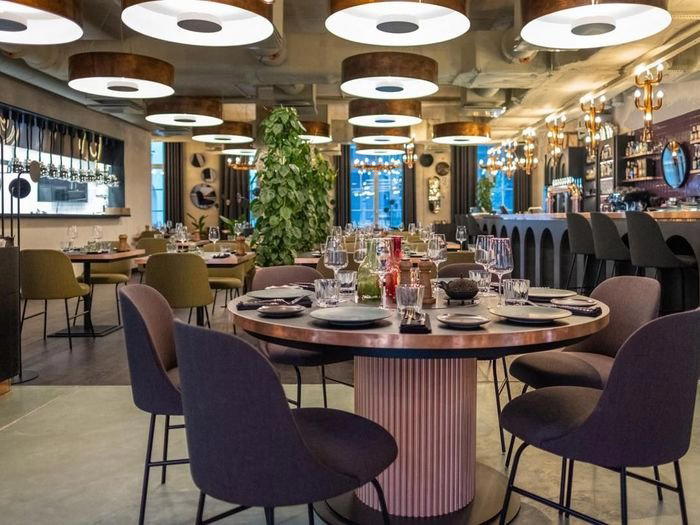
The Hub concept within the Handwritten Collection emphasises communal and social spaces as the architectural and programmatic core. This is a wider trend in design-led hospitality across Northern and Eastern European cities, where the lobby, bar, and co-working zones have become as commercially important as room revenue. Tallinn's growing position as a digital and tech hub makes that spatial approach a reasonable editorial fit for where the property sits on Narva maantee.
Planning a Stay: What to Know Before Booking
Oru Hub Hotel Tallinn sits on one of the city's main tram routes, giving it a practical connection to the Old Town and the central city without requiring a car. For travellers arriving from Lennart Meri Tallinn Airport, the hotel's eastern position on Narva maantee can reduce the journey compared to Old Town properties, depending on traffic routing. The Kadriorg Park and KUMU art museum are walkable from the address, which matters if you're planning more than a single-night transit stay.
For Tallinn's wider accommodation range, the Old Town properties remain one obvious starting point for first-time visitors. Iglupark offers a different kind of alternative for those willing to leave the city entirely. For travellers building a broader Estonia itinerary, Lydia Hotel in Tartu covers the university city in the south, Frost Boutique Hotel in Parnu addresses the coastal resort town, and Maidla Nature Resort and LaSpa in Laulasmaa cover the countryside and coast west of Tallinn. See our full Tallinn restaurants guide for dining context around the city.
For those comparing Tallinn against other European city breaks, the hotel sits in a different category from the high-end consolidated properties like Aman Venice, Cipriani, A Belmond Hotel, Venice, or Bvlgari Hotel Tokyo, properties operating at the absolute apex of the Michelin hotel programme. It is more usefully compared against design-conscious mid-luxury properties in comparable Northern European capitals. Tallinn's pricing structure remains considerably more accessible than Helsinki, Stockholm, or Copenhagen equivalents, which gives properties at this tier meaningful value positioning for travellers calibrated to Western European hotel rates.
Comparison Snapshot
Comparable venues nearby, for context on price, style, and recognition.
| Venue | Cuisine | Price | Awards | Notes |
|---|---|---|---|---|
| Oru Hub Hotel Tallinn - Handwritten CollectionThis venue — the venue you are viewing | hybrid coworking and leisure hotel | $$$ | 4-Star | Not listed |
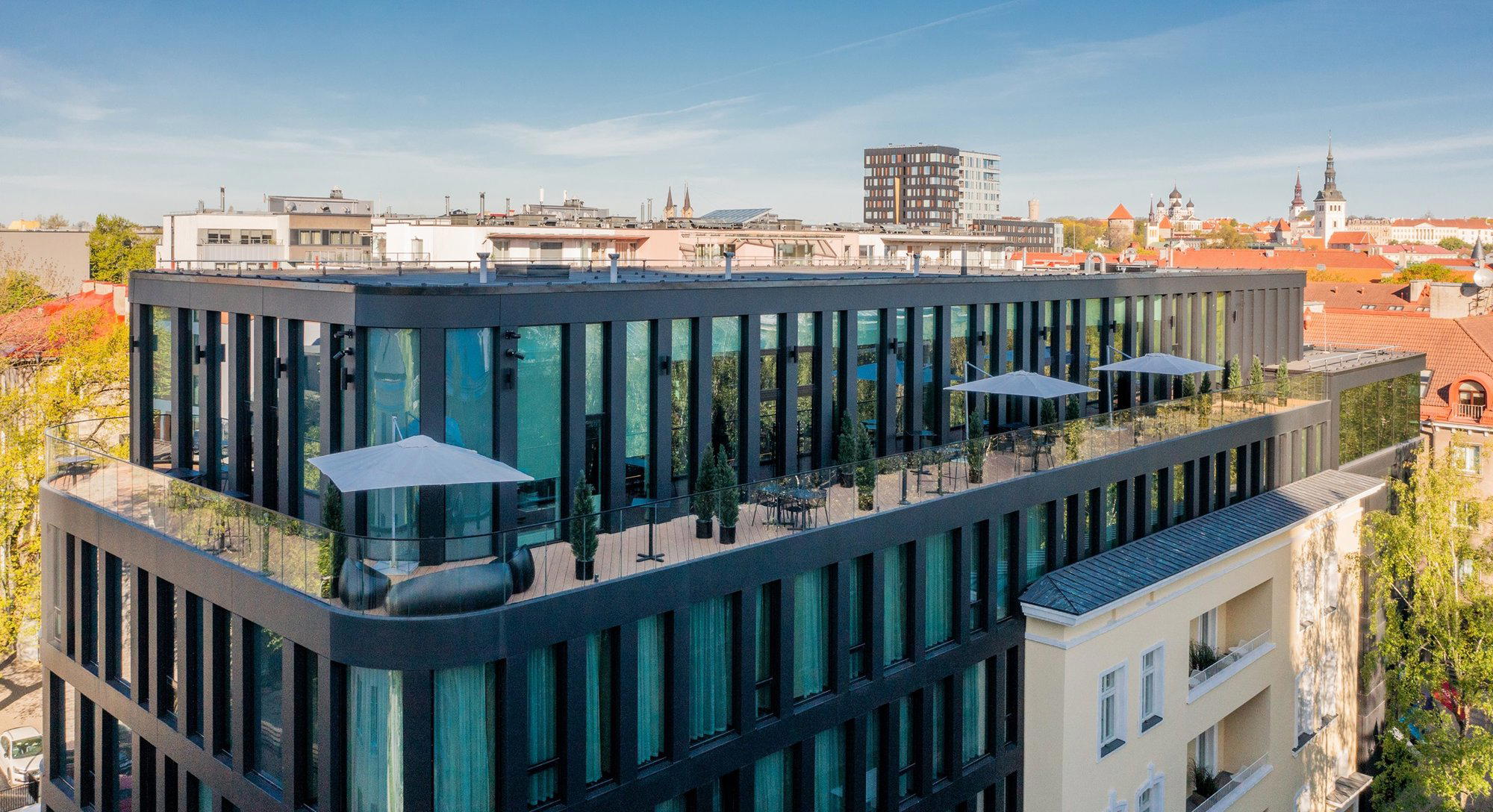
| Mövenpick Hotel Tallinn | Modern luxury urban retreat | $$$ | 4-Star | city center |
| Iglupark | Wooden iglu cabins blending minimalistic Estonian design with biophilic elements on revitalized waterfront. | $$$ | 3-Star | Noblessner |
| The Three Sisters Hotel | Medieval heritage meets contemporary luxury boutique design | $$$$ | 5-Star | Old Town |
| Hilton Tallinn Park | Modern urban hotel with business and leisure facilities | $$$ | 4-Star | Kesklinn |
| Hotel Telegraaf | Historic 19th-century bank building restored as luxury hotel | $$$$ | 5-Star | Old Town |
Recognition history
Dated appearances from independent guides and award organizations, with the underlying list record or original source where available.
Michelin Selected
Michelin
Continue exploring
More in Tallinn
Hotels in Tallinn
Browse all →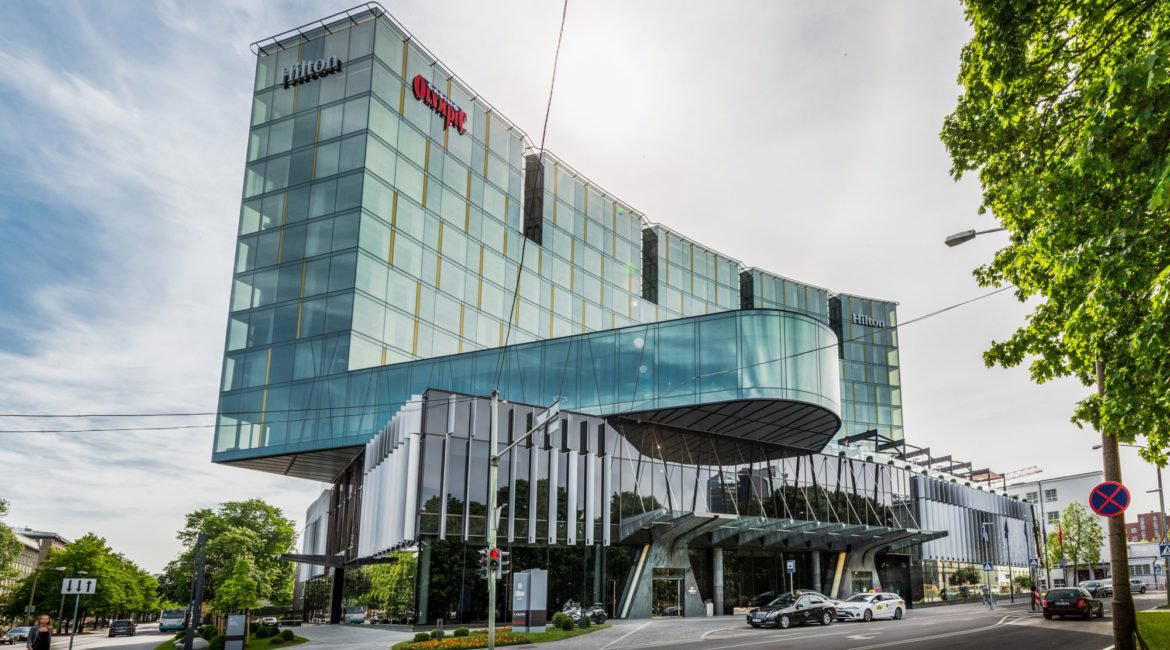
Bars in Tallinn
Browse all →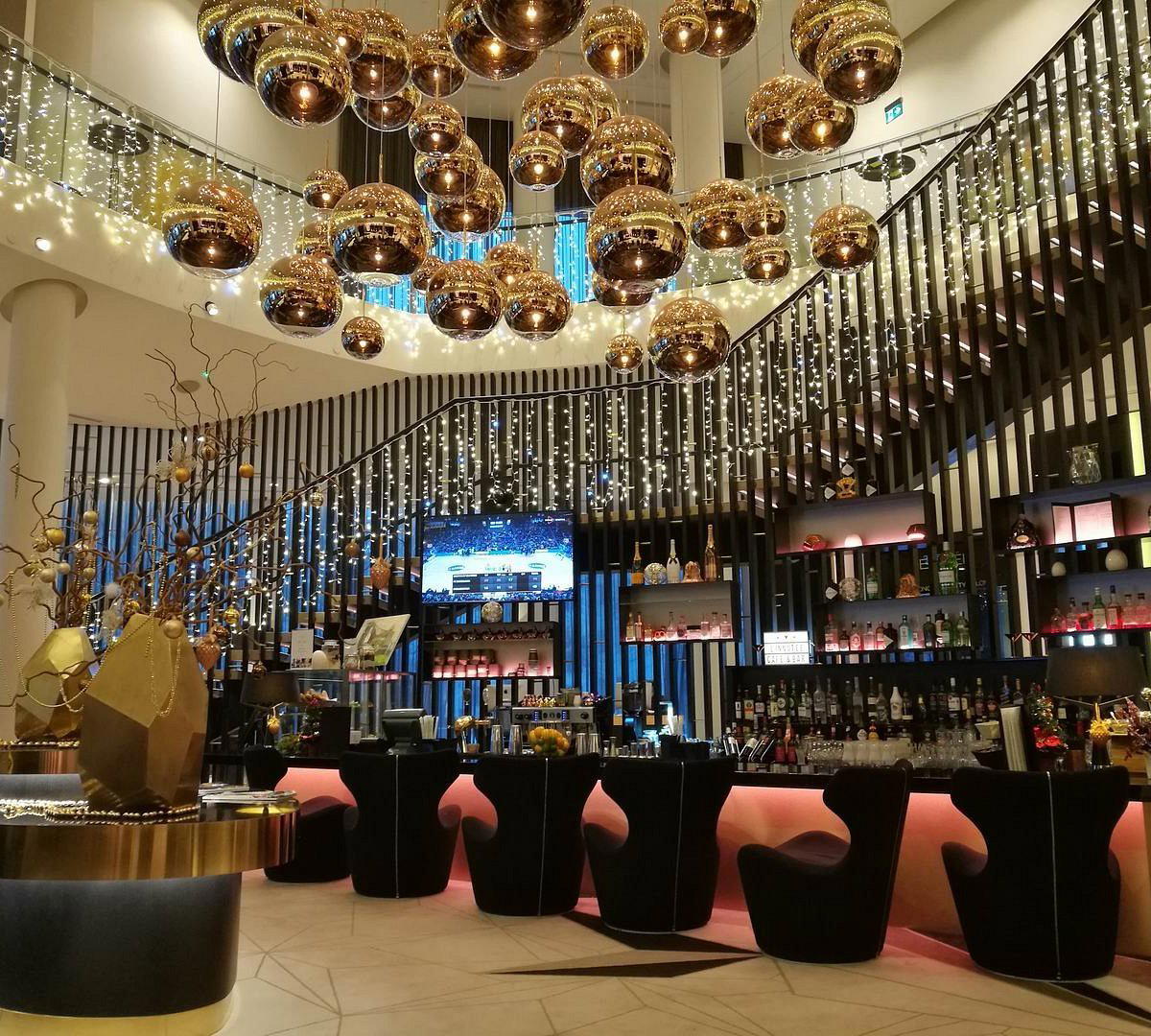
Restaurants in Tallinn
Browse all →
At a Glance
- Modern
- Cozy
- Trendy
- Business Trip
- Weekend Escape
- Garden
- Terrace
- Wi Fi
- Restaurant
- Fitness Center
- Elevator
- Free Parking
- Wi Fi
- Restaurant
- Fitness Center
- Elevator
- Free Parking
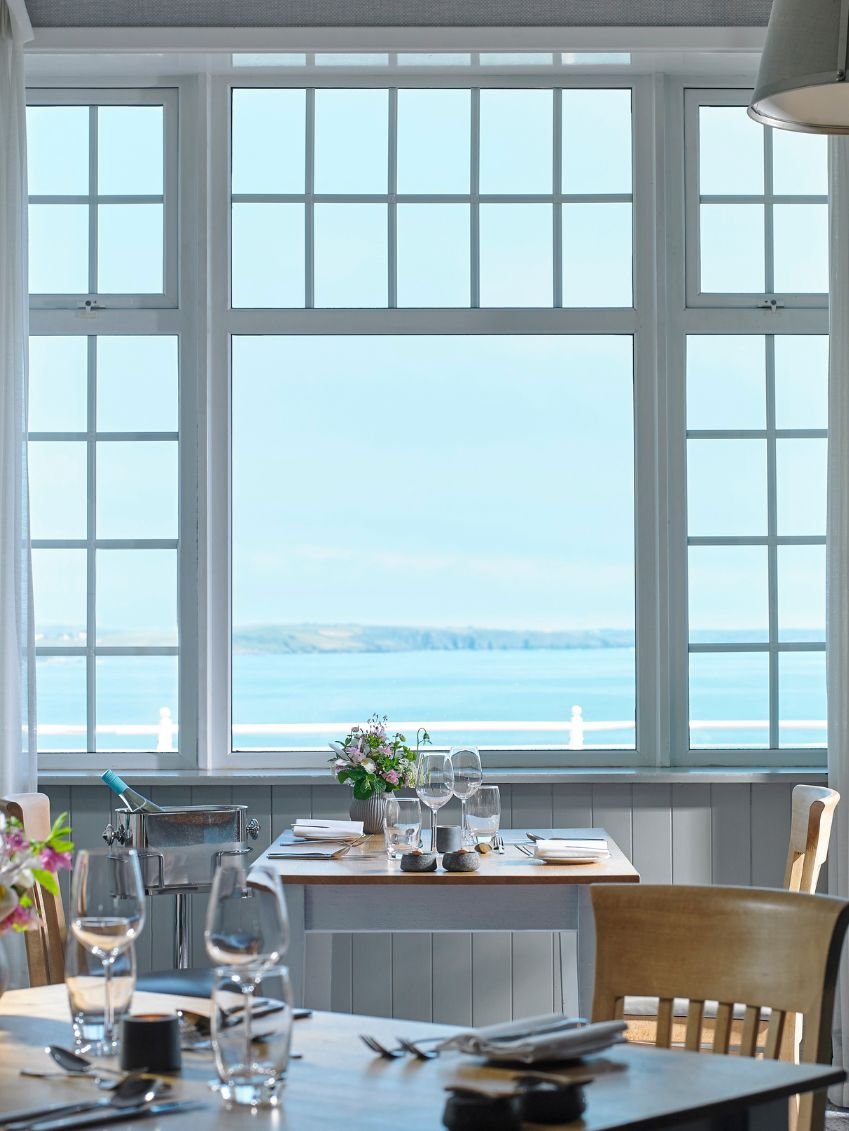
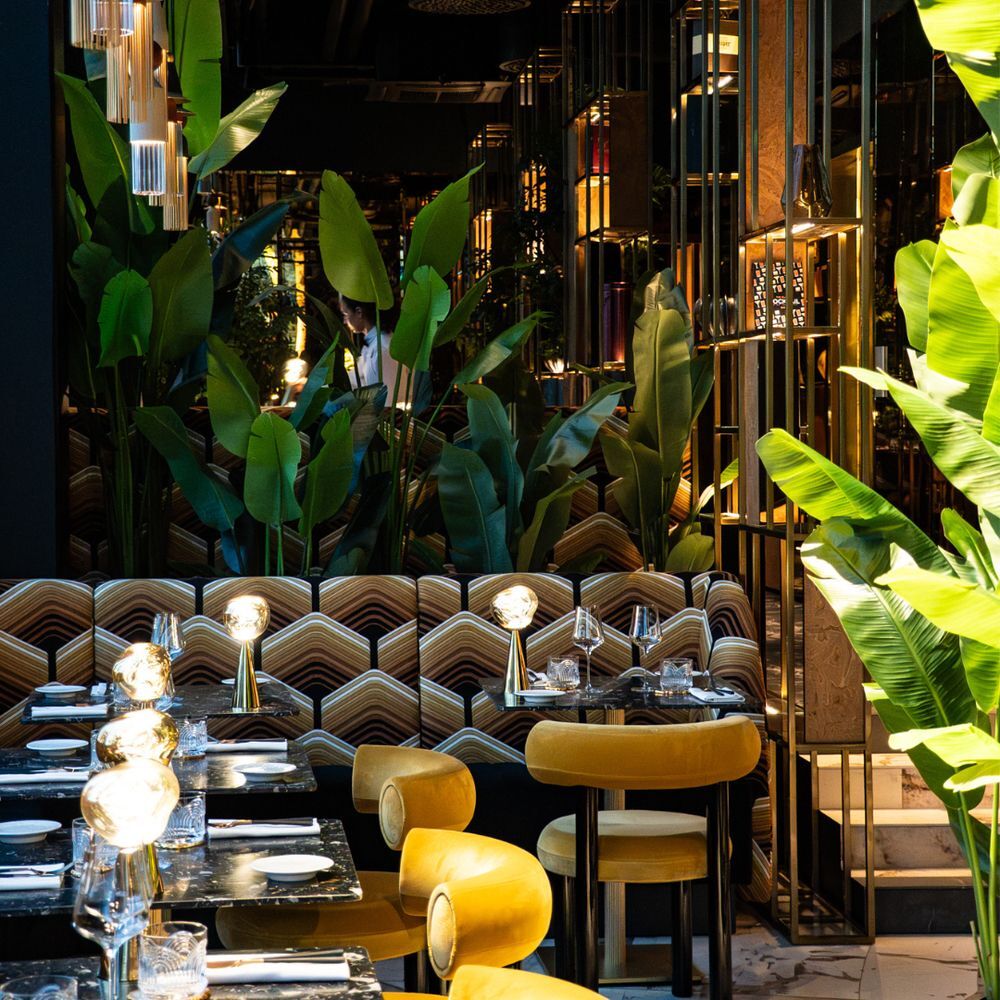
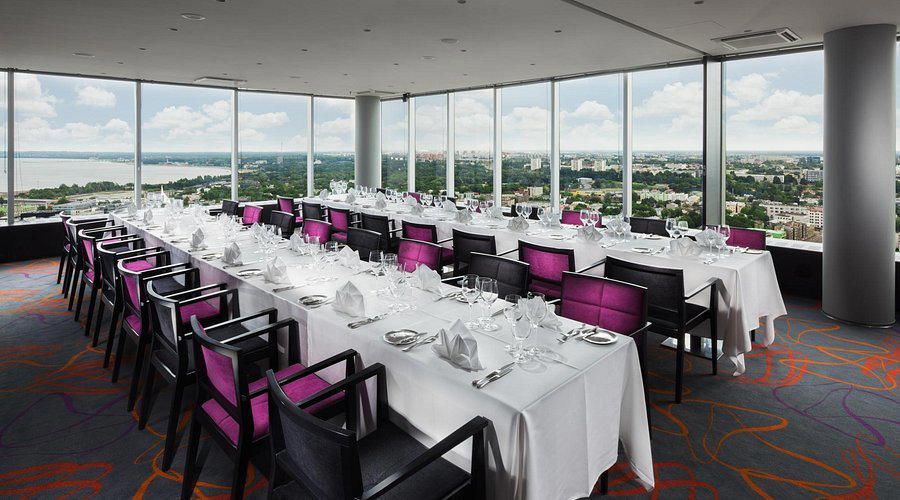
Contemporary design with cozy communal spaces featuring books, board games, and a bistro for a relaxed, productive atmosphere.