Our verdict
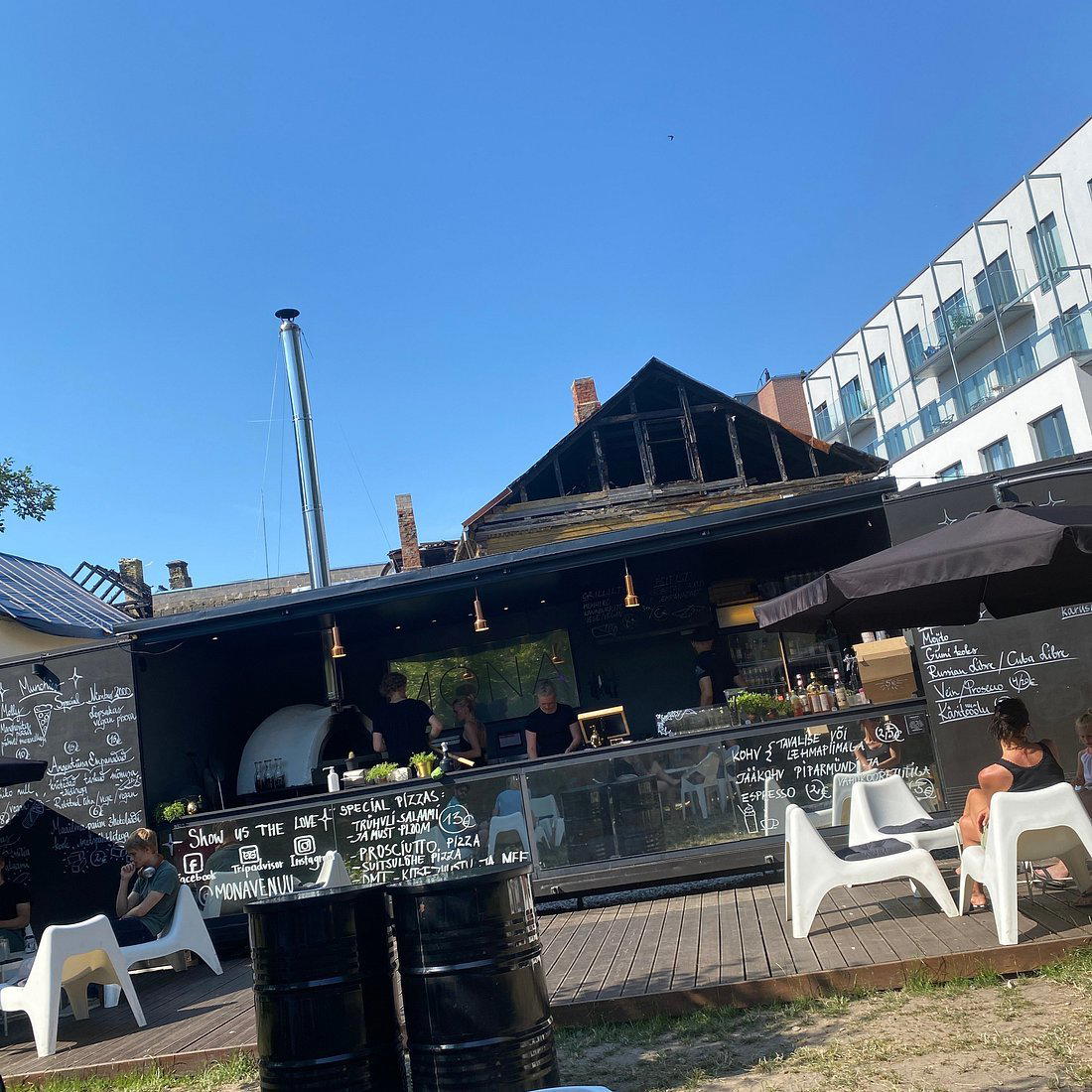
On Hommiku tänav in central Pärnu, Mona Venüü occupies a quiet address that sits apart from the resort-strip bustle that defines much of the city's summer dining scene. The venue draws visitors looking for a more considered experience in a city better known for beach bars and seasonal crowds. For Estonian coastal dining beyond the obvious, it merits attention.

Pearl is the En Primeur Club membership app, where members save venues, book tables and use the concierge.
Pärnu's Dining Scene and Where Mona Venüü Sits Within It
Pärnu has a split personality when it comes to dining. From June through August, the city operates as Estonia's summer capital, and its restaurants recalibrate accordingly: terraces expand, menus broaden, and the pressure to serve volume overrides the patience required for anything more considered. Outside that window, a smaller, quieter tier of the scene asserts itself. Hommiku tänav, the street where Mona Venüü is addressed at number 9, sits in the older residential fabric of central Pärnu, away from the promenade energy that dominates the warmer months. That address alone positions it differently from the resort-adjacent venues that define most visitors' experience of eating in this city.
Estonia's provincial dining has gone through a significant shift over the past decade. Cities like Viljandi, Võru, and Narva have each developed small clusters of restaurants that operate with a seriousness of purpose once reserved for Tallinn. Pärnu, with its larger visitor base, has both benefited and suffered from that dynamic: the footfall supports more venues, but the seasonal concentration tends to flatten the range. The venues that hold their ground year-round in Pärnu tend to be the ones worth tracking, because they have to justify themselves to a local audience rather than a rotating population of summer tourists.
The Atmosphere on Hommiku Tänav
Approaching a dining address in the quieter residential streets of central Pärnu, the sensory register is different from what you find nearer the beach. The scale is lower, the pace slower, and the ambient noise drops to something closer to the city's actual everyday character. Streets in this part of Pärnu are lined with timber architecture that reflects the town's development as a spa resort in the 19th century, and the built environment carries that quieter, almost domestic quality. A venue on Hommiku tänav operates within that register rather than against it.
In Estonian dining, this kind of address often signals a deliberate choice: a room that doesn't rely on a view or a terrace to justify itself, where the interior and the food are expected to do the work. That is a harder test than the summer-terrace model, and it tends to produce a different quality of attention from the kitchen. The contrast with louder, higher-volume Pärnu options is real. Restaurants like Kastrul and Kaks Pulka operate in the more trafficked parts of the city's dining circuit, while an address like Hommiku 9 suggests a venue that has positioned itself outside that competition.
The Wider Context: Estonian Coastal Dining in 2024
Understanding Mona Venüü requires some understanding of where Estonian provincial coastal dining currently stands. The country's food culture has accelerated significantly since the early 2010s, driven in part by international attention on Nordic and Baltic cuisines and in part by a generation of Estonian cooks who trained abroad and returned with different technical vocabularies. Tallinn absorbed most of that energy first: venues like 180° by Matthias Diether mark what the capital's upper tier looks like. But the diffusion outward has been real and ongoing.
Pärnu's position in that diffusion is interesting. It has the visitor numbers to support ambition, but the seasonal concentration creates financial pressure that often pushes kitchens toward safety. The venues that manage to operate with a clearer point of view in Pärnu are worth identifying specifically because the conditions make it harder. Elsewhere in Estonia, similar dynamics play out in different coastal and provincial contexts: Franzia in Narva-Jõesuu and Valgeranna Veinitall in Audru, just outside Pärnu itself, show how the coastal dining niche is developing in different registers across the region.
Timing, Season, and the Question of When to Visit
The case for visiting Pärnu's more considered dining options in the shoulder seasons is direct. September and early October bring cooler air off the Baltic, fewer visitors, and a kitchen that has had the summer rush to sharpen itself. The promenade empties, the pace of the city changes, and the streets around Hommiku tänav return to something closer to their year-round character. For anyone willing to trade beach weather for a quieter, more attentive experience of the city, the late-season window is the one to plan around.
For comparison at the beach-adjacent end of the Estonian coastal dining spectrum, KABE Beach in Kaberneeme represents a different format entirely: the seasonal, location-driven model that Pärnu itself relies on for most of its summer volume. Mona Venüü, by contrast, operates from a fixed urban address that doesn't depend on sand and sun to draw a room.
Planning a Visit
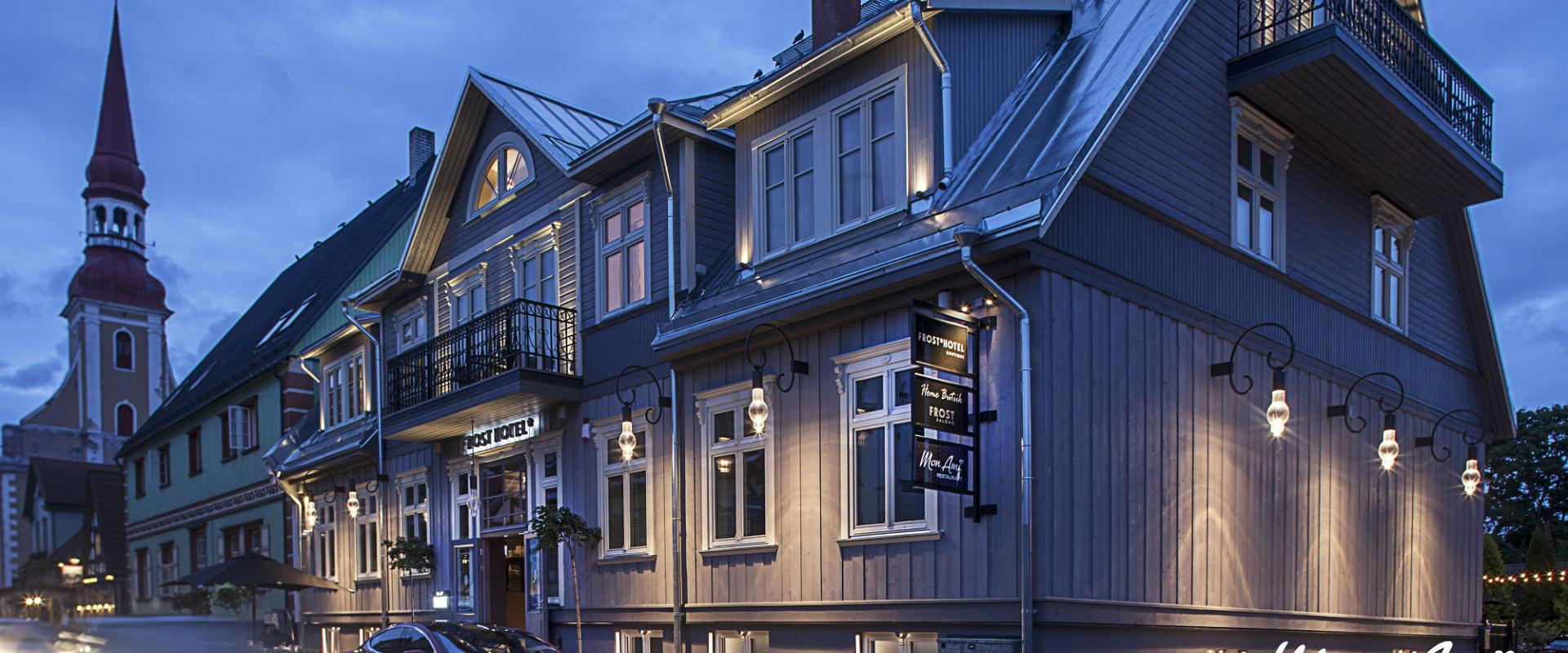
Hommiku tänav 9 is in central Pärnu, within walking distance of the old town and the main accommodation cluster. Pärnu's dining scene is compact enough that a single evening can take in multiple options: Mon Ami and Pastoraat are both within the central area, and Everest Thai/Nepalese Restaurant represents the city's international range for those looking for variety across a longer stay. Our full Pärnu restaurants guide covers the wider scene in more depth.
For those building a broader Estonian itinerary, the country's regional dining offers more range than most visitors expect. Kolm. Restoran in Võru, Kohvik in Viljandi, Eva Sushi in Tartu, Kohvik Kaar in Narva, and Wana Kala Kõrts in Neeme each map onto different corners of the country's provincial dining character. At the other end of the ambition register entirely, Le Bernardin in New York City and Atomix in New York City represent the kind of technical and tasting-menu benchmark that Estonia's more serious kitchens are increasingly aware of, even if operating in an entirely different economic context. And for something closer to Pärnu in spirit, Kuur in Vihtra shows how the rural southern Estonian dining tradition is developing its own distinct voice.
Frequently asked questions
Where exactly is Mona Venüü?
Mona Venüü is located at Hommiku tn 9, Pärnu, 80011 Pärnu maakond, Estonia, Parnu.
Is Mona Venüü open year-round or only during Pärnu's summer season?
The venue is located at Hommiku tänav 9 in central Pärnu, within walking range of the old town. Confirming current opening periods through local sources before planning a visit is advisable.
Is Mona Venüü reservation-only?
In Pärnu, restaurants in the quieter residential streets tend to have more capacity during the shoulder season than in the July peak, but for any visit, checking directly via the venue's local listings or stopping in person is the practical approach.
Peers in This Market
Comparable venues nearby, for context on price, style, and recognition.
| Venue | Cuisine | Price | Awards | Notes |
|---|---|---|---|---|
| Mona VenüüThis venue (the venue you are viewing) | Wood-fired Pizza & Street Food | $10–20 | Not listed | Not listed |
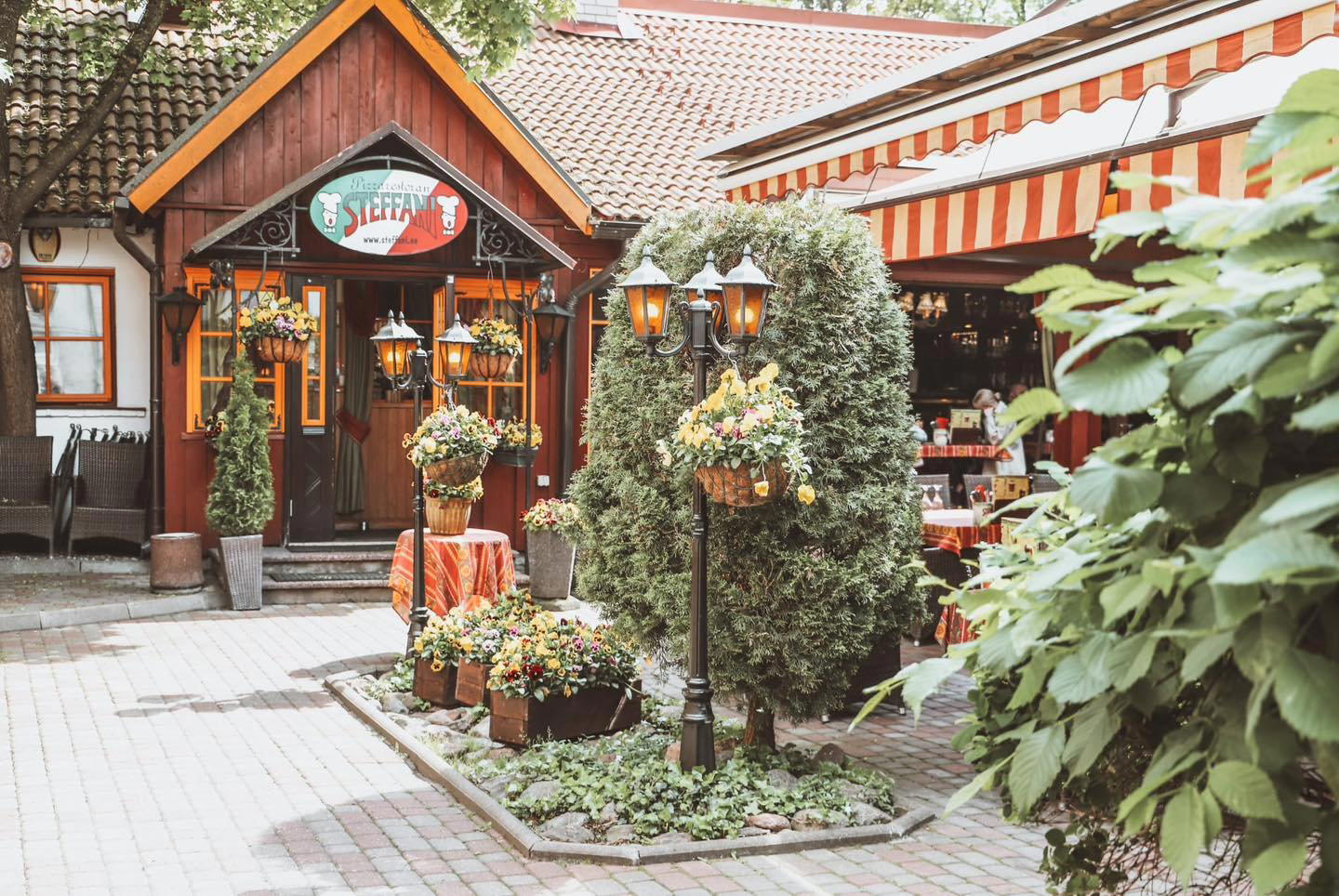
| Steffani | Italian Pizza Restaurant | $10–20 | Not listed | Kesklinn |
| Rööm | Italian, European, Scandinavian | $20–30 | Not listed | Pärnu kesklinna südames |
| Pastoraat | Modern European Cafe | Not listed | White Guide Baltic Restaurants - Fine Level | Old Town |
| Everest Thai/Nepalese Restaurant | Thai/Nepalese | $10–20 | Not listed | Old Town |
| Supelsaksad | European Café | Not listed | White Guide Baltic Restaurants - Fine Level | Old Town |
Continue exploring
More in Parnu
Restaurants in Parnu
All restaurants in Parnu →
Hotels in Parnu
All hotels in Parnu →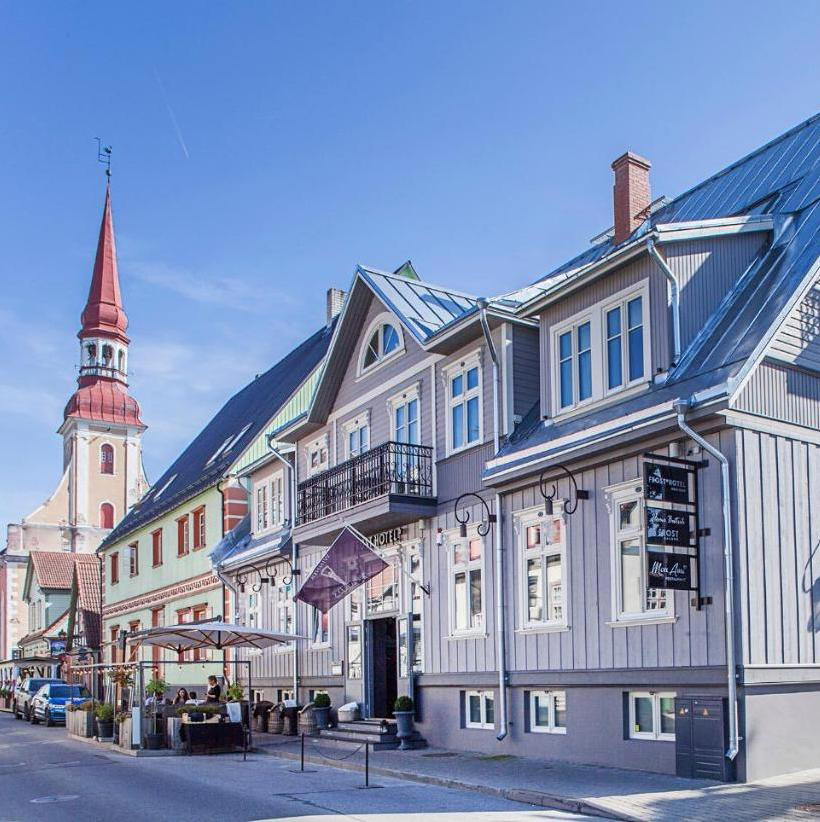
Details
- Cozy
- Lively
- Trendy
- Casual Hangout
- Family
- Late Night
- Courtyard
- Craft Cocktails
- Local Sourcing
- Garden
- A La Carte
- Small Plates
- Cocktails
- Vegetarian Friendly
- Vegan Options
Relaxed garden atmosphere under trees with warm lighting, cozy during evenings.