
Wan San Mian Guan on Qinglongzheng Street serves Yibin-style Ranmian, a dry-tossed noodle tradition distinct from Chengdu's own noodle canon. The shop's chilli paste, ground peanuts, sesame, and choice of spiced ground beef or braised ginger duck toppings draw a steady local clientele to this Jinjiang address. Evenings bring an additional offering of dried meats and sausages.
Pearl is the En Primeur Club membership app — saves, bookings, and concierge access live there. Same editors, same standards.
- Address
- No. 1, 131 Qinglongzheng Street, Jinjiang
- Phone
- +86 181 2323 4325
- Directions
- Get directions
 Saves & bookings on Pearl
Yibin on Qinglongzheng Street
Qinglongzheng Street, in Chengdu's Jinjiang district, runs at the kind of pace that tourist-facing dining strips never quite manage. The buildings are low, the foot traffic is purposeful, and the lunch rush at street-level noodle shops moves with the efficiency of people who eat here four days a week rather than four times a year. This is the context in which Wan San Mian Guan operates, and it matters, because the regulars here are not curious visitors working through a checklist of Chengdu specialities. They are people who know exactly what they want before they push through the door.
What they want, specifically, is Ranmian: the dry-tossed noodle format that Yibin, a city roughly three hours south of Chengdu along the Yangtze corridor, has made its own. Yibin-style Ranmian sits in a different register from the more widely known Dan Dan noodle, which typically arrives with a broth component and a pronounced sesame-and-tahini base. Ranmian dispenses with the broth entirely. The noodles are tossed in a chilli paste with ground peanuts, scallion, bean sprouts, and sesame, producing a drier, more concentrated result where texture and aromatic layering carry more of the work. The owner of this shop is from Yibin County, and that provenance is the editorial point here: in a city as noodle-literate as Chengdu, there is a meaningful difference between a restaurant approximating a regional style and one operated by someone for whom that style is the native reference point.
What the Regulars Order
The loyalty this kind of shop generates is rarely about novelty. It is about precision and consistency, two qualities that are easier to claim than to deliver across three hundred bowls a day. The people who return here repeatedly have already resolved the menu's central decision: which topping to order. The aromatic chilli ground beef brings heat and a coarser, more immediate spice hit. The braised ginger duck is slower, the ginger working as a counterweight to the chilli paste rather than amplifying it, and the duck texture sits differently against the noodle than ground meat does. Neither is a wrong answer, but regulars tend to have a fixed preference and order it without deliberation.
The noodle itself offers a secondary choice that less experienced visitors sometimes overlook. The standard option is a thinner strand suited to the dry-toss format, absorbing the chilli paste quickly and clumping slightly at the base of the bowl in the way that well-made Ranmian should. A thicker ribbon variety is available for those who want more bite and chew. The ribbon noodle holds the paste differently, distributing it less evenly but delivering more textural contrast with each forkful. The choice is worth making deliberately rather than by default.
At dinner, the menu extends to dried meats and sausages, a detail that shifts the shop's character slightly later in the day. Sichuan dried sausage, cured with Sichuan peppercorn and dried chilli, is its own distinct tradition within the province's preserved-meat canon, and having it alongside Ranmian makes an evening visit function differently from a midday bowl. This is not a dinner-destination addition in any formal sense, but it gives the shop a secondary identity that its lunch-only peers lack.
Placing Wan San Mian Guan in Chengdu's Noodle Tier
Chengdu's restaurant scene operates across an unusually wide price and format range. At the upper end, places like Yu Zhi Lan (Sichuan) and Xin Rong Ji (Taizhou) represent the ¥¥¥¥ tier, where tasting menus and formal service structures position them against fine-dining peers across China. Wan San Mian Guan operates at the opposite end of that range, where the measure of quality is not ingredient rarity or kitchen technique in the formal sense, but accuracy to a regional tradition and the ability to execute it at volume without degradation.
For wider context on how Chengdu's dining scene is structured across price points and neighbourhood characters, our full Chengdu restaurants guide covers the range from casual street-level specialists to multi-course formal rooms. Those planning broader Chengdu itineraries can also reference our full Chengdu hotels guide, our full Chengdu bars guide, our full Chengdu experiences guide, and our full Chengdu wineries guide.
Chengdu's regional noodle specialists also sit within a broader Chinese dining scene where the distance between casual and formal can be extreme. Visitors moving between cities might find it useful to compare the register here against more formal Chinese dining at Xin Rong Ji (Xinyuan South Road) in Beijing, Imperial Treasure Fine Chinese Cuisine in Guangzhou, or Ru Yuan in Hangzhou. For those also including Macau or Shanghai in a longer itinerary, Chef Tam's Seasons in Macau and 102 House in Shanghai occupy the fine-dining end of that spectrum. Nanjing visitors can reference Dai Yuet Heen in Nanjing for Cantonese-register dining in that city.
Other Chengdu options worth considering alongside a visit here include Fang Xiang Jing (Sichuan), Fu Rong Huang (Sichuan), and Hokkien Cuisine (Fujian), which represent a cross-section of the city's regional-specialist dining at varying price points. For international comparison points on regional-specialist dining operating at a different scale and price register, Le Bernardin in New York City and Emeril's in New Orleans illustrate how strong regional identity anchors long-term restaurant loyalty across different contexts.
Planning a Visit
The shop is at No. 1, 131 Qinglongzheng Street, Jinjiang, Chengdu. No website or phone number is publicly listed for bookings, which is consistent with the format: this is a walk-in operation, and the queue, when there is one, moves at the pace of a bowl-service counter rather than a table-turn dining room. Lunch hours at this type of Chengdu noodle shop typically see the strongest traffic, and the dinner shift, when dried meats and sausages are added to the offering, is worth considering for a quieter visit. Arriving slightly before or after peak lunch hours reduces wait time without requiring any advance coordination.
A Minimal comparable set
Comparable venues nearby, for context on price, style, and recognition.
| Venue | Cuisine | Price | Notes |
|---|---|---|---|
| Wan San Mian Guan (Qinglongzheng Street)This venue — the venue you are viewing | Chengdushi, Yibin-Style Ranmian Noodles | $ | Not listed |
| Lao Chengdu San Yang Mian | Chengdushi, Authentic Sichuan Noodles | $ | Not listed |
| Chengdu Restaurant | Chengdushi, Sichuan Cuisine | $$ | Not listed |
| Hu Er Ge Yao Shan Ti Hua | Chengdushi, Sichuan | $$ | Not listed |
| Mind | Chengdushi, Sichuan Noodles | $$ | Not listed |
| Dumpling & Drinks (Lanchao Road) | Not listed | $ | Chengdushi, Traditional Sichuan Dumplings |
Recognition history
Dated appearances from independent guides and award organizations, with the underlying list record or original source where available.
Michelin Bib Gourmand
Michelin



At a Glance
- Casual
- Rustic
- Casual Hangout
- Solo
- Standalone
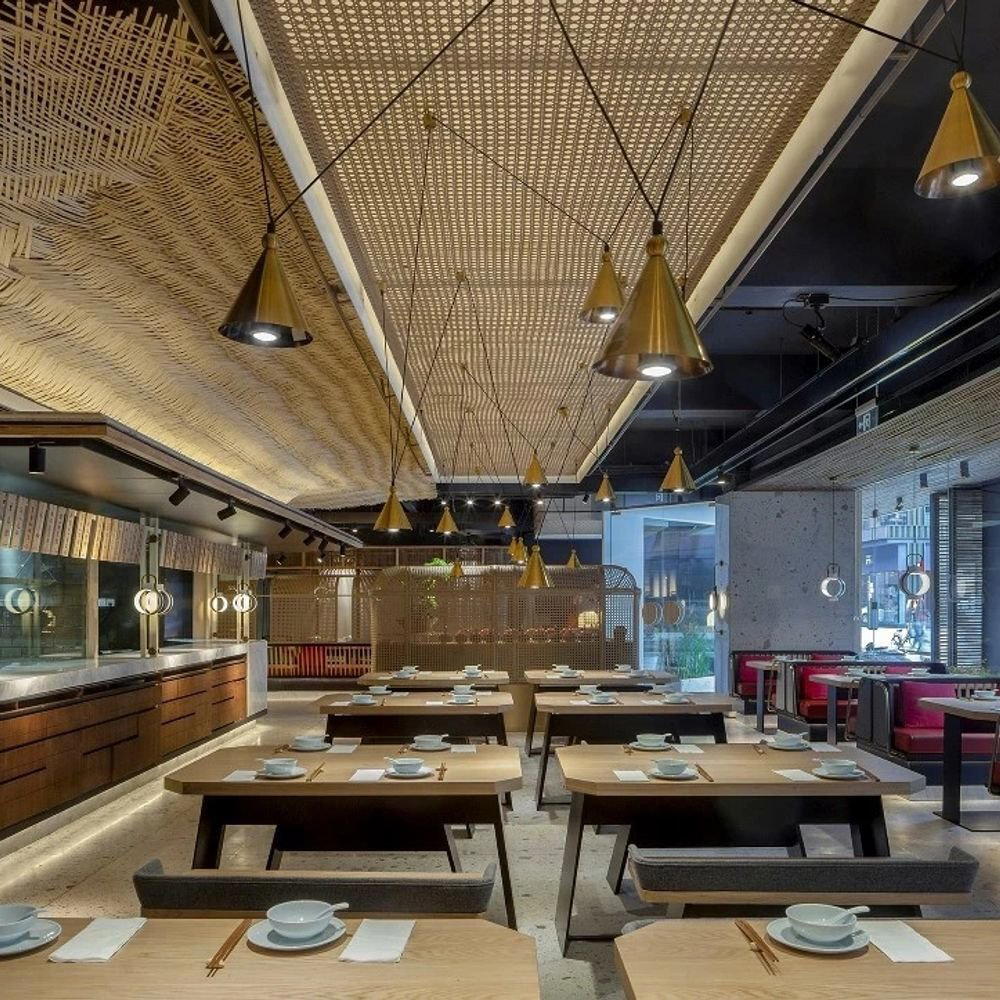
Casual neighborhood shop with a simple, unpretentious atmosphere focused on authentic local noodle preparation.