A neighbourhood Ethiopian restaurant on Rue du Chemin Vert in Paris's 11th arrondissement, Ethiopia sits within a stretch of the city where immigrant-led kitchens have quietly shaped local dining culture for decades. The address places it squarely in a working district where price and authenticity tend to matter more than spectacle, making it a reference point for East African cooking in a city that rewards those who know where to look.
Pearl is the En Primeur Club membership app — saves, bookings, and concierge access live there. Same editors, same standards.
- Address
- 89 Rue du Chemin Vert, 75011 Paris, France
- Phone
- +33149299968
- Website
- restaurantethiopiaparis.com
- Directions
- Get directions
 Saves & bookings on Pearl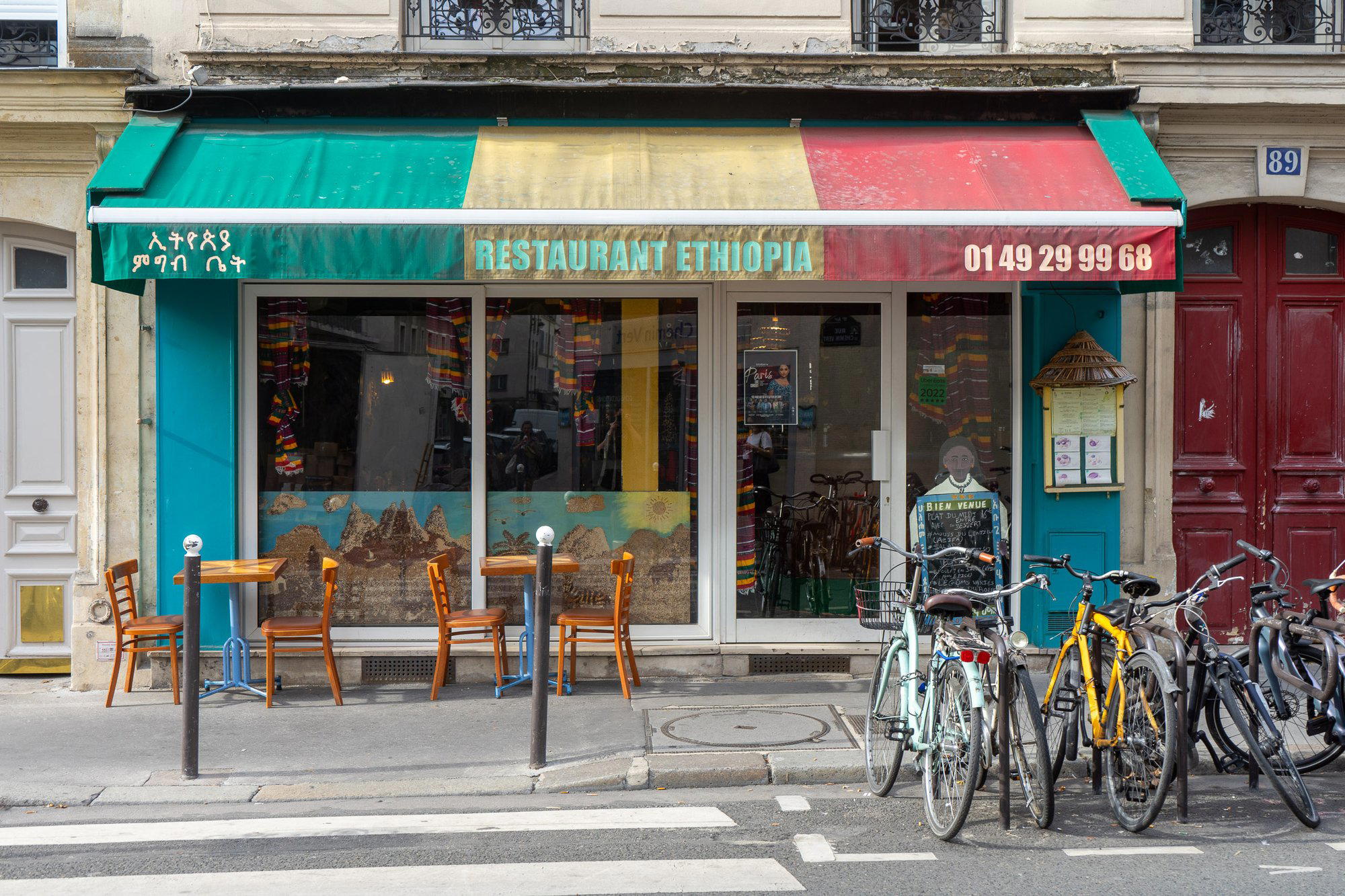
East African Cooking in the 11th: A Neighbourhood with Substance
Paris's 11th arrondissement has long operated as a kind of counter-argument to the grand-boulevard dining that defines the city's international reputation. While three-Michelin-star addresses like Arpège and L'Ambroisie anchor the city's formal dining identity, the 11th has historically drawn a different kind of eating public: one that prioritises cooking with roots over cooking with pedigree. Rue du Chemin Vert, where Ethiopia is addressed at number 89, sits within that tradition. The street runs through a section of the arrondissement where independently owned restaurants from across the African continent, the Levant, and Southeast Asia have operated for years without much press attention — sustained not by critics but by a steady local clientele that knows exactly what it wants.
Ethiopian cuisine occupies a specific position within Paris's immigrant-restaurant culture. Unlike the North African kitchens that have shaped French dining habits since the mid-twentieth century, East African cooking remains less integrated into the city's mainstream restaurant vocabulary. That relative unfamiliarity is part of what makes addresses like Ethiopia on Rue du Chemin Vert function as anchors for a community that otherwise has few dedicated spots. In cities like London or Washington D.C. Ethiopian restaurant clusters have developed into recognisable dining districts; Paris's equivalent is more diffuse, making individual addresses carry more weight by default.
The Lunch and Dinner Divide in a Kitchen Like This
In neighbourhood restaurants operating without the support structures of a hotel group or a celebrity chef, the gap between lunch and dinner service is often where you find the most instructive differences. Daytime service at this category of address in the 11th tends to attract local workers, regulars, and the kind of unhurried afternoon eater who treats lunch as the main meal of the day — a habit more French than it might appear at first. Lunch menus at independently run African restaurants in Paris frequently reflect the kitchen's most economical and precisely executed cooking: dishes that require long preparation and benefit from having been started the previous night, served at a price point that makes repeat visits plausible rather than occasional.
Evening service shifts the register. The 11th's dinner crowd skews younger and more exploratory, drawn from the arrondissement's sizable population of people who eat out frequently and have largely exhausted the neighbourhood's more obvious options. At a restaurant like Ethiopia, this means dinner tends to draw first-time visitors alongside regulars, creating a room with a different energy than the lunch hour. For Ethiopian cuisine specifically, the evening format also allows for the more communal, shared-platter eating that defines the tradition: injera as the common base, multiple preparations arriving together rather than sequenced, the meal functioning as a collective act rather than an individual progression.
That distinction matters in practical terms. Ethiopian eating does not map neatly onto the French three-course structure, which creates an interesting friction at addresses operating in a city where restaurant culture is still shaped by a particular sequencing logic. The most experienced diners at this type of address tend to arrive at dinner, order broadly, and resist the instinct to sequence, which is where the cuisine's actual character emerges. For those eating at lunch, the kitchen's more constrained daytime format may offer a more focused, if less expansive, version of the same cooking.
Where Ethiopia Sits in Paris's Wider Dining Picture
Placing Ethiopia within the full spectrum of Paris restaurant culture requires some honest calibration. The city's critical and editorial attention concentrates heavily on French fine dining: addresses like Alléno Paris au Pavillon Ledoyen, Le Cinq at the Four Seasons George V, or the Franco-Japanese synthesis at Kei command the column inches. France's broader culinary geography, from Mirazur in Menton to Troisgros in Ouches, Bras in Laguiole, Auberge de l'Ill in Illhaeusern, Flocons de Sel in Megève, Les Prés d'Eugénie in Eugénie-les-Bains, La Table du Castellet, Georges Blanc in Vonnas, Auberge du Vieux Puits in Fontjoncouse, and the institution of Paul Bocuse's L'Auberge du Pont de Collonges all define what the international dining public expects from French gastronomy. Ethiopia at 89 Rue du Chemin Vert operates in an entirely different register, one that connects to Paris's other identity as a city shaped by its African, Caribbean, and Asian communities.
That identity is less frequently exported in travel editorial, which tends to favour the city's institutional grandeur. For the reader who has already worked through the canonical Paris dining list and wants to understand how the city actually eats across its demographics, the 11th's independently run ethnic restaurants are a necessary part of the picture. Ethiopian cooking in this context functions as a corrective to the assumption that Paris's dining depth is entirely French.
Planning Your Visit: What to Know Before You Go
The address at 89 Rue du Chemin Vert is reachable from Chemin Vert Metro station on line 8, a short walk from the restaurant. The 11th is a dense, walkable arrondissement, and the surrounding streets have enough bar and café activity to make the area worth exploring before or after eating. For comparable experiences in the same category globally, independent community-anchored restaurants in this tier, like Lazy Bear in San Francisco and Le Bernardin in New York City, operate at a very different price tier and format, which underlines how much the neighbourhood context shapes what a restaurant is and who it serves.
Given the restaurant's neighbourhood profile and category, walk-in visits during off-peak lunch hours are more likely to be accommodated than peak Friday or Saturday evening slots. Contacting the restaurant directly before visiting is advisable. For a broader map of where to eat and drink across the capital, our full Paris restaurants guide covers the city's major dining districts in detail.
Awards and Standing
A quick snapshot of similar venues for side-by-side context.
| Venue | Cuisine | Price | Awards |
|---|---|---|---|
| EthiopiaThis venue — the venue you are viewing | Not listed | Not listed | Not listed |
| Alléno Paris au Pavillon Ledoyen | Creative | €€€€ | Michelin 3 Star |
| Kei | Contemporary French, Modern Cuisine | €€€€ | Michelin 3 Star |
| L'Ambroisie | French, Classic Cuisine | €€€€ | Michelin 3 Star |
| Le Cinq - Four Seasons Hôtel George V | French, Modern Cuisine | €€€€ | Michelin 3 Star |
| Pierre Gagnaire | French, Creative | €€€€ | Michelin 3 Star |
Continue exploring
More in Paris
Restaurants in Paris
Browse all →
Bars in Paris
Browse all →
Hotels in Paris
Browse all →

At a Glance
- Classic
- Cozy
- Rustic
- Casual Hangout
- Group Dining
- Historic Building
Current opening hours
- Monday
- 11 AM–5 PM, 6 PM–12 AM
- Tuesday
- 11 AM–5 PM, 6 PM–12 AM
- Wednesday
- 11 AM–5 PM, 6 PM–12 AM
- Thursday
- 11 AM–5 PM, 6 PM–12 AM
- Friday
- 11 AM–5 PM, 6 PM–12 AM
- Saturday
- 11 AM–5 PM, 6 PM–12 AM
- Sunday
- 11 AM–5 PM, 6 PM–12 AM
Hours can change for holidays and private events. Last verified .
Traditional old-school dining space with bright red and yellow walls adorned with Ethiopian artwork, creating a welcoming and authentic atmosphere.
Know Before You Go
- Getting there
- 89 Rue du Chemin Vert, 75011 Paris, France