Waldgasthaus Triendlsäge
A traditional Tirolean forest inn on the outskirts of Seefeld, Waldgasthaus Triendlsäge occupies a category of Austrian mountain dining that prioritises regional produce and local culinary custom over contemporary experimentation. The address at Triendlsäge 259 places it firmly at the quieter, more rural edge of a resort town whose restaurant scene spans casual après-ski to alpine fine dining.
Pearl is the En Primeur Club membership app — saves, bookings, and concierge access live there. Same editors, same standards.
- Address
- Triendlsäge 259, 6100 Seefeld in Tirol, Austria
- Phone
- +434352122580
- Website
- triendlsaege.at
- Directions
- Get directions
 Saves & bookings on Pearl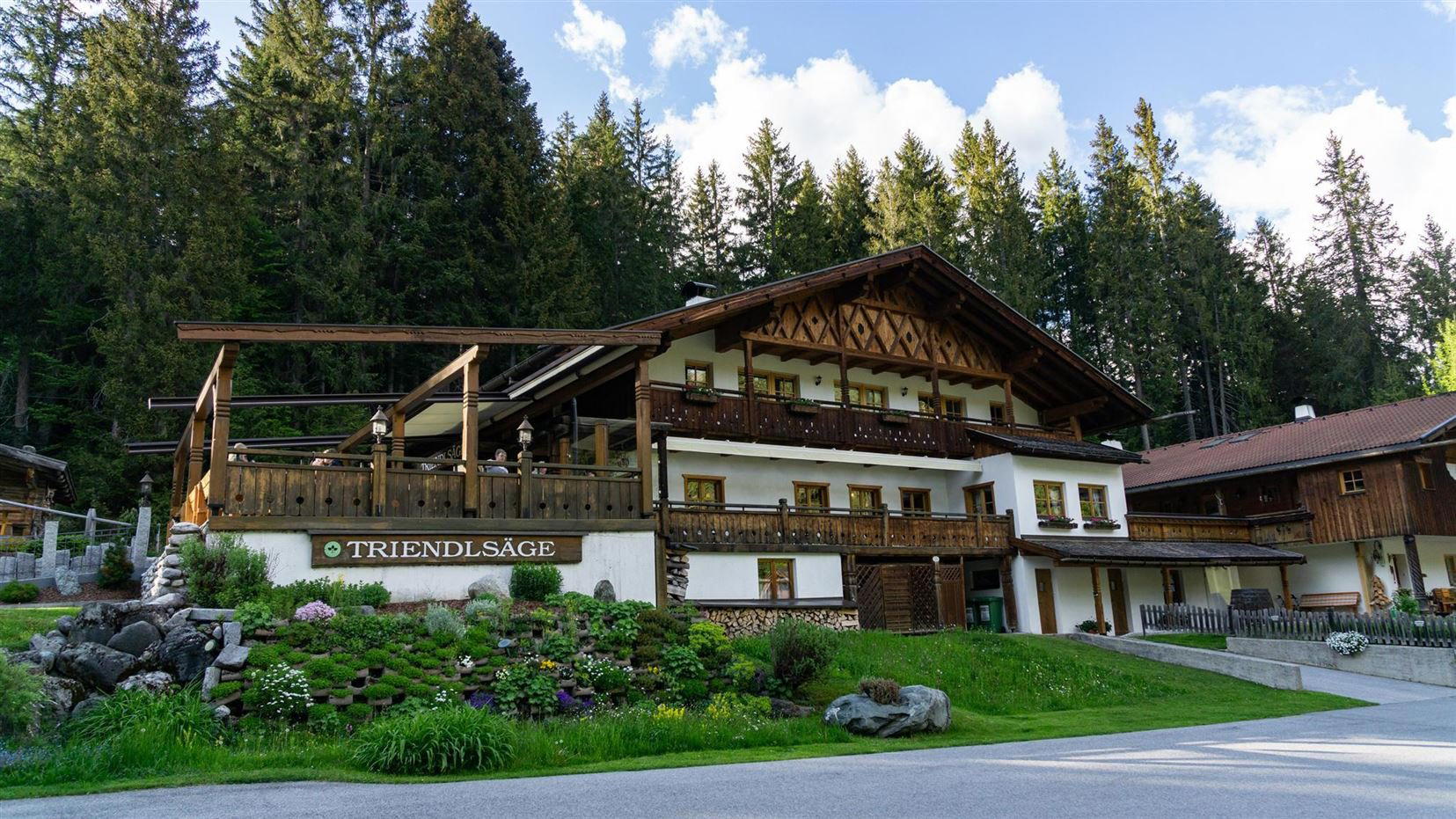
Where the Forest Meets the Table
There is a particular kind of Austrian mountain restaurant that the resort circuit tends to overlook. Not the polished hotel dining room chasing a Gault&Millau; point, not the après-ski terrace pouring Aperol until the lifts close, but the Waldgasthaus: a forest inn whose reason for existing is the land immediately surrounding it. Waldgasthaus Triendlsäge is a traditional Tyrolean restaurant in Seefeld in Tirol, with a casual dress code and recommended reservations. Waldgasthaus Triendlsäge, addressed at Triendlsäge 259 on the quieter edge of Seefeld in Tirol, belongs to that category. The name itself signals the lineage. Wald is forest; säge refers to a sawmill. The site has a working history embedded in its address long before it became a place to eat.
Approaching from central Seefeld, the shift in register is immediate. The pedestrian zone, the boutiques, the steady traffic of a Tyrolean resort plateau at 1,200 metres above sea level, all of that recedes. What takes its place is the particular quiet of a Tirolean forest edge: pine, altitude, the architecture of a building that does not need to announce itself. In the Austrian alpine tradition, this restraint is the point. The Waldgasthaus format has existed for centuries precisely because the mountains provided ingredients the kitchen had no need to replace with imports.
The Ingredient Logic of Alpine Cooking
Austrian alpine cuisine, in its traditional form, is radically local by necessity rather than by trend. At altitude, supply chains thin out, and the kitchen has always worked around what grows, grazes, and moves through the surrounding terrain. Wild game from Tyrolean forests, freshwater fish from mountain streams, dairy from high pastures, root vegetables and foraged herbs from the valley floor: these are not marketing choices but structural realities of how food has moved through this region for generations.
The Waldgasthaus format sits at the less-decorated end of this tradition. Where Döllerer in Golling an der Salzach applies contemporary technique to a similar Alpine sourcing philosophy, or where Kräuterreich by Vitus Winkler in Sankt Veit im Pongau foregrounds wild herb cultivation as a defining creative gesture, the traditional Waldgasthaus operates without that ambition for transformation. The sourcing matters because proximity matters, not because provenance has become a selling point. That distinction in motivation produces a different kind of meal: less composed, more functional, and often more honest about what mountain cooking actually is.
This places Waldgasthaus Triendlsäge in a different competitive conversation than the resort's more visible options. DER MAX and Strandperle Seefeld address Seefeld's resort appetite more directly. Triendlsäge addresses something quieter: the traveller who has come to the Tirolean plateau for the terrain itself and wants the food to reflect that logic.
Seefeld's Broader Restaurant Register
Seefeld in Tirol operates as a small plateau resort with ambitions that exceed its population. The town is a recognised Nordic skiing centre and hosts international cross-country competitions on the Olympia region trail network. That sports-tourism orientation means its food scene has always had to balance two audiences: serious athletes and high-spending leisure guests. The result is a wider range than the town's modest size would suggest, from simple post-training carbohydrates to the kind of table that expects a wine list with depth.
Within this spectrum, the forest inn occupies a position that neither audience tends to seek out deliberately but that rewards the traveller willing to move past the main street. The Austrian alpine dining tradition that produces institutions like Stüva in Ischgl or the more formally decorated rooms at Griggeler Stuba in Lech shares a root vocabulary with the Waldgasthaus format, even if the ambition and price points diverge sharply. Understanding where Triendlsäge sits in that spectrum requires some knowledge of what Austrian alpine cooking looks like at its different registers, from the tasting menus at Gourmetrestaurant Tannenhof in Sankt Anton am Arlberg down to the wood-panelled informality of a working forest inn.
The Wider Austrian Context
Austria has built a credible fine dining infrastructure over the past two decades that sits in an interesting relationship with its traditional inn culture. Steirereck im Stadtpark in Vienna represents the apex of the country's contemporary ambitions, while Landhaus Bacher in Mautern an der Donau, Obauer in Werfen, and Taubenkobel in Schützen am Gebirge each demonstrate how a regional address can sustain serious cooking when the surrounding produce is good enough to drive the menu. Ikarus in Salzburg takes a different approach, rotating guest chefs through its kitchen in a format that has no equivalent in the country.
Further afield, Ois in Neufelden, Restaurant 141 by Joachim Jaud in Mieming, and Schwarzer Adler in Hall in Tirol each represent regional Austrian cooking at the more deliberate end of the spectrum. By contrast, the Waldgasthaus model, and Triendlsäge specifically, does not operate in competition with any of them. It answers a different question: what does eating in a Tyrolean forest actually mean when the kitchen takes that geography seriously.
For reference, at the global fine dining level, rooms like Le Bernardin in New York City and Atomix in New York City demonstrate how a single sourcing philosophy, fish, Korean fermentation, can anchor an entire creative identity. The Waldgasthaus tradition in Tirol applies a comparable logic at a much lower register of ambition: the alpine forest is the sourcing philosophy, and the menu follows from that without needing to explain itself.
Planning a Visit
The address at Triendlsäge 259 sits outside Seefeld's walkable centre, which makes private transport or a short taxi ride from town the practical reality. As with most traditional Tirolean inns, the kitchen rhythm tends to follow local rather than resort hours, and the format rewards an unhurried midday or early evening approach rather than a late-night reservation.
In Context: Similar Options
Comparable venues nearby, for context on price, style, and recognition.
| Venue | Cuisine | Price | Notes |
|---|---|---|---|
| Waldgasthaus TriendlsägeThis venue — the venue you are viewing | Traditional Tyrolean | $$ | Not listed |
| Strandperle Seefeld | Modern European Lakeside | $$ | Seefeld in Tirol |
| DER MAX | Modern Tyrolean Fine Dining | $$$$ | Seefeld |
| Ottoburg | Traditional Tyrolean & Austrian | $$ | Old Town |
| Schloss Mitterhart | Traditional Tirolean Cuisine | $$ | Vomp |
| Rumer Alm | Tyrolean Alpine Hut | $$ | Rum |
Continue exploring
More in Seefeld In Tirol
Restaurants in Seefeld In Tirol
Browse all →
Bars in Seefeld In Tirol
Browse all →
Hotels in Seefeld In Tirol
Browse all →

At a Glance
- Rustic
- Cozy
- Scenic
- Family
- Special Occasion
- Terrace
- Historic Building
- Local Sourcing
- Mountain
- Garden
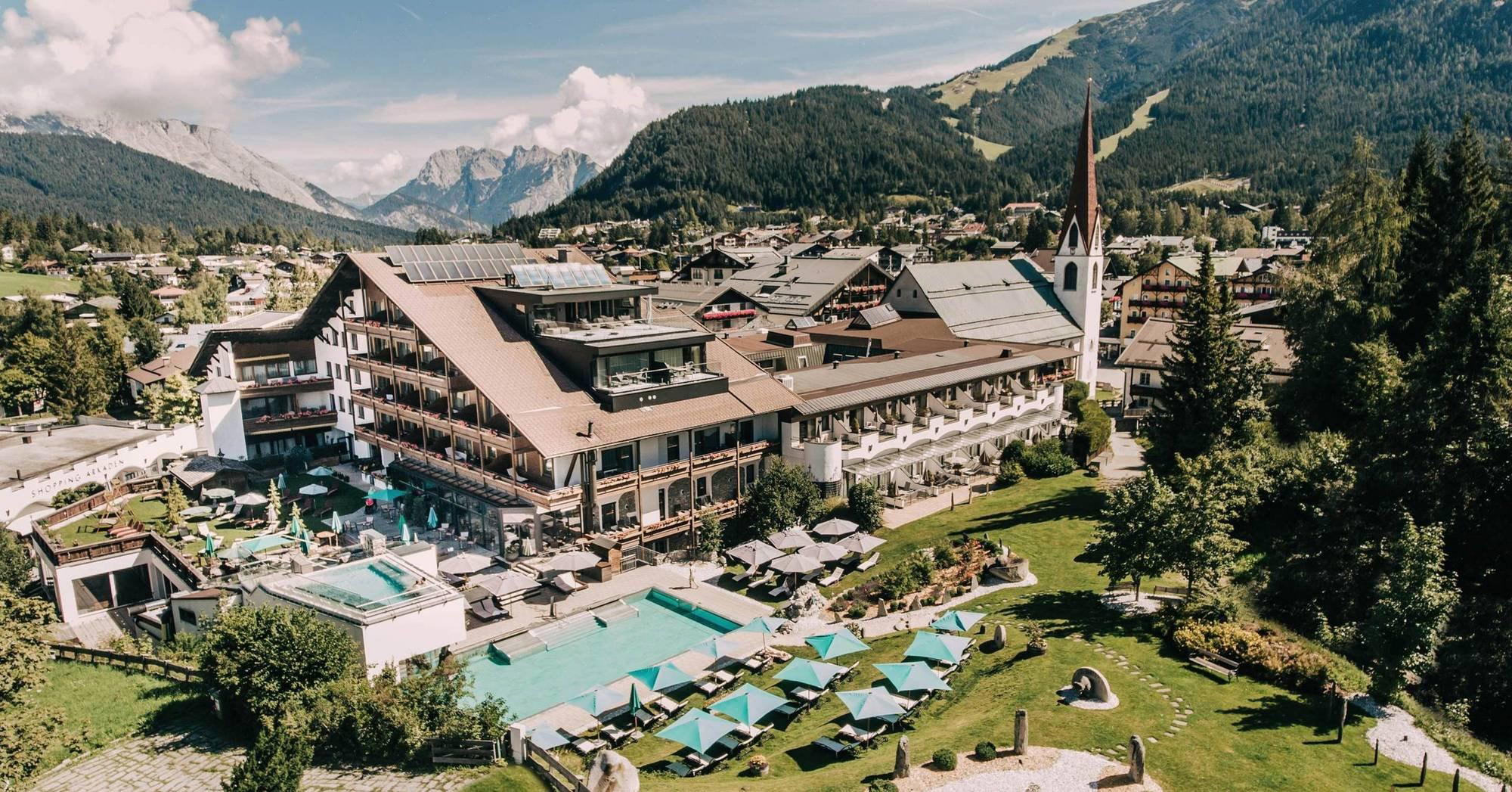
Cozy and rustic atmosphere in a historic sawmill surrounded by forest and mountains, warm and inviting with natural harmony.