DER MAX
DER MAX sits on Geigenbühelstraße in Seefeld in Tirol, a resort town where the Alps shape both the scenery and the supply chain. In a region where Austrian mountain cooking is defined by what grows, grazes, and matures within valley reach, the address places it within a tight circuit of altitude-driven sourcing. For context on how it fits the wider Seefeld dining picture, see our full Seefeld In Tirol restaurants guide.
Pearl is the En Primeur Club membership app — saves, bookings, and concierge access live there. Same editors, same standards.
- Address
- Geigenbühelstraße 185, 6100 Seefeld in Tirol, Austria
- Phone
- +43521222720
- Website
- astoria-seefeld.com
- Directions
- Get directions
 Saves & bookings on Pearl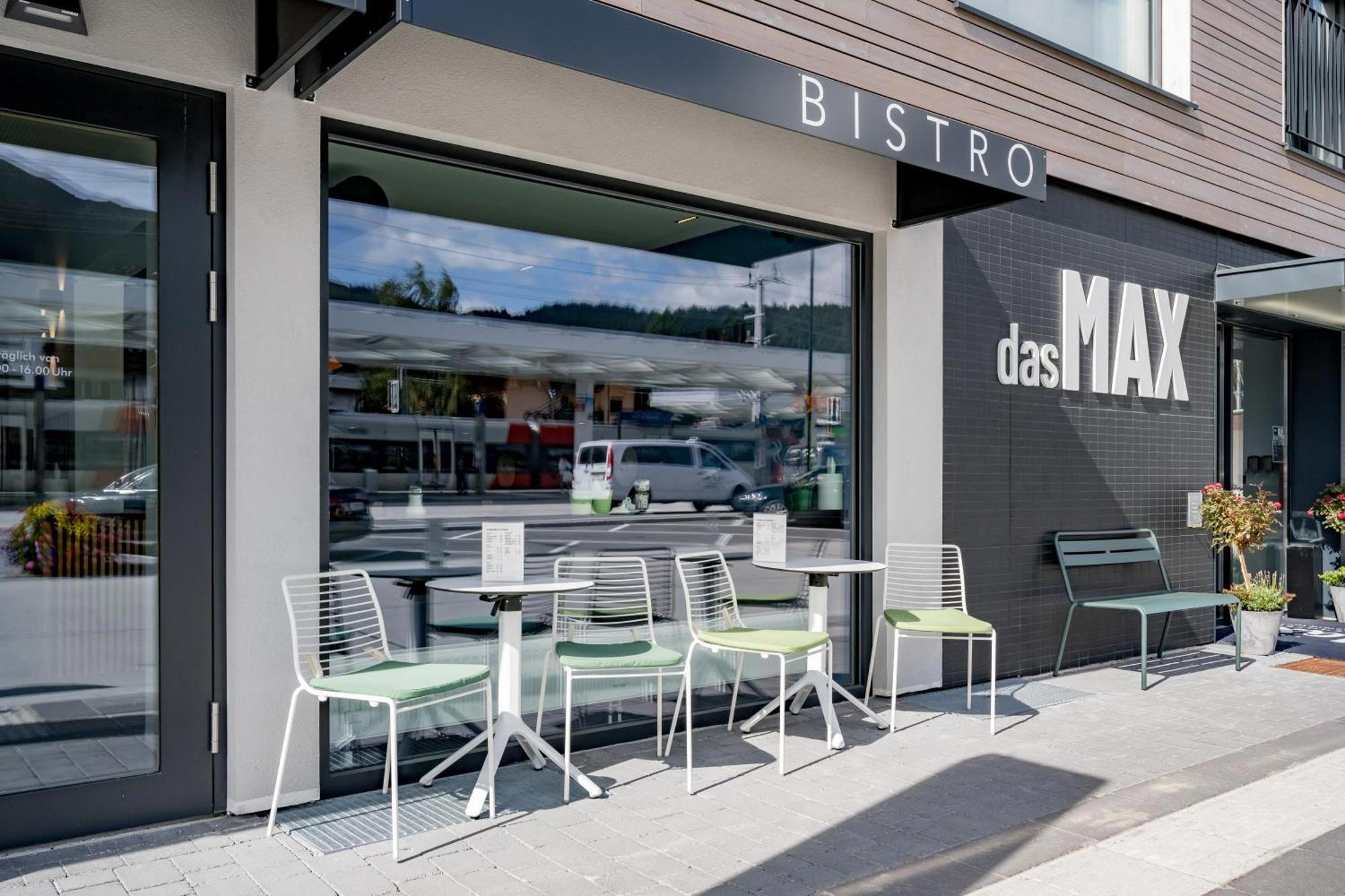
Where the Plateau Meets the Plate
Seefeld in Tirol sits on a high plateau above Innsbruck at roughly 1,200 metres, a position that shapes everything from the growing season to the grazing calendar. The village is known internationally as a cross-country skiing venue and a compact alpine resort, but its dining scene reflects the same logic that governs Tyrolean cooking across the region: what the mountain produces in a short growing window becomes the raw material of the kitchen. Restaurants here do not operate in isolation from their terrain, the terrain is, in most cases, the argument for eating there at all.
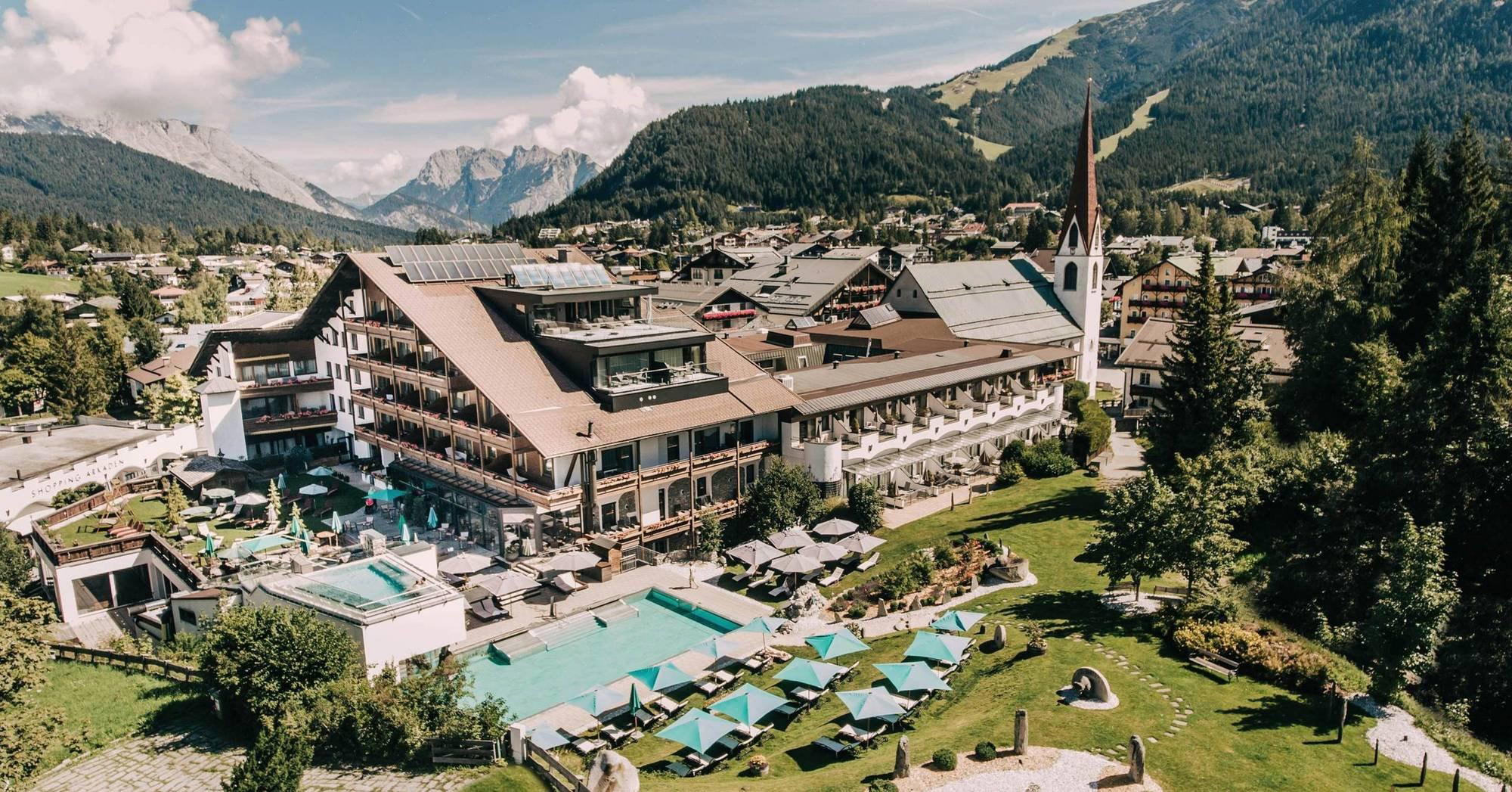
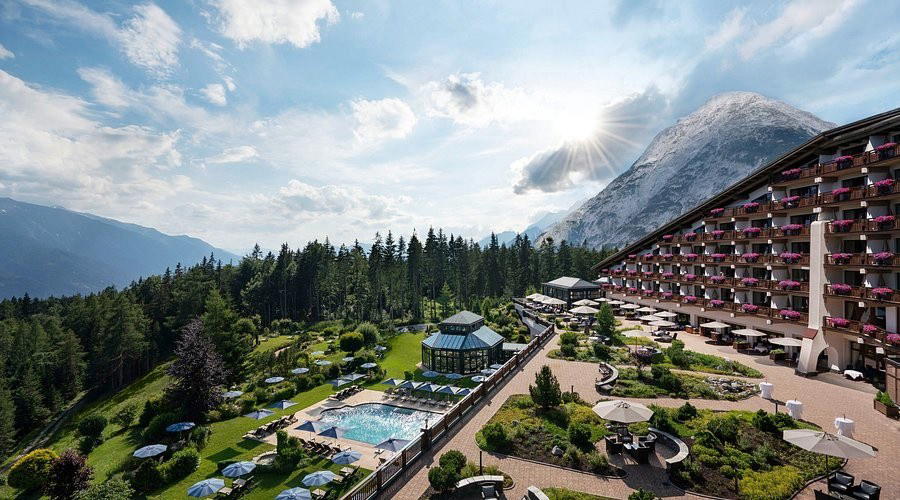
DER MAX occupies an address on Geigenbühelstraße 185, a street that sits at the quieter edge of Seefeld's resort centre. Approaching the building, the surroundings carry the visual grammar common to serious alpine dining: timber, altitude light, and the particular stillness that settles over a mountain town once the ski lifts stop running. The physical environment frames expectations before you have eaten anything.
The Tyrolean Sourcing Argument
Austrian alpine cooking at its most disciplined is an exercise in constraint. The leading producers operating at altitude in Tirol, dairy farmers, herb growers, small game hunters, river fishers, work within seasons that are shorter and more unforgiving than those of the lowlands. What that compression produces, when a kitchen pays attention to it, is intensity: milk from cattle that graze on high meadow grass, river trout from cold, fast-moving water, wild mushrooms harvested within a narrow autumn window. This is the sourcing logic that distinguishes serious Tyrolean restaurants from those simply serving Austrian food in an alpine setting.
The address in Seefeld places DER MAX within that sourcing geography. Across the region's more formally recognised dining rooms, venues like Gourmetrestaurant Tannenhof in Sankt Anton am Arlberg and Stüva in Ischgl show how alpine-regional produce can shape a kitchen. DER MAX operates within the same geographic frame.
At the broader Austrian level, the sourcing conversation has been shaped by kitchens such as Steirereck im Stadtpark in Vienna, where ingredient provenance is tracked with near-obsessive precision, and Döllerer in Golling an der Salzach, where alpine terroir is the organising principle of the entire menu. Further afield, Obauer in Werfen and Landhaus Bacher in Mautern an der Donau demonstrate how classical Austrian cooking and regional sourcing can sustain long institutional reputations. The standard these kitchens have set means that ingredient origin is now a baseline expectation at serious Austrian tables, not a differentiator.
Seefeld's Dining Position
Seefeld in Tirol is not a dining destination in the way that Lech or Ischgl are. It draws a more mixed international visitor base, largely German-speaking, with significant Scandinavian and British resort tourism, and its restaurant offer reflects that: a core of solid alpine Gasthäuser, a few hotel dining rooms pitched at resort guests, and occasional independent kitchens that operate at a more deliberate level. The town's compact size means that standout addresses become known quickly among returning visitors, a dynamic that rewards consistency over novelty.
Within Seefeld itself, Strandperle Seefeld and Waldgasthaus Triendlsäge represent the range of approaches available to a diner working through the town's options. For a fuller picture of where the restaurant sits among those options, see our Seefeld In Tirol restaurants guide.
Nearby in Mieming, Restaurant 141 by Joachim Jaud shows how a kitchen with strong chef credentials can anchor a dining reputation in a small Tyrolean community, a model that applies equally to Seefeld, where reputation travels primarily through word of mouth rather than major guide coverage.
The Wider Austrian Context
Austria's serious restaurant tier has expanded geographically over the past decade. Recognition is no longer concentrated in Vienna and Salzburg: destinations like Schwarzer Adler in Hall in Tirol and Kräuterreich by Vitus Winkler in Sankt Veit im Pongau confirm that committed kitchens in smaller Austrian towns can achieve meaningful critical standing. At the experimental edge, Ois in Neufelden demonstrates that format innovation is not the exclusive property of urban dining rooms.
For reference points beyond Austria entirely, formats like Lazy Bear in San Francisco and the precise sourcing discipline at Le Bernardin in New York City illustrate how the leading ingredient-led kitchens, regardless of geography, build their menus backwards from producer relationships rather than forwards from culinary fashion. Alpine Tyrolean cooking, at its most considered, operates on the same logic: the mountain decides what is on the plate, and the kitchen's job is to make that legible. Venues like Taubenkobel in Schützen am Gebirge and Griggeler Stuba in Lech represent different ends of that spectrum, the former rooted in Pannonian lowland produce, the latter in high-alpine resort luxury. Ikarus in Salzburg occupies a different register entirely, built around a rotating guest chef model that imports sourcing philosophies from outside the region.
Planning Your Visit
Seefeld in Tirol is accessible from Innsbruck in under 30 minutes by regional train, a frequency that makes day trips from the city practical during both the winter ski season and the summer hiking months. The town's resort rhythm means dining demand peaks in December through March and again in July and August; booking ahead during those windows is advisable for any address with a fixed dining room. Geigenbühelstraße 185 sits within the resort perimeter, reachable on foot from the central pedestrian zone. Given the volume of venue-specific detail not currently available in public record for the restaurant, including hours, price range, and booking method, confirming those particulars directly before visiting is the sensible approach.
How It Stacks Up
Comparable venues nearby, for context on price, style, and recognition.
| Venue | Cuisine | Price | Notes |
|---|---|---|---|
| DER MAXThis venue — the venue you are viewing | Modern Tyrolean Fine Dining | $$$$ | Not listed |
| Waldgasthaus Triendlsäge | Traditional Tyrolean | $$ | Seefeld in Tirol |
| Strandperle Seefeld | Modern European Lakeside | $$ | Seefeld in Tirol |
| ESSBAR Pertisau | Modern Tyrolean Grill with International Influences | $$$$ | Pertisau |
| Alpenhaus VIP | Tyrolean & International Fine Dining | $$$$ | Idalp |
| Panorama Restaurant Postblick | Contemporary Alpine & Austrian Fine Dining | $$$$ | Lech am Arlberg |
Continue exploring
More in Seefeld In Tirol
Restaurants in Seefeld In Tirol
Browse all →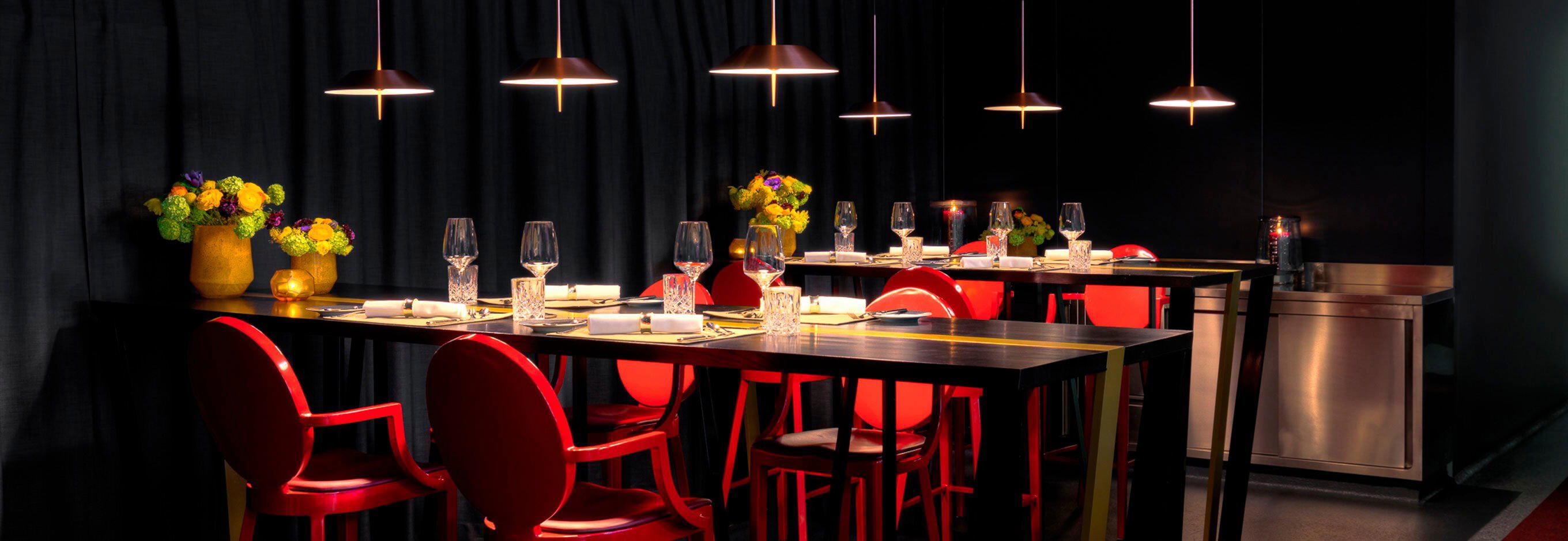
Bars in Seefeld In Tirol
Browse all →
Hotels in Seefeld In Tirol
Browse all →

At a Glance
- Elegant
- Sophisticated
- Special Occasion
- Date Night
- Hotel Restaurant
- Mountain
Current opening hours
- Monday
- 6:30–9 PM
- Tuesday
- 6:30–9 PM
- Wednesday
- 6:30–9 PM
- Thursday
- 6:30–9 PM
- Friday
- 6:30–9 PM
- Saturday
- 6:30–9 PM
- Sunday
- 6:30–9 PM
Hours can change for holidays and private events. Last verified .
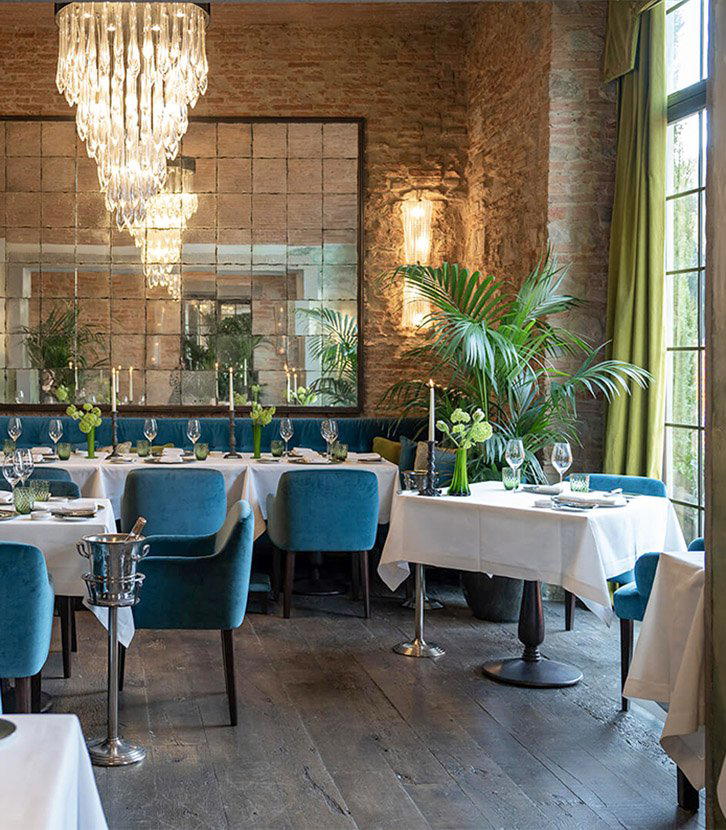
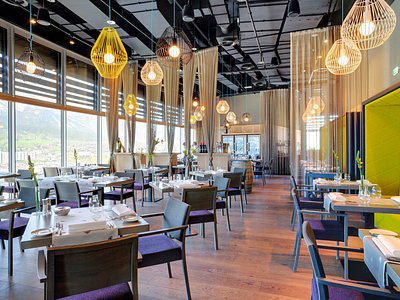
Elegant fine-dining atmosphere with focus on sophisticated culinary presentation.