Jin Kichi

Our verdict
One of Hampstead's longest-standing Japanese restaurants, Jin Kichi on Heath Street has been turning out yakitori, sashimi, and izakaya-style small plates since the early 1990s. Recognised by Opinionated About Dining in 2023, it represents a strain of neighbourhood Japanese dining that London's central postcodes rarely sustain, serious in ingredient sourcing, unhurried in pace, and rooted in the casual end of the Japanese repertoire.

Pearl is the En Primeur Club membership app, where members save venues, book tables and use the concierge.
The menu
What to order
- Yakitori skewers
- Black cod miso
- Agedashi tofu
- Nasu den
Hampstead's Quiet Case for Neighbourhood Japanese
London's Japanese dining scene divides, broadly, into two tiers: the formal, expense-account restaurants concentrated in Mayfair and the City, and a looser network of neighbourhood places where the cooking is grounded in everyday Japanese eating rather than occasion-driven performance. The second category is the harder one to sustain at quality. Central London addresses like Umu in Mayfair and Ginza St James's operate with correspondingly central pricing and an audience that arrives expecting ceremony. Neighbourhood places absorb more local regulars, less tourist traffic, and the daily pressure of making relatively modest dishes justify the trip. Jin Kichi, on Heath Street in Hampstead, has been doing exactly that since the early 1990s, long enough to have outlasted the first and second waves of London's Japanese restaurant expansion and to have built the kind of repeat custom that keeps a room filled on weekday evenings.
That framing matters: OAD's casual category rewards places where the informality is deliberate, not a concession, and where the kitchen's focus is on ingredient quality rather than technical theatre.
Yakitori, Robata, and the Primacy of the Grill
The izakaya and yakitori tradition that anchors Jin Kichi's menu is one of Japanese food culture's most ingredient-sensitive formats. Yakitori, skewered chicken grilled over charcoal, offers almost no place to hide. The fat content and provenance of the bird, the heat management of the grill, the seasoning applied at each baste: these are the variables that separate adequate skewers from memorable ones. In Tokyo, yakitori counters at the serious end of the market source from specific farms and breed lines; the same logic, scaled to a London context, informs what kitchens like Jin Kichi's are doing when sourcing is handled with care. For a direct comparison with how that philosophy operates at the more formal end of London Japanese cooking, Humble Chicken in Soho applies similar sourcing rigour within a tasting-menu structure, while Chisou occupies an adjacent space in the mid-market izakaya register. Jin Kichi's positioning, away from central London and drawing a local dining public rather than a destination audience, means the kitchen's accountability runs directly to the neighbourhood rather than to a wider critical circuit.
The robata grill format, which shares the charcoal-cooking logic of yakitori but applies it to a broader range of proteins and vegetables, extends the same principle. When the raw material is the argument, which it is in robata, freshness and sourcing are not background considerations but the structural basis of the dish. This is the ingredient-forward tradition that defines serious casual Japanese cooking, and it is the frame within which Jin Kichi's menu operates.
What the Menu Covers
Jin Kichi's menu runs across the izakaya spectrum: yakitori skewers, sashimi, grilled fish and meat from the robata, small cold plates, and the kind of composed dishes that serve as counterpoint to the grill's intensity. The breadth is characteristic of the format, izakaya eating is designed for grazing and sharing, with the kitchen sending dishes as they come rather than in a strict sequence. This approach places the emphasis on individual ingredient quality across a wide spread rather than on a single composed centrepiece, which is a different kind of discipline. The kitchen under chef Atsushi Matsumoto reflects the izakaya philosophy of range without compromise: a menu this varied only holds together when sourcing and execution are consistent across categories.
For context on how London's Japanese restaurant scene operates at its formal extreme, Akira occupies a different register entirely, with the kaiseki and omakase structures that define occasion dining. Jin Kichi is making a different argument, that the casual end of the Japanese tradition, when done with the same sourcing rigour, is as worth serious attention.
Dining in Hampstead: Pace, Setting, and Booking
Hampstead itself is one of London's few village-scale neighbourhoods where a destination restaurant can build a genuinely local audience. Heath Street, where Jin Kichi sits at number 73, carries independent restaurants, wine bars, and cafes oriented toward the NW3 residential public rather than tourist circuits. That audience tends to be regular, vocal, and quality-sensitive in ways that keep neighbourhood kitchens honest over the long run.
Practically, the restaurant is closed on Mondays. Tuesday through Sunday it runs two services: lunch from 12:30 to 2:15 pm and dinner from 6 to 10 pm. The rhythm is consistent across the week, which simplifies planning. For visitors combining Jin Kichi with broader London itineraries, Hampstead is accessible from central London in under 30 minutes via the Northern line. The surrounding neighbourhood offers enough to occupy an afternoon before a dinner reservation, with Hampstead Heath immediately to the east. Booking in advance is advisable given the restaurant's standing with local regulars, particularly for weekend dinner slots.
Jin Kichi in a Broader London Context
London's serious dining at the formal end of the spectrum is well documented. The Fat Duck in Bray, L'Enclume in Cartmel, and Moor Hall in Aughton represent the tasting-menu-and-destination-travel tier that commands most critical attention. Within London itself, Gidleigh Park in Chagford, Hand and Flowers in Marlow, and hide and fox in Saltwood anchor the regional British end of the conversation. Jin Kichi's relevance is in a different register: it represents the case for casual neighbourhood Japanese as a format that rewards the same sourcing discipline and culinary intelligence as any of those destinations, at a scale and in a context that makes it accessible across multiple visits rather than once a year.
For those whose interest in Japanese cooking extends to Tokyo itself, Myojaku and Azabu Kadowaki map the Tokyo end of the tradition, the reference points against which serious Japanese restaurants in London position themselves, whether they are operating in the formal or casual register. Explore our full London restaurants guide, our full London hotels guide, our full London bars guide, our full London wineries guide, and our full London experiences guide for the broader picture.
Frequently asked questions
Who is the chef at Jin Kichi?
The chef associated with Jin Kichi is Atsushi Matsumoto.
What awards or recognition does Jin Kichi have?
Jin Kichi has received recognition including: Opinionated About Dining Casual in Europe Recommended (2023).
What's the best thing to order at Jin Kichi?
The yakitori skewers and robata-grilled dishes are the operational centre of Jin Kichi's menu, and the format the kitchen is built around. Opinionated About Dining's 2023 Casual Europe recommendation points to a venue where the grill work is the reason to visit, so ordering across the skewer and robata sections gives the clearest picture of what chef Atsushi Matsumoto's kitchen does at its sharpest. The izakaya format also means cold plates and sashimi sit alongside the grilled options, making a mixed order across both sections the logical approach.
When can I go to Jin Kichi?
Hours at Jin Kichi: Hours: Monday Closed Tuesday 12:30–2:15 pm, 6–10 pm Wednesday 12:30–2:15 pm, 6–10 pm Thursday 12:30–2:15 pm, 6–10 pm Friday 12:30–2:15 pm, 6–10 pm Saturday 12:30–2:15 pm, 6–10 pm Sunday 12:30–2:15 pm, 6–10 pm.
Where exactly is Jin Kichi?
Jin Kichi is located at 73 Heath St, London NW3 6UG, United Kingdom, London.
Comparable Spots, Quickly
Comparable venues nearby, for context on price, style, and recognition.
| Venue | Cuisine | Price | Notes |
|---|---|---|---|
| Jin KichiThis venue (the venue you are viewing) | Authentic Japanese Izakaya | $30–50 | Not listed |
| AUN | Modern Japanese Izakaya | $50–100 | Stoke Newington |
| Kisaku | Casual Japanese Sushi | $20–30 | Acton Green |
| wagamama great marlborough street | Japanese Ramen Noodle Bar | $20–30 | Soho |
| Yoshino | Traditional Japanese Restaurant & Sushi | $50–100 | St James's |
| Sticks'n'Sushi | Japanese-Danish Sushi & Yakitori | $30–50 | Nine Elms |
Recognition history
Dated appearances from independent guides and award organizations, with the underlying list record or original source where available.
Opinionated About Dining Casual in Europe Recommended
Opinionated About Dining
Continue exploring
More in London
Restaurants in London
All restaurants in London →
Bars in London
All bars in London →






Details
- Cozy
- Intimate
- Date Night
- Casual Hangout
- Open Kitchen
- Sake Program
- A La Carte
- Small Plates
- Counter Dining
- Sake
- Vegetarian Friendly
- Vegan Options
- Gluten Free Options
Current opening hours
- Monday
- Closed
- Tuesday
- 12:30–2:15 PM, 6–10 PM
- Wednesday
- 12:30–2:15 PM, 6–10 PM
- Thursday
- 12:30–2:15 PM, 6–10 PM
- Friday
- 12:30–2:15 PM, 6–10 PM
- Saturday
- 12:30–2:15 PM, 6–10 PM
- Sunday
- 12:30–2:15 PM, 6–10 PM
Hours can change for holidays and private events. Hours as of .
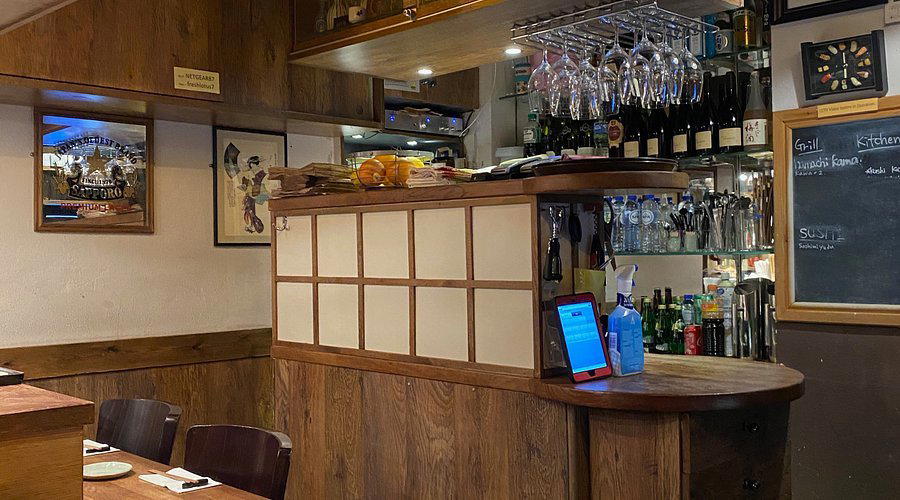
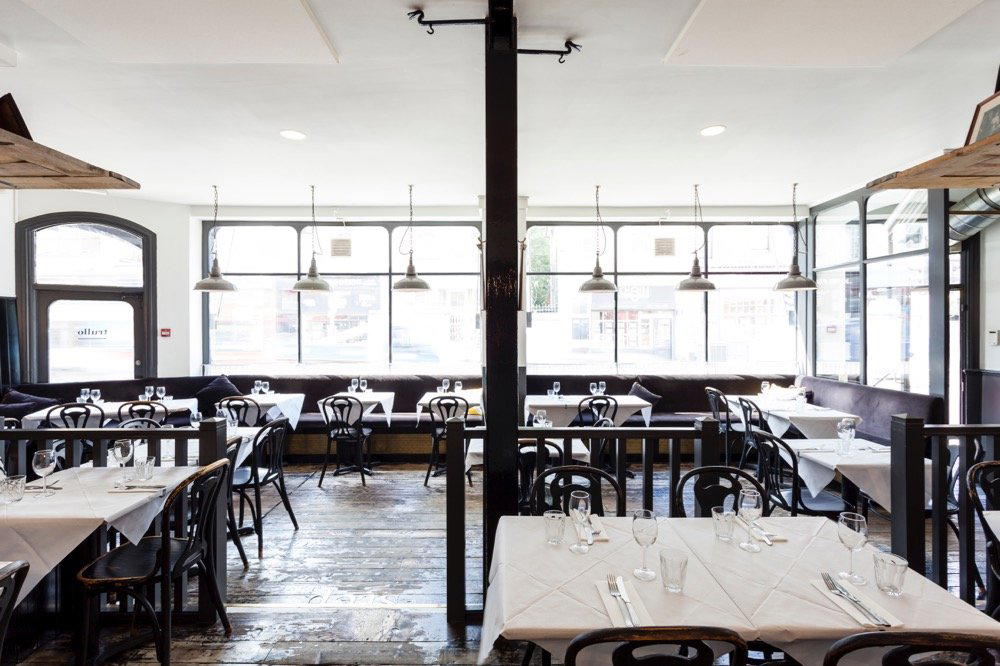
Intimate and cozy with an authentic, bustling atmosphere from the open grill, evoking a genuine Japanese izakaya experience amid cramped yet charming seating.