Skip to Main Content
Chicken Paitan Ramen
← Collection
New York City, United States

Totto Ramen Midtown East

Price≈$15
Dress CodeCasual
ServiceCasual
NoiseLively
CapacitySmall

Totto Ramen's Midtown East location on East 52nd Street brings the chicken-forward ramen style that made the Hell's Kitchen original a New York reference point to a more accessible Midtown address. The format is casual and counter-friendly, with bowls that prioritize depth of broth over spectacle. For a quick but considered lunch or dinner in a neighborhood better known for expense-account dining, it occupies a different tier entirely.

Pearl is the En Primeur Club membership app — saves, bookings, and concierge access live there. Same editors, same standards.

Plan your visit on PearlPlan Your Visit
Address
248 E 52nd St, New York, NY 10022
Phone
+1 212 421 0052
Totto Ramen Midtown East restaurant in New York City, United States
About

Ramen in the Shadow of Midtown's Expense-Account Belt

Midtown East is not where New York goes to eat casually. The blocks around East 52nd Street are dominated by the kind of dining that runs on corporate cards: rooms with white tablecloths, prix-fixe structures, and wine lists calibrated to impress a client. Le Bernardin, Per Se, and Masa set the ceiling for this neighborhood's dining register. Totto Ramen on East 52nd Street occupies a different register entirely.

Totto is a ramen operation with roots in Hell's Kitchen, where the original location developed a following around chicken-based broths at a time when New York's ramen scene was still sorting out its identity. The Midtown East address extends that reach into a neighborhood where a serious bowl of ramen, priced and formatted for speed, was largely absent. That gap in the market explains the outpost's existence.

How the Bowl Arrives: Reading the Meal as Sequence

Ramen, at its structural core, is a meal built around a single arc. Unlike the multi-act progression of tasting menus at places like Eleven Madison Park or Atomix, where a dozen courses unfold over two hours, a ramen counter compresses its narrative into one bowl. The sequencing still exists, but it happens within that bowl: first the initial hit of the broth's surface aroma, then the temperature and salinity as the soup meets the palate, then the noodle texture mid-bowl, and finally the concentrated depth that develops as the ingredients steep together in the remaining liquid.

At Totto, that arc is built around chicken rather than the pork-heavy tonkotsu that dominates much of New York's ramen conversation. Chicken-forward broths demand longer, more careful extraction to achieve comparable depth without the fat content that pork bones contribute naturally. The result is a cleaner finish, a broth that reads as rich without coating the mouth. For diners whose ramen reference point is a thick tonkotsu, the experience of a well-made chicken broth can reorient expectations about what depth means in the format.

The standard ramen build, across most serious Japanese operations, follows a logic: tare (the seasoning base, whether soy, miso, or shio) applied to the bowl first, broth ladled over, noodles added, toppings arranged. Each component carries a distinct role. The tare controls the salt level and flavor direction. The broth provides body and temperature. The noodles offer textural contrast and absorb the broth as the meal progresses, changing character from first bite to last. The toppings, whether chashu, soft-boiled egg, nori, or scallion, add punctuation rather than volume. Ordering intentionally, and eating with some attention to pace, makes the difference between a bowl that peaks in the first three minutes and one that sustains interest through the final spoonful.

The Midtown Context and Who Uses It

New York's serious ramen operations have historically clustered in the East Village and the stretch of Hell's Kitchen near the Theater District, neighborhoods where foot traffic and lower rents supported the format's economics. Midtown East's ramen presence has been thinner, a function of the neighborhood's demographic tilt toward office workers, hotel guests, and expense-account diners rather than the ramen enthusiast crowd that sustains destination-focused spots.

Totto's presence on East 52nd Street addresses a practical need: a fast, affordable, considered bowl of ramen within walking distance of a dense office population. The lunch crowd in this part of Midtown moves quickly. That dynamic shapes what the Midtown East location does well: efficient service, consistent execution, and a format that doesn't require a reservation or a significant time commitment.

For visitors staying in Midtown hotels, or for anyone whose schedule doesn't allow a crosstown trip to the East Village or the West Side, the location removes friction. The bowl remains the same product, positioned against a neighborhood backdrop that makes it feel more useful than it might elsewhere.

Placing Totto in New York's Ramen Tier

New York's ramen scene has matured considerably since the early 2010s, when a handful of Japanese-trained operators first introduced the format at a quality level that displaced the instant-noodle associations many American diners carried. The category now includes omakase ramen counters charging over a hundred dollars per seat, fast-casual chains optimizing for volume, and a middle tier of serious but accessible operations where quality and price remain in reasonable proportion.

Totto sits in that middle tier. It is not a destination ramen counter in the way that some East Village or Brooklyn operations have become, nor is it a chain optimizing for throughput. Its positioning is closer to the neighborhood ramen shop model familiar in Japanese cities: technically sound, stylistically consistent, priced to allow regularity. That model travels well to Midtown East, where the office-worker lunch dynamic rewards exactly those qualities.

Across American dining more broadly, the distance between a Totto bowl and the tasting-menu world of Lazy Bear in San Francisco, Smyth in Chicago, or Blue Hill at Stone Barns in Tarrytown is not just price. It is a different theory of what a meal is for. Ramen at this level makes no argument about sourcing philosophy or chef biography. It makes an argument about broth and noodle and the fifteen minutes you have to eat lunch on a Tuesday. That argument is legitimate and, in Midtown East, frequently wins.

Internationally, the parallel is instructive: the neighborhood ramen shop that anchors a Tokyo block operates on the same logic as Totto's Midtown East format, in the same way that a well-run trattoria operates differently from the multi-course rooms at Dal Pescatore in Runate or Atelier Moessmer Norbert Niederkofler in Brunico. Scale and ambition differ, but the commitment to consistency within a defined format is the same standard by which to judge it.

Diners who have worked through New York's higher tiers, from Emeril's in New Orleans-adjacent destination dining to the coast-to-coast tasting table circuit that includes Providence in Los Angeles, Addison in San Diego, The French Laundry in Napa, Single Thread Farm in Healdsburg, The Inn at Little Washington, and Frasca Food and Wine in Boulder, often find that the ability to identify a technically sound bowl of ramen at a neighborhood counter is its own form of fluency. Totto Midtown East is a reasonable place to test that fluency.

Know Before You Go

Address: 248 E 52nd St, New York, NY 10022

Neighborhood: Midtown East, Manhattan

Format: Casual counter-style ramen; no tasting menu structure

Price tier: Accessible; a significant step below the $$$$ tasting-menu operations that dominate the surrounding blocks

Reservations: Walk-in format typical of the ramen counter category

Leading timing: Midday lunch or early evening; the Midtown East lunch rush peaks between noon and 1:30 pm on weekdays

Signature Dishes
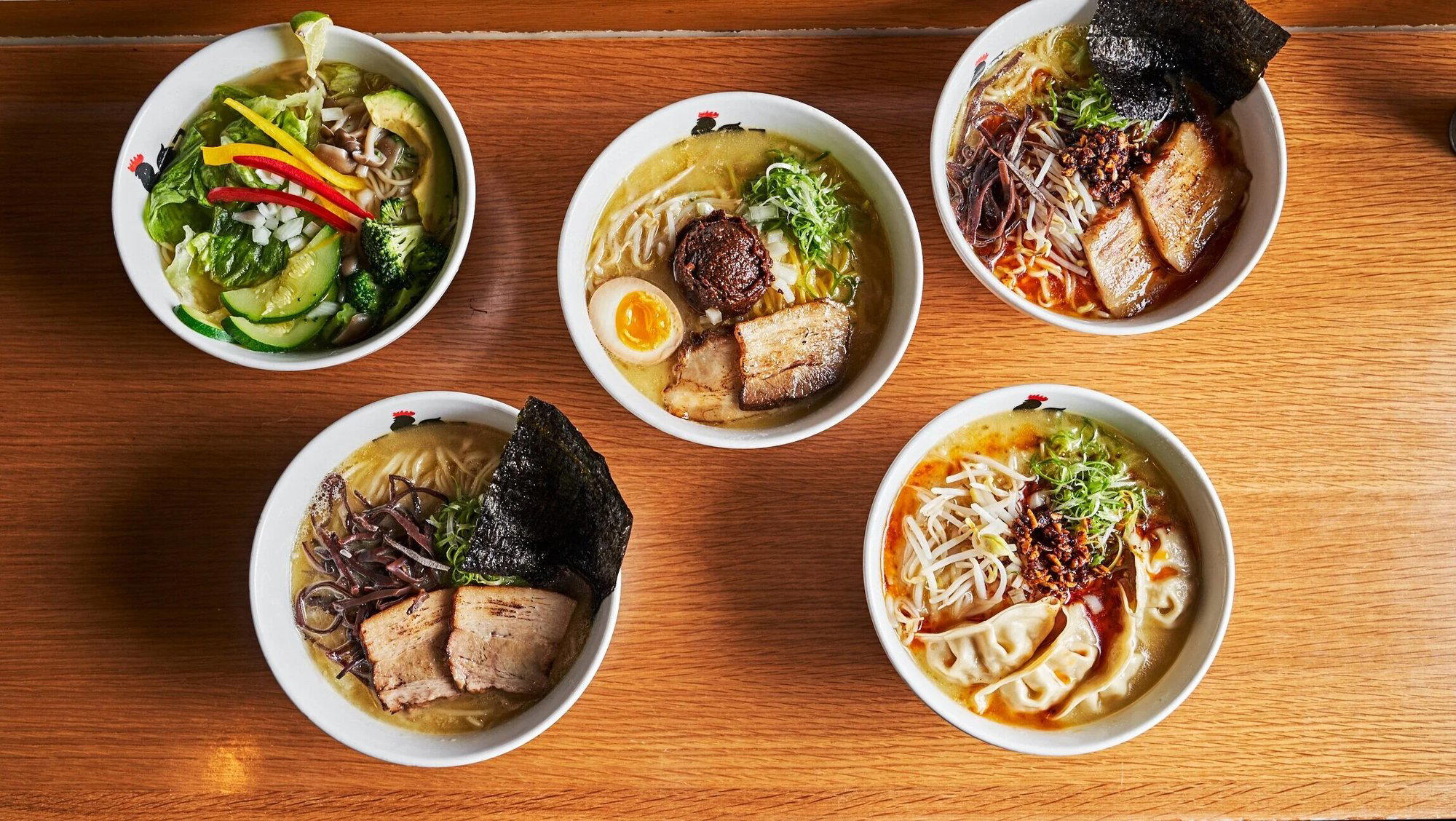
Paitan RamenSpicy RamenVeggie Ramen
Frequently asked questions

Reputation Context

Comparable venues nearby, for context on price, style, and recognition.

At a Glance
Vibe
  • Cozy
  • Trendy
Best For
  • Casual Hangout
  • After Work
Experience
  • Open Kitchen
Drink Program
  • Sake Program
Dress CodeCasual
Noise LevelLively
CapacitySmall
Service StyleCasual
Meal PacingQuick Bite

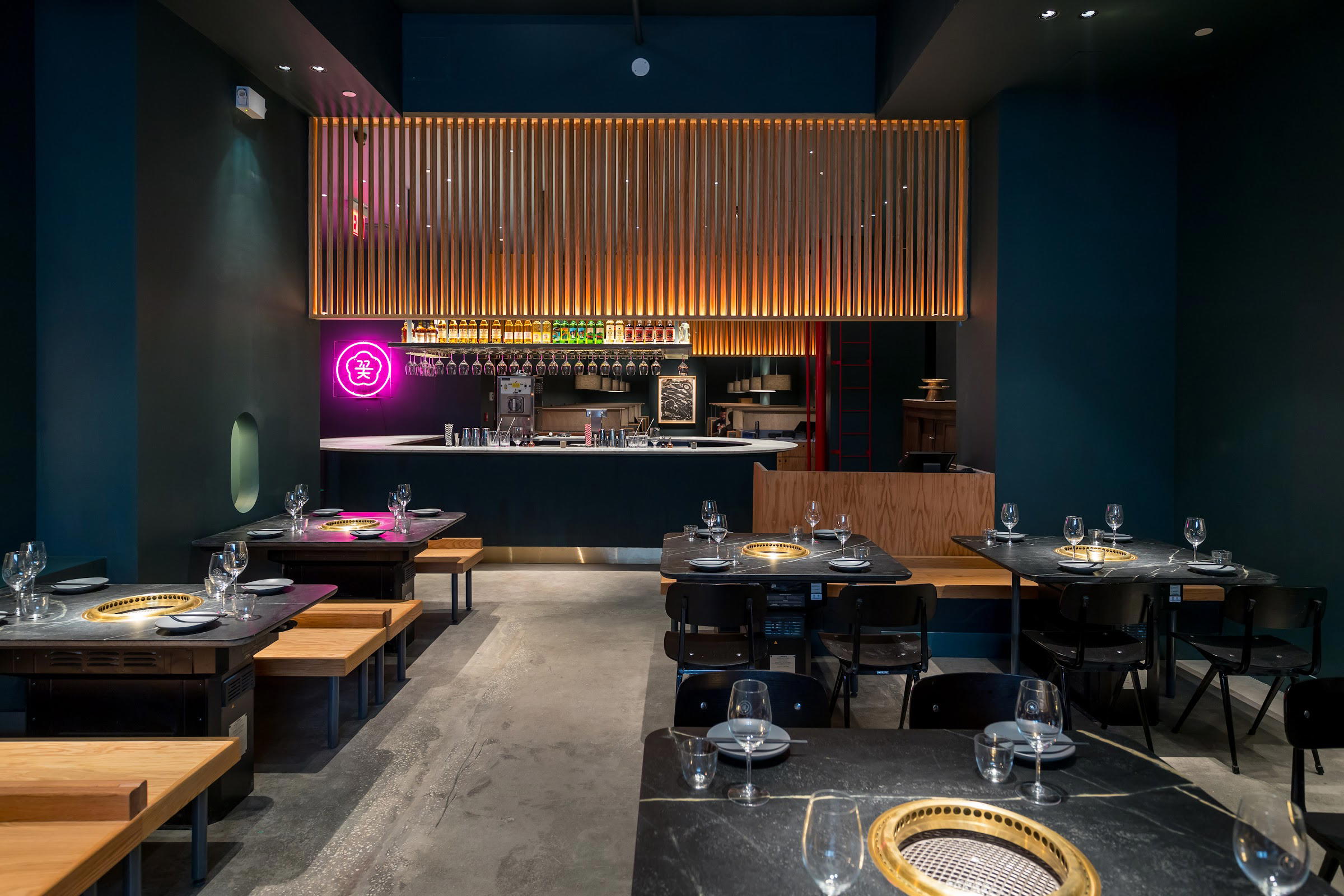
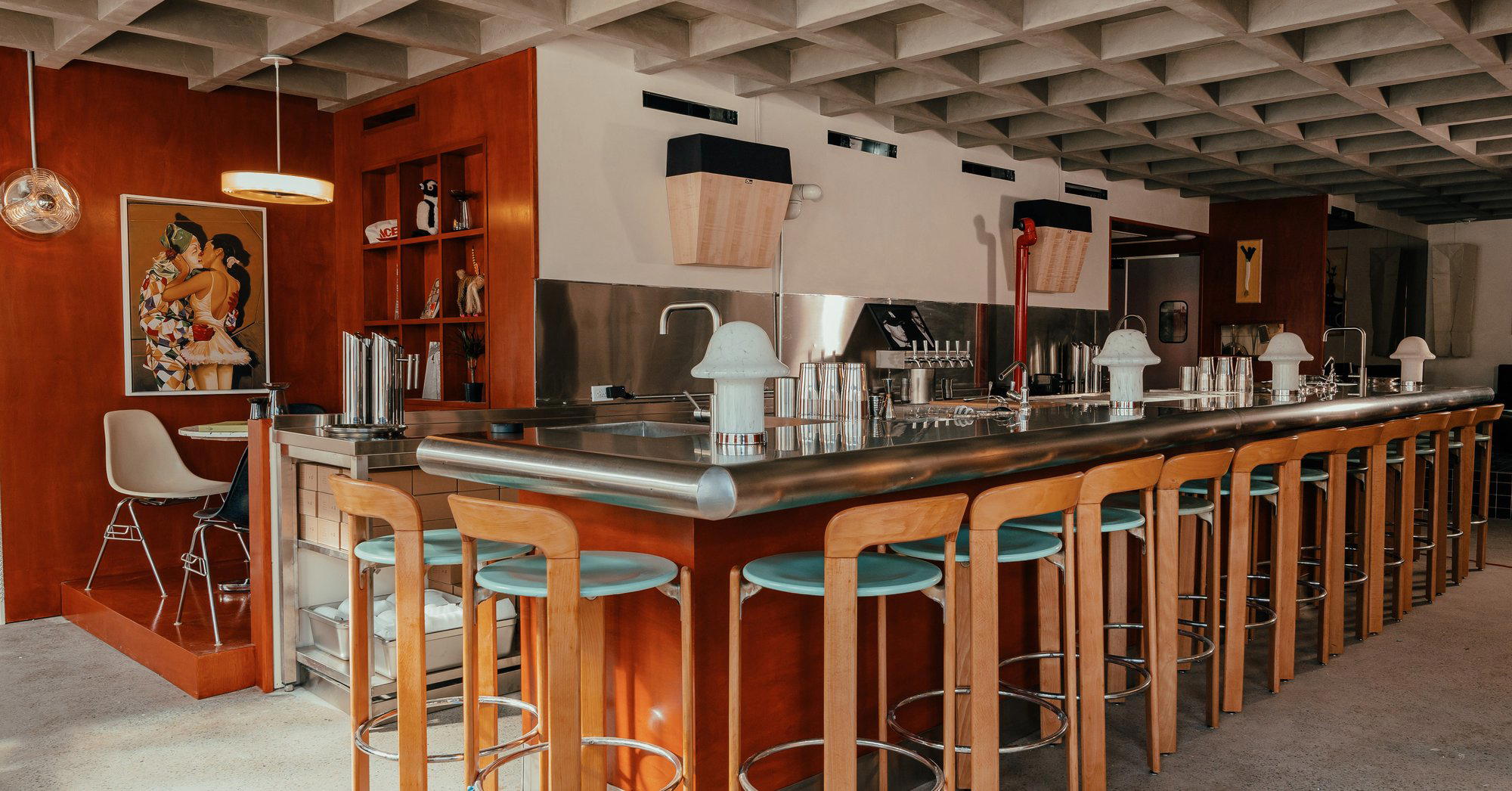
Cozy ramen bar atmosphere with warm lighting and welcoming staff, often crowded with quick service.

Signature Dishes
Paitan RamenSpicy RamenVeggie Ramen