Vinogradarska kuća Braje
Vinogradarska kuća Braje sits in Lokošin Dol, a quiet wine-growing hamlet outside Jastrebarsko in the Plešivica wine region, one of Croatia's most concentrated zones for indigenous white varieties. The setting and format place it firmly in a tradition of estate-anchored hospitality where the land around the table is the primary source of what arrives on it. For visitors moving through the Zagreb hinterland, it represents the area's connection between vine, kitchen, and territory.
Pearl is the En Primeur Club membership app — saves, bookings, and concierge access live there. Same editors, same standards.
- Address
- Lokošin Dol 1, 10450, Lokošin Dol, Croatia
- Phone
- +385981809523
- Website
- vinabraje.com
- Directions
- Get directions
 Saves & bookings on Pearl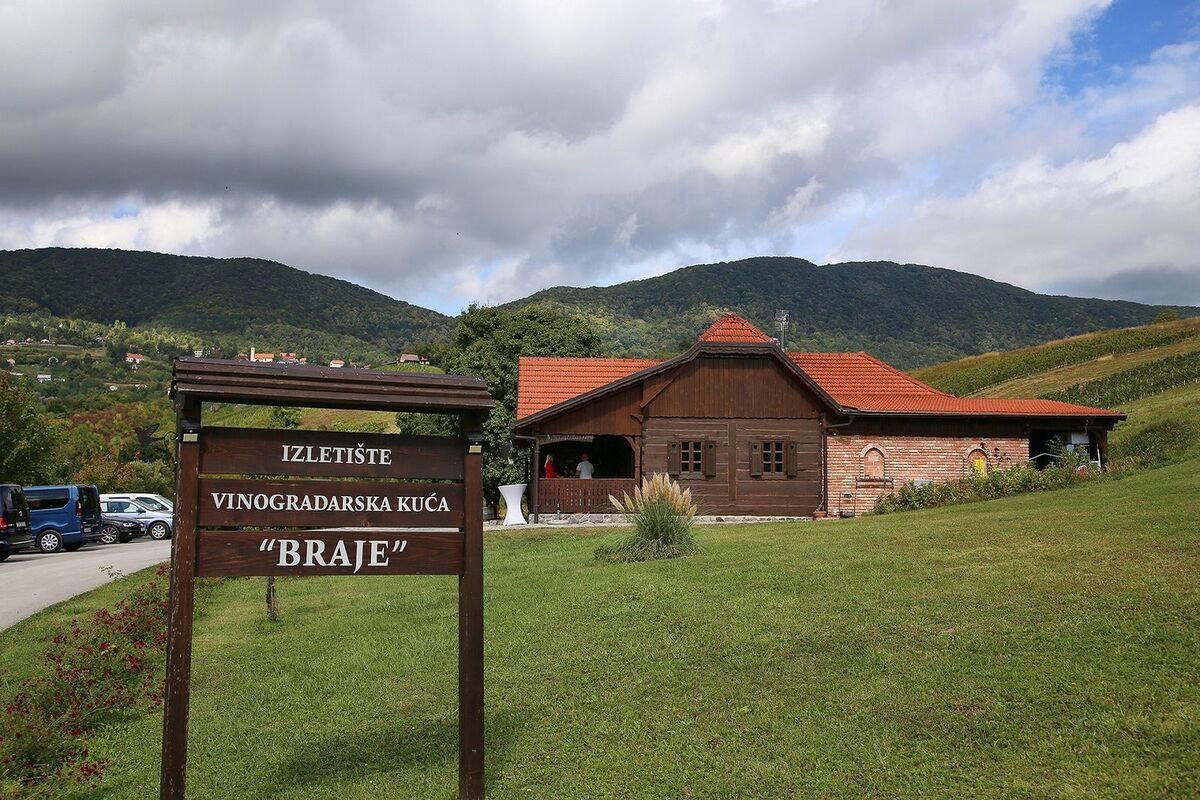
Where the Vines Set the Table
The road into Lokošin Dol drops through low hills southwest of Zagreb, past rows of vines close enough to the track to read the landscape at a glance. This is Plešivica country: a cool-climate corridor long associated with wine production in continental Croatia. Vinogradarska kuća Braje sits within that corridor at Lokošin Dol 1, and the address itself signals the logic of the place. The vineyard is the operating premise.
Plešivica's reputation rests primarily on aromatic white varieties, particularly Riesling and Pinot Blanc, grown on soils that shift between limestone and clay across relatively short distances. The region sits at elevations that introduce enough diurnal temperature shift to preserve acidity even in warmer vintages, which explains why its whites tend toward precision over weight. Estates in this zone have historically combined wine production with some form of food offering, a pattern rooted in the ethos of the klet, the traditional wine-cellar dining room found across the Zagorje and Prigorje regions of northwest Croatia. Vinogradarska kuća Braje fits that tradition.
The Logic of Estate Sourcing
In Croatia's premium dining scene, sourcing tends to divide into two broad approaches. Coastal restaurants such as Pelegrini in Sibenik and Restaurant 360 in Dubrovnik work from the Adriatic larder, building menus around proximity to the sea and the specific microterritories of Dalmatian producers. The inland tradition is different. In the Zagreb hinterland and the Zagorje hills, the kitchen is organised around what the land immediately adjacent to it can provide: estate-grown grapes, kitchen gardens, orchard fruit, and the foraging rhythms of a temperate continental season.
That sourcing model carries certain implications for what ends up on the plate. Menus tend to follow the agricultural calendar more strictly than their coastal counterparts, and the wine pairing is not a separate decision but a structural one, the wines come from the same soil the food is grown on, or nearly. This is a different kind of coherence from the refined tasting menus at venues like Agli Amici Rovinj or Boskinac in Novalja, where the editorial vision of a chef or proprietor shapes the experience from the leading down. At an estate like Braje, the land does more of that organising work.
The Plešivica region also sits close enough to Zagreb, roughly 30 kilometres southwest, that it functions as a serious day-trip or afternoon excursion rather than a dedicated destination stay. That proximity shapes the visitor profile and distinguishes it from more remote inland estates that require overnight commitment. For a reader based in Zagreb who wants to move through a wine region on their own timetable, the area around Jastrebarsko is one accessible option in continental Croatia.
Positioning in the Jastrebarsko Scene
Jastrebarsko's dining offer covers a broader range than its size suggests. Korak represents the contemporary end of the local spectrum, with a format and wine program that positions it against regional fine dining. Karlo operates at a different register. Estate venues like Vinogradarska kuća Braje occupy a third tier entirely: the winery-anchored konoba or dining room, where the primary offer is the estate's own production and the food exists in relationship to it rather than as an independent culinary statement.
That tier is well established across continental Croatia and has parallels in other central European wine regions, where estate hospitality formats have long provided an alternative to restaurant dining as conventionally understood. The model prioritises directness: shorter supply chains, fewer intermediaries between producer and guest, and a table experience that foregrounds the specific character of a place rather than the ambition of a kitchen. Visitors who arrive having already eaten at Zagreb venues such as Dubravkin Put will find the register here noticeably different, quieter, more agricultural in its logic, and oriented toward the rhythm of the estate rather than the rhythm of a city dining room.
For broader context, venues like Nebo by Deni Srdoč in Rijeka, Krug in Split, and LD Restaurant in Korčula show how Croatian kitchens have moved toward produce-led precision. The Plešivica estate tradition feeds into that broader shift from a different angle: less chef-forward, more territory-forward.
Getting There and Planning Your Visit
Lokošin Dol sits outside the town of Jastrebarsko, which is itself on the A1 motorway corridor connecting Zagreb to the Dalmatian coast. The drive from central Zagreb takes between 30 and 40 minutes depending on traffic, making this one of the few genuine wine-region experiences accessible from a major Croatian city without an overnight stay. The address, Lokošin Dol 1, is specific enough to navigate to directly, though rural estate addresses in this part of Croatia reward using satellite navigation rather than printed directions.
For guests planning visits from further afield who may also want to compare nearby options in the Samobor corridor, Cantilly Garden Restaurant in Samobor offers a complementary point of reference. Visitors interested in the produce-led ethos more broadly, including plant-forward approaches, may find BioMania Bistro Bol and Bodulo in Pag useful reference points for how Croatian kitchens handle ingredient sourcing at different price tiers, as does Burin in Crikvenica. For those curious how ingredient-driven philosophy operates at the highest international tier, Le Bernardin in New York City and Atomix in New York City provide a useful point of contrast.
Comparable Venues
Comparable venues nearby, for context on price, style, and recognition.
| Venue | Cuisine | Price | Awards | Notes |
|---|---|---|---|---|
| Vinogradarska kuća BrajeThis venue — the venue you are viewing | Traditional Croatian Vineyard Cuisine | $$ | Not listed | Not listed |
| Karlo | Traditional Croatian | $$ | Not listed | Plešivica |
| Korak | Contemporary Croatian Farm-to-Table | $$$$ | Michelin 1 Star | Plešivica |
| RESTORAN Maksimir | Traditional Croatian | $$ | Not listed | Maksimir |
| Curry Bowl | Sri Lankan Street Food | $$ | Not listed | Tkalčićeva |
| Eva | Croatian Grill & Game | $$ | Not listed | Lokve |
Continue exploring
More in Jastrebarsko
Restaurants in Jastrebarsko
Browse all →
Bars in Jastrebarsko
Browse all →

Hotels in Jastrebarsko
Browse all →

At a Glance
- Rustic
- Cozy
- Scenic
- Family
- Celebration
- Group Dining
- Special Occasion
- Garden
- Extensive Wine List
- Local Sourcing
- Vineyard
- Garden
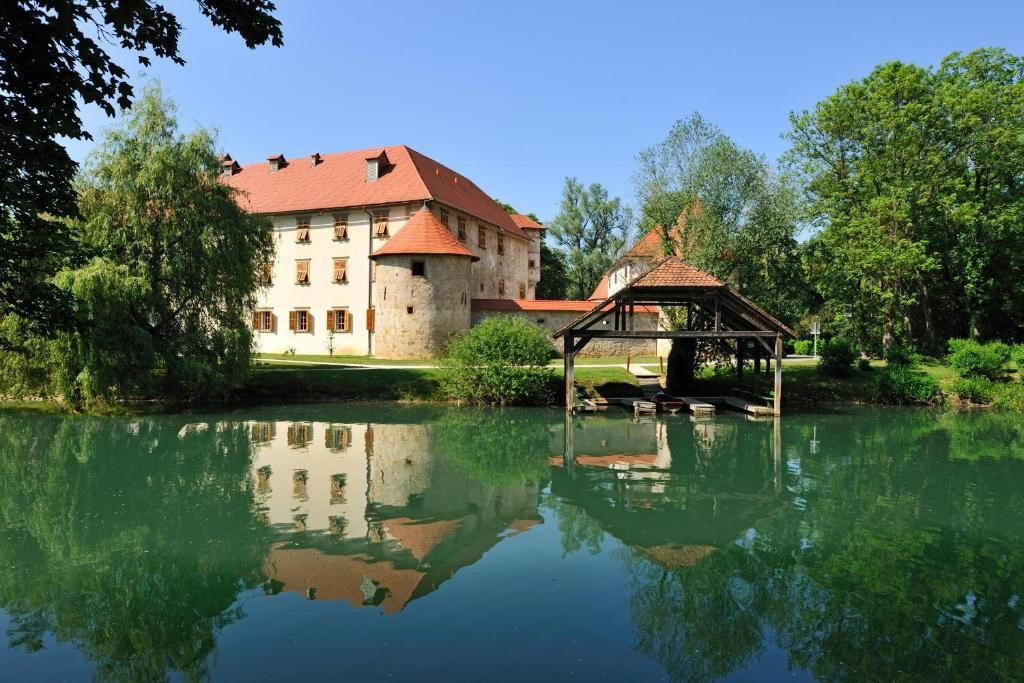
rustic countryside setting with beautiful nature, gardens, and a welcoming family atmosphere.