Our verdict
Eva sits in Lokve, a small settlement deep in the Gorski Kotar highlands of Croatia, where the forested interior sets a markedly different table from the country's coastal dining circuit. The address alone, Gorski Raj 4, signals the register: this is highland Croatia, not a Dalmatian terrace. Expect a kitchen shaped by what the surrounding landscape produces rather than what the sea delivers.

Pearl is the En Primeur Club membership app, where members save venues, book tables and use the concierge.

The menu
What to order
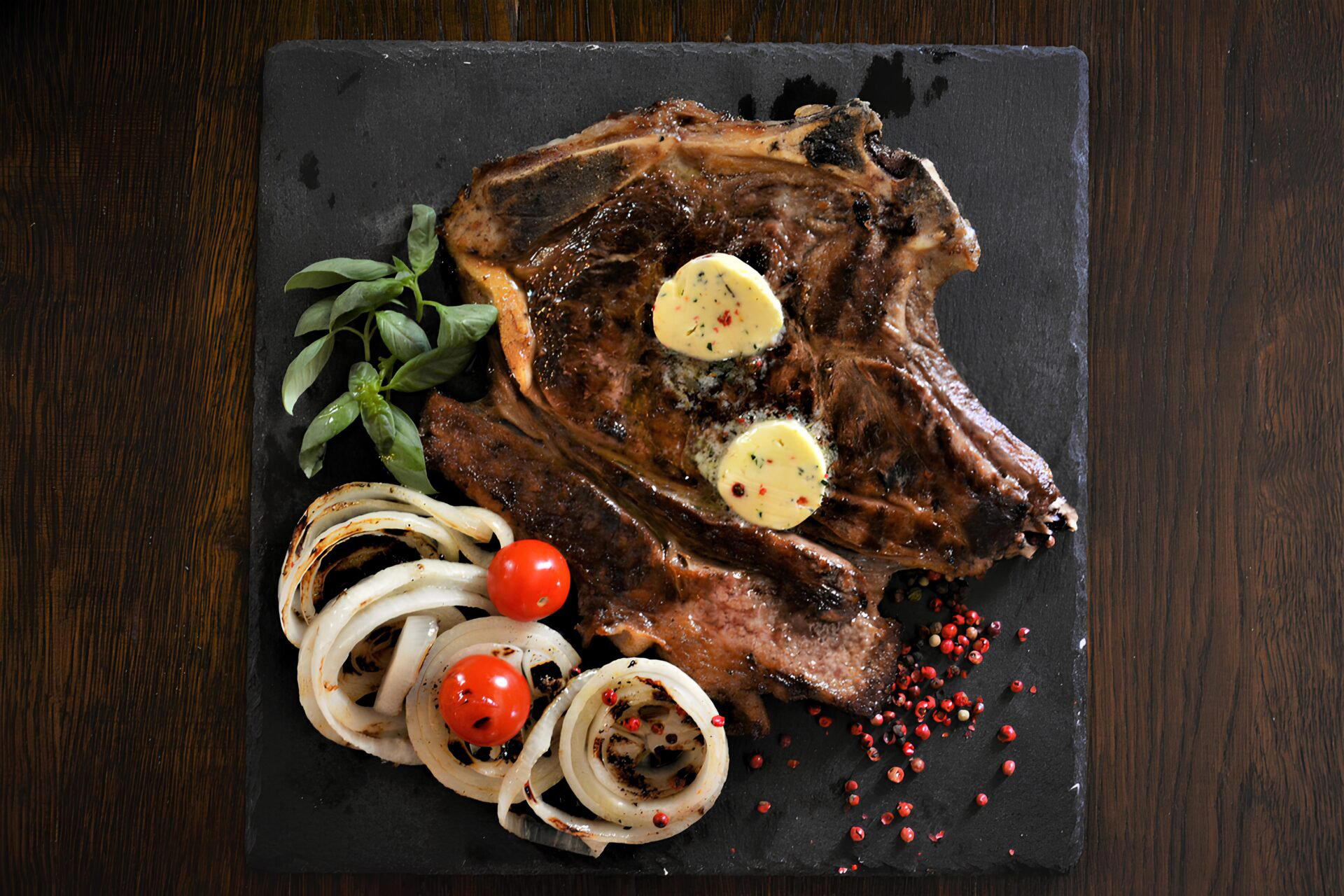
- Fried frog legs
- Game goulash
- Mrkopaljska strudel s borovnicama
Where the Forest Sets the Menu
Gorski Kotar is one of Croatia's least-trafficked regions by international visitors, a highland belt of dense beech and fir forest that separates the Kvarner coast from the continental interior. The restaurants that operate here do so on different terms than those in Rovinj or Dubrovnik: there is no tourist-season surge to absorb, no waterfront premium to collect, and no obligation to perform the Adriatic clichés of grilled fish and Dalmatian wine. What there is, at an address like Gorski Raj 4 in Lokve, is proximity to a particular larder, one defined by forest, freshwater, and altitude, and the editorial question that raises is whether a kitchen uses that proximity as its organizing principle or merely as backdrop.
Eva occupies that address, and the context of Lokve itself tells you something before the food does. The settlement sits at the edge of Lokvarsko jezero, a reservoir lake that feeds the Gorski Kotar water table and whose surroundings support trout, wild boar, game birds, and a dense mushroom ecology that shifts with the seasons. In highland Croatia, the calendar governs the plate more directly than it does in most coastal kitchens, where imported produce can paper over seasonal gaps. Here, what the forest gives in October looks nothing like what it offers in May, and kitchens that take that seriously operate on a fundamentally different supply logic than the region's coastal peers.
Gorski Kotar's Place in Croatia's Dining Geography
Croatia's recognized fine dining circuit clusters heavily around the coast and islands: Pelegrini in Sibenik, Agli Amici Rovinj in Rovinj, Restaurant 360 in Dubrovnik, Alfred Keller in Mali Lošinj. These are the addresses that draw critics and the awards infrastructure that follows them. The interior regions, Gorski Kotar, Slavonia, the Zagorje highlands, operate largely outside that recognition framework, which means the kitchens working there do so without the external validation signals that coastal venues accumulate. That is not necessarily a disadvantage from a sourcing standpoint. A kitchen in Lokve can build relationships with local hunters, foragers, and freshwater fishermen that a Dubrovnik restaurant serving 200 covers a night structurally cannot replicate at the same intimacy of scale.
The comparison set for Eva is not Nebo by Deni Srdoč in Rijeka or LD Restaurant in Korčula, both of which operate within coastal fine dining conventions. The more instructive comparisons are inland: Korak in Jastrebarsko and Dubravkin Put in Zagreb represent the continental Croatian tradition that prizes game, freshwater fish, and the seasonal fungal calendar over shellfish and olive oil. Eva, sitting deeper into the highland interior than either of those, has access to source material that is genuinely harder to reach from an urban kitchen, which is either an advantage it uses or an opportunity it leaves on the table.
The Sourcing Logic of Highland Kitchens
In regions like Gorski Kotar, the ingredient sourcing argument is not aspirational marketing language, it is a structural fact of operating in a location where the supply chain runs through the forest rather than a wholesale market. Wild mushrooms, particularly porcini and chanterelles, are harvested locally through the late summer and autumn months. Freshwater trout from the Kupa river system and Lokvarsko jezero itself represents a protein source that coastal restaurants pay premiums to import. Game, boar, venison, pheasant, follows a defined hunting calendar governed by Croatian wildlife management regulations, which means a kitchen here either plans around those windows or sources elsewhere.
This sourcing model has parallels in other European highland traditions: the Slovenian interior, the Austrian Salzkammergut, the French Vosges. What those regions share is a cuisine built around preservation, fermentation, and the concentration of seasonal abundance into forms that carry through leaner months. Croatian highland cooking applies similar logic through smoked meats, pickled vegetables, and the layered fat-forward dishes that cold-season hospitality in forested regions tends to produce.
Planning a Visit to Lokve
Lokve sits roughly 50 kilometres from Rijeka by road, accessible via the A6 motorway that connects the coast to the continental interior. The drive from Rijeka takes under an hour in clear conditions, though the mountain roads can complicate winter travel. From Zagreb, the route runs approximately 130 kilometres, also using the A6 corridor. Neither approach passes through significant competing restaurant territory, which makes Eva a destination rather than a stop on a dense dining circuit. Visitors travelling from the Kvarner coast, particularly those who have already covered the coastal options represented by venues like Boskinac in Novalja or San Rocco in Brtonigla, will find Gorski Kotar offers a genuinely different register.
For a region this far outside the coastal tourism infrastructure, confirming operational status is more important than it would be for a Dubrovnik or Split address with stable year-round crowds. See our full Lokve restaurants guide for additional context on the area's dining options. Visitors with broader Croatian itineraries covering the interior might also consider Humska Konoba in Hum, EatIstria in Pluj, Krug in Split, Restaurant Filippi in Curzola, or Trg Sv. Stjepana 3 in Lesina to extend the range of Croatian regional styles covered.
Frequently asked questions
Does Eva work for a family meal?
Lokve is a small settlement in Gorski Kotar, a region defined by outdoor activity and forest terrain rather than urban dining infrastructure. Eva's address at Gorski Raj 4 places it within that community context, which typically suits relaxed, multi-generational dining rather than formal tasting-menu formats.
What is the atmosphere like at Eva?
Eva sits in Lokve, a village inside Gorski Kotar, the highland belt between Croatia's Adriatic coast and its continental interior. That geography shapes the setting: dense beech and fir forest rather than seafront terraces, and a pace calibrated to the region's hunting, fishing, and foraging culture. Expect something closer to a mountain konoba than a coastal fine-dining room.
Is Eva in Lokve worth the drive from Rijeka for a dedicated dinner visit?
Lokve sits roughly 50 kilometres from Rijeka via the A6 motorway, making it a viable but deliberate detour rather than a casual stop. Eva operates in a region almost entirely absent from Croatia's international fine dining circuit, which clusters around Šibenik, Rovinj, and the Dalmatian coast. For visitors already travelling through Gorski Kotar, it represents one of very few sit-down dining options in the area; for those coming specifically from the coast, confirming hours and availability in advance is essential given the village's size and the venue's limited public profile.
What do regulars order at Eva?
Gorski Kotar kitchens have long built menus around what the surrounding forest and rivers provide: game, freshwater fish from lakes like Lokvarsko jezero, wild mushrooms, and foraged herbs. That sourcing logic is structural in this region rather than a trend.
In Context: Similar Options
| Venue | Cuisine | Price | Awards | Notes |
|---|---|---|---|---|
| EvaThis venue (the venue you are viewing) | Croatian Grill & Game | Not listed | Not listed | Not listed |
| Pelegrini | Modern Dalmatian Fine Dining | $100–150 | 1 Michelin Star · La Liste Top Restaurants | Mediterranean, Modern Cuisine |
| Restaurant 360 | Modern Mediterranean with Asian and French Influences | $200–300 | 1 Michelin Star · La Liste Top Restaurants | International, Modern Cuisine |
| Foša | Modern Seafood | $50–100 | Michelin Plate | Croatian, Classic Cuisine |
| Nautika | Traditional Mediterranean Seafood | $100–150 | Michelin Plate · Star Wine List | Modern European, Classic Cuisine |
| Agli Amici Rovinj | Modern Mediterranean Fine Dining | $200–300 | 2 Michelin Stars · La Liste Top Restaurants | Italian Contemporary |
Continue exploring
More in Lokve
Restaurants in Lokve
All restaurants in Lokve →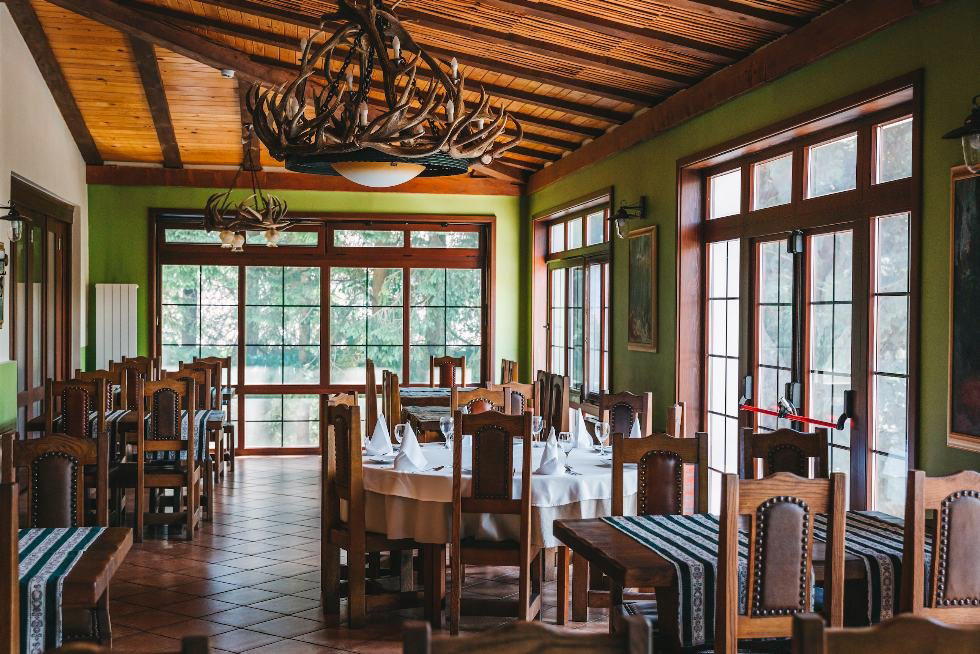
Hotels in Lokve
Browse all →
Wineries in Lokve
Browse all →
Details
- Rustic
- Cozy
- Scenic
- Family
- Terrace
- Local Sourcing
- A La Carte
- Vegetarian Friendly
Current opening hours
- Monday
- Closed
- Tuesday
- Closed
- Wednesday
- 12–9 PM
- Thursday
- 12–9 PM
- Friday
- 12–9 PM
- Saturday
- 12–9 PM
- Sunday
- 12–9 PM
Hours can change for holidays and private events. Hours as of .
Cozy forest atmosphere with terrace overlooking the lake, peaceful and nature-immersed.