Set against the green edge of Maksimir Park, Zagreb's oldest public garden, RESTORAN Maksimir occupies a position that few city restaurants can match for sheer setting. The kitchen draws on Continental and Croatian traditions in a room where the park itself does much of the atmospheric work. For visitors moving between Zagreb's compact upper town and its eastern residential spread, it represents a specific kind of dining geography worth understanding.
Pearl is the En Primeur Club membership app — saves, bookings, and concierge access live there. Same editors, same standards.
- Address
- Maksimirski perivoj 3, 10000, Zagreb, Croatia
- Phone
- +38513886275
- Website
- restoran-maksimir.com
- Directions
- Get directions
 Saves & bookings on Pearl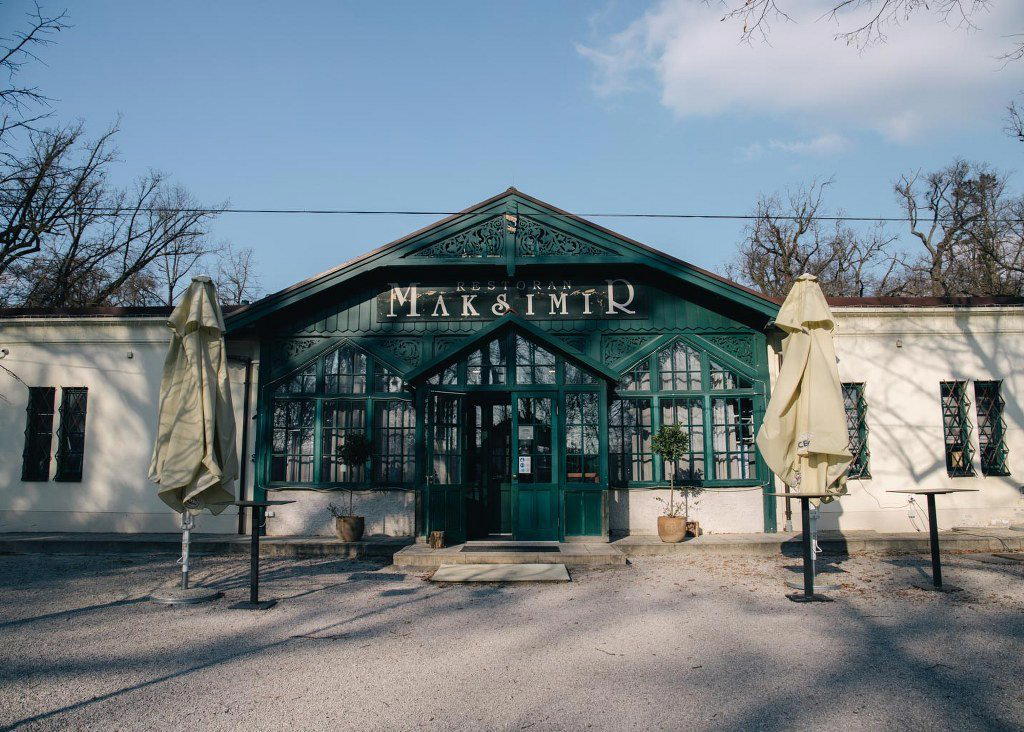
A Park Address in a City That Rewards Detours
Zagreb's dining scene has long been concentrated around Gornji Grad and the streets radiating outward from Dolac market. The city's better-known restaurants, from the Mediterranean-focused Dubravkin Put to the modern tasting-menu format of Noel, cluster in neighbourhoods where foot traffic and visibility make commercial sense. RESTORAN Maksimir operates on different logic. Its address, Maksimirski perivoj 3, places it at the entrance to Maksimir Park, a 19th-century landscaped garden that predates most of Zagreb's modern urban fabric. Arriving here, you pass through a shift in the city's texture: the tram lines thin out, the streets quiet, and the canopy closes in. The restaurant sits within that green threshold.
That physical context is not incidental. In European cities, the tradition of park restaurants carries specific social weight. They began as leisure pavilions for the bourgeoisie, evolved into Sunday-lunch destinations for families, and in many cities have since been reclaimed by kitchens interested in the combination of formal setting and informal outdoor access. Maksimir, as Zagreb's first and oldest public park, opened to citizens in 1794, has hosted successive iterations of that idea across its long history.
How the Setting Has Shaped the Restaurant Over Time
The evolution of restaurants attached to significant public spaces often mirrors the city's own shifts in appetite and aspiration. In Zagreb's case, the post-independence period of the 1990s brought rapid change to the restaurant sector, as Croatian cuisine began to assert its own identity alongside the Continental European traditions that had dominated under the former Yugoslav framework. Park-adjacent venues like this one navigated those transitions in ways that central-city restaurants, driven harder by competitive pressure and tourist traffic, sometimes did not have to.
RESTORAN Maksimir's position on the edge of a protected green space gives it a different relationship to reinvention. The setting stays constant; the restaurant's job is to earn its place within it across successive eras. Croatia's broader dining evolution, which has produced recognised kitchens across the coast from Pelegrini in Sibenik to Restaurant 360 in Dubrovnik, has also reached Zagreb's interior scene, raising the baseline expectation across the city. Venues that once coasted on setting alone have had to sharpen their kitchens to hold the attention of a more informed local dining public.
That inland-coastal tension is worth holding onto. Croatia's celebrated restaurant circuit is heavily coastal, with Michelin-recognised addresses at Agli Amici Rovinj, Alfred Keller in Mali Losinj, Boskinac in Novalja, and Nebo by Deni Srdoč in Rijeka, drawing heavily on Adriatic produce and the Mediterranean register. Zagreb's leading kitchens, including the creative format at Nav and the continental direction of several upper-market addresses, work from a different pantry: the Zagorje hills, Slavonian plains, and the game and freshwater traditions of the interior. A park restaurant in Zagreb sits inside that inland tradition by default.
Cuisine Context and What to Expect
RESTORAN Maksimir presents Traditional Croatian cooking rooted in Zagreb's interior pantry: roasted and braised proteins, seasonal produce from the hinterland, and Croatian wines from nearby appellations. What the setting and tradition suggest is a kitchen working within the Continental-Croatian register that characterises Zagreb's serious dining addresses: roasted and braised proteins, seasonal produce from the Zagreb hinterland, a wine list that should logically draw from Croatian producers including those working the Plešivica and Zagorje appellations within reach of the city.
Zagreb's dining scene has diversified considerably. The Japanese Contemporary offer at Izakaya and the Italian direction of Al Dente reflect how the city has absorbed international influences at the more accessible price tier. At the upper end, addresses like Amfora show how Croatian ingredients are being handled with growing technical ambition. The restaurant's evolution, set against this rising city-wide standard, is the relevant frame for assessing what it currently offers.
For comparison across Croatia's full range of serious dining, the EP Club's guide to restaurants like Krug in Split, LD Restaurant in Korčula, and Korak in Jastrebarsko offers the broader Croatian context. Closer to home on the naturalist-dining front, BioMania Bistro Bol on Brač represents the coastal counterpart to the kind of setting-led, produce-conscious dining that park restaurants in Zagreb aspire to.
Planning Your Visit
Maksimir Park is accessible by tram from Zagreb's city centre, with the number 11 and 12 lines running along Maksimirska cesta and stopping close to the park entrance. The journey from Ban Jelačić Square takes roughly fifteen minutes, making the restaurant genuinely reachable without a car, which is useful context for visitors staying centrally. As with any setting-specific restaurant, the experience differs considerably between seasons: park dining in Croatia's short, warm autumn is a different proposition from a winter lunch in an interior room. The restaurant is open Tuesday through Thursday from 9 AM to 11 PM, Friday and Saturday from 9 AM to 12 AM, Sunday from 9 AM to 10 PM, and closed on Monday.
For readers building a Zagreb itinerary around the city's full dining picture, the EP Club Zagreb restaurant guide provides the comparative context across price tiers and cuisine types. Those whose dining reference points are international tasting-menu formats, from Le Bernardin in New York to Atomix, will find Zagreb's upper tier operating at a different scale of ambition, but the city's better addresses, including the park-set option at Maksimir, offer something those rooms cannot: a specific urban-natural setting that gives the meal its own character before a dish has arrived.
Recognition Snapshot
Comparable venues nearby, for context on price, style, and recognition.
| Venue | Cuisine | Price | Notes |
|---|---|---|---|
| RESTORAN MaksimirThis venue — the venue you are viewing | Traditional Croatian | $$ | Not listed |
| Gostionica Ficlek | Authentic Croatian / Zagreb Traditional | $$ | Gornji Grad - Medveščak |
| Grill Žar | Traditional Balkan Grill | $$ | Dolici |
| Otto & Frank | Contemporary Croatian Bistro | $$ | Tkalčićeva Street, City Centre |
| SOL tapas na hrvatski | Croatian Tapas | $$ | centar |
| Kod Pere | Traditional Croatian | $$ | Gornji Grad |
Continue exploring
More in Zagreb
Restaurants in Zagreb
Browse all →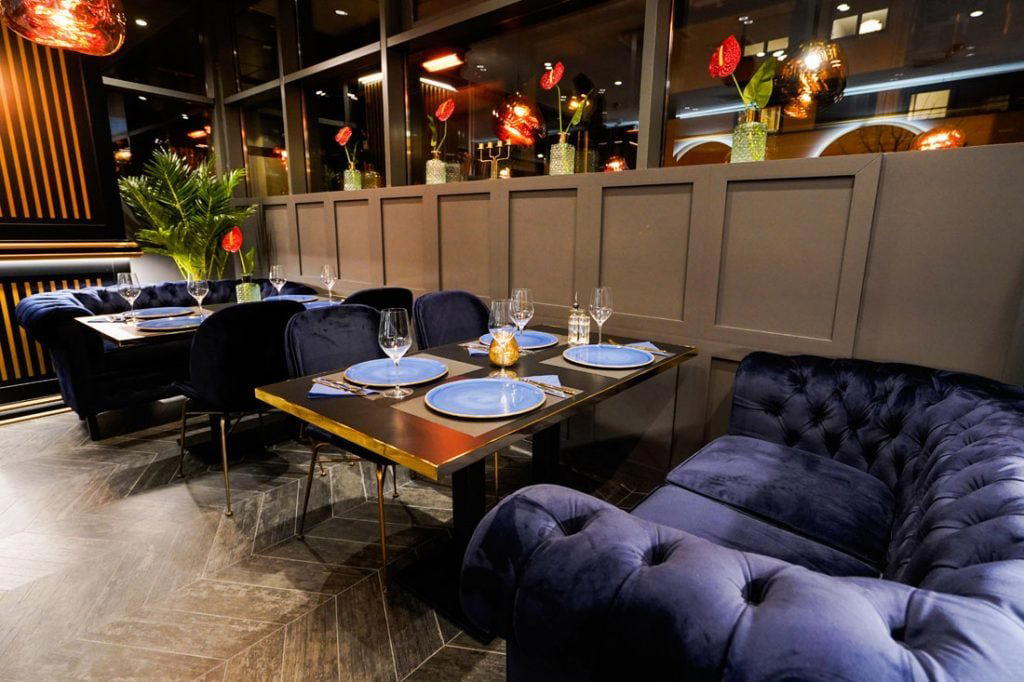
Bars in Zagreb
Browse all →
Hotels in Zagreb
Browse all →

At a Glance
- Classic
- Cozy
- Scenic
- Family
- Casual Hangout
- Special Occasion
- Terrace
- Extensive Wine List
- Local Sourcing
- Garden
Current opening hours
- Monday
- Closed
- Tuesday
- 9 AM–11 PM
- Wednesday
- 9 AM–11 PM
- Thursday
- 9 AM–11 PM
- Friday
- 9 AM–12 AM
- Saturday
- 9 AM–12 AM
- Sunday
- 9 AM–10 PM
Hours can change for holidays and private events. Last verified .
Relaxed and welcoming atmosphere with airy spacious indoor hall and pleasant outdoor terrace under parasols.