Google: 4.6 · 33 reviews
Vincena occupies a quiet position in Lavant, a small Tyrolean valley settlement where the surrounding agricultural land shapes what ends up on the plate. The address at Am Golfpl. 2 places it within a rural setting that reflects a broader Austrian tradition of letting regional produce define the kitchen. For travellers moving through Carinthia, it represents a considered stop in a part of the country that rarely courts culinary attention.
 Discover on Pearl
Pearl is the En Primeur Club membership app — saves, bookings, and concierge access live there. Same editors, same standards.
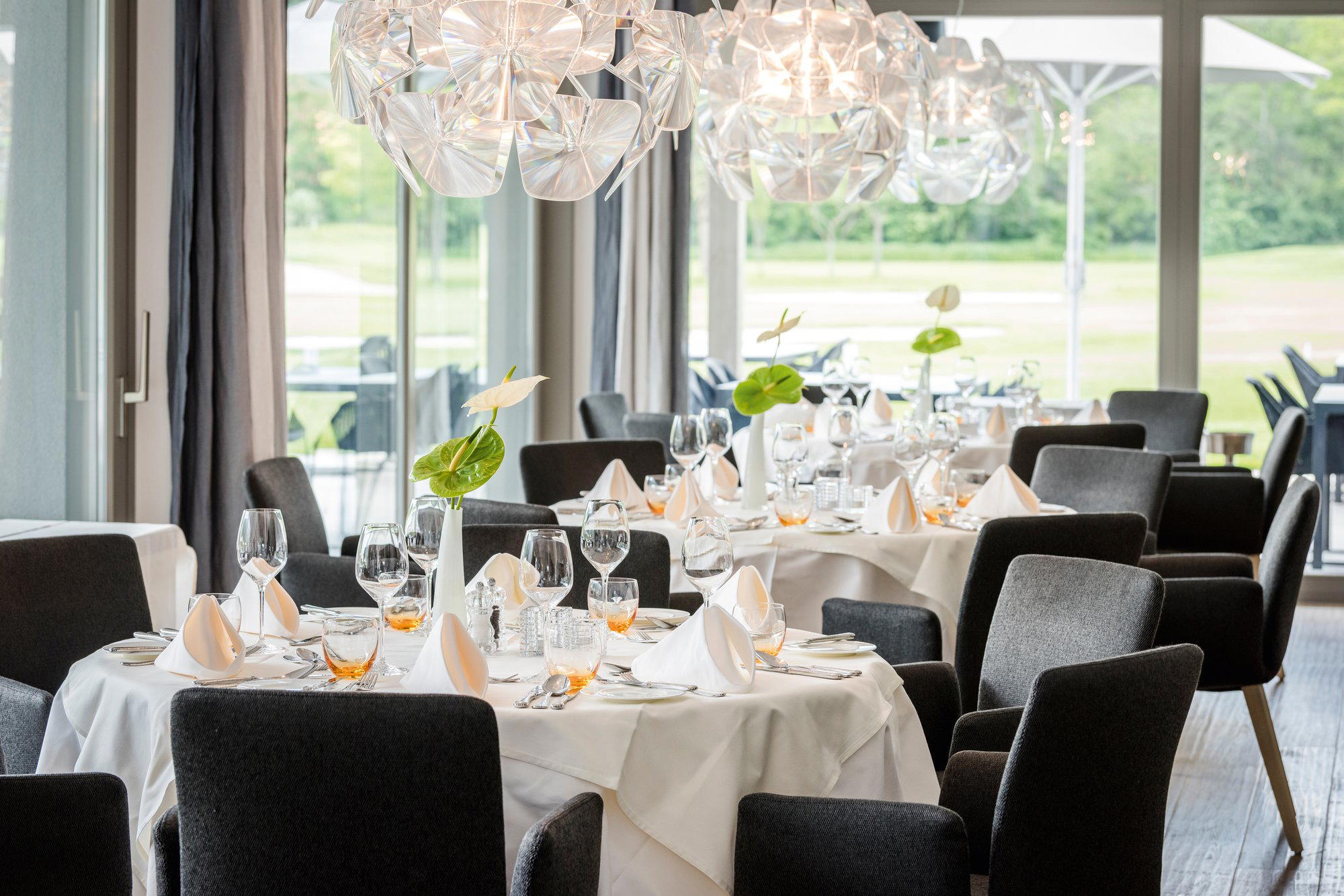
A Valley Table: Dining in Lavant's Rural Register
Lavant sits in the East Tyrolean valley corridor between Lienz and the Carinthian border, a part of Austria that international food media has largely bypassed in favour of the Salzburg corridor and Vienna's inner districts. The village's address fabric is agricultural: meadows, forest edges, and small-scale farms occupy the land that surrounds any building worth visiting here. That context matters at the table. In regions like this, across Austria and into the Alpine arc of neighbouring countries, the sourcing question is not a marketing choice but a structural one — proximity to the ingredients determines what the kitchen can honestly do, and the seasons arrive with a discipline that urban restaurants often simulate rather than submit to.
Vincena is located at Am Golfpl. 2, which places it in a low-density setting characteristic of the Lavant valley floor. The physical approach carries the register of rural Austrian hospitality rather than destination-dining spectacle: the surrounding landscape does the atmospheric work that lighting designers and interior architects handle elsewhere. That shift in sensory framing — from the constructed to the given , is one of the more honest things a dining room in a place like this can offer.
Where the Ingredients Come From, and Why That Changes Things
Austria's most cited restaurants have long organised their identities around regional sourcing, but the logic plays out differently depending on where you are. At Steirereck im Stadtpark in Vienna, a network of supplier relationships has been built over decades, pulling produce from across the country into a metropolitan kitchen with considerable infrastructure behind it. At Döllerer in Golling an der Salzach, the sourcing philosophy is rooted in the Salzach valley ecosystem and given a contemporary-Austrian frame. Rural venues in smaller settlements operate under different conditions: the supply chain is shorter but narrower, and the menu must work within what the immediate geography produces rather than what a national network can deliver.
East Tyrol and the Carinthian border zone grow a specific set of ingredients well. Highland meadow herbs, game from the surrounding forests, freshwater fish from the Drau river system, and dairy from small-scale Alpine operations form the productive base. Kitchens that work honestly with that material produce food that reads as distinctly regional in a way that sourcing from a national distributor cannot replicate. The seasonal calendar here is compressed: the productive window between late spring and early autumn is short, and what comes before and after it requires a different culinary vocabulary , preserved, cured, dried, fermented , that reflects the older logic of Alpine cooking.
This is the broader pattern that venues in the Lavant area sit within. Whether a kitchen chooses to foreground that inheritance or work against it tells you more about the cooking than any single dish description would.
Placing Vincena in the Austrian Rural Dining Tier
Austria's rural dining map has two recognisable tiers. The first is the destination restaurant that happens to be outside a city: heavily awarded, drawing visitors from considerable distances, with booking windows and price points to match. Obauer in Werfen operates in this bracket, as does Landhaus Bacher in Mautern an der Donau, both carrying long track records of critical recognition and drawing audiences who plan travel around the reservation. The second tier is the regionally embedded restaurant: a place whose primary relationship is with the surrounding community and landscape rather than with an international dining audience. These venues are less visible in award cycles precisely because they are not optimised for that kind of attention.
Vincena's available data does not position it in the destination-dining bracket with Michelin recognition or comparable awards. Its profile aligns more closely with the regionally embedded tier, which in practice means it functions as a local table in a place where local means something specific: a valley community with a distinct agricultural character and a limited pool of comparable options. For the traveller passing through East Tyrol, that distinction matters. You are not arriving at a venue that has shaped itself around outside expectation; you are arriving at something shaped by its immediate surroundings.
Other Austrian venues occupying a similar rural register, though in different geographic and stylistic contexts, include Ois in Neufelden and Atelier Fischer in Sankt Gilgen, both of which demonstrate how the smaller-settlement format can develop a distinct culinary identity without requiring a metropolitan supply infrastructure. Further afield in the Alpine dining arc, Gourmetrestaurant Tannenhof in Sankt Anton am Arlberg and Griggeler Stuba in Lech show how mountain-valley settings at higher price points and with stronger award profiles handle the same geographic constraints at a different register entirely.
The Broader Austrian Ingredient Story
Austria's food culture is often discussed through its urban expressions , the Viennese Beisl, the Salzburg festival-season dining scene, the Styrian wine-country table , but the Alpine and pre-Alpine rural kitchen is where much of the productive logic originates. The herbs, game, dairy, and grain that define regional Austrian cooking come from precisely the kind of land that surrounds Lavant. That geography is not incidental backdrop; it is the source material.
The venues in Austria that have attracted the sharpest international attention, from Ikarus in Salzburg to Taubenkobel in Schützen am Gebirge, are working with or against that productive inheritance in ways that are legible to an outside audience trained on international fine dining. Rural tables in less-trafficked parts of the country are working with the same material but in a register that assumes local knowledge rather than explaining itself. Kräuterreich by Vitus Winkler in Sankt Veit im Pongau offers a point of comparison: a rural Salzburg-region kitchen that has made its herb-sourcing programme central to both its cooking and its public identity, bridging the gap between embedded local operation and legible destination concept.
Planning Your Visit
Lavant is accessible by road from Lienz, approximately 15 kilometres to the west, making it a practical stop for travellers already moving through East Tyrol by car. The valley is not served by major rail connections, so independent transport is the realistic assumption. Vincena's address on Am Golfpl. 2 places it within the village's low-density centre. Given the limited available data on hours, pricing, and booking arrangements, contacting the venue directly before visiting is the sensible approach, particularly outside the main summer and autumn shoulder seasons when rural Austrian restaurants sometimes adjust their operating schedules. For a broader orientation to eating in this part of the country, our full Lavant restaurants guide covers the wider options in the area.
Travellers whose primary Austrian dining interest runs toward the upper end of the award tier will find more formally recognised options in the Salzburg region or in Vienna. Those with an appetite for the kind of unmediated regional table that a small valley settlement can produce, and who are already moving through Carinthia or East Tyrol, will find the detour proportionate to the experience. The comparison is less with Le Bernardin in New York City or Atomix in New York City and more with what those venues implicitly argue against: a direct, geographically honest relationship between land and plate.
In Context: Similar Options
These are the closest comparables we have in our database for quick context.
| Venue | Cuisine | Price | Awards |
|---|---|---|---|
| VincenaThis venue — the venue you are viewing | |||
| Steirereck im Stadtpark | Creative | €€€€ | Michelin 3 Star |
| Döllerer | Contemporary Austrian, Innovative | €€€€ | Michelin 2 Star |
| Ikarus | Modern European, Creative | €€€€ | Michelin 2 Star |
| Konstantin Filippou | Modern European, Modern Cuisine | €€€€ | Michelin 2 Star |
| Landhaus Bacher | Austrian, Classic Cuisine | €€€€ | Michelin 2 Star |
Continue exploring
More in Lavant
Restaurants in Lavant
Browse all →
Hotels in Lavant
Browse all →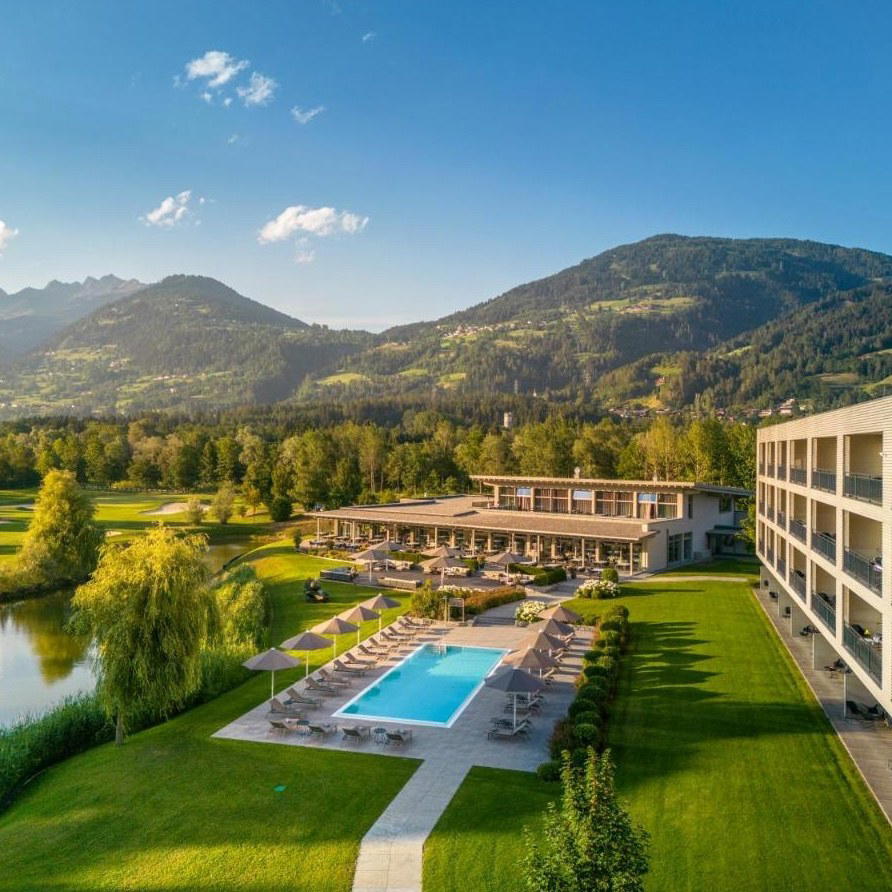
Wineries in Lavant
Browse all →
At a Glance
- Modern
- Elegant
- Sophisticated
- Special Occasion
- Date Night
- Terrace
- Panoramic View
- Hotel Restaurant
- Extensive Wine List
- Local Sourcing
- Mountain
- Garden
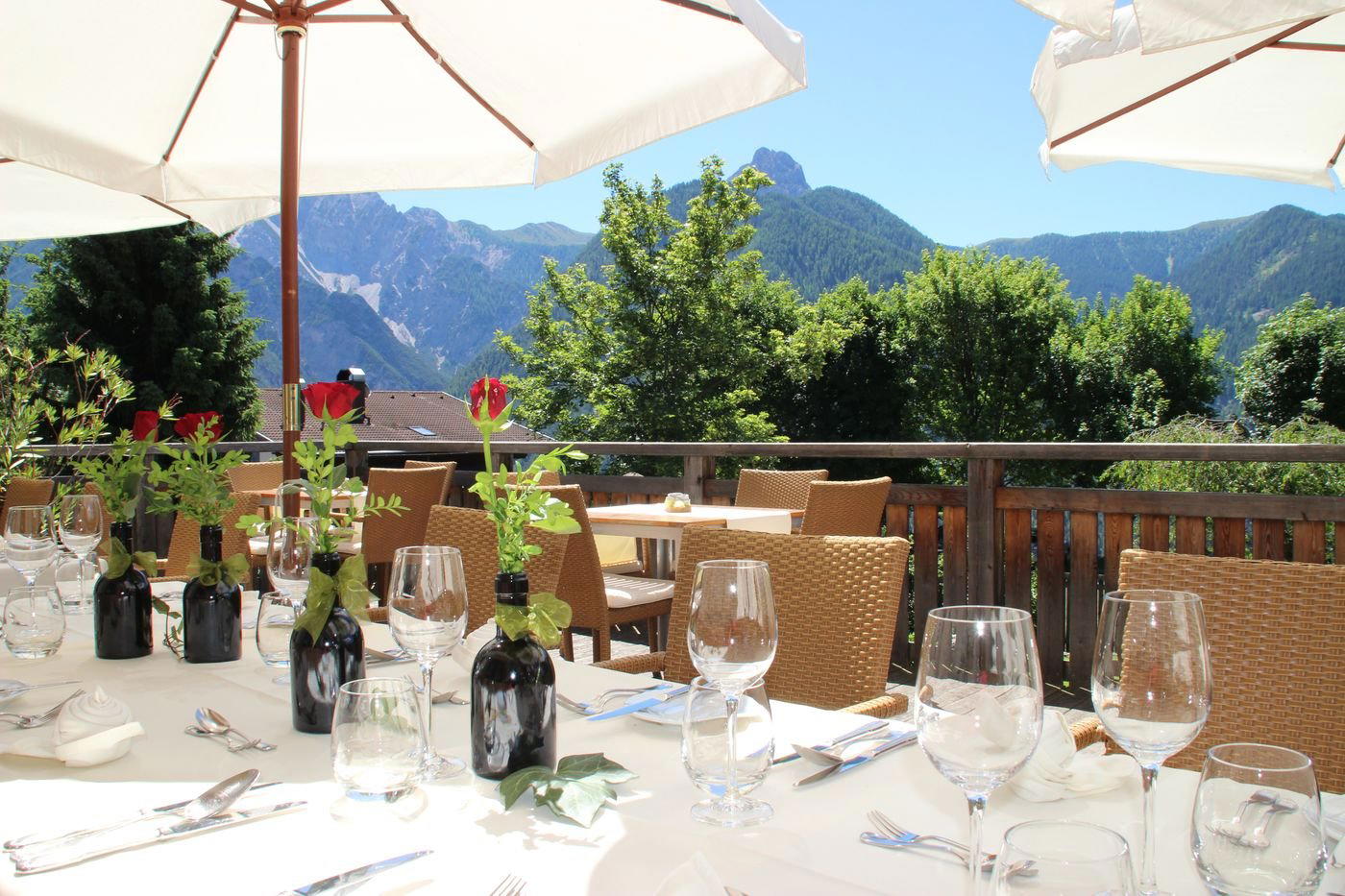
Modern and elegant atmosphere with large windows providing inspiring views of the golf course and mountain silhouette, complemented by friendly and knowledgeable service.