
A Tuscan outpost on Bolognese streets, Posta on Via Della Grada serves ribollita, pappardelle with wild boar, and Fiorentina steak alongside local tagliatelle and tortellini. The wine list leans Tuscan to match the kitchen.
Pearl is the En Primeur Club membership app — saves, bookings, and concierge access live there. Same editors, same standards.
- Address
- Via Della Grada, 21a, 40122 Bologna BO, Italy
- Phone
- +39 051 649 2106
- Website
- ristoranteposta.it
- Directions
- Get directions
 Saves & bookings on Pearl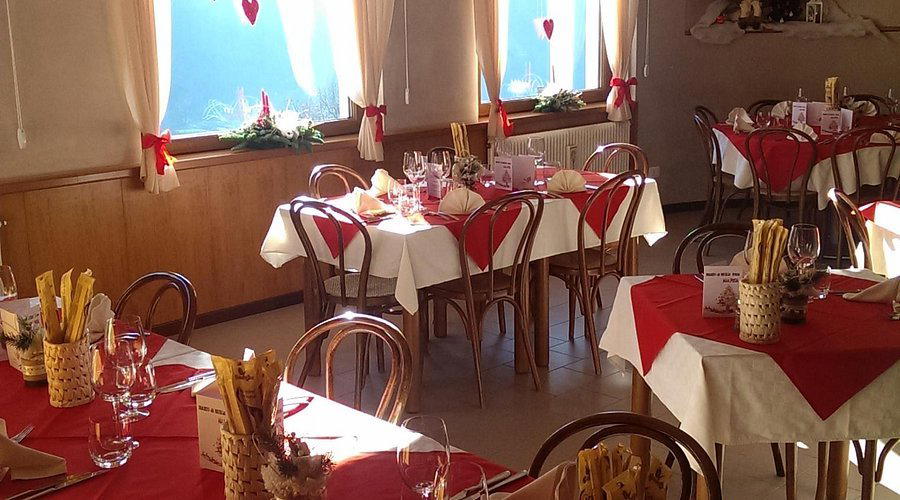
A Tuscan Kitchen Inside an Emilian City
Bologna is among the more codified food cities in Italy. The rules here are well established: egg-based pasta, mortadella, ragù measured in grams of fat and flour. Restaurants that deviate from that orthodoxy either adapt to the local palate or operate as deliberate contrarians. Posta, on Via Della Grada in the western stretch of the historic centre, belongs to a third category: the regional transplant that holds its ground.
The address places it on the quieter, residential side of central Bologna, away from the heavily trafficked restaurant corridors around Piazza Maggiore and Via dell’Indipendenza. That positioning matters. Restaurants in this part of the city tend to draw a more local, repeat-visit crowd rather than tourists working through a checklist. A Tuscan kitchen operating here is making a statement about its own confidence: it is not depending on foot traffic or regional novelty to fill seats.
The Tuscan Argument at the Table
The menu reads as a considered case for Tuscan cooking made with ingredients appropriate to that tradition. Ribollita, the twice-cooked bread-and-vegetable soup that is one of the foundation dishes of Florentine peasant cookery, appears alongside pappa col pomodoro, the tomato-and-bread preparation that carries an almost totemic status in Tuscany. Both dishes depend on specific bread textures and cooking times that differentiate them from generic Italian soups; their presence signals a kitchen that has engaged with the source material rather than approximated it.
Pasta course anchors the menu around pappardelle with wild boar, a pairing that is central to the Maremma and Grosseto traditions of southern Tuscany. Wide egg pasta and long-braised game carry an internal logic: the broad, flat strands hold the dense ragù without overpowering it. This is precisely the kind of intersection where a regional transplant either succeeds or reveals its limits. The presence of both tagliatelle and tortellini acknowledges the Bolognese address; a kitchen that ignored local pasta entirely would be playing to a narrower, more tourist-dependent crowd. The balance between the two regional traditions is where Posta establishes its particular position in the city.
Tripe and beef pepper stew extend the Tuscan meat traditions further, and the Fiorentina steak, the T-bone cut from Chianina cattle that is grilled over live fire in its canonical form, completes the picture. The Fiorentina is one of the harder dishes to execute credibly outside Tuscany, partly because the Chianina breed and the specific aging and thickness conventions are tied to that region’s production systems. Its inclusion on the menu is either an ambition or a commitment, and the 4.5 rating across a substantial review count suggests the execution is landing with diners.
The Wine Logic
The decision to anchor the wine list in Tuscany rather than the surrounding Emilia-Romagna production creates an internal consistency that matters for how the meal holds together. Emilian wines, led by Lambrusco in its various styles, are built for the fat-forward, pork-heavy cooking of the region. Tuscan reds, particularly Sangiovese-based Chianti, Morellino di Scansano, and the Brunello and Rosso di Montalcino productions, are structured differently: higher acidity, firmer tannins, designed to cut through the mineral richness of grilled Chianina or the game weight of wild boar. Serving Emilian wine with Tuscan food would create a mismatch. The all-Tuscan cellar is a practical decision as much as a thematic one.
For context on what a deeper Italian regional wine programme can look like, Enoteca Pinchiorri in Florence operates one of Italy’s most extensive Italian cellars from a Tuscan base. Posta sits at the opposite end of the price register, with a single-euro-sign price point that places it well below mid-market, but the underlying logic of matching regional wines to regional food connects both operations to the same broader principle.
Where Posta Sits in Bologna’s Restaurant Tiers
Bologna’s restaurant scene runs from high-end creative Italian at I Portici down through a dense mid-market trattoria layer and into a budget-friendly tier where honest regional cooking at accessible prices is the primary offering. Posta, priced at the single-euro-sign level, operates in that lower tier. Its Michelin Plate recognition in 2025 distinguishes it within that bracket: the Plate designation indicates that Michelin inspectors found the cooking worth noting, even if the venue does not carry a star. At this price point, that signal carries weight.
Comparisons within the city are instructive. Al Cambio and All’Osteria Bottega both operate in the Emilian trattoria tradition at similar or slightly higher price points. Ahimè and Acqua Pazza cover modern Bolognese country cooking and seafood respectively. None of these occupies Posta’s specific position as a Tuscan regional house in an Emilian city. That distinction means Posta is not competing directly with its Bologna peers on the same menu terms; it is offering a different regional argument entirely.
For Tuscan cooking at the higher end of the Italian restaurant spectrum, Caino in Montemerano and L’Asinello in Castelnuovo Berardenga represent what the regional tradition looks like at a fine-dining pitch. Osteria Francescana in Modena is the nearby reference point for what happens when an Emilian kitchen operates at the absolute summit of Italian restaurant ambition. Posta is none of these things; it is making a different, more direct case at a price point that removes the barrier of cost from the equation.
Planning a Visit
Posta is located at Via Della Grada, 21a, in the 40122 postal district of Bologna, west of the city’s main colonnaded arteries. The neighbourhood is walkable from the historic centre in around ten to fifteen minutes, and Bologna’s compact geography means reaching it from most accommodation in the city requires no transport beyond foot. Given the Michelin Plate recognition and a review volume above 1,100 at a 4.5 average, reservations are advisable, particularly on weekend evenings. The single-euro-sign price point means the per-head spend remains accessible well below the city’s mid-market restaurants such as Acqua Pazza at three euro signs.
Booking and Cost Snapshot
Comparable venues nearby, for context on price, style, and recognition.
| Venue | Cuisine | Price | Awards | Notes |
|---|---|---|---|---|
| PostaThis venue — the venue you are viewing | Saragozza, Tuscan Steakhouse | $$ | Michelin Plate | Not listed |
| Vicolo Colombina | Not listed | $$ | Michelin Plate | Santo Stefano, Traditional Bolognese Trattoria |
| Trattoria da Me | Porto, Traditional Bolognese Trattoria | $$ | Michelin Plate | Not listed |
| Mozzabella | Saragozza, Bolognese Gourmet Pizza | $$ | Not listed | Not listed |
| CERTO | San Vitale, Roman-Style Pizza al Taglio | $$ | Not listed | Not listed |
| La Porta Restaurant | Not listed | $$$ | Michelin Plate | Bologna Fiere District, Modern European Seafood |
Recognition history
Dated appearances from independent guides and award organizations, with the underlying list record or original source where available.
Michelin Plate
Michelin
Michelin Plate
Michelin
Continue exploring
More in Bologna
Restaurants in Bologna
Browse all →
Bars in Bologna
Browse all →
Hotels in Bologna
Browse all →

At a Glance
- Elegant
- Cozy
- Classic
- Date Night
- Family
- Business Dinner
- Historic Building
- Extensive Wine List
Current opening hours
- Monday
- Closed
- Tuesday
- 7:30–10:30 PM
- Wednesday
- 7:30–10:30 PM
- Thursday
- 12:30–2:30 PM, 7:30–10:30 PM
- Friday
- 12:30–2:30 PM, 7:30–10:30 PM
- Saturday
- 12:30–2:30 PM, 7:30–10:30 PM
- Sunday
- 12:30–2:30 PM, 7:30–10:30 PM
Hours can change for holidays and private events. Last verified .
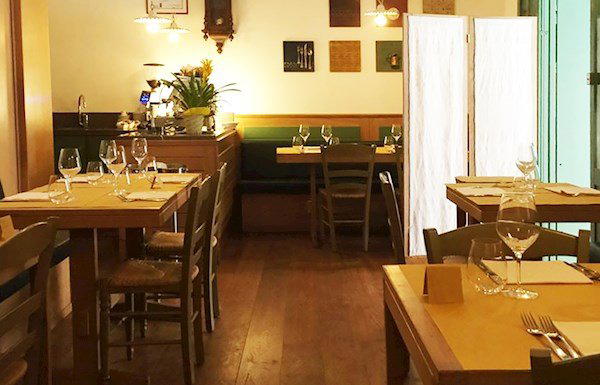
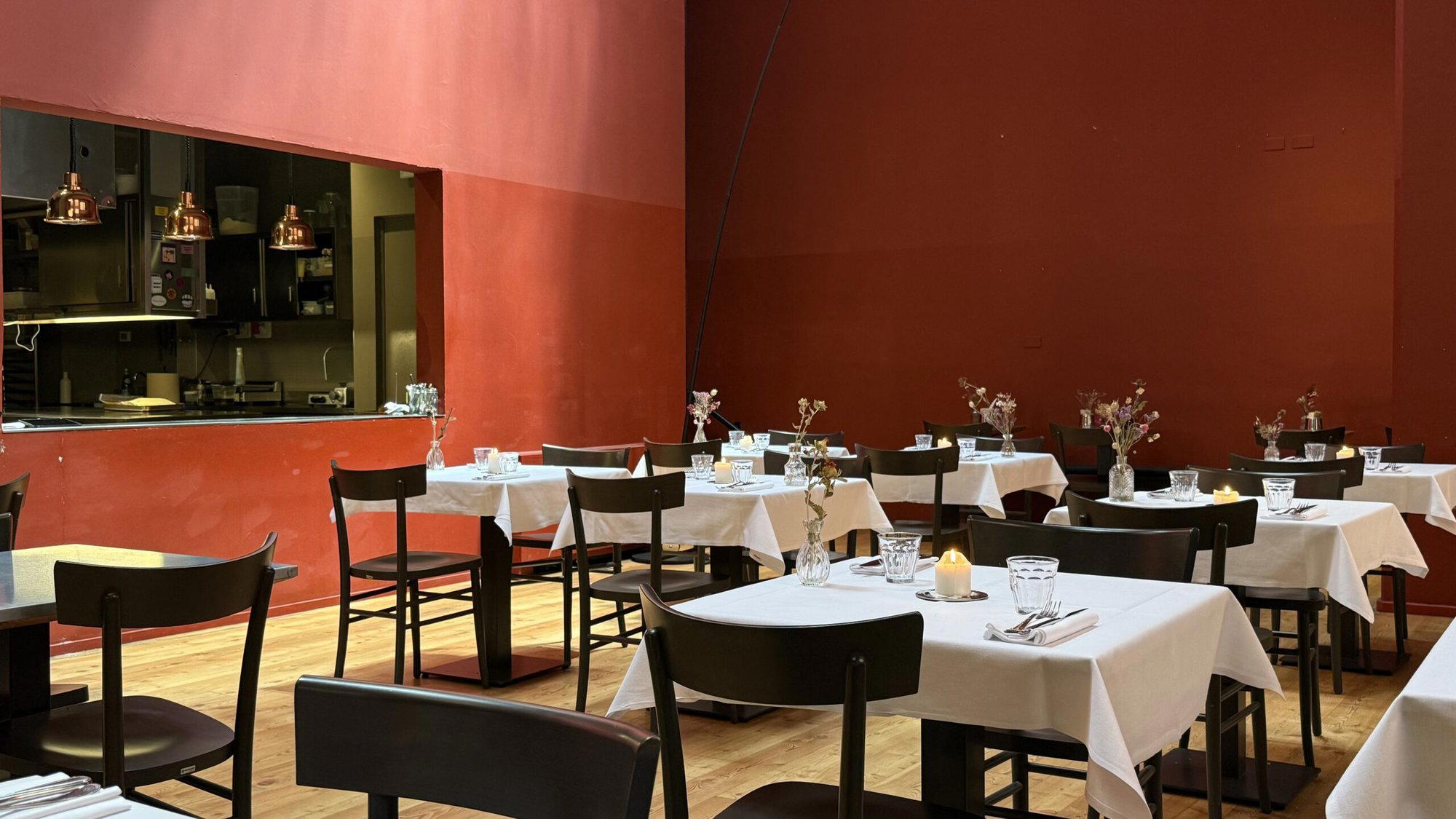
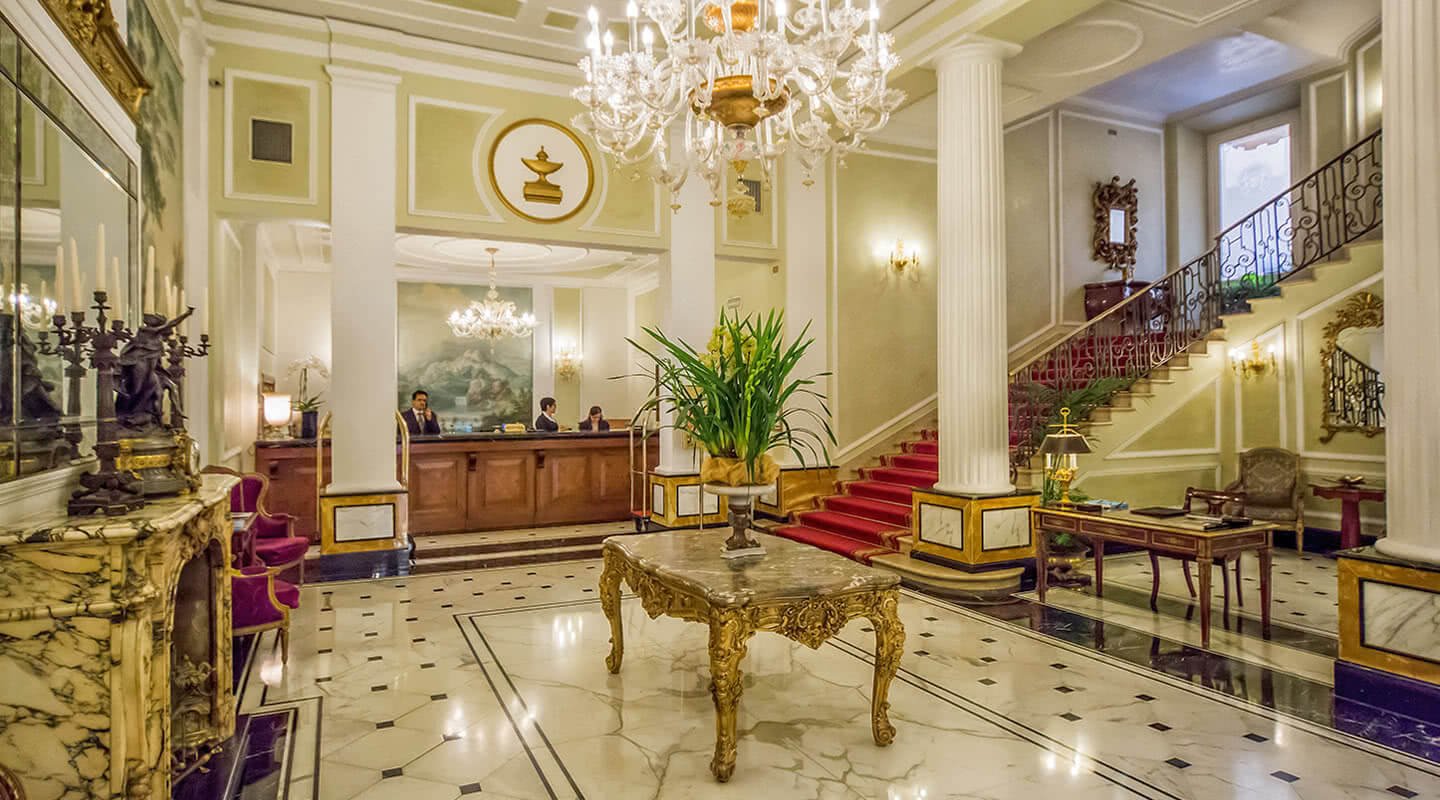
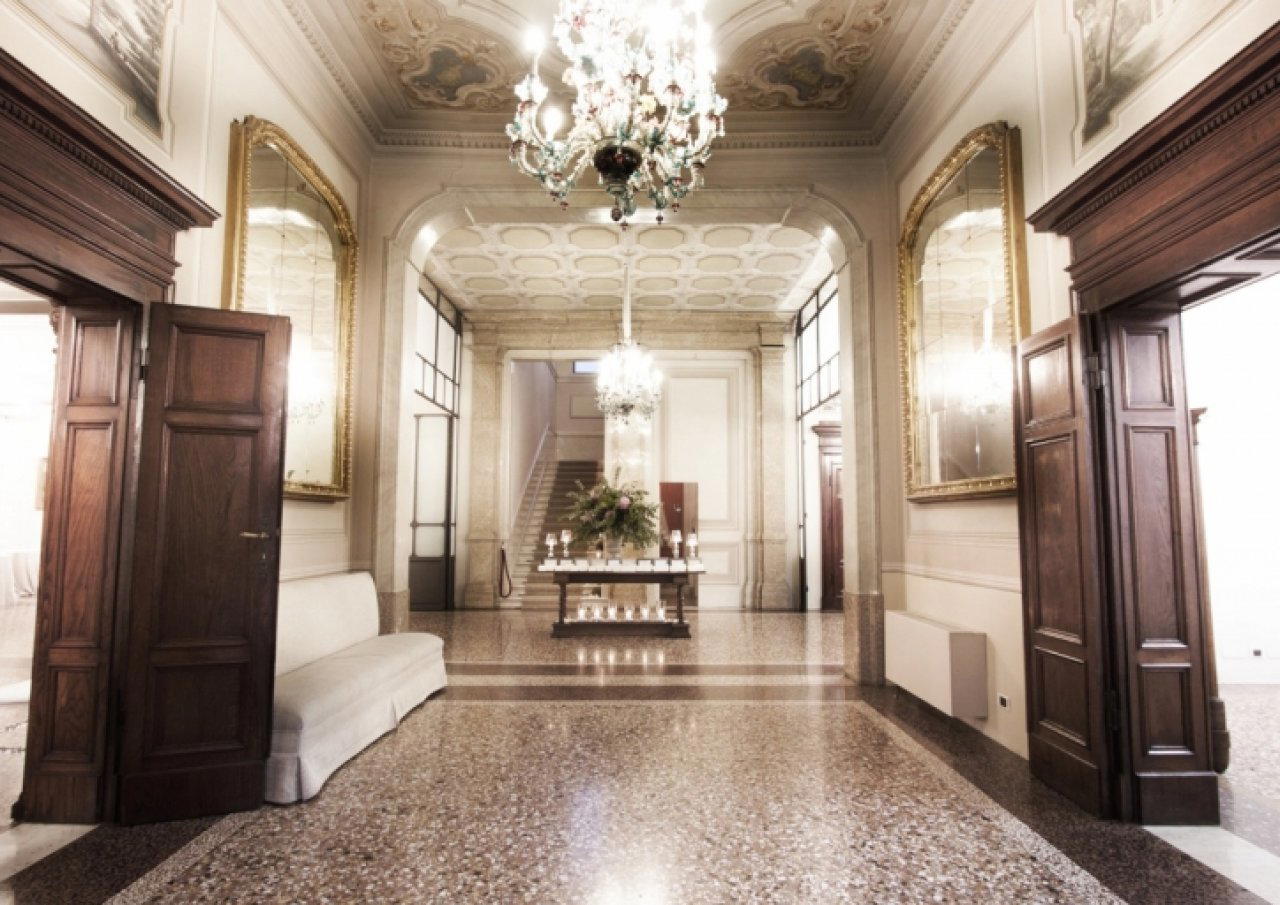
Chic and elegant with beautiful furnishings, tablecloths, and a welcoming, relaxing atmosphere in Bologna's historic center.