Vico Tana, 4 sits in the historic caruggi of Genoa's old town, where the city's layered culinary identity, pesto, farinata, long-braised Sunday sauces, meets the kind of address that rewards those who know where to look. Genoa remains one of Italy's most underexplored food cities, and this address is a marker within that story.
Pearl is the En Primeur Club membership app — saves, bookings, and concierge access live there. Same editors, same standards.
- Address
- Vico Tana, 4, 16126 Genova GE, Italy
- Directions
- Get directions
 Saves & bookings on Pearl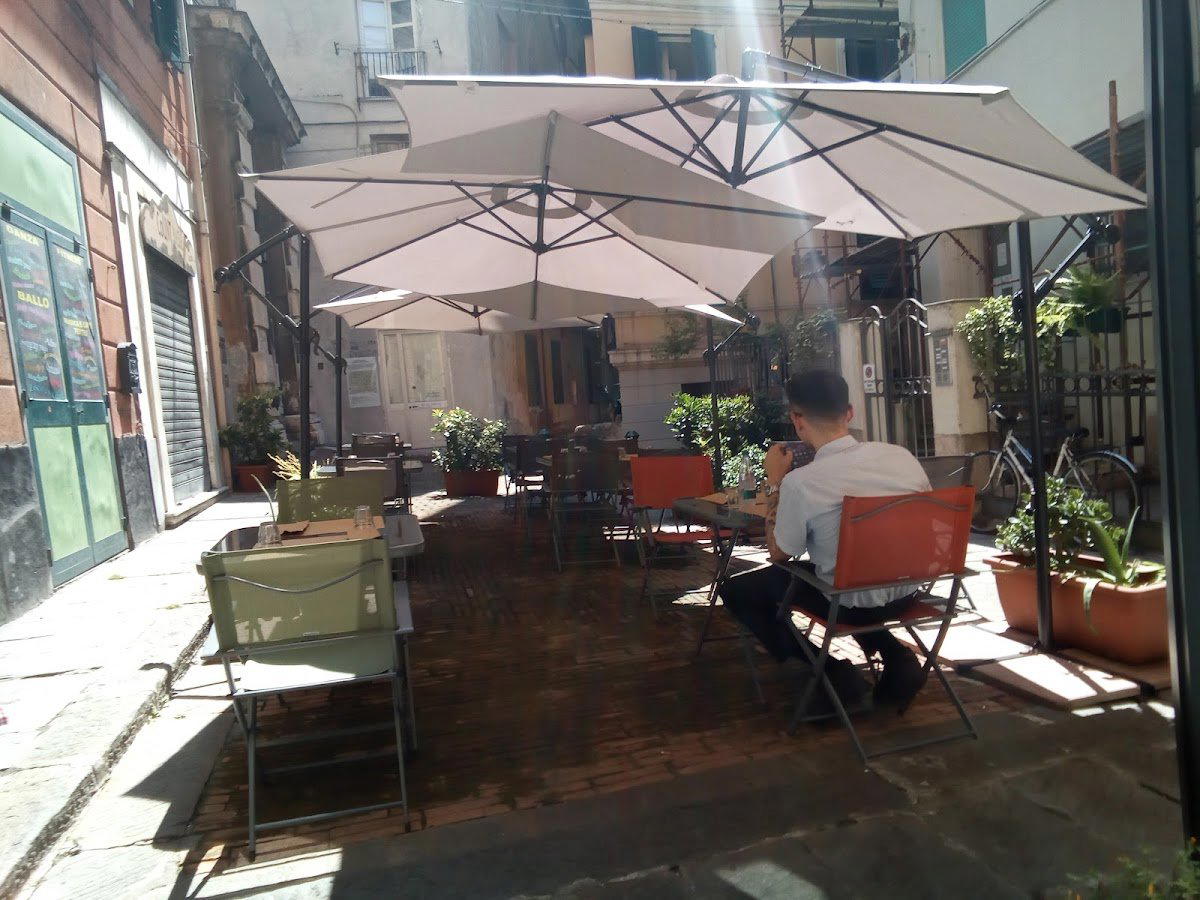
Inside Genoa's Caruggi: The Setting Before the First Course
Genoa's old town is not a dining district designed for tourists. The caruggi, the city's network of medieval alleyways, some barely wide enough for two people to pass, were built for commerce, for trade, for the logistical machinery of a maritime republic that once rivalled Venice. Restaurants occupy these lanes almost incidentally, tucked into ground floors of buildings that have housed butchers, laundresses, and chandlers across the centuries. Arriving at Vico Tana, 4 means moving through this urban fabric on foot, past the smell of salt air and fresh focaccia from bakeries that have kept the same hours for generations. The address is both a physical location and a point of entry into a city that keeps its dining life close to its chest.
Genoa rewards this kind of arrival. Unlike the more internationally legible food cities of northern Italy, Milan's polished restaurant corridors, Alba's trophy dining scene centred on places like Piazza Duomo, Genoa operates on a register that assumes the diner already knows what they are looking for. The cuisine here is particular: intensely herb-driven, deeply tied to the sea, built around techniques that rarely travel far beyond Liguria. Pansoti in walnut sauce, trofie with pesto ground by hand, stockfish prepared in the Ligurian manner. These are not dishes that perform well in translation, which is part of why the city's culinary reputation remains more local than global.
What the Meal Sequence Tells You About Ligurian Cooking
The progression of a meal in Genoa's more serious kitchens follows a logic shaped by geography and scarcity. The Ligurian hinterland is steep and narrow; the coastal strip is thin. What grew on those terraced hillsides, basil, marjoram, pine nuts, and what came out of that particular stretch of sea defined the pantry. A well-composed Ligurian sequence tends to move from lighter, herb-forward preparations toward richer, longer-cooked dishes, with dried pasta and fresh pasta serving distinct structural roles rather than appearing interchangeably.
Opening courses in this tradition often work with raw or briefly cooked seafood, reflecting a coastline that produces anchovies, sea urchin, and shellfish at a quality the broader Italian market rarely sees fresh. The middle of the meal is where pasta structures the experience: the particular chew of trofie, the delicacy of mandilli de saea (silk handkerchiefs dressed simply with pesto), the heft of lasagne layered with ragu. Meat courses, where they appear, tend toward rabbit, goat, or long-braised preparations rather than the grilled protein formats dominant in other Italian regions. This is cuisine built for the table as an extended occasion, not for rapid turnover.
Genoa's mid-range and upper-mid-range dining tier sits alongside addresses like Al Giardino Degli Indoratori and 20Tre, which approach local ingredients through a farm-to-table frame. At the higher end, Il Marin applies Italian seafood traditions to a more formal structure, while San Giorgio and The Cook operate in the modern cuisine register at the upper price tier. Vico Tana, 4 holds a position in the city's dining geography that is better understood through the neighbourhood it occupies than through formal category labels.
Genoa in the Context of Italian Fine Dining
Italy's most celebrated kitchens tend to cluster elsewhere. Osteria Francescana in Modena, Le Calandre in Rubano, and Enoteca Pinchiorri in Florence occupy the tier where international dining circuits converge. Further afield, Dal Pescatore in Runate and Uliassi in Senigallia demonstrate how regional Italian kitchens can build serious reputations outside the major cities. Even at the intersection of Italian seafood and international recognition, Quattro Passi in Marina del Cantone and Atelier Moessmer Norbert Niederkofler in Brunico show the range of what serious Italian regional cooking can achieve when it commits to a strong territorial identity.
Genoa has not produced the same volume of internationally recognised addresses, and that gap is partly structural: the city lacks the tourist infrastructure that supports high-volume fine dining, and Ligurian cuisine does not have the same crossover appeal as Emilian or Sicilian cooking in global markets. But this also means the city's better addresses operate for a local and regionally-informed clientele rather than for diners following award circuits. Enrico Bartolini in Milan and Reale in Castel di Sangro illustrate how Italy's serious kitchens can emerge from unexpected settings; Genoa has the culinary depth to support comparable ambition.
Planning a Meal at Vico Tana, 4
The address sits within Genoa's centro storico, the historic core that is most practically reached on foot from the main rail terminals at Piazza Principe or Brignole, both of which connect to the city via the major rail lines from Milan and Turin. The caruggi are pedestrianised by default rather than design, vehicle access is structurally impossible in most of the old town, so arriving without a car is the practical default for most visitors. Reservations are recommended, and the address is best reached on foot from Piazza Principe or Brignole.
Genoa's dining calendar has a seasonal texture worth accounting for. Summer brings the city's port-side terraces to life, but the caruggi kitchens operate year-round, with autumn and winter menus leaning harder into the long-braised and dried-legume preparations that define the Ligurian cold-weather table. For seafood-forward sequences, the shoulder seasons around spring and early autumn tend to offer greater range. Those approaching Genoa from the international circuits that lead to Le Bernardin in New York or Lazy Bear in San Francisco will find the register here considerably more local and less formally produced, which is, for Ligurian cooking at its most direct, precisely the point.
Recognition, Side-by-Side
Comparable venues nearby, for context on price, style, and recognition.
| Venue | Cuisine | Price | Notes |
|---|---|---|---|
| Vico Tana, 4This venue — the venue you are viewing | Ligurian Italian Osteria | $$ | Not listed |
| Caffè degli Specchi | Italian Ligurian Café | $$ | Centro Storico |
| Vico di Campetto | Traditional Ligurian Trattoria | $$ | centro storico |
| La Buca di San Matteo | Traditional Ligurian Seafood | $$ | Sottoripa |
| Panegirico | Italian Sandwiches & Focaccia | $$ | near Mercato Orientale |
| Bigo Cafè Genova | Italian Pizza & Seafood | $$ | Sottoripa |
Continue exploring
More in Genoa
Restaurants in Genoa
Browse all →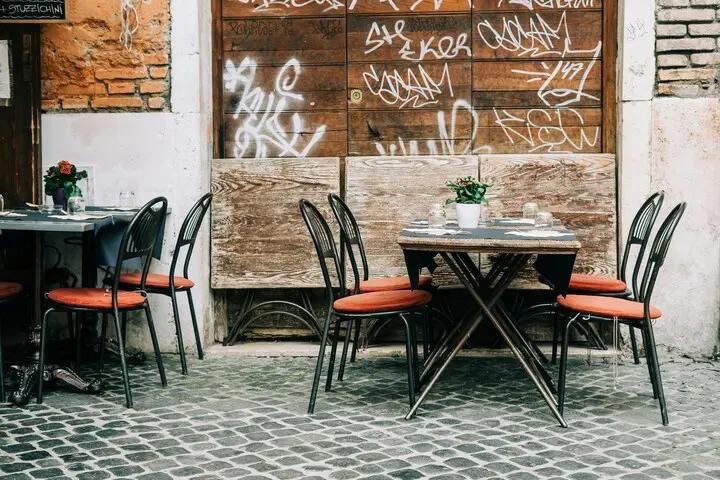
Bars in Genoa
Browse all →
Hotels in Genoa
Browse all →

At a Glance
- Cozy
- Rustic
- Intimate
- Casual Hangout
- Family
- Standalone
Cozy and welcoming with warm service in a small picturesque setting.