"Bird's-eye view of Porto Antico Built in 1992 for the Columbian Celebrations, the Bigo was designed to stylistically resemble the cranes that have been used for centuries to load and unload goods in the Genovese harbor. At a cost of only 4 euros, a trip up this'rotating glass elevator is a great way to get a panoramic view of the old port area. In the summer months, the Bigo stays open til 11pm - a gorgeous way to see the lights in the surrounding hillsides."
Pearl is the En Primeur Club membership app — saves, bookings, and concierge access live there. Same editors, same standards.
- Address
- Via al Porto Antico, 5, 16128 Genova GE, Italy
- Phone
- +39 010 247 0587
- Website
- acquariodigenova.it
- Directions
- Get directions
 Saves & bookings on Pearl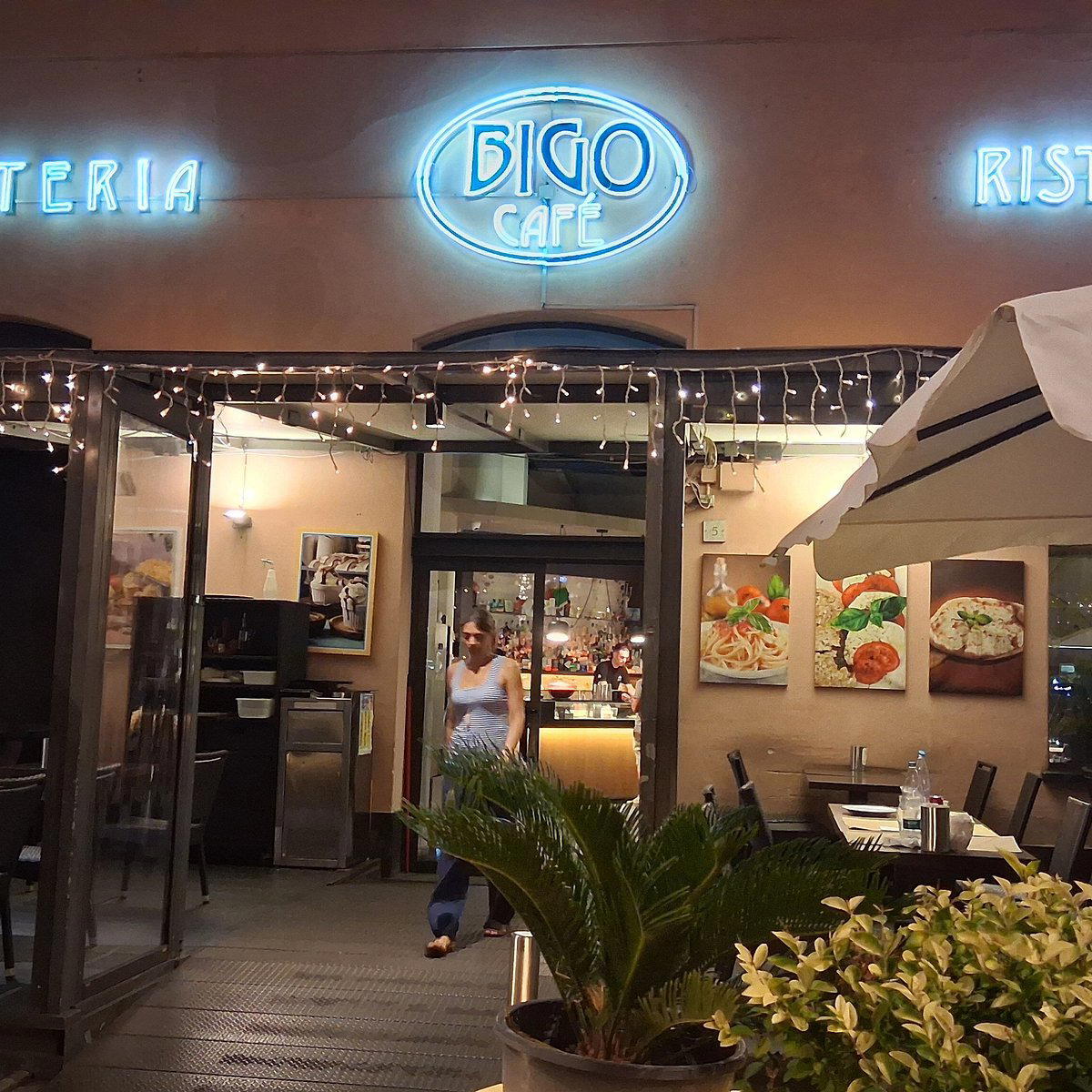
Porto Antico, Liguria, and the Café at the Water's Edge
Genoa's Porto Antico is one of the more architecturally candid waterfronts in the Mediterranean. Renzo Piano's 1992 Expo redevelopment pulled the old harbour back into public life, and the Bigo crane structure that marks the entrance to that reclaimed space has since given its name to the café sitting at the base of the port. Bigo Cafè Genova occupies a position that few dining addresses in Italy can claim: a working port that still smells of salt and diesel, where the city's back turns sharply into its maritime front. Arriving on foot along Via al Porto Antico, the harbour opens without ceremony, container infrastructure on one side, the blue curve of the Ligurian Sea ahead.
The café format here belongs to a broader pattern visible across Genoa's waterfront revival. Liguria has always operated at the intersection of land and sea, with a cuisine that reflects the tension between the two: mountain herbs meeting coastal fish, North African spice routes crossing Alpine forage traditions. In that context, cafés at ports are not incidental to the culture, they are often where the city's food identity becomes most legible, particularly in a city like Genoa that has historically served as a trading hub between northern Europe and the southern Mediterranean.
Ligurian Ingredients and the Weight of Technique
The editorial angle that matters most at a café in this location is the same one that defines Ligurian cooking at its most considered: what happens when deeply local ingredients meet disciplined preparation methods. Genoa's pantry is specific. Pesto della genovese, made with Ligurian Riviera DOP basil, is the city's most exported product, and its presence in any serious café context signals more than tradition, it signals terroir. Focaccia from Genoa (the farinata and focaccia genovese tradition) is likewise a product tied tightly to local flour types, olive oil from the Ligurian coast, and humidity conditions that change the crumb structure from what you find in Liguria's neighbouring regions.
Cafés that sit within heavily touristed waterfront zones often resolve the tension between volume and quality by defaulting to generic Italian café formats. The more interesting addresses in Genoa's Porto Antico area resist that pull by anchoring their offer in identifiably Ligurian product, the kind of sourcing specificity that positions a café closer to the tradition of the local trattoria than the international airport lounge. For regional context, Genoa's higher-end dining scene includes Il Marin, which works directly with Ligurian seafood sourcing at a price point around €€€, and San Giorgio, operating modern cuisine at a comparable level. At the summit of the local market, The Cook prices into €€€€ territory and represents what sophisticated technique applied to Ligurian tradition looks like at its most formal. Bigo Cafè Genova sits in a different register, café rather than restaurant, but the broader context of where Genoa places its culinary ambition matters when reading any address in the city.
For farm-focused sourcing in Genoa's restaurant tier, 20Tre represents the farm-to-table cohort, while Al Giardino Degli Indoratori offers a different neighbourhood perspective. A broader view of where to eat across the city is covered in our full Genoa restaurants guide.
Seasonal Logic at a Waterfront Address
The timing of a visit to Porto Antico reshapes the experience considerably. Summer brings cruise traffic and a tourist density that changes the café's ambient register entirely, queues form at the waterfront food outlets, and the terrace seating that makes harbour-view dining attractive becomes more competitive. The shoulder seasons, late September through November, and March through May, tend to return the port to something closer to its working-city character. The light in October over the Ligurian Gulf is a specific thing: low and copper-toned in the late afternoon, the water shifting between grey and silver depending on cloud cover. That seasonal dimension is worth factoring into any visit decision.
Genoa also positions itself more quietly on Italy's culinary calendar than rivals like Bologna or Naples. The city's food culture has historically exported well (pesto, farinata, focaccia genovese) while remaining relatively under-documented by international food media, which means a café at Porto Antico operates in a city that rewards attention without requiring it. For readers comparing Italian coastal dining experiences at a higher price tier, addresses like Quattro Passi in Marina del Cantone and Uliassi in Senigallia set the reference point for what serious Italian seafood technique looks like at the award level. On the inland side of Italian fine dining, Osteria Francescana in Modena, Piazza Duomo in Alba, and Le Calandre in Rubano define the upper register of tasting-menu ambition in northern Italy. Bigo Cafè operates at a café scale, but understanding the wider Italian culinary context helps calibrate expectations and positioning.
Planning a Visit
Bigo Cafè Genova is located at Via al Porto Antico, 5, in Genoa's old port district, directly accessible from the city centre on foot from the Piazza Caricamento area. The Porto Antico waterfront is a short taxi or transit ride from Genova Piazza Principe or Brignole train stations, both of which connect to the national rail network. For readers using Genoa as part of a wider Ligurian or Italian itinerary, the city sits between the Cinque Terre coast to the south-east and the French border to the west, making it a practical base for a multi-day visit.
Readers building a broader Italian itinerary around serious dining should also consider Dal Pescatore in Runate, Reale in Castel di Sangro, and Atelier Moessmer Norbert Niederkofler in Brunico, three different expressions of Italian regional cooking at the Michelin level. For international comparison points where coastal ingredient sourcing meets high technique, Le Bernardin in New York City and Lazy Bear in San Francisco offer a global frame of reference. In Italy's own fine dining tier, Enoteca Pinchiorri in Florence and Enrico Bartolini in Milan represent the more formal end of the northern Italian dining register.
Nearby-ish Comparables
Comparable venues nearby, for context on price, style, and recognition.
| Venue | Cuisine | Price | Notes |
|---|---|---|---|
| Bigo Cafè GenovaThis venue — the venue you are viewing | Italian Pizza & Seafood | $$ | Not listed |
| Passeggiata Anita Garibaldi | italian | $$ | Nervi |
| Al Giardino Degli Indoratori | Traditional Ligurian Trattoria | $$ | Sottoripa |
| Panegirico | Italian Sandwiches & Focaccia | $$ | near Mercato Orientale |
| Bagni Santa Chiara | Ligurian Coastal Seafood | $ | Quarto dei Mille |
| La Voglia Matta | Modern Ligurian Seafood | $$$ | Voltri |
Continue exploring
More in Genoa
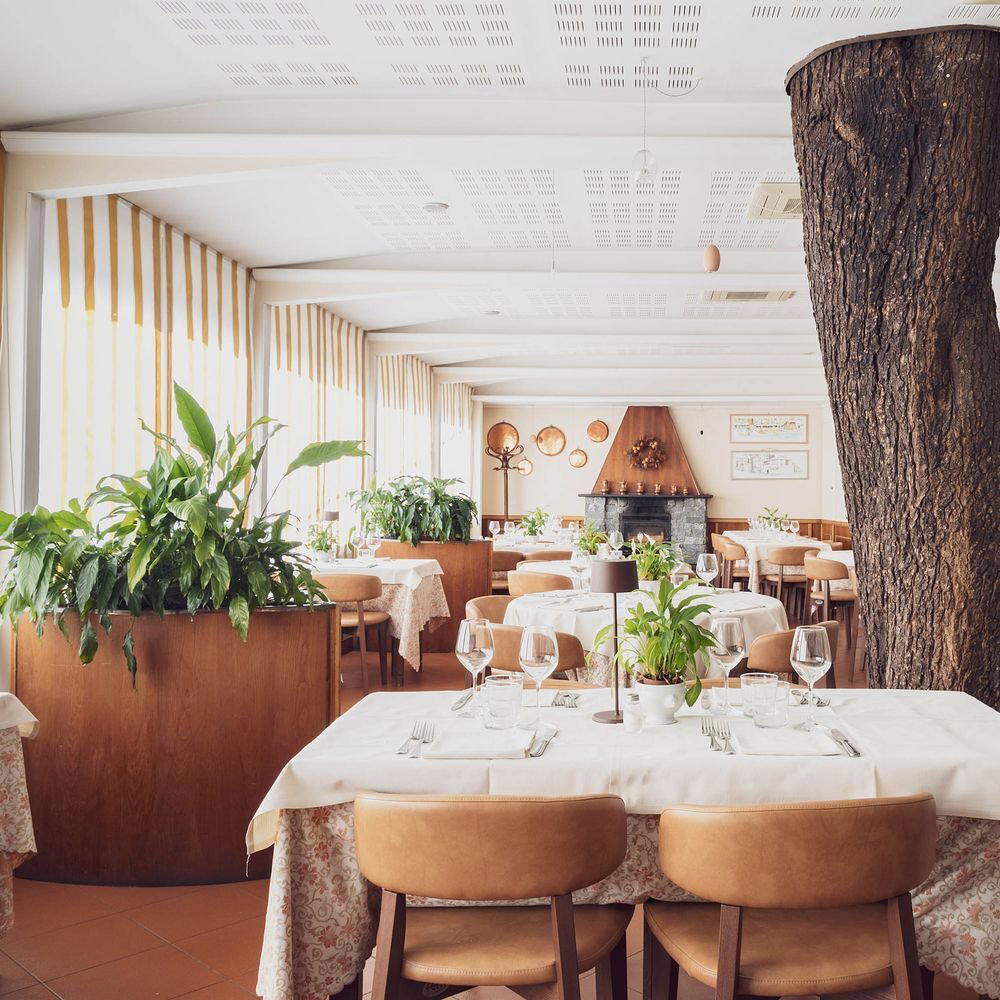
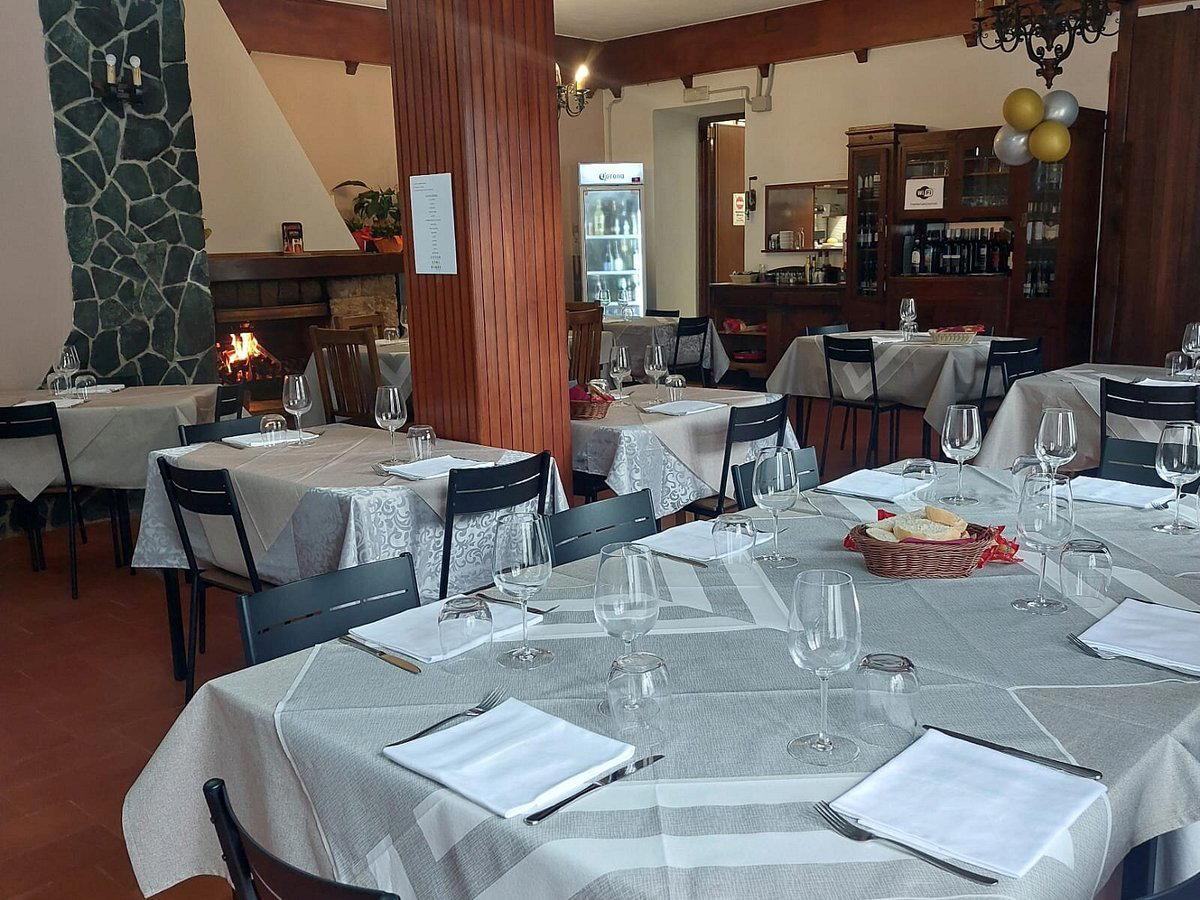
Restaurants in Genoa
Browse all →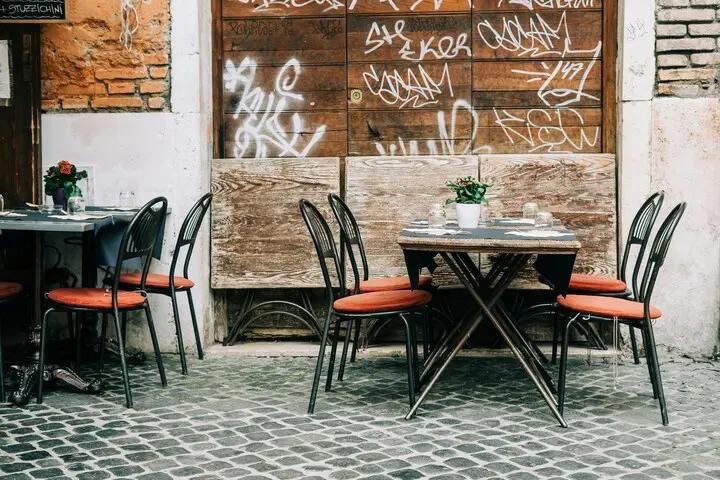
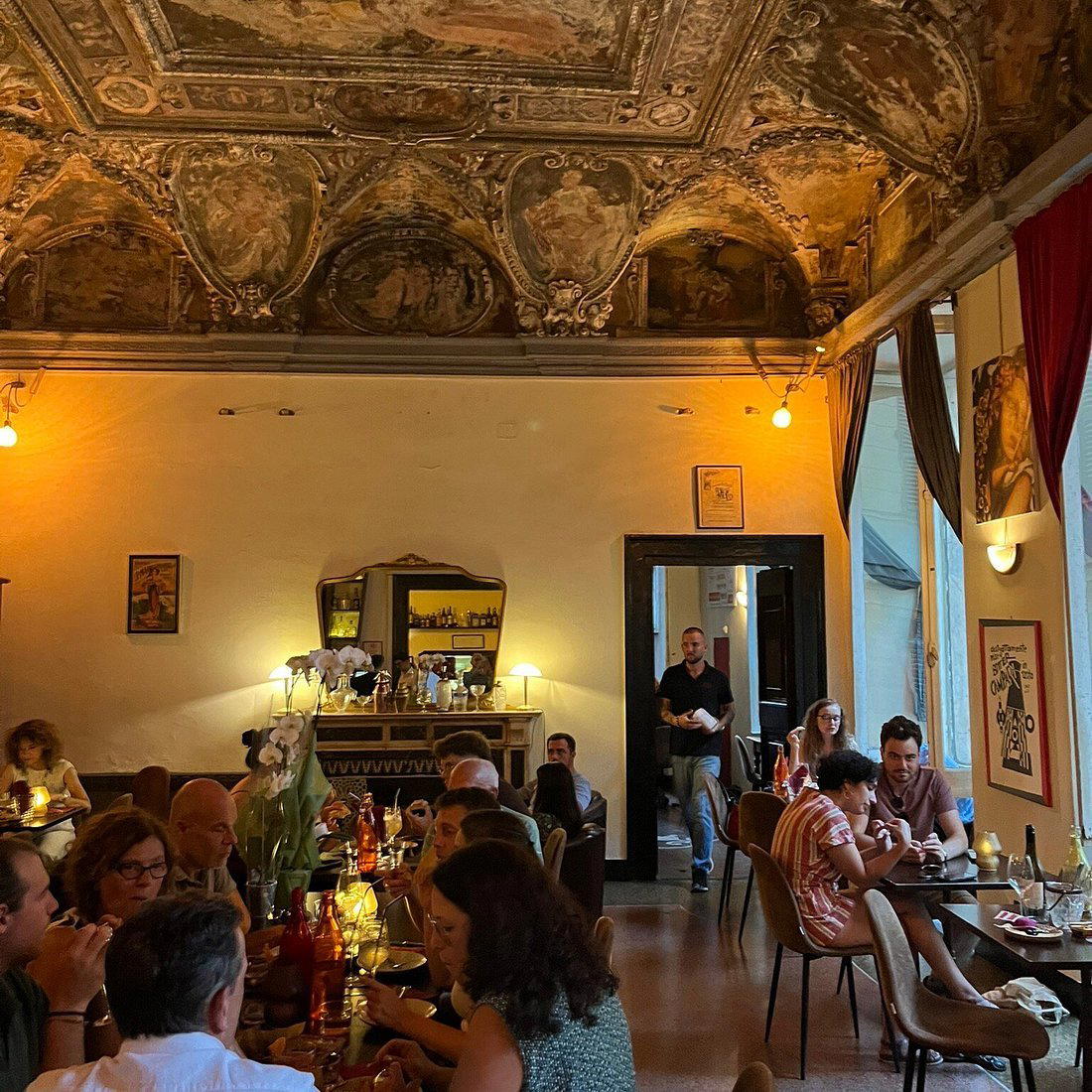
Bars in Genoa
Browse all →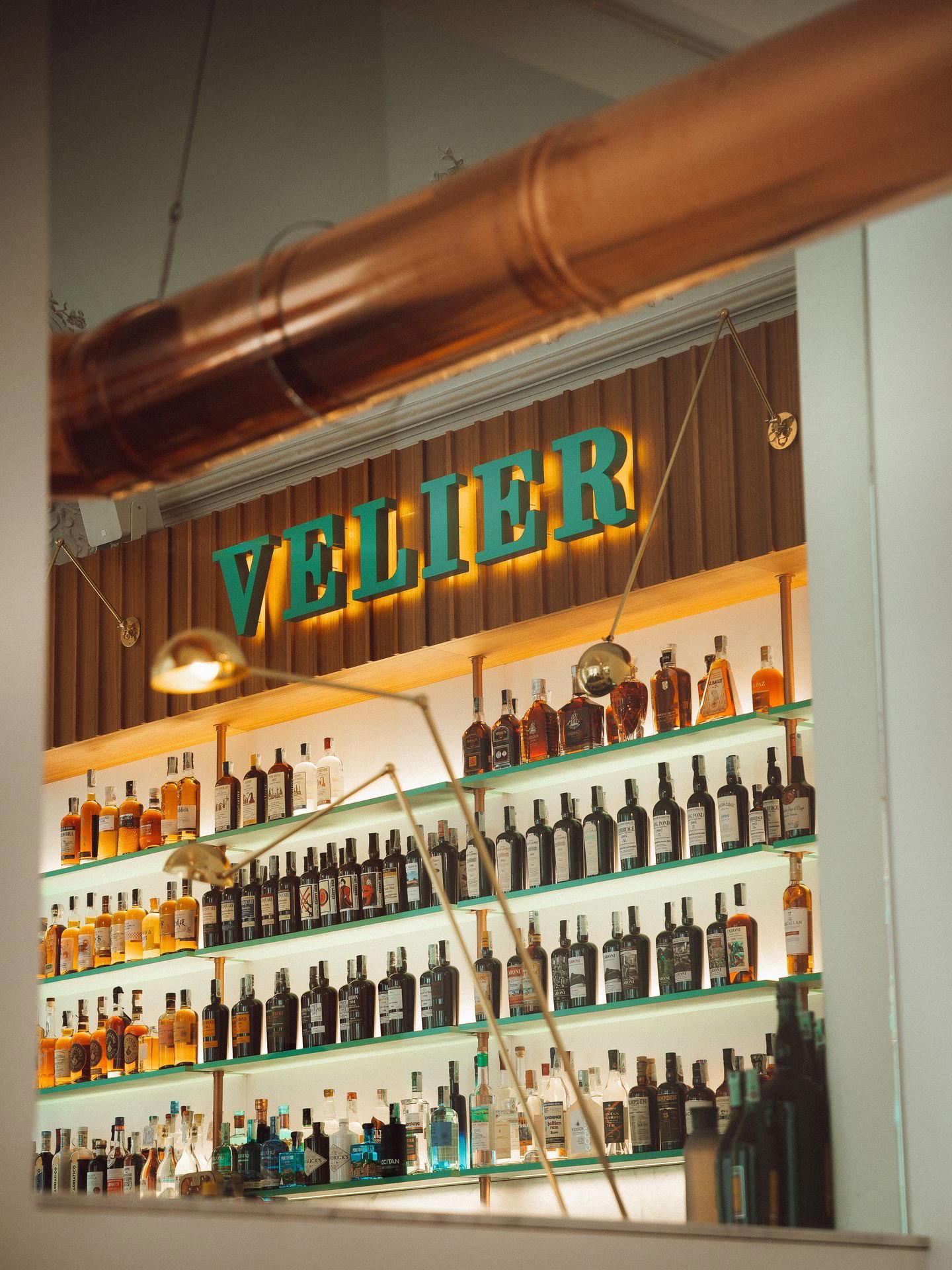
Hotels in Genoa
Browse all →

At a Glance
- Scenic
- Lively
- Well Known
- Casual Hangout
- Late Night
- Family
- Group Dining
- Waterfront
- Live Music
- Terrace
- Beer Program
- Waterfront
Current opening hours
- Monday
- 7 AM–2 AM
- Tuesday
- 7 AM–2 AM
- Wednesday
- 7 AM–2 AM
- Thursday
- 7 AM–2 AM
- Friday
- 7 AM–2 AM
- Saturday
- 7 AM–2 AM
- Sunday
- 7 AM–2 AM
Hours can change for holidays and private events. Last verified .
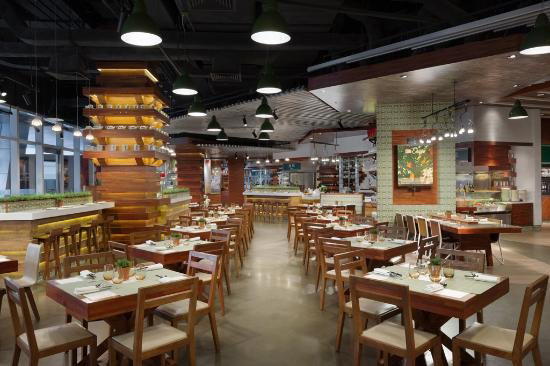
Bright and bustling with a casual, mass-tourism atmosphere; large communal tables with paper tablecloths, lively and chaotic during peak hours, waterfront views create a pleasant backdrop despite the high-volume service model.