A long-standing pastry shop and liqueur bar on Via di Fossatello, Pasticceria Liquoreria Marescotti occupies a specific place in Genoa's daily social fabric: part confectionery counter, part neighbourhood aperitivo anchor. The combination of house-made pastries and a liquoreria tradition speaks to a distinctly Ligurian format that larger Italian cities have largely lost to modernisation.
Pearl is the En Primeur Club membership app — saves, bookings, and concierge access live there. Same editors, same standards.
- Address
- Via di Fossatello, 35r, 16124 Genova GE, Italy
- Phone
- +39 010 209 1226
- Website
- cavo.it
- Directions
- Get directions
 Saves & bookings on Pearl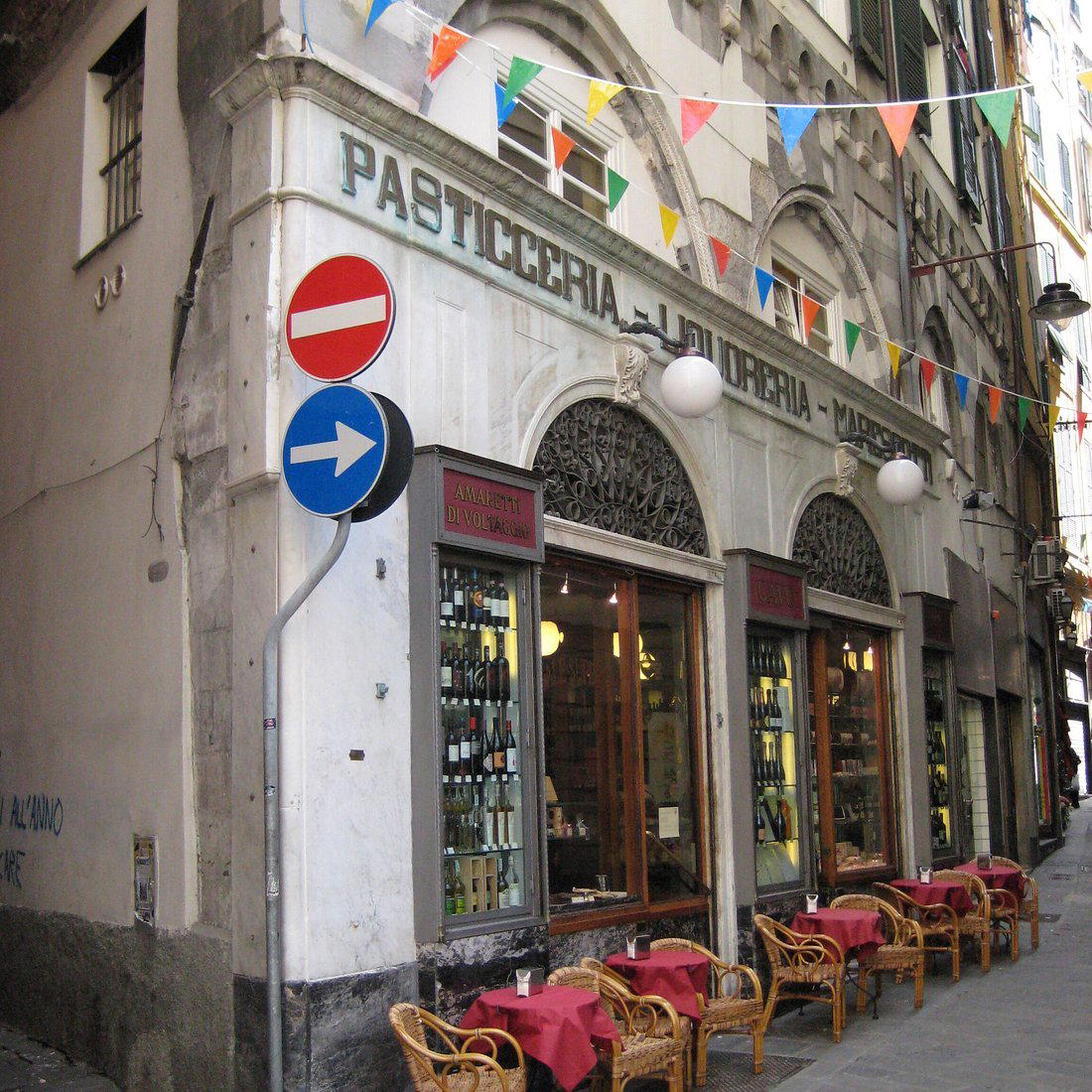
The Street, The Counter, The Ritual
Via di Fossatello sits in the dense, caruggi-laced heart of old Genoa, a few minutes' walk from the Porto Antico and the logistical scrum of Piazza Caricamento. The street is narrow in the way that medieval Genoese planning always is: buildings pressed close, light arriving at an angle, foot traffic composed almost entirely of people who live or work nearby. Pasticceria Liquoreria Marescotti occupies a ground-floor unit along this stretch, and the nature of its address tells you something important about its function. This is a neighbourhood counter in Genoa's old city, at Via di Fossatello, 35r. It is a daily stop, a place calibrated to the rhythm of the neighbourhood rather than the itinerary of a visitor.
The pasticceria-liquoreria format is worth understanding before arriving. In Liguria, as in parts of Piedmont and the Veneto, the combination of a pastry counter with a spirits or liqueur trade was once a standard commercial arrangement. Sugar work and distillates shared a counter, a customer base, and a role in the ceremonial moments of local life: a digestivo after Sunday lunch, a tray of confections for a name day. Most Italian cities have rationalised this hybrid out of existence, separating the functions into specialist bars and patisseries. Places where the format survives intact tend to be either old or self-consciously retro. Marescotti reads as the former.
What the Regulars Know
The community role of a place like this is legible in its details. Pasticceria Liquoreria Marescotti draws the kind of repeat trade that doesn't require a menu review or a booking. Regulars arrive knowing what they want, often ordering by habit rather than choice. In a Genoese context, that likely means something from the local confectionery tradition: canestrelli, the short-pastry biscuits dusted with icing sugar that appear in virtually every Ligurian pasticceria, or pandolce, the city's dense, aromatic festive cake. On the liqueur side, the Ligurian coast produces its own limoncino, distinct in character from the Amalfitan limoncello, alongside herb-based digestivi tied to the region's foraging traditions.
This is the tier of establishment where the distinction between a coffee stop and an aperitivo break is largely one of clock position. Mid-morning, the counter handles espresso and pastry. By early evening, the liquoreria function asserts itself, and the street-facing quality of the space becomes a social one. Genoa's caruggi culture has always organised itself around exactly these kinds of transitional moments, and Marescotti fits inside that pattern rather than sitting outside it as a curio.
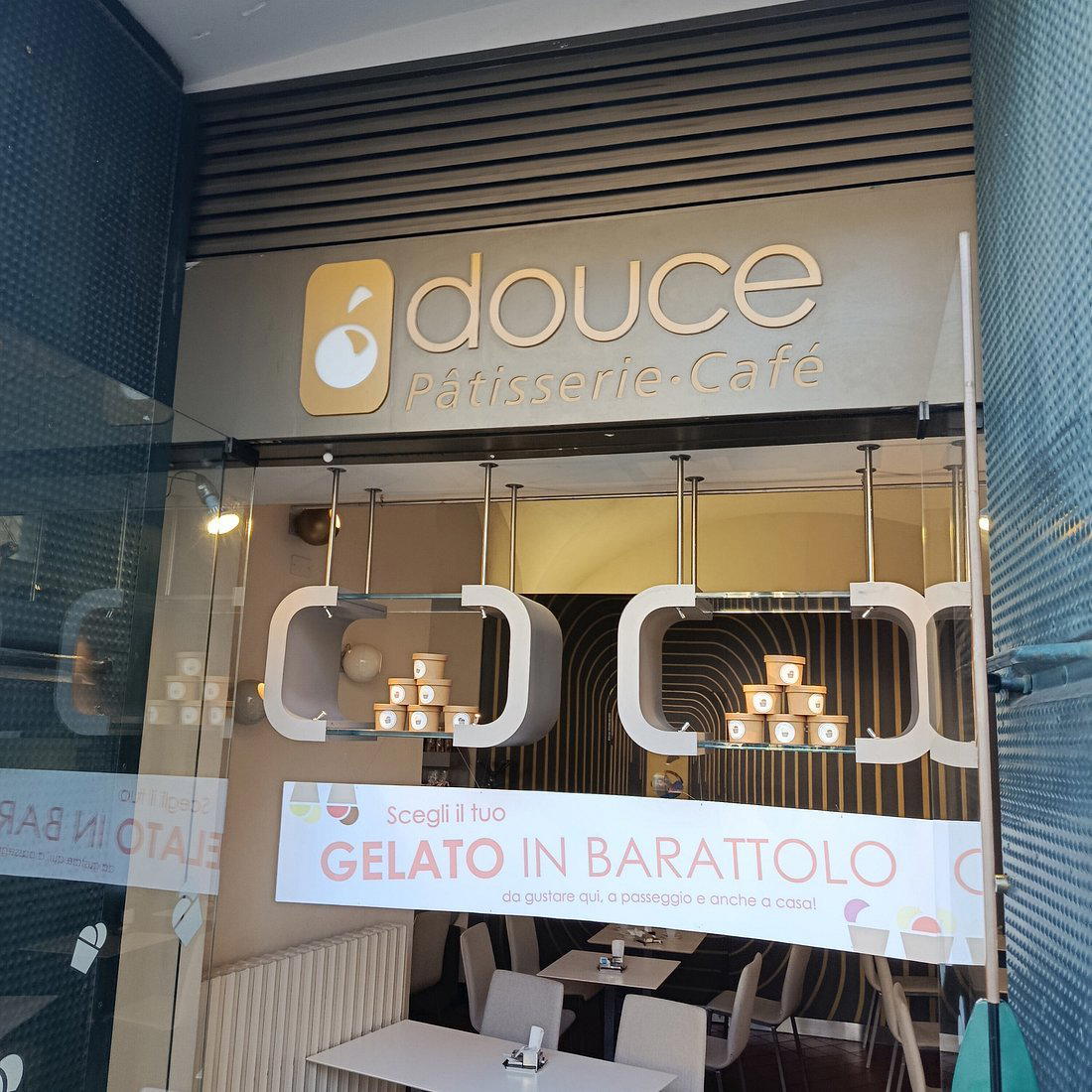
For a sense of what Genoa's more contemporary bar scene looks like, Bagni Santa Chiara and Glo Glo Bistrot represent a different register entirely, with cocktail programs oriented toward craft technique and a younger clientele. Caffè degli Specchi offers the grand-café alternative, and Douce Pâtisserie Café takes the French-influenced pastry format in a more modern direction. Marescotti's version of Genoese hospitality is older and more compressed than any of these.
The Ligurian Pasticceria in Italian Context
Italy's pastry culture is intensely regional, and Liguria's is no exception. The regional tradition leans dry rather than cream-heavy, shaped by a pantry that historically favoured nuts, citrus peel, and aromatic spices over butter-rich doughs. This is partly a function of geography: a mountainous region with limited agricultural land developed a confectionery culture that was portable, shelf-stable, and suited to a trading economy. Genoese merchants carried canestrelli and pandolce across the Mediterranean in the same holds as silk and spice.
Against this backdrop, a pasticceria that maintains continuity with the older format is doing something that carries cultural freight beyond the transaction at the counter. Italy's premium bar scene, as represented by 1930 in Milan, Drink Kong in Rome, or Gucci Giardino in Florence, operates at the other end of the investment and visibility spectrum. So does L'Antiquario in Naples, which has built its identity around heritage spirits within a highly designed environment. Marescotti's version of heritage is less curated and more lived-in, which is precisely what makes it a different kind of proposition.
Internationally, the neighbourhood-anchor format has its parallels. Al Covino in Venice operates as a similar local fixture within a city that could easily subsume it into the tourist economy but hasn't. Lost and Found in Nicosia and Bar Leather Apron in Honolulu both hold a specific local function that distinguishes them from destination cocktail bars. The common thread is that all of them are read differently by residents than by visitors, and that gap between readings is part of what gives them their character.
Planning Your Visit
Via di Fossatello, 35r places Marescotti in the historic centre, accessible on foot from the main train station at Piazza Principe in under fifteen minutes, or from Brignole in a similar time by bus. The caruggi are leading approached without a tight schedule; the streets are disorienting by design, and getting turned around is part of arriving at anything in old Genoa. The counter opens daily, with hours that run from 7 AM to 8 PM most days and 7:30 AM to 8 PM on Sunday. As with most Genoese neighbourhood establishments of this type, there is no reservation system, and walk-in is the only format.
Reputation First
Comparable venues nearby, for context on price, style, and recognition.
| Venue | Cuisine | Price | Notes |
|---|---|---|---|
| Pasticceria Liquoreria MarescottiThis venue — the venue you are viewing | Bar | $$ | Not listed |
| Les Rouges Cucina & Cocktails | cocktail_bar | $$$ | Sottoripa |
| Pasticceria Tagliafico | Bar | $$ | near Mercato Orientale |
| Muá | cocktail_bar | $$ | near Piazza Ferrari |
| Glo Glo Bistrot | wine_bar | $$ | Piazza Lavagna |
| Douce Pâtisserie Café | Bar | $$ | Historic Center |
Continue exploring
More in Genoa
Bars in Genoa
Browse all →
Restaurants in Genoa
Browse all →
Hotels in Genoa
Browse all →

At a Glance
- Classic
- Cozy
- Historic
- Casual Hangout
- Historic Building
- Counter Only
Current opening hours
- Monday
- 7 AM–8 PM
- Tuesday
- 7 AM–8 PM
- Wednesday
- 7 AM–8 PM
- Thursday
- 7 AM–8 PM
- Friday
- 7 AM–8 PM
- Saturday
- 7 AM–8 PM
- Sunday
- 7:30 AM–8 PM
Hours can change for holidays and private events. Last verified .
Old-school historic atmosphere with gilded walls full of curiosities, ideal for morning coffee and pastries.