Bruxaboschi

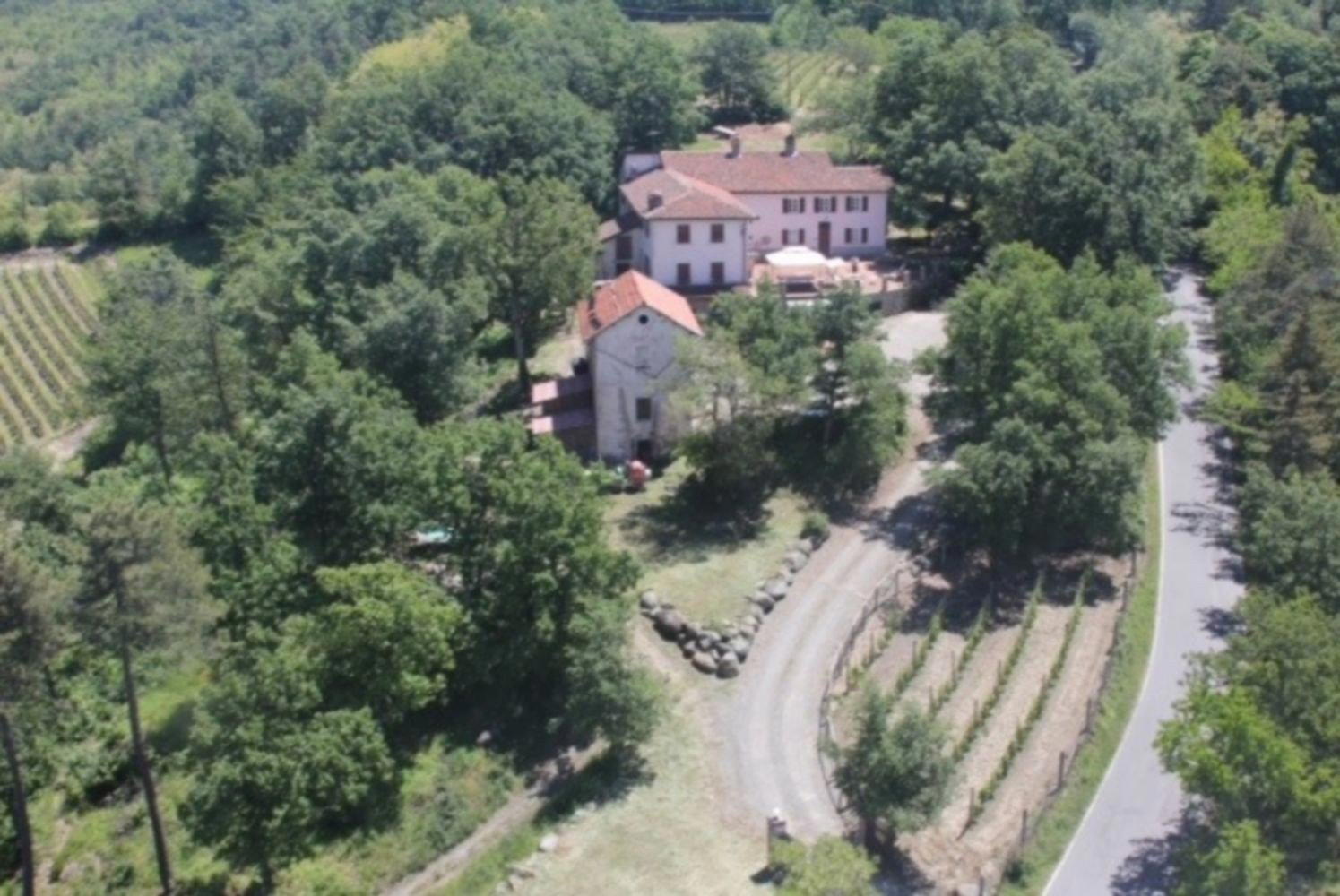
A Ligurian trattoria that has operated under the same family since 1862, Bruxaboschi sits inland above Genoa in San Desiderio and holds a Michelin Bib Gourmand for two consecutive years. The kitchen works almost exclusively with meat, anchored by cima alla genovese, hand-rolled pastas, and seasonal funghi. The drive up requires patience; the cooking rewards it.
Pearl is the En Primeur Club membership app — saves, bookings, and concierge access live there. Same editors, same standards.
- Address
- Via Francesco Mignone, 8, 16133 Genova GE, Italy
- Phone
- +39 010 345 0302
- Website
- bruxaboschi.com
- Directions
- Get directions
 Saves & bookings on Pearl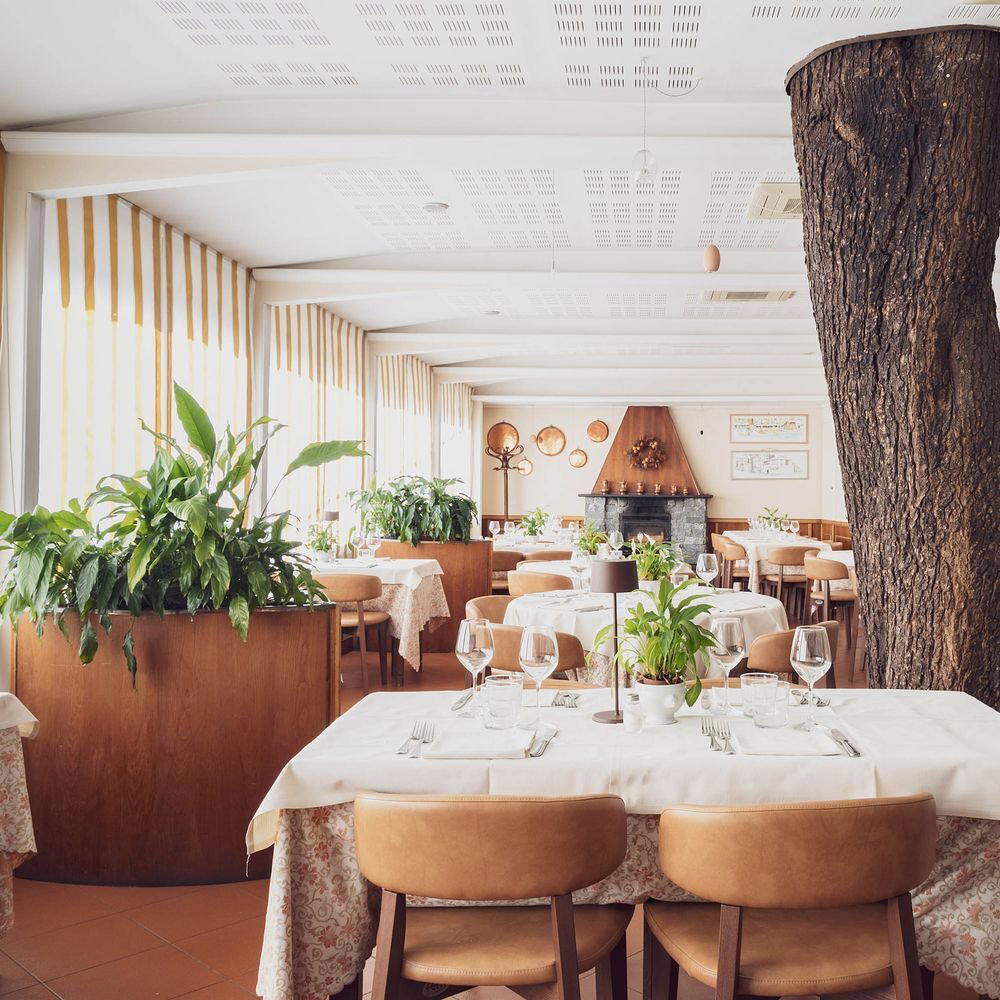
The Road Up, and Why It Matters
The approach to San Desiderio tells you something about what awaits. The urban texture of Genoa dissolves gradually as the road climbs and narrows, switchbacks replacing boulevards, the ambient noise of a port city giving way to something quieter and more specifically Ligurian. This is not the Liguria of the Cinque Terre or the coastal promenade restaurants pitching pesto al mortaio to tourists. This is the inland hill version: older, more austere, less photographed. Arriving at Bruxaboschi after that ascent, you arrive somewhere that has been receiving guests in more or less the same way since 1862. The continuity is not an accident. It is the point.
That length of operation under a single family is genuinely rare, even by Italian standards where multi-generational restaurants are common enough to be unremarkable. But over 160 years of unbroken family management at the same address represents something distinct from the usual trattoria narrative. The kitchen under chefs Oskar Iuri and Mattia Rulli works within that inherited framework, not against it. The editorial angle here is not the chefs' personal evolution so much as the tradition they have entered and chosen to sustain. In a regional dining culture where Ligurian cooking has become increasingly conflated with its coastal variants, a meat-focused inland kitchen of this age is a corrective document.
Ligurian Cooking Away from the Coast
Most visitors to Liguria construct their understanding of the cuisine along a coastal axis: focaccia di Recco, trenette al pesto, grilled fish from the morning catch. These are legitimate expressions of the tradition, but they represent only one half of it. The inland hill towns above Genoa maintained a parallel kitchen built around game, offal, braised meats, and foraged ingredients, a kitchen shaped by altitude and agriculture rather than the sea. Bruxaboschi's menu sits firmly in that inland tradition, with an emphasis on meat that is nearly exclusive.
The cima alla genovese, the Genoese stuffed veal roll that is one of the more labour-intensive preparations in the regional repertoire, appears as a marker of intent. This is not a dish that shortcuts well. Getting it right demands time, sourcing, and the kind of institutional memory that comes from having made the same preparation across multiple generations. Alongside it, the pasta section offers picagge and pansotti, both distinctly Ligurian forms that appear rarely on restaurant menus outside the region and are more commonly made at home. Fried rabbit rounds out the picture of a kitchen committed to the specific, unfashionable, and locally coherent.
For the Ligurian cooking tradition in a wider Italian context, Bruxaboschi sits in a different bracket from the starred urban restaurants of northern Italy. If you are calibrating against three-Michelin-star properties like Osteria Francescana in Modena, Dal Pescatore in Runate, or Le Calandre in Rubano, the format, ambition, and price register are entirely different. Bruxaboschi is not positioned against that tier and should not be evaluated through its lens. Its comparable set is better understood as serious regional trattorias committed to a local tradition at a price point that does not require an occasion to justify. The €€ pricing and the Michelin Bib Gourmand, awarded consecutively in 2024 and 2025, confirm that positioning explicitly.
The Funghi Season and Why Timing Matters
Among the constants in Ligurian inland cooking, wild mushroom season generates the reliable calendrical urgency. The hills above Genoa produce porcini and other varieties that move through restaurant kitchens quickly, in quantities dictated by the harvest rather than by demand. At Bruxaboschi, funghi season is the inflection point that prompts some guests to plan their visit around a specific window rather than visit at their convenience.
Autumn is the primary season, though the exact timing shifts with rainfall and temperature year on year. Visitors planning around this should treat late September through November as the productive window, with flexibility built in. The dish is not a permanent fixture; it is a seasonal argument for a specific kind of timing. This is one of the cleaner examples in Italian regional cooking of a menu that rewards calendar awareness rather than spontaneous booking.
For comparison against other Ligurian restaurants with a similar commitment to regional cooking, Vescovado in Noli and Bagatto in Loano offer useful regional reference points, though both operate closer to the coast and with a different balance of ingredients. Bruxaboschi's inland positioning makes its funghi season something categorically different from what a coastal Ligurian kitchen can offer.
The Bib Gourmand Signal and What It Actually Indicates
Michelin's Bib Gourmand category rewards what the guide describes as good cooking at a moderate price. It is a different kind of recognition from a star, and the distinction matters. The star system evaluates cooking at its own price register; the Bib operates as an indicator of value relative to cost, which is why a consecutive award in 2024 and 2025 functions as a specific claim: the cooking here is consistently above what the pricing would lead you to expect.
In the northern Italian dining environment, where cities like Milan and Florence have accumulated significant Michelin-starred density (see Enrico Bartolini in Milan or Enoteca Pinchiorri in Florence for the upper tier), the Bib Gourmand functions as a signal for intelligent spending rather than ambition or spectacle. At Bruxaboschi, the award confirms that what the kitchen does with Ligurian tradition is executed at a standard that Michelin inspectors found worth noting twice, not once.5 across 1,203 reviews adds a second consistent data point.
Planning the Visit
Bruxaboschi is at Via Francesco Mignone, 8, in San Desiderio, above Genoa. The address is in the Genoa municipality but functions like a separate village. Driving is the practical option; the road from Genoa requires patience and navigation rather than speed. Reservations are recommended.
The €€ price range places this well within reach for a weekday lunch or an unhurried dinner without the financial calculus that higher-end Italian regional cooking demands. The setting and the format suit families and groups as readily as couples. This is not a tasting-menu environment where pacing and silence are part of the contract; it is a trattoria where the dining room logic is shared tables, generous portions, and a meal that develops at its own speed.
How It Stacks Up
Comparable venues nearby, for context on price, style, and recognition.
| Venue | Cuisine | Price | Awards | Notes |
|---|---|---|---|---|
| BruxaboschiThis venue — the venue you are viewing | Traditional Ligurian Trattoria | $$ | Bib Gourmand | Not listed |
| Il Moro | Traditional Piedmontese Italian | $$ | Bib Gourmand | Capriata d'Orba |
| Osteria Didù | Ligurian Seafood Osteria | $$ | Bib Gourmand | Porto San Maurizio |
| Trattoria Antichi Sapori | Traditional Emilian Trattoria | $$ | Bib Gourmand | Gaione |
| Le Miniere | Piedmontese Italian with Mushroom Specialties | $$ | Bib Gourmand | Traversella |
| Contesto Alimentare | Modern Piedmontese Italian | $$ | Bib Gourmand | Centro |
Recognition history
Dated appearances from independent guides and award organizations, with the underlying list record or original source where available.
Michelin Bib Gourmand
Michelin
Michelin Bib Gourmand
Michelin
Michelin Bib Gourmand
Michelin
Continue exploring
More in San Desiderio
Restaurants in San Desiderio
Browse all →
Bars in San Desiderio
Browse all →
Hotels in San Desiderio
Browse all →

At a Glance
- Rustic
- Cozy
- Classic
- Special Occasion
- Family
- Historic Building
- Extensive Wine List
- Local Sourcing
Current opening hours
- Monday
- Closed
- Tuesday
- 7:30 PM–12 AM
- Wednesday
- 7:30 PM–12 AM
- Thursday
- 7:30 PM–12 AM
- Friday
- 7:30 PM–12 AM
- Saturday
- 12:30–2:30 PM, 7:30 PM–12 AM
- Sunday
- 12:30–2:30 PM
Hours can change for holidays and private events. Last verified .
Old-school yet elegant with a cozy fireplace, rustic charm, and warm familial atmosphere.