Vico di Campetto sits in the medieval alley grid of Genoa's centro storico, a pocket of the city where tripe vendors and caruggi fog still define the rhythm of daily life. The address places it squarely in the territory where Ligurian cooking is practiced as habit rather than performance, drawing a clientele that returns for the same dishes week after week rather than chasing novelty.
Pearl is the En Primeur Club membership app — saves, bookings, and concierge access live there. Same editors, same standards.
- Address
- 16123 Genoa, Metropolitan City of Genoa, Italy
- Directions
- Get directions
 Saves & bookings on Pearl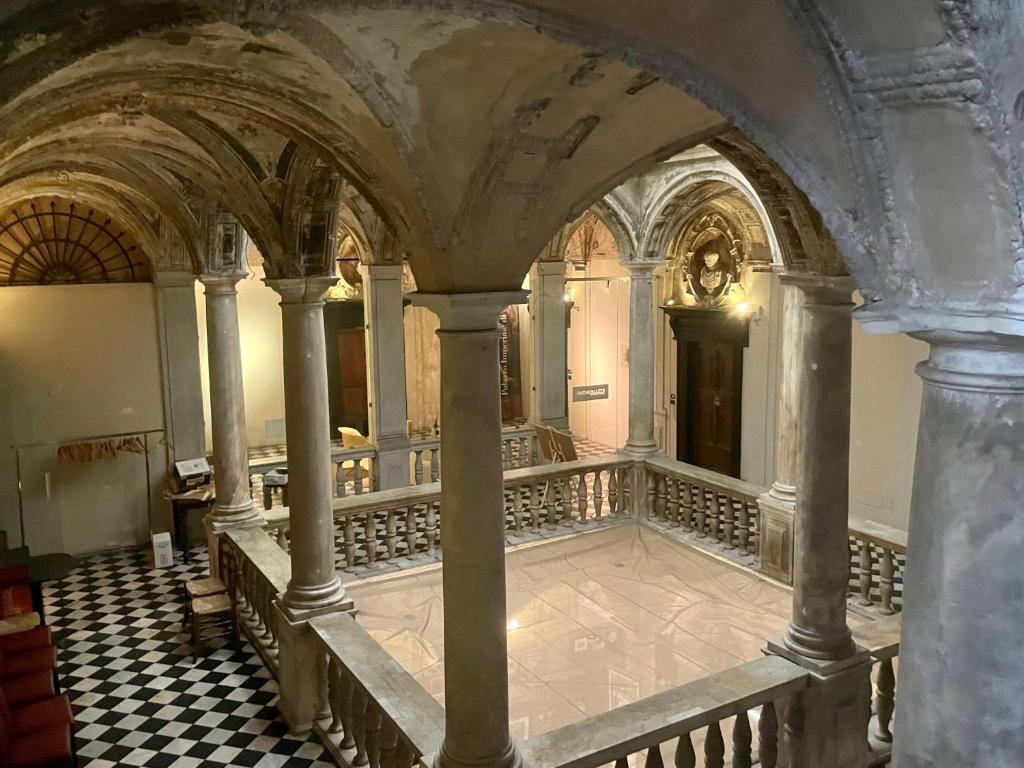
What the Caruggi Teaches You About Loyalty
Genoa's centro storico is one of the densest medieval urban fabrics in Europe, a compressed grid of caruggi so narrow that noon sunlight rarely reaches the stone below. Vico di Campetto is one of those alleys, running through a quarter where the city's working relationship with its own food tradition has never required outside validation. Restaurants in this zone serve Liguria to people who already know what it should taste like. That structural fact shapes everything about what you find here and who you find it with.
The regulars in this part of the old city are not in the habit of explaining their loyalty, because the logic is self-evident to them. You come back because the kitchen does not drift. In a dining culture where tasting menus evolve seasonally, the neighbourhood trattoria model operating in Genoa's historic core follows a different logic. Consistency is the product. The dish you had in October should match the dish you order the following spring, and the clientele will notice immediately if it does not.
The Ligurian Table as a Fixed Point
Genoa sits at the convergence of sea and mountain in a way that has historically forced its cooking into frugality without sacrificing complexity. The city's signature preparations, from pesto ground in a marble mortar with local basil, pine nuts, and Ligurian olive oil, to farinata baked in copper pans over wood, to trofie pasta dressed with a sauce that requires no heat to finish, are all products of constraint transformed into precision. What reads as simplicity to an outside eye is, to anyone who grew up eating it, a highly specific set of expectations about texture, balance, and proportion. Deviation is immediately legible as error.
In that context, the trattoria addresses of the centro storico function less like restaurants in the conventional sense and more like institutional memory. They hold a version of the cooking that predates the chef-driven era. Visitors comparing Genoa's dining tier to the format found at Il Marin, or to the modern cuisine approaches at San Giorgio and The Cook, will find that Vico di Campetto belongs to a different tier altogether, one measured in repetition and recognition rather than in innovation and press. It operates in the same city but at a remove from the ambition economy that drives those rooms.
The Unwritten Menu
The regulars' relationship with any caruggi-area trattoria is built partly around the unwritten menu, the dishes that do not need to be announced because the kitchen knows to prepare them and the clientele knows to expect them. This is a feature of Genoese food culture that does not translate cleanly to tourists consulting lists: one telling signal about a neighbourhood restaurant's quality is the demographic of its lunch service on a Tuesday. When the tables are occupied by people who clearly work nearby and are finishing quickly before returning to an office or a workshop, the kitchen is earning its reputation through repetition, not occasion.
That Tuesday lunch test applies across Genoa's caruggi zone, from the area around the old port where Al Giardino degli Indoratori holds its corner to the inland alleys where tripe and farinata shops sit alongside wine-by-the-glass stands. Vico di Campetto is embedded in this geography, and the appropriate frame for understanding it is not a comparison to Osteria Francescana in Modena or Piazza Duomo in Alba. Those are different arguments entirely. The relevant comparison is to the functioning social institution of the Ligurian trattoria, a format that Italy has repeatedly proved it can sustain across generations when the kitchen does not try to be anything other than what it is.
Genoa's Dining Tiers and Where This Sits
Genoa's restaurant scene in 2024 spans a wider range than the city's reputation among international travellers tends to suggest. At the upper end, restaurants with verifiable recognition and structured tasting menus, including the seafood-focused rooms that have attracted attention from Italian food media, compete for the same travellers who might otherwise visit Uliassi in Senigallia or Quattro Passi in Marina del Cantone for a coastal Italian dining benchmark. Farm-to-table formats like 20Tre address a middle tier that prioritises sourcing transparency. And then there is the category that the caruggi sustain, the neighbourhood address with no website, no formal booking system, and a clientele whose loyalty is the only trust signal that matters.
The restaurant sits in that last category, and the absence of an online presence or published price range is not a failure of infrastructure. It reflects a model where walk-in traffic and word of mouth from the surrounding neighbourhood have always been sufficient. Whether that model persists through the pressures of rising rents and demographic change in Genoa's centro storico is a genuine question for the city's food culture, not just for this address. The same tension plays out in the historic cores of other Italian port cities, and Genoa's caruggi have so far proved more resistant to gentrification than comparable districts in Naples or Palermo, in part because the residential density of the old city has remained high.
Planning a Visit
The practical approach to the restaurant is to arrive on foot from the direction of the Porto Antico or Piazza De Ferrari and explore the alley network that connects the two. The address falls within the 16123 postal district, the heart of the UNESCO-listed caruggi zone.
Cuisine Lens
Comparable venues nearby, for context on price, style, and recognition.
| Venue | Cuisine | Price | Awards | Notes |
|---|---|---|---|---|
| Vico di CampettoThis venue — the venue you are viewing | Traditional Ligurian Trattoria | $$ | Not listed | Not listed |
| Panegirico | Italian Sandwiches & Focaccia | $$ | Not listed | near Mercato Orientale |
| Al Giardino Degli Indoratori | Traditional Ligurian Trattoria | $$ | Not listed | Sottoripa |
| La Buca di San Matteo | Traditional Ligurian Seafood | $$ | Not listed | Sottoripa |
| Antico Forno Patrone | Traditional Genoese Focaccia & Artisanal Bakery | $ | Not listed | Centro Storico |
| Osteria della Foce | Ligurian Osteria | $$ | Michelin Plate | Foce |
Continue exploring
More in Genoa
Restaurants in Genoa
Browse all →
Bars in Genoa
Browse all →
Hotels in Genoa
Browse all →

At a Glance
- Romantic
- Rustic
- Date Night
- Casual Hangout
- Terrace
- Historic Building
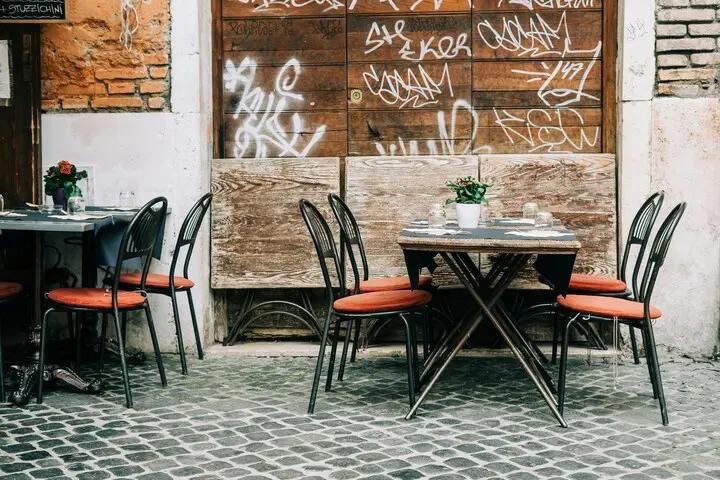
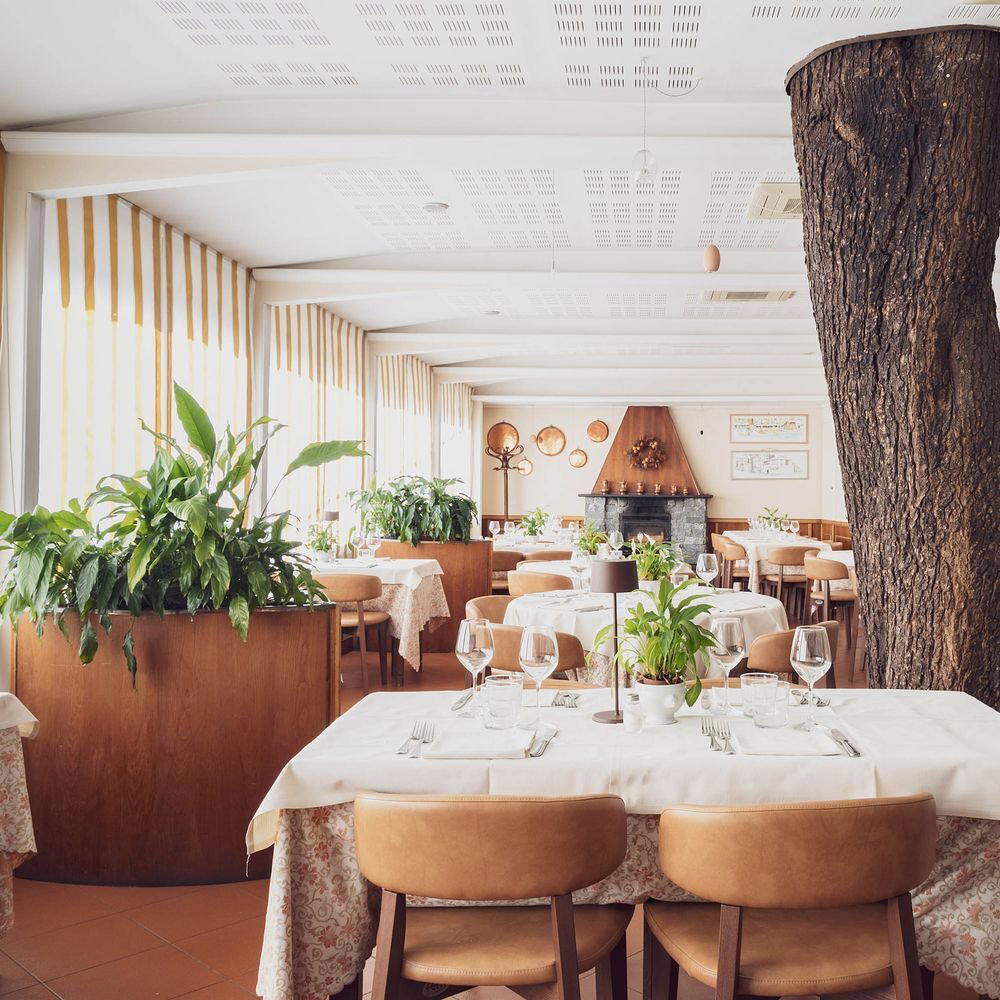
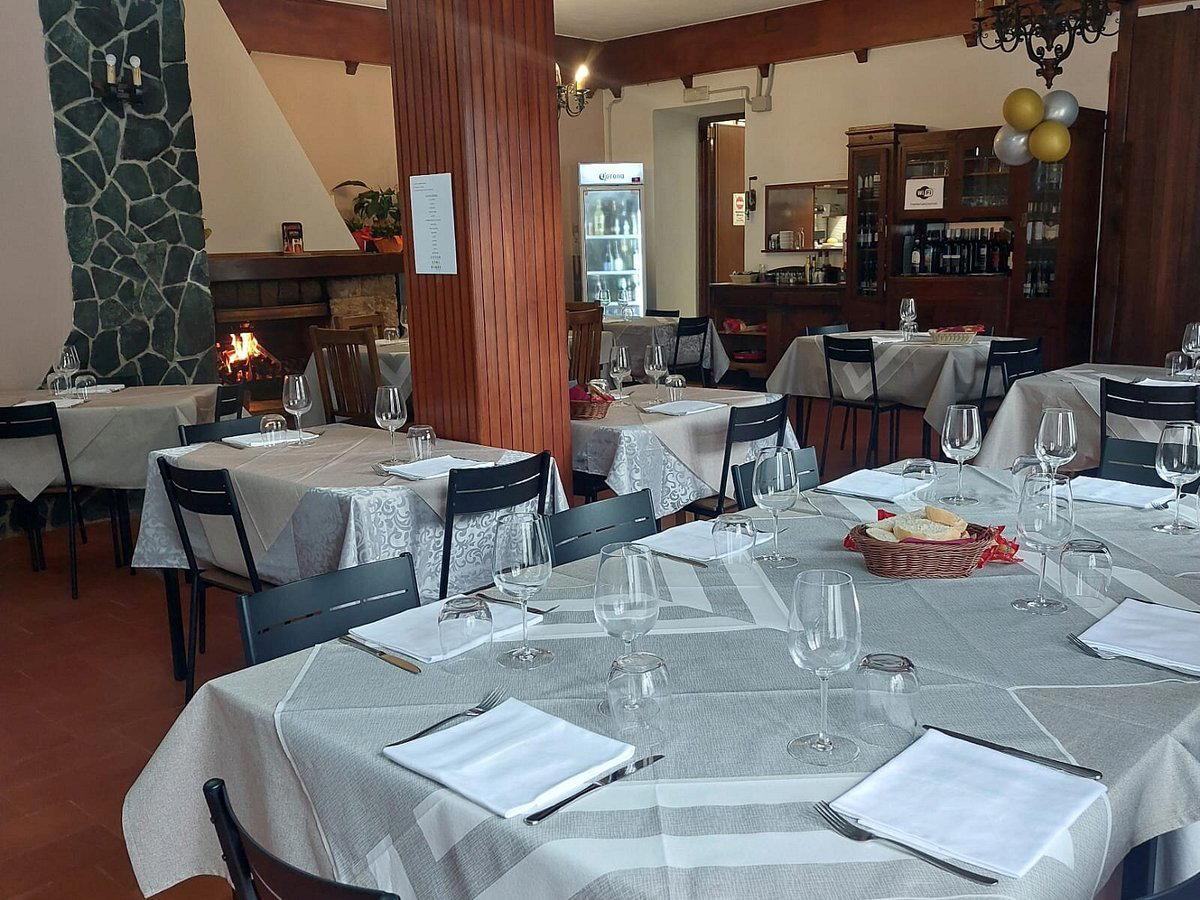
Romantic atmosphere enhanced by a terrace for outdoor dining in a historic alley setting.