On a narrow lane in Genoa's medieval caruggi, La Buca di San Matteo occupies the kind of address that rewards those who already know the city well. The setting is deeply local in character, placing it within a dining tradition that prizes ritual and restraint over spectacle. For visitors mapping Genoa's restaurant scene, it represents the trattoria end of a spectrum that runs up through the modern kitchens of the port district.
Pearl is the En Primeur Club membership app — saves, bookings, and concierge access live there. Same editors, same standards.
- Address
- Via David Chiossone, 16123 Genova GE, Italy
- Phone
- +39 010 236 2389
- Website
- labucadisanmatteo.com
- Directions
- Get directions
 Saves & bookings on Pearl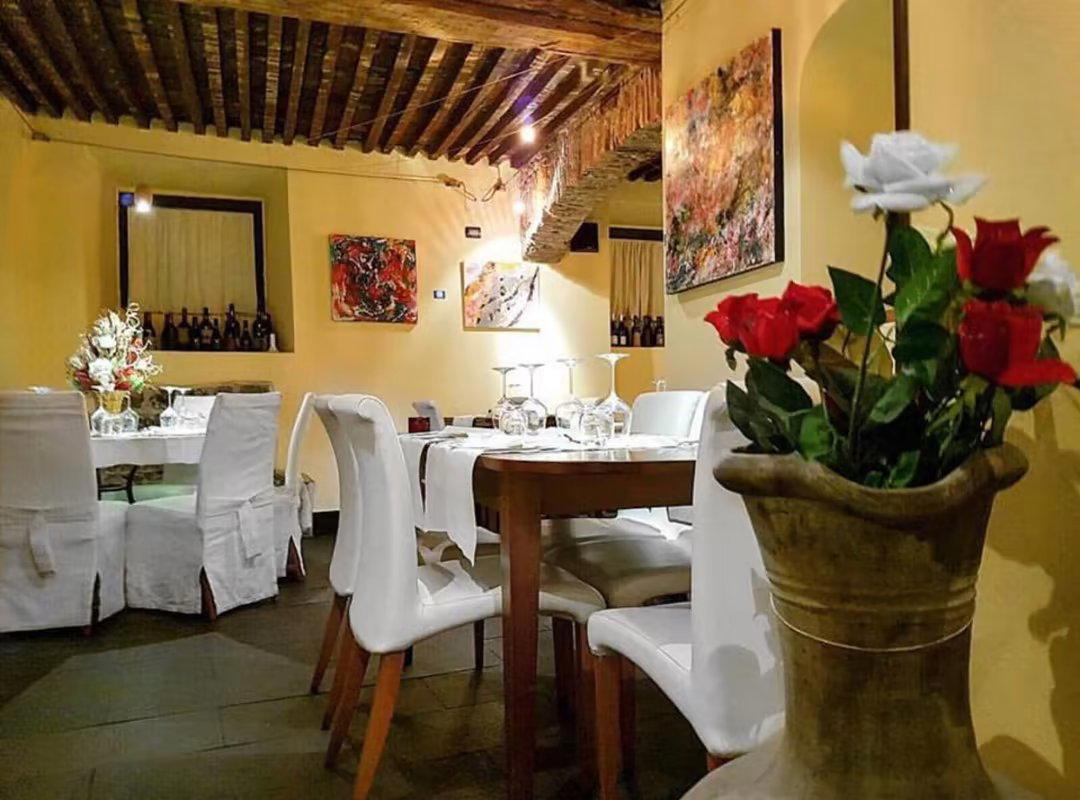
Inside the Caruggi: What the Setting Tells You Before You Order
Genoa's medieval alleyways, the caruggi, operate by their own logic. Streets narrow to shoulder width, washing lines cross overhead, and the sound of the city compresses into echoes. Via David Chiossone sits inside this network, in the Maddalena quarter, a short walk from the Piazza de Ferrari but a world away from the tourist-facing waterfront. Restaurants here do not need to advertise their presence to pedestrian traffic, because their regulars already know where to find them. La Buca di San Matteo is that kind of address: one that functions through neighbourhood memory rather than footfall.
Dining in the caruggi carries its own etiquette. Expectations are calibrated differently from the polished modern rooms of the port district, where venues like Il Marin and San Giorgio pitch their cooking at a more internationally fluent audience. Here, the ritual is quieter and more compressed: you arrive, you are placed, the kitchen sends what it sends. The pace is set by the room, not by the diner.
The Ligurian Dining Ritual and Where La Buca Fits Into It
Ligurian cuisine is among the more misread in Italy. Its reputation travels primarily through pesto and focaccia, but the tradition runs considerably deeper: slow-cooked tocco ragù, stuffed vegetables, fresh pasta in formats that change by neighbourhood, and a frugality with protein that reflects the region's historical relationship with poverty and the sea. The Genoese table has always prized economy of gesture, which is why the local dining ritual tends to unfold across fewer, more considered courses than, say, the Emilian tradition of abundance that defines places like Osteria Francescana in Modena.
In Genoa's mid-range trattoria tier, where La Buca di San Matteo sits, the meal typically follows a well-worn sequence. A first course of trofie or corzetti, dressed simply; a secondo that draws from the day's market rather than a fixed menu; house wine poured without ceremony. This is not the kind of table that performs its own history. The food makes the argument quietly. Among Genoa's more elaborate alternatives, The Cook and 20Tre represent the experimental end of the local spectrum, while Al Giardino degli Indoratori holds similar mid-register ground in the historic centre.
Pacing and Ritual: How to Eat Here Correctly
The customs of a meal in this part of Genoa are worth understanding before you arrive. Lunch, not dinner, is often the primary sitting at neighbourhood restaurants in the caruggi: locals tend to reserve their longer midday breaks for the table, and kitchens may scale back or close in the evening accordingly. If you are visiting from outside the city and planning an evening meal, it is worth confirming hours in advance, since the rhythm of neighbourhood restaurants does not always conform to tourist-facing schedules.
The etiquette itself is low-ceremony. There is no sommelier consultation, no amuse-bouche sequence, no ceremony around the menu presentation. You are expected to read the room and follow its lead. Order what the waiter recommends, accept the pacing the kitchen sets, and resist the instinct to rush. The Genoese trattoria rewards patience in a way that the more production-oriented modern kitchens further along the harbour do not. For context on the full range of where Genoa's restaurants sit relative to one another, our full Genoa restaurants guide maps the scene across price tiers and neighbourhood character.
Situating La Buca in the Wider Italian Conversation
Honest context for a neighbourhood trattoria in Genoa is that it exists at a considerable remove from Italy's credentialed fine dining tier. The recognition infrastructure that drives interest in venues like Piazza Duomo in Alba, Le Calandre in Rubano, or Enoteca Pinchiorri in Florence operates on entirely different criteria than what makes a caruggi trattoria worth knowing about. Michelin does not award stars for the quiet competence that sustains a neighbourhood room across decades; it awards them for creative ambition, technical precision, and consistency under scrutiny. Those are different virtues.
What places like La Buca di San Matteo represent is a parallel Italian dining tradition: the restaurant as communal utility, sustained by the same dozen tables of regulars, by the rhythms of the local market, and by a kind of institutional memory that does not require critical endorsement to persist. Italy's most discussed rooms, from Reale in Castel di Sangro to Uliassi in Senigallia to Atelier Moessmer in Brunico, earn their reputations through documented achievement. But the trattoria that has anchored a medieval alleyway for years earns its place through a different kind of continuity, one that is no less real for being harder to quantify.
The comparison is not pejorative. The two categories serve different purposes, and a well-travelled eater knows when to reach for which one. If your frame of reference includes Dal Pescatore in Runate or Quattro Passi in Marina del Cantone, you already understand the distinction between structured destination dining and the kind of table where the point is simply to eat well and feel like a local. Enrico Bartolini in Milan and Le Bernardin in New York exist for a different kind of occasion entirely. La Buca di San Matteo exists for the other kind, and that category is not a lesser one.
Planning Your Visit
Via David Chiossone is walkable from the main train station at Piazza Principe in under twenty minutes on foot, or a short taxi ride from Brignole. The address sits in a zone where parking is impractical and unnecessary: the caruggi rewards pedestrians. Given one reliable approach is to visit in person or call ahead. Lunch timing, generally noon to two-thirty, is one dependable window for a full sitting. Dinner service, if it runs, tends to be shorter. The price register, based on the venue's position in Genoa's mid-range trattoria tier, places it well below the port-district restaurants and considerably below Italy's credentialed destination rooms.
Frequently Asked Questions
- What is the leading thing to order at the restaurant?
- What the Ligurian trattoria tradition reliably produces in this part of Genoa, however, is fresh pasta dressed with local sauces, vegetable preparations tied to the season, and secondi that follow the market rather than a fixed menu. Order what the waiter suggests on arrival; in neighbourhood rooms of this type, the verbal recommendation reflects what arrived that morning, which is invariably more reliable than a printed list.
- Do I need a reservation for the restaurant?
- Turning up without advance notice carries some risk, particularly at peak lunch hours. One practical approach, consistent with how locals treat these rooms in this city, is to call ahead or arrive early in the service window.
- Is the restaurant a good choice for someone wanting an authentically Genoese meal rather than a modern-Italian dining experience?
- A caruggi address in the Maddalena quarter, outside the tourist corridor and away from the port's modern dining cluster, is exactly where the Genoese dining tradition is most legibly preserved. The neighbourhood context places the restaurant in a comparable set defined by local clientele, seasonal cooking, and the unhurried pacing of the Ligurian midday meal, rather than by the creative ambition that drives Genoa's newer restaurants. For travellers whose reference point is the Ligurian table as a living tradition rather than as a design statement, this part of the city rewards the detour.
Cuisine Context
Comparable venues nearby, for context on price, style, and recognition.
| Venue | Cuisine | Price | Awards | Notes |
|---|---|---|---|---|
| La Buca di San MatteoThis venue — the venue you are viewing | Traditional Ligurian Seafood | $$ | Not listed | Not listed |
| Al Giardino Degli Indoratori | Traditional Ligurian Trattoria | $$ | Not listed | Sottoripa |
| Bigo Cafè Genova | Italian Pizza & Seafood | $$ | Not listed | Sottoripa |
| Corso Italia | Ligurian Seafood | $$$ | Not listed | Corso Italia |
| La Voglia Matta | Modern Ligurian Seafood | $$$ | Not listed | Voltri |
| Spin Ristorante-Enoteca | Authentic Ligurian Enoteca | $$ | Michelin Plate | modern town |
Continue exploring
More in Genoa
Restaurants in Genoa
Browse all →
Bars in Genoa
Browse all →
Hotels in Genoa
Browse all →

At a Glance
- Cozy
- Rustic
- Romantic
- Intimate
- Classic
- Date Night
- Special Occasion
- Historic Building
- Local Sourcing
Current opening hours
- Monday
- 12–3 PM, 7–10:30 PM
- Tuesday
- 12–3 PM, 7–10:30 PM
- Wednesday
- 12–3 PM, 7–10:30 PM
- Thursday
- 12–3 PM, 7–10:30 PM
- Friday
- 12–3 PM, 7–10:30 PM
- Saturday
- 12–3 PM, 7–10:30 PM
- Sunday
- 12–3 PM, 7–10:30 PM
Hours can change for holidays and private events. Last verified .
Cozy and romantic atmosphere in a warmly lit historic cellar with classic rustic vibes.