Tucked into one of Genoa's oldest caruggi behind the cathedral, Al Giardino Degli Indoratori sits on Vico degli Indoratori in the heart of the centro storico. The address alone signals a kitchen rooted in neighbourhood tradition rather than tourist geography. For visitors tracing Genoa's trattoria circuit, it belongs on the same itinerary as the city's more documented dining rooms.
Pearl is the En Primeur Club membership app — saves, bookings, and concierge access live there. Same editors, same standards.
- Address
- al giardino degli indoratori, Vico degli Indoratori, 47, 16123 Genova GE, Italy
- Phone
- +39 010 407 7465
- Directions
- Get directions
 Saves & bookings on Pearl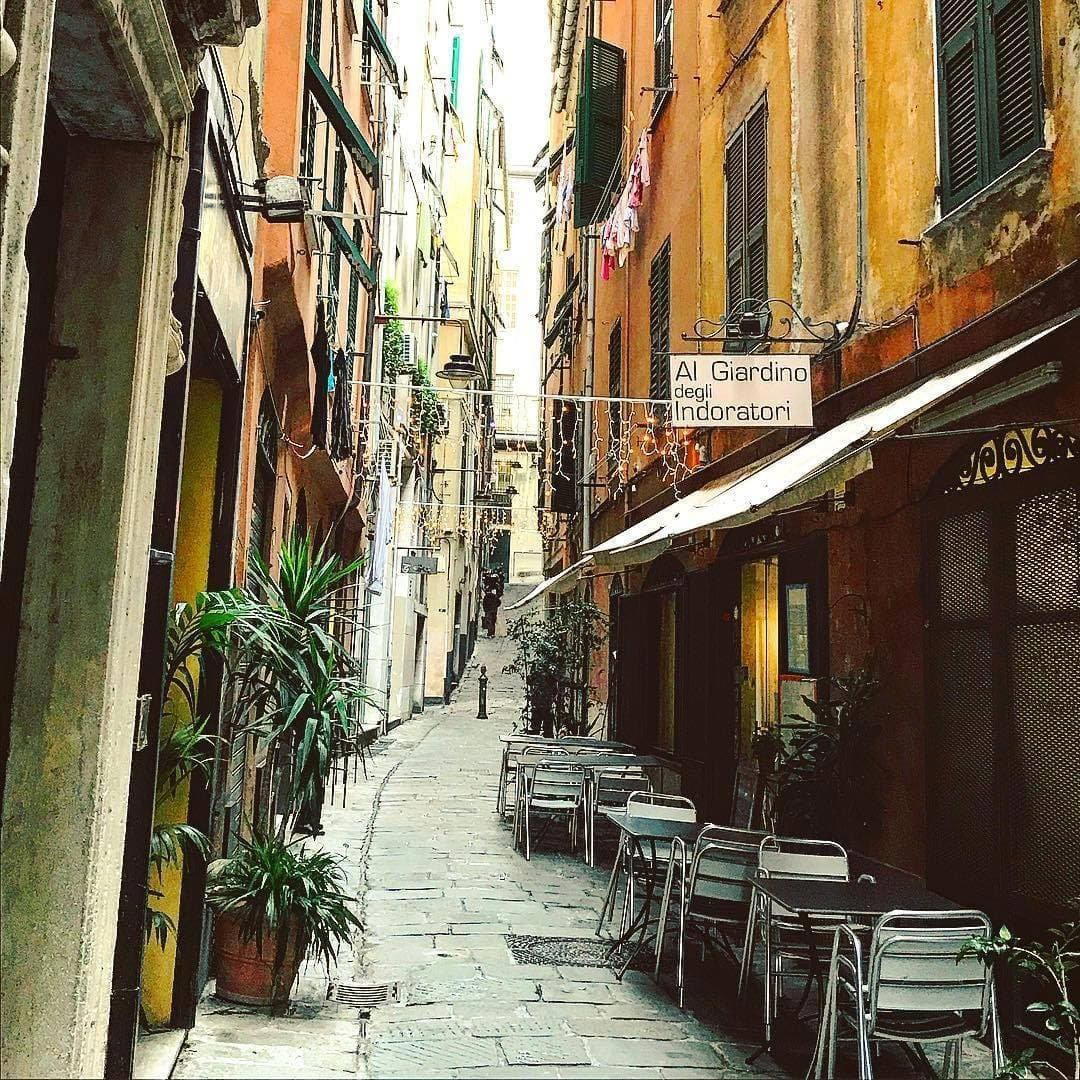
A Street That Predates the Menu
Vico degli Indoratori, the alley of the gilders, takes its name from the craftsmen who once worked gold leaf into altarpieces and frames in Genoa's cathedral quarter. The street is narrow enough that two people passing each other requires a small negotiation, and the stone walls on either side carry the particular damp-cool smell of a city built vertically into a hillside. Al Giardino Degli Indoratori sits at number 47 on this alley, which places it inside one of Europe's largest intact medieval city centres, a UNESCO-listed grid of caruggi that many visitors walk through without stopping to eat. That oversight tends to benefit the restaurants that have planted themselves here: the foot traffic is local, the tourist pressure is lower than at harbour-facing addresses, and the rooms retain a character that purpose-built dining spaces in redeveloped port districts cannot replicate.
In Genoa's dining geography, this matters. The city has two distinct restaurant registers: the port-adjacent tier, represented by places like Il Marin, which occupies a modernist perch above the Porto Antico with a seafood menu priced at €€€, and the caruggi tier, where restaurants draw from a neighbourhood clientele and price accordingly. Al Giardino Degli Indoratori belongs to the second register, a positioning that shapes everything from the room's scale to the expectations a diner should carry through the door.
What the Address Tells You About the Menu
In Italian dining, address functions as a form of menu architecture. A restaurant in the centro storico of a port city like Genoa is almost certainly working with the same pantry that defined Ligurian cooking before tourism created a separate category of experience. That means pesto made with Ligurian basil and the local small-leaved variety that differs measurably from the broad-leaf basil used in much of Italy. It means trofie and trenette as the baseline pasta forms, farinata as a street-level constant, and a seafood selection that runs toward anchovies, stockfish, and the mixed fritto rather than the plated, presentation-forward interpretations you find at harbour restaurants.
This is not a criticism of either register. San Giorgio and The Cook, both operating at the modern end of Genoese cuisine and priced at €€€ and €€€€ respectively, are doing something categorically different: applying technique and editorial thinking to Ligurian ingredients. The caruggi restaurants, by contrast, tend to preserve a menu logic that has not changed much in decades, dishes ordered by the table rather than composed for the individual plate, portions calibrated for a multi-course progression that most Italian families still follow at Sunday lunch even if weekday visitors do not.
At Al Giardino Degli Indoratori, the menu's architecture is likely to follow this inherited structure: antipasti built around cured and preserved items, a pasta section that leans on the regional canon, a secondi that features whatever protein the kitchen trusts that day, and a short dessert list where semifreddo or pannacotta holds the position that something theatrical might occupy elsewhere. This is a menu designed to be eaten in sequence, not navigated by a diner looking for a single dish to anchor an otherwise flexible meal. The structure itself carries information: it tells you that the kitchen operates on tradition rather than trend, and that the meal is expected to take time.
Genoa's Trattoria Tier in Context
The trattoria format across northern Italy has come under pressure from two directions simultaneously: fine dining has absorbed its better ingredients and reframed them at higher price points, while fast-casual has absorbed its convenience appeal. What survives in the middle is a narrower category than it was thirty years ago, concentrated in neighbourhoods where property economics have not yet forced out the operators who built their businesses on local repeat custom rather than destination dining.
Genoa's centro storico is one of the places where that middle category is still intact. The city does not attract the volume of international food tourism that Florence or Milan receives, which means its neighbourhood restaurants have not been restructured for foreign visitors in the way that has happened elsewhere. 20Tre and Antico Forno Patrone sit at different points on the spectrum of how Genoese operators have responded to a dining public that now includes more out-of-city visitors, but the baseline trattoria format persists in the deeper caruggi. Al Giardino Degli Indoratori, given its address and the street it occupies, appears to sit within that baseline rather than depart from it.
For context on how Italian restaurants at different points on the ambition spectrum approach their menus, it helps to see what the formal end of the country's dining scene looks like. Osteria Francescana in Modena and Piazza Duomo in Alba both use regional ingredient logic as a departure point for menus that have absorbed decades of technique. Dal Pescatore in Runate and Uliassi in Senigallia represent the kind of family-rooted restaurants that have moved between registers over time. The distance between those destinations and a caruggi trattoria in Genoa is instructive: it shows what Italian cooking looks like when resources, ambition, and recognition compound over decades. Neither end of the spectrum is wrong. They are different arguments about what a meal is for.
Planning a Visit
The restaurant is a Traditional Ligurian Trattoria in Genoa at Vico degli Indoratori 47, 16123 Genova. The address sits within the centro storico, which is best reached on foot from the Genova Brignole or Genova Piazza Principe railway stations, both of which connect to the area by a short walk or taxi. Reservations are recommended. Arriving with a reservation is the practical approach.
For a broader map of where the restaurant sits within Genoa's dining options, the full Genoa restaurants guide covers the city's range from the port-facing addresses to the neighbourhood trattorias of the caruggi. Readers interested in the wider Italian scene will find further context at Reale in Castel di Sangro, Quattro Passi in Marina del Cantone, Le Calandre in Rubano, Enoteca Pinchiorri in Florence, Enrico Bartolini in Milan, and Atelier Moessmer Norbert Niederkofler in Brunico. For international comparison points on how a neighbourhood-anchored dining format translates in other cities, Lazy Bear in San Francisco and Le Bernardin in New York City offer contrasting models of what it means to build a restaurant around a clear, consistent identity.
Recognition Snapshot
Comparable venues nearby, for context on price, style, and recognition.
| Venue | Cuisine | Price | Notes |
|---|---|---|---|
| Al Giardino Degli IndoratoriThis venue — the venue you are viewing | Traditional Ligurian Trattoria | $$ | Not listed |
| Vico Tana, 4 | Ligurian Italian Osteria | $$ | historic center |
| Vico di Campetto | Traditional Ligurian Trattoria | $$ | centro storico |
| La Buca di San Matteo | Traditional Ligurian Seafood | $$ | Sottoripa |
| Caffè degli Specchi | Italian Ligurian Café | $$ | Centro Storico |
| Edificio Millo | Modern Italian Seafood | $$$ | Porto Antico |
Continue exploring
More in Genoa
Restaurants in Genoa
Browse all →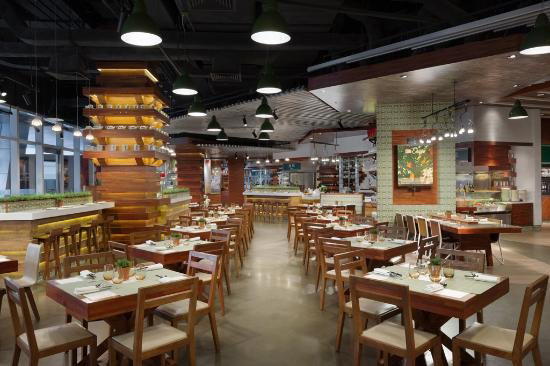
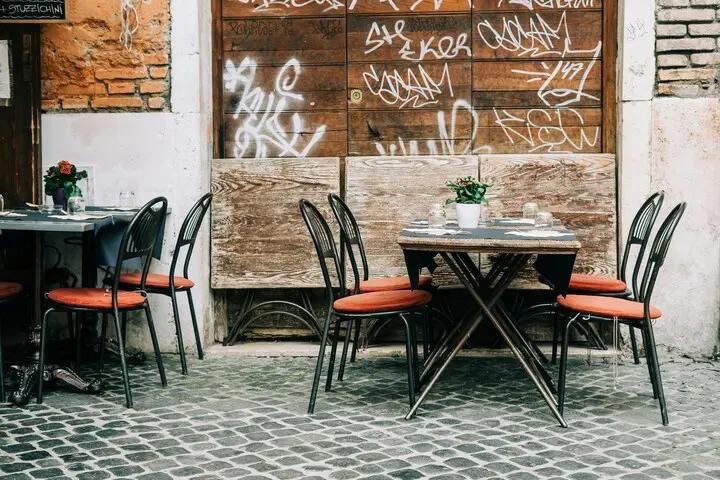
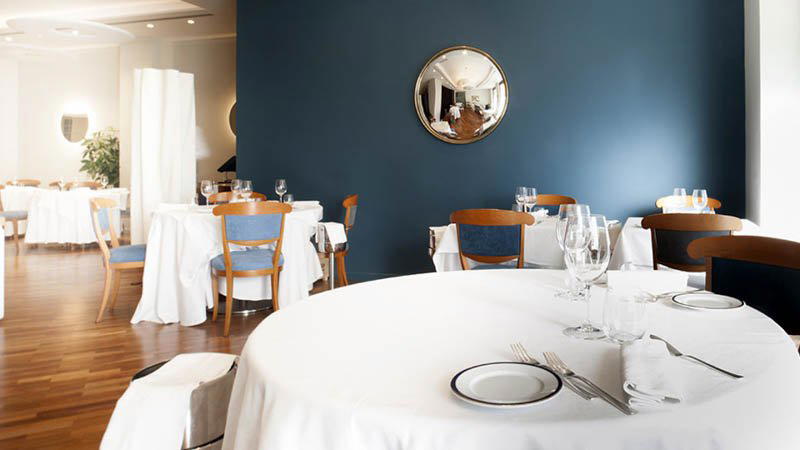
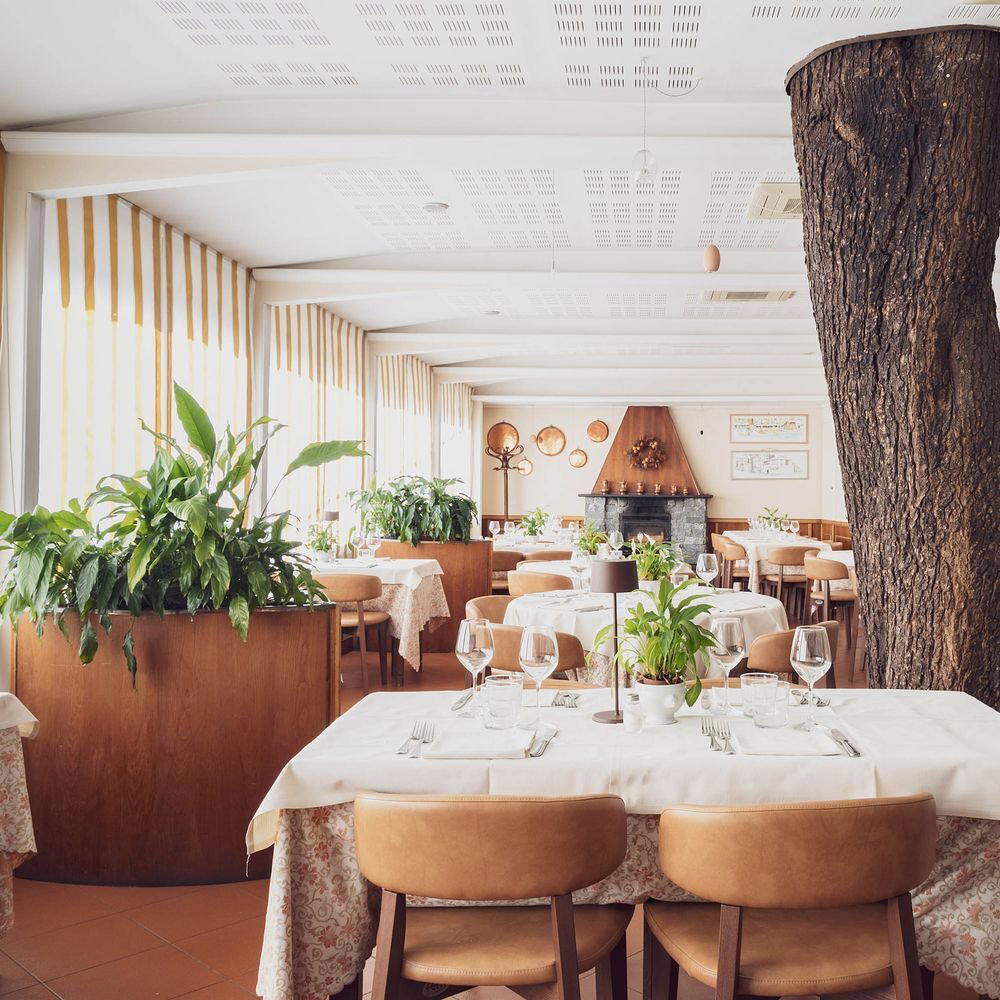
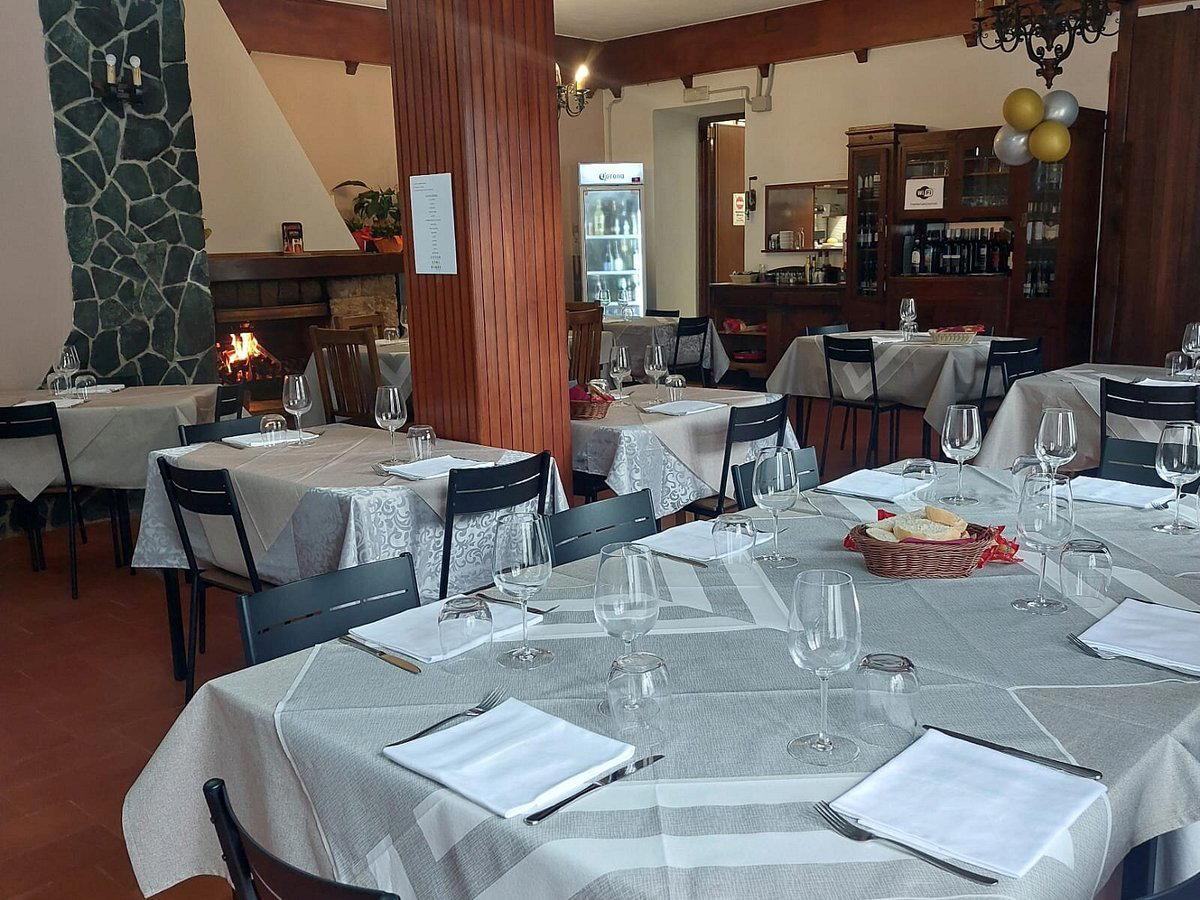
Bars in Genoa
Browse all →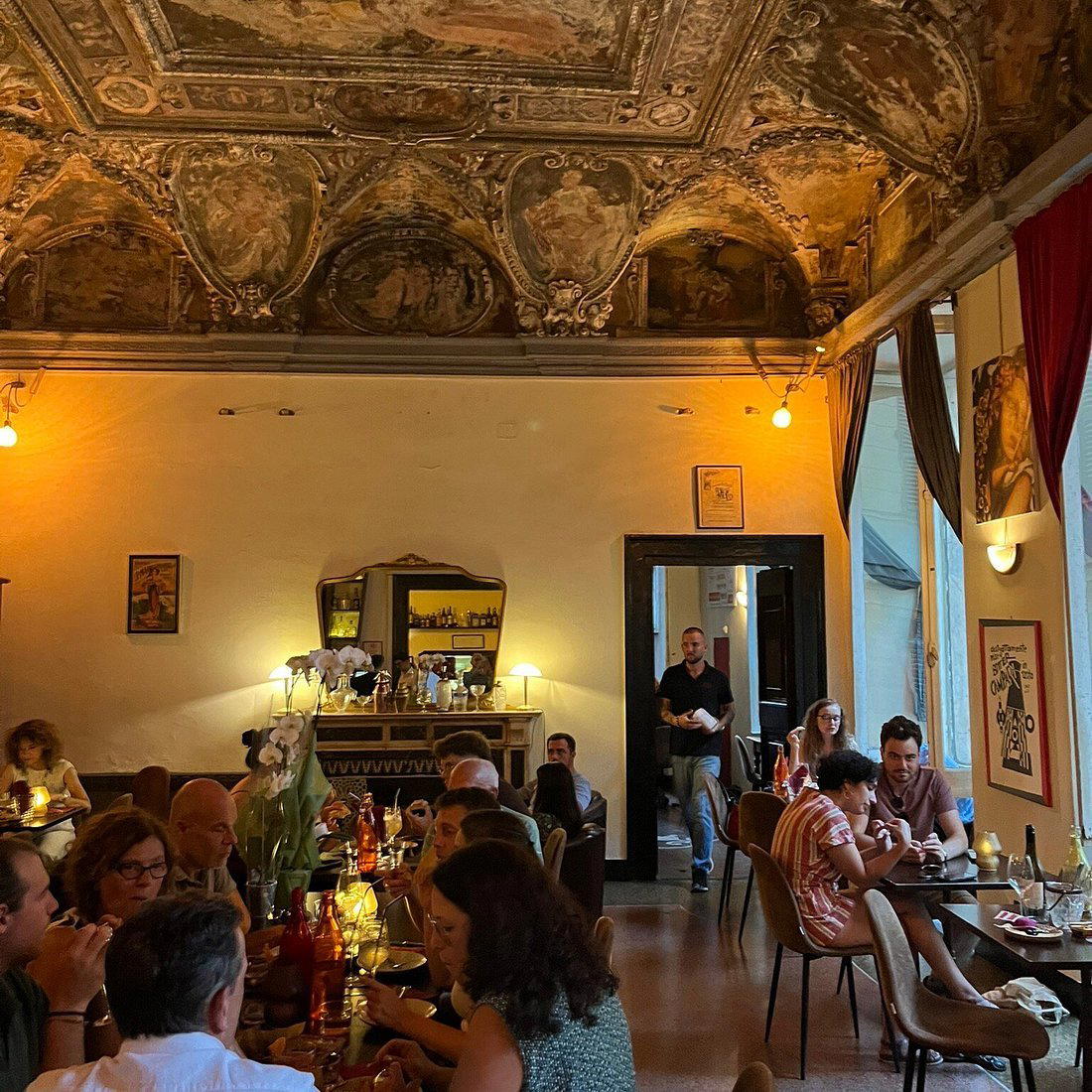
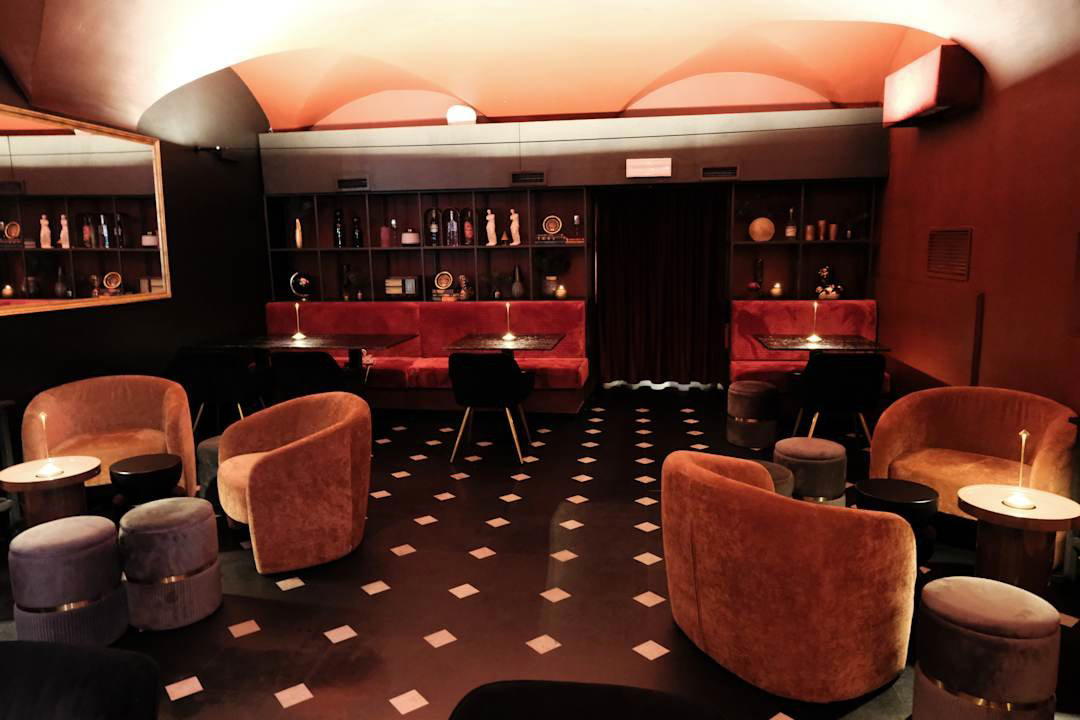
Hotels in Genoa
Browse all →

At a Glance
- Cozy
- Classic
- Rustic
- Intimate
- Date Night
- Family
- Casual Hangout
- Group Dining
- Standalone
- Beer Program
- Local Sourcing
Current opening hours
- Monday
- 12–3 PM, 7–11 PM
- Tuesday
- 12–3 PM, 7–11 PM
- Wednesday
- 12–3 PM, 7–11 PM
- Thursday
- 12–3 PM, 7–11 PM
- Friday
- 12–3 PM, 7–11 PM
- Saturday
- 12–3 PM, 7–11 PM
- Sunday
- Closed
Hours can change for holidays and private events. Last verified .
Simple, well-maintained interior with warm lighting and a welcoming atmosphere; described as typical Genovese with careful attention to detail and cleanliness.