Douce Pâtisserie Café occupies a ground-floor address on Piazza Giacomo Matteotti in central Genoa, operating in a city where the café counter tradition runs deep and pastry culture sits closer to French-influenced northern Italian habits than to the cornetto-and-espresso south. The address places it within walking distance of the historic centre's main institutional buildings, making it a natural stop for both residents and visitors moving through the civic core.
Pearl is the En Primeur Club membership app — saves, bookings, and concierge access live there. Same editors, same standards.
- Address
- Piazza Giacomo Matteotti, 84R, 16123 Genova GE, Italy
- Phone
- +39 010 553 7166
- Website
- douce.it
- Directions
- Get directions
 Saves & bookings on Pearl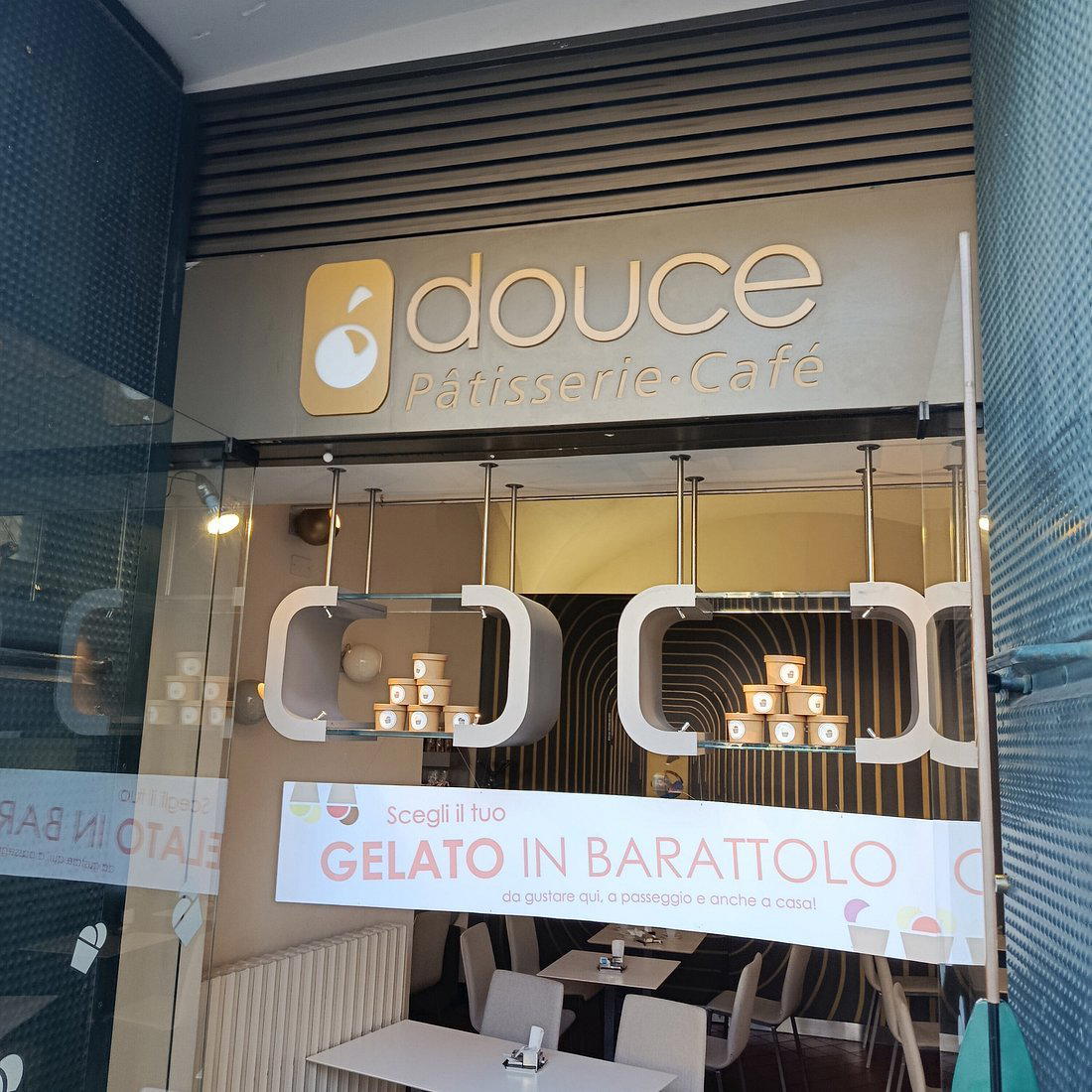
Piazza Matteotti and the Café Geography of Central Genoa
Piazza Giacomo Matteotti anchors the administrative and commercial centre of Genoa in a way that few Italian civic squares manage without also becoming tourist thoroughfares. The square sits between the historic centre's medieval fabric and the more open, post-unification grid, which means the foot traffic here tends to be mixed in a productive way: office workers, shoppers, students from the university quarter, and visitors moving between the waterfront and the Palazzo Ducale. A café or pâtisserie at this address is not operating in a neighbourhood backwater, it is positioned at one of the city's genuine crossroads, where the daily rhythms of Genoese life are most legible.
Genoa's café culture is often underestimated by visitors who arrive expecting either the austere espresso bars of Naples or the elaborate aperitivo spreads of Milan. The city has its own register: quieter, more functional, shaped by a merchant class that historically valued substance over spectacle. The local focaccia al formaggio tradition, the farinata sold from dedicated shops, and the habit of eating standing at the counter rather than lingering at a table all point to a food culture that prizes precision and economy of gesture. A venue with a French-inflected pâtisserie name operating in this context is making a quiet statement about positioning, it belongs to a newer wave of Genoese café operations that draw on northern European and French pastry techniques without abandoning the espresso-counter format that defines Italian café life.
The Pâtisserie Register in a Ligurian Context
Liguria's pastry tradition sits in an interesting middle ground. The region shares a long coastline and cultural history with Provence, and its confectionery leans toward subtlety: candied fruits, honey-based preparations, and the famous pandolce genovese, a dense, fruit-studded cake that predates many of the butter-rich patisseries of northern France. Venues that identify themselves as pâtisseries in Genoa are generally signalling a departure from this local canon toward a more technically demanding French or Franco-Italian approach, where laminated doughs, precise cream-to-pastry ratios, and visual presentation carry the weight of the offer.
This framing matters because the pairing of pastry with coffee is one of the more demanding calibration exercises in café operation. A croissant or cornetto sfogliato made with properly laminated dough changes what a well-pulled espresso can do alongside it: the butter fat softens the coffee's acidity, the contrast of temperature and texture creates a brief window of coherence between cup and plate that a mediocre pastry simply cannot achieve. The pâtisserie format, when executed with this kind of attentiveness, transforms what would otherwise be a transactional coffee stop into something closer to a considered pairing, the same logic that governs wine service in a serious restaurant, applied to the counter format.
For visitors arriving from other Italian cities where this pairing culture is more established, it is worth noting how Genoa's café offer compares. Caffè degli Specchi represents the historic bar tradition in the city, while newer addresses like Glo Glo Bistrot and Les Rouges Cucina & Cocktails are working in a different register altogether, evening-focused, cocktail-led, with food as a genuine programme element rather than an afterthought. Douce operates in a separate tier from both of these: daytime-anchored, pastry-centred, and calibrated for the kind of thoughtful mid-morning or mid-afternoon pause that Genoese professional life actually accommodates.
Food and Drink Coherence at the Counter
The editorial angle on any serious pâtisserie café is whether the food and drink programmes are in genuine dialogue or simply co-located. In too many venues, the espresso machine and the pastry case exist in parallel rather than in conversation, the barista and the pastry team operate independently, and the customer is left to construct their own pairing logic without guidance. The French pâtisserie tradition, at its most coherent, treats the café counter as a single composition: the weight, sweetness, and fat content of each pastry should inform which coffee preparation is placed alongside it, and the café's overall offer should have enough range on both sides to allow that conversation to happen across different times of day.
At Piazza Matteotti 84R, the address itself is part of the pairing logic. A square of this civic weight draws customers at genuinely different moments, the early-morning espresso-and-pastry crowd, the mid-morning meeting between two professionals who want something better than a bar, the early-afternoon pause before a return to the office. Each of these moments calls for a slightly different calibration of sweetness and caffeine, and a venue that can serve all three well is doing something technically more complex than it appears from the outside.
For comparison, the cocktail-and-food pairing programmes at leading Italian bar venues in other cities operate from a more elaborate drinks infrastructure, with house-made syrups, bitters, and spirits programmes that give the food pairing a wider canvas. The café-pâtisserie format is working with a narrower range of variables, which makes precision more important rather than less. Al Covino in Venice and Gucci Giardino in Florence each demonstrate how a tightly edited food-and-drink offer, when executed with real attention to pairing logic, outperforms a broader menu that lacks internal coherence.
Planning a Visit: Practical Notes
Douce Pâtisserie Café is at Piazza Giacomo Matteotti 84R, in the civic centre of Genoa, accessible on foot from the Palazzo Ducale and a short walk from the main shopping streets around Via XX Settembre. The address is ground-floor on the piazza, which makes it easy to locate without navigating the narrower caruggi of the old city. For visitors also exploring Genoa's bar and aperitivo scene, Bagni Santa Chiara offers a useful point of contrast later in the day.
For travellers moving across Italy's café tier, the comparison points extend beyond the peninsula. Lost & Found in Nicosia and Bar Leather Apron in Honolulu each show how the café-counter format translates into different cultural contexts, where the food-and-drink pairing logic has to be rebuilt almost from first principles. Genoa's version of that logic is quieter and more embedded in daily habit, which is part of what makes a venue like Douce worth understanding on its own terms before placing it in a wider international frame.
Similar Picks
Comparable venues nearby, for context on price, style, and recognition.
| Venue | Cuisine | Price | Notes |
|---|---|---|---|
| Douce Pâtisserie CaféThis venue — the venue you are viewing | Bar | $$ | Not listed |
| Pasticceria Liquoreria Marescotti | Bar | $$ | medieval quarter |
| Glo Glo Bistrot | wine_bar | $$ | Piazza Lavagna |
| Les Rouges Cucina & Cocktails | cocktail_bar | $$$ | Sottoripa |
| Muá | cocktail_bar | $$ | near Piazza Ferrari |
| Pasticceria Tagliafico | Bar | $$ | near Mercato Orientale |
Continue exploring
More in Genoa
Bars in Genoa
Browse all →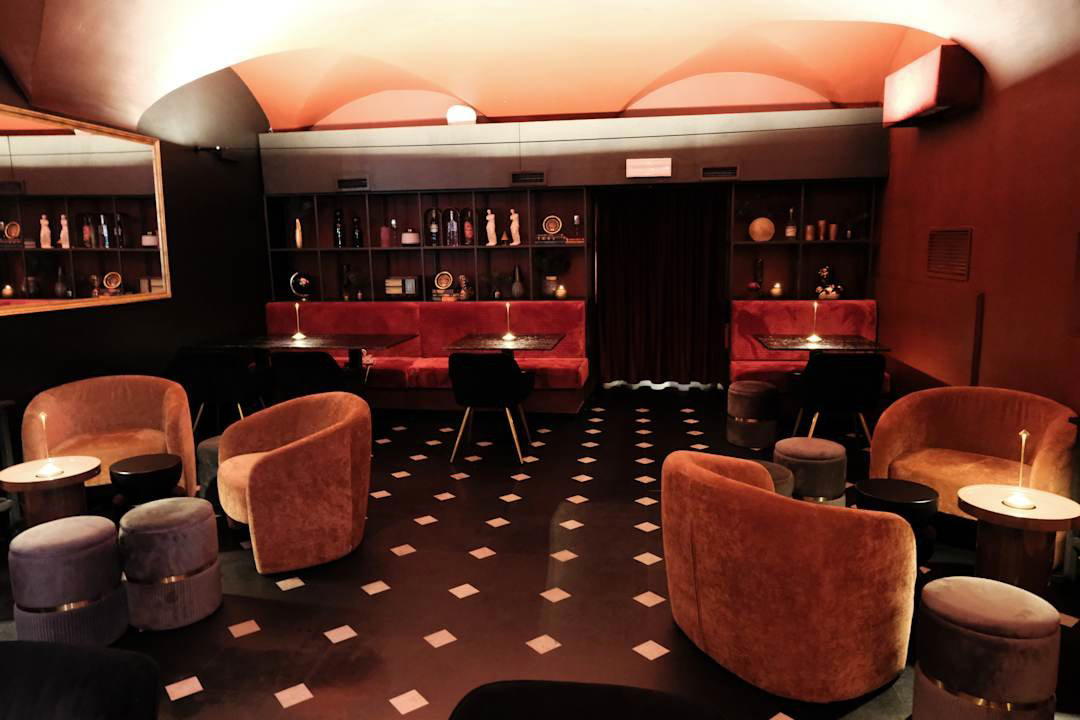
Restaurants in Genoa
Browse all →
Hotels in Genoa
Browse all →

At a Glance
- Cozy
- Elegant
- Classic
- Casual Hangout
- Historic Building
- Lounge Seating
- Outdoor Terrace
- Street Scene
Current opening hours
- Monday
- 7:30 AM–9:30 PM
- Tuesday
- 7:30 AM–9:30 PM
- Wednesday
- 7:30 AM–9:30 PM
- Thursday
- 7:30 AM–9:30 PM
- Friday
- 7:30 AM–9:30 PM
- Saturday
- 7:30 AM–9:30 PM
- Sunday
- 7:30 AM–9:30 PM
Hours can change for holidays and private events. Last verified .
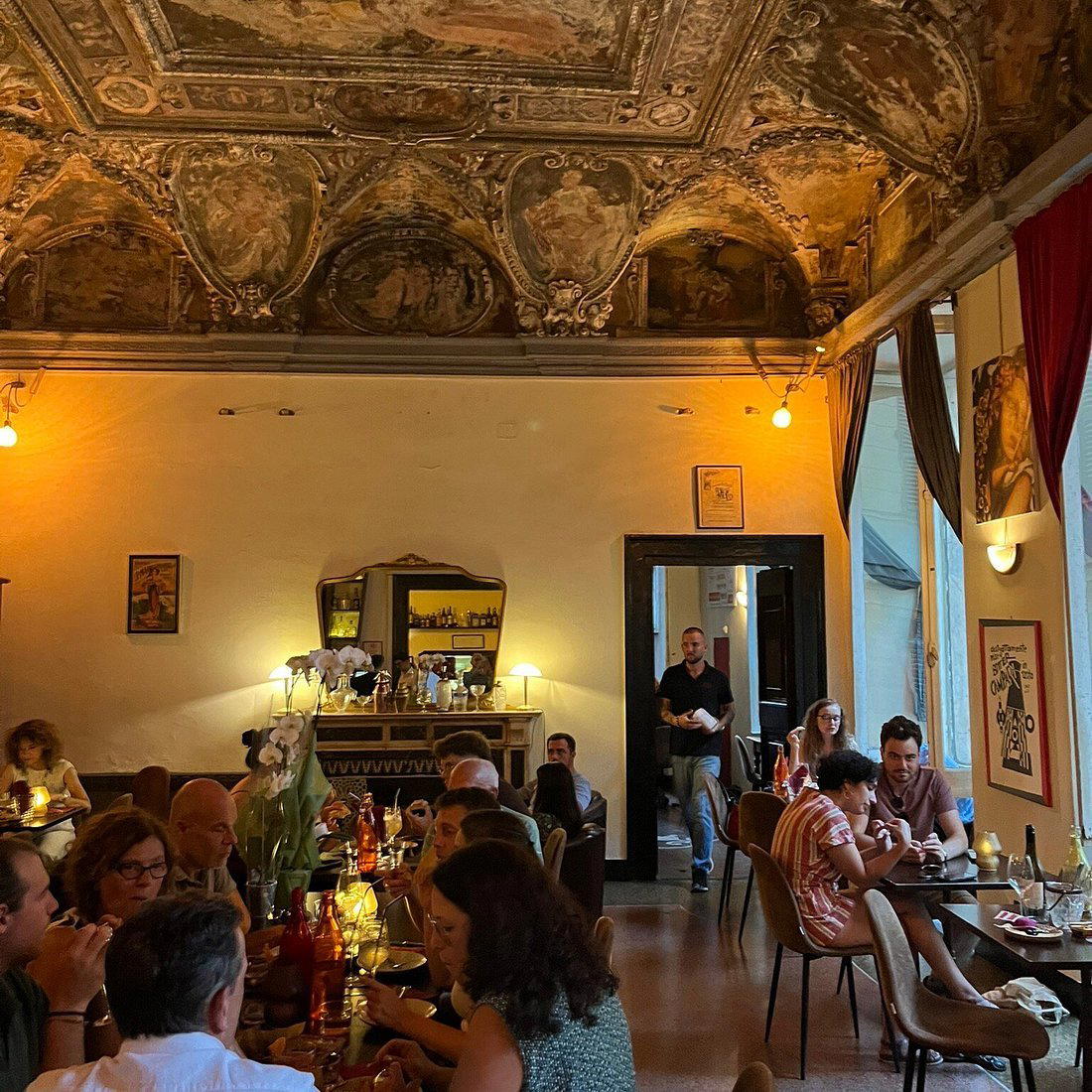
Cozy café with tiny little tables and modern sitting area in a central historic square.