Our verdict
The name signals the positioning: rustic in sensibility, but rooted in an urban context where that word carries deliberate meaning. For visitors seeking a counterpoint to Munich's formal fine-dining tier, this address warrants attention.

Pearl is the En Primeur Club membership app, where members save venues, book tables and use the concierge.

The menu
What to order
- Pizza
- Caprese Salad
- Lava Grill Specialties
- Risotto
In German-speaking cities, the word rustico carries a specific cultural charge. It signals a rejection of the formal, the tableclothed, the multi-course tasting progression that defines places like Tantris or Atelier at the top of Munich's dining hierarchy. It gestures instead toward the alpine and agrarian: wood, stone, produce with provenance, cooking that references farmhouse or trattoria traditions.
The Cultural Architecture of Rustic Dining in Bavaria
Bavaria's food culture has always operated on two registers simultaneously. The formal, ceremonial version, the kind preserved in white-tablecloth establishments and four-star hotel dining rooms, coexists with an older, more material tradition of hearty, produce-led cooking rooted in the alpine foothills, the lakes, and the farming communities that ring the city. That older tradition draws on rye bread, freshwater fish, cured meats, root vegetables, and dairy in a way that has more in common with northern Italian mountain cooking than with French classical cuisine.
This is the cultural lineage that rustic-positioned venues in Munich are implicitly claiming. The most credible examples in the city are those that connect to actual supply chains: farms in the Allgäu, fisheries on the Chiemsee, dairies in the Bavarian Alps. The less credible ones deploy the aesthetic without the sourcing rigour, using reclaimed timber and exposed stone to signal authenticity that the menu doesn't quite sustain.enprimeurclub.com/restaurants/jan-munich-restaurant">JAN and Tohru in der Schreiberei, has grown adept at reading the difference. Restaurants like ES:SENZ in Grassau and Schwarzwaldstube in Baiersbronn have demonstrated that regional, produce-anchored cooking can carry serious critical weight alongside tasting-menu formats. The conversation around what German cuisine actually is, distinct from French technique applied to German ingredients, has been running for over a decade, and rustic-positioned venues in Munich are participating in that conversation whether they intend to or not.
Munich's Mid-Market and the Space Between Tradition and Ambition
The segment of Munich's restaurant market that vi vadi RUSTICO occupies sits beneath the city's Michelin-starred tier, which includes Alois at Dallmayr and others operating at the €€€€ price point, but above the mass-market beer hall and tourist-facing Bavarian restaurant category. This middle tier is where Munich's most interesting dining decisions get made, and where the competition is sharpest.
For context, the broader German fine-dining scene extends well beyond Munich. Aqua in Wolfsburg, Vendôme in Bergisch Gladbach, and Victor's Fine Dining by Christian Bau in Perl represent the upper tier of the national dining conversation, while Waldhotel Sonnora in Dreis and Schanz in Piesport hold strong regional positions.
What the rustic positioning offers in this context is a differentiated value proposition: a reason to choose this address over both the beer hall experience and the formal tasting counter. The question for any venue in this tier is whether the physical environment, the sourcing logic, and the cooking register are coherent enough to make that case on its own terms, without requiring a Michelin citation or a celebrity chef biography to do the work.
The vi vadi Address and What the Location Implies
The vi vadi name itself signals a connection to a hospitality group with properties in Munich and elsewhere in the German-speaking world. The Rustico variant suggests a food-and-drink identity that is distinct from standard hotel dining, positioned as a standalone proposition rather than an amenity for guests. This kind of differentiation, where a hotel-adjacent or hotel-integrated restaurant actively courts non-resident diners, has become more common across European cities as hotel groups recognise that credible restaurant operations require genuine market engagement, not captive audiences. For visitors staying in other parts of Munich, the address is accessible without requiring advance planning around transport. Those exploring the broader German dining scene alongside a Munich visit might also consider the international reference points that Munich's food culture increasingly acknowledges: venues like Le Bernardin in New York and Atomix in New York represent the kind of precision-led cooking that has informed how European chefs at every price point think about produce and technique. Closer to home, Restaurant Haerlin in Hamburg and CODA Dessert Dining in Berlin demonstrate how German cities beyond Munich are building compelling dining identities of their own.
For a complete picture of where vi vadi RUSTICO sits within Munich's broader restaurant ecosystem, the EP Club Munich restaurants guide maps the city's dining tiers from Michelin-starred counters to neighbourhood addresses worth knowing. And for regional context on the German dining scene, Bagatelle in Trier offers a useful comparison point for how rustic and regional positioning plays out in other German cities. Those visiting Munich and building a broader dining itinerary would do well to cross-reference the venue against the city's wider offer before committing to a booking.
Frequently asked questions
What should I eat at vi vadi RUSTICO?
The venue's name points toward a rustic, produce-led register rather than a formal tasting-menu format. Bavarian rustic cooking at its most grounded draws on alpine dairy, freshwater fish, cured meats, and seasonal vegetables from the region's farming communities.
What is the ideal way to book vi vadi RUSTICO?
Given the venue's connection to the vi vadi hotel group and its central Munich address near the Hauptbahnhof, contacting the property directly or checking through the group's hospitality channels is the recommended approach. For Munich's most sought-after dining rooms at the €€€€ tier, such as those listed in our full Munich guide, advance booking of several weeks is standard practice.
What do critics highlight about vi vadi RUSTICO?
Rustic-positioned mid-market restaurants tend to receive neighbourhood-level recognition rather than national critical coverage, which does not diminish their value to visitors seeking a different register of experience.
How does vi vadi RUSTICO fit into Munich's hotel dining scene?
The vi vadi brand operates across multiple German cities, and the Rustico format represents the group's attempt to build a restaurant identity that appeals to non-resident diners as well as hotel guests. In Munich, where hotel dining rooms have historically struggled to compete with the city's independent restaurant sector, this kind of outward-facing positioning is a meaningful distinction.
Nearby-ish Comparables
Comparable venues nearby, for context on price, style, and recognition.
| Venue | Cuisine | Price | Notes |
|---|---|---|---|
| vi vadi RUSTICOThis venue (the venue you are viewing) | Classic Italian with Wood-Fired Pizza | $20–30 | Not listed |
| Vino e Gusto | Modern Italian Enoteca | $30–50 | Lehel |
| Kinky Slice | New York Style Pizza | $10–20 | Isarvorstadt |
| CROSS im Englischen Garten | Italian | Not listed | Freimann |
| Donatelli | Italian Trattoria | $20–30 | Solln |
| De Vivo's | Traditional Italian with Fresh Seafood | $30–50 | Thalkirchen |
Continue exploring
More in Munich
Restaurants in Munich
All restaurants in Munich →
Bars in Munich
All bars in Munich →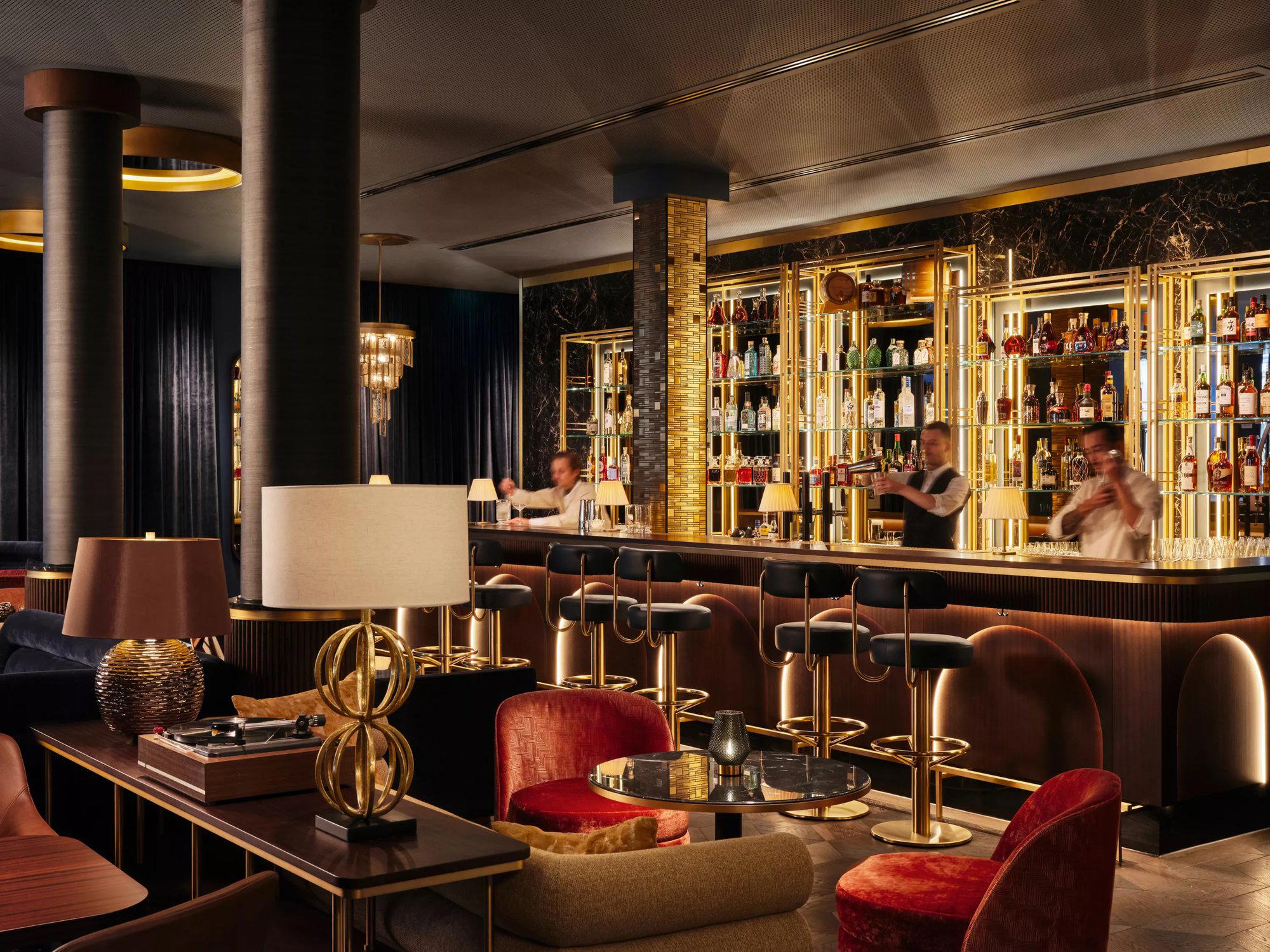
Details
- Rustic
- Cozy
- Casual
- Group Dining
- Family
- Casual Hangout
- Celebration
- Open Kitchen
- Standalone
- Historic Building
- Beer Program
- A La Carte
- Family Style
- Wine
- Beer
- Coffee
- Vegetarian Friendly
- Vegan Options
- Gluten Free Options
Current opening hours
- Monday
- 11:30 AM–10:30 PM
- Tuesday
- 11:30 AM–10:30 PM
- Wednesday
- 11:30 AM–10:30 PM
- Thursday
- 11:30 AM–10:30 PM
- Friday
- 11:30 AM–10:30 PM
- Saturday
- 6–10:30 PM
- Sunday
- 6–10 PM
Hours can change for holidays and private events. Hours as of .
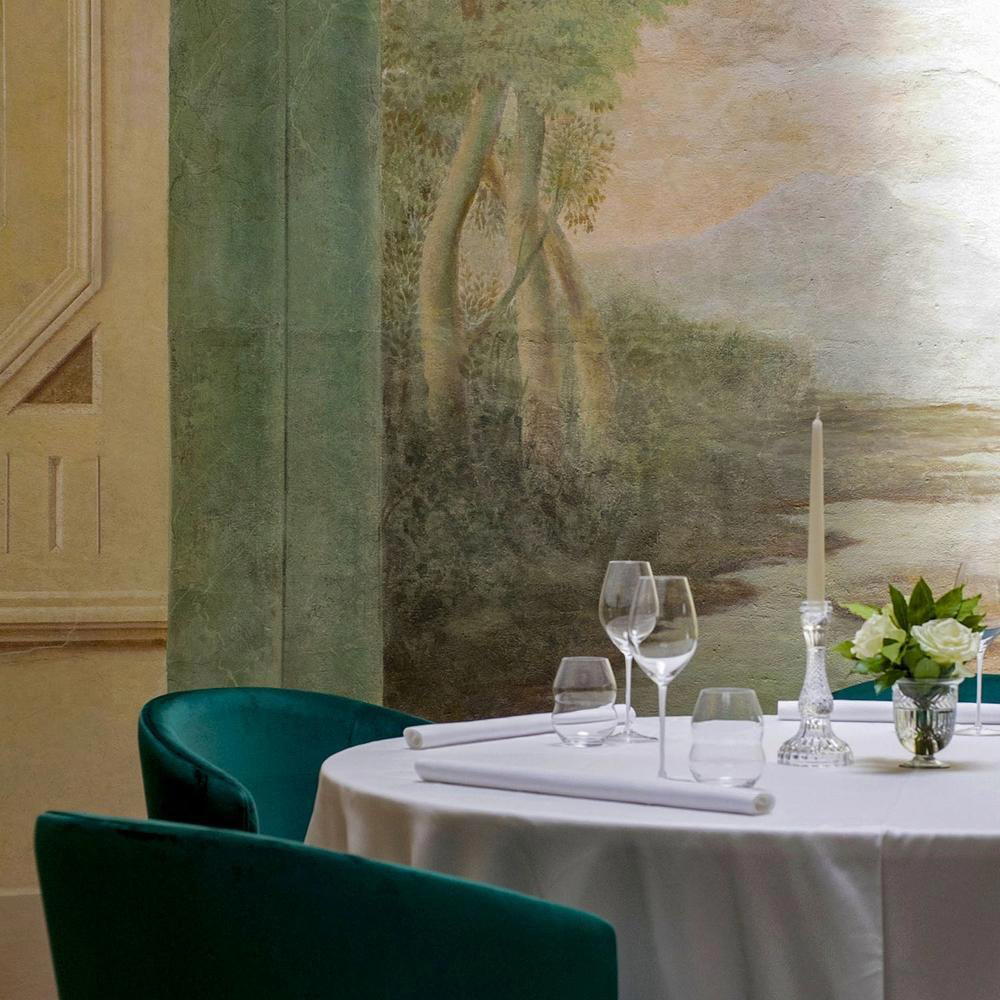
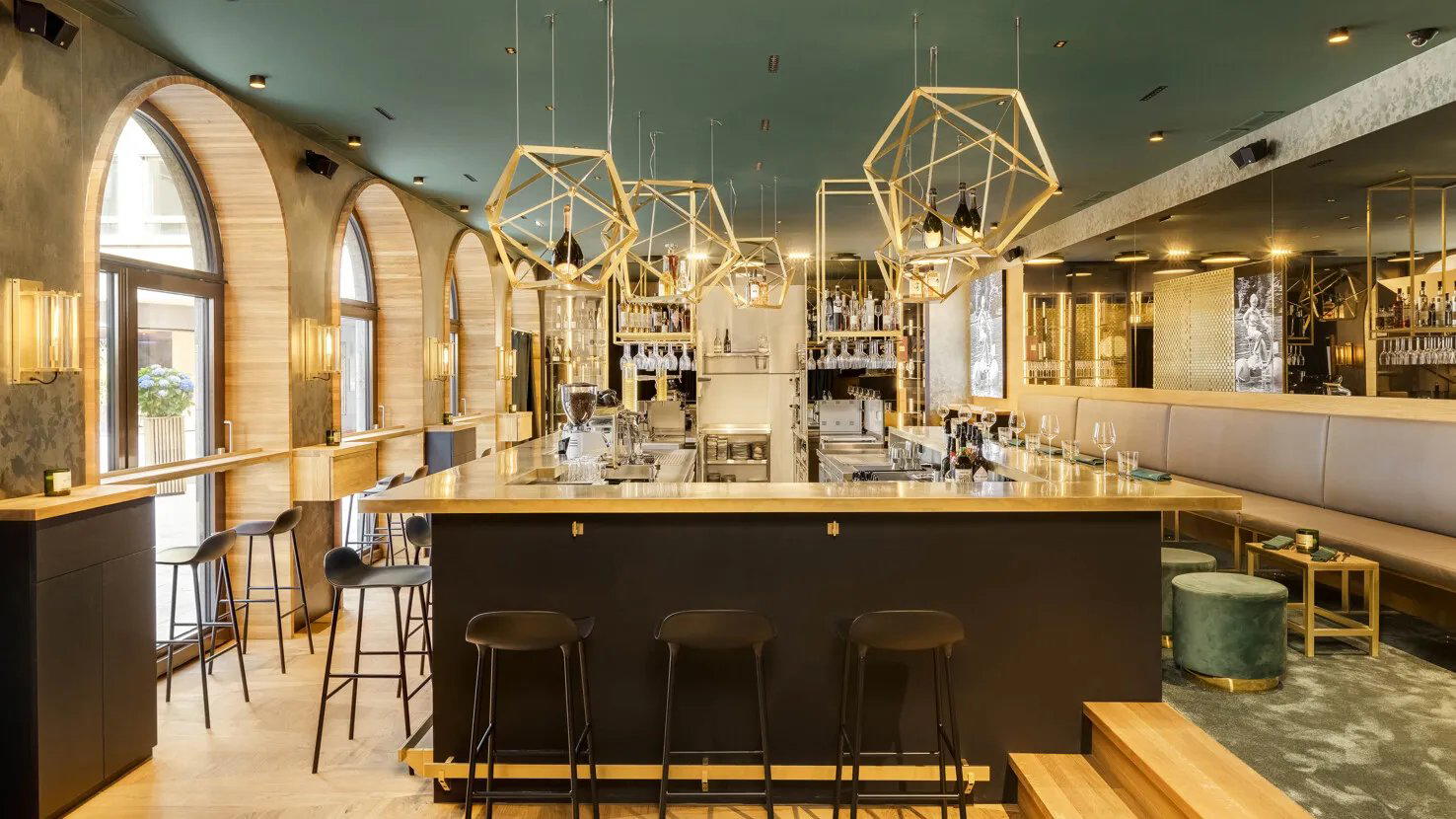
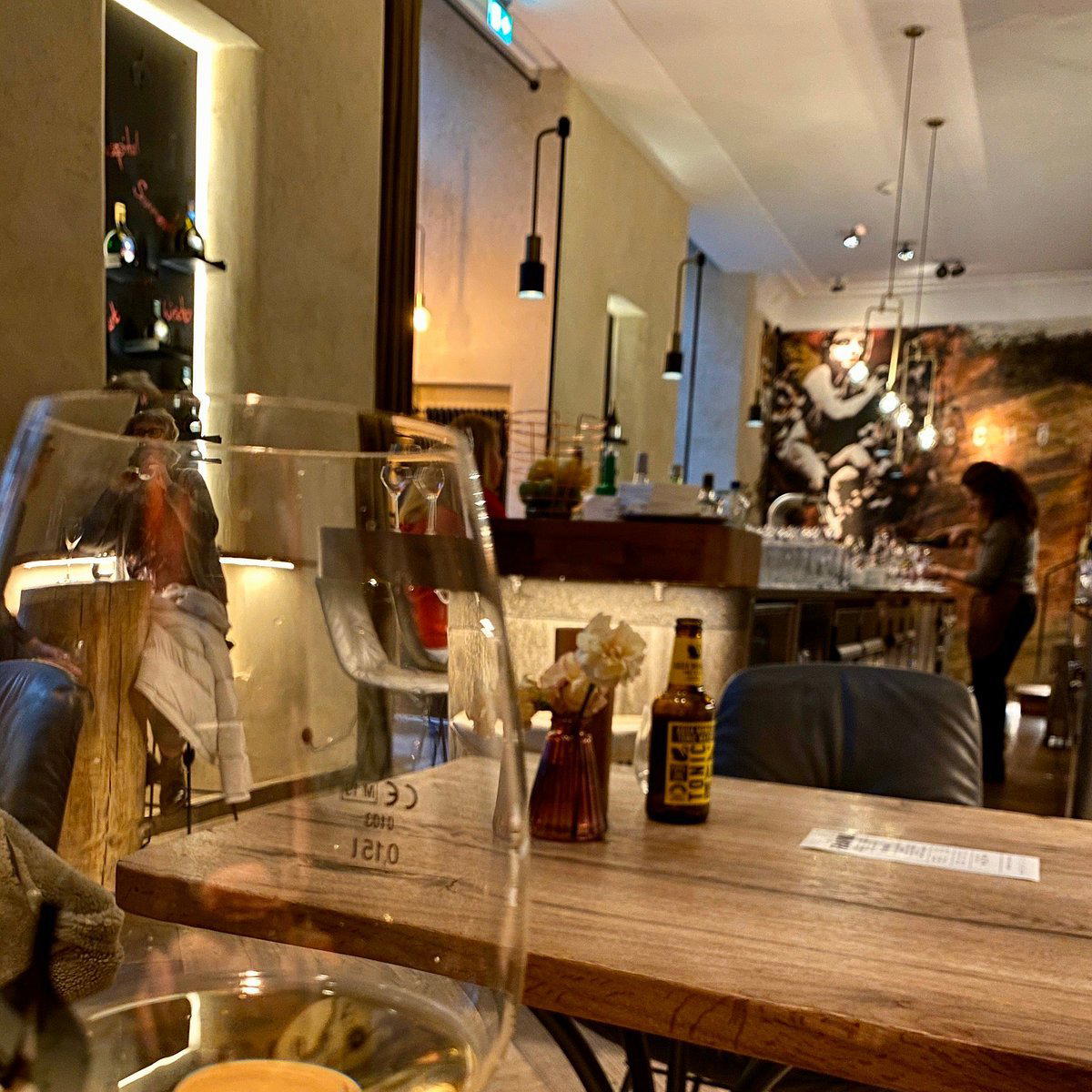
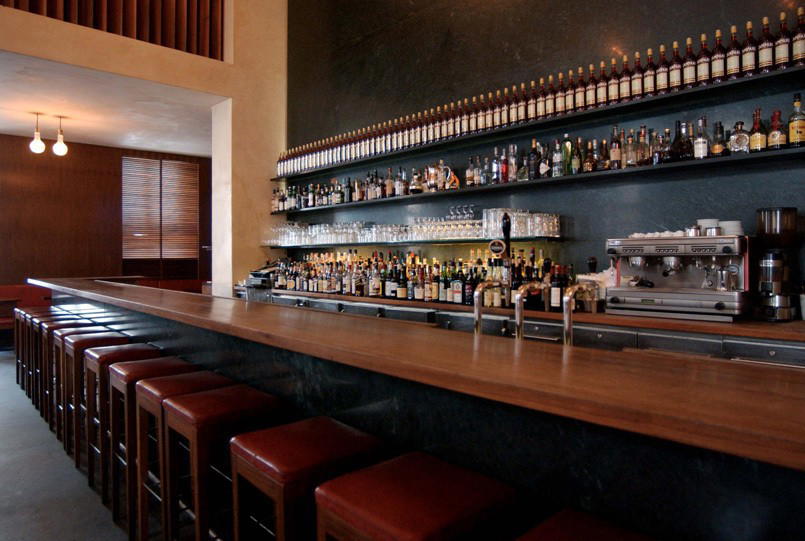
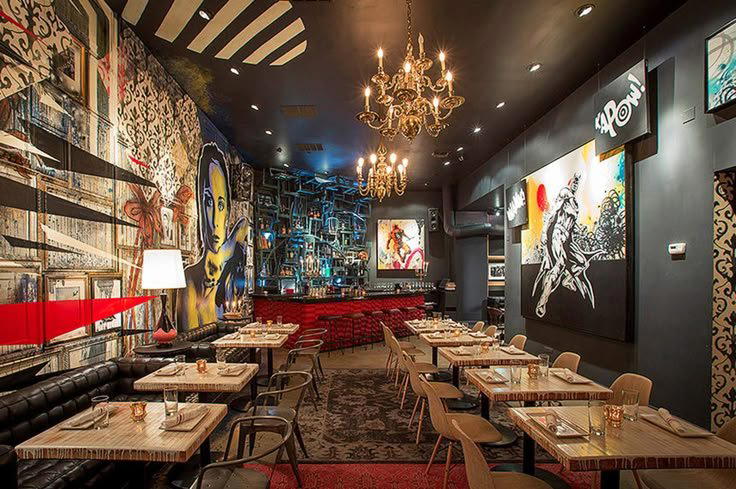
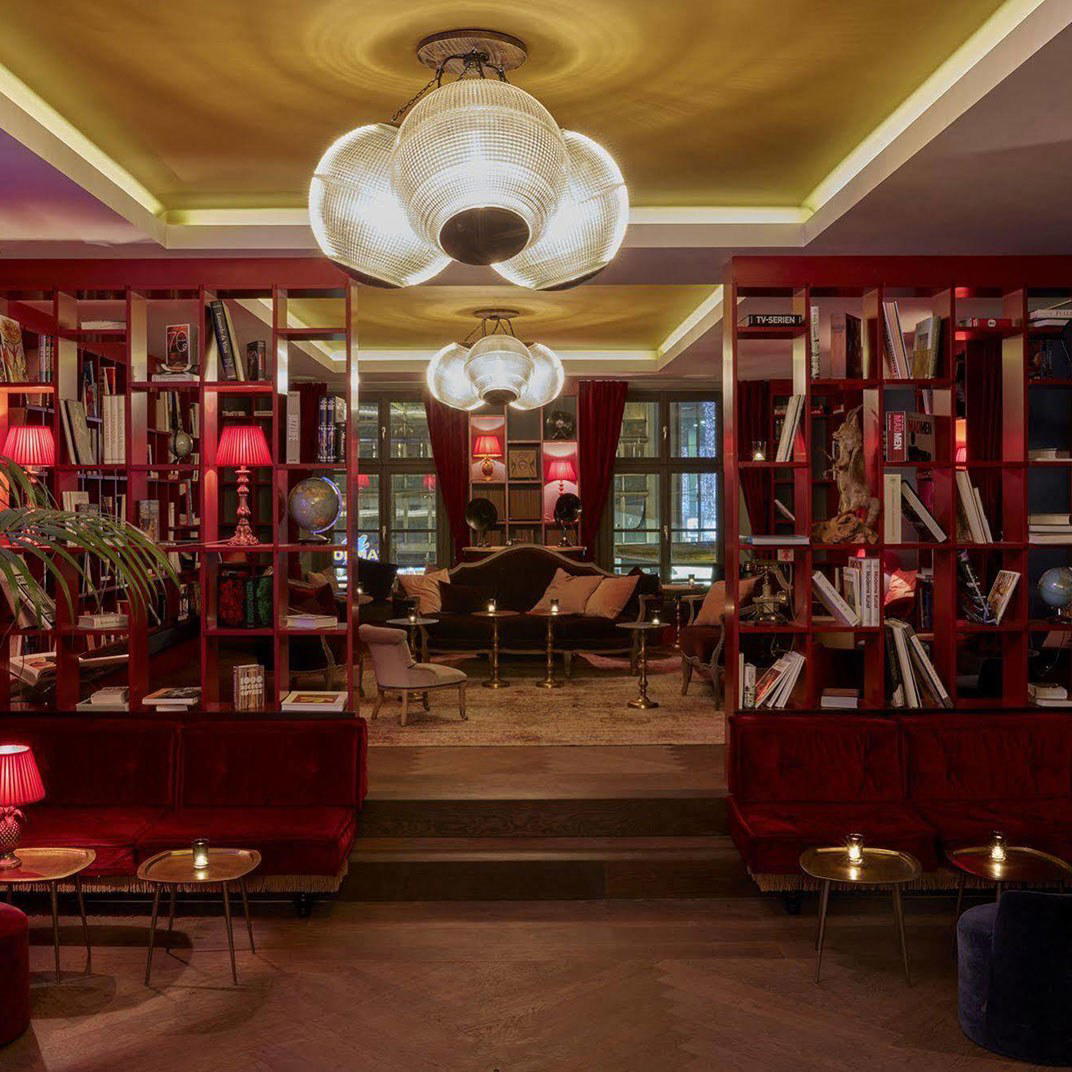
Warm and inviting rustic atmosphere with visible pizza oven and bar, candlelit dining options, family-friendly and comfortable casual setting.