On Herrnstraße in Munich's Altstadt-Lehel district, Vino e Gusto occupies a corner of the city where Italian wine culture and Bavarian dining habits have quietly coexisted for decades. The address places it within walking distance of Munich's most decorated fine-dining rooms, yet the format leans toward wine-led conviviality rather than tasting-menu formality. An address worth knowing for those who prefer the glass to drive the evening.
Pearl is the En Primeur Club membership app — saves, bookings, and concierge access live there. Same editors, same standards.
- Address
- Herrnstraße 52, 80539 München, Germany
- Phone
- +4989210288388
- Website
- vino-e-gusto.com
- Directions
- Get directions
 Saves & bookings on Pearl
Where the Ritual Is Poured, Not Plated
Munich's dining conversation tends to orbit tasting menus and set pacing, a city whose leading tables, from the Franco-Japanese precision of Tohru in der Schreiberei to the creative rigour of JAN, demand full commitment: multiple courses, set pacing, and the kitchen's sequencing as the evening's spine. Against that backdrop, Herrnstraße 52 operates on a different register. Vino e Gusto sits in Munich's Altstadt-Lehel district, a neighbourhood that contains some of Germany's most formally appointed restaurants while also sheltering quieter rooms where the wine list, rather than the amuse-bouche parade, sets the tone.
The address itself carries some editorial weight. Herrnstraße runs through one of Munich's most historically layered central quarters, close enough to the Isar embankments to feel anchored in the city's older civic fabric. Arriving in the early evening, particularly in the months between October and March when Munich's outdoor terraces close and the city turns inward, you find a dining culture that takes indoor ritual seriously. The question of where to sit, what to open first, and how long to stay becomes the evening's architecture.
The Italian Wine Format in a German City
Italy-focused wine venues occupy a specific niche in northern European cities. They are rarely the places that generate newspaper headlines or award citations, but they tend to outlast louder competitors precisely because their format is durable: a focused selection of Italian producers, food that serves the glass rather than demanding attention for its own sake, and a pacing that follows the bottle rather than the kitchen clock. Munich has sustained this format for years, partly because Bavarian dining culture already shares some of the same instincts, a respect for regional produce, an attachment to the table as social space rather than spectacle.
The broader German fine-dining circuit runs heavily toward French-influenced tasting formats. Venues like Tantris, Munich's Modern French institution, and destination restaurants elsewhere in the country such as Aqua in Wolfsburg, Schwarzwaldstube in Baiersbronn, and Vendôme in Bergisch Gladbach all operate in a French or French-adjacent idiom. The Italian-wine-bar format sits at a considered distance from that tradition, offering a meal structure where a second glass of Barolo or a Sicilian white can redirect the evening more decisively than any kitchen decision.
Pacing and the Logic of a Wine-Led Meal
Dining rituals organised around wine rather than courses follow a different internal logic. The meal tends to extend rather than progress, with dishes arriving in relation to what is open rather than what the kitchen has timed. This is the format's primary distinction from the tasting-menu rooms that have defined Munich's upper tier, including Alois at Dallmayr and Atelier, where the pacing is fixed and the diner's role is receptive.
In a wine-led format, the diner takes a more active role in sequencing the evening. The choice between a lighter northern Italian white and a structured Tuscan red shapes what follows on the plate. This is not a passive experience, but it demands a different kind of engagement: one built around conversation with whoever is pouring rather than deference to a set menu. For guests accustomed to the more directorial formats common at places like CODA Dessert Dining in Berlin or Restaurant Haerlin in Hamburg, the shift in agency can feel unfamiliar at first, and then preferable.
The seasonal dimension matters here. Autumn and winter in Munich bring a particular appetite for this kind of table: longer evenings, heavier pours, dishes that work with the weight of aged Italian reds. Summer changes the calculus somewhat, with lighter northern Italian whites and rosés becoming the more natural starting point. Visiting between November and February, when the Bavarian capital contracts around its indoor spaces, tends to produce evenings with a different texture than the terrace-and-garden months.
Munich's Italian Dining Position
Italian restaurants in Munich occupy a competitive band that sits between the city's starred fine-dining rooms and its more casual neighbourhood trattorie. The category includes venues focused on Italian-Mediterranean cooking, similar in orientation to Acquarello, which has maintained a consistent presence in Munich's higher-end Italian tier. Vino e Gusto at Herrnstraße 52 operates from a wine-first position, which places it in a smaller sub-category: venues where the cellar rather than the kitchen is the primary editorial statement.
That positioning has consequences for how you approach the evening. The right move is to open the wine conversation early, before the food order, and to let the list shape the meal rather than arriving with a fixed dish in mind. Across Germany's destination dining scene, from ES:SENZ in Grassau to Victor's Fine Dining in Perl and Waldhotel Sonnora in Dreis, the kitchen drives the experience. Here, that dynamic is reversed, or at least balanced differently. It is an approach with strong parallels to the Italian enoteca tradition, where the sommelier or proprietor functions as the primary host and the kitchen's role is to support rather than lead.
For a broader orientation to Munich's dining scene, including its starred rooms and neighbourhood-level eating, the EP Club Munich guide maps the full range. Those interested in comparable wine-led formats elsewhere might also look at Schanz in Piesport for a Moselle-focused wine-and-food model, or Bagatelle in Trier for a French counterpoint. International reference points for the high-commitment tasting format, such as Le Bernardin in New York or Atomix, sit at the opposite end of the formality spectrum and offer useful contrast.
Know Before You Go
| Address | Herrnstraße 52, 80539 München, Germany |
|---|---|
| District | Altstadt-Lehel, Munich |
| Phone | Not available |
| Website | Not available |
| Booking | |
| Leading Season | Autumn and winter evenings reward the indoor, wine-led format most fully |
| Price Range |
City Peers
Comparable venues nearby, for context on price, style, and recognition.
| Venue | Cuisine | Price | Notes |
|---|---|---|---|
| Vino e GustoThis venue — the venue you are viewing | Modern Italian Enoteca | $$ | Not listed |
| Osteria da Antonio | Traditional Regional Italian | $$ | Neuhausen |
| Pretty Pizza | Vegan Neapolitan Pizza | $$ | Schwabing |
| Pizzesco | Italian Pizza with Gluten-Free Options | $$ | Au |
| Dal Cavaliere | Authentic Italian Pizza and Pasta | $$ | Haidhausen |
| Partenopeo Caffe Bistrot | Neapolitan Pizza | $$ | Haidhausen |
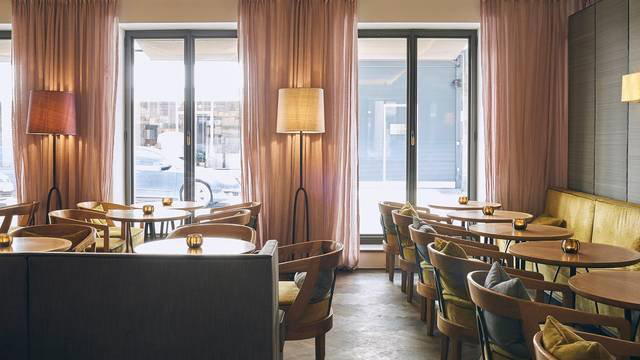
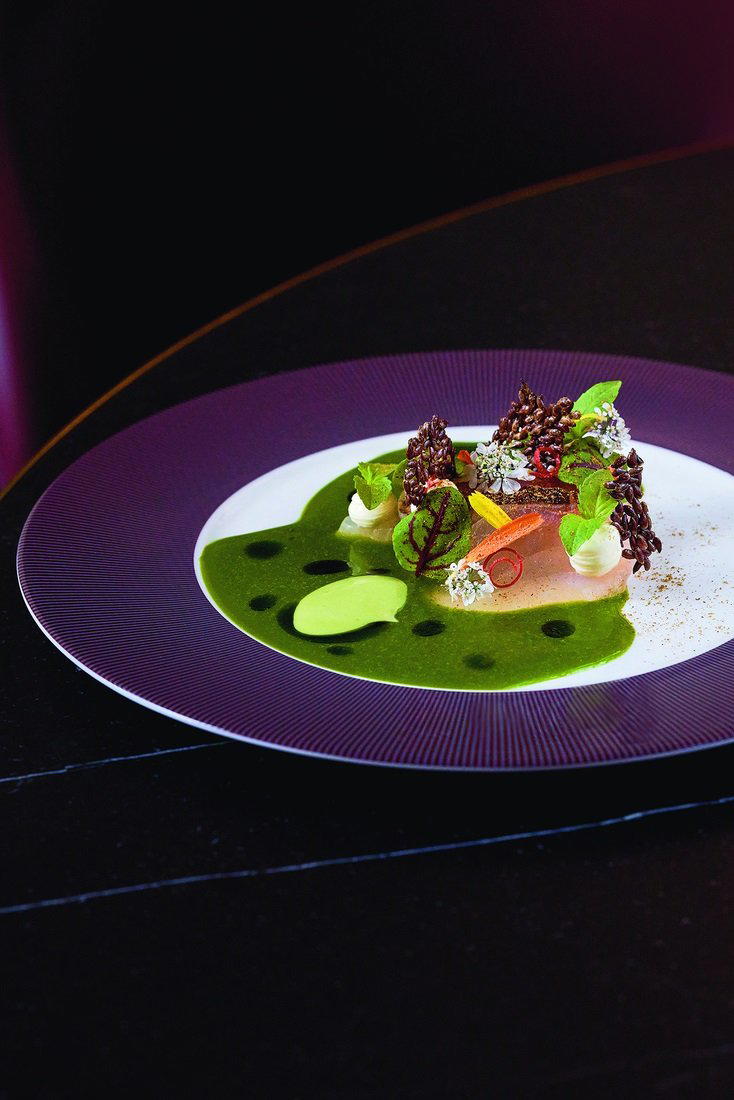
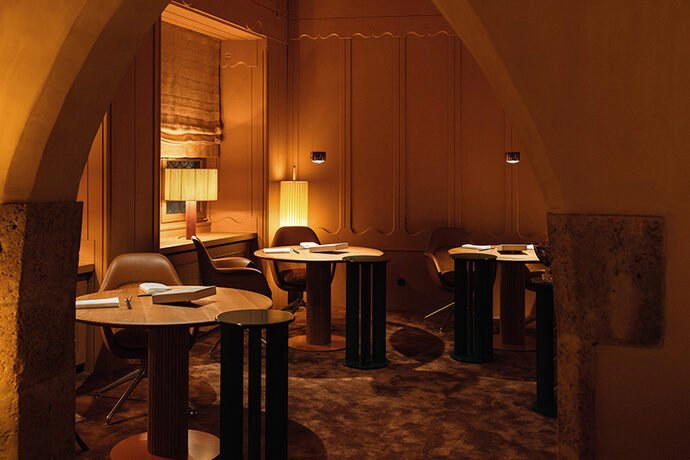
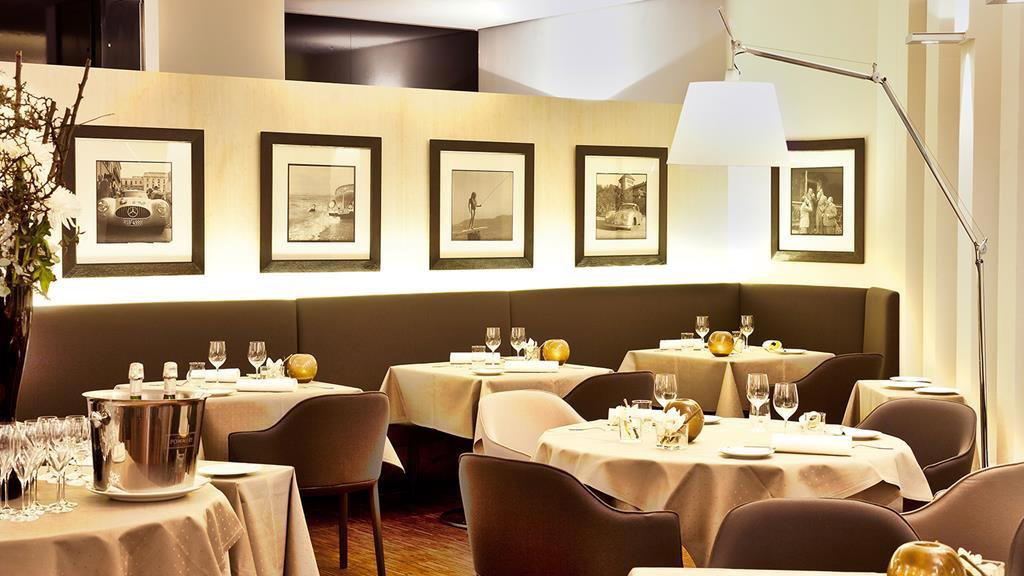
At a Glance
- Cozy
- Romantic
- Elegant
- Date Night
- Casual Hangout
- Terrace
- Wine Cellar
- Extensive Wine List
- Street Scene
Current opening hours
- Monday
- 11:30 AM–11 PM
- Tuesday
- 11:30 AM–11 PM
- Wednesday
- 11:30 AM–11 PM
- Thursday
- 11:30 AM–11 PM
- Friday
- 11:30 AM–11 PM
- Saturday
- 11:30 AM–11 PM
- Sunday
- 6–10 PM
Hours can change for holidays and private events. Last verified .
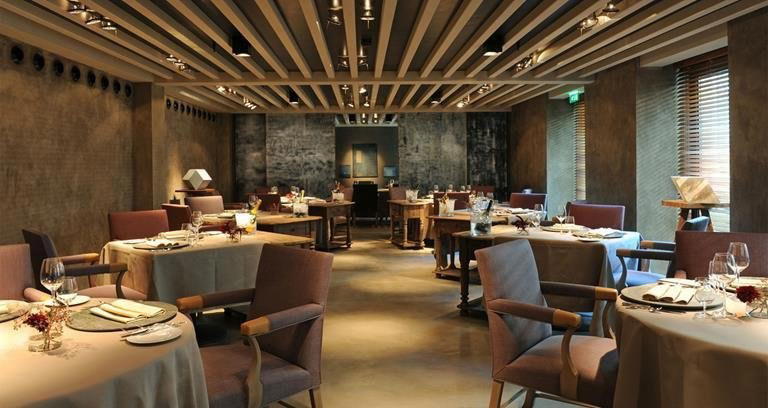
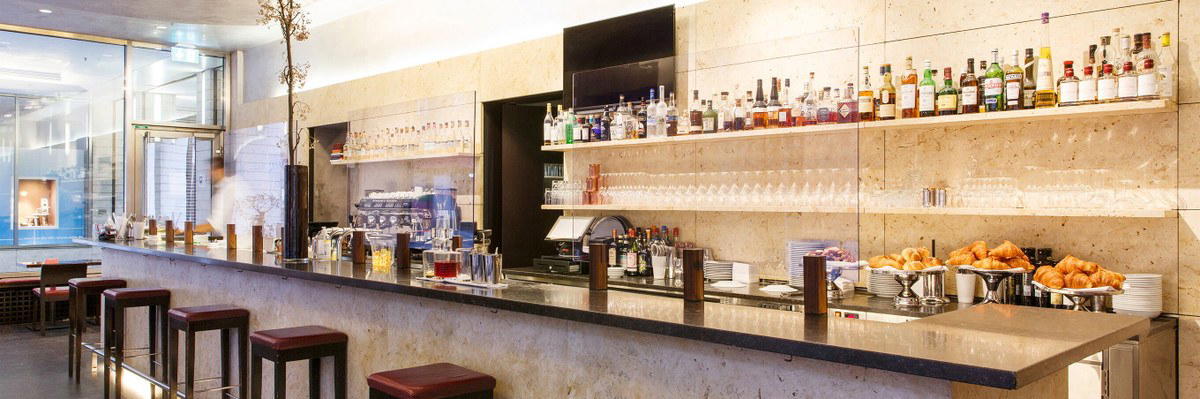
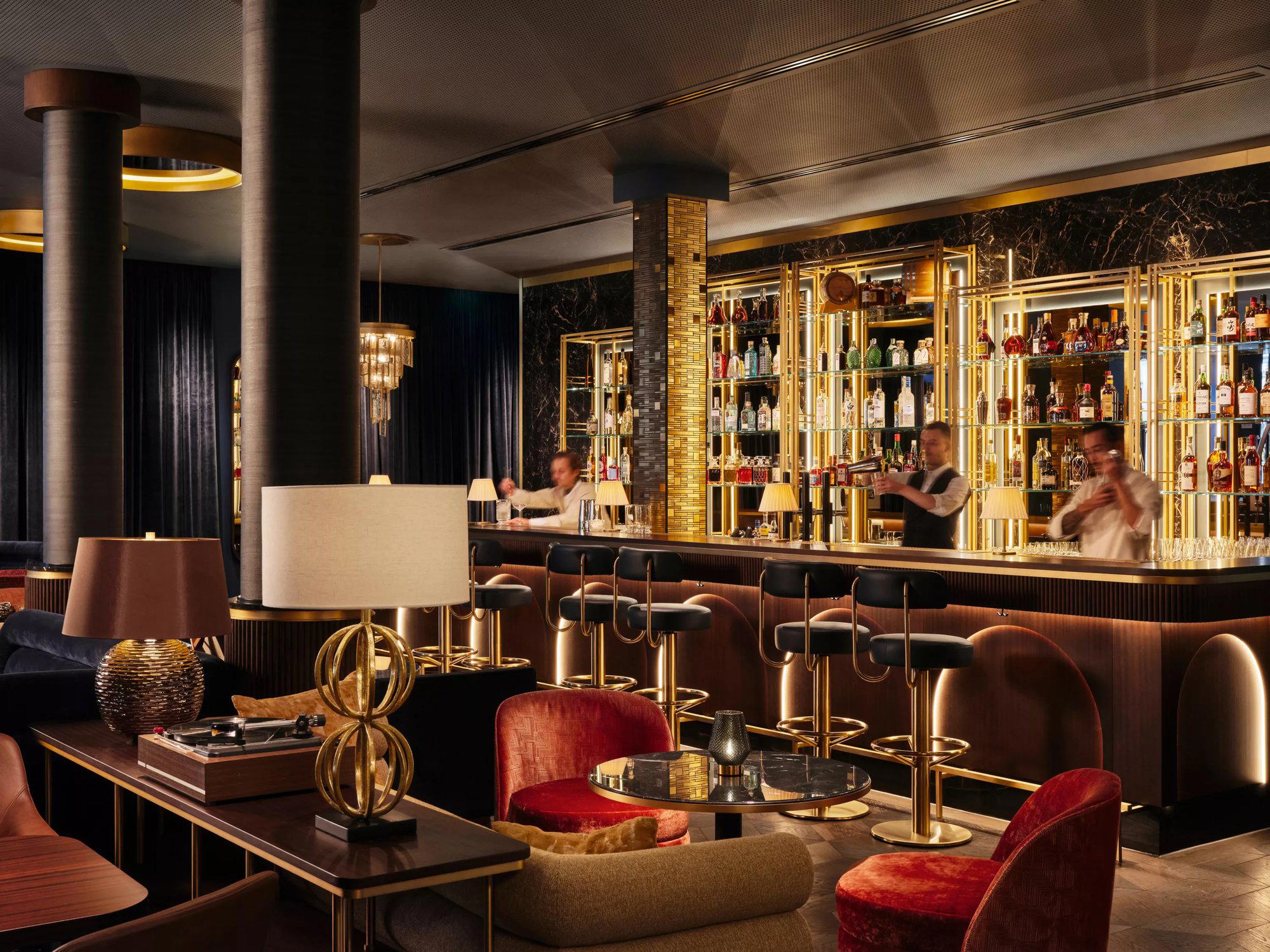
Stylish and charming with lovingly set tables, cozy bar area, and a welcoming 'home away from home' atmosphere.