Where Singapore's Specialty Coffee Scene Concentrates Singapore's artisanal coffee movement has matured past its early wave of imported Antipodean formats. What emerged in its place is a denser, more technically driven culture: roasteries that...
 Discover on Pearl
Pearl is the En Primeur Club membership app — saves, bookings, and concierge access live there. Same editors, same standards.
Where Singapore's Specialty Coffee Scene Concentrates
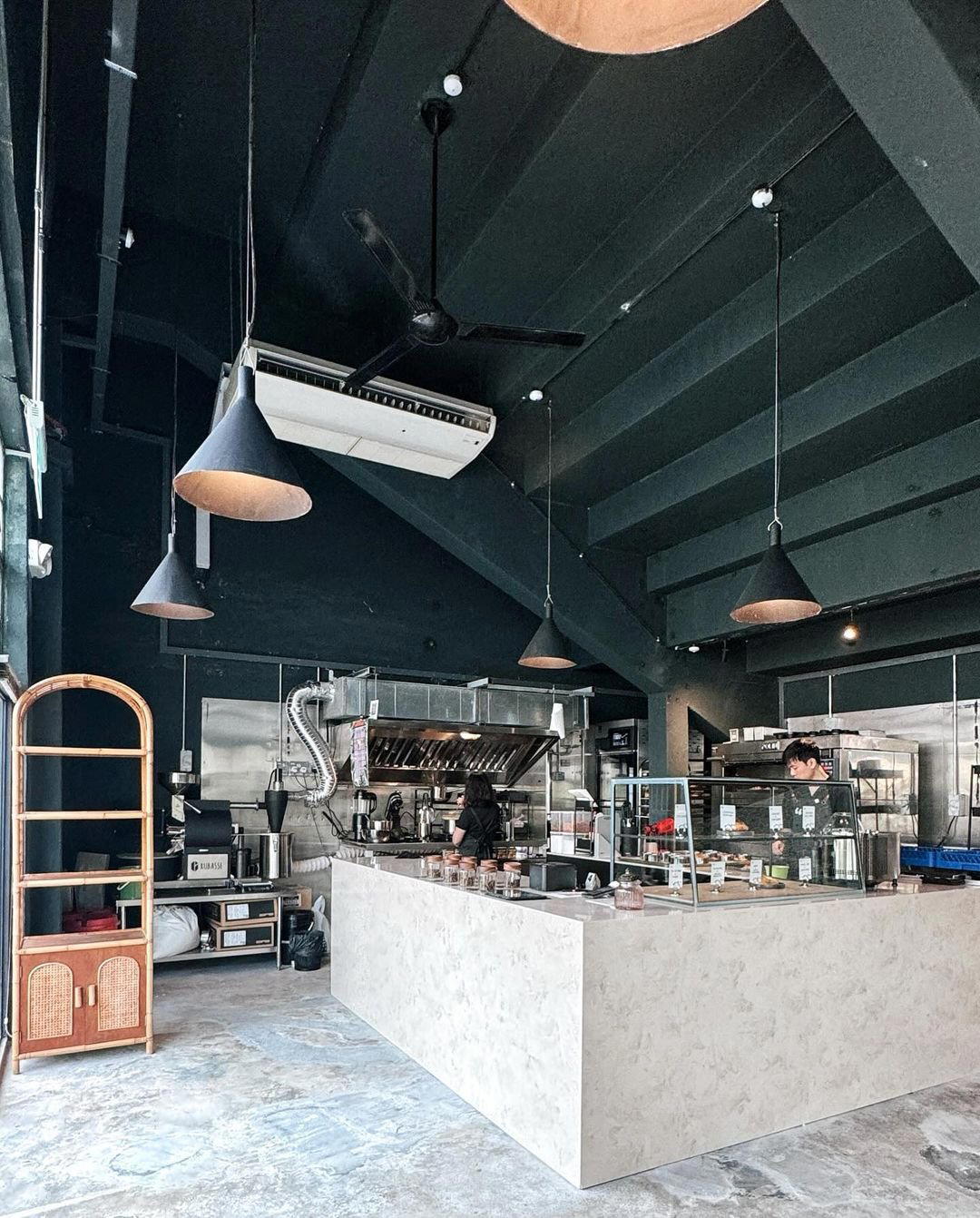
Singapore's artisanal coffee movement has matured past its early wave of imported Antipodean formats. Vernacular Coffee is a Singapore café serving specialty coffee and pastries, priced at about US$18 per person and operating on a walk-in-friendly, casual format. What emerged in its place is a denser, more technically driven culture: roasteries that source single-origin lots with the same seriousness that fine-dining kitchens apply to protein provenance, and cafés where the counter team operates with a division of labour that would be recognisable in a Michelin-starred dining room. Vernacular Coffee sits inside this more exacting tier, where the conversation between roaster, barista, and the person setting the floor experience shapes what ends up in the cup as much as any growing region does.
That collaborative structure matters because Singapore's café market is genuinely competitive. The city now hosts a dense concentration of specialty operators, from neighbourhood roasteries in Tiong Bahru to sleek minimalist bars in the CBD, and the formats that hold sustained attention tend to be those where the coffee program and the service disposition are visibly aligned. At its finest, a well-run artisanal café in Singapore functions less like a retail transaction and more like a short tasting experience, where staff can speak to processing method, roast profile, and extraction logic without a script in hand.
The Roastery Model and What It Demands
Artisanal café operations built around in-house or closely partnered roasting occupy a specific position in Singapore's hospitality infrastructure. They sit above the commodity café tier in sourcing cost and technical overhead, but they operate without the kitchen complexity that drives revenue at full-service restaurants like Odette or Zén. The economics require consistent throughput and a loyal repeat customer base, which is why the team dynamic at these operations carries unusual weight. A roastery-café that loses coherence between the person selecting green coffee, the person roasting it, and the person dialling in extraction each morning produces inconsistent results that a regular will notice across visits.
This is not a casual management problem. Specialty coffee, particularly when it involves natural or experimental processing methods, narrows the margin for inconsistency. Brew ratios, grind settings, and water temperature all interact differently as a roast ages, and the barista who understands why those variables shift is doing substantively different work from one following a fixed recipe. The better operations in Singapore have absorbed this as a structural reality rather than a training footnote.
Singapore's Café Geography and Where Vernacular Coffee Fits
The city's specialty coffee culture does not concentrate in a single district the way, say, Tokyo's third-wave cafés cluster in Shimokitazawa or Melbourne's skew toward Fitzroy. Singapore distributes its operators across a broader urban spread: shophouse conversions in the historic districts, ground-floor units in mixed-use developments, and the occasional standalone space that draws destination traffic rather than relying on footfall. This geographic spread means that reputation travels largely through word-of-mouth and repeat custom rather than proximity to other quality operators.
For a venue operating in the artisanal tier, that places additional emphasis on what the room communicates before the first coffee arrives. Fit-out, music calibration, and the pace at which staff engage a new customer all signal whether this is a space designed for the experience of good coffee or simply a retail envelope around a commodity product. Singapore's more serious operators have become adept at engineering the former, and that design intelligence is now part of what separates one tier from another.
Visitors already familiar with Singapore's fine-dining circuit, perhaps working from our full Singapore restaurants guide, will find that the same attention to sourcing and execution that defines the city's leading tables extends into its specialty coffee culture. The scale is different, the price point considerably lower, but the underlying discipline is comparable.
How the Counter Team Shapes the Experience
In specialty coffee at this level, the front-of-house and production roles are less separated than in a conventional café. The barista is, in effect, simultaneously cook, sommelier, and server: making real-time extraction decisions, advising on coffee selection, and managing the pace of service across a counter that may be handling multiple brew methods at once. Operations where these roles are distributed among people who communicate well produce noticeably more consistent results than those where roasting knowledge does not transfer to the bar.
This team dynamic is what gives the better artisanal cafés their register. When a customer asks why one natural-process Ethiopian lot tastes differently on a cold brew versus a pour-over, the answer requires someone who has tasted across both and can explain the differential without condescension. Singapore's most credible specialty operators have built that capability into their counter culture, and it reads clearly to anyone who has spent time in comparable operations in Melbourne, Tokyo, or Copenhagen.
The contrast with the city's broader café market is instructive. Singapore's hawker culture, represented by operators like KTMW chicken rice tea-cafe in Bedok or Bugis Street Ah Huat Hainanese Chicken Rice at Changi Airport, operates on entirely different logic: speed, volume, and deeply embedded muscle memory. Specialty coffee occupies a different register entirely, one where slowing down is the point and the transaction is structured around information exchange as much as product delivery.
Placing Vernacular Coffee in the comparable set
Singapore's artisanal coffee tier now has enough depth that peer comparisons are meaningful. Operators in this space benchmark against one another on sourcing transparency, roast consistency, and the quality of their brewing equipment rather than on menu breadth or kitchen output. In that context, the signals that matter most are whether the roasting is done with genuine specificity to each lot's character, whether the extraction approach changes meaningfully between brew methods, and whether the team can articulate both without being prompted.
These are not abstract credentials. They correspond to observable differences in the cup and in the counter interaction. Singapore's specialty coffee drinker, particularly in the segment that also frequents restaurants like Meta or Béni in Orchard, has developed a sufficiently calibrated palate to notice when execution falls short of the sourcing story being told. That accountability is, ultimately, what keeps the tier honest.
For those building an itinerary around Singapore's eating and drinking culture, the city's artisanal café scene pairs naturally with its more casual dining operators. Venues like Cicheti in Rochor and Etna Restaurant in Outram occupy a comparable mid-register in their respective categories: technically serious, without the formality of the city's top-tier dining. The broader Singapore eating circuit also extends to Ah Ter Teochew Fishball Noodles in Downtown Core, Asian Twist by 365 Food in Queenstown, Du Du Shou Shi in Jurong West, Haidilao Hot Pot at Sun Plaza in Sembawang, and Little Italy in Katong, Marine Parade, each representing a distinct register of the city's eating culture.
For reference points outside Singapore, the team-centred café model has analogues in precision-driven dining formats globally. The collaborative discipline visible at Lazy Bear in San Francisco or the sourcing rigour at operations adjacent to Le Bernardin in New York reflect the same underlying principle: that consistency at a high level is a team output, not an individual one.
Planning Your Visit
Walk-in access is the norm rather than a reservation-led format. Les Amis and Jaan by Kirk Westaway.
Booking and Cost Snapshot
Comparable venues nearby, for context on price, style, and recognition.
| Venue | Cuisine | Price | Awards | Notes |
|---|---|---|---|---|
| Vernacular CoffeeThis venue — the venue you are viewing | $$ | , | ||
| Nasi Padang Sabar Menanti | $$ | , | KAMPONG GLAM, Authentic Minangkabau Nasi Padang | |
| Le Mont | CHINATOWN, Malaysian and Singaporean | $$ | 1 recognition | |
| Nasi Lemak Ayam Taliwang Signature | $$ | , | Telok Ayer, Singaporean-Indonesian Nasi Lemak | |
| Heap Seng Leong | $ | , | Crawford, Traditional Singaporean Kopitiam | |
| 328 Katong Laksa | KATONG, Katong Laksa | $$ | 3 recognitions |
Continue exploring
More in Singapore
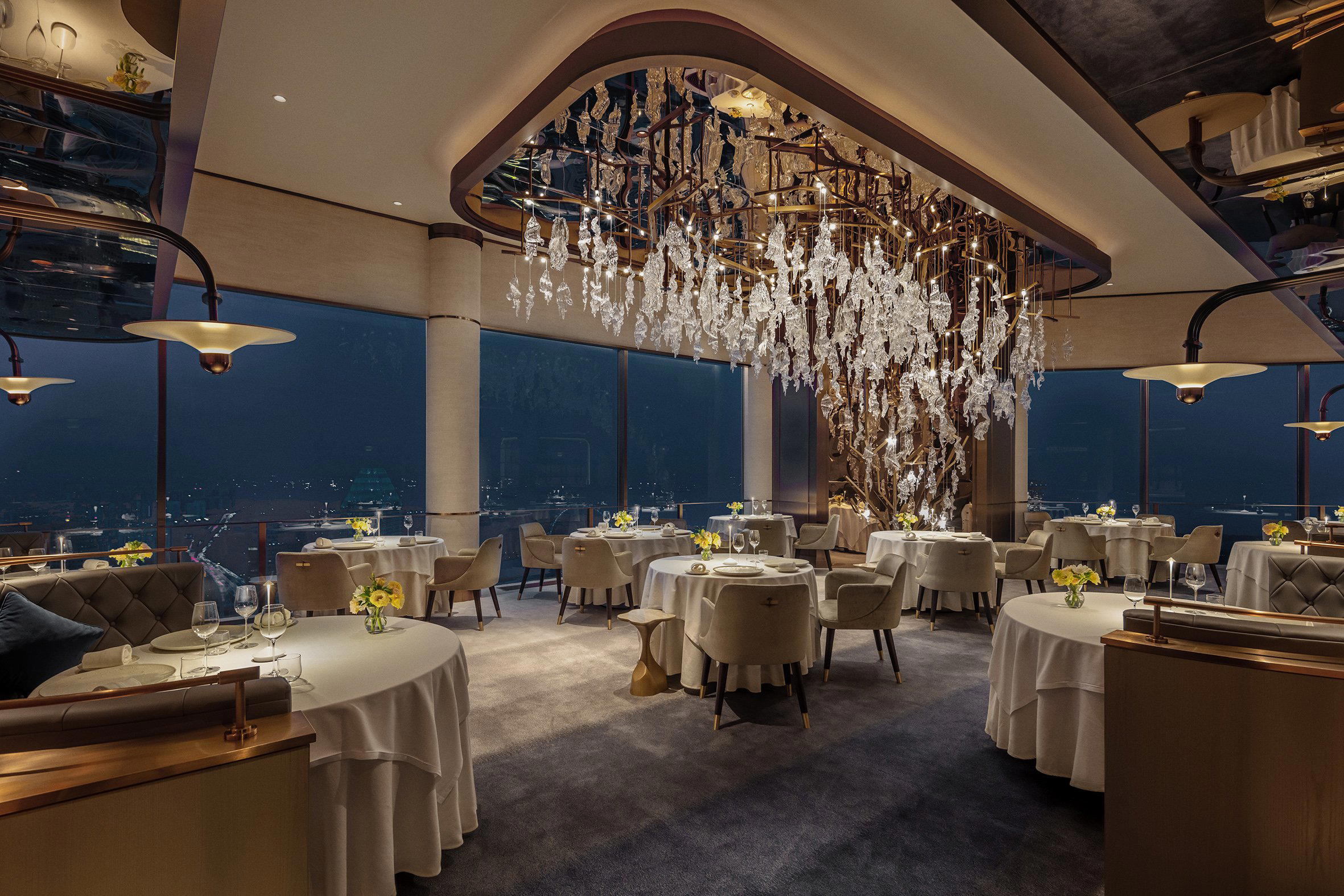
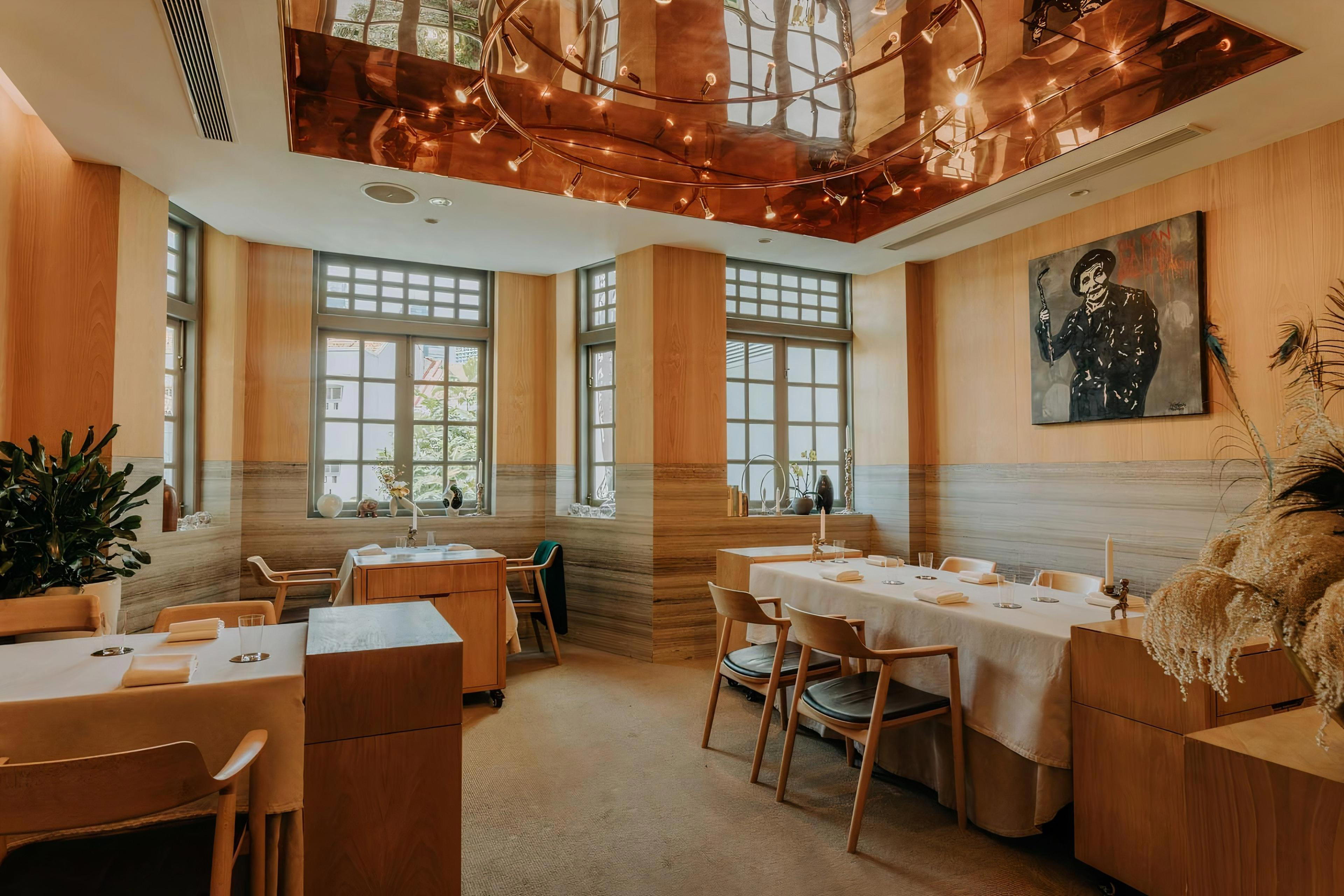
Restaurants in Singapore
Browse all →
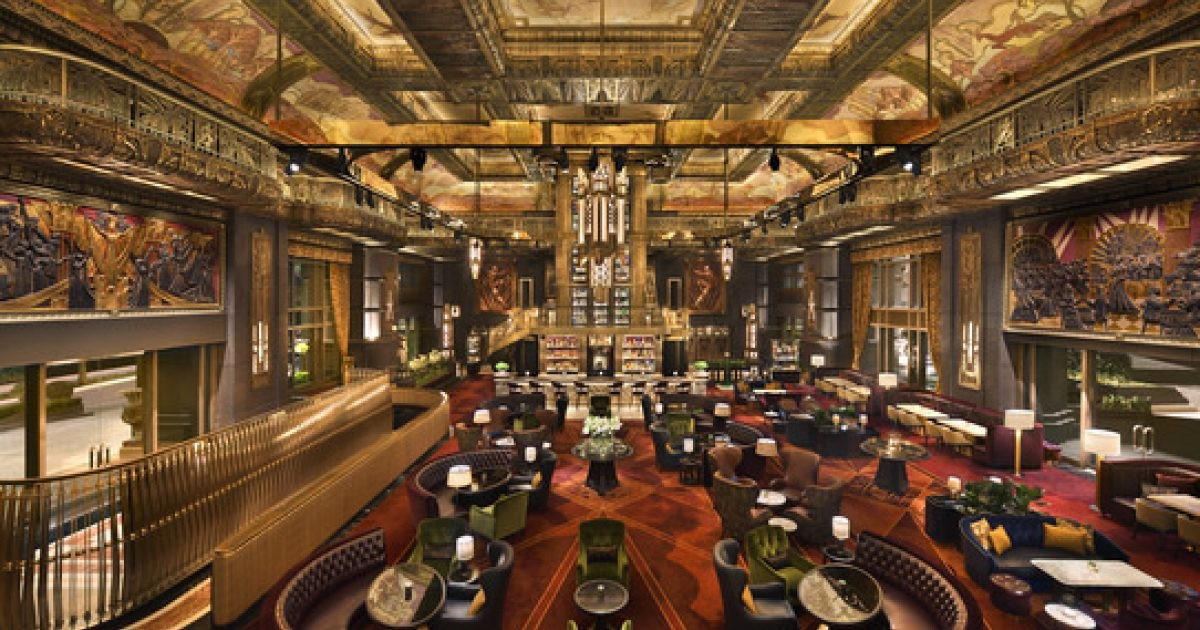
Bars in Singapore
Browse all →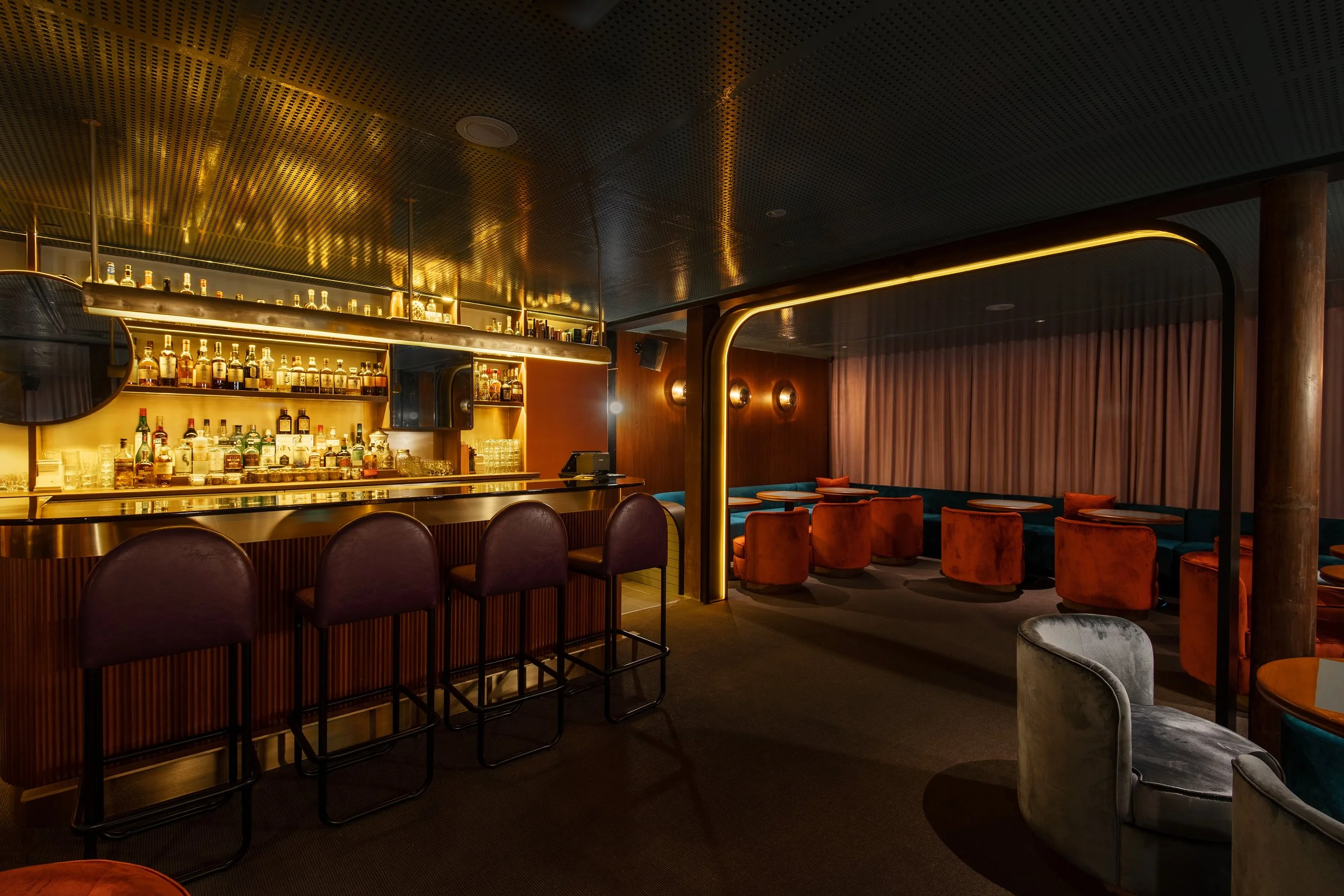
At a Glance
- Minimalist
- Cozy
- Quiet
- Trendy
- Hidden Gem
- Brunch
- Casual Hangout
- Solo
- Open Kitchen
- Local Sourcing
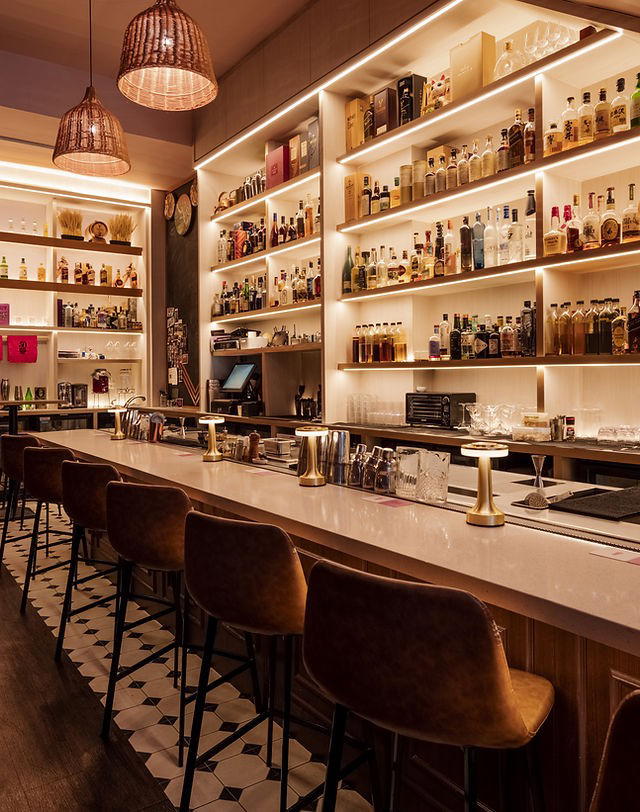
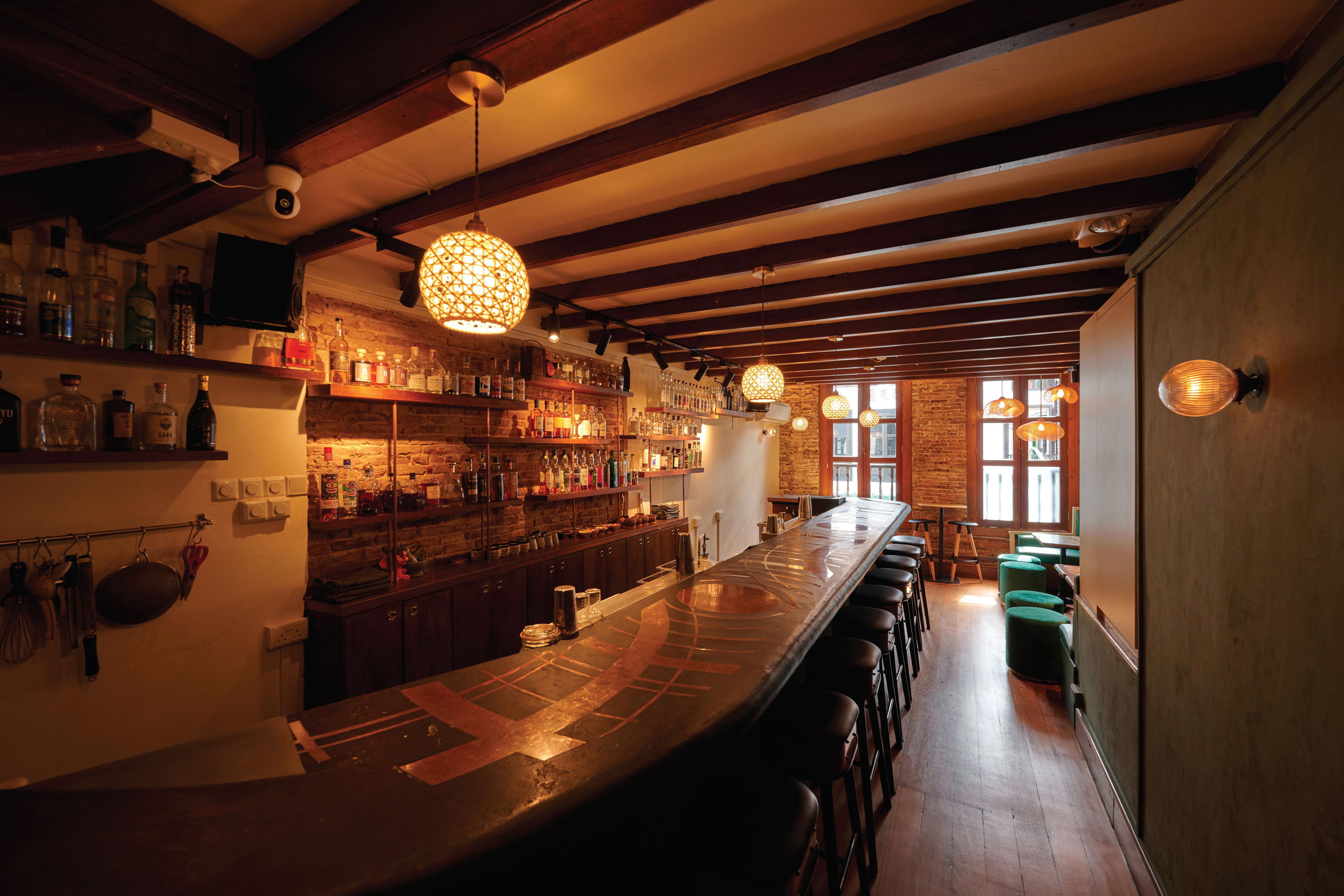
Moody and minimalist with high ceilings, dark stone shades, natural light, and eclectic comfortable furnishings ideal for relaxing or working.